Most Affordable Diagnostic Medical Sonographer Schools & Training - Budget-Friendly Sonography Trade Programs in Washington for 2026

Co-Founder and Chief Data Scientist
Exploring a career as a medical sonographer is an exciting step toward a rewarding healthcare profession. If you're in Washington and looking for affordable trade schools, this article is designed just for you.
The Research.com team of data scientists has created a detailed ranking of medical sonographer trade school programs to help you make an informed decision. This guide highlights programs worth considering based on quality and cost.
Choosing the right school can open doors to valuable certifications and a fulfilling future in medical imaging. Your journey starts here.
Key benefits of finishing medical sonographer trade school in Washington
- Graduates can expect an average hourly wage around $45.90, with top earners making up to $62.35 per hour, offering a strong return on investment for trade school training in Washington.
- Career options include working in hospitals, outpatient care centers, or specialized clinics, as shown by successful graduates from popular Washington trade schools who find diverse job opportunities.
- Completing a medical sonographer trade school online offers flexibility and convenience, allowing students to balance work and study, a benefit highlighted by graduates of well-known online programs in the state.
- Most Affordable Diagnostic Medical Sonographer Schools & Training - Budget-Friendly Sonography Trade Programs in Washington for 2026
- What can I expect from medical sonographer trade schools in Washington?
- Where can I work after finishing medical sonographer trade schools in Washington?
What can I expect from medical sonographer trade schools in Washington?
When you enroll in a medical sonographer trade school program in Washington, expect a hands-on learning experience that's both challenging and rewarding. Many graduates from popular schools like Spokane Community College describe juggling detailed coursework in anatomy, sonographic physics, and medical terminology with real clinical practice at local hospitals. It's common to spend time using ultrasound machines on actual patients, which helps build confidence before stepping into the workforce.
Programs often last around 17 months to two years, with some structured as associate degrees-just enough to get you ready for certification exams like the ARDMS SPI. Admission is competitive, so you'll need to meet prerequisites and prepare for things like background checks and immunizations before clinical rotations.
Students appreciate how the program's mix of classroom learning and clinical hours makes the technical stuff feel real and meaningful. Plus, many programs offer specialization options, letting you focus on areas like vascular or cardiac sonography, which adds a personal touch to your training.
Where can I work after finishing medical sonographer trade schools in Washington?
After finishing a medical sonographer trade school program in Washington, you'll find plenty of exciting job options waiting for you. Graduates often land roles in hospitals like St. Francis or PeaceHealth, where they get hands-on experience performing ultrasounds and working closely with medical teams. A lot of students from popular trade schools in Seattle and Tacoma share how rewarding it is to contribute directly to patient care in busy imaging departments.
Outpatient clinics and specialized imaging centers also hire a ton of new sonographers. For example, Inland Imaging Clinical Associates in Spokane is known for offering solid hourly wages and a chance to focus on areas like obstetrics or vascular ultrasound, which many grads find super fulfilling.
Some graduates pursue more specialized paths, like cardiac or vascular sonography, at places like St. Joseph Medical Center or Optum in Everett. These jobs often pay higher and let you dive deeper into your chosen field.
Overall, the range of employers across Washington means you can find a role that fits your lifestyle and career goals perfectly.
After finishing a medical sonographer trade school program in Washington, you can expect to make a solid income right out of the gate. Graduates from popular local trade schools often share how they started earning between $70,000 and $80,000 annually, which feels like a huge win after all the hard work. One graduate mentioned how landing a job paying around $45.90 an hour allowed them to comfortably cover living expenses in Seattle while still saving for the future.
As you gain experience or earn additional certifications, salaries can climb quickly. Many sonographers in Washington report making over $100,000 per year, especially those working in specialized areas or larger healthcare facilities. Some even see hourly wages reach up to $62.35, which really makes the effort worth it.
Even though the job market might feel a bit slow at times, the financial potential stays strong compared to many other healthcare roles. Graduates often feel proud knowing their trade school investment leads to a career with rewarding pay and steady growth.
- Only CAAHEP-accredited programs qualify students to take the ARDMS exams required by most Washington employers.
- Applicants need a high school diploma or GED, prerequisite courses in science, and often clinical observation hours and a background check.
- DMS programs typically last two years and include classroom, lab, and clinical internship components.
- In-state tuition ranges from $10,000 to $25,000, with financial aid options available.
- Starting salaries average around $90,000 annually, with experienced sonographers earning up to $110,000 or more.
Completing a medical sonographer trade school program in Washington usually takes about 18 to 24 months. Many students find this timeline manageable, especially if they're balancing work or family commitments. For example, graduates from well-known trade schools in Seattle often mention how the intensive yet well-structured schedule helped them stay motivated without feeling overwhelmed.
One common experience shared by students is the blend of hands-on training with classroom time, which makes those months fly by. Imagine spending mornings learning ultrasound technology and afternoons practicing in real clinical settings around Washington state-this mix keeps things interesting and practical.
Many graduates also appreciate how quickly they could start applying for jobs after finishing their program. The relatively short completion time means you're not stuck in school forever, and you can jump into a rewarding career in medical sonography sooner than you might expect.
The main difference between online and on-campus medical sonographer trade school programs in Washington comes down to how you learn and where. Online programs offer a lot of flexibility-graduates often say it's great for juggling work, family, or other commitments since you can watch lectures and do assignments from anywhere. For example, students at Charter College appreciate being able to study theory online at their own pace. But everyone agrees that the hands-on stuff can't be skipped. Even online students have to complete clinical rotations in person, usually arranged at a nearby healthcare facility, to get real ultrasound experience.
On the other hand, on-campus programs at schools like Spokane Community College or Bellevue College give you a more traditional vibe. Graduates love the direct access to instructors and ultrasound labs, plus the chance to collaborate face-to-face with classmates. The structured schedule and immediate feedback during hands-on labs really help build confidence before heading to clinical internships.
The average tuition fees for sonography programs in Washington can vary widely depending on the school you choose. For example, many graduates from Bellevue College share that their Associate in Applied Science-T in Diagnostic Ultrasound costs about $4,000 per quarter for residents, making it a more affordable option. On the other hand, some students who pursued their degrees at Seattle University experienced tuition fees that reached nearly $45,765 annually, reflecting the higher end of the spectrum for sonography programs.
Considering the cost of diagnostic medical sonography degrees in Washington state, Spokane Community College stands out as well, with tuition around $5,461 per year for in-state students. Tacoma Community College's graduates often mention paying around $3,500 per quarter, alongside additional expenses like books and immunizations, which can add roughly $750 or more to the total cost. It's not unusual for students to budget carefully to cover these extra fees alongside tuition.
If you're exploring affordable and flexible ways to study, many students also look for a sonography online associate's degree to fit their schedules while managing costs. This approach often helps balance tuition and personal commitments without compromising education quality.
If you're diving into a medical sonographer program in Washington, there's good news: financial aid options are pretty solid. Many students at places like Spokane Community College and Tacoma Community College find federal aid through FAFSA to be a great starting point. Grants like the Pell Grant can cover a big chunk of costs-up to nearly $7,000 a year-helping ease the stress of tuition and supplies.
Some graduates share how applying for the Federal Supplemental Educational Opportunity Grant gave them extra breathing room when money got tight. Plus, if you're a Washington resident, state-specific help like the Washington College Grant or WASFA can open doors to scholarships and grants, even if federal aid isn't an option.
On top of that, schools often have their own scholarships and work-study gigs that many students tap into. And don't forget private scholarships-groups like the Society of Diagnostic Medical Sonography hand out awards that really make a difference, especially for those balancing school and life.
It's all about reaching out early, asking questions, and grabbing every opportunity to fund your education without feeling overwhelmed.
Getting into a medical sonographer trade school in Washington usually means meeting a few straightforward prerequisites that set you up for success. Most programs ask for a high school diploma or GED, which is pretty standard. Beyond that, many schools like those popular in Seattle or Tacoma emphasize a solid foundation in math and science-think biology and anatomy basics-to make sure you're ready to dive into the technical side of sonography.
Graduates often share how helpful it was to have completed some college-level courses or healthcare-related classes before starting the program. Some schools ask for a background check or immunization records, especially because you'll be working closely with patients during clinicals.
Here's a quick look at typical prerequisites:
- High school diploma or GED
- Basic science and math coursework
- Background check and immunization proof
- Sometimes a healthcare-related course or experience
One graduate from a well-known Washington trade school mentioned how feeling prepared in anatomy helped them breeze through the early classes, making the learning experience much more enjoyable and less stressful. If you're excited about hands-on patient care and tech, meeting these simple requirements can be your first step to a rewarding career in sonography.

If you're diving into a medical sonographer trade program in Washington, expect a well-rounded set of courses that truly prepare you for the field. Graduates from schools like Bellevue College and Spokane Community College often mention how foundational classes like Anatomy and Physiology and Medical Terminology made a huge difference in understanding the human body and communicating confidently in clinical settings.
Most programs also focus heavily on Sonography Physics and Instrumentation, helping students grasp how ultrasound machines work-this is where classroom theory meets real tech skills. For example, students at Charter College find these courses especially eye-opening as they get hands-on practice with equipment.
Specialized courses are a big part of the curriculum, too, including:
- Sonography of the Abdomen and Pelvis
- Sonography of OB/GYN
- Pathology of Abdomen and Pelvis
These classes help students spot abnormalities and get familiar with imaging key body areas. Some programs even offer extra training in Vascular and Cardiac Sonography, which is great if you want to stand out in Washington's job market.
On top of that, nearly every program requires clinical practicums, which students rave about for the real-world experience they provide. Imagine working alongside professionals in a hospital, applying what you learned in class to actual patient care-that's the kind of confidence-building experience you'll get.
In Washington, medical sonographer trade school programs offer a range of specializations that help students find their perfect fit in the healthcare world. Popular tracks include General Sonography, which covers abdominal, obstetric, and gynecologic imaging-skills that graduates from Spokane Community College rave about for their hands-on experience. Then there's Cardiac Sonography, great for those interested in heart imaging; Seattle University alumni often mention how the focused curriculum gave them confidence in diagnosing cardiovascular issues.
Another exciting path is Vascular Sonography, where Tacoma Community College students learn to detect blood vessel problems, a critical and rewarding skill set. Some schools, like Bellevue College, even offer advanced certificates, such as Breast Ultrasound, for current sonographers eager to specialize further.
Students genuinely appreciate how these programs are tailored to different interests and career goals. And if you're wondering what is the easiest healthcare degree to start with, sonography's variety makes it an inviting choice with solid job prospects.
When choosing the best medical sonographer trade school program in Washington, it's important to focus on accreditation first. Graduates from Spokane Community College praise the CAAHEP accreditation, which helped them confidently sit for the ARDMS certification exams. Affordability matters too-many find Spokane's in-state tuition of around $9,306 a great value, making it one of the affordable sonography schools in Washington that doesn't skimp on quality.
Seattle University offers longer programs with specializations in General, Vascular, and Cardiac sonography, which graduates appreciate for tailoring their skills toward specific careers. Their hands-on clinical experiences at local medical centers make students feel prepared and confident stepping into real-world settings.
For those balancing busy lives, exploring fast paced sonography programs can be a great option. Ultimately, aligning tuition, specializations, and clinical opportunities will guide you toward the best medical sonographer programs in Washington that fit your goals and lifestyle.
Medical sonographer trade school graduates in Washington have a wide range of exciting career opportunities for medical sonographers in Washington. Many jump straight into roles as diagnostic medical sonographers, working in busy hospitals, outpatient clinics, or imaging centers. Graduates from popular trade schools in Seattle or Spokane often share how rewarding it is to specialize in sonography specialties and job titles in Washington like obstetric and gynecologic sonography, providing prenatal care and women's health imaging.
Others explore cardiac sonography, where they can find competitive wages-some earn between $40 and $68 per hour-perfect for those wanting to work in specialty cardiac centers throughout Washington. Vascular, breast, and abdominal sonography are also common paths, sometimes requiring ARDMS certification, which many graduates pursue after their trade program.
Graduates appreciate the job flexibility available, with options for full-time, part-time, or even per-diem roles, which fits well around family or other commitments. Some advance to lead technologist or clinical ultrasound scientist roles after gaining experience and further education.
If you're wondering what is the best healthcare job to pursue in Washington, sonography certainly offers a vibrant, growing field full of diverse, well-paying roles.
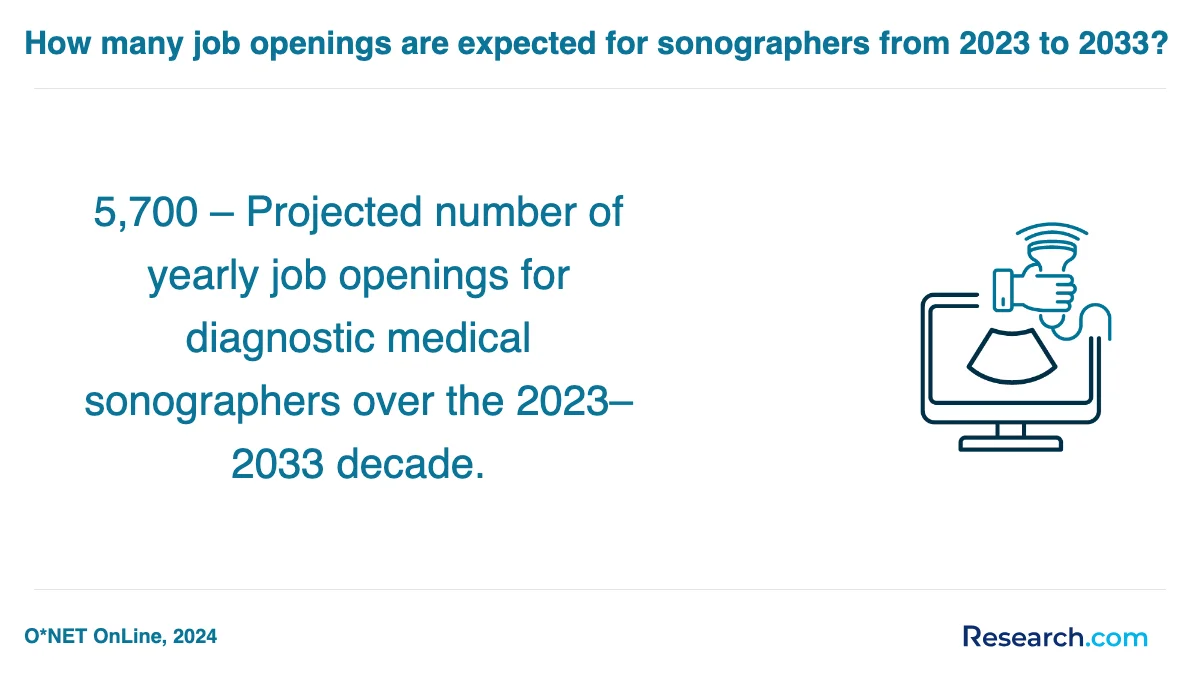
The medical sonographer job outlook Washington graduates face is a mix of promising salary potential but a tighter job market. Many graduates from popular trade schools in Washington share that while the competition for available roles is stiff, the high hourly rates-averaging around $45.90-make the effort worthwhile. Some graduates found that gaining certifications in specialties like cardiac or vascular sonography really helped them stand out.
Washington ranks high in diagnostic medical sonographer salary Washington, with public sector jobs offering annual pay starting near $55,836 and going up to over $75,000 as experience builds. However, the number of openings remains limited, so being flexible and proactive can make a difference. Graduates often mention benefits of relocating within Washington or taking roles in less saturated areas.
Trade schools in the state equip students well, but keeping an eye on shifts in hospital hiring and staying updated with certifications is key. If you're wondering what is the best online school for ultrasound technicians? in Washington, several programs offer strong training and job resources to help bridge the gap between education and employment.
Most Affordable Diagnostic Medical Sonographer Schools & Training - Budget-Friendly Sonography Trade Programs in Washington for 2026
# 1 position
Spokane Community College - Diagnostic Medical Sonography/Sonographer and Ultrasound Technician.
associateSpokane Community College offers a Diagnostic Medical Sonography/Sonographer and Ultrasound Technician program with a hybrid format, including some distance education. The program trains students to use ultrasound technology to collect sonographic data for diagnosing medical conditions, covering patient care, data processing, and professional ethics. The annual in-state tuition is $4,057. Graduates earn a median salary of $63,228 one year after completion. The program is accredited by the Northwest Commission on Colleges and Universities.
# 2 position
Tacoma Community College - Diagnostic Medical Sonography/Sonographer and Ultrasound Technician.
associateTacoma Community College offers a hybrid Diagnostic Medical Sonography/Sonographer and Ultrasound Technician program that trains students to use ultrasound technology for medical diagnosis. The curriculum covers patient care, sonographic data collection, and equipment operation under physician supervision. Annual in-state tuition is $4,920. Graduates earn a median salary of $73,435 one year after completion. The program is accredited by the Northwest Commission on Colleges and Universities.
# 3 position
Columbia Basin College - Diagnostic Medical Sonography/Sonographer and Ultrasound Technician.
associateColumbia Basin College offers a Diagnostic Medical Sonography/Sonographer and Ultrasound Technician program with a hybrid format including some distance education. The program prepares students to use ultrasound technology for diagnostic purposes under physician supervision. Instruction covers patient care, data recording, equipment operation, and professional ethics. Annual in-state tuition is $6,194. Graduates have median earnings of $64,223 one year after completion. The program is accredited by the Northwest Commission on Colleges and Universities.
# 4 position
Bellevue College - Diagnostic Medical Sonography/Sonographer and Ultrasound Technician.
associateBellevue College offers a Diagnostic Medical Sonography/Sonographer and Ultrasound Technician program with a hybrid format, including some distance education. The program trains students to use ultrasound techniques for diagnosing medical conditions under physician supervision. Coursework covers patient care, sonographic data processing, and equipment operation. Annual in-state tuition is $4,305. Graduates have a median earning of $79,877 one year after completion. The program is accredited by the Northwest Commission on Colleges and Universities.
# 5 position
Bellevue College - Diagnostic Medical Sonography/Sonographer and Ultrasound Technician.
certificate or diplomaBellevue College offers a Diagnostic Medical Sonography/Sonographer and Ultrasound Technician program with a hybrid format, allowing some distance education. The program trains students to perform medical ultrasound techniques for diagnostic purposes, including patient care, data processing, and equipment operation. Annual in-state tuition is $4,305. Graduates have a median earning of $79,877 one year after completion. The program is accredited by the Northwest Commission on Colleges and Universities.
Frequently Asked Questions about medical sonographer
After completing a medical sonographer trade school in Washington, preparing for the job market involves several important steps. First, obtaining certification through the American Registry for Diagnostic Medical Sonography (ARDMS) is essential, as many employers in Washington prefer or require this credential. According to the U.S. Bureau of Labor Statistics, Washington's employment of diagnostic medical sonographers is projected to grow by 15% from 2022 to 2032, indicating strong job prospects.
Networking with local healthcare providers and attending job fairs can provide valuable connections. Additionally, gaining hands-on experience through clinical internships, often included in trade programs, enhances employability. Staying updated on advances in sonography technology and continuing education also supports career growth in this competitive field.
Employers in Washington prioritize several key skills when hiring graduates from medical sonographer trade schools. Strong technical proficiency with ultrasound equipment is essential, as sonographers must produce clear and accurate diagnostic images. Additionally, knowledge of human anatomy and pathology is critical to identify abnormalities effectively.
Communication skills also rank highly, since sonographers must explain procedures to patients and collaborate with healthcare teams. According to the Washington State Employment Security Department, attention to detail and critical thinking are crucial, given the precision required in imaging and reporting findings.
Familiarity with electronic health records (EHR) systems is increasingly important, reflecting the digital trends in healthcare facilities statewide. Finally, employers value graduates who demonstrate professionalism and empathy, ensuring patient comfort during examinations.
Finding internships in Washington related to medical sonographer trade school programs involves several key steps. First, students should consult their school's career services, as many accredited programs have established partnerships with local hospitals and imaging centers. According to the Commission on Accreditation of Allied Health Education Programs (CAAHEP), clinical internships are often mandatory and organized through training institutions.
Additionally, students can explore opportunities at major health systems such as MultiCare and Providence Health & Services, which frequently offer sonography internships. Networking with professionals via the Washington Society of Radiologic Technologists may also provide leads. The Washington State Department of Health maintains listings of licensed facilities where internships may be available.
Obtaining a medical sonographer trade school diploma in Washington significantly enhances career mobility and advancement prospects. According to the U.S. Bureau of Labor Statistics, Washington's healthcare sector is growing faster than the national average, with a 12% projected increase in diagnostic medical sonographer jobs from 2022 to 2032. A diploma from an accredited trade school meets the educational requirements for entry-level positions and prepares students for credentialing exams like the ARDMS certification, which employers often prioritize.
Graduates with this diploma can access better job opportunities in hospitals, clinics, and outpatient centers across Washington. Entry-level wages typically start around $25 per hour, with potential growth as experience and certifications increase. This formal training improves social mobility by enabling graduates to enter a stable, well-paying healthcare field without the time and financial commitment of a four-year degree.
Students pursuing medical sonographer trade school programs in Washington can benefit from part-time jobs that build relevant skills and experience. Common opportunities include working as medical assistants, patient transporters, or ultrasound technician aides. These roles allow students to gain exposure to clinical environments and patient care while developing familiarity with medical equipment.
According to the Washington State Employment Security Department, healthcare support occupations are projected to grow by 15% through 2030, indicating strong demand for such roles. Part-time jobs in hospitals, outpatient clinics, and diagnostic labs provide practical experience valuable for sonography students.
Additionally, volunteering or internships in radiology departments can complement education by reinforcing technical and interpersonal skills crucial in sonography careers.
Researching affordable Medical Sonographer degree programs near you, particularly near Washington, should start by looking into community colleges and state universities, which often offer cost-effective education. Programs near Washington can be located through resources like Research.com, where you can compare tuition rates and program details. Additionally, considering online programs can provide further flexibility and potentially reduce overall expenses while still securing a quality education in the field.
- Most Affordable Diagnostic Medical Sonographer Schools & Training - Budget-Friendly Sonography Trade Programs in Nevada for 2026
- Most Affordable Diagnostic Medical Sonographer Schools & Training - Budget-Friendly Sonography Trade Programs in Arizona for 2026
- Most Affordable Diagnostic Medical Sonographer Schools & Training - Budget-Friendly Sonography Trade Programs in New Mexico for 2026
- Most Affordable Diagnostic Medical Sonographer Schools & Training - Budget-Friendly Sonography Trade Programs in North Dakota for 2026
- Most Affordable Diagnostic Medical Sonographer Schools & Training - Budget-Friendly Sonography Trade Programs in Oklahoma for 2026
- Most Affordable Diagnostic Medical Sonographer Schools & Training - Budget-Friendly Sonography Trade Programs in Texas for 2026
- Most Affordable Diagnostic Medical Sonographer Schools & Training - Budget-Friendly Sonography Trade Programs in Minnesota for 2026
- Most Affordable Diagnostic Medical Sonographer Schools & Training - Budget-Friendly Sonography Trade Programs in Missouri for 2026
- Most Affordable Diagnostic Medical Sonographer Schools & Training - Budget-Friendly Sonography Trade Programs in Louisiana for 2026
- Most Affordable Diagnostic Medical Sonographer Schools & Training - Budget-Friendly Sonography Trade Programs in Wisconsin for 2026
- Diagnostic Medical Sonographers and Cardiovascular Technologists and Technicians : Occupational Outlook Handbook: : U.S. Bureau of Labor Statistics https://www.bls.gov/ooh/healthcare/diagnostic-medical-sonographers.htm
- What Can I do With a Diagnostic Medical Sonography Degree https://www.cambridgehealth.edu/dms-diagnostic-medical-sonography/dms-degree/what-can-i-do-with-a-diagnostic-medical-sonography-degree/
- Diagnostic Medical Sonographer - Explore Healthcare Careers - Mayo Clinic College of Medicine & Science https://college.mayo.edu/academics/explore-health-care-careers/careers-a-z/diagnostic-medical-sonographer/
- What Can I Do With a DMS Degree? - Casa Loma College Casa Loma College https://casalomacollege.edu/what-can-you-do-with-a-diagnostic-medical-sonography-degree/
- Sonography Career Paths https://www.ultrasoundschoolsinfo.com/sonography-career-paths/
- Sonographer | Explore Careers | National Careers Service https://nationalcareers.service.gov.uk/job-profiles/sonographer
- Careers in Diagnostic Sonography | Health Professions Program | IU School of Medicine https://medicine.iu.edu/undergraduate-health-professions/degrees-and-certificates/sonography/career
- WorkBC Site Maintenance - Service Temporarily Unavailable https://www.workbc.ca/career-profiles/medical-sonographers
- Sonographer Salary and Job Opportunities: Is It Worth It? | Ultrasound Technician, Diagnostic Medical Sonography, Bachelor and Associate Programs - Los Angeles, Glendale, Pasadena https://amsc.edu/sonographer-salary-and-job-opportunities-is-it-worth-it/
- How to Become a Sonographer | Salary & Programs https://nurse.org/healthcare/how-to-become-sonographer/