
Most Affordable Diagnostic Medical Sonographer Schools & Training - Budget-Friendly Sonography Trade Programs in New Mexico for 2026

Co-Founder and Chief Data Scientist
Exploring a career as a medical sonographer can open doors to a rewarding and in-demand healthcare profession. For students in New Mexico, finding the right trade school is an important step toward achieving that goal.
This article introduces a carefully crafted ranking of medical sonographer trade school programs, developed by the Research.com team of data scientists. It’s designed to help you make an informed decision about which programs offer the best value and quality education.
By reading on, you’ll discover affordable options that can lead to a valuable diploma or certification, setting you up for success in this growing field.
Key benefits of finishing medical sonographer trade school in New Mexico
- Graduates can expect an average salary between $92,000 and $111,000 per year in New Mexico, with hourly wages often ranging from $39 to $56, offering strong financial rewards early in their careers.
- Career paths include hospital sonographer, outpatient care specialist, or diagnostic imaging technician, as seen with graduates from Central New Mexico Community College who find diverse job opportunities statewide.
- Completing a medical sonographer trade school online provides flexibility and convenience, allowing students like those from the New Mexico Online Sonography Institute to balance studies with work and family commitments effectively.
- Most Affordable Diagnostic Medical Sonographer Schools & Training - Budget-Friendly Sonography Trade Programs in New Mexico for 2026
- What can I expect from medical sonographer trade schools in New Mexico?
- Where can I work after finishing medical sonographer trade schools in New Mexico?
What can I expect from medical sonographer trade schools in New Mexico?
Enrolling in a medical sonographer trade school program in New Mexico means immersing yourself in a balanced mix of classroom theory and hands-on practice. Graduates from popular schools often recall the challenge and excitement of mastering anatomy and sonographic physics before confidently practicing scanning techniques on live volunteers in well-equipped labs. This practical experience builds the essential skill and assurance needed for real patient interactions.
Clinical internships across New Mexico cities like Las Cruces and Alamogordo provide invaluable exposure to diverse patient cases. Many students describe these rotations as eye-opening, allowing them to apply classroom knowledge in bustling hospital settings and outpatient clinics. The supportive environment helps them develop critical thinking and communication skills vital for patient-centered care.
Students should also expect thorough admission processes, including background checks and drug screenings, reflecting the profession's high standards. Graduates appreciate how these rigorous steps prepare them for licensure and national certification, reinforcing their confidence to begin rewarding careers in sonography within New Mexico's healthcare system.
Where can I work after finishing medical sonographer trade schools in New Mexico?
Graduates of medical sonographer trade school programs in New Mexico often find themselves welcomed into a variety of rewarding healthcare roles. Many begin their careers in hospitals, such as the University of New Mexico Hospital in Albuquerque, where full-time positions offer competitive wages and benefits. These roles frequently involve working in radiology or ultrasound departments, providing hands-on experience that builds confidence and expertise.
Others discover opportunities in outpatient clinics and specialty medical practices, including obstetrics, cardiology, and vascular imaging centers. The flexibility of sonography skills means new graduates can explore diverse paths-some focusing on echocardiography, others on obstetric ultrasound. Trade school alumni often share how their training prepared them to quickly adapt and thrive in these specialized settings.
Many graduates appreciate the steady demand for sonographers statewide, with 75 to 100 open positions regularly available in cities like Albuquerque, Santa Fe, and Farmington. Some even pursue travel sonography, enjoying short-term assignments that come with attractive weekly pay. The supportive start offered by New Mexico's trade schools opens doors to meaningful, stable careers in healthcare.
After completing a medical sonographer trade school program in New Mexico, many graduates find themselves pleasantly surprised by the earning potential. For example, recent graduates from popular trade schools in Albuquerque often share how their starting hourly wages range from about $32.60 to $41.92. This means that early in their careers, they can expect an annual salary close to $81,700 when working full time, which feels rewarding after the dedication invested in their training.
Several graduates recall stepping into urban clinics where hourly pay can climb even higher-sometimes reaching $86.73 per hour in Albuquerque. This jump often comes with experience or specialization, reflecting how their skills quickly become valuable in diverse healthcare settings.
Others who pursued travel ultrasound technologist roles appreciate the flexibility and weekly pay of around $2,519, which allows them to explore different parts of New Mexico while earning steadily.
For many, starting with a well-regarded trade school opens doors not just to a job, but to a career path with growing financial rewards and professional satisfaction.
- Admission to medical sonography programs in New Mexico is competitive and usually requires prerequisite courses, a minimum GPA around 3.0, and a background check.
- Training includes classroom instruction and clinical internships supervised by registered sonographers, covering abdominal, OB-GYN, and vascular sonography.
- Associate degree programs typically take two years, with annual in-state tuition ranging from $3,000 to $7,000 at community colleges.
- Graduates must pass national certification exams through ARDMS or ARRT and obtain state licensure to work in New Mexico.
- Median annual salaries for sonographers in New Mexico are about $77,740, with experienced professionals earning over $90,000 depending on specialization and location.
The typical completion time for a medical sonographer trade school program in New Mexico usually ranges from 18 to 24 months. Many graduates recall balancing hands-on clinical training with classroom instruction, which creates a dynamic learning experience that feels both challenging and rewarding. For example, students at well-known New Mexico trade schools often share how the immersive practical sessions helped them gain confidence quickly, making the time investment feel worthwhile.
In these programs, the blend of anatomy, ultrasound technology, and patient care coursework is paced thoughtfully to fit into about two academic years. Graduates often describe the journey as intense yet manageable, especially when supported by instructors who understand the demands of a healthcare career. The relatively short timeframe allows aspiring sonographers to enter the workforce sooner while still mastering essential skills.
Many who completed their training in New Mexico appreciate how the structure of local trade schools respects their personal and financial commitments. This balance makes the 18-to-24-month timeline feel realistic and encouraging, turning what could be a daunting process into an achievable and fulfilling path.
The core difference between online and on-campus medical sonographer trade school programs in New Mexico comes down to how hands-on training is experienced. Graduates from Central New Mexico Community College and Doña Ana Community College often recall the value of being physically present for lab sessions and clinical internships. They describe the immediate feedback from instructors and real-time practice with ultrasound equipment as crucial for building confidence. In these on-campus settings, students engage directly with patients during rotations at local hospitals in places like Las Cruces and Silver City, creating a strong sense of community and mentorship.
Meanwhile, some students who chose online programs appreciate the flexibility to study theoretical coursework at their own pace, which helps balance family or work commitments. Still, they must complete in-person clinical hours to meet New Mexico's licensing standards, ensuring no shortcuts on essential skills. The blend of online learning with required hands-on practice offers a practical path but can feel isolating compared to the camaraderie found on campus.
The average tuition for medical sonography programs in New Mexico typically ranges from $5,000 to $16,000, depending on the school and its offerings. Graduates from programs like Central New Mexico Community College often recall an average net price closer to $3,626 for students with family incomes between $30,000 and $48,000, reflecting affordability for many local students. Meanwhile, those attending New Mexico State University - Doña Ana experienced costs around $5,658 in similar financial situations. These figures highlight the varying yet accessible cost of diagnostic medical sonographer training within the state, supporting hopeful students in planning their futures.
Beyond tuition, students often face additional expenses such as books, materials, and equipment, which can add between $500 and $3,000 to the total cost. Many describe managing these added costs through scholarship opportunities and financial aid resources, such as the New Mexico Legislative Lottery Scholarship, which eases the financial burden for full-time attendees at public community colleges. Embracing these supports can make the cost of diagnostic medical sonography degrees in New Mexico feel more manageable, encouraging persistence through the program.
For those wondering how to budget effectively, it helps to explore the program lengths and structures. Some trade schools offer accelerated tracks while others provide part-time options, allowing students to tailor their experience based on their life circumstances. Aspiring sonographers may find it beneficial to research the details thoroughly, and for guidance on career steps, resources like how to become diagnostic medical sonographer can offer valuable insight into both educational paths and associated costs.

Medical sonographer students in New Mexico often find relief through a variety of financial aid options that make their education more attainable. Many graduates from Central New Mexico Community College recall how federal aid, especially the Pell Grant, significantly eased their tuition burden, providing up to $6,895 annually for those with genuine financial need. Some also received the Federal Supplemental Educational Opportunity Grant, which, while limited to certain schools, offered additional support to the most financially challenged.
Institutional scholarships and flexible payment plans at schools like CNM create a sense of hope, allowing students to focus on learning rather than finances. Graduates often share how "Credit for Prior Learning" helped them reduce costs by recognizing their previous work experience, turning years of effort into tangible savings.
State-specific programs also offer unique benefits. The New Mexico Allied Health Loan-For-Service Program, for example, has been a game changer for residents willing to serve in underserved areas, forgiving loans after fulfilling service commitments. This blend of federal, state, and school resources makes pursuing a sonographer career in New Mexico feel achievable and rewarding.
Enrolling in a medical sonographer trade school program in New Mexico typically requires a few foundational steps that ensure students are prepared for the rigorous and rewarding journey ahead. Most trade schools in the state expect applicants to have a high school diploma or GED, establishing the basic academic grounding necessary for success.
Graduates often reflect on the value of having completed prerequisite courses such as biology, anatomy, and sometimes basic physics, which help make the technical aspects of sonography more approachable. For example, students at popular New Mexico trade schools mention how early exposure to these subjects gave them confidence when learning about ultrasound equipment and human body systems.
Additional prerequisites commonly include:
- Proof of immunizations and a recent physical exam to meet healthcare standards
- Background checks or drug screenings, reflecting the responsibility involved in patient care
- Basic computer skills to handle digital imaging technology
- Sometimes, letters of recommendation or a personal statement explaining motivation for the field
Many graduates recall feeling a mix of excitement and nervousness when meeting these requirements, but the clear structure helped them focus on their passion for helping others through medical imaging. At trade schools in Albuquerque and Santa Fe, the supportive staff often guide applicants through these steps, making the process accessible and encouraging.
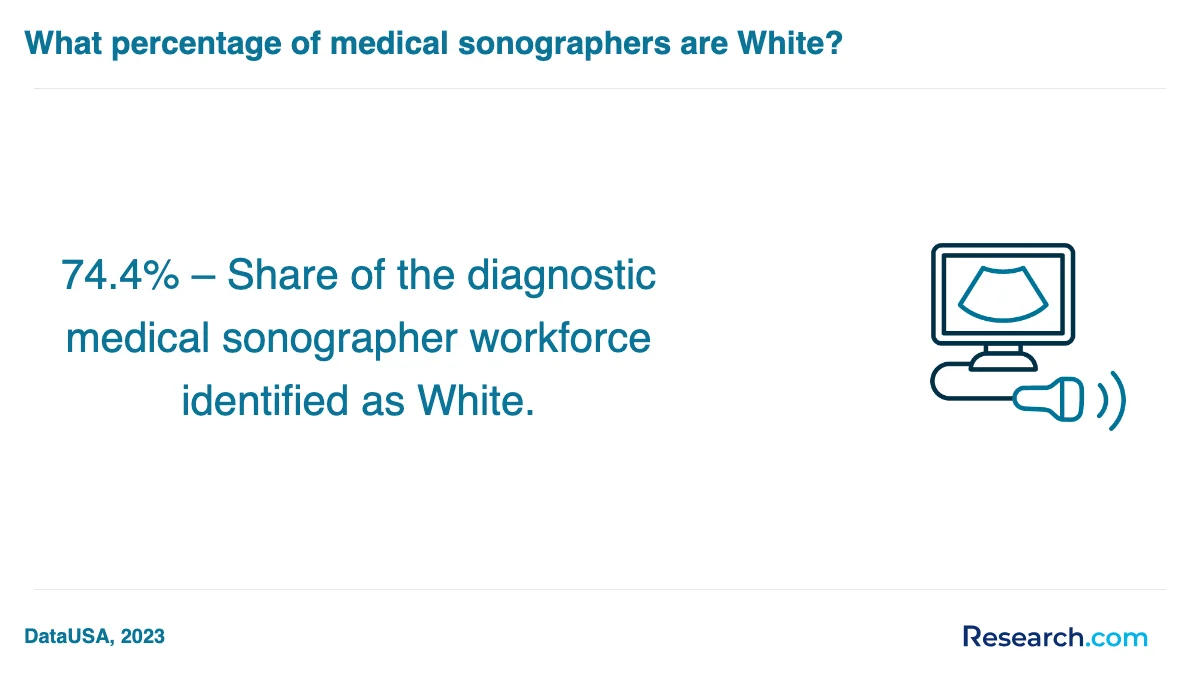
Medical sonographer trade school programs in New Mexico offer a well-rounded mix of courses designed to build both knowledge and confidence in students. Graduates from schools like Doña Ana Community College and Central New Mexico Community College often recall beginning with essential subjects such as human anatomy and physiology, which help them truly understand the body's intricate systems. Alongside this, medical terminology courses prepare students to communicate clearly and professionally in clinical settings.
The heart of the curriculum lies in ultrasound physics and instrumentation, where students learn how sound waves create images and how to operate sophisticated ultrasound machines. Practical application comes alive in specialized courses covering abdominal, OB-GYN, and vascular sonography, allowing students to recognize normal and abnormal findings-skills they describe as empowering and rewarding.
- Hands-on labs involving scanning volunteers provide real-world practice in a supportive environment.
- Clinical internships across cities like Las Cruces and Silver City give students the chance to apply their skills under expert supervision.
- Additional training in professional ethics and patient communication rounds out their readiness for the healthcare field.
These programs not only prepare students academically but also emotionally, fostering a sense of achievement as they advance toward certification and licensure in New Mexico's healthcare landscape.
Medical sonographer trade school programs in New Mexico typically offer specialized concentrations that prepare students for meaningful careers in diagnostic imaging. Graduates from popular programs, such as those at Central New Mexico Community College, often highlight how focusing on abdominal sonography gave them practical skills to confidently image organs like the liver and kidneys. These sonography specializations in New Mexico trade schools frequently include:
- Abdominal sonography, essential for general imaging roles
- Obstetrics and gynecology (OB/GYN) sonography, vital for prenatal care monitoring
- Breast sonography, growing due to increased breast cancer screening needs
OB/GYN sonography is particularly meaningful for many students, who share stories of supporting expectant mothers across both urban and rural settings. This reflects the diagnostic medical sonography concentrations New Mexico programs emphasize, aligning education with local healthcare demands.
Some students also gain elective exposure to vascular and cardiac sonography, even if dedicated tracks are limited.
Hands-on clinical rotations at hospitals statewide help graduates build confidence in skills that directly impact patient care. For those curious about how much money do ultrasound techs make a year, pursuing these specializations opens rewarding pathways with proven local demand.
Choosing the best medical sonographer trade school program in New Mexico involves a careful look at accreditation and curriculum depth. Graduates from reputable schools like Doña Ana Community College emphasize how accredited programs offer solid foundations and prepare students well for certification exams, a crucial step given the state's licensure requirements. Selecting from affordable sonography programs in New Mexico means balancing tuition costs with quality, and practical experience through clinical rotations often makes a significant difference. Students at Central New Mexico Community College recall how hands-on training in diverse healthcare settings boosted their confidence and job readiness.
Many successful students highlight the importance of faculty expertise; learning from experienced instructors who share real-world stories enriches the educational journey. Facilities at these schools often mirror modern clinical environments, making practice feel relevant and motivating. Beyond education, graduates appreciate programs that guide them through certification processes with ARDMS or ARRT, unlocking access to rewarding healthcare careers that pay well with little schooling.
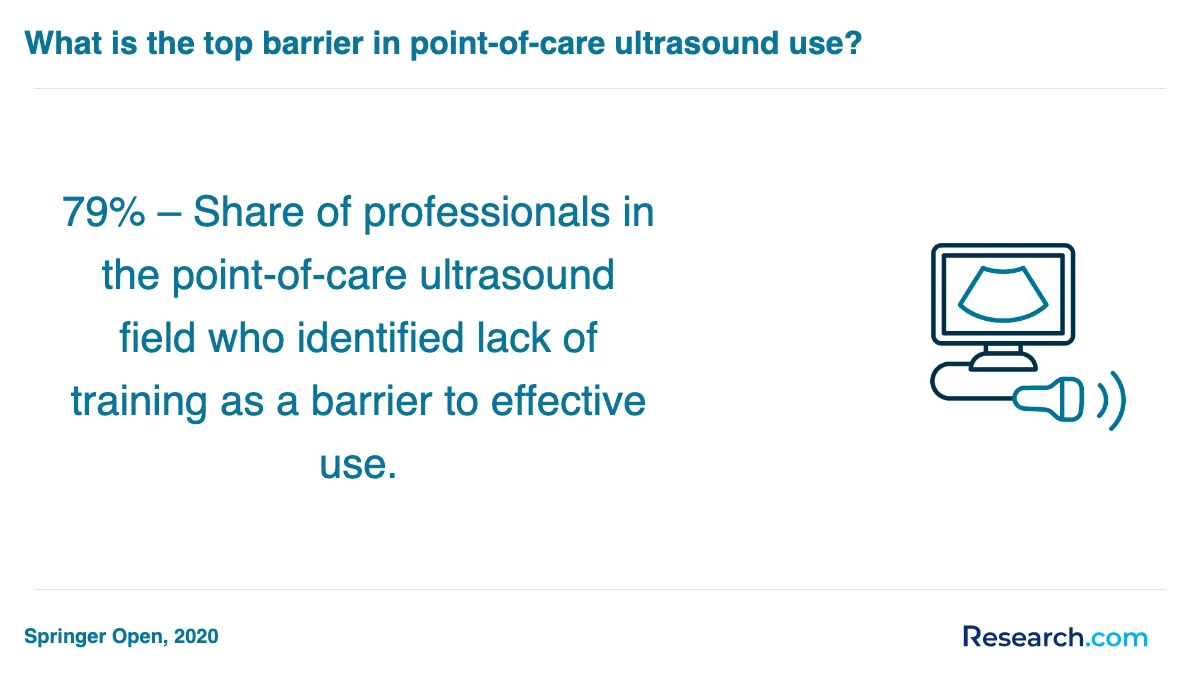
Graduates of medical sonographer trade school programs in New Mexico enjoy a variety of fulfilling career paths, reflecting the dynamic healthcare landscape of the region. Many find rewarding roles as Diagnostic Medical Sonographers in hospitals, outpatient care centers, and physicians' offices, where they engage directly with patients and physicians to provide critical diagnostic imaging. Those from popular New Mexico trade schools often highlight the satisfaction of working in specialties like abdominal or OB/GYN sonography, applying hands-on skills developed during their studies.
The diversity of medical sonographer jobs in New Mexico also includes opportunities beyond clinical work:
- Advancing into vascular or pediatric sonography with additional certification
- Taking on supervisory roles in busy imaging departments
- Entering education, training new sonographers in practical settings
- Exploring careers in medical equipment sales or research
Many graduates value programs that offer foundational specialty training, enabling them to confidently pursue diagnostic medical sonography career paths New Mexico employers seek. Those interested in expanding their expertise can benefit from certified programs like the accredited diagnostic medical sonography program available locally, which align well with employer expectations for ARDMS or ARRT credentials.
New Mexico offers a promising medical sonographer job outlook in New Mexico for trade school graduates, with a strong demand in both urban centers like Albuquerque and rural communities. Graduates from recognized trade schools often find diverse roles in hospitals, outpatient clinics, and specialty practices, many praising how their hands-on training prepared them for real-world scenarios. For instance, a graduate shared how their clinical rotations in Albuquerque's largest hospitals seamlessly translated into full-time employment, highlighting the practical skills gained through their program.
Salary prospects reflect the specialized nature of this career, with the diagnostic medical sonographer salary New Mexico averaging around $106,669 annually. Those completing programs in the state appreciate competitive pay rates, especially when considering opportunities for travel assignments that boost weekly earnings. Benefits of graduating from local trade schools include close-knit professional networks and connections to institutions actively hiring.
Students often note the rewarding challenge of working in varied settings, from high-tech metropolitan hospitals to rural clinics expanding diagnostic services. Such experiences contribute to job satisfaction and career growth in the medical imaging field. For anyone weighing career options, reviewing the range of occupations in the medical field can also help clarify the full scope of opportunities available post-graduation.
Most Affordable Diagnostic Medical Sonographer Schools & Training - Budget-Friendly Sonography Trade Programs in New Mexico for 2026
# 1 position
Central New Mexico Community College - Diagnostic Medical Sonography/Sonographer and Ultrasound Technician.
associateCentral New Mexico Community College offers a hybrid Diagnostic Medical Sonography/Sonographer and Ultrasound Technician program that trains students to use medical ultrasound techniques for diagnostic purposes. The program includes instruction in patient care, sonographic data processing, and professional ethics. Annual in-state tuition is $1,934. Graduates earn a median salary of $57,486 one year after completion. The program is accredited by the Higher Learning Commission.
# 2 position
New Mexico State University-Dona Ana - Diagnostic Medical Sonography/Sonographer and Ultrasound Technician.
associateNew Mexico State University-Dona Ana offers a hybrid Diagnostic Medical Sonography/Sonographer and Ultrasound Technician program. It prepares students to use medical ultrasound techniques for diagnosing various conditions, including patient care and sonographic data processing. The program is accredited by the Higher Learning Commission. Annual in-state tuition is $2,322. Graduates earn a median income of $56,196 one year after completion, reflecting strong career prospects in this field.
# 3 position
New Mexico State University-Dona Ana - Diagnostic Medical Sonography/Sonographer and Ultrasound Technician.
certificate or diplomaNew Mexico State University-Dona Ana offers a hybrid Diagnostic Medical Sonography/Sonographer and Ultrasound Technician program that trains students to use medical ultrasound techniques for diagnosing conditions. The curriculum includes patient history review, sonographic data processing, and professional ethics. Annual in-state tuition is $2,322. Graduates earn a median salary of $56,196 one year after completion. The program is accredited by the Higher Learning Commission.
Frequently Asked Questions about medical sonographer
After completing a medical sonographer trade school in New Mexico, preparing for the job market involves several key steps. Graduates should first obtain certification from the American Registry for Diagnostic Medical Sonography (ARDMS), which is widely recognized by employers nationwide. This credential enhances job prospects and validates professional skills.
Networking is also important; joining local healthcare associations or attending job fairs in cities like Albuquerque or Santa Fe can help build valuable connections. Additionally, practical experience through internships or clinical rotations gained during training can make candidates more competitive.
According to the U.S. Bureau of Labor Statistics, New Mexico's employment of diagnostic medical sonographers is expected to grow about 17% through 2030, signaling promising opportunities. Staying informed about regional healthcare employers and continuously updating technical skills will also support a successful job search.
Employers in New Mexico seek medical sonographer graduates with a strong foundation in ultrasound technology and anatomy. Proficiency in operating sonographic equipment and producing clear diagnostic images is essential. According to the U.S. Bureau of Labor Statistics, attention to detail and critical thinking are key skills for sonographers nationwide, including New Mexico.
Communication skills are highly valued, as sonographers must explain procedures and collaborate with healthcare teams. Additionally, knowledge of patient care and safety protocols is important to ensure comfort and compliance. Familiarity with electronic health records (EHR) systems is increasingly demanded in New Mexico's healthcare settings.
Overall, technical expertise combined with interpersonal skills makes graduates more competitive in the local job market.
Finding internships in New Mexico relevant to medical sonographer trade school programs involves several key steps. First, students should consult their school's career services or clinical coordinator, as many programs have established partnerships with local hospitals and imaging centers. These partnerships often provide guaranteed or prioritized internship placements.
Additionally, students can directly contact major healthcare providers in New Mexico, such as the University of New Mexico Hospital and Presbyterian Healthcare Services, which frequently offer clinical internship opportunities for sonography students.
The New Mexico Workforce Connection website and the American Registry for Diagnostic Medical Sonography (ARDMS) provide resources and listings for internships and clinical rotations across the state.
Networking through professional organizations like the New Mexico Society of Radiologic Technologists can also lead to internship opportunities and mentorship.
Obtaining a medical sonographer trade school diploma in New Mexico significantly enhances career mobility and advancement opportunities. According to the U.S. Bureau of Labor Statistics, diagnostic medical sonographers in New Mexico earn an average annual wage of around $66,000, which is higher than many other allied health positions requiring less specialized training.
Trade school diplomas provide the essential hands-on skills and certifications employers seek, improving employability in hospitals, clinics, and diagnostic centers statewide. Additionally, accredited programs often prepare students for credentialing exams, such as those offered by the American Registry for Diagnostic Medical Sonography (ARDMS), which are highly valued by New Mexico employers.
Graduates with this diploma can pursue advanced roles or specialize in areas like vascular or cardiac sonography, further increasing earning potential and job growth. The New Mexico Department of Workforce Solutions projects a 14% growth in sonography jobs by 2030, reflecting strong demand and upward mobility for diploma holders in the state.
Students enrolled in medical sonographer trade schools in New Mexico can benefit from part-time jobs that provide relevant healthcare experience. Common roles include medical assistants, patient transporters, and ultrasound technician aides. These positions offer practical exposure to clinical environments while reinforcing skills learned in the classroom.
According to the U.S. Bureau of Labor Statistics, New Mexico's healthcare support occupations are expected to grow by 11% from 2022 to 2032, indicating expanding opportunities. Working part-time in healthcare settings such as hospitals or clinics also helps build professional networks, which is valuable for future employment in sonography.
Additionally, some students find part-time work in diagnostic imaging departments, assisting with administrative tasks or equipment preparation. These jobs enhance understanding of sonography workflows and patient care, complementing formal education effectively.
To choose the most affordable Medical Sonographer degree program near me in New Mexico, start by researching programs offered at local community colleges and universities, considering factors such as tuition fees, financial aid, and proximity. Pay attention to program accreditations and clinical training opportunities when comparing schools to ensure quality education and hands-on experience. Research.com can be a helpful resource for comparing academic programs and costs, allowing you to make an informed decision about which Medical Sonographer program near New Mexico fits your needs best.
- Most Affordable Diagnostic Medical Sonographer Schools & Training - Budget-Friendly Sonography Trade Programs in Arizona for 2026
- Most Affordable Diagnostic Medical Sonographer Schools & Training - Budget-Friendly Sonography Trade Programs in Texas for 2026
- Most Affordable Diagnostic Medical Sonographer Schools & Training - Budget-Friendly Sonography Trade Programs in Oklahoma for 2026
- Most Affordable Diagnostic Medical Sonographer Schools & Training - Budget-Friendly Sonography Trade Programs in Nevada for 2026
- Most Affordable Diagnostic Medical Sonographer Schools & Training - Budget-Friendly Sonography Trade Programs in Missouri for 2026
- Most Affordable Diagnostic Medical Sonographer Schools & Training - Budget-Friendly Sonography Trade Programs in Louisiana for 2026
- Most Affordable Diagnostic Medical Sonographer Schools & Training - Budget-Friendly Sonography Trade Programs in North Dakota for 2026
- Most Affordable Diagnostic Medical Sonographer Schools & Training - Budget-Friendly Sonography Trade Programs in Minnesota for 2026
- Most Affordable Diagnostic Medical Sonographer Schools & Training - Budget-Friendly Sonography Trade Programs in Illinois for 2026
- Most Affordable Diagnostic Medical Sonographer Schools & Training - Budget-Friendly Sonography Trade Programs in Wisconsin for 2026
- Diagnostic Medical Sonography Program at CNM https://www.cnm.edu/programs/programs-a-z/diagnostic-medical-sonography
- Find Accredited Ultrasound Technician Schools in New Mexico https://www.ultrasoundschoolsinfo.com/new-mexico/
- Diagnostic Medical Sonography Associate Degree Program https://pmi.edu/on-campus-programs/associate/diagnostic-medical-sonography/
- Diagnostic Medical Sonography | New Mexico State University Academic Catalog https://catalogs.nmsu.edu/dona-ana/academic-career-programs/diagnostic-medical-sonography/
- How to Become an Ultrasound Technician in New Mexico https://www.healthjob.org/guide/how-to-become-an-ultrasound-technician-in-new-mexico
- How to Become a Medical Sonographer in New Mexico (2024) | Dreambound https://dreambound.com/blog/how-to-become-a-medical-sonographer-in-new-mexico
- How To Become a Diagnostic Medical Sonographer | Concorde Career Colleges https://www.concorde.edu/blog/how-become-diagnostic-medical-sonographer
- New Mexico Colleges Offering Sonographer and Ultrasound Technician Major - BigFuture College Search https://bigfuture.collegeboard.org/college-search/state/new-mexico/major/sonographer-and-ultrasound-technician
- How To Become A Sonographer - ARDMS https://www.ardms.org/how-to-become-a-sonographer/
- Diagnostic Medical Sonography https://www.sait.ca/programs-and-courses/diplomas/diagnostic-medical-sonography


