Most Affordable Diagnostic Medical Sonographer Schools & Training - Budget-Friendly Sonography Trade Programs in Columbus for 2026

Co-Founder and Chief Data Scientist
Looking for the most affordable medical sonographer trade schools in Columbus for 2026? This article is designed just for you. It features a ranking of medical sonographer trade school programs developed by the Research.com team of data scientists to help you make an informed decision.
Exploring these top programs can open doors to a rewarding healthcare career. Earning a diploma or certification in medical sonography offers valuable skills and strong job prospects.
Read on to discover which schools stand out and find the right path for your future success.
Key benefits of finishing medical sonographer trade school in Columbus
- Graduates from medical sonographer trade schools in Columbus can expect competitive salaries, with averages around $102,846 per year, offering strong financial stability early in their careers.
- Career paths include hospital sonography, outpatient clinics, and specialized fields like cardiac or vascular sonography, providing diverse opportunities to grow and specialize.
- Completing a trade school online offers flexibility and convenience, allowing students to balance work and study while gaining practical skills, as many online graduates report smooth transitions into local healthcare jobs.
- Most Affordable Diagnostic Medical Sonographer Schools & Training - Budget-Friendly Sonography Trade Programs in Columbus for 2026
- What can I expect from medical sonographer trade schools in Columbus?
- Where can I work after finishing medical sonographer trade schools in Columbus?
What can I expect from medical sonographer trade schools in Columbus?
Students enrolling in medical sonographer trade school programs in Columbus can expect a rigorous blend of classroom learning and hands-on clinical experience. Graduates from Columbus Technical College and Ohio State University often describe their coursework covering sonographic physics, anatomy, and patient care as challenging yet rewarding. They emphasize the excitement of applying theoretical knowledge during clinical rotations at local hospitals, where real-time decision-making and teamwork are essential.
Programs typically span about two years, culminating in an associate degree, with some offering bachelor's degrees for specialized fields like vascular sonography. Many students find the balance between lab practice and ethical training prepares them well for the compassionate, professional environment they will enter.
Admission is competitive, requiring a strong academic record and readiness for intensive study. Former students recall the pride and confidence gained upon eligibility to take the American Registry for Diagnostic Medical Sonography certification, a key milestone opening doors to promising careers in Columbus's growing healthcare sector.
Where can I work after finishing medical sonographer trade schools in Columbus?
After completing a medical sonographer trade school program in Columbus, graduates find diverse employment opportunities across the local healthcare landscape. Many secure positions as sonographers or ultrasound technologists in major hospitals like OhioHealth, where they perform diagnostic imaging in departments such as cardiology, vascular, and obstetrics. These roles offer hands-on experience and a chance to support physicians in critical patient diagnoses.
Outpatient clinics and imaging centers also actively recruit graduates, providing more predictable schedules and the opportunity to specialize in areas like women's health or cardiovascular ultrasound. Graduates often express satisfaction in working closely with radiologists and patients during prenatal exams or vascular assessments, reflecting the rewarding nature of these roles.
Some graduates choose specialized private practices, gaining expertise in niche fields such as OB/GYN or vascular sonography. Others pursue teaching or research positions, contributing to training the next generation of sonographers or assisting in clinical studies, which many find fulfilling beyond clinical work.
These varied career paths in Columbus, supported by reputable trade schools, provide graduates with strong job prospects and meaningful professional growth.
Graduates of medical sonographer trade school programs in Columbus typically start with competitive salaries that reflect both their specialized training and the demand in the local healthcare market. Entry-level sonographers from well-regarded Columbus trade schools often earn between $37.87 and $42 per hour, translating to an annual salary range of approximately $80,000 to $86,400. This solid starting pay allows new professionals to feel confident and valued as they begin their careers in diagnostic imaging.
Many recent graduates share stories of quickly securing positions in hospitals or outpatient centers, where their hands-on training from Columbus schools prepares them to handle real-world challenges effectively. With experience, sonographers see their earnings rise significantly, reaching well over $100,000 annually for those who pursue advanced certifications or specialize. Most salaries fall between $31.44 and $40.43 per hour, but top earners in the region can make upwards of $51.43 per hour, reflecting the rewarding nature of this career path.
Such financial prospects, combined with the satisfaction of helping patients, make completing a sonographer trade program in Columbus an exciting and worthwhile investment in one's future.
- Most programs in Columbus are accredited by CAAHEP, which is required to take national certification exams.
- Admission is competitive and based on GPA, prerequisite courses, and healthcare experience, with some programs using composite scoring.
- Associate degrees take about two years, while bachelor's programs last around three years and include advanced training areas.
- Tuition costs range from $5,000 to $15,000 per year for in-state students, excluding additional expenses like books and uniforms.
- The average annual salary for sonographers in Columbus is $80,110, with job growth expected to increase by 16% statewide by 2030.
Completing a medical sonographer trade school program in Columbus typically takes between 18 to 24 months. Graduates from well-known local trade schools often share how this timeframe allowed them to balance intensive coursework with hands-on clinical training effectively. For many, the structured schedules at Columbus-based programs made it easier to stay motivated, as they could see real progress each semester.
At these trade schools, students quickly become accustomed to the blend of classroom theory and practical experience, which is crucial for success in sonography. Many graduates describe feeling a growing sense of confidence as they move through their clinical rotations in nearby hospitals and imaging centers. This direct patient interaction early in the program helps solidify their skills and makes the learning process engaging and rewarding.
Overall, the 18- to 24-month duration is designed to prepare students thoroughly for certification exams and employment, ensuring they enter the workforce with both knowledge and practical expertise.
The main difference between online and on-campus medical sonographer trade school programs in Columbus revolves around instructional delivery and hands-on training. Online programs, like the hybrid model at Clark State College, offer flexible access to lectures and quizzes, ideal for students balancing work or family. However, graduates often share that the necessity of in-person labs and clinical rotations at local medical facilities remains essential, ensuring they gain real-world skills.
On-campus programs at Columbus Technical College and Ohio State University provide immersive, face-to-face learning experiences. Students appreciate direct instructor interaction and immediate feedback during technical labs and clinical simulations. Many graduates highlight the confidence gained from supervised practice with sonography equipment in real time.
Regardless of format, clinical training in Columbus healthcare settings is mandatory to meet CAAHEP accreditation standards. Students find that this hands-on exposure, whether through scheduled rotations or labs, is crucial for developing critical thinking and professional competence in medical sonography.
The average cost of a medical sonographer trade school program in Columbus varies but generally falls between $4,600 and $7,900 per year for in-state students, depending on the institution and additional fees. Graduates from local trade schools often share that while tuition is a major expense, the full investment includes institutional and lab fees, books and supplies, and uniforms. For example, Central Ohio Technical College in nearby Newark charges approximately $5,136 per year in tuition, but total yearly costs can rise close to $7,896 once additional expenses are included. This college's proximity to Columbus makes it a feasible option, although commute and time should be factored in.
Many students speak positively of the practical training and supportive environments found in these programs, which help balance cost with quality education. The comprehensive nature of some programs, such as the Bachelor of Science in Medical Imaging at Ohio State University in Columbus, comes with higher tuition costs-around $10,037 annually for in-state students-but offers a broader academic foundation. When considering what jobs can be obtained with an associate's degree in radiology, it is helpful to understand that these costs reflect both the quality and depth of training provided by each institution.
It's essential to budget for all expenses since textbooks, uniforms, and transportation add to the total outlay. Consulting each school's admissions office gives the most up-to-date financial details, ensuring you make an informed choice that fits your goals and circumstances.
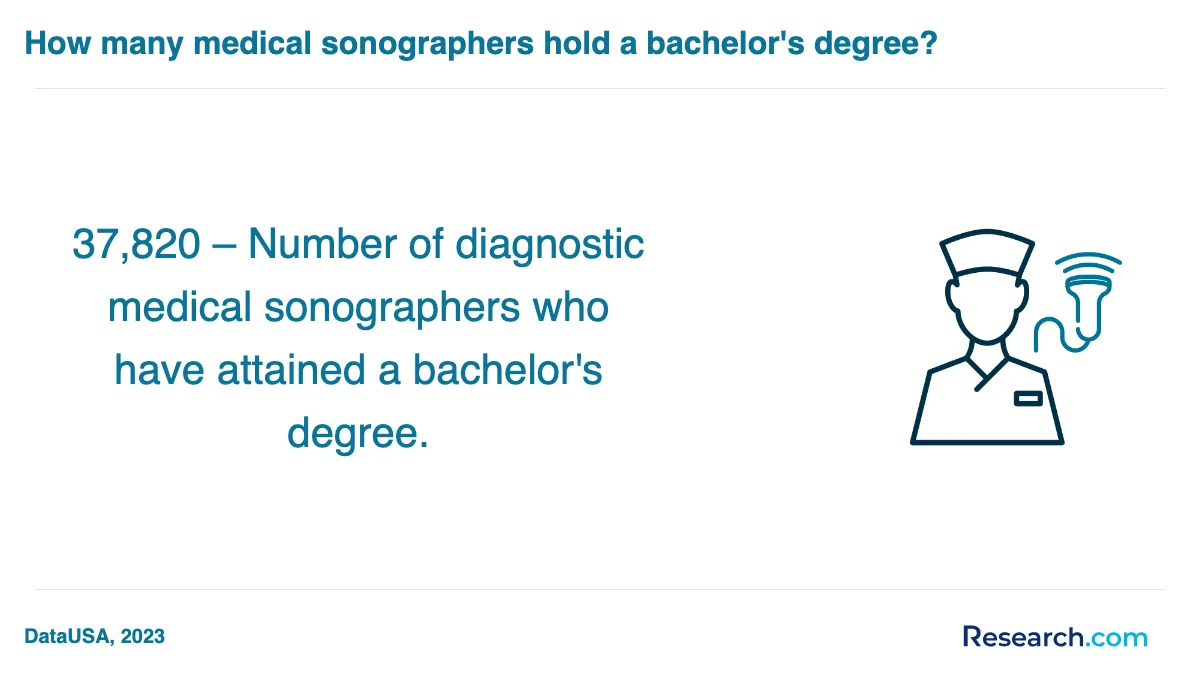
Students pursuing medical sonographer trade school programs in Columbus can access various financial aid options to ease tuition costs. Many graduates from Columbus Technical College and Central Ohio Technical College recall how federal aid, such as Pell Grants and subsidized loans obtained through FAFSA, played a crucial role in funding their studies. Pell Grants, for example, can provide over $7,000 annually for eligible students, making a significant difference in managing expenses.
Beyond federal support, institutional scholarships at local schools offer targeted assistance. Graduates have benefited from scholarships like the Medical Imaging Educators Scholarship at The Ohio State University, which awards up to $5,000, and smaller awards such as the Anne Jones Scholarship Fund. These scholarships often reward merit or financial need, helping students focus on their training without financial stress.
Additionally, private organizations like the Society of Diagnostic Medical Sonography Foundation provide national scholarships of $2,500 to students enrolled in CAAHEP-accredited programs in Columbus. Many students also tap into state-level aid, including the Ohio College Opportunity Grant, which supports residents attending eligible Ohio institutions. Those who engaged with their school's financial aid office often found personalized guidance that led to securing multiple aid sources, fostering confidence and motivation throughout their education.
To enroll in a medical sonographer trade school program in Columbus, applicants typically need to meet several key prerequisites that ensure they are prepared for the rigorous training ahead. Most popular trade schools in Columbus require a high school diploma or GED as a baseline, demonstrating foundational knowledge in core subjects.
In addition, many programs expect students to have completed courses in biology, anatomy, and physiology, which are essential for understanding sonography concepts. Graduates often recall that having a solid grasp of these subjects made hands-on learning smoother and more enjoyable.
Applicants may also need to submit letters of recommendation and pass an entrance exam or placement test to assess their readiness for the program. Some schools in Columbus emphasize the importance of strong communication skills, as sonographers must interact effectively with patients and healthcare teams.
Other common prerequisites include:
- Basic computer literacy to operate sonographic equipment
- Background checks and immunization records for clinical placements
- Ability to commit to both classroom and clinical hours
Many graduates highlight the supportive environment at Columbus trade schools, where advisors guide applicants through these requirements, making the enrollment process clear and encouraging.
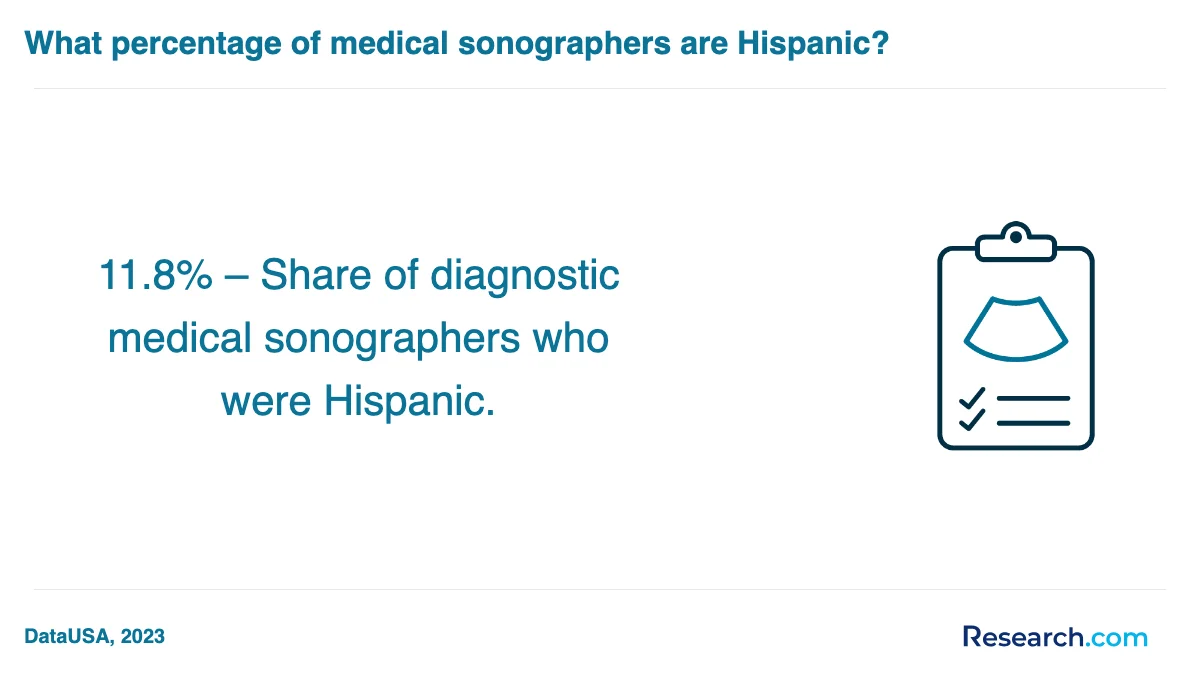
Medical sonographer trade school programs in Columbus typically include a variety of essential courses designed to build both theoretical knowledge and practical expertise. Graduates from popular trade schools often describe their learning experience as engaging and directly applicable to clinical settings.
Key courses include:
- Sonographic Physics: Covers the principles of sound waves and image production, allowing students to understand how ultrasound technology works.
- Anatomy and Physiology: Focuses on detailed study of body structures, emphasizing abdominal, obstetric-gynecological, and sometimes vascular or cardiac systems.
- Pathology and Pathophysiology: Teaches recognition of disease processes visible on ultrasound images, critical for accurate diagnosis.
- Patient Care and Ethics: Prepares students to manage professional behavior, empathetic communication, and ethical responsibilities in healthcare.
- Clinical Rotations: Students complete extensive hands-on training in local hospitals and imaging centers, often exceeding 1,000 hours, which many graduates recall as the most rewarding and confidence-building part of their education.
These courses at Columbus trade schools provide a balanced, practical education, with students often expressing excitement about applying classroom knowledge during clinical experiences. This combination equips graduates to confidently enter the workforce and excel in sonography roles across Ohio's healthcare facilities.
Diagnostic medical sonography programs in Columbus Ohio offer a range of specialization options tailored to diverse career goals. Graduates report feeling well-prepared through focused tracks such as general sonography, vascular sonography, cardiovascular sonography, adult echocardiography, and abdominal extended-obstetrics/gynecology sonography.
Students at Ohio State University benefit from the ability to concentrate on general or vascular sonography, gaining hands-on experience in clinical settings like Ohio Health and Veterans Affairs. Meanwhile, those enrolled at Central Ohio Technical College can specialize in general or cardiovascular sonography, combining classroom theory with practical training. Experience from Cuyahoga Community College highlights the value of its Associate of Applied Science degree, offering specialties including adult echocardiography and vascular sonography, supported by partnerships with local healthcare providers.
These programs focus on real-world application, enabling students to hone their skills in environments that simulate actual patient care, bringing confidence and competence to their future roles.
For students exploring sonography specialization options in Columbus Ohio, finding good schools for ultrasound technician programs is essential to success and satisfaction in this rewarding field. Consider researching good schools for ultrasound technician to identify top programs that match your goals.
Choosing the best sonography programs in Columbus Ohio requires careful attention to accreditation, curriculum, and hands-on clinical experience. Graduates from Central Ohio Technical College often praise the CAAHEP-accredited Diagnostic Medical Sonography program for providing real-world clinical training that builds both confidence and competence. Practical exposure within nearby hospitals prepares students to excel in patient care settings.
Location also plays a role; Columbus State Community College stands out among top ultrasound technician schools in Columbus Ohio for its strong partnerships with local healthcare providers, offering students diverse clinical rotations. Graduates frequently highlight how these connections open doors to employment opportunities in the community.
Admission prerequisites, such as prerequisite coursework and job shadowing, ensure that students enter prepared and committed. Financial aid options, like scholarships available through collaborations with OhioHealth, ease tuition concerns and motivate perseverance. For those mapping their professional journey, understanding how to become a medical sonographer can clarify the milestones ahead and sharpen focus on selecting the right program.

Graduates of medical sonographer trade school programs in Columbus often find a variety of rewarding career paths in the local healthcare sector. Many secure positions as Diagnostic Medical Sonographers in hospitals, outpatient imaging centers, and private practices, addressing the steady demand evident in medical sonographer jobs in Columbus Ohio. Popular trade schools in Columbus prepare students with hands-on training, enabling graduates to confidently perform ultrasound examinations used for diagnoses across multiple specialties.
Specialization is a common route, with graduates focusing on areas such as cardiac (echocardiography), vascular, obstetric, musculoskeletal, or breast sonography. Many find vascular and pediatric cardiac sonography particularly in demand, enhancing their employability. Some trade programs even offer cross-training to better align with employer needs, helping graduates stand out in diagnostic imaging careers Columbus OH.
Other fulfilling roles include Mammography Technologist or Cardiac Sonographer, often within high-demand hospital departments or specialty clinics. Beyond clinical work, opportunities exist in education, research support, and equipment sales, leveraging both clinical knowledge and communication skills.
For those exploring further options, it's helpful to consider the best 2 year medical degrees available, which can provide a solid foundation for career growth in this competitive field.
The medical sonographer job market in Columbus Ohio is very promising for graduates of local trade school programs. Graduates report positive hiring experiences from hospitals and imaging centers eager to employ well-trained sonographers. Many find that their hands-on training prepares them effectively for the diverse clinical environments encountered in Columbus healthcare facilities.
Entry-level salaries start around $42,900 per year, but with experience, sonographers can earn over $119,000 annually, reflecting strong employment trends. Recent graduates appreciate that the vibrant local healthcare sector offers steady job openings and opportunities for advancement.
Key factors contributing to this favorable job market include:
- Accredited trade schools in Columbus offering comprehensive clinical practice components
- Employers valuing certification from these programs
- Growing healthcare infrastructure with expanding outpatient and hospital services
Students researching programs might explore options like popular trade schools in Columbus with access to clinical sites. Those seeking flexibility often consider online sonography programs to complement their education and increase their employment prospects.
Most Affordable Diagnostic Medical Sonographer Schools & Training - Budget-Friendly Sonography Trade Programs in Columbus for 2026
# 1 position
Columbus Technical College - Diagnostic Medical Sonography/Sonographer and Ultrasound Technician.
associateColumbus Technical College offers a Diagnostic Medical Sonography/Sonographer and Ultrasound Technician program with a hybrid format, including some distance education. The program trains students to operate ultrasound equipment and gather sonographic data for diagnosing conditions under physician supervision. Annual in-state tuition is $3,042. Graduates earn a median income of $33,537 one year after completion. The program is accredited by the Southern Association of Colleges and Schools Commission on Colleges.
# 2 position
Columbus Technical College - Mammography Technology/Technician.
certificate or diplomaColumbus Technical College offers a Mammography Technology/Technician program with a hybrid format that includes some distance education. This program prepares registered radiographers to become registered mammographers through instruction in anatomy, physiology, mammography instrumentation, positioning, procedures, and quality assurance. The annual in-state tuition is $3,042. Graduates have median earnings of $33,537.60 one year after completion. The program is accredited by the Southern Association of Colleges and Schools Commission on Colleges.
Frequently Asked Questions about medical sonographer
After completing medical sonographer trade school in Columbus, preparing for the job market involves several important steps. First, obtaining certification from the American Registry for Diagnostic Medical Sonography (ARDMS) significantly improves employability, as most employers in Ohio prefer or require it. According to the U.S. Bureau of Labor Statistics, medical sonographers in Ohio earn a median annual wage of around $70,000, which is slightly above the national average.
Networking with local healthcare facilities through internships or clinical rotations gained during training can open doors to job opportunities. Additionally, updating a professional resume to highlight hands-on experience and certifications is essential.
Staying informed about job openings in Columbus hospitals and diagnostic centers via websites like OhioMeansJobs helps graduates target their applications effectively.
Employers in Columbus seek medical sonographer graduates with strong technical skills in operating ultrasound equipment accurately and safely. Proficiency in anatomy and physiology is essential for producing clear diagnostic images. According to the Bureau of Labor Statistics, attention to detail and the ability to follow strict safety protocols are critical to ensure patient safety and image quality.
Communication skills also rank highly, as sonographers must effectively explain procedures to patients and collaborate with healthcare teams. The Ohio Department of Higher Education emphasizes problem-solving abilities, adaptability, and ethical judgment as key attributes for success in this field.
Hands-on clinical experience gained during trade school programs in Columbus is often a decisive factor for employers, demonstrating practical readiness for medical settings.
Finding internships relevant to medical sonographer trade school programs in Columbus involves connecting with local healthcare facilities and educational institutions. Many trade schools coordinate directly with hospitals, clinics, and diagnostic centers to place students in clinical settings. The Ohio State University Wexner Medical Center and Columbus Regional Health are prominent local employers offering sonography internships.
Students should also explore the American Registry for Diagnostic Medical Sonography (ARDMS) website for accredited program listings and internship opportunities. According to the Bureau of Labor Statistics, the demand for diagnostic medical sonographers in Ohio is projected to grow by 14% through 2032, increasing internship availability.
Networking through school career services and attending local healthcare job fairs can further improve chances of securing internships in Columbus.
Obtaining a medical sonographer trade school diploma in Columbus significantly improves career mobility and advancement opportunities. This credential meets the entry-level educational requirements for many local healthcare employers, including hospitals and diagnostic centers. According to the U.S. Bureau of Labor Statistics, the demand for diagnostic medical sonographers in Ohio is expected to grow by 12% through 2030, faster than the average for all occupations.
Graduates with a diploma often qualify to sit for the American Registry for Diagnostic Medical Sonography (ARDMS) certification, which is highly valued by Columbus employers. Holding this certification can lead to higher salaries and expanded job roles. Additionally, local healthcare networks in Columbus prefer candidates with formal training, increasing chances of promotion and specialization within the field.
Students enrolled in medical sonographer trade schools in Columbus can benefit from part-time jobs that provide relevant experience and flexible hours. Positions such as ultrasound technician assistants or medical office clerks in local hospitals and clinics allow students to observe diagnostic imaging procedures and understand patient care workflows. The Ohio Department of Job and Family Services reports that healthcare support roles in Columbus are growing by 12% annually, reflecting increasing demand in this sector.
Additionally, roles in medical billing or scheduling at imaging centers can enhance administrative skills essential for sonographers. Working part-time in these settings complements technical training and builds a foundation for future employment in diagnostic medical sonography.
Finding the most affordable Medical Sonographer degree program near me in Columbus, GA involves researching local colleges and universities that offer accredited diagnostic medical sonography courses. Consider looking into institutions such as Columbus Technical College and other nearby state or community colleges for potential programs that balance quality and affordability. Utilizing resources like Research.com can help you compare program costs and financial aid options to make an informed decision.
- Most Affordable Diagnostic Medical Sonographer Schools & Training - Budget-Friendly Sonography Trade Programs in Rome for 2026
- Most Affordable Diagnostic Medical Sonographer Schools & Training - Budget-Friendly Sonography Trade Programs in Charlottesville for 2026
- Most Affordable Diagnostic Medical Sonographer Schools & Training - Budget-Friendly Sonography Trade Programs in Springfield for 2026
- Most Affordable Diagnostic Medical Sonographer Schools & Training - Budget-Friendly Sonography Trade Programs in Findlay for 2026
- Most Affordable Diagnostic Medical Sonographer Schools & Training - Budget-Friendly Sonography Trade Programs in Houston for 2026
- Most Affordable Diagnostic Medical Sonographer Schools & Training - Budget-Friendly Sonography Trade Programs in Cleveland for 2026
- Diagnostic Medical Sonographer / Ultrasound Technician in Columbus, OH - Apply Now - mlee https://mlee.com/jobs/oh/columbus/diagnostic-medical-sonographer-ultrasound-technician/b6c37e07-4f03-44f7-82c4-21b5e367bdf5
- Bachelor's Degree in Sonography | COTC https://www.cotc.edu/degrees-certificates/diagnostic-medical-sonography-technology
- Being an Ultrasound Technician | Pros and Cons of Being an Ultrasound Tech https://www.cambridgehealth.edu/ultrasound-technician/being-an-ultrasound-technician/
- Sonographer Challenges Today - Journal of the American Society of Echocardiography https://www.onlinejase.com/article/S0894-7317(23)00017-2/fulltext
- The Challenges of Educating a Cardiac Sonography Workforce - Sandra Hagen-Ansert, Kristen Billick, 2023 https://journals.sagepub.com/doi/10.1177/87564793231168776
- Get the Inside Scoop on Diagnostic Medical Sonographer Technology - Florida National University (FNU) https://www.fnu.edu/7-studying-diagnostic-medical-sonographer-technology/
- Diagnostic Medical Sonography – Columbus Technical College https://www.columbustech.edu/academics/library/program-guides/health-sciences/diagnostic-medical-sonog/
- Find Accredited Ultrasound Technician Schools in Ohio https://www.ultrasoundschoolsinfo.com/ohio/
- Diagnostic Medical Sonography | Clark State College https://www.clarkstate.edu/academics/degrees-and-certificates/school-of-health-human-and-public-services/diagnostic-medical-sonography/
- Diagnostic Medical Sonography (DMS) https://www.mtc.edu/academic-programs/healthcare/diagnostic-medical-sonography/index.html