Most Affordable Diagnostic Medical Sonographer Schools & Training - Budget-Friendly Sonography Trade Programs in Indiana for 2026

Co-Founder and Chief Data Scientist
Choosing the right medical sonographer trade school can feel overwhelming, especially when you want quality education without breaking the bank. This article introduces a carefully crafted ranking of Indiana’s most affordable medical sonographer trade school programs, developed by the Research.com team of data scientists.
By exploring these programs, you’ll find options that balance cost and education quality, helping you make an informed decision. Earning a diploma or certification in this growing field opens doors to rewarding career opportunities and personal growth.
Take a confident step toward your future with trusted information at your fingertips.
Key benefits of finishing medical sonographer trade school in Indiana
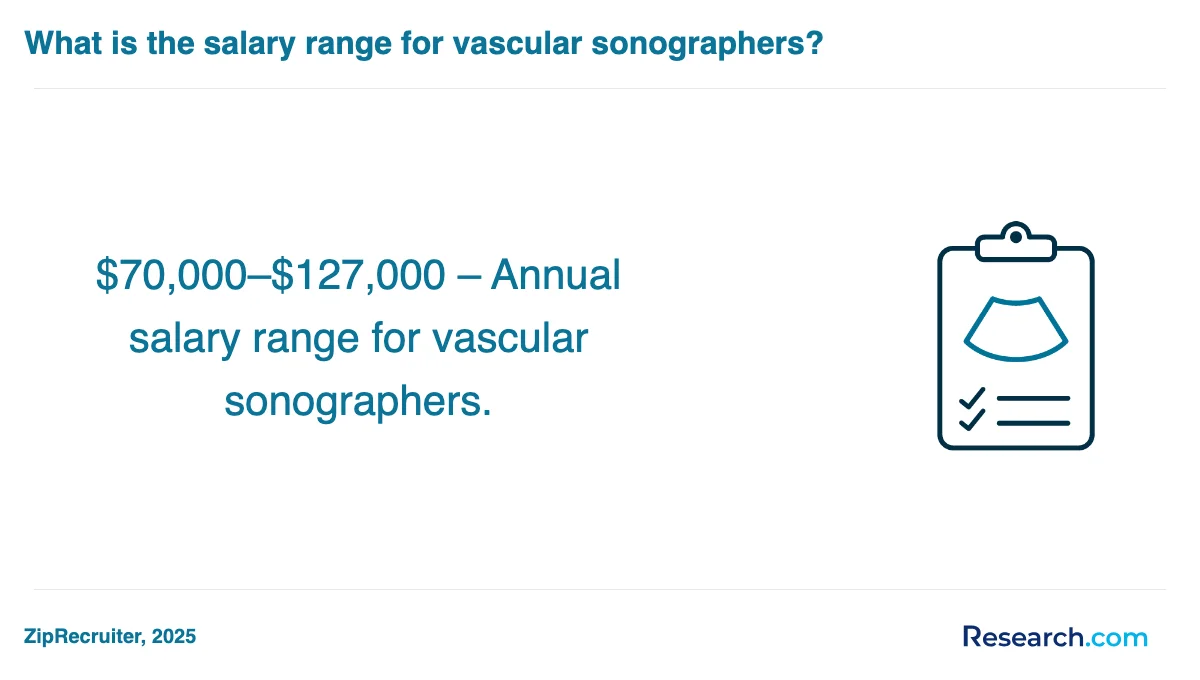
- Graduates from medical sonographer trade schools in Indiana can expect an average hourly wage around $38.57, translating to an annual salary of about $80,230, offering a strong return on investment.
- Career paths include working in hospitals, diagnostic centers, or specialist clinics, as demonstrated by graduates from popular Indiana trade schools who find rewarding roles in varied healthcare settings.
- Completing a medical sonographer trade school online provides flexibility and convenience, allowing students to balance studies with personal commitments, as many online graduates from Indiana schools report faster completion times and easier access to learning resources.
- Most Affordable Diagnostic Medical Sonographer Schools & Training - Budget-Friendly Sonography Trade Programs in Indiana for 2026
- What can I expect from medical sonographer trade schools in Indiana?
- Where can I work after finishing medical sonographer trade schools in Indiana?
What can I expect from medical sonographer trade schools in Indiana?
Enrolling in a medical sonographer trade school program in Indiana means preparing for a blend of rigorous classroom study and hands-on clinical training that truly brings the profession to life. Graduates from programs like those at the University of Saint Francis often recall the challenge and excitement of mastering ultrasound physics alongside patient care skills, applying this knowledge during clinical rotations where they worked directly with real patients under expert supervision.
Expect a curriculum that dives deep into anatomy, physiology, and specialized sonography areas such as abdominal and vascular imaging, ensuring you gain both breadth and depth. Many students appreciate how programs balance theory with practical experience, making the learning process feel relevant and immediately applicable.
While the schedule can be demanding, with some programs lasting 18 to 22 months, graduates frequently express pride in overcoming these challenges, especially knowing their training is accredited and positions them well for certification exams like the ARDMS SPI test. The sense of accomplishment is heightened by strong job prospects across Indiana's healthcare settings, turning the hard work into a rewarding career path.
Where can I work after finishing medical sonographer trade schools in Indiana?
After finishing a medical sonographer trade school program in Indiana, graduates find themselves welcomed into diverse healthcare environments. Many begin their careers in bustling hospitals, where they contribute to departments like radiology or cardiology, gaining hands-on experience that reinforces their training. Others find rewarding roles in outpatient clinics or physician offices, often specializing in women's health or vascular imaging, where the pace allows for more patient interaction and skill refinement.
Graduates from popular Indiana trade schools often share how working in diagnostic imaging centers offers them opportunities to perform specialized ultrasounds, like echocardiographic or abdominal scans. These centers frequently provide flexible schedules, which appeals to those balancing family life or seeking part-time work. For those craving adventure and variety, travel sonographer positions offer both lucrative weekly pay and the chance to explore different parts of Indiana while applying their expertise.
Many recall the excitement of securing positions statewide, thanks to certifications like RDMS or RDCS that broaden their career paths. The strong demand in Indiana, with over 150 open positions and steady growth, reassures graduates that their skills remain valuable and in demand.
Graduates of medical sonographer trade school programs in Indiana often find themselves earning an average hourly wage of about $38.57, a figure that brings tangible relief after the effort invested in their studies. Many who have completed popular programs at local trade schools share how their starting pay typically falls between $32 and $41 per hour, depending on the healthcare facility and their specific role. This range reflects real-world experiences, such as working in busy hospitals or outpatient clinics across Indiana.
For example, one graduate recalls feeling a strong sense of accomplishment when their first paycheck approached $80,000 annually, a salary that allowed them to comfortably support their family. While Indiana ranks lower nationally in sonographer pay, those who studied at well-regarded trade schools still appreciate the competitive wages compared to other allied health careers.
With time and added certifications, many graduates witness their earnings rise, especially when they specialize in areas like cardiac or vascular sonography. The steady demand for skilled sonographers in Indiana offers a hopeful outlook for those entering the field.
- Admission to medical sonographer programs in Indiana is competitive and usually requires completing prerequisite courses like Anatomy & Physiology and having patient care experience.
- Program length ranges from 17 to 22 months for an Associate of Applied Science degree, combining classroom learning with hands-on clinical training.
- Accreditation by bodies like CAAHEP or ACCSC is critical for eligibility to take national certification exams such as ARDMS or ARRT.
- Tuition costs for associate degree programs generally range from $6,000 to $20,000, with community colleges offering more affordable options.
- The median annual salary for diagnostic medical sonographers in Indiana is about $80,850, with a projected 10% employment growth nationally through 2032.
In Indiana, completing a medical sonographer trade school program typically takes about 18 to 24 months. Many graduates from well-known trade schools in the state recall the journey as both intense and deeply rewarding. One shared how balancing hands-on clinical training with classroom theory made the time fly, especially when they first operated ultrasound equipment on real patients. The blend of practical experience and expert instruction helped them feel confident and prepared much sooner than expected.
Trade schools in Indiana often structure their programs to accommodate students eager to enter the workforce quickly without sacrificing quality. For example, a graduate from a popular Indianapolis-based program reflected on how the focused curriculum kept them engaged and motivated, turning what seemed like a long commitment into an achievable goal.
Many students appreciate the clear timeline, which helps them plan life around school and work. The relatively short duration means you can start building a meaningful career in medical sonography without years of delay, making the path both accessible and exciting.
The main difference between online and on-campus medical sonographer trade school programs in Indiana lies in how students engage with their training. Graduates from on-campus programs at schools like Indiana University Northwest often recall the value of hands-on practice-using real ultrasound machines under the guidance of instructors and interacting face-to-face with patients during clinical rotations. This close mentorship builds both confidence and technical skill in a way that feels immediate and reassuring.
In contrast, those who chose hybrid programs, such as the University of Saint Francis's option, appreciate the flexibility of completing lectures online but emphasize that in-person labs and clinicals remain essential. They describe balancing digital coursework with the excitement and challenge of real-world scanning at local clinics, which gives them a sense of accomplishment and readiness for certification.
Regardless of format, all Indiana programs require supervised clinical training, ensuring graduates gain the practical experience needed to thrive. This blend of theory and hands-on work shapes a rewarding journey for many aspiring sonographers.
The average tuition for sonography programs in Indiana varies notably depending on the type of institution and whether a student is in-state or out-of-state. For many trade schools popular among students pursuing medical sonographer careers, the cost often centers around $10,000 for in-state residents, while out-of-state students face higher tuition closer to $22,900. Graduates from these trade programs frequently reflect on the financial challenges but acknowledge the investment as worthwhile, citing strong job placement support and hands-on clinical experience as key benefits.
Beyond tuition, students commonly encounter additional expenses including textbooks, uniforms, and lab fees. These tangible costs can catch many by surprise, as one graduate shared how budgeting for specialized ultrasound physics texts and clinical attire became integral to their success. The cost of diagnostic medical sonography degrees in Indiana at vocational programs can be higher, sometimes exceeding $40,000, but these programs often offer accelerated paths and comprehensive training that students find motivating.
Financial aid, scholarships, and grants specifically designed for sonography students offer much-needed relief, nurturing the positive emotions many students feel as they work toward certification. While Indiana does not require licensure, certification through bodies like ARDMS is widely preferred. Those contemplating their path can benefit from researching individual offerings, especially at well-regarded institutions, including the option to explore programs through the ultrasound technician school list to find the best fit and a balance between cost and career goals.
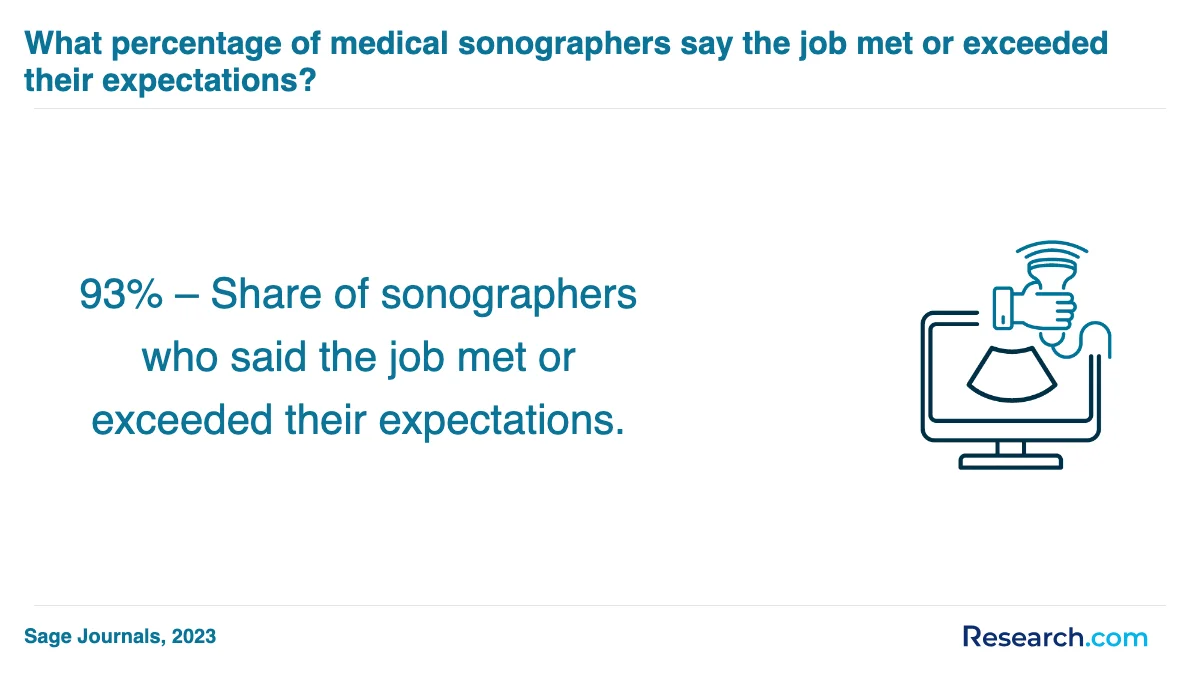
Medical sonographer students in Indiana often find financial aid both accessible and varied, easing the burden of tuition and related costs. Graduates from programs at trade schools like Stellar Career College and Caris College frequently share how completing the FAFSA opened doors to federal aid such as Pell Grants and the Federal Supplemental Educational Opportunity Grant (FSEOG). These grants, sometimes reaching thousands of dollars, can transform the affordability of their education.
State-level grants and scholarships also play a crucial role for Indiana residents, especially when attending in-state schools. Students commonly recall guidance from school financial aid offices that helped them tap into these opportunities, tailored to local needs. Institutional scholarships, like those at the University of Southern Indiana, reward academic achievement and financial need, often requiring maintenance of a GPA and FAFSA verification. These awards bring relief and motivation, fostering a sense of accomplishment.
Beyond grants and scholarships, many find federal student loans helpful for bridging gaps, valued for their lower interest rates and flexible repayment plans. Together, these resources enable students to focus on their sonography training with confidence and hope.
Enrolling in a medical sonographer trade school program in Indiana typically requires candidates to meet several important prerequisites that ensure readiness for this specialized healthcare field. Graduates from popular Indiana trade schools often reflect on how these requirements helped them build a strong foundation before diving into hands-on training.
Most programs expect applicants to have:
- A high school diploma or GED, demonstrating basic academic competence
- Completion of prerequisite courses in subjects like biology, anatomy, and physics to prepare for understanding ultrasound technology
- Basic proficiency in math and communication skills, which are essential for patient interaction and technical measurements
- CPR certification or willingness to obtain it early in the program, ensuring safety in clinical settings
One graduate recalls how meeting these prerequisites felt like a positive checkpoint-it gave a clear roadmap and boosted confidence before starting clinical rotations at a well-known Indiana trade school. The requirements aren't just hurdles; they create a sense of accomplishment and readiness that makes the challenging coursework feel attainable.
Additionally, some programs may ask for letters of recommendation or a personal statement, encouraging students to reflect on their motivation for becoming sonographers. This process fosters a deeper connection to the profession and helps applicants visualize their future roles in healthcare.
Medical sonographer trade school programs in Indiana typically offer a rich blend of courses that build both knowledge and confidence. Graduates often recall how foundational classes in anatomy and physiology helped them visualize the human body's intricate design, essential for producing clear, accurate ultrasound images. These early lessons anchor every scan, making the unseen visible.
Students at popular Indiana trade schools describe progressing into specialized courses tailored to real-world demands, including:
- Abdominal sonography: mastering imaging of vital organs like the liver and kidneys.
- Obstetric and gynecologic sonography: supporting joyful moments with prenatal imaging.
- Vascular sonography: understanding blood flow to detect critical conditions.
- Small parts sonography: focusing on detailed scans of the thyroid and breast.
Many also experience advanced topics such as cardiac and pediatric sonography, making their skill set versatile. Technical training in sonographic techniques and patient care empowers students to confidently operate equipment and communicate compassionately, reflecting stories from those who thrived in Indiana's hands-on clinical practicums.
Medical sonographer trade school programs in Indiana offer a variety of specialized paths that allow students to tailor their education to areas they are passionate about. Graduates from well-regarded institutions like Indiana University Northwest and Ivy Tech Community College often reflect on how focusing on a specialization helped them build confidence and practical skills needed for their careers.
Popular specializations include:
- Abdominal Sonography, where students learn to image organs such as the liver and kidneys, helping to identify tumors or infections.
- Vascular Sonography, training students to examine blood vessels and detect blockages or aneurysms.
- Obstetrics and Gynecology Sonography, which focuses on prenatal care and conditions related to the female reproductive system.
- Echocardiography, both adult and pediatric, enabling sonographers to assess heart function in different age groups.
These programs prepare students for real-world challenges, often through hands-on clinical training at trusted facilities like St. Vincent Indianapolis Hospital. Many graduates emphasize how these focused experiences make complex anatomy understandable and accessible.
Indiana students looking for flexible options might consider pursuing a bachelor's degree in sonography online, which complements the strong vocational training available locally. This combination ensures a well-rounded education tailored to the diverse demands of healthcare careers in the state.
Choosing the best medical sonographer programs in Indiana means focusing on quality and real-world experience. Graduates from schools like the University of Southern Indiana often praise the program's strong accreditation and thorough preparation for certification exams, which made them feel confident walking into their first clinical rotations. Hands-on practice, especially in programs such as Ascension St. Vincent's 19-month course, creates an environment where students build both skill and comfort with the latest sonography technology.
For many, attending affordable sonography schools in Indiana like Ivy Tech Community College not only eased financial stress but also provided full-time programs that fit their schedules well. The sense of community and support found at these institutions makes the rigorous training feel achievable and encouraging. Additionally, programs with high employment rates, like Indiana University Northwest's 97% job placement, highlight the potential for a smooth transition from student to working professional.
When pondering your path, consider practical factors such as clinical sites' proximity and tuition costs, but also seek programs that inspire confidence and passion. Learning whether is it hard to become an ultrasound technician can help you prepare mentally and choose the right program for your goals.

Graduates of medical sonographer trade school programs in Indiana find a variety of rewarding career paths tailored to their skills and interests. Many start in hospital settings, working in ultrasound departments like radiology or OB/GYN, where they gain hands-on experience in diagnostic ultrasound jobs Indiana. Some choose to specialize early as abdominal or breast ultrasound technicians, roles that bring both challenge and purpose as they aid in diagnosing critical conditions.
Others enjoy the dynamic nature of cardiovascular sonography or vascular technology, using ultrasound to monitor heart and blood vessel health. Graduates from well-known Indiana trade schools often describe the satisfaction of seeing real-time results that directly impact patient care. Career options expand further with advanced certifications-for instance, in pediatric or neurosonography-helping sonographers increase their versatility and earning potential.
Beyond clinical roles, seasoned sonographers may become educators, application specialists, or supervisors, contributing their expertise to train new students or optimize medical equipment. These medical sonographer career options in Indiana offer graduates fulfilling pathways enriched by professional growth.
Many students feel encouraged knowing that ultrasound careers rank among good paying medical jobs with little schooling, solidifying ultrasound technology as a smart, impactful choice.
The job market for medical sonographer trade school graduates in Indiana remains robust and promising. Graduates from well-regarded trade schools often find themselves quickly employed across diverse settings, such as hospitals in Indianapolis or outpatient centers in smaller towns like Georgetown. Many share how their training prepared them not only technically but also for flexible work environments, including full-time, part-time, and PRN shifts. This variety offers greater work-life balance, an attractive benefit for recent graduates.
Employment opportunities are plentiful due to an 11% expected growth in sonography jobs nationally, reflecting positively on the Indiana sonographer employment opportunities. Graduates frequently highlight that earning national certification and completing programs from accredited trade schools ensure they remain competitive in this expanding job market.
Popular trade schools attract students seeking hands-on experience and connections in local healthcare systems. In addition, many turn to 2 year medical programs to accelerate their education and start earning sooner.
- Over 150 job openings in Indiana as of March 2025
- Competitive wages averaging $50.36 per hour for OB sonographers
- Positions available across urban and rural areas
Indiana graduates often find the lower cost of living combined with solid salaries makes their career path rewarding both financially and personally, fostering a hopeful outlook for those entering the field.
Most Affordable Diagnostic Medical Sonographer Schools & Training - Budget-Friendly Sonography Trade Programs in Indiana for 2026
# 1 position
Ivy Tech Community College - Diagnostic Medical Sonography/Sonographer and Ultrasound Technician.
associateIvy Tech Community College offers a Diagnostic Medical Sonography/Sonographer and Ultrasound Technician program with a hybrid format including some distance education. The program trains students to perform medical ultrasound techniques for diagnosing conditions, covering patient care, data recording, and sonography equipment use. Annual in-state tuition is $4,912. Graduates have median earnings of $55,499 one year after completion. The program is accredited by the Higher Learning Commission.
# 2 position
Stellar Career College-Crown Point - Diagnostic Medical Sonography/Sonographer and Ultrasound Technician.
associateA program that prepares individuals, under physician supervision, to use medical ultrasound techniques for diagnosing various conditions. It covers obtaining and integrating patient histories, patient care, recording anatomic and pathologic data, sonographic data processing, equipment operation, and professional ethics. The program is accredited by the Accrediting Commission of Career Schools and Colleges.
# 3 position
Caris College - Diagnostic Medical Sonography/Sonographer and Ultrasound Technician.
associateA Diagnostic Medical Sonography/Sonographer and Ultrasound Technician program at Caris College offers a hybrid format with some distance-education options. The program prepares students to use medical ultrasound techniques to collect sonographic data for diagnosing various conditions. Training includes patient care, data recording, sonography equipment operation, and professional ethics. The program is accredited by the Accrediting Bureau of Health Education Schools.
# 4 position
University of Saint Francis-Fort Wayne - Diagnostic Medical Sonography/Sonographer and Ultrasound Technician.
associateThe University of Saint Francis-Fort Wayne offers a hybrid Diagnostic Medical Sonography/Sonographer and Ultrasound Technician program. It trains students to operate sonography equipment and collect sonographic data for diagnosing various conditions under physician supervision. The program includes patient care, data integration, and professional ethics. Annual in-state tuition is $35,420. Graduates earn a median of $47,613 one year after completing the course. The program is accredited by the Higher Learning Commission.
# 5 position
University of Saint Francis-Fort Wayne - Diagnostic Medical Sonography/Sonographer and Ultrasound Technician.
certificate or diplomaThe University of Saint Francis-Fort Wayne offers a Diagnostic Medical Sonography/Sonographer and Ultrasound Technician program with a hybrid format, including some distance education. The program trains students to use ultrasound technology to collect diagnostic sonographic data under physician supervision. It covers patient care, data integration, equipment operation, and professional ethics. Annual in-state tuition is $35,420. The program is accredited by the Higher Learning Commission, and median earnings one year after completion are $47,613.
Frequently Asked Questions about medical sonographer
After completing a medical sonographer trade school in Indiana, preparing for the job market involves several key steps. First, obtaining professional certification is crucial. The American Registry for Diagnostic Medical Sonography (ARDMS) certification is widely recognized and often required by employers in Indiana. Passing this exam demonstrates your competence and can improve your employability.
Networking within local healthcare facilities and attending job fairs can also enhance your job prospects. Indiana's healthcare sector is growing, with the Indiana Department of Workforce Development projecting a 15% increase in sonography jobs by 2030.
Finally, gaining hands-on experience through internships or clinical rotations during your training can be invaluable when seeking employment.
Employers in Indiana prioritize several key skills when hiring graduates from medical sonographer trade schools. Technical proficiency with ultrasound equipment is essential, as is a strong understanding of human anatomy and physiology. According to the U.S. Bureau of Labor Statistics and Indiana's Department of Workforce Development, attention to detail and the ability to produce clear, accurate diagnostic images are highly valued.
Communication skills also rank high, since sonographers must explain procedures to patients and collaborate with healthcare teams. Familiarity with patient care and safety protocols is crucial to ensure comfort and minimize risks during exams. Additionally, problem-solving skills help sonographers adapt to unexpected situations during imaging.
Finding internships in Indiana relevant to a medical sonographer trade school program involves several practical steps. First, students should contact their school's career services or clinical coordinators, as many trade schools have partnerships with local hospitals and diagnostic centers. These connections often provide direct access to internship opportunities.
Additionally, the American Registry for Diagnostic Medical Sonography (ARDMS) recommends checking with Indiana health systems such as IU Health and Ascension St. Vincent, which frequently offer clinical internships for sonography students. Indiana's healthcare sector is growing, with over 300 hospitals statewide, increasing available placements.
Online resources like the Indiana Department of Workforce Development and local job boards can also list internship openings. Networking at professional events and joining relevant associations, such as the Indiana Sonographers Association, can further enhance opportunities for hands-on experience.
Obtaining a medical sonographer trade school diploma in Indiana significantly enhances career mobility and advancement opportunities. The diploma provides essential technical skills and clinical experience required for entry-level sonography positions, a prerequisite for certification by the American Registry for Diagnostic Medical Sonographers (ARDMS).
Indiana's healthcare sector is growing, with a projected 14% increase in diagnostic medical sonographer jobs between 2020 and 2030, according to the U.S. Bureau of Labor Statistics. This growth creates demand for qualified professionals holding diplomas recognized by employers statewide.
Graduates from accredited trade programs often see faster job placement and higher starting salaries compared to those without formal training. Furthermore, the diploma can be a stepping stone toward advanced certifications and supervisory roles, improving long-term career prospects.
Students enrolled in medical sonographer trade schools in Indiana can benefit from part-time jobs that build relevant experience. Common opportunities include working as ultrasound technician assistants, patient care aides, or medical office clerks. These roles help develop patient communication skills and familiarity with healthcare settings.
According to the Bureau of Labor Statistics, Indiana's healthcare sector is growing steadily, with diagnostic medical sonographers earning a median wage of about $72,000 annually as of 2023. Gaining hands-on experience through part-time work can improve job prospects after graduation.
Additionally, some hospitals and clinics in Indiana offer internships or part-time roles specifically designed for students, enabling practical exposure alongside formal education.
To find the most affordable Medical Sonographer degree program near me, you can begin by researching local community colleges and universities that offer diagnostic medical sonography programs, as these institutions often have lower tuition rates. You may also explore schools near Indiana that have been recognized for their cost-effective programs in healthcare education. Research.com can be a helpful resource to compare program costs and details of various medical sonography programs in your vicinity.
- Most Affordable Diagnostic Medical Sonographer Schools & Training - Budget-Friendly Sonography Trade Programs in Ohio for 2026
- Most Affordable Diagnostic Medical Sonographer Schools & Training - Budget-Friendly Sonography Trade Programs in Illinois for 2026
- Most Affordable Diagnostic Medical Sonographer Schools & Training - Budget-Friendly Sonography Trade Programs in Michigan for 2026
- Most Affordable Diagnostic Medical Sonographer Schools & Training - Budget-Friendly Sonography Trade Programs in Wisconsin for 2026
- Most Affordable Diagnostic Medical Sonographer Schools & Training - Budget-Friendly Sonography Trade Programs in Missouri for 2026
- Most Affordable Diagnostic Medical Sonographer Schools & Training - Budget-Friendly Sonography Trade Programs in West Virginia for 2026
- Most Affordable Diagnostic Medical Sonographer Schools & Training - Budget-Friendly Sonography Trade Programs in Minnesota for 2026
- Most Affordable Diagnostic Medical Sonographer Schools & Training - Budget-Friendly Sonography Trade Programs in Pennsylvania for 2026
- Most Affordable Diagnostic Medical Sonographer Schools & Training - Budget-Friendly Sonography Trade Programs in Alabama for 2026
- Most Affordable Diagnostic Medical Sonographer Schools & Training - Budget-Friendly Sonography Trade Programs in North Carolina for 2026
- Careers in Diagnostic Sonography | Health Professions Program | IU School of Medicine https://medicine.iu.edu/undergraduate-health-professions/degrees-and-certificates/sonography/career
- Diagnostic Medical Sonography - Ivy Tech Community College https://www.ivytech.edu/programs/all-academic-programs/school-of-health-sciences/diagnostic-medical-sonography/
- Become an Ultrasound Tech | How to Become an Ultrasound Tech https://cariscollege.edu/general-sonography/become-an-ultrasound-tech/
- Diagnostic Medical Sonography at the University of Southern Indiana - University of Southern Indiana https://www.usi.edu/health/diagnostic-medical-sonography
- How to Become a Medical Sonographer in Indiana | Dreambound https://dreambound.com/blog/how-to-become-a-medical-sonographer-in-indiana
- Diploma in Diagnostic Medical Sonography (DMS) Indiana | Stellar Career College https://stellarcollege.edu/diploma-in-diagnostic-medical-sonography-dms/
- Diagnostic Medical Sonography (AAS) - University of Saint Francis, Fort Wayne https://www.sf.edu/programs/diagnostic-medical-sonography-aas/
- IN St Vincent Sonography Program https://medicaleducation.ascension.org/indiana/st-vincent-sonography-program
- Sonography Career Paths https://www.ultrasoundschoolsinfo.com/sonography-career-paths/
- Medical Sonography | Wake Tech https://www.waketech.edu/programs-courses/credit/sonography