Most Affordable Diagnostic Medical Sonographer Schools & Training - Budget-Friendly Sonography Trade Programs in Colorado for 2026

Co-Founder and Chief Data Scientist
Choosing the right medical sonographer trade school in Colorado can feel overwhelming, but it doesn’t have to be. This article introduces a carefully crafted ranking of medical sonographer trade school programs, developed by the Research.com team of data scientists. It’s designed to help you make an informed decision about where to study.
By exploring these options, you’ll discover affordable programs that can set you on a path toward a rewarding healthcare career. Earning a diploma or certification opens doors to meaningful work and personal growth.
Key benefits of finishing medical sonographer trade school in Colorado
- Graduates can expect a strong starting salary, typically around $80,579 to $99,220 per year in Colorado, with opportunities to earn even more as experience grows.
- Medical sonographer trade school graduates often find diverse career paths, including specialized roles like Registered Vascular Technologist or positions in busy urban centers such as Denver.
- Completing a medical sonographer trade school online offers flexibility and convenience, allowing students to balance learning with personal commitments while gaining skills valued by Colorado employers.
- Most Affordable Diagnostic Medical Sonographer Schools & Training - Budget-Friendly Sonography Trade Programs in Colorado for 2026
- What can I expect from medical sonographer trade schools in Colorado?
- Where can I work after finishing medical sonographer trade schools in Colorado?
What can I expect from medical sonographer trade schools in Colorado?
Enrolling in a medical sonographer trade school program in Colorado means committing to a full-time schedule, typically from 8 a.m. to 4:30 p.m., Monday through Friday, at institutions like UCHealth University of Colorado Hospital or Red Rocks Community College. Graduates often describe a dynamic learning environment where classroom theory is seamlessly integrated with hands-on lab sessions and clinical internships at local hospitals such as St. Anthony's Hospital.
Students can expect to master ultrasound physics, anatomy, and specialized sonography areas like abdominal and OB-GYN imaging. The training emphasizes not only technical skills-like optimizing ultrasound images and interpreting scans-but also essential interpersonal abilities, including patient care and communication, which many graduates highlight as invaluable when transitioning to real-world practice.
Clinical placements provide intensive patient interaction, boosting confidence and competence. Graduates frequently reflect on how these experiences prepared them for the ARDMS certification exams and the high job placement rates in Colorado, reinforcing the program's reputation for producing skilled, work-ready sonographers.
Where can I work after finishing medical sonographer trade schools in Colorado?
After completing a medical sonographer trade school program in Colorado, graduates typically find rewarding employment opportunities in hospitals, outpatient clinics, physician offices, and specialty medical centers. Many students from popular Colorado trade schools share that securing a position as an ultrasound technologist or diagnostic medical sonographer is common, especially in urban hubs like Denver, Aurora, and Grand Junction. These settings provide dynamic work environments where graduates apply their ARDMS-accredited training daily.
Graduates often specialize in areas such as obstetrics and gynecology, vascular, or cardiac sonography, expanding their career paths and job satisfaction. One graduate described the excitement of working in an OB/GYN clinic, assisting expectant mothers while utilizing advanced ultrasound equipment. Others enjoy the flexibility of travel sonography assignments across Colorado, earning competitive weekly pay near $2,648 and experiencing diverse clinical settings.
With a strong demand for credentialed sonographers statewide, graduates feel confident entering a stable, well-compensated profession that offers both personal fulfillment and professional growth opportunities.
Graduates from medical sonographer trade schools in Colorado often find themselves entering a career with solid earning potential. Many report starting salaries around $45.95 per hour, which equates to about $95,576 annually for full-time work. This is encouraging news for those who have invested their time and effort into programs at well-regarded schools across the state.
Some recent graduates share how their first jobs in cities like Denver or Colorado Springs offered wages close to the statewide average of $115,744 per year, making the transition from student to professional rewarding. While entry-level pay can vary, especially in rural areas like Cañon City where annual salaries may average $84,310, these figures still provide a strong foundation for career growth.
Experience, certifications, and specialization can significantly boost earnings. Graduates often express pride in advancing their skills, leading to higher pay in areas such as vascular or obstetric sonography. This progression reflects the real-world benefits of completing a medical sonographer trade school program in Colorado and stepping confidently into the healthcare workforce.
- Admission to medical sonographer programs in Colorado is highly competitive, with some schools accepting only six to seven students annually.
- Programs typically last between 13 and 22 months and include classroom instruction, lab training, and clinical experience.
- Applicants usually need a prior college degree, often an associate's degree in an allied health field.
- Certification as a Registered Diagnostic Medical Sonographer (RDMS) requires completing an accredited program and passing national exams.
- Tuition ranges from $10,000 to $30,000 depending on the program and credential awarded.
- Average annual salaries for sonographers in Colorado range from $75,000 to $94,000, with strong job demand statewide.
Completing a medical sonographer trade school program in Colorado typically takes between 18 to 24 months, depending on the school and the specific curriculum structure. Graduates from well-known Colorado trade schools often share that the focused, hands-on training allowed them to swiftly acquire essential skills without unnecessary delays. For instance, many students find the accelerated pace both challenging and rewarding, as it keeps them engaged and motivated.
Programs in Colorado commonly blend classroom instruction with clinical experiences, enabling students to apply what they learn in real medical settings within a short timeframe. This practical approach helps students feel confident and prepared by the time they graduate. Those attending popular trade schools often describe their journey as intense yet fulfilling, with a strong sense of accomplishment upon completion.
The relatively short duration also appeals to students eager to enter the workforce quickly while still gaining comprehensive knowledge. This balance between efficiency and quality is a key reason why medical sonographer programs in Colorado attract motivated individuals ready to start their healthcare careers without prolonged waits.
The key difference between online and on-campus medical sonographer trade school programs in Colorado lies in how students gain hands-on experience. On-campus programs, such as those at UCHealth University of Colorado Hospital and Pima Medical Institute, immerse students in face-to-face instruction with ultrasound equipment. Graduates often recall the value of performing real-time scans during clinical rotations, which build confidence and technical skill under expert supervision. These programs typically run full-time, with four days each week spent in clinical settings, ensuring students meet rigorous competency standards.
In contrast, fully online medical sonography programs are virtually nonexistent in Colorado because the practical skills require direct patient interaction and use of specialized machines. Some online courses cover theory, but clinical practice must take place in person. Graduates from local programs appreciate the immediacy of feedback and hands-on training that on-campus learning provides, which helps them feel prepared and engaged for real-world sonography careers.
The average tuition for medical sonography programs in Colorado varies significantly based on residency status and the institution chosen. In-state students enrolled at Red Rocks Community College benefit from tuition around $9,048 due to the College Opportunity Fund stipend, while out-of-state students pay approximately $37,126. Graduates often recall managing the additional costs such as textbooks, scrubs, and course fees that push the total closer to $14,200 for residents and over $40,000 for non-residents. This reflects the broader cost of diagnostic medical sonography education in Colorado, where programs like Pueblo Community College provide a more affordable option with in-state tuition around $5,049, though total tuition and fees reach about $17,649 for both resident and non-resident students.
Students at the University of Colorado Hospital's Diagnostic Medical Sonography Program report tuition fees near $15,000, excluding personal expenses like textbooks and uniforms. Those attending programs in the Colorado Springs area describe an average cost of $9,600 over approximately 96 weeks. Many medical sonographer graduates emphasize the importance of weighing tuition against program length and the quality of hands-on training. For those considering various pathways, exploring what healthcare degrees can you get online can offer flexible alternatives that complement traditional programs without compromising educational depth.
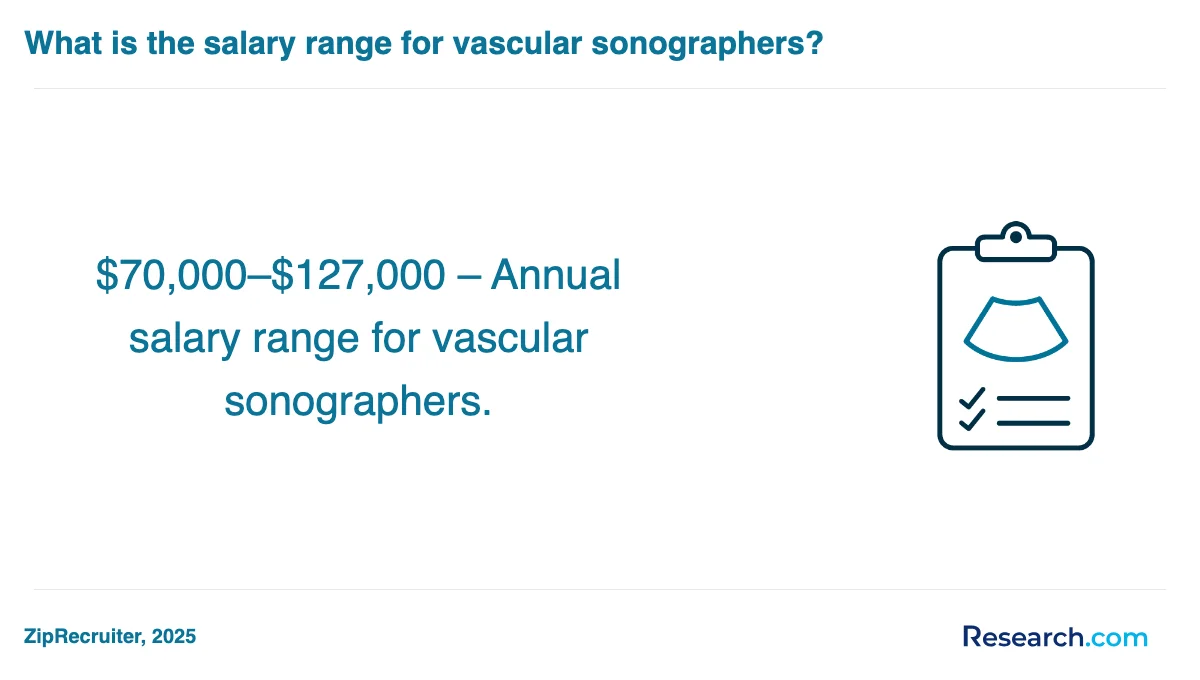
Medical sonographer trade school students in Colorado have access to a variety of financial aid options that ease the burden of tuition and expenses. Many graduates from schools like Red Rocks Community College and Concorde Career Colleges recall how federal grants, especially the Pell Grant-which offers up to $6,895-were crucial in covering their initial costs without the stress of repayment.
For those with greater financial need, the Federal Supplemental Educational Opportunity Grant (FSEOG) provided additional support, sometimes up to $4,000 annually, making a tangible difference during their studies. Federal student loans, both subsidized and unsubsidized, are also widely used, allowing students to focus on learning first and manage repayments post-graduation.
Beyond federal aid, state-specific grants and scholarships tailored for Colorado residents offer further relief. Graduates from Pima Medical Institute often highlight how the dedicated financial aid teams at their schools helped them discover merit-based scholarships and navigate applications confidently, turning uncertainty into opportunity.
Students are encouraged to connect with their school's financial aid office early to explore all available options and feel empowered throughout their educational journey.
To enroll in a medical sonographer trade school program in Colorado, applicants typically need to meet several key prerequisites that ensure readiness for this specialized healthcare field. Most trade schools require a high school diploma or GED as a minimum educational foundation.
Applicants must often demonstrate proficiency in essential subjects such as anatomy, physiology, and basic math, either through prior coursework or placement tests. Many Colorado trade schools recommend or require completion of prerequisite classes in biology and medical terminology to prepare students effectively.
Successful graduates from well-regarded Colorado programs frequently share that strong communication skills and a genuine passion for patient care helped them excel, reflecting the hands-on and interpersonal nature of sonography.
Common prerequisites include:
- High school diploma or equivalent
- Basic science coursework (biology, anatomy)
- Proficiency in math and English
- Background in medical terminology
- CPR certification (sometimes required before clinical rotations)
For example, students at popular Colorado trade schools often describe how completing foundational science courses gave them the confidence to tackle the technical aspects of sonography. These prerequisites are designed to create a supportive learning environment where students can thrive both academically and clinically.
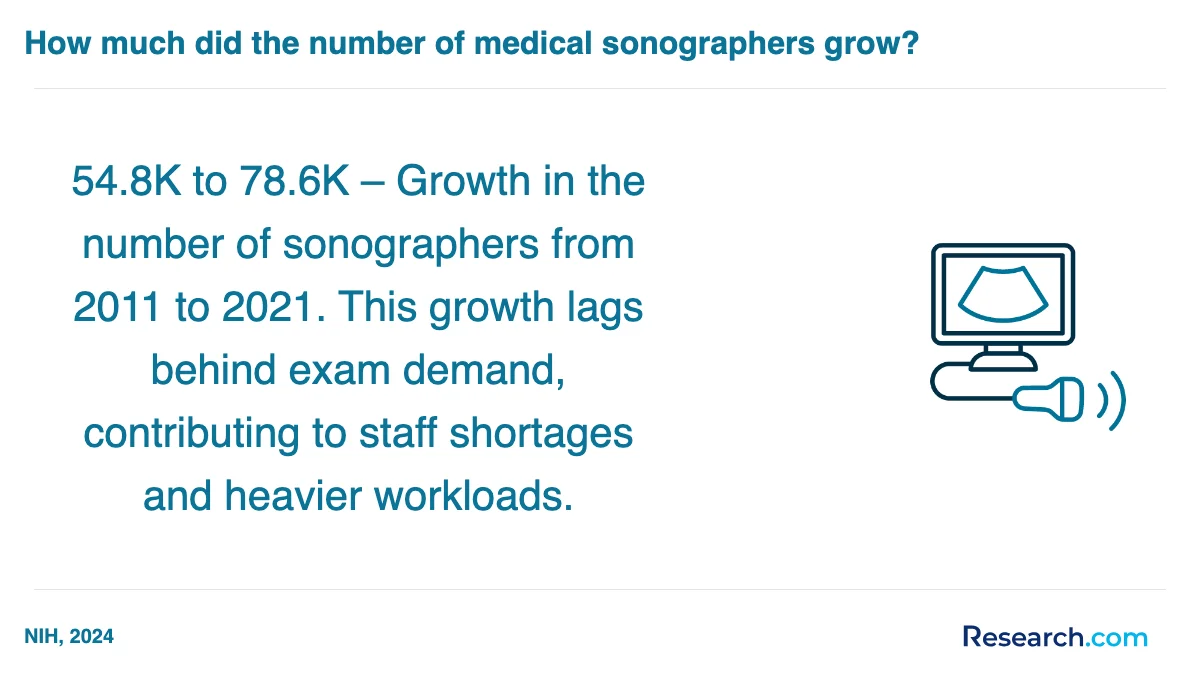
Medical sonographer trade school programs in Colorado typically include a comprehensive set of courses designed to build both foundational knowledge and practical skills. Graduates from popular schools like UCHealth University of Colorado Hospital and Red Rocks Community College often describe their coursework as a balanced mix of theory and hands-on training that truly prepares them for real-world clinical environments.
Core courses generally cover:
- Ultrasound physics, essential for understanding how imaging works
- Abdominal sonography, focusing on organs such as the liver and kidneys
- Obstetric and gynecologic ultrasound, which prepares students to support prenatal care
- Vascular sonography, for imaging blood flow and vessels
- Additional specialized topics like pediatric and musculoskeletal ultrasound
Students also take classes in patient care, anatomy and physiology, and medical terminology to ensure a holistic approach to healthcare. For example, graduates from AdventHealth University Denver emphasize how patient care courses helped them develop empathy and strong communication skills during clinical rotations. Hands-on labs and clinical internships, such as those at Concorde Career College, allow students to build confidence by performing real scans under supervision, making the transition to professional roles smoother and more rewarding.
Medical sonographer trade school programs in Colorado typically offer specializations that prepare students for diverse healthcare roles. Popular programs, such as those at Red Rocks Community College and University of Colorado Hospital, train graduates in several focused areas including:
- General Sonography covering abdominal, obstetrics, and gynecologic imaging
- Vascular Sonography in Colorado, emphasizing blood flow and vessel imaging techniques
- Obstetrics and Gynecology, enabling accurate fetal and maternal imaging
Graduates from these programs often report feeling confident entering clinical settings, thanks to the blend of hands-on internships and comprehensive coursework. Programs at Pima Medical Institute also incorporate pediatric sonography training to meet specific patient needs, highlighting how specializations can be tailored to Colorado's healthcare environment.
Many students recognize the value of combining clinical practice with theoretical knowledge, which helps them excel in certification exams and meet employer expectations. For those exploring options, reviewing the best online associate in sonography programs may provide additional pathways to gain expertise in key sonography fields while accommodating diverse learning preferences.
When choosing the best accredited sonography programs in Colorado, prioritize accreditation by CAAHEP to ensure your education meets national standards and qualifies you for ARDMS certification exams. Graduates from schools like the University of Colorado Hospital often praise the comprehensive curriculum that blends classroom learning with hands-on clinical internships, preparing them confidently for real-world sonography roles. Programs at Red Rocks Community College exemplify how to compare Colorado sonography schools by offering diverse specialties such as abdominal and OB-GYN sonography, which students find invaluable for broadening their skills.
Faculty expertise and access to modern ultrasound equipment are critical factors. Many students at AdventHealth University highlight the benefit of small class sizes and personalized mentorship, which enhance their learning experience and career readiness. Additionally, strong job placement rates and career services provide reassurance, with some programs boasting near 100% employment within six months. For those exploring occupations in the medical field, these aspects can make a decisive difference.

Medical sonographer trade school graduates in Colorado find a broad spectrum of career opportunities for medical sonographers in Colorado, reflecting the state's diverse healthcare landscape. Most graduates begin as diagnostic medical sonographers, working hands-on with ultrasound technology in hospitals, outpatient clinics, or specialty centers. Popular trade schools prepare students for diagnostic medical sonography specialties in Colorado such as abdominal, obstetric/gynecological (OB/GYN), vascular, and echocardiography. Graduates often share how programs emphasize real-world clinical practice, making transitioning into roles seamless and confidence-building.
Beyond patient imaging, many graduates step into roles as clinical instructors or supervisory staff, enhancing education and operational efficiency in healthcare settings. Opportunities also extend to acute care facilities and research labs, offering dynamic work environments that align with individual career goals. Graduates appreciate Colorado's strong job market and above-average salaries, with some exploring advanced specialties over time. Aspiring sonographers can learn more about pathways and credentialing through resources like how to become ultrasound technician.
The medical sonographer job outlook in Colorado remains strong, with graduates from local trade schools quickly finding opportunities across diverse healthcare environments. Many recent graduates have secured roles in metropolitan areas such as Denver and Colorado Springs, benefiting from the state's high demand for diagnostic medical sonographers, especially in specialties like OB/GYN and vascular sonography. Popular trade schools report that their alumni appreciate the ability to choose from full-time, part-time, and travel assignments, allowing flexible work-life balance. Typical employers include large hospital systems, outpatient clinics, and mobile imaging providers.
Graduates often highlight favorable pay rates contributing to a positive career start. Key points include:
- Travel sonographer weekly earnings averaging around $2,100, with some assignments reaching $2,941
- Permanent hourly pay varying between $32.84 and $73.36, reflecting specialization and experience
- Consistent growth in job openings, with over 160 positions statewide as of 2025
These figures align with national trends noted in diagnostics, with competitive diagnostic medical sonographer salary Colorado 2026 data supporting a promising future. For aspiring students, understanding how much money do ultrasound techs make in Colorado helps inform career planning based on realistic, market-driven expectations.
Most Affordable Diagnostic Medical Sonographer Schools & Training - Budget-Friendly Sonography Trade Programs in Colorado for 2026
# 1 position
Red Rocks Community College - Diagnostic Medical Sonography/Sonographer and Ultrasound Technician.
associateRed Rocks Community College offers a Diagnostic Medical Sonography/Sonographer and Ultrasound Technician program with a hybrid format, including some distance education. The program prepares students to use ultrasound technology for diagnostic purposes under physician supervision. It covers patient care, sonographic data processing, and professional ethics. Annual in-state tuition is $4,707. Graduates earn a median of $104,021 one year after completion. The program is accredited by the Higher Learning Commission.
# 2 position
Red Rocks Community College - Diagnostic Medical Sonography/Sonographer and Ultrasound Technician.
certificate or diplomaRed Rocks Community College offers a hybrid Diagnostic Medical Sonography/Sonographer and Ultrasound Technician program preparing students to use ultrasound techniques for medical diagnosis. The curriculum covers patient care, sonographic data processing, and equipment operation under physician supervision. Accredited by the Higher Learning Commission, the program charges $4,707 annual in-state tuition. Graduates earn a median of $104,021 one year after completion.
# 3 position
Community College of Denver - Mammography Technology/Technician.
certificate or diplomaThe Mammography Technology/Technician program at Community College of Denver prepares registered radiographers to become registered mammographers. It covers anatomy and physiology, mammography instrumentation, positioning, procedures, and quality assurance. The hybrid program offers some distance-education options. Annual in-state tuition is $4,902. Graduates have a median earning of $72,086 one year after completion. The program is accredited by the Higher Learning Commission.
# 4 position
Pueblo Community College - Diagnostic Medical Sonography/Sonographer and Ultrasound Technician.
associatePueblo Community College offers a Diagnostic Medical Sonography/Sonographer and Ultrasound Technician program with a hybrid format including some distance education. The curriculum trains students to perform medical ultrasound techniques under physician supervision for diagnosing conditions. Instruction covers patient care, sonographic data collection, equipment operation, and professional ethics. The program is accredited by the Higher Learning Commission. Annual in-state tuition is $4,883, with median earnings of $48,715 one year after completion.
# 5 position
Concorde Career College-Aurora - Diagnostic Medical Sonography/Sonographer and Ultrasound Technician.
associateThe Diagnostic Medical Sonography/Sonographer and Ultrasound Technician program at Concorde Career College-Aurora offers a hybrid format with some distance education. It trains students to use medical ultrasound techniques under physician supervision to collect sonographic data for diagnosing various conditions. The program covers patient care, data recording, sonography equipment operation, and professional ethics. Graduates have a median earning of $57,831 one year after completion. It is accredited by the Accrediting Commission of Career Schools and Colleges.
Frequently Asked Questions about medical sonographer
After completing a medical sonographer trade school in Colorado, preparing for the job market involves several key steps. First, obtaining certification through the American Registry for Diagnostic Medical Sonography (ARDMS) significantly enhances employment prospects, as many Colorado employers require this credential. According to the U.S. Bureau of Labor Statistics, Colorado's demand for diagnostic medical sonographers is expected to grow by 14% through 2030, faster than the national average.
Networking with local healthcare providers and attending job fairs can increase opportunities. Additionally, gaining experience through internships or clinical rotations offered by trade schools is vital. Finally, keeping skills updated with continuing education ensures competitiveness in this evolving field.
Employers in Colorado seek medical sonographer trade school graduates with strong technical skills, including proficiency in operating ultrasound equipment and understanding anatomy. According to the Colorado Department of Labor and Employment, candidates who demonstrate accuracy in capturing diagnostic images and familiarity with various sonography specialties, such as abdominal or vascular sonography, have an advantage.
Additionally, communication skills are crucial. Graduates must effectively explain procedures to patients and collaborate with healthcare teams. Attention to detail and critical thinking are also emphasized, as these help in identifying abnormalities accurately.
Hands-on clinical experience gained during training is highly valued, with many employers preferring graduates who have completed accredited programs recognized by the Commission on Accreditation of Allied Health Education Programs (CAAHEP).
Finding internships in Colorado relevant to medical sonographer trade school programs involves several key steps. Start by contacting the career services department of your chosen trade school, as many schools have established partnerships with local hospitals and clinics. The Colorado Sonography Association also offers resources and networking opportunities that can help students connect with potential internship sites.
Colorado's healthcare facilities, such as UCHealth and Denver Health, frequently offer clinical training for sonography students, often required for program completion. According to the Bureau of Labor Statistics, internships and clinical hours are crucial for state certification as a Registered Diagnostic Medical Sonographer (RDMS).
Additionally, students can explore the American Registry for Diagnostic Medical Sonography (ARDMS) website for accredited clinical sites in Colorado. Early application and proactive communication with clinical coordinators greatly improve internship placement chances.
A diploma from a medical sonographer trade school in Colorado significantly enhances career mobility and advancement opportunities. Graduates gain specialized skills required for diagnostic imaging roles, which are in high demand across the state's healthcare facilities. According to the U.S. Bureau of Labor Statistics (2023), Colorado's employment for diagnostic medical sonographers is projected to grow 17% through 2031, faster than the national average.
Having a trade school diploma often qualifies candidates for entry-level positions, which can lead to higher-paying roles with experience. Additionally, many employers in Colorado prefer or require formal credentials for sonographer positions, making the diploma essential for upward mobility.
Certification obtained after completing the diploma further validates expertise, boosting job prospects and potential salary increases. The Colorado Department of Labor reports median annual wages for sonographers at approximately $75,000, with higher earnings for those holding formal qualifications.
Part-time job opportunities in Colorado that complement medical sonographer trade school education often include roles such as ultrasound technician assistants, medical office clerks, and patient care aides. These positions provide valuable hands-on experience with patient interaction, medical terminology, and clinical workflows.
According to the Colorado Department of Labor and Employment, the healthcare support sector is growing steadily, with a projected 12% increase in relevant jobs by 2030. Working part-time in healthcare settings helps students apply classroom knowledge practically, enhancing skills in anatomy, equipment handling, and patient communication.
Additionally, part-time roles in radiology departments or outpatient clinics offer exposure to sonography technology, which is beneficial before full certification.
To choose the most affordable Medical Sonographer degree program near me, start by researching local colleges and universities to compare tuition costs, including any available financial aid options. Look for programs near Colorado that are accredited, as these will meet educational standards necessary for certification and employment. Utilize resources like Research.com to review program rankings and gather information on each institution's reputation and success rates of graduates.
- Most Affordable Diagnostic Medical Sonographer Schools & Training - Budget-Friendly Sonography Trade Programs in New Mexico for 2026
- Most Affordable Diagnostic Medical Sonographer Schools & Training - Budget-Friendly Sonography Trade Programs in Oklahoma for 2026
- Most Affordable Diagnostic Medical Sonographer Schools & Training - Budget-Friendly Sonography Trade Programs in Arizona for 2026
- Most Affordable Diagnostic Medical Sonographer Schools & Training - Budget-Friendly Sonography Trade Programs in Texas for 2026
- Most Affordable Diagnostic Medical Sonographer Schools & Training - Budget-Friendly Sonography Trade Programs in Nevada for 2026
- Most Affordable Diagnostic Medical Sonographer Schools & Training - Budget-Friendly Sonography Trade Programs in Missouri for 2026
- Most Affordable Diagnostic Medical Sonographer Schools & Training - Budget-Friendly Sonography Trade Programs in Louisiana for 2026
- Most Affordable Diagnostic Medical Sonographer Schools & Training - Budget-Friendly Sonography Trade Programs in Minnesota for 2026
- Most Affordable Diagnostic Medical Sonographer Schools & Training - Budget-Friendly Sonography Trade Programs in North Dakota for 2026
- Most Affordable Diagnostic Medical Sonographer Schools & Training - Budget-Friendly Sonography Trade Programs in Illinois for 2026
- Diagnostic Medical Sonography | Red Rocks Community College https://www.rrcc.edu/academic-programs/diagnostic-medical-sonography
- Diagnostic Medical Sonography Program at UCHealth University of Colorado Hospital - UCHealth https://www.uchealth.org/professionals/education-programs/diagnostic-medical-sonography-program-at-university-of-colorado-hospital/
- Diagnostic Medical Sonography | Aurora | Concorde Career Colleges https://www.concorde.edu/diagnostic-programs/diagnostic-medical-sonography/aurora
- Medical Sonography | Pueblo Community College https://pueblocc.edu/programs/dms
- Associate of Science in Diagnostic Medical Sonography Program | AdventHealth University Denver https://www.ahu.edu/denver/sonography
- Diagnostic Medical Sonography Associate Degree Program https://pmi.edu/on-campus-programs/associate/diagnostic-medical-sonography/
- Medical Diagnostics https://www.pikespeak.edu/admissions/advising/advising-teams/medical-sciences/transfer-other-health-sciences/medical-diagnostics.php
- Diagnostic Medical Sonography https://www.daytonastate.edu/academic-departments/college-of-health-and-public-services/school-of-health-careers/diagnostic-medical-sonography.html
- Sonography Career Paths https://www.ultrasoundschoolsinfo.com/sonography-career-paths/
- Diagnostic Medical Sonography https://www.sait.ca/programs-and-courses/diplomas/diagnostic-medical-sonography