
Most Affordable Diagnostic Medical Sonographer Schools & Training - Budget-Friendly Sonography Trade Programs in Mississippi for 2026

Co-Founder and Chief Data Scientist
Exploring a career as a medical sonographer is a smart choice, especially in Mississippi where healthcare jobs are growing. This article introduces a carefully crafted medical sonographer trade school programs ranking created by the Research.com team of data scientists. It’s designed to help you find the best programs that fit your goals and budget.
By reading this guide, you’ll gain valuable insights that make choosing the right school easier. Earning a diploma or certification in this field can open doors to rewarding and stable career opportunities. Your future in healthcare starts here.
Key benefits of finishing medical sonographer trade school in Mississippi
- Graduates can expect a strong starting salary, with average annual earnings ranging from about $82,700 to $100,000 in Mississippi, offering financial stability right after completing trade school.
- Medical sonographer graduates often find rewarding career paths in hospitals, clinics, and specialized imaging centers, as shown by successful alumni from popular Mississippi trade schools.
- Completing a medical sonographer trade school online provides flexibility and convenience, allowing students to balance work and study, which many online graduates from Mississippi schools have praised.
- Most Affordable Diagnostic Medical Sonographer Schools & Training - Budget-Friendly Sonography Trade Programs in Mississippi for 2026
- What can I expect from medical sonographer trade schools in Mississippi?
- Where can I work after finishing medical sonographer trade schools in Mississippi?
What can I expect from medical sonographer trade schools in Mississippi?
In Mississippi, medical sonographer trade school programs typically last about 12 months, offering a full-time, focused curriculum that blends classroom learning with hands-on clinical experience. Graduates from schools like Pearl River Community College often describe the Monday-to-Thursday daytime schedule as ideal for balancing intense study with practical labs. Expect to cover core topics such as abdominal and vascular sonography, with opportunities to specialize in areas like cardiac ultrasound.
Programs emphasize professionalism and skill-building, with small cohorts of around 15 students fostering close instructor support and teamwork during clinical rotations at local healthcare facilities. Many students find this immersive environment both challenging and rewarding as they prepare for the ARDMS certification exams.
Successful graduates feel confident entering Mississippi's healthcare workforce, knowing their training meets CAAHEP accreditation standards and equips them for roles earning a median annual income of about $56,500. Early application and strong academics are key due to competitive admissions and limited spots.
Where can I work after finishing medical sonographer trade schools in Mississippi?
After completing a medical sonographer trade school program in Mississippi, graduates find a variety of rewarding career paths across the state's healthcare landscape. Many secure full-time roles in hospitals like Memorial Hospital at Gulfport, where they perform ultrasound imaging in departments such as radiology and obstetrics. Graduates often share how rewarding it feels to contribute directly to patient care while enjoying benefits like health insurance and paid holidays.
Others prefer working in outpatient clinics or physician offices, including OB/GYN and cardiology practices, where they perform specialty ultrasounds and build close relationships with patients. This option appeals to those who value regular hours and a team-oriented environment, commonly highlighted by graduates from popular trade schools in Jackson.
Some sonographers embrace flexibility by joining mobile imaging services that bring ultrasound diagnostics to rural Mississippi communities. These roles provide the chance to travel and work in diverse settings, which many recent graduates find exciting and fulfilling.
Additional opportunities exist in education, research, and administrative roles for those seeking career growth beyond clinical work.
Graduates of medical sonographer trade school programs in Mississippi typically start with competitive salaries that make the investment in their education worthwhile. For example, those completing programs at popular schools like Mississippi Delta Community College or Hinds Community College report earning around $104,247 per year, or about $50.12 an hour shortly after entering the workforce.
Many graduates find themselves earning weekly pay near $2,004, with starting salaries ranging from $1,475 to $2,494 per week. These figures reflect an encouraging financial outlook for new sonographers in Mississippi's healthcare sector.
Experienced sonographers, especially those who specialize in fields such as vascular or obstetric sonography, can expect to climb toward the higher salary ranges of roughly $70,467 to $86,769 annually. Graduates often share how advancing their skills and certifications directly impacts their paychecks and job satisfaction.
Real-life examples from recent graduates highlight that working in cities like Jackson can mean earning close to $78,900 per year. This aligns with salaries seen by Registered Diagnostic Medical Sonographer I professionals, helping new sonographers feel confident in their career decisions after trade school.
- Admission requires a high school diploma or equivalent and often an ACT score of at least 19, with prerequisite courses like college algebra and anatomy.
- Programs must be accredited by CAAHEP to qualify graduates for the ARDMS certification exam, which is required for employment.
- Most programs offer a two-year Associate of Applied Science degree or a certificate and include clinical rotations in medical settings.
- The average annual salary for sonographers in Mississippi is about $70,150 as of May 2023, with job growth projected at 14% from 2022 to 2032.
- Community college programs are generally more affordable, and scholarships like the UltrasoundSchoolsInfo $1,000 award may be available for students in accredited programs.
Completing a medical sonographer trade school program in Mississippi typically takes about 18 to 24 months. Many graduates from well-known trade schools in the state share that this timeframe feels manageable, allowing them to balance hands-on clinical training with classroom learning effectively. For example, students often describe their experience as an exciting challenge where they quickly gain confidence operating ultrasound equipment while still having support from instructors.
In practical terms, attending a program at a popular Mississippi trade school means immersing yourself in both intensive theory and real-life patient interactions within community clinics or hospitals. This approach helps students feel prepared and motivated as they see their skills improve week by week. Graduates often highlight the satisfaction of completing their programs in under two years, which enables them to enter the workforce quickly and start building rewarding careers.
The key difference between online and on-campus medical sonographer trade school programs in Mississippi is how hands-on training is delivered. Graduates from on-campus programs like those at Hinds Community College and Northeast Mississippi Community College often describe the value of attending in-person labs where they practiced using real ultrasound machines under expert supervision. This direct experience builds confidence and skill, something they say is hard to replicate online.
Online programs for sonography are rare or unavailable in Mississippi because the field depends heavily on clinical practice. Even if theoretical classes are offered online elsewhere, students still need to complete local clinical rotations to gain essential psychomotor skills. Many graduates emphasize that being on campus helped them connect with instructors and access specialized equipment crucial for mastering sonography.
For students in Mississippi aiming for certification and employment, enrolling in an on-campus program ensures they receive the comprehensive, hands-on training employers expect. This immersive environment creates a supportive learning experience that online options currently cannot match.
The average tuition fees for medical sonography programs in Mississippi typically range between $2,400 and $8,000 per year, depending on the institution and whether students are in-state or out-of-state residents. For example, graduates from Hinds Community College in Raymond often recall paying around $2,600 annually for in-state tuition, along with additional costs like textbooks, uniforms, and health screenings, which can add up to over $3,600. These real-life expenses highlight how the cost of obtaining a medical sonographer diploma in Mississippi extends beyond tuition alone.
At the University of Mississippi Medical Center in Jackson, students pursuing a Bachelor of Science in Radiologic Sciences with a concentration in Sonography report tuition figures closer to $8,000 per year for in-state attendees. Despite the higher cost, many appreciate the comprehensive curriculum and clinical experience, which help them feel confident and well-prepared entering the workforce. Similarly, Itawamba Community College in Fulton offers an associate degree with tuition around $2,400 for in-state students, making it a popular choice for those seeking an affordable start.
Financial aid often plays a crucial role for students balancing these expenses. State scholarships such as the Mississippi Tuition Assistance Grant (MTAG) and the Eminent Scholars Grant (MESG), alongside federal loans and institutional scholarships, provide valuable support. Prospective students should explore every option carefully and consider programs known not only for quality but also for offering feasible payments.
For those interested in discovering more about easy medical degree programs that align with their career goals, visiting easy medical degree programs can offer helpful guidance and options to make the path smoother.
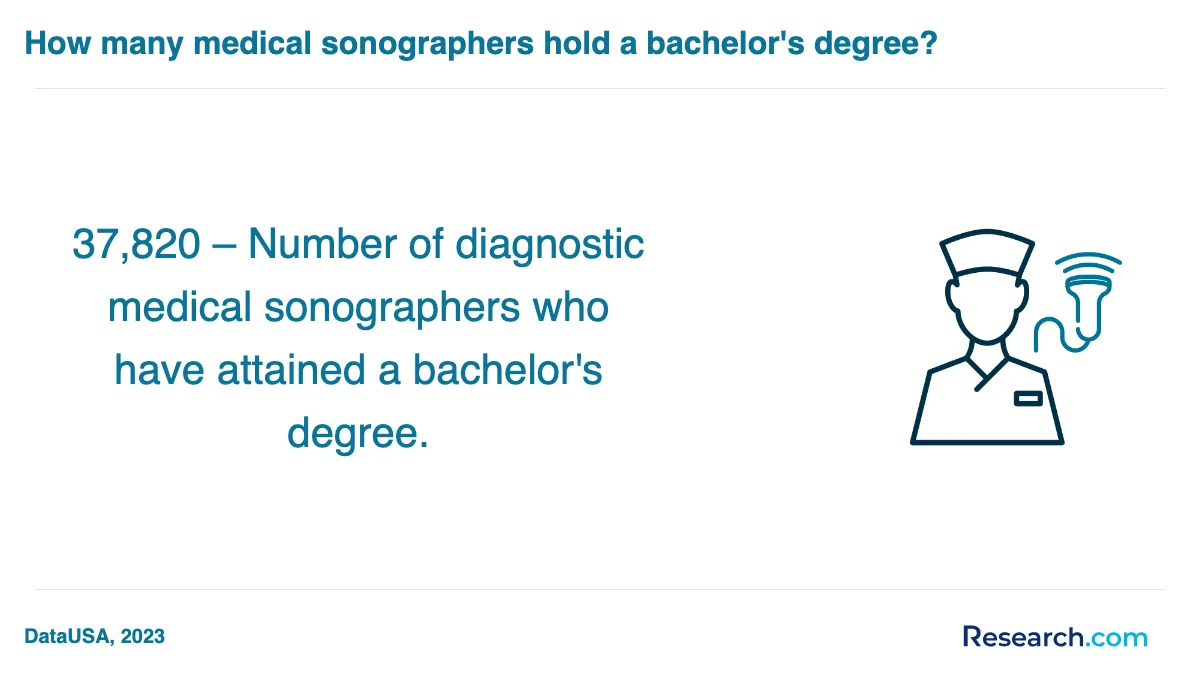
Medical sonographer trade school students in Mississippi can access various financial aid options to ease their education costs. Most start by completing the Free Application for Federal Student Aid (FAFSA), which opens doors to federal and state grants, scholarships, and even work-study programs. For example, graduates from Hinds Community College often recall how the Pell Grant, which can award up to $6,895, significantly reduced their tuition burden.
Some students also benefit from the Federal Supplemental Educational Opportunity Grant (FSEOG), which provides additional funds to those with exceptional financial need, though eligibility depends on the school's participation. Many Mississippi trade schools accredited by the Commission on Accreditation of Allied Health Education Programs (CAAHEP) offer their own scholarships and payment plans, making it easier for local residents to manage expenses.
Additionally, the Society of Diagnostic Medical Sonography (SDMS) Foundation awards a $2,500 scholarship annually to students enrolled in accredited programs, a lifeline for many who juggle work and study. Some employers in Mississippi even provide tuition reimbursement, allowing students to advance their careers without financial stress.
Graduates often emphasize the relief and motivation these financial aids provide, transforming a challenging path into an achievable goal at schools like Hinds and others across the state.
To enroll in a medical sonographer trade school program in Mississippi, candidates typically need a high school diploma or GED as a basic requirement. Many programs also expect applicants to have completed foundational courses in biology, anatomy, and mathematics to ensure readiness for the technical curriculum.
Applicants often share that having hands-on experience or exposure to healthcare settings, such as volunteering or working in clinics, greatly boosts confidence and understanding before starting the program. This practical background helps students connect theory with real-world applications, making the learning process more engaging and relatable.
Common prerequisites include:
- High school diploma or equivalent
- Completion of prerequisite science courses
- Basic understanding of medical terminology
- Background in healthcare settings (preferred but not always required)
Graduates from popular Mississippi trade schools highlight that meeting these requirements made transitioning into the program smoother. They emphasize that being prepared with these basics helped them feel excited and ready to tackle more advanced sonography skills, especially in programs known for strong hands-on training and supportive instructors.

Medical sonographer trade school programs in Mississippi typically include a mix of foundational science and specialized sonography courses designed to equip students with practical skills and knowledge. Graduates often highlight how starting with anatomy, physiology, and medical terminology helped them confidently understand the human body and communicate effectively in clinical settings.
Core technical courses cover sonographic physics and instrumentation, essential for mastering ultrasound equipment operation and image interpretation. For example, students at Hinds Community College recall how hands-on lessons in "Ultrasound Exam Critique" sharpened their ability to identify quality images and recognize abnormalities.
Specialty sonography courses focus on key areas such as:
- Abdominal sonography
- Obstetrics and gynecology sonography
- Vascular sonography
Clinical practicum courses provide real-world experience through supervised rotations in hospitals or clinics. Northeast Mississippi Community College students often describe this full-time, immersive training as invaluable for building confidence in patient interaction and sonographic techniques.
Additional professional development classes, like "Sonography Seminar," prepare students for the ARDMS certification exam, a critical step toward launching a successful career in Mississippi's healthcare sector.
Medical sonographer trade school programs in Mississippi offer various specializations to equip students with the skills necessary for diverse roles in the field. Graduates from popular trade schools like Hinds Community College and Blue Cliff College highlight how these programs focus on key areas including:
- Abdominal Sonography
- Obstetric and Gynecologic Sonography
- Vascular Sonography
- Cardiac Sonography
- Musculoskeletal Sonography
- Pediatric Sonography
- Neurosonography
- Ophthalmic Sonography
For example, a graduate from Hinds Community College described the challenge and excitement of mastering abdominal sonography-learning to image organs with precision to help diagnose patient conditions confidently. Another student at Blue Cliff College found specializing in vascular sonography rewarding, as it prepared them to visualize blood flow in critical care settings. Each specialization prepares students for diagnostic imaging roles aligned with their career interests.
Students seeking flexibility and comprehensive training can also explore options by researching the best online associate in sonography programs, which offer practical learning paths tailored to these specializations.
To find the best accredited sonography programs in Mississippi, start by confirming each school's accreditation by the Commission on Accreditation of Allied Health Education Programs (CAAHEP). Graduates from these programs share how this accreditation ensured their education met national standards and qualified them to sit for the American Registry for Diagnostic Medical Sonography (ARDMS) exams, a crucial step for employment.
When comparing schools, consider program reputation and outcomes. For instance, graduates from Hinds Community College often highlight the valuable clinical experience they gained at multiple healthcare sites across Mississippi, which boosted their confidence and job readiness. These real-world opportunities help students develop skills beyond the classroom, a vital factor when deciding how to compare medical sonographer schools in Mississippi.
Also evaluate curriculum specifics and support services. Select a program offering specialties like Abdominal-Extended or OBGYN sonography and check for financial aid or scholarships to ease costs. Hearing from recent graduates about their smooth transitions into jobs in healthcare within the state can guide your choice effectively.
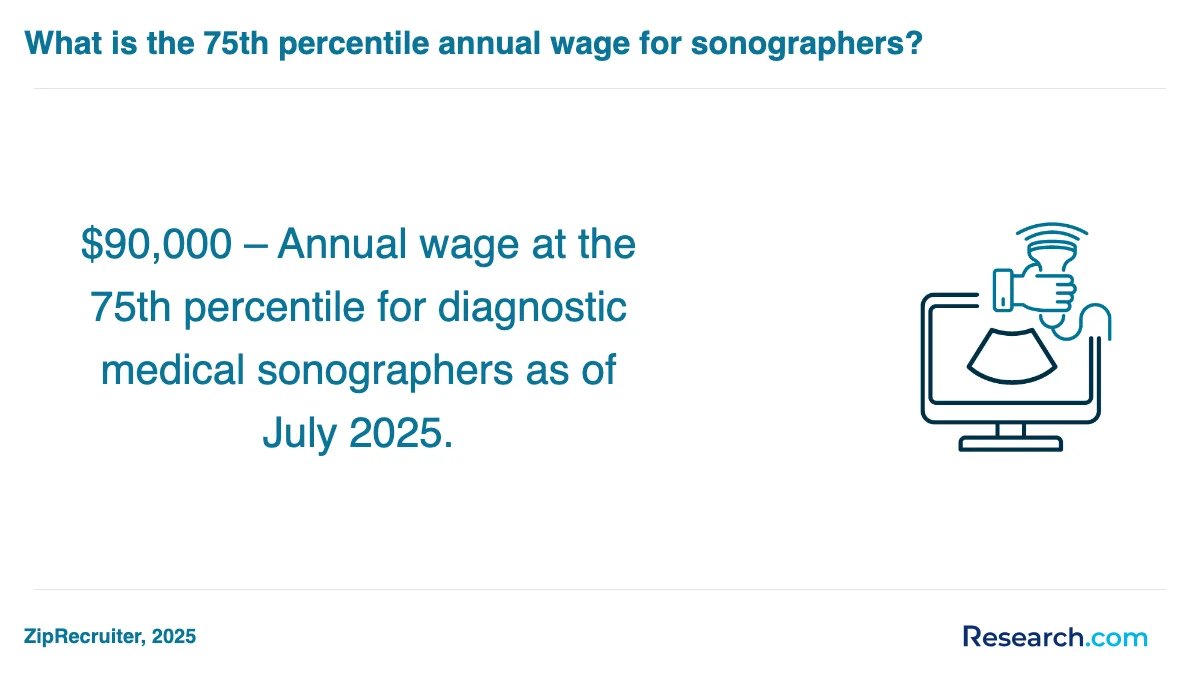
Graduates of medical sonographer trade school programs in Mississippi typically begin their careers as diagnostic medical sonographers in hospitals, clinics, or private practices. This hands-on role involves using ultrasound technology to assist physicians in diagnosing patients, with many graduates from popular Mississippi trade schools sharing how rewarding it is to directly impact patient care. With experience, these professionals often explore sonography career advancement opportunities in Mississippi, such as moving into specialized fields like cardiac sonography, vascular technology, or obstetric/gynecologic imaging, which require additional certification but offer greater responsibility and higher pay.
Many graduates also take on leadership roles as lead sonographers or department managers, overseeing imaging departments and guiding teams. Others find fulfillment in educational roles, teaching new students as clinical instructors. Additionally, some leverage their clinical expertise into tech-support or sales roles as application specialists. Those interested in expanding their healthcare career may pursue further education to become physician assistants or nurse practitioners.
For those balancing work and study, ultrasound tech online schools offer flexible options to advance skills while continuing to gain real-world experience in Mississippi's growing health sector.
Medical sonographer trade school graduates in Mississippi face a job market with steady demand and competitive wages. Graduates from popular programs often find employment in hospitals, outpatient centers, and private clinics across the state. The job outlook for medical sonographers in Mississippi reflects average hourly pay around $38.38, with some urban areas like Jackson offering up to $90.23 per hour.
Many graduates have noted that specializing in areas like vascular or cardiac sonography greatly enhances their job prospects. However, overall openings remain modest, as Mississippi ranks 50th nationwide for diagnostic medical sonographer employment Mississippi. This means that persistence and flexibility in location are important factors for new professionals.
Successful graduates often share advice such as:
- Consider urban centers for more active hiring and higher pay.
- Develop specialized skills to stand out in the job market.
- Be prepared for part-time or contract positions as stepping stones.
For those curious about earning potential, reliable sources detail how much does an ultrasound tech make a year which can inform career planning after completing trade school training in Mississippi.
Most Affordable Diagnostic Medical Sonographer Schools & Training - Budget-Friendly Sonography Trade Programs in Mississippi for 2026
# 1 position
Jones County Junior College - Diagnostic Medical Sonography/Sonographer and Ultrasound Technician.
associateJones County Junior College offers a Diagnostic Medical Sonography/Sonographer and Ultrasound Technician program with a hybrid format including some distance education. The program trains students to use ultrasound technology under physician supervision for diagnosing various conditions. It covers patient data integration, equipment operation, and professional ethics. Annual in-state tuition is $4,000. Graduates have median earnings of $31,058 one year after completion. The program is accredited by the Southern Association of Colleges and Schools Commission on Colleges.
# 2 position
Hinds Community College - Diagnostic Medical Sonography/Sonographer and Ultrasound Technician.
associateHinds Community College offers a fully online Diagnostic Medical Sonography program preparing students to use ultrasound techniques for diagnosing medical conditions. The curriculum covers patient care, data collection, sonographic processing, equipment operation, and professional ethics. Annual in-state tuition is $3,825. Graduates earn a median salary of $56,165 one year after completion. The program is accredited by the Southern Association of Colleges and Schools Commission on Colleges.
# 3 position
Northeast Mississippi Community College - Diagnostic Medical Sonography/Sonographer and Ultrasound Technician.
associateNortheast Mississippi Community College offers a hybrid Diagnostic Medical Sonography/Sonographer and Ultrasound Technician program. The curriculum trains students to operate ultrasound equipment and gather sonographic data under physician supervision for diagnosing medical conditions. Instruction includes patient care, data integration, and professional ethics. The program’s annual in-state tuition is $4,770. Graduates earn a median salary of $34,402 one year after completion. It is accredited by the Southern Association of Colleges and Schools Commission on Colleges.
Frequently Asked Questions about medical sonographer
After completing medical sonographer trade school in Mississippi, graduates should focus on obtaining certification from the American Registry for Diagnostic Medical Sonography (ARDMS). This credential is widely recognized by employers and often required for job placement. According to the Bureau of Labor Statistics, Mississippi's healthcare sector is growing steadily, with sonography positions expected to increase by 12% through 2030, slightly above the national average.
Networking through clinical internships and joining professional organizations like the Society of Diagnostic Medical Sonography (SDMS) can improve job prospects. Additionally, developing strong technical skills and staying updated with advances in sonography technology enhances employability in Mississippi's competitive healthcare market.
Employers in Mississippi seek specific skills when hiring medical sonographer trade school graduates. Technical proficiency in operating ultrasound equipment is essential, as well as the ability to produce clear, accurate diagnostic images. Strong knowledge of human anatomy and physiology is critical for interpreting sonographic results correctly.
Communication skills also rank highly, since sonographers must explain procedures clearly and compassionately to patients. According to the U.S. Bureau of Labor Statistics, interpersonal skills improve patient cooperation and overall care quality.
Attention to detail and critical thinking help reduce diagnostic errors, which is vital in Mississippi's healthcare settings. Many employers prefer graduates with certification from the American Registry for Diagnostic Medical Sonography (ARDMS), reflecting industry standards across the state.
Finding internships in Mississippi related to medical sonographer trade school programs involves several practical steps. Start by contacting the career services office of your chosen trade school, as many maintain partnerships with local hospitals and clinics. Facilities such as the University of Mississippi Medical Center often offer clinical placements for sonography students. The American Registry for Diagnostic Medical Sonography (ARDMS) recommends securing internships that provide hands-on experience with ultrasound equipment and patient care.
Additionally, explore listings on state healthcare job boards and the Mississippi Hospital Association website. Networking with professionals during school events can also open internship opportunities. Internships typically last 6 to 12 weeks and may be unpaid or paid, depending on the facility's policies.
Obtaining a medical sonographer trade school diploma in Mississippi significantly enhances career mobility and advancement opportunities. Graduates gain essential technical skills recognized by healthcare employers statewide, which helps them qualify for entry-level sonography positions. According to the U.S. Bureau of Labor Statistics, the demand for diagnostic medical sonographers in Mississippi is expected to grow by 17% through 2030, faster than the average for all occupations.
Trade school diplomas also facilitate eligibility for credentialing exams from organizations like the American Registry for Diagnostic Medical Sonography (ARDMS). Passing these exams can lead to higher salaries and more advanced roles in hospitals and clinics.
Mississippi's healthcare sector values hands-on training provided by trade schools, often leading to quicker job placement compared to traditional degrees. This practical education supports upward mobility within medical imaging departments and related specialties.
Students enrolled in medical sonographer trade schools in Mississippi often seek part-time jobs that enhance their clinical skills and understanding. Common opportunities include working as medical assistants, patient care technicians, or ultrasound aides in hospitals and clinics. These roles provide practical experience with patient interaction and basic diagnostic equipment.
According to the U.S. Bureau of Labor Statistics, Mississippi has a growing demand for healthcare support workers, with a projected 11% growth in sonography-related roles through 2032. Gaining experience in healthcare settings can improve a student's resume and prepare them for certification exams.
Additionally, some students find part-time work in outpatient diagnostic imaging centers, which are prevalent in urban areas like Jackson and Hattiesburg. Such jobs help familiarize students with sonographic procedures and healthcare protocols.
Yes, there are affordable medical sonography degree programs near Mississippi. Local community colleges and technical schools often offer cost-effective sonography programs that can be conveniently located near me. Research.com can be a helpful resource to explore these programs near Mississippi and ensure they meet educational and professional goals.
- Most Affordable Diagnostic Medical Sonographer Schools & Training - Budget-Friendly Sonography Trade Programs in Louisiana for 2026
- Most Affordable Diagnostic Medical Sonographer Schools & Training - Budget-Friendly Sonography Trade Programs in Alabama for 2026
- Most Affordable Diagnostic Medical Sonographer Schools & Training - Budget-Friendly Sonography Trade Programs in Florida for 2026
- Most Affordable Diagnostic Medical Sonographer Schools & Training - Budget-Friendly Sonography Trade Programs in Missouri for 2026
- Most Affordable Diagnostic Medical Sonographer Schools & Training - Budget-Friendly Sonography Trade Programs in Texas for 2026
- Most Affordable Diagnostic Medical Sonographer Schools & Training - Budget-Friendly Sonography Trade Programs in Indiana for 2026
- Most Affordable Diagnostic Medical Sonographer Schools & Training - Budget-Friendly Sonography Trade Programs in Illinois for 2026
- Most Affordable Diagnostic Medical Sonographer Schools & Training - Budget-Friendly Sonography Trade Programs in Oklahoma for 2026
- Most Affordable Diagnostic Medical Sonographer Schools & Training - Budget-Friendly Sonography Trade Programs in South Carolina for 2026
- Most Affordable Diagnostic Medical Sonographer Schools & Training - Budget-Friendly Sonography Trade Programs in North Carolina for 2026
- Sonographer Salary and Job Opportunities: Is It Worth It? | Ultrasound Technician, Diagnostic Medical Sonography, Bachelor and Associate Programs - Los Angeles, Glendale, Pasadena https://amsc.edu/sonographer-salary-and-job-opportunities-is-it-worth-it/
- Sonography Career Paths https://www.ultrasoundschoolsinfo.com/sonography-career-paths/
- Diagnostic Medical Sonographers and Cardiovascular Technologists and Technicians : Occupational Outlook Handbook: : U.S. Bureau of Labor Statistics https://www.bls.gov/ooh/healthcare/diagnostic-medical-sonographers.htm
- Prepare for a Career in Diagnostic Medical Sonography - San Joaquin Valley College https://www.sjvc.edu/guides/career-guide-diagnostic-medical-sonographer/
- WorkBC Site Maintenance - Service Temporarily Unavailable https://www.workbc.ca/career-profiles/medical-sonographers
- Diagnostic Medical Sonographer - Explore Healthcare Careers - Mayo Clinic College of Medicine & Science https://college.mayo.edu/academics/explore-health-care-careers/careers-a-z/diagnostic-medical-sonographer/
- Massive Career Options for Grads of Diagnostic Medical Sonography https://www.andersoncollege.com/massive-career-options-for-grads-of-diagnostic-medical-sonography/
- Diagnostic Medical Sonography https://www.sait.ca/programs-and-courses/diplomas/diagnostic-medical-sonography
- Medical Sonography | Wake Tech https://www.waketech.edu/programs-courses/credit/sonography
- How To Become A Sonographer - ARDMS https://www.ardms.org/how-to-become-a-sonographer/


