Best Diagnostic Medical Sonographer Training Programs & Trade Schools - Top Sonography Schools in Nebraska for 2026

Co-Founder and Chief Data Scientist
Choosing the right medical sonographer trade school in Nebraska can shape your future career in healthcare. This article introduces a carefully crafted ranking of medical sonographer trade school programs, developed by the Research.com team of data scientists, to guide you toward the best options available.
By exploring these programs, you’ll discover valuable insights to help you make an informed decision that fits your goals and lifestyle. Earning a diploma or certification as a medical sonographer opens doors to rewarding job opportunities and personal growth.
Take this step confidently and find the program that’s right for you.
Key benefits of finishing medical sonographer trade school in Nebraska
- Graduates of medical sonographer trade schools in Nebraska can expect competitive salaries, with averages around $85,000 to $105,000 per year, making it a rewarding career choice.
- A graduate from a popular Nebraska trade school can pursue diverse roles such as diagnostic medical sonographer, cardiac sonographer, or vascular sonographer, offering strong job flexibility and growth.
- Completing a medical sonographer program online provides flexibility for busy students and allows faster entry into the workforce, as demonstrated by successful online graduates from recognized Nebraska schools.
- Best Diagnostic Medical Sonographer Training Programs & Trade Schools - Top Sonography Schools in Nebraska for 2026
- What can I expect from medical sonographer trade schools in Nebraska?
- Where can I work after finishing medical sonographer trade schools in Nebraska?
What can I expect from medical sonographer trade schools in Nebraska?
Enrolling in a medical sonographer trade school program in Nebraska means committing to a balanced journey of classroom learning and hands-on clinical training. Graduates from institutions like the University of Nebraska Medical Center and Nebraska Methodist College often describe spending around 10 hours weekly in lectures, paired with up to 30 hours in supervised clinical settings. This combination helps transform textbook knowledge into real-world skills, as students accumulate over 1,000 hours of practical experience under expert guidance.
Expect to explore specialties such as general, vascular, and cardiac sonography, gaining confidence in imaging diverse body systems like the abdomen and cardiovascular system. Many graduates recall the rewarding challenge of learning compassionate patient care, especially during sensitive cases in high-risk obstetrics or breast imaging at Nebraska Methodist College.
Admission standards encourage readiness through GPA requirements and prerequisite courses, ensuring students are prepared for the intensity ahead. The experience shapes not only technical expertise but also a sense of purpose, knowing the career ahead holds solid demand and fulfilling opportunities across Nebraska's healthcare settings.
Where can I work after finishing medical sonographer trade schools in Nebraska?
After completing a medical sonographer trade school program in Nebraska, graduates often find themselves welcomed in a variety of healthcare environments. Many begin their careers in large hospital systems like Nebraska Methodist Health System or CHI Health, where the fast-paced setting offers exposure to both general and specialized ultrasound roles. Graduates frequently share how rewarding it is to work in these bustling centers, gaining hands-on experience and growing confidence with each scan.
Others recall the satisfaction of joining smaller regional clinics or outpatient imaging centers, where they build close relationships with patients and enjoy more regular hours. Some even embrace the unique challenge of mobile imaging services, traveling to rural communities to provide vital diagnostics, a path that cultivates both independence and a deep sense of purpose.
Trade school alumni often highlight the flexibility of their career options, from urban hospitals in Omaha and Lincoln to specialized clinics in cardiology or obstetrics. For many, the opportunity to work as regional floats, moving between facilities, adds variety and adventure to their professional lives.
After finishing a medical sonographer trade school program in Nebraska, graduates often find themselves stepping into a well-paying career sooner than expected. Many report starting salaries ranging from $59,900 to $81,630, which is notably about 15% higher than the national average. For those who completed their training at popular Nebraska trade schools, this financial boost feels like a rewarding validation of their hard work and dedication.
One graduate shared how beginning at a local hospital with a salary near $63,000 allowed them to comfortably support their family while gaining valuable experience. Others, especially those who pursued additional certifications or specialized in areas like cardiac imaging, have seen salaries climb above $85,000 annually.
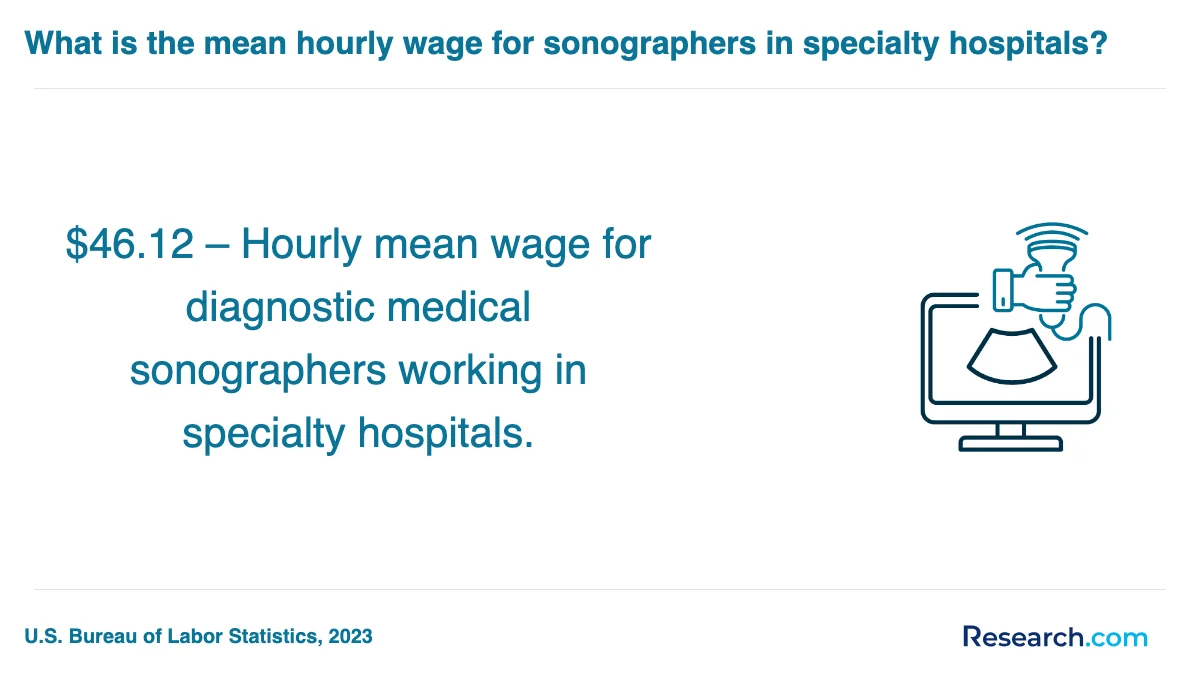
Hourly wages also reflect this positive trend, with averages reported between $50 and $94. This means many sonographers enjoy flexible schedules paired with strong compensation, making the career not only financially stable but personally fulfilling.
For students weighing their options, these figures illustrate that investing time at a Nebraska trade school can open doors to a respected healthcare role with solid earnings from day one.
- Most Nebraska medical sonographer programs require a high school diploma or GED and a minimum GPA of 2.75.
- Program lengths vary from 12 months for post-baccalaureate certificates to 21 months for associate degrees, with over 1,000 hours of clinical practice.
- Tuition and fees for associate or certificate programs typically range between $10,000 and $20,000, excluding additional costs like textbooks and clinical fees.
- The median annual salary for diagnostic medical sonographers in Nebraska is close to the national average of $80,850 as of May 2023.
- Job growth in this field is projected at 11% from 2023 to 2033, which is much faster than the average for all occupations.
- Certification such as the RDMS from ARDMS is highly valued by employers, though not legally required in Nebraska.
Completing a medical sonographer trade school program in Nebraska typically takes about 18 to 24 months, depending on the school and whether you attend full-time or part-time. Graduates from well-known Nebraska trade schools often reflect on this period as an intense but rewarding journey, where immersive hands-on training and real-world clinical experiences blend seamlessly.
Many students find that the structure of these programs allows them to quickly gain confidence in operating ultrasound equipment while mastering patient care skills. For instance, graduates often describe the balance between classroom instruction and clinical rotations as helpful in keeping motivation high and making the learning feel tangible.
Trade schools in Nebraska emphasize practical readiness within this timeframe, helping students transition smoothly into the workforce. The relatively concise duration means you can start your career sooner, which many find encouraging when considering the investment of time and effort.
The key difference between online and on-campus medical sonographer trade school programs in Nebraska lies in the hands-on training and instructional setting. Graduates from Nebraska Methodist College and the University of Nebraska Medical Center often recall the value of attending in-person classes and clinical rotations, where they could directly operate ultrasound equipment under faculty supervision. This immersive experience, typically requiring over 1,000 hours of clinical practice, builds confidence and practical skills that online programs cannot fully replicate.
While some theoretical courses may be offered online, most students find that the real growth happens during face-to-face interactions in labs and clinical sites. Bryan College of Health Sciences graduates describe the immediate feedback from instructors and real-time patient scenarios as essential to mastering sonography.
Because accreditation bodies like CAAHEP emphasize extensive supervised clinical experience, Nebraska's sonography programs remain primarily campus-based. This structure ensures students meet certification standards and feel prepared for the demands of their profession.
The average cost of medical sonographer programs in Nebraska reflects a range that varies by institution and program type, yet it is an investment many graduates find worthwhile. For example, trade schools like Nebraska Methodist College set tuition around $623 per credit hour, with total credit requirements between 72 and 77 hours. This results in tuition fees for sonography schools in Nebraska reaching approximately $44,000 to $48,000. Graduates often recall balancing these costs with the hope of entering a rewarding healthcare field-a challenge met with determination and a clear focus on future success.
On the other hand, programs such as the Diagnostic Medical Sonography at the University of Nebraska Medical Center (UNMC) offer tuition at $5,232 per semester for both residents and non-residents, plus additional fees like a $240 fall course fee. Students who have completed these programs frequently emphasize the value of the hands-on training combined with manageable semester-based tuition. These varying cost structures highlight the importance of understanding tuition fees for sonography schools in Nebraska before making a commitment.
Beyond tuition, there are additional expenses including uniforms, supplies, technology fees, and background checks. Trade school graduates often recall budgeting carefully to cover these necessary costs alongside tuition. Many find that financial aid, scholarships, and loans make these programs more accessible. If you aim to pursue this career, reviewing the ultrasound technician requirements is essential to prepare both financially and academically.

Medical sonographer trade school students in Nebraska often find relief through various financial aid options that make their education more accessible. Many graduates recall how federal grants, especially the Pell Grant, substantially eased their tuition burden, providing up to $6,895 annually. Some also benefited from the Federal Supplemental Educational Opportunity Grant (FSEOG), which offers additional funds to students with exceptional financial needs, though availability depends on the school.
State aid plays a vital role as well. For instance, the Nebraska Promise program covers full tuition for in-state students whose families earn $65,000 or less, a game-changer for many attending the University of Nebraska at Kearney or the University of Nebraska Medical Center. These institutions also offer targeted scholarships and need-based aid tailored to health sciences students, including those pursuing sonography.
Beyond grants and scholarships, work-study programs provide hands-on campus jobs that supplement income, while federal student loans remain a last-resort option. Graduates often emphasize how proactive communication with financial aid offices helped them navigate these resources, making their educational journey less stressful and more hopeful.
Enrolling in a medical sonographer trade school program in Nebraska typically requires a solid foundation that prepares students for both the technical and compassionate side of the profession. Graduates from well-known Nebraska trade schools often recall the initial steps they took, which involved meeting several key prerequisites that ensure readiness and success.
Most programs expect applicants to have:
- A high school diploma or GED, which serves as the essential educational baseline.
- Completion of prerequisite courses such as anatomy, physiology, and basic algebra to build a strong science foundation.
- Proof of immunizations and a clean background check, reflecting the health and safety standards crucial in medical environments.
- Sometimes, basic healthcare experience or volunteer work is encouraged or required to demonstrate genuine interest and reliability.
One graduate shared how these requirements felt like a roadmap, guiding them through preparation and building confidence before their hands-on clinical training began. They valued the clear expectations, as it allowed them to focus on mastering skills without surprises. For students in Nebraska's trade schools, understanding these prerequisites early can make the journey feel less daunting and more achievable.
Medical sonographer trade school programs in Nebraska typically begin with essential foundational courses that build a strong scientific base. Graduates often recall how courses like Anatomy and Physiology, Medical Terminology, College Algebra, and introductory Physics prepared them to understand the complexities of the human body and the science behind sonography. These are not just classes; they form the groundwork that supports every clinical skill learned later.
Once students advance, schools such as the University of Nebraska Medical Center and Nebraska Methodist College offer specialized courses that bring sonography practice to life. These include:
- Abdominal sonography, focusing on organs like the liver and kidneys
- Obstetric and gynecologic sonography, covering fetal development and female reproductive health
- Vascular and cardiac sonography, exploring blood flow and heart function
- Modules on breast, thyroid, and male reproductive system imaging
Graduates often share how hands-on labs and extensive clinical rotations-sometimes exceeding 1,000 hours-transform textbook knowledge into real-world confidence. For example, balancing 10 hours of weekly classes with 30 hours of supervised clinical practice at UNMC gave many a profound sense of readiness and compassion when interacting with patients. This blend of theory and practice is what makes Nebraska's programs uniquely effective.
In Nebraska, medical sonographer trade school programs offer a rich variety of specializations tailored to diverse interests and career goals. Graduates often reflect warmly on how programs at institutions like the University of Nebraska Medical Center and Nebraska Methodist College introduce them to fields such as General Sonography, Cardiac Sonography, and Vascular Sonography. These courses provide hands-on experiences that feel immediately relevant, such as mastering vascular imaging techniques or focusing on obstetrics and gynecology sonography, which prepares students for real-world patient care.
Students appreciate the opportunity to dive into specialized areas like genitourinary ultrasound or advanced obstetrical ultrasound, supported by clinical practicums and externships that make learning tangible and rewarding. The combination of classroom theory and practical exposure, especially in state accredited schools, fosters both confidence and competence.
- General Sonography
- Cardiac Sonography
- Vascular Sonography
- Obstetrics and Gynecology Sonography
- Abdominal Sonography
- Gynecologic Sonography
- Vascular Imaging
- Pediatric Sonography
- Genitourinary Ultrasound
- High-Resolution Sonography
- Diagnostic Film Review
- Advanced Obstetrical Ultrasound
- Sonography of Superficial Structures
- Diagnostic Medical Sonography Skills Lab/Clinical
- Clinical Practicum
- Clinical Externship
For those seeking flexibility, exploring online associate in sonography programs can complement traditional studies, offering more access to these specializations. Whether learning how to expertly assess circulatory systems or understand diagnostic medical sonography skills labs, Nebraska's trade schools cultivate a practical and meaningful education journey that many graduates fondly recall as transformative.
Choosing the best accredited sonography programs in Nebraska means prioritizing accreditation from bodies like CAAHEP or JRC-DMS to ensure quality education and eligibility for certification. Graduates from Nebraska Methodist College often share how this foundation gave them confidence entering the workforce, knowing their training met national standards.
Consider the Nebraska medical sonographer school admission requirements carefully. Some schools expect prerequisite courses or job shadowing, which helps build early familiarity with clinical environments. For example, students at Bryan College of Health Sciences found these requirements prepared them well for hands-on learning, easing their transition into clinical rotations.
Clinical training is vital. Programs like the University of Nebraska Medical Center offer over 1,000 hours of supervised clinical instruction, allowing students to develop practical skills in real settings. This immersive experience often leads to rewarding moments when students realize their ability to make a difference in patient care.
Finally, look into program length, cost, and outcomes. Many choose shorter programs for quicker entry into the field, but balancing duration with comprehensive training is key. Exploring sonography programs accelerated can also reveal flexible options fitting diverse needs and lifestyles.
Graduates of medical sonographer trade school programs in Nebraska find a variety of fulfilling career opportunities tailored to their skills and passions. Many step directly into roles as diagnostic medical sonographers, working in hospitals, maternity clinics, and diagnostic imaging centers across the state. Those who trained at popular Nebraska trade schools often share how hands-on clinical experience helped build confidence for sonography jobs in Nebraska hospitals and clinics, where patient interaction and teamwork are daily essentials.
Beyond traditional clinical roles, graduates explore paths in education, becoming instructors who inspire new students, or join research institutes, contributing valuable insights to advancing medical imaging technologies. Some even thrive in equipment application and sales, bridging healthcare providers with cutting-edge ultrasound devices.
These diverse options reflect the robust healthcare landscape in Nebraska. Graduates often highlight the importance of specialized training in obstetric or vascular sonography, which enhances job prospects and satisfaction. For those curious about career growth and highest paying jobs in healthcare, sonography proves to be a promising and rewarding choice.
Medical sonographer trade school graduates in Nebraska enter a promising job market where growth is steady and opportunities are abundant. These graduates often share stories of securing roles quickly after training at well-known Nebraska trade schools, citing the increasing demand for skilled professionals in hospitals and clinics across Omaha, Lincoln, and beyond. The medical sonographer job outlook Nebraska is particularly favorable due to a projected 12% increase in job availability by 2030, fueled by an aging population and expanding healthcare services.
Many graduates find competitive compensation appealing, with the diagnostic medical sonographer salary Nebraska averaging $104,949 annually or about $50.46 hourly as of mid-2025. Travel positions in smaller cities also offer enticing weekly pay around $2,441, giving graduates flexibility and financial motivation.
Students from Nebraska's accredited programs appreciate how their training aligns closely with employer needs, often leading to roles in specialized areas like vascular or cardiac imaging. For those exploring career options, understanding what's the easiest healthcare degree to pursue can be a helpful first step toward joining this growing field.
Best Diagnostic Medical Sonographer Training Programs & Trade Schools - Top Sonography Schools in Nebraska for 2026
# 1 position
Nebraska Methodist College of Nursing & Allied Health - Diagnostic Medical Sonography/Sonographer and Ultrasound Technician.
associateNebraska Methodist College of Nursing & Allied Health offers a Diagnostic Medical Sonography/Sonographer and Ultrasound Technician program with a hybrid format, including some distance education. The program prepares students to operate sonography equipment and gather diagnostic ultrasound data under physician supervision. Instruction covers patient care, data integration, and professional ethics. Accredited by the Higher Learning Commission, the annual in-state tuition is $18,173, and median earnings one year post-completion are $58,162.
# 2 position
Nebraska Methodist College of Nursing & Allied Health - Mammography Technology/Technician.
certificate or diplomaNebraska Methodist College of Nursing & Allied Health offers a Mammography Technology/Technician program that prepares registered radiographers to become registered mammographers. The program covers anatomy and physiology, mammography instrumentation, positioning, procedures, and quality assurance. It is accredited by the Higher Learning Commission. Annual in-state tuition is $18,173. Median earnings of graduates one year after completion are $58,162.
Frequently Asked Questions about medical sonographer
After completing a medical sonographer trade school in Nebraska, graduates should focus on obtaining professional certification to improve job prospects. The American Registry for Diagnostic Medical Sonography (ARDMS) certification is widely recognized and often required by employers. Nebraska's healthcare sector is growing, with the Bureau of Labor Statistics projecting a 12% increase in diagnostic medical sonographer jobs statewide through 2030.
Networking with local healthcare providers and joining professional organizations like the Society of Diagnostic Medical Sonography can provide valuable job leads. Additionally, gaining hands-on experience through internships or clinical rotations during training enhances employability.
Strong communication skills and familiarity with electronic health records software are also beneficial in Nebraska's evolving medical environment.
Employers in Nebraska seek medical sonographer graduates who demonstrate strong technical skills, including proficiency with ultrasound equipment and imaging software. According to the Bureau of Labor Statistics and Nebraska Department of Labor data, attention to detail is critical, as accurate imaging directly impacts patient diagnosis.
Communication skills are also essential since sonographers must explain procedures clearly to patients and collaborate with healthcare teams. Problem-solving abilities help graduates adapt to various clinical scenarios effectively.
Additionally, employers value graduates who have completed accredited programs that meet the American Registry for Diagnostic Medical Sonography (ARDMS) certification standards, ensuring readiness for clinical practice in Nebraska's healthcare settings.
Finding internships in Nebraska for medical sonographer trade school students involves several practical steps. Start by contacting the career services offices of local trade schools and community colleges offering sonography programs, as they often have established partnerships with hospitals and clinics.
Hospitals such as Nebraska Medicine and CHI Health frequently offer clinical internships that provide hands-on experience. According to the American Registry for Diagnostic Medical Sonography (ARDMS), clinical training is essential to meet certification requirements.
Additionally, students should explore opportunities through the Nebraska Workforce Development Board, which connects healthcare students with local employers. Networking at professional events and joining organizations like the Society of Diagnostic Medical Sonography can also open internship doors.
Persistence and proactive outreach to healthcare facilities in urban centers like Omaha and Lincoln increase the chances of securing valuable clinical placements.
Obtaining a medical sonographer trade school diploma in Nebraska significantly enhances career mobility within the state's healthcare sector. Nebraska's demand for diagnostic medical sonographers is projected to grow by approximately 19% from 2022 to 2032, according to the U.S. Bureau of Labor Statistics. This growth creates opportunities for diploma holders to access entry-level positions and advance into specialized roles.
Trade school programs provide focused, hands-on training that aligns with certification requirements, which are often prerequisites for employment and promotion. Employers in Nebraska value graduates who have completed accredited programs, as these credentials demonstrate practical skills and knowledge.
Additionally, a diploma can facilitate upward mobility by qualifying students for further education, such as an associate degree or specialized certifications, which can lead to higher salaries and leadership roles in clinical settings.
Students enrolled in medical sonographer trade schools in Nebraska can find valuable part-time job opportunities that enhance their education and practical skills. Common roles include medical assistant positions in clinics or hospitals, where students gain exposure to patient care and medical imaging environments. Additionally, working as an ultrasound technician aide or imaging scheduler helps build relevant experience. According to the U.S. Bureau of Labor Statistics, Nebraska employs over 700 diagnostic medical sonographers, with job growth projected at 14% through 2032, indicating strong demand for trained professionals. Part-time work in healthcare settings supports skill development and networking while studying.
To find the best Medical Sonographer degree programs near me in Nebraska, you should start by researching the available programs offered by universities and colleges in your area, ensuring they are accredited and meet industry standards. Utilizing a resource like Research.com can help you compare programs based on curriculum, faculty, and facilities. Additionally, speaking with admissions offices and attending open houses can provide insights into the strengths of programs near Nebraska.
- Best Diagnostic Medical Sonographer Training Programs & Trade Schools - Top Sonography Schools in Kansas for 2026
- Best Diagnostic Medical Sonographer Training Programs & Trade Schools - Top Sonography Schools in Iowa for 2026
- Best Diagnostic Medical Sonographer Training Programs & Trade Schools - Top Sonography Schools in Colorado for 2026
- Best Diagnostic Medical Sonographer Training Programs & Trade Schools - Top Sonography Schools in Missouri for 2026
- Best Diagnostic Medical Sonographer Training Programs & Trade Schools - Top Sonography Schools in Minnesota for 2026
- Best Diagnostic Medical Sonographer Training Programs & Trade Schools - Top Sonography Schools in Oklahoma for 2026
- Best Diagnostic Medical Sonographer Training Programs & Trade Schools - Top Sonography Schools in Wisconsin for 2026
- Best Diagnostic Medical Sonographer Training Programs & Trade Schools - Top Sonography Schools in Texas for 2026
- Best Diagnostic Medical Sonographer Training Programs & Trade Schools - Top Sonography Schools in New Mexico for 2026
- Best Diagnostic Medical Sonographer Training Programs & Trade Schools - Top Sonography Schools in Indiana for 2026
- Sonographer Salary and Job Opportunities: Is It Worth It? | Ultrasound Technician, Diagnostic Medical Sonography, Bachelor and Associate Programs - Los Angeles, Glendale, Pasadena https://amsc.edu/sonographer-salary-and-job-opportunities-is-it-worth-it/
- Sonographer | Explore Careers | National Careers Service https://nationalcareers.service.gov.uk/job-profiles/sonographer
- How to Become a Sonographer | Salary & Programs https://nurse.org/healthcare/how-to-become-sonographer/
- Diagnostic Medical Sonographers and Cardiovascular Technologists and Technicians : Occupational Outlook Handbook: : U.S. Bureau of Labor Statistics https://www.bls.gov/ooh/healthcare/diagnostic-medical-sonographers.htm
- Bachelor of Science (BS / BSc), Diagnostic Medical Sonography Salary | PayScale https://www.payscale.com/research/US/Degree=Bachelor_of_Science_(BS_%2F_BSc)%2C_Diagnostic_Medical_Sonography/Salary
- Current Sonography Salary Trends - CBD College https://www.cbd.edu/blog/diagnostic-medical-sonography/current-sonography-salary-trends/
- Become a Diagnostic Medical Sonographer - Schools, Degrees & Salary https://www.healthcaredegree.com/lab/sonographer
- WorkBC Site Maintenance - Service Temporarily Unavailable https://www.workbc.ca/career-profiles/medical-sonographers
- Sonography Student Clinical Training https://www.ultrasoundschoolsinfo.com/student-clinical-training/
- Medical Sonography Student Resources https://www.accreditedschoolsonline.org/healthcare/ultrasound-technician/resources/