
Best Diagnostic Medical Sonographer Training Programs & Trade Schools - Top Sonography Schools in Indiana for 2026

Co-Founder and Chief Data Scientist
If you’re considering a career as a medical sonographer in Indiana, choosing the right trade school is an important first step. This article features a medical sonographer trade school programs ranking created by the Research.com team of data scientists to help you make an informed decision about which programs stand out.
Getting a diploma or certification in this field opens doors to rewarding job opportunities and personal growth. Reading this guide will give you clear insights into quality programs, making your path smoother and more confident.
Key benefits of finishing medical sonographer trade school in Indiana
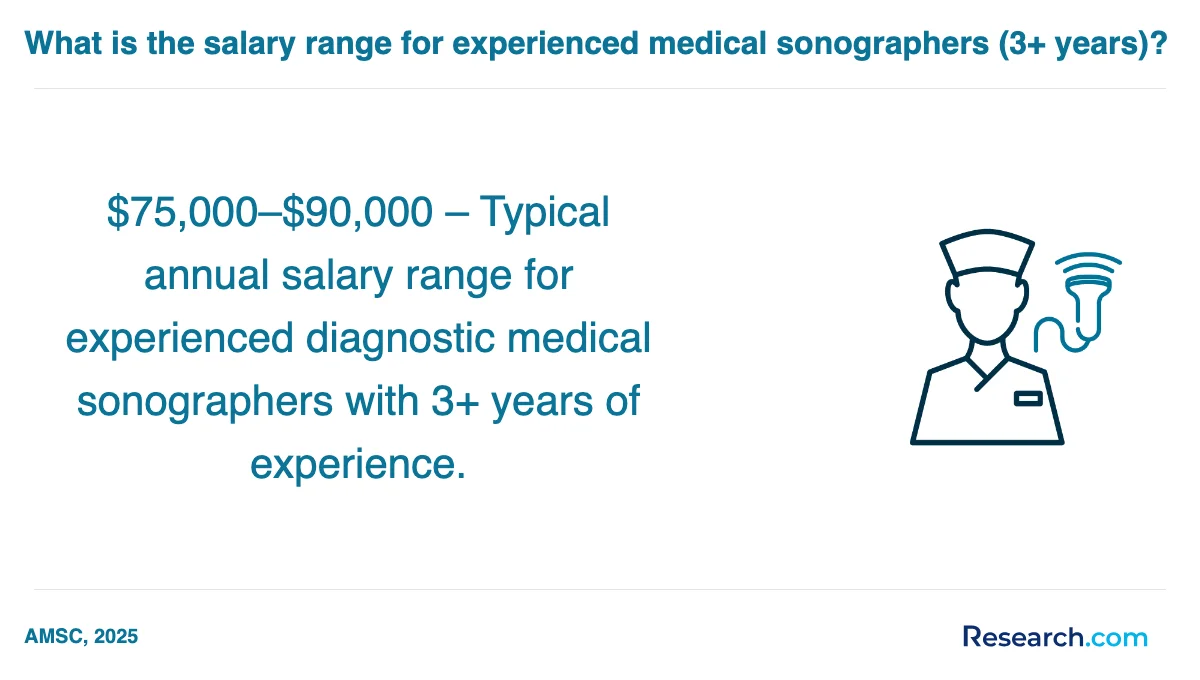
- Graduates of medical sonographer trade schools in Indiana can expect competitive salaries, with average annual earnings around $74,340 and potential to earn up to $95,220 as experience and certifications grow.
- Career paths include diagnostic sonography positions in hospitals, imaging centers, and specialty clinics, offering diverse opportunities for hands-on patient care and career growth.
- Completing a medical sonographer trade school online provides flexible scheduling and the ability to balance work or family, as experienced by many successful graduates from Indiana's top online programs.
- Best Diagnostic Medical Sonographer Training Programs & Trade Schools - Top Sonography Schools in Indiana for 2026
- What can I expect from medical sonographer trade schools in Indiana?
- Where can I work after finishing medical sonographer trade schools in Indiana?
What can I expect from medical sonographer trade schools in Indiana?
When you enroll in a medical sonographer trade school program in Indiana, expect a mix of classroom learning, hands-on labs, and real-world clinical rotations. Many graduates from popular Indiana schools say the clinical experience at local hospitals really brings the lessons to life, making you feel confident when scanning actual patients for the first time.
Programs usually last around 18 to 22 months, leading to an Associate degree or diploma. You'll dive into subjects like anatomy, ultrasound equipment operation, and patient care. Several students mention how the balance of theory and practice helped them quickly grasp how to position patients and capture clear images.
Classes tend to be full-time during the day, so juggling work can be tough, but most graduates agree the intensity pays off. Accredited programs are key since they qualify you for certification exams, a must if you want to work in Indiana's growing healthcare field.
Overall, expect a rewarding experience that prepares you for a high-demand career, with plenty of support as you develop skills and connect with healthcare teams.
Where can I work after finishing medical sonographer trade schools in Indiana?
After finishing a medical sonographer trade school program in Indiana, many graduates find themselves working in hospitals, outpatient clinics, or specialized imaging centers. For example, grads from well-known Indiana trade schools often land jobs at large health systems like Indiana University Health or Methodist Hospitals, where they perform diagnostic exams and assist with procedures. It's exciting to step into roles that make a real difference in patient care every day.
Some graduates choose to specialize in areas like obstetric sonography or cardiac imaging, opening doors to positions such as OBGYN sonographer or echocardiographer. This variety means you can tailor your career based on what interests you most.
Plus, travel sonography gigs are gaining popularity-many Indiana grads enjoy the flexibility and competitive pay working short-term contracts in cities like Indianapolis or Lafayette. It's an adventurous way to build experience while seeing new places around the state.
With over 300 jobs statewide and a growing field, finishing a sonography program in Indiana puts you in a great spot for a rewarding healthcare career.
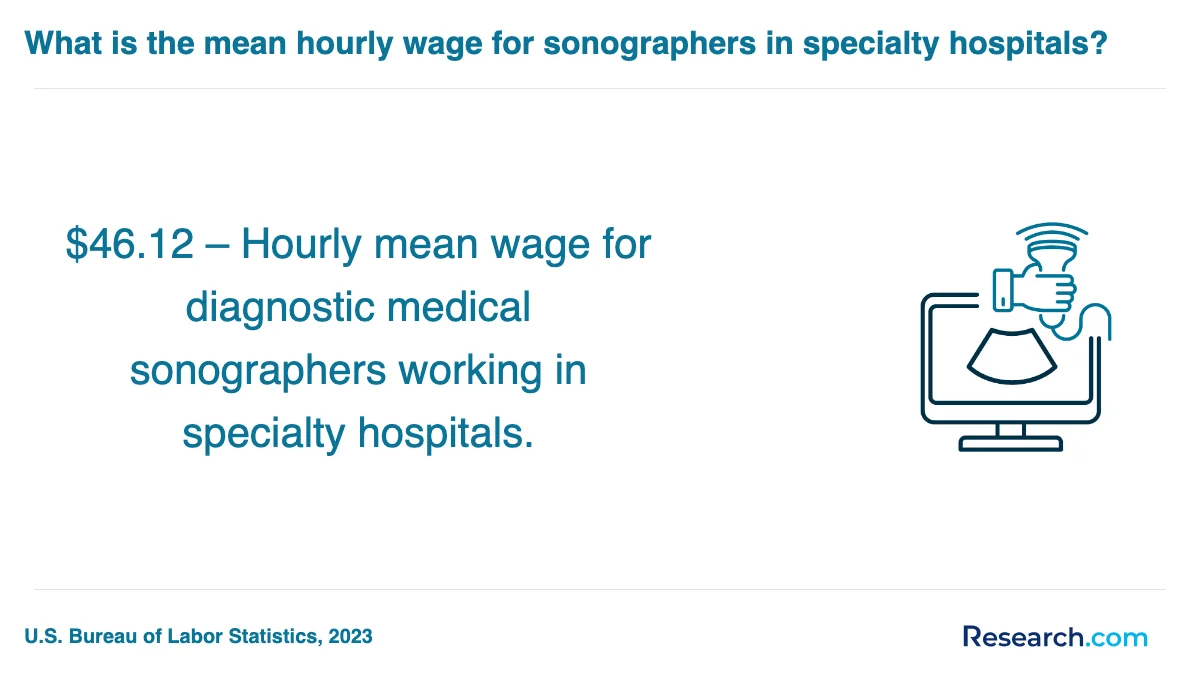
After finishing a medical sonographer trade school program in Indiana, many graduates are pleasantly surprised by the solid pay they can expect. On average, diagnostic medical sonographers in Indiana earn about $38.57 per hour, which adds up to roughly $80,000 to $97,000 a year depending on hours and overtime. For instance, graduates from popular trade schools around Indianapolis and Fort Wayne often share that this starting wage feels like a great reward for their hard work and dedication.
Entry-level sonographers typically see wages close to this average, with many earning between $32.02 and $41.15 per hour. One graduate mentioned how landing a first job at a reputable hospital in a bigger city helped boost their confidence-not just with skills but with a paycheck that made their student loan payments manageable.
Wages can vary quite a bit, though. Some seasoned sonographers in Indiana pull in as much as $52.38 per hour, especially in urban hospital settings, while others in smaller towns or clinics might start closer to $21.73. Still, most agree the trade school route offers a reliable path to a comfortable, middle-class income in this field.
- Medical sonographer programs in Indiana require completion of prerequisite courses like Anatomy & Physiology and five core science and healthcare classes.
- Accreditation by CAAHEP or ACCSC is essential for eligibility to take national certification exams such as those from ARDMS.
- Associate degree programs usually take 17 to 22 months of full-time study, with options for specialized tracks like cardiac or vascular sonography.
- Tuition for in-state associate programs ranges from $8,000 to $20,000, with private colleges generally charging more; scholarships may be available.
- Job growth for sonographers is projected at 10% nationally through 2032, and the median salary in Indiana is about $80,850 per year as of 2023.
Completing a medical sonographer trade school program in Indiana usually takes about 18 to 24 months. Many graduates from popular trade schools around Indianapolis and Fort Wayne find this timeline just right to balance hands-on training with classroom learning. They often share how the intense but well-structured schedule keeps them motivated and excited as they see their skills improve week by week.
For example, some students describe starting with basic anatomy and ultrasound technology courses, then quickly moving into clinical practice where they get to work directly with patients under supervision. This real-world experience makes the learning process feel very rewarding and helps them build confidence before graduation.
Trade schools in Indiana are known for offering flexible schedules, so students juggling part-time jobs or family commitments appreciate finishing within two years. It feels achievable and energizing to know you're not stuck in school forever but on a clear path toward a rewarding healthcare career.
The main difference between online and on-campus medical sonographer trade school programs in Indiana comes down to how you learn and get hands-on experience. On-campus programs, like those at Indiana University Northwest or Stellar Career College, mean you're in classrooms and labs most days, working directly with ultrasound machines and real patients. Graduates often say this face-to-face setup helped them feel confident and ready for clinical work because they practiced alongside instructors and peers every step of the way.
Online programs are rarer here and usually hybrid. For example, the University of Saint Francis lets students do some coursework online, which is great for juggling jobs or family, but you still have to visit approved clinical sites in Indiana for hands-on training. Many students appreciate this flexibility but also share that actually being at the clinic, scanning patients and getting feedback, is what really makes the skills click.
Either way, no matter the format, Indiana programs require plenty of supervised in-person clinical hours to prepare you for certification and real-world work.
The average tuition fees for medical sonography programs in Indiana can vary quite a bit depending on the school and type of program you choose, but most students can expect to pay somewhere between $6,000 and $36,000 for their education. For example, graduates from Ivy Tech Community College, a popular choice for many, often find value in its Associate of Applied Science in Diagnostic Medical Sonography, completing 67 credit hours over four semesters with a cost of about $11,951 for in-state students. This makes the total cost of medical sonography education in Indiana feel more manageable for many students.
Private schools tend to lean toward the higher end of expenses. Take the University of Saint Francis-Fort Wayne-its Diagnostic Medical Sonography program totals roughly $36,460, which might seem like a lot but some grads feel it's worth the investment given the specialized training and opportunities. Meanwhile, those who pursue a Bachelor of Science in Medical Imaging Technology at the University of Southern Indiana pay around $13,494 annually for in-state tuition, typically completing the 120-credit program in four years.
Keep in mind that additional costs such as textbooks, lab fees, uniforms, and equipment can add $10,000 to $20,000 per year, so budgeting carefully is key. Luckily, many students tap into financial aid, scholarships, and loans to help ease the burden. If you're exploring ways to make this education fit your budget while aiming for a rewarding career, be sure to check out options for online healthcare degrees as well.
Medical sonographer students in Indiana have several financial aid options to help ease the cost of trade school. Many rely on federal grants like the Pell Grant, which can award up to $6,895 per year, plus the Federal Supplemental Educational Opportunity Grant (FSEOG) for students with the greatest financial need. Graduates from schools like Stellar Career College often mention how completing the FAFSA opened doors to this crucial aid, making their training affordable.
State aid is another big help. Indiana offers grants like the Frank O'Bannon Grant, aimed at low- to middle-income students attending eligible local schools. Students at Caris College frequently share how state scholarships gave them peace of mind during their studies.
On top of that, institutional scholarships from places like the University of Southern Indiana reward strong academic performance and financial need, which many students find motivating. Private scholarships and loans round out the options, with federal loans typically being easier to manage thanks to flexible repayment plans.
With these resources, many Indiana sonography students feel supported and confident about pursuing their careers without drowning in debt.
When you're thinking about enrolling in a medical sonographer trade school program in Indiana, there are a few key prerequisites you'll want to keep in mind. Most schools, like those popular in Indianapolis or Fort Wayne, expect you to have a high school diploma or GED. It's the basic foundation that sets you up for success.
Beyond that, many programs look for some background in sciences-think biology or anatomy-since understanding the human body is crucial. Graduates often mention how helpful it was to have taken a few science classes before starting their program, making the coursework feel less overwhelming.
Here's what you'll typically need:
- A high school diploma or GED
- Basic science coursework, especially in biology or health-related fields
- Some schools may require a background check or immunization records, reflecting real hospital or clinic requirements
- Strong communication skills to interact well with patients and medical staff
Many students recall the excitement of passing their entrance assessments or interviews, which are designed to make sure you're ready for hands-on training. It's rewarding to see how these prerequisites prepare you to confidently handle ultrasound equipment and patient care in real clinical settings.
When you dive into a medical sonographer trade school program in Indiana, you'll quickly find the coursework is a solid mix of science, hands-on skills, and real-world practice. Graduates from popular programs like Indiana University Northwest and Stellar Career College often say the classes gave them a clear understanding of human anatomy and physiology-that's crucial for recognizing what's happening inside the body during scans.
Here's what you can typically expect:
- Core science courses covering anatomy, physiology, and ultrasound physics to grasp how the technology works.
- Specialized sonography classes focusing on areas like abdominal, pelvic, obstetric, vascular, thyroid, breast, and cardiac imaging.
- Clinical practicums where you get to operate ultrasound machines, perform diagnostic scans, and interact with patients under the watchful eye of instructors.
Graduates often share how the clinical rotations boosted their confidence-imagine performing real scans and helping patients while still in school! Plus, communication and critical thinking exercises prepare you to handle tricky cases and explain findings clearly, which makes a big difference when you start working in busy Indiana hospitals or clinics.
If you're exploring medical sonography specializations in Indiana, you'll find several exciting options that cater to different interests and career goals. Students at popular trade schools like Ivy Tech Community College in Terre Haute often describe the hands-on experience they get in:
- General Sonography-imaging key abdominal organs like the liver and kidneys, perfect for those who enjoy broad diagnostic work.
- Vascular Sonography-focusing on blood vessels to detect blockages, a favorite for graduates interested in cardiovascular health.
- Cardiac Sonography-where you learn to assess heart function, often offered in bachelor's degree programs such as at the University of Southern Indiana.
- Obstetric and Gynecologic Sonography-ideal for students passionate about women's health and pregnancy monitoring.
- Abdominal-Extended Sonography-a more detailed approach, including additional abdominal areas like offered at Caris College in Jeffersonville.
Many graduates find these sonography program concentrations in Indiana rewarding because they can choose a path that fits their passion and strengths. Plus, with this training, they feel well-prepared to meet patient needs in diverse healthcare settings.
For those curious about what you might expect salary-wise after training, checking out the salary for diagnostic medical sonographer can provide helpful insights.
When picking the best diagnostic medical sonography programs in Indiana, the first thing graduates often highlight is the importance of accreditation. Programs accredited by bodies like CAAHEP not only ensure you're getting solid training but also make you eligible for key certification exams. For example, graduates from Indiana University rave about how their accredited program gave them confidence and a clear path to becoming certified sonographers.
Clinical training is another big deal. Many students from Stellar Career College recall how hands-on rotations in hospitals made all the difference, turning textbook knowledge into real skills. Look for schools that offer diverse specialties like abdominal or cardiac sonography, so you can find what fits your passion.
To get a real feel for how to compare Indiana sonography schools, check out details like prerequisites, program length, and if the school offers flexible options like hybrid classes. Some programs take just 18 months, which fits nicely if you want to jump into the workforce quickly. For more insights on good schools for ultrasound technician training, it's worth exploring resources like good schools for ultrasound technician.
Graduates from medical sonographer trade school programs in Indiana often step right into diagnostic medical sonographer jobs in Indiana, working in hospitals, outpatient imaging centers, or busy physician offices. Many find themselves performing ultrasounds in departments like radiology, OB/GYN, or vascular imaging, where their training really shines. It's common to hear from recent graduates how rewarding it feels to help doctors catch important health issues early, especially in smaller clinics where their skills make a big impact.
Indiana's trade schools prepare students well for various ultrasound technician career paths Indiana offers. Many graduates specialize in areas such as abdominal, obstetric, or cardiac sonography, which opens doors to roles like vascular technologist or echocardiographer. Some even pursue certifications to boost their credentials and earnings. Popular programs encourage hands-on experiences, making the transition smoother into roles like ultrasound tech.
Beyond clinical work, experienced sonographers often move into supervisory roles, education, or sales for ultrasound equipment companies. Graduates also share that sonography can be a stepping stone to advanced healthcare roles. For those curious about lucrative medical careers, it's no surprise that sonography ranks among the highest paid in medical field.
The medical sonographer job outlook in Indiana is looking solid, especially for graduates from well-known trade schools in the state. Many grads share how their training led directly to interviews and job offers at local hospitals and outpatient centers. Indiana currently has over 150 sonographer jobs listed, covering various workplaces like physician offices and diagnostic labs. This means plenty of options if you're ready to jump in.
Employment opportunities in diagnostic medical sonographer employment opportunities Indiana are boosted by steady demand and a growing healthcare sector. Graduates often find flexible full-time or part-time roles that fit their lifestyles. Plus, certification is key-employers want you vetted and ready.
Here's what some recent grads noticed:
- Strong technical skills open doors quickly
- Certifications make candidates stand out
- Competitive salaries, with weekly wages ranging up to $2,500+
If you're considering your path, exploring online ultrasound tech certificate programs can be a flexible way to get started and stay current with the latest skills Indiana healthcare teams need.
Best Diagnostic Medical Sonographer Training Programs & Trade Schools - Top Sonography Schools in Indiana for 2026
# 1 position
Ivy Tech Community College - Diagnostic Medical Sonography/Sonographer and Ultrasound Technician.
associateIvy Tech Community College offers a Diagnostic Medical Sonography/Sonographer and Ultrasound Technician program with a hybrid format including some distance education. The program trains students to perform medical ultrasound techniques for diagnosing conditions, covering patient care, data recording, and sonography equipment use. Annual in-state tuition is $4,912. Graduates have median earnings of $55,499 one year after completion. The program is accredited by the Higher Learning Commission.
# 2 position
University of Saint Francis-Fort Wayne - Diagnostic Medical Sonography/Sonographer and Ultrasound Technician.
associateThe University of Saint Francis-Fort Wayne offers a hybrid Diagnostic Medical Sonography/Sonographer and Ultrasound Technician program. It trains students to operate sonography equipment and collect sonographic data for diagnosing various conditions under physician supervision. The program includes patient care, data integration, and professional ethics. Annual in-state tuition is $35,420. Graduates earn a median of $47,613 one year after completing the course. The program is accredited by the Higher Learning Commission.
# 3 position
Stellar Career College-Crown Point - Diagnostic Medical Sonography/Sonographer and Ultrasound Technician.
associateA program that prepares individuals, under physician supervision, to use medical ultrasound techniques for diagnosing various conditions. It covers obtaining and integrating patient histories, patient care, recording anatomic and pathologic data, sonographic data processing, equipment operation, and professional ethics. The program is accredited by the Accrediting Commission of Career Schools and Colleges.
# 4 position
Caris College - Diagnostic Medical Sonography/Sonographer and Ultrasound Technician.
associateA Diagnostic Medical Sonography/Sonographer and Ultrasound Technician program at Caris College offers a hybrid format with some distance-education options. The program prepares students to use medical ultrasound techniques to collect sonographic data for diagnosing various conditions. Training includes patient care, data recording, sonography equipment operation, and professional ethics. The program is accredited by the Accrediting Bureau of Health Education Schools.
# 5 position
University of Saint Francis-Fort Wayne - Diagnostic Medical Sonography/Sonographer and Ultrasound Technician.
certificate or diplomaThe University of Saint Francis-Fort Wayne offers a Diagnostic Medical Sonography/Sonographer and Ultrasound Technician program with a hybrid format, including some distance education. The program trains students to use ultrasound technology to collect diagnostic sonographic data under physician supervision. It covers patient care, data integration, equipment operation, and professional ethics. Annual in-state tuition is $35,420. The program is accredited by the Higher Learning Commission, and median earnings one year after completion are $47,613.
Frequently Asked Questions about medical sonographer
After completing a medical sonographer trade school in Indiana, preparing for the job market involves several key steps. Graduates should prioritize obtaining certification through the American Registry for Diagnostic Medical Sonography (ARDMS), as employers often require it. According to the Indiana Department of Workforce Development, certified sonographers in the state earn an average annual salary of around $70,000, reflecting strong demand.
Networking with local healthcare providers and attending job fairs can improve employment prospects. Additionally, gaining clinical experience during training helps build practical skills valued by Indiana hospitals and clinics. Keeping up with advances in ultrasound technology and continuing education also enhances job readiness.
Employers in Indiana seeking graduates from medical sonographer trade schools prioritize strong technical skills in operating ultrasound equipment accurately and safely. Proficiency in anatomy and physiology is essential to produce clear diagnostic images and assist physicians effectively. According to the Indiana Department of Workforce Development, attention to detail and excellent hand-eye coordination are critical, as errors can affect patient outcomes.
Communication skills are also highly valued. Graduates must explain procedures clearly to patients and collaborate well with healthcare teams. Additionally, familiarity with electronic health records and compliance with HIPAA regulations are increasingly important in clinical settings across Indiana.
Employers often prefer candidates who demonstrate critical thinking and problem-solving abilities, enabling them to adapt to diverse cases and technologies. Continuous learning and certification, such as ARDMS credentials, further improve job prospects in the state's competitive healthcare market.
Finding internships in Indiana relevant to medical sonographer trade school programs involves several practical steps. Students should start by consulting their school's career services, which often maintain partnerships with local healthcare providers. Many accredited programs require clinical internships as part of their curriculum, so schools typically assist in placement.
Additionally, contacting hospitals and diagnostic imaging centers directly can uncover internship opportunities. Indiana's major health systems, such as IU Health and Community Health Network, frequently offer clinical rotations for sonography students.
The American Registry for Diagnostic Medical Sonography (ARDMS) website provides resources for students seeking accredited programs and clinical sites. According to the Indiana Department of Workforce Development, sonography internships contribute significantly to job readiness, with over 20% of students securing employment through these placements.
Networking through professional associations like the Society of Diagnostic Medical Sonography (SDMS) Indiana chapter can also help students learn about openings not widely advertised.
Obtaining a medical sonographer trade school diploma in Indiana significantly enhances career mobility and advancement opportunities. Graduates gain specialized skills that meet state healthcare demands, making them competitive candidates for entry-level positions. According to the Indiana Department of Workforce Development, diagnostic medical sonography jobs are projected to grow by 18% between 2020 and 2030, faster than the average for all occupations.
Diploma holders often qualify for certification exams like the ARDMS, which employers widely prefer, increasing chances for higher pay and promotions. Additionally, Indiana's healthcare facilities frequently prioritize candidates with accredited diplomas, supporting upward career movement within hospitals and clinics.
Students enrolled in medical sonographer trade schools in Indiana often seek part-time jobs that build relevant skills and provide practical experience. Positions such as ultrasound technician assistants or medical imaging aides are common choices. These roles allow students to observe sonography procedures and assist with equipment preparation, enhancing their technical knowledge.
Hospitals and outpatient clinics in Indiana frequently offer such opportunities. According to the U.S. Bureau of Labor Statistics, Indiana employed over 1,200 diagnostic medical sonographers as of 2023, reflecting steady demand for trained professionals.
Additionally, jobs in patient care or medical administration can improve communication skills essential for sonographers. These part-time roles also help students manage clinical environments and patient interactions effectively.
Yes, there are medical sonographer degree programs near Indiana that offer comprehensive training in diagnostic imaging technology. Prospective students seeking programs "near me" can find various universities and colleges providing accredited courses that prepare graduates for careers in medical sonography. Resources like Research.com can assist in identifying suitable institutions and programs in your vicinity or "near Indiana."
- Best Diagnostic Medical Sonographer Training Programs & Trade Schools - Top Sonography Schools in Ohio for 2026
- Best Diagnostic Medical Sonographer Training Programs & Trade Schools - Top Sonography Schools in Michigan for 2026
- Best Diagnostic Medical Sonographer Training Programs & Trade Schools - Top Sonography Schools in Wisconsin for 2026
- Best Diagnostic Medical Sonographer Training Programs & Trade Schools - Top Sonography Schools in Missouri for 2026
- Best Diagnostic Medical Sonographer Training Programs & Trade Schools - Top Sonography Schools in Iowa for 2026
- Best Diagnostic Medical Sonographer Training Programs & Trade Schools - Top Sonography Schools in West Virginia for 2026
- Best Diagnostic Medical Sonographer Training Programs & Trade Schools - Top Sonography Schools in Minnesota for 2026
- Best Diagnostic Medical Sonographer Training Programs & Trade Schools - Top Sonography Schools in Pennsylvania for 2026
- Best Diagnostic Medical Sonographer Training Programs & Trade Schools - Top Sonography Schools in Mississippi for 2026
- Best Diagnostic Medical Sonographer Training Programs & Trade Schools - Top Sonography Schools in North Carolina for 2026
- Frequently Asked Questions - University of Southern Indiana https://www.usi.edu/health/diagnostic-medical-sonography/program-admission/frequently-asked-questions
- Diagnostic Medical Sonography - Ivy Tech Community College https://www.ivytech.edu/programs/all-academic-programs/school-of-health-sciences/diagnostic-medical-sonography/
- Diagnostic Medical Sonography (AAS) - University of Saint Francis, Fort Wayne https://www.sf.edu/programs/diagnostic-medical-sonography-aas/
- Diagnostic Sonography | Health Professions Program | IU School of Medicine https://medicine.iu.edu/undergraduate-health-professions/degrees-and-certificates/sonography
- Diploma in Diagnostic Medical Sonography (DMS) Indiana | Stellar Career College https://stellarcollege.edu/diploma-in-diagnostic-medical-sonography-dms/
- How to Become a Medical Sonographer in Indiana | Dreambound https://dreambound.com/blog/how-to-become-a-medical-sonographer-in-indiana
- B.S. Diagnostic Medical Sonography Concentration - Indiana University Northwest https://northwest.iu.edu/radiologic-sciences/degrees/bs-diagnostic-medical-sonography.html
- Become an Ultrasound Tech | How to Become an Ultrasound Tech https://cariscollege.edu/general-sonography/become-an-ultrasound-tech/
- IN St Vincent Sonography Program https://medicaleducation.ascension.org/indiana/st-vincent-sonography-program
- Sonographer | Explore Careers | National Careers Service https://nationalcareers.service.gov.uk/job-profiles/sonographer


