Best Diagnostic Medical Sonographer Training Programs & Trade Schools - Top Sonography Schools in Midwest for 2026

Co-Founder and Chief Data Scientist
Choosing the right trade school for medical sonography can be overwhelming, especially in the Midwest where options vary widely. This article introduces a carefully crafted medical sonographer trade school programs ranking created by the Research.com team of data scientists to help you make an informed decision.
By exploring the top programs, you’ll gain insights into schools that offer quality education and valuable certifications. Earning a diploma or certification in this field opens doors to rewarding healthcare careers that make a real difference. Let this guide support your journey toward a bright future.
Key benefits of finishing medical sonographer trade school in Midwest
- Graduates in the Midwest can expect competitive salaries, with Illinois sonographers earning around $51.28 per hour or about $106,664 annually, offering strong financial rewards early in their careers.
- Career paths include working in hospitals, clinics, or specializing in areas like pediatric ultrasound, giving graduates opportunities to grow and find fulfilling roles in medical imaging.
- Completing a medical sonographer trade school online provides flexibility and convenience, as shared by graduates of popular Midwest programs who balance studies with work and family commitments effectively.
- Best Diagnostic Medical Sonographer Training Programs & Trade Schools - Top Sonography Schools in Midwest for 2026
- What can I expect from medical sonographer trade schools in Midwest?
- Where can I work after finishing medical sonographer trade schools in Midwest?
What can I expect from medical sonographer trade schools in Midwest?
Enrolling in a medical sonographer trade school program in the Midwest means immersing yourself in a demanding yet rewarding blend of classroom learning and hands-on clinical experience. Graduates from programs like those at the University of Nebraska Medical Center often recall balancing around 10 hours of lectures weekly with 30 hours of supervised clinical practice, gaining over 1,000 hours of real patient interaction within just a year. This intensive schedule sharpens both your technical skills and confidence in diagnostic imaging.
Expect small class sizes-often a 16:1 student-to-faculty ratio-offering personalized guidance that many find invaluable when mastering ultrasound physics, anatomy, and patient care. Clinical rotations at local hospitals and outpatient centers provide exposure to diverse healthcare settings, making each day uniquely challenging and deeply fulfilling.
Though the pace is fast and the curriculum rigorous, many Midwest students describe their journey as transformative, feeling prepared and excited to step into entry-level sonographer roles immediately after graduation. This blend of academic depth and practical readiness is what truly defines the experience.
Where can I work after finishing medical sonographer trade schools in Midwest?
After finishing a medical sonographer trade school program in the Midwest, graduates often find themselves stepping into a variety of rewarding career paths. Many secure roles in hospitals, where the fast-paced environment offers hands-on experience in areas like general sonography and echocardiography. Others appreciate the steadier hours found in outpatient clinics or physician offices, perfect for those who value a predictable daily routine.
Some graduates recall the excitement of working at diagnostic imaging centers, where flexible schedules and the chance to serve multiple locations bring variety to their workweek. Mobile imaging services also attract those who enjoy travel and adapting to new settings, visiting patients in homes or different healthcare facilities.
Many graduates from well-known Midwest trade schools express pride in joining large health systems, such as Northwestern Medicine, which actively recruit sonographers for diverse shifts. For those with advanced certifications, academic roles as lab instructors offer a fulfilling way to share expertise and stay connected to the field.
Graduates from medical sonographer trade schools in the Midwest often find themselves stepping into a career with promising financial stability. Many who trained at well-regarded Midwest programs share stories of starting their careers earning around $61,000 annually, a solid foundation that quickly grows with experience. For instance, a graduate working in Omaha might earn about $38.77 per hour, which translates to roughly $80,642 a year, reflecting both the region's demand and the quality of their training.
These figures become even more encouraging when considering specialization. Those who pursue certifications in areas like cardiac or vascular sonography often see their salaries rise well beyond the starting point, sometimes surpassing $123,000 annually. Graduates express a sense of pride and confidence, knowing their education from respected Midwest trade schools equips them to meet employer expectations in hospitals or outpatient care centers where salaries tend to be higher.
Choosing to study in the Midwest means entering a job market that values skilled sonographers, and many alumni feel rewarded not just financially but personally, appreciating the balance between a meaningful career and financial growth.
- Admission usually requires a high school diploma or GED, completion of prerequisite science courses with minimum grades, and passing the TEAS exam.
- Programs are competitive; for example, Milwaukee Area Technical College admits only 13 students per year, with wait times up to five years.
- Most programs last about two years and cost between $5,000 and $20,000 at public colleges, with private schools charging more.
- Accreditation by CAAHEP is important for eligibility to take certification exams like ARDMS or ARRT.
- Starting salaries for medical sonographers in the Midwest range from $55,000 to $65,000, with experienced workers earning $70,000 to $90,000 or more annually.
Completing a medical sonographer trade school program in the Midwest typically takes about 18 to 24 months, depending on whether you enroll full-time or part-time. Many graduates from popular Midwest trade schools describe this period as an intense yet rewarding journey, filled with hands-on clinical experiences that build confidence quickly.
One graduate reflected on balancing coursework with clinical rotations, emphasizing how the structured timeline kept them motivated. The practical focus of these programs means students often find themselves in real hospital settings by the second semester, making the time fly by as they apply what they learn in classrooms to real patients.
For those attending well-known Midwest schools, the combination of classroom instruction and clinical practice creates a dynamic learning environment that feels immediately relevant. Graduates often recall the excitement of mastering ultrasound equipment and the satisfaction of seeing their skills develop week by week.
This completion timeframe is ideal for students eager to enter the workforce without delay, allowing a swift transition from study to career in medical sonography within their local communities.
The key difference between online and on-campus medical sonographer trade school programs in the Midwest lies in where and how students engage with their learning and clinical training. Graduates from on-campus programs, like those at the University of Nebraska Medical Center, often reflect on the value of spending significant time-around 40 hours weekly-immersed in classrooms and hands-on clinical settings. This direct interaction with instructors and peers fosters confidence in operating imaging equipment and handling patient care in real time.
In contrast, those who experienced hybrid programs appreciate the flexibility of completing theory-based courses online, as offered by schools such as Blackhawk Technical College. However, they also emphasize that the essential clinical hours still require in-person attendance at approved hospitals or clinics. This blend allows students to balance personal responsibilities while gaining crucial supervised experience, creating a uniquely adaptable learning journey.
Many Midwest students find that on-campus programs build a strong sense of community and immediate support, while online components offer convenience without sacrificing the hands-on skills needed for certification.
The average tuition fees for medical sonography programs in the Midwest reflect a wide range due to differences in program type and institution. Trade schools offering certificate or diploma programs typically have costs ranging from $5,000 to $25,000. These programs attract students seeking a quicker entry into the workforce, and many graduates recall a mix of determination and excitement as they manage both coursework and clinical experiences within affordable tuition limits. This cost effectiveness is an important factor in their successful transition to rewarding roles in healthcare.
When considering the cost comparison of sonography diploma programs across Midwest states, it's clear there is notable variation from one state to another. For example, in Illinois, trade school graduates often mention the advantage of affordable programs like those at the College of DuPage, where the net price for an associate degree program is approximately $6,455. Wisconsin, on the other hand, features schools like Bellin College with tuition and fees near $28,211 for similar programs. These costs influence students' decisions, balancing educational quality and financial investment while pursuing a career as a medical sonographer.
Many who have completed these programs describe a strong sense of accomplishment, not only due to the skill mastery but also because of the financial planning that went into their education. It is worth noting that sonography remains among the highest paid job in medical field, which makes the investment into these training programs feel especially worthwhile for students determined to build a stable and fulfilling medical career.
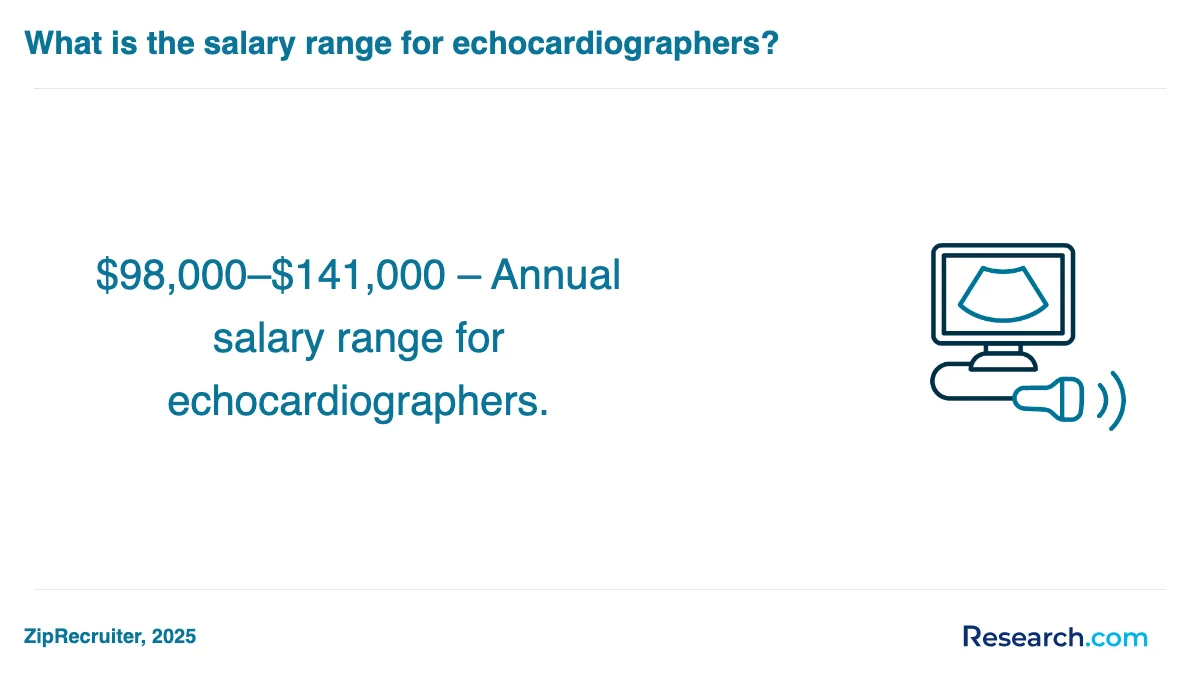
Medical sonographer trade school students in the Midwest often find a reassuring range of financial aid options tailored to ease their educational journey. Graduates recall how completing the FAFSA opened doors to federal grants like the Pell Grant, which helped cover tuition without the weight of repayment. Many recall receiving additional institutional scholarships and grants from their schools, such as Concordia University Wisconsin, where students benefit from an average of $23,395 in aid blending scholarships, grants, and work-study opportunities.
Others share how applying through streamlined processes at places like Illinois Central College connected them with numerous scholarship possibilities, reducing the stress of financing their studies. Professional organizations like the Society of Diagnostic Medical Sonography and the American Registry for Diagnostic Medical Sonography also offer scholarships, provided students are enrolled in accredited programs and demonstrate academic promise or financial need.
Midwest schools like St. Louis Community College intentionally keep tuition lower, making education more accessible, while some healthcare employers offer tuition reimbursement, adding another layer of support. These combined resources often turn the challenge of funding a sonography education into a manageable, hopeful experience.
Enrolling in a medical sonographer trade school program in the Midwest typically requires meeting a set of clear prerequisites designed to ensure students are prepared for this hands-on, technical field. Graduates from well-known Midwest trade schools often recall that these requirements, while firm, were fair and helped build their confidence early on.
Most programs expect applicants to have:
- A high school diploma or GED, demonstrating foundational academic skills.
- Completion of prerequisite courses such as biology, anatomy, and sometimes algebra, which provide essential knowledge for understanding ultrasound technology.
- Basic proficiency in English and communication skills, since sonographers must interact compassionately with patients and healthcare teams.
- Some programs may require a background check and immunization records, reflecting the healthcare environment's safety standards.
One graduate shared how these prerequisites helped them transition smoothly into clinical settings, feeling well-prepared thanks to the solid groundwork laid by their trade school. Another appreciated how the focus on prerequisite knowledge made early coursework manageable, allowing more time to engage deeply with hands-on ultrasound training.
These requirements serve not only as gatekeepers but as confidence builders, helping prospective students envision themselves successfully navigating both academic and clinical challenges in a Midwest trade school setting.
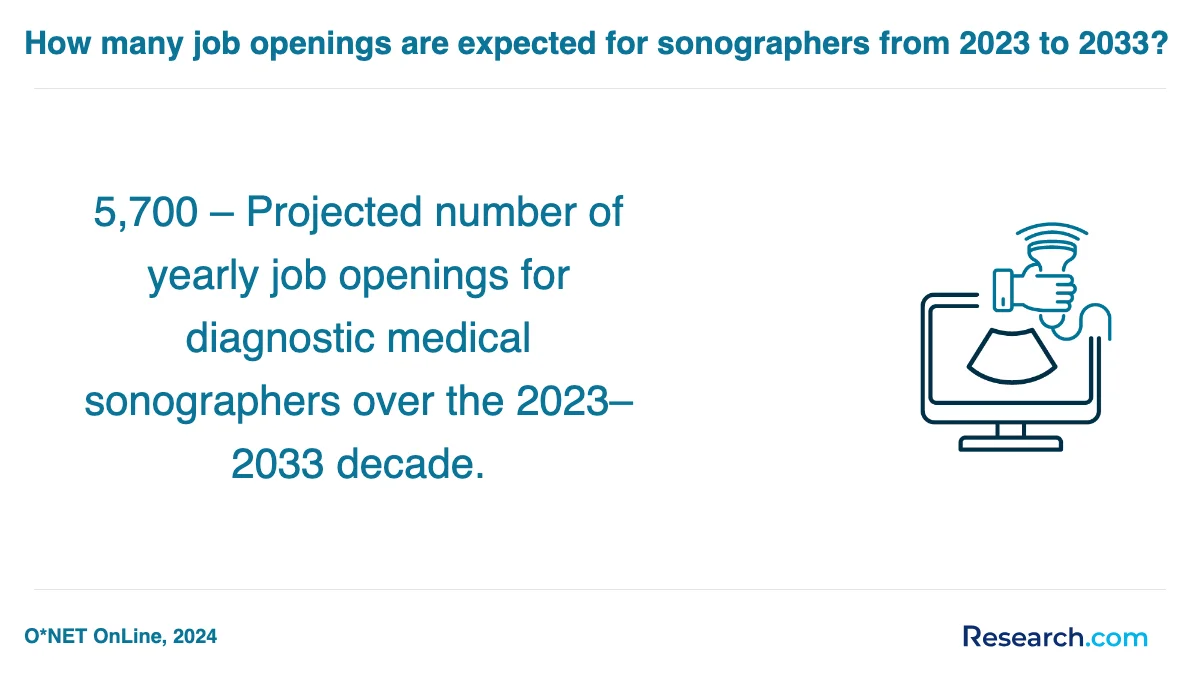
Medical sonographer trade school programs in the Midwest focus on a well-rounded curriculum that balances scientific knowledge with hands-on skills. Graduates often recall how core courses like anatomy and physiology gave them a clear map of the human body, making ultrasound images easier to interpret during clinical rotations at local hospitals. This foundation is coupled with essential classes in medical terminology and patient care, which helped students communicate confidently and show empathy in fast-paced environments.
Students from popular Midwest trade schools report that the heart of their learning was in specialized technical courses such as Sonography Principles and Instrumentation, where they mastered the workings of ultrasound machines and image optimization. They appreciated the focused tracks available, including:
- Abdominal sonography for imaging organs like the liver and kidneys
- Obstetrics and gynecology to monitor fetal health
- Vascular technology to study blood flow and vessels
Many also valued elective courses in echocardiography and breast and thyroid sonography, which broadened their expertise. The extensive clinical hours-often exceeding 1,000-were described as transformative, turning theory into confident practice and preparing them for real-world challenges with professionalism and skill.
Medical sonography specializations in Midwest trade schools often reflect the pressing needs of healthcare facilities and certification opportunities, offering students a way to tailor their training toward meaningful career paths. Graduates recall the hands-on experience gained in general sonography, where imaging techniques focused on abdominal organs and OB/GYN areas prepare them to confidently support radiology and women's health departments at hospitals.
In parallel, Midwest diagnostic medical sonographer program concentrations frequently include cardiac sonography, where students dive into echocardiography, mastering ultrasound imaging of the heart. Schools such as the University of Saint Francis have alumni who appreciate this rigorous focus, as it directly prepares them for adult echocardiography certification and roles as cardiac imaging specialists.
Other valued tracks include vascular sonography, providing expertise in imaging blood vessels and vascular health, a favorite among students who want to specialize further. Some programs go beyond with additional subspecialties like breast and pediatric sonography, enriching students' skills for diverse clinical settings. This breadth allows many to feel equipped and optimistic upon entering the workforce.
Those in the Midwest seeking flexibility may also consider online diagnostic medical sonography programs, which offer similar specializations accessible anywhere.
Choosing the best medical sonographer trade schools in Midwest involves more than just picking a nearby campus. Graduates often emphasize the importance of CAAHEP accreditation when seeking programs; for example, programs similar to those at the University of Nebraska Medical Center ensure students are well-prepared for certification exams, which builds confidence throughout their studies. Another crucial factor is hands-on clinical experience, as reflected in the extensive rotations offered at Saint Luke's Health System in Kansas City, where learners feel truly immersed in real-world patient care.
Affordable sonography programs in Midwest that balance cost with quality are also prized. For many students, finding programs like those at the College of DuPage that offer cutting-edge facilities while maintaining reasonable tuition brings peace of mind and motivation. Additionally, flexible schedules, such as the accelerated track at the University of Kansas, help working students manage their time effectively. For those wondering about broader options, exploring whether can you get a medical degree online may be worthwhile.

Medical sonographer trade school graduates in the Midwest find diverse career opportunities that extend well beyond basic imaging roles. Many step confidently into positions as diagnostic medical sonographers or ultrasound technologists in hospitals and outpatient centers, applying their skills in specialties like abdominal or cardiac sonography. Graduates from respected programs, including Illinois Central College and the University of Nebraska Medical Center, often share how their clinical experiences made them feel prepared and valued when taking on patient-facing responsibilities.
Career opportunities for medical sonographers in Midwest extend into areas such as:
- Technical support and equipment application roles within medical device companies, where hands-on sonography knowledge enhances training and troubleshooting
- Educational roles as instructors in trade schools, shaping future sonographers through both theory and practice
- Supervisory or management positions overseeing imaging departments, fostering leadership growth
For those seeking continued advancement, some graduates leverage their sonography background to pursue advanced healthcare roles like nurse practitioner or physician assistant, recognizing the long-term benefits of further education. The strong demand for ultrasound expertise in this region encourages a steady rise in Midwest medical sonography jobs and advancement, especially as the population ages.
Those interested in exploring more education options can find comprehensive resources about schools with ultrasound technician programs that align with their career goals.
The medical sonographer job outlook Midwest is promising, especially for graduates from well-known trade schools located across urban centers like Chicago and Detroit. Many graduates find rewarding positions in hospitals or outpatient clinics, where their ARDMS certification is highly valued. Those who trained in Midwest programs often share how their practical experience during clinical rotations in local healthcare facilities gave them confidence to step right into the workforce. The demand is fueled by a growing population and expansions in healthcare services, with states like Illinois posting over 260 job openings as of April 2025.
Pay rates remain competitive, reflecting the diagnostic medical sonographer salary Midwest averages often cited by recent hires. For instance, pediatric ultrasound specialists typically earn around $41 per hour and about $85,280 annually. Travel sonographer roles are also attractive for some graduates, offering weekly pay upwards of $3,000 with flexibility for those eager to explore different work environments.
Benefits packages commonly include:
- Health insurance
- Paid time off
- Retirement plans
Students from popular Midwest trade schools often remark on the satisfaction of securing such benefits alongside meaningful work. To better understand compensation trends, especially if you're considering this career path, reviewing the average salary for diagnostic medical sonographer can provide useful insights tailored to this field.
Best Diagnostic Medical Sonographer Training Programs & Trade Schools - Top Sonography Schools in Midwest for 2026
# 1 position
Southeast Technical College - Diagnostic Medical Sonography/Sonographer and Ultrasound Technician.
associateThe Diagnostic Medical Sonography/Sonographer and Ultrasound Technician program at Southeast Technical College is a hybrid option preparing students to use ultrasound techniques for medical diagnosis under physician supervision. The curriculum covers patient history, sonographic data collection, equipment operation, and professional ethics. The program is accredited by the Higher Learning Commission. Annual in-state tuition is $7,650, and median earnings one year after completion are $73,361.
# 2 position
Chippewa Valley Technical College - Diagnostic Medical Sonography/Sonographer and Ultrasound Technician.
associateChippewa Valley Technical College offers a hybrid Diagnostic Medical Sonography/Sonographer and Ultrasound Technician program preparing students to use ultrasound techniques for diagnostic purposes. The curriculum covers patient care, sonographic data processing, and professional ethics. Annual in-state tuition is $4,724. Graduates earn a median salary of $69,672 one year after completion. The program is accredited by the Higher Learning Commission.
# 3 position
William Rainey Harper College - Diagnostic Medical Sonography/Sonographer and Ultrasound Technician.
associateWilliam Rainey Harper College offers a Hybrid Diagnostic Medical Sonography/Sonographer and Ultrasound Technician program preparing students to utilize medical ultrasound techniques for diagnosing conditions. The program includes training in patient care, sonographic data collection, equipment operation, and professional ethics. Annual in-state tuition is $3,822. Graduates have median earnings of $65,443 one year after completion. The program is accredited by the Higher Learning Commission.
# 4 position
Moraine Park Technical College - Diagnostic Medical Sonography/Sonographer and Ultrasound Technician.
associateThe Diagnostic Medical Sonography/Sonographer and Ultrasound Technician program at Moraine Park Technical College is a hybrid course preparing students to use medical ultrasound techniques under physician supervision. The program covers patient data integration, sonographic data processing, equipment operation, and professional ethics. Annual in-state tuition is $4,713. Graduates have a median earning of $54,569 one year after completion. The program is accredited by the Higher Learning Commission.
# 5 position
Northeast Wisconsin Technical College - Diagnostic Medical Sonography/Sonographer and Ultrasound Technician.
associateThe Diagnostic Medical Sonography/Sonographer and Ultrasound Technician program at Northeast Wisconsin Technical College offers a hybrid format with some distance education. It prepares students to use ultrasound techniques for diagnosing conditions under physician supervision. Instruction covers patient care, data recording, sonography equipment, and professional ethics. The program is accredited by the Higher Learning Commission. Annual in-state tuition is $4,904, and median earnings one year after completion are $61,044.
# 6 position
Triton College - Diagnostic Medical Sonography/Sonographer and Ultrasound Technician.
associateThe Diagnostic Medical Sonography/Sonographer and Ultrasound Technician program at Triton College offers a hybrid format with some distance-education options. The program prepares students to use medical ultrasound techniques to collect sonographic data for diagnosing various conditions. Instruction covers patient care, sonographic data processing, equipment operation, and professional ethics. Annual in-state tuition is $4,920. Graduates have median earnings of $62,280 one year after completion. The program is accredited by the Higher Learning Commission.
# 7 position
Triton College - Diagnostic Medical Sonography/Sonographer and Ultrasound Technician.
certificate or diplomaThe Diagnostic Medical Sonography/Sonographer and Ultrasound Technician program at Triton College offers a hybrid learning format. It trains students to use ultrasound technology for diagnostic purposes under physician supervision. The curriculum covers patient care, sonographic data processing, and professional ethics. The program is accredited by the Higher Learning Commission. Annual in-state tuition is $4,920. Median earnings one year after completion are $62,280.
# 8 position
Lincoln Land Community College - Diagnostic Medical Sonography/Sonographer and Ultrasound Technician.
associateLincoln Land Community College offers a Diagnostic Medical Sonography/Sonographer and Ultrasound Technician program with a hybrid format, including some distance education options. The program trains students to use medical ultrasound techniques for diagnostic purposes under physician supervision, covering patient care, data processing, and equipment operation. Annual in-state tuition is $3,672. The program is accredited by the Higher Learning Commission, and median earnings one year after completion are $53,897.
# 9 position
Lincoln Land Community College - Diagnostic Medical Sonography/Sonographer and Ultrasound Technician.
certificate or diplomaLincoln Land Community College offers a Hybrid Diagnostic Medical Sonography/Sonographer and Ultrasound Technician program preparing students to utilize ultrasound techniques for medical diagnosis. The curriculum includes patient care, data collection, sonographic processing, and equipment operation under physician supervision. Accredited by the Higher Learning Commission, the program charges an annual in-state tuition of $3,672. Graduates report median earnings of $53,897 one year after completion.
# 10 position
Cincinnati State Technical and Community College - Diagnostic Medical Sonography/Sonographer and Ultrasound Technician.
associateThe Diagnostic Medical Sonography program at Cincinnati State Technical and Community College offers a hybrid format combining in-person and distance education. It trains students to operate ultrasound equipment and interpret sonographic data for diagnosing medical conditions. The program is accredited by the Higher Learning Commission. Annual in-state tuition is $5,400. Graduates have a median earning of $65,094 one year after completion. The curriculum includes patient care, data processing, and professional ethics.
Frequently Asked Questions about medical sonographer
After completing a medical sonographer trade school in the Midwest, preparing for the job market involves several key steps. First, obtaining certification from the American Registry for Diagnostic Medical Sonography (ARDMS) significantly improves employment prospects. Many employers in states like Illinois and Ohio prioritize candidates with ARDMS credentials.
Networking is also crucial; joining regional professional groups such as the Society of Diagnostic Medical Sonography can provide job leads and mentorship opportunities. Additionally, gaining clinical experience through internships offered by schools or local hospitals can enhance practical skills and resumes.
According to the U.S. Bureau of Labor Statistics, job growth for sonographers in the Midwest is projected at 14% through 2031, reflecting strong demand.
Employers in the Midwest prioritize several key skills when hiring medical sonographer trade school graduates. Clinical proficiency in operating ultrasound equipment is essential, as accurate imaging directly impacts patient diagnoses. According to the Bureau of Labor Statistics, technical skills combined with strong attention to detail improve job performance and patient outcomes.
Communication skills are also highly valued. Graduates must effectively interact with patients and healthcare teams, ensuring clear explanations and collaboration. In addition, problem-solving abilities help sonographers address unexpected challenges during procedures.
Many Midwest employers seek candidates with knowledge of anatomy, physiology, and medical terminology, which supports precise image interpretation. Programs accredited by the Commission on Accreditation of Allied Health Education Programs (CAAHEP) typically emphasize these competencies, aligning education with employer expectations.
Finding internships relevant to medical sonographer trade school programs in the Midwest involves several strategic steps. First, students should consult their school's career services, as many trade schools maintain partnerships with local hospitals and imaging centers offering clinical rotations. According to the Commission on Accreditation of Allied Health Education Programs (CAAHEP), accredited programs often facilitate internships to meet certification requirements.
Secondly, networking with healthcare professionals through local chapters of organizations like the Society of Diagnostic Medical Sonography (SDMS) can provide leads on internship openings. Midwest states such as Illinois, Ohio, and Michigan have growing healthcare sectors, increasing available clinical sites.
Online job boards specific to healthcare internships, such as those hosted by the American Registry for Diagnostic Medical Sonography (ARDMS), also list opportunities. Students should apply early, as competitive internships often fill quickly.
Obtaining a medical sonographer trade school diploma in the Midwest significantly enhances career mobility and advancement opportunities. According to the Bureau of Labor Statistics, the demand for diagnostic medical sonographers in this region is expected to grow by 12% from 2022 to 2032, faster than the average for all occupations. A diploma provides essential hands-on skills and prepares graduates for certification exams, which many employers in the Midwest require for hiring and promotion.
Trade schools often maintain strong connections with local healthcare facilities, facilitating internships and job placements. This network helps graduates quickly enter the workforce and access higher-paying roles. Additionally, diploma holders can pursue advanced certifications to specialize in areas like vascular or cardiac sonography, further improving job prospects and salary potential.
Midwestern states such as Illinois, Ohio, and Michigan report median annual wages for sonographers above the national average, reflecting strong regional demand and career growth tied to accredited diplomas. Overall, a medical sonographer diploma from a reputable trade school is a practical step toward improved employment stability and upward mobility in the Midwest healthcare sector.
Students enrolled in medical sonographer trade schools in the Midwest can benefit from part-time jobs that offer relevant experience and flexible hours. Common opportunities include working as ultrasound technician assistants or patient transport aides in hospitals and clinics. These roles help students gain exposure to clinical environments and improve patient communication skills.
According to the U.S. Bureau of Labor Statistics, the Midwest region has a growing demand for diagnostic medical sonographers, with some states like Illinois and Ohio expecting employment growth rates above the national average through 2030. Part-time roles in healthcare facilities can help students build networks and enhance resumes.
Additionally, some students find work in medical offices or imaging centers, supporting administrative tasks related to sonography services. These jobs provide insight into healthcare operations and can complement classroom learning effectively.
To find the best Medical Sonographer degree program near me in the Midwest, you can research accredited universities and colleges that offer specific training programs in diagnostic medical sonography, many of which may be located near Midwest hubs like Chicago or Minneapolis. Utilizing Research.com can help you find relevant information about program quality, faculty, and alumni outcomes. Additionally, attending local college fairs and contacting departments directly can provide insight into which programs may best suit your career goals in medical sonography.
- Medical Sonography | Wake Tech https://www.waketech.edu/programs-courses/credit/sonography
- Diagnostic Medical Sonography https://www.sait.ca/programs-and-courses/diplomas/diagnostic-medical-sonography
- Diagnostic Medical Sonography https://www.mchs.edu/academics/associate-degrees/diagnostic-medical-sonography/
- Accredited Diagnostic Medical Sonography Programs | CBD College https://www.cbd.edu/programs/diagnostic-medical-sonography/
- Diagnostic Medical Sonography Associate Degree Program https://pmi.edu/on-campus-programs/associate/diagnostic-medical-sonography/
- Sonography Program | New York School of Career and Applied Studies | Touro University https://nyscas.touro.edu/academics/sonography/
- Diagnostic Medical Sonography https://foothill.edu/dms/
- Diagnostic Medical Sonography https://gwinnetttech.edu/diagnosticmedicalsonography/
- Diagnostic Medical Sonography Program in Texas | CHCP https://www.chcp.edu/degrees-certificates/on-campus/diagnostic-medical-sonography-aas-degree/
- Sonography Student Clinical Training https://www.ultrasoundschoolsinfo.com/student-clinical-training/