
Best Diagnostic Medical Sonographer Training Programs & Trade Schools - Top Sonography Schools in Chattanooga for 2026

Co-Founder and Chief Data Scientist
Choosing the right medical sonographer trade school in Chattanooga can shape your future career in healthcare. This article introduces a carefully crafted ranking of local programs, developed by the Research.com team of data scientists to guide you in making an informed decision.
By exploring these top schools, you’ll discover options that offer valuable training and certification opportunities. Earning a diploma or certificate in this field opens doors to rewarding job prospects and personal growth.
Whether you’re starting fresh or advancing your skills, this guide is here to support your journey toward a fulfilling career.
Key benefits of finishing medical sonographer trade school in Chattanooga
- Graduates can expect strong earnings, with average salaries in Chattanooga ranging from about $30.52 to $48.19 per hour, making it a financially rewarding career choice.
- Career paths include working in hospitals, imaging centers like Chattanooga Imaging, or specialized fields such as vascular or cardiac sonography, offering diverse and stable job opportunities.
- Completing a medical sonographer trade school online provides flexibility and convenience, allowing students to balance work or family while gaining practical skills quickly and affordably.
- Best Diagnostic Medical Sonographer Training Programs & Trade Schools - Top Sonography Schools in Chattanooga for 2026
- What can I expect from medical sonographer trade schools in Chattanooga?
- Where can I work after finishing medical sonographer trade schools in Chattanooga?
What can I expect from medical sonographer trade schools in Chattanooga?
Enrolling in a medical sonographer trade school program in Chattanooga means immersing yourself in a dynamic mix of online classes, hands-on labs, and real-world clinical rotations at local hospitals. Graduates from Chattanooga College and Chattanooga State Community College often describe the experience as both challenging and rewarding, highlighting how operating advanced ultrasound machines during supervised shifts built their confidence and practical skills quickly.
You can expect to master scanning techniques like Gray Scale imaging and Color Doppler, gaining exposure to diverse procedures in abdominal and obstetric sonography. The program's full-time, intensive nature-typically lasting 12 to 24 months-keeps students engaged and focused, with instructors who are seasoned sonographers providing mentorship that feels personal and motivating.
Many students appreciate the hybrid format, which allows balancing online theory with in-person practice, making learning adaptable yet rigorous. Coursework dives deep into anatomy, sonographic physics, and patient care, preparing you thoroughly for nationally recognized certification exams. Graduates often reflect on how this blend of knowledge and clinical experience made them ready to confidently step into entry-level sonographer roles across Chattanooga's healthcare settings.
Where can I work after finishing medical sonographer trade schools in Chattanooga?
After completing a medical sonographer trade school program in Chattanooga, graduates find themselves stepping into a dynamic job market filled with diverse opportunities. Many alumni from popular local trade schools share how they quickly secured roles in major hospitals and outpatient clinics, where they apply their hands-on training daily to assist physicians in diagnosing patients. The excitement of working as an Ultrasound Technologist or a Vascular Sonographer often comes with the satisfaction of making a real difference in patient care.
Some graduates choose specialized paths, diving into cardiology or maternal-fetal medicine, leveraging the focused skills gained during their programs. Others embrace travel sonographer roles, attracted by the chance to explore different healthcare settings while earning competitive pay that can exceed $2,200 weekly. The flexibility and variety in Chattanooga's sonography career landscape inspire many to envision a fulfilling, adaptable future in healthcare.
After finishing a medical sonographer trade school program in Chattanooga, graduates often find promising earning potential that grows with experience. Many recent graduates from popular local trade schools share that starting wages typically range from about $27 to $35 per hour. For instance, early-career sonographers working at imaging centers or outpatient clinics report feeling encouraged by entry-level pay around $30 per hour, which already surpasses many other entry jobs.
With time and additional certifications, those same graduates have seen their pay rise closer to $44 per hour, especially when specializing in vascular or cardiac sonography. One graduate recalled moving from an initial hourly wage near $28 to over $40 within two years, thanks to hands-on training and employer support from Chattanooga's healthcare facilities.
Overall, while starting salaries might feel modest, the strong demand in Chattanooga's healthcare market suggests a clear path to increasing income, making the investment in a sonography trade school both practical and rewarding.
- Medical sonography programs in Chattanooga combine classroom learning with hands-on clinical training and are accredited by CAAHEP.
- Admission requires a high school diploma or equivalent, with some programs needing prerequisite math and science courses and interviews.
- Programs typically last 12 to 24 months, depending on whether students pursue a certificate or associate degree.
- Program costs range from $7,000 to $20,000, covering tuition, fees, and materials but excluding some additional expenses.
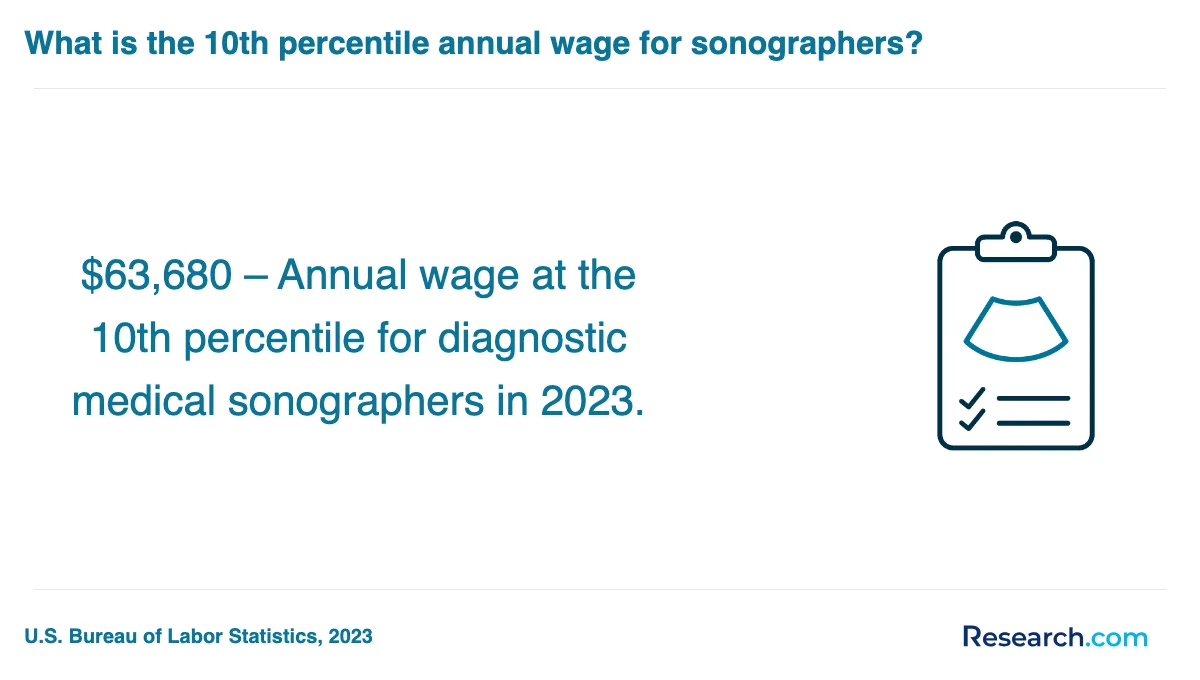
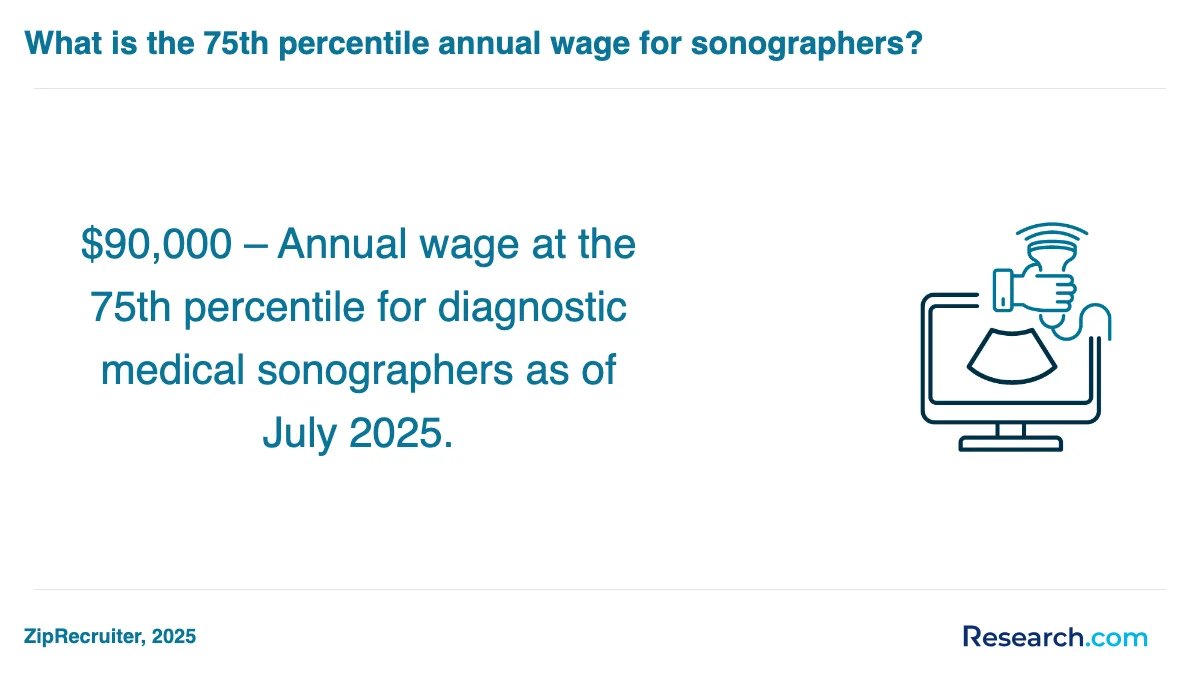
- Job growth for sonographers in Tennessee is projected at 27% from 2021 to 2031, with median wages around $35.60 per hour or $74,040 annually.
- Graduates are prepared to take national certification exams like the RDMS, which are important for employment and higher earnings.
Completing a medical sonographer trade school program in Chattanooga typically takes about 18 to 24 months, depending on the school and whether you attend full-time or part-time. Graduates from popular local trade schools often share how the focused, hands-on training helped them quickly build confidence and practical skills.
For example, students frequently describe their experience balancing classroom learning with clinical practice, which accelerates their readiness for real-world sonography jobs. Many appreciate how programs in Chattanooga emphasize both technical expertise and patient interaction, making the intensive timeline feel manageable and rewarding.
Some graduates mention that the structured schedule, combined with supportive instructors, made the months fly by. They often highlight the excitement of using ultrasound equipment early on, which kept motivation high throughout the program. In this way, the typical timeframe in Chattanooga trade schools not only prepares you efficiently but also fosters a positive, engaging learning environment that feels personalized and achievable.
Online medical sonographer programs in Chattanooga primarily deliver theoretical lessons through digital platforms, allowing students to study at their own pace from anywhere. Graduates often appreciate this flexibility, especially those balancing jobs or family, as it lets them fit coursework into busy schedules. However, many find the lack of hands-on experience challenging, since sonography demands direct practice with ultrasound machines and patient interaction.
On the other hand, on-campus programs at schools like Chattanooga State Community College create a vibrant learning environment where students engage in intensive labs and clinical rotations. Graduates recall the confidence gained from real-time feedback during these sessions and the camaraderie formed with peers. These experiences are crucial for mastering the practical skills that online classes cannot fully replicate.
Many students benefit from hybrid programs offered by institutions such as Chattanooga College MDTC, which combine online theory with mandatory in-person labs and hospital clinicals. This blend provides both convenience and essential hands-on training, meeting accreditation standards while supporting diverse learning needs.
The average cost medical sonographer program Chattanooga students encounter varies significantly depending on residency status and chosen institution. Graduates from Chattanooga State Community College report that in-state tuition fees diagnostic medical sonography Chattanooga programs typically total about $17,000, encompassing tuition, fees, and related expenses. Out-of-state students, meanwhile, face a higher investment nearing $53,000 for the same program. These figures reflect not only the quality education offered but also the potential for a rewarding career in a growing healthcare sector.
Many students share that while the initial cost might seem daunting, the structured curriculum and hands-on training make the expenses feel worthwhile. Personal stories often highlight how the comprehensive training, including clinical experience, plants confidence and readiness for certification exams. Those attending Chattanooga College note that tuition fees are less transparent but suggest that prospective learners engage directly with the college for tailored cost estimates. These real-world insights provide a clearer picture of budgeting for tuition and ancillary costs, such as textbooks and uniforms.
Prospective students eager to understand their financial commitment should also explore scholarship opportunities and federal aid to ease tuition burdens. For those considering how to choose a medical sonographer pathway, resources on how to be ultrasound technician offer valuable guidance on educational and cost considerations. Planning ahead not only ensures preparedness but also fosters excitement about entering an essential healthcare profession in Chattanooga.
Students pursuing medical sonographer trade school programs in Chattanooga often find financial aid options that significantly ease the burden of tuition. Federal grants like the Pell Grant, which awarded up to $6,895 for the 2022-2023 year, are commonly accessed by graduates from Chattanooga State Community College, helping them cover substantial portions of their educational costs. Some also benefit from the Federal Supplemental Educational Opportunity Grant, though availability depends on the institution's participation.
State aid plays a crucial role as well. Many students at Chattanooga College tap into Tennessee's Wilder-Naifeh Technical Skills Grant, receiving $667 per term, a support that often brings a sense of relief during tight financial times. Others qualify for the HOPE Scholarship, which, combined with last-dollar scholarships, can cover the remaining tuition after federal aid is applied, allowing students to focus on their studies without constant financial stress.
Institutional scholarships and flexible payment plans offered by local schools create a hopeful atmosphere. Graduates often recall how talking with financial aid offices opened doors to unexpected funding, sometimes from local healthcare employers eager to support future sonographers. This network of support fosters confidence and motivation throughout their training journey.
Enrolling in a medical sonographer trade school program in Chattanooga typically requires a solid foundation that sets students up for success. Graduates from popular local trade schools often recall that meeting these prerequisites helped them feel confident and prepared from day one.
Common prerequisites include:
- Possession of a high school diploma or equivalent, ensuring essential academic skills.
- Completion of prerequisite courses such as anatomy, physiology, and basic algebra, which build critical understanding for sonography.
- Demonstrated proficiency in communication and patient care, often highlighted through volunteer or work experience in healthcare settings.
- Passing an entrance exam or assessment that evaluates readiness for the technical coursework ahead.
One graduate shared how completing a healthcare volunteer program in Chattanooga helped her develop empathy and real-world skills that eased the transition into her sonography program. Another emphasized the importance of strong math skills, learned during high school, to grasp ultrasound technology concepts swiftly.
Trade schools in Chattanooga also encourage prospective students to engage with current students or attend informational sessions, which many found inspiring and motivating before starting their journey.
Medical sonographer trade school programs in Chattanooga typically immerse students in a range of courses designed to build both technical skills and medical knowledge essential for success. Graduates from popular schools like Chattanooga State Community College often highlight how courses such as Sonographic Physics and Instrumentation provide a deep understanding of ultrasound technology, enabling them to confidently adjust machines to produce clear diagnostic images during clinical rotations.
Students also engage with specialized subjects, including:
- Abdominal Sonography - focusing on imaging organs like the liver and kidneys, helping students visualize real patient anatomy in hands-on labs.
- Obstetric and Gynecologic Sonography - teaching the delicate imaging of fetal development and female reproductive health, often creating moments of awe and fulfillment during clinical practice.
- Patient Care and Professional Communication - emphasizing empathy and effective interaction, which graduates recall as vital for building trust with patients in busy Chattanooga clinics.
- Cross-Sectional Anatomy and Pathophysiology - enabling clear interpretation of sonographic findings and recognition of disease, a skill praised by those entering diagnostic roles.
Some programs also offer advanced modules like Cardiovascular Sonography, opening doors to heart and vascular imaging specialties. Students frequently describe the clinical practicum as a defining experience, where classroom theory transforms into real-world expertise under the guidance of seasoned professionals in Chattanooga's healthcare facilities.
Medical sonographer trade school programs in Chattanooga typically offer two prominent specializations: General Sonography and Cardiovascular Sonography. Graduates from these programs describe the rigorous yet rewarding experience of mastering detailed imaging techniques essential for diverse clinical settings. The diagnostic medical sonography specializations in Chattanooga focus on areas such as abdominal organ imaging and obstetric evaluations, preparing students to capture critical diagnostic images that directly impact patient care.
Students pursuing cardiovascular sonography programs in Chattanooga emphasize learning to perform echocardiograms and vascular studies, which are vital for detecting heart and blood vessel conditions. Programs at Chattanooga State Community College are especially popular, offering full-time, accredited curricula that ensure students feel confident and equipped for real-world challenges.
These graduates often share stories of their hands-on training, reflecting the practical knowledge gained to excel in hospitals and clinics. Students interested in expanding their education might explore options in the best online sonography associate's programs to further enhance their skills and career prospects.
Choosing the best medical sonographer trade school program in Chattanooga means focusing on programs accredited by CAAHEP, such as the one at Chattanooga State Community College, where graduates praise the blend of rigorous coursework and hands-on clinical training. Many find that the program's curriculum, which includes general and cardiovascular sonography, prepares them well for real patient scenarios, increasing confidence and skill.
Considering how to choose the best medical sonographer trade school program in Chattanooga, location and accessibility play a big role. Students appreciate proximity to home or flexible hybrid options, which help balance study and life demands. Graduates often highlight career services and strong industry connections that ease job placement after completion.
Financial factors should not be overlooked-public institutions in Chattanooga tend to offer affordable tuition and financial aid, making these programs accessible. For those aiming at certification success and employment, exploring program outcomes and equipment quality can reveal where you'll thrive and ultimately secure your dream job in healthcare.
For students interested in healthcare jobs that pay well with little schooling, choosing the right program now can define a rewarding career path.
Medical sonographer trade school graduates in Chattanooga find a variety of fulfilling career opportunities that align with their skills and interests. Many secure diagnostic medical sonography jobs in Chattanooga, gaining hands-on experience with ultrasound equipment in hospitals and outpatient clinics. Graduates often share how their training at popular local trade schools prepared them to confidently assist physicians in diverse settings.
Specialized paths are increasingly popular, including roles as vascular technologists or cardiac sonographers, where graduates enjoy the challenge of detailed imaging and patient interaction. Some graduates feel excited about branching into women's health as obstetric/gynecologic sonographers, developing strong connections with families during pregnancy monitoring.
Beyond direct patient care, emerging career opportunities for medical sonographers in Chattanooga include supervisory and teaching positions within imaging departments. Graduates from well-known trade schools often express enthusiasm for these leadership roles and possibilities to engage in research or medical sales, expanding their impact in healthcare.
Exploring various specialties and settings, graduates appreciate flexible career paths that keep evolving, echoing the dynamic nature of healthcare professions seen in broader healthcare careers list.
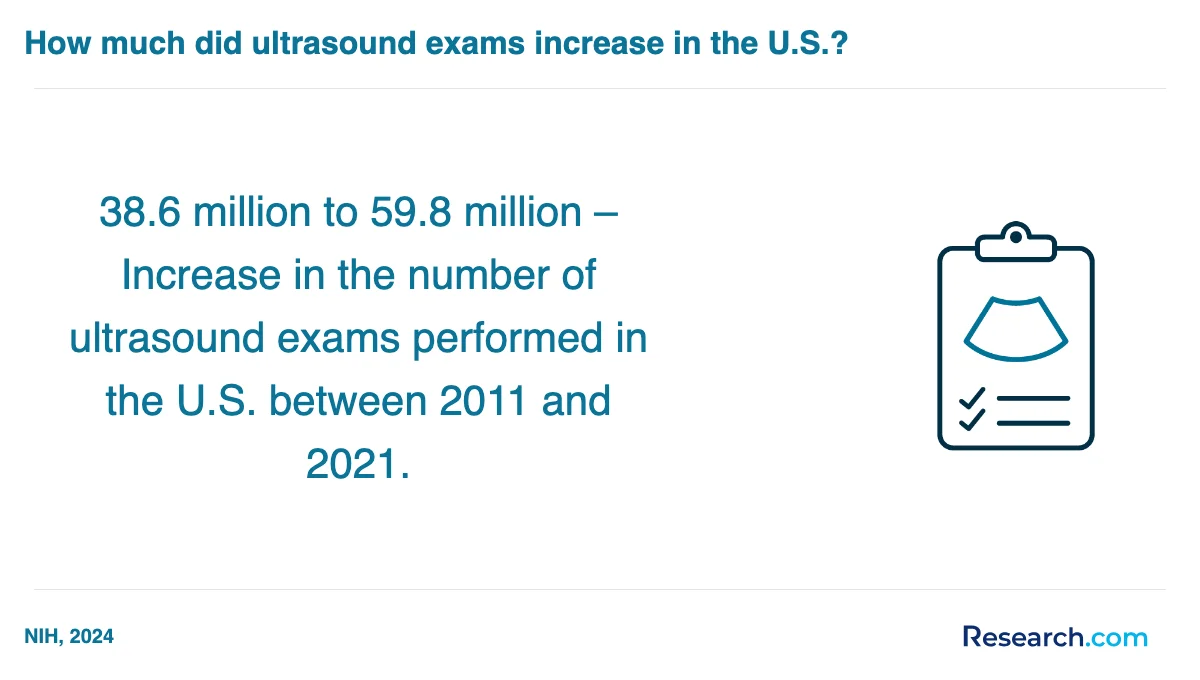
Graduates from medical sonographer trade schools in Chattanooga find a job market that is both dynamic and promising. Many report quickly receiving offers from local hospitals and imaging centers eager to fill positions in vascular and obstetric specialties. The medical sonographer job outlook Chattanooga shows consistent demand fueled by a growing healthcare sector and an aging population requiring diagnostic imaging services.
Typical employment settings include hospitals, outpatient clinics, and private physician offices. Graduates often emphasize that gaining certification vastly improves their chances of securing competitive roles. Sonographer salaries and employment Chattanooga reveal attractive pay rates, with average annual earnings around $100,225 and hourly wages reaching up to $50 in some facilities. This contrasts positively with Tennessee's median salary, highlighting Chattanooga's strong local market.
Popular trade schools in the city prepare students with hands-on experience, making the transition from classroom to employment smoother. For those researching options, exploring the best universities for ultrasound tech can provide a roadmap to quality education and career success.
Best Diagnostic Medical Sonographer Training Programs & Trade Schools - Top Sonography Schools in Chattanooga for 2026
# 1 position
Chattanooga State Community College - Diagnostic Medical Sonography/Sonographer and Ultrasound Technician.
certificate or diplomaChattanooga State Community College offers a hybrid Diagnostic Medical Sonography/Sonographer and Ultrasound Technician program that trains students to use ultrasound technology for diagnosing medical conditions. The curriculum covers patient care, data processing, equipment operation, and professional ethics. The program is accredited by the Southern Association of Colleges and Schools Commission on Colleges. Annual in-state tuition is $4,550, and median earnings one year after completion are $53,180.
# 2 position
Chattanooga State Community College - Mammography Technology/Technician.
certificate or diplomaThe Mammography Technology/Technician program at Chattanooga State Community College prepares registered radiographers to become registered mammographers. It offers a hybrid format with some distance-education options. The curriculum covers anatomy, physiology, mammography instrumentation, positioning, procedures, and quality assurance. Annual in-state tuition is $4,550. The program is accredited by the Southern Association of Colleges and Schools Commission on Colleges. Median earnings one year after completion are $53,180.
Frequently Asked Questions about medical sonographer
After completing a medical sonographer trade school in Chattanooga, preparing for the job market involves several key steps. First, graduates should obtain certification through the American Registry for Diagnostic Medical Sonography (ARDMS), as most employers require this credential. According to the U.S. Bureau of Labor Statistics, certified sonographers earn higher salaries and have better employment prospects.
Networking with local healthcare providers and attending job fairs in Chattanooga can increase job opportunities. Internships or clinical experience gained during training are critical for building practical skills and connections.
Finally, staying updated on advancements in sonography technology and continuing education can improve employability in this competitive field.
Employers in Chattanooga seek medical sonographer graduates who demonstrate strong technical skills and clinical proficiency. Mastery of ultrasound equipment and the ability to produce clear diagnostic images are critical. According to the Bureau of Labor Statistics, attention to detail and hand-eye coordination are essential for accurate results.
Communication skills are also highly valued, as sonographers must explain procedures to patients and collaborate with healthcare teams. Additionally, employers prefer candidates familiar with patient safety protocols and regulatory standards, such as those outlined by the American Registry for Diagnostic Medical Sonography (ARDMS).
Problem-solving and critical thinking are important for interpreting images and identifying abnormalities. Overall, Chattanooga employers prioritize graduates who combine technical expertise with strong interpersonal skills to provide effective patient care.
Finding internships relevant to medical sonographer trade school programs in Chattanooga involves a few key steps. Start by contacting local healthcare facilities such as Erlanger Health System and CHI Memorial, as they often offer clinical internships for sonography students. Many trade schools in Chattanooga have partnerships with these hospitals to help students secure practical experience.
Additionally, students should utilize resources from the American Registry for Diagnostic Medical Sonography (ARDMS) and the Society of Diagnostic Medical Sonography (SDMS), which provide listings and guidance on accredited internship opportunities nationwide, including Tennessee.
Networking through school career centers and attending local health job fairs can also increase internship prospects. According to the Tennessee Higher Education Commission, approximately 70% of sonography students in the state complete internships through affiliated healthcare providers, highlighting the importance of these connections.
A medical sonographer trade school diploma in Chattanooga significantly enhances career mobility and advancement opportunities. Graduates gain practical skills and clinical experience required by local healthcare providers, increasing employability in hospitals and diagnostic centers. According to the U.S. Bureau of Labor Statistics, Chattanooga's demand for diagnostic medical sonographers is projected to grow by 14% through 2030, faster than average for all occupations.
Trade school programs also prepare students for certification exams like the ARDMS, which many employers in Chattanooga prefer. Certified sonographers often receive higher starting salaries and quicker promotions. Furthermore, a diploma can be a stepping stone toward advanced certifications or specialized roles, supporting long-term career growth within the region's expanding healthcare sector.
Students enrolled in medical sonographer trade schools in Chattanooga can benefit from part-time jobs that offer practical experience and flexible hours. Positions such as medical assistant, patient transport aide, or ultrasound technician intern are common opportunities that complement classroom learning. These roles often provide exposure to healthcare settings, enhancing understanding of patient care and diagnostic processes.
According to the U.S. Bureau of Labor Statistics, Chattanooga's healthcare sector is growing steadily, with demand for sonographers expected to increase by 17% through 2030. Local hospitals and clinics frequently seek part-time support staff, which can help students build relevant skills while earning income.
When choosing the best medical sonographer degree program near Chattanooga, TN, it's crucial to consider factors such as accreditation, the curriculum, available specializations, and hands-on clinical training opportunities that will provide a comprehensive education. You can explore Research.com as a resource to compare programs and universities available near me, focusing on their rankings and reviews to ensure quality education. Additionally, considering proximity to healthcare facilities for internships and job placements can enhance your practical experience and employment prospects in this field.
- Best Diagnostic Medical Sonographer Training Programs & Trade Schools - Top Sonography Schools in Cincinnati for 2026
- Best Diagnostic Medical Sonographer Training Programs & Trade Schools - Top Sonography Schools in Fort Wayne for 2026
- Best Diagnostic Medical Sonographer Training Programs & Trade Schools - Top Sonography Schools in Joliet for 2026
- Best Diagnostic Medical Sonographer Training Programs & Trade Schools - Top Sonography Schools in Orlando for 2026
- Best Diagnostic Medical Sonographer Training Programs & Trade Schools - Top Sonography Schools in Livonia for 2026
- Diagnostic Medical Sonography_osm https://startnow.chattanoogacollege.edu/diagnostic_medical_sonography_osm
- Sonography (Ultrasound / Diagnostic Medical) - Certificate | Chattanooga State Community College https://www.chattanoogastate.edu/diagnostic-medical-sonography-ultrasound-certificate
- Chattanooga College - Diagnostic Medical Sonography A.S. https://chattanoogacollege.edu/programs/medical/diagnostic-medical-sonography/
- Medical Career Academy Programs | University of Tennessee at Chattanooga https://www.utc.edu/academic-affairs/center-for-professional-education/professional-development/medical-career-academies/medical-career-academy-programs
- Diagnostic Medical Sonography | Volunteer State Community College https://www.volstate.edu/academics/health-sciences/dms
- Associate of Science in Diagnostic Medical Sonography - South College https://www.south.edu/program/associate-of-science-in-diagnostic-medical-sonography/
- Chattanooga, Tennessee Sonography Programs https://www.trade-school.com/programs/Sonography/TN/Chattanooga
- The Diagnostic Medical Sonography/Sonographer and Ultrasound Technician Major at Chattanooga State Community College - Trade College https://tradecollege.org/colleges/chattanooga-state-community-college/health-professions/allied-health-professions/sonographer-ultrasound-technology/
- Academy of Allied Health Careers | Medical Careers in Chattanooga, TN https://aahctn.edu/
- Diagnostic Medical Sonographers and Cardiovascular Technologists and Technicians : Occupational Outlook Handbook: : U.S. Bureau of Labor Statistics https://www.bls.gov/ooh/healthcare/diagnostic-medical-sonographers.htm


