Most Affordable Diagnostic Medical Sonographer Schools & Training - Budget-Friendly Sonography Trade Programs in Austin for 2026

Co-Founder and Chief Data Scientist
Choosing the right medical sonographer trade school in Austin can feel overwhelming. That’s why this article offers a carefully crafted ranking of programs developed by the Research.com team of data scientists. Their analysis helps you identify the most affordable and reputable options available for 2026.
By exploring these schools, you’ll gain valuable insights to make an informed decision about your education and career path. Earning a diploma or certification in this field opens doors to rewarding healthcare opportunities and personal growth.
Key benefits of finishing medical sonographer trade school in Austin
- Graduates from medical sonographer trade schools in Austin can expect a competitive salary, with average hourly wages around $42.02, translating to approximately $87,900 per year, offering strong financial stability early in their careers.
- Career paths for graduates are diverse, including roles in hospitals, clinics, and specialized areas like maternal-fetal medicine, providing exciting opportunities to grow and specialize in the healthcare field.
- Completing a medical sonographer trade school online offers flexibility and convenience, allowing students to balance studies with personal commitments while still preparing for rewarding in-person clinical experiences.
- Most Affordable Diagnostic Medical Sonographer Schools & Training - Budget-Friendly Sonography Trade Programs in Austin for 2026
- What can I expect from medical sonographer trade schools in Austin?
- Where can I work after finishing medical sonographer trade schools in Austin?
What can I expect from medical sonographer trade schools in Austin?
Enrolling in a medical sonographer trade school program in Austin means diving into a rigorous yet rewarding blend of classroom learning and hands-on clinical experience. Graduates from well-known programs like those at Austin Community College or St. David's School of Diagnostic Medical Sonography often describe a challenging but exciting journey that equips them with skills in ultrasound physics, Doppler imaging, and anatomy.
Expect to spend significant time in advanced ultrasound labs, mastering the operation of cutting-edge imaging devices. Clinical rotations at local hospitals and clinics provide invaluable real-world practice, supervised by seasoned sonographers who help turn theoretical knowledge into confident skill.
Students frequently remark on the competitive admissions process and the focused, daytime in-person classes, which foster a strong sense of community and collaboration. Though fully online options aren't available, some hybrid formats offer flexibility without sacrificing hands-on training.
Graduates feel a deep sense of accomplishment preparing for the national certification exam and optimistic about entering a field where Austin's median salaries surpass the national average, reflecting strong local demand and rewarding career potential.
Where can I work after finishing medical sonographer trade schools in Austin?
Graduates from medical sonographer trade schools in Austin quickly discover a variety of rewarding career paths waiting for them. Many find themselves working in bustling hospitals, where they contribute to radiology, cardiology, or obstetrics departments, gaining hands-on experience that reinforces their training. Others land roles in outpatient imaging centers or specialty clinics focusing on maternal-fetal health or cardiovascular care, where their skills directly impact patient outcomes every day.
Some graduates share how they secured travel sonographer positions, embracing short-term contracts that offer both flexibility and competitive pay-often around $1,700 weekly. These roles bring exciting opportunities to explore different healthcare settings across Austin and nearby suburbs like Cedar Park, making each assignment a fresh adventure.
Innovative programs at Austin's top trade schools also prepare students for part-time or virtual sonographer jobs. Imagine guiding ultrasound scans remotely, blending technology with patient care in ways that once felt futuristic. This evolving job market means graduates can tailor their careers to fit their lifestyles while thriving in a growing healthcare sector.
After finishing a medical sonographer trade school program in Austin, graduates often find themselves stepping into a career with promising earning potential. Many report starting with an average hourly wage of about $39.48, which translates to roughly $82,000 annually when working full time. This is a comforting reality for those who invested time and effort in popular Austin programs, where hands-on training aligns closely with employer expectations.
Graduates from well-known local trade schools share how their entry-level salaries typically range from $34 to $50 per hour, depending on where they land their first job-whether it's a bustling hospital or a specialized clinic. Those who pursued certifications beyond the basics, aiming for roles like Registered Diagnostic Medical Sonographer II, have seen salaries climb well above $90,000, some even breaking the six-figure mark.
For example, a graduate specializing in vascular sonography in Austin might earn up to $115,671 annually, which reflects how specialization can meaningfully boost income. These figures highlight the rewarding payoff of completing a trade school program here, offering both financial stability and career growth that many students find deeply motivating.
- Admission to medical sonographer programs in Austin is competitive and requires completion of prerequisite courses in math, science, and anatomy.
- Most programs, like Austin Community College, require separate application to the sonography program with a selective entry process.
- Programs are accredited by CAAHEP, allowing graduates to sit for certification exams such as the RDMS, which is preferred by employers.
- Tuition costs range from about $5,000 to $10,000 for in-district students at public colleges, excluding additional expenses like books and supplies.
- Starting salaries for newly certified sonographers in Austin typically range from $60,000 to $70,000 per year, with experienced professionals earning $80,000 or more.
Completing a medical sonographer trade school program in Austin typically takes between 18 and 24 months, depending on the school's curriculum and whether students attend full-time or part-time. Graduates from well-known Austin trade schools often share that this timeframe feels just right-not rushed, yet intensive enough to build both confidence and competence.
Many students describe their experience as immersive, with hands-on training at local clinics complementing classroom learning. For instance, a graduate from an Austin-based trade school recalls balancing evening classes with daytime clinical rotations, which made the learning process feel dynamic and deeply rewarding. This blend of theory and practice within a roughly two-year span allows students to quickly transition from eager novices to skilled professionals ready to enter the workforce.
Choosing a program with flexible scheduling options in Austin can also make a huge difference for students managing work or family commitments. The achievable length of these programs is often a major motivating factor, fueling excitement as students see real progress toward their goal of becoming certified sonographers.
The key difference between online and on-campus medical sonographer trade school programs in Austin lies in how hands-on training is delivered. Graduates from Austin Community College's on-campus program recall the energy of live labs, where working directly with ultrasound machines in state-of-the-art facilities made complex concepts click instantly. They describe the immediate feedback from instructors and collaboration with classmates as invaluable for building confidence with real patient scenarios.
In contrast, hybrid or online options in Austin offer flexibility for theoretical courses like anatomy or physics, but students must still complete clinical hours in-person at local hospitals. This blend allows some control over schedules but demands eventual immersion in clinical settings for skill mastery. Graduates often highlight that no matter the online coursework, the tactile experience of scanning patients under supervision is irreplaceable.
For Austin students, this means that while online learning can ease classroom demands, true preparation for certification and employment requires consistent on-campus attendance and local clinical rotations. The trade schools' hands-on approach ensures graduates feel ready and supported as they step into Austin's healthcare community.
When considering the average cost of sonography programs in Austin, it's clear that tuition fees for medical sonographer programs in Austin vary significantly depending on the institution and program length. Graduates from Austin Community College often share relief about their manageable tuition costs-about $4,355 for in-district students-highlighting how this affordable option made their journey more accessible and reduced financial stress. For out-of-district students, the cost rises to approximately $27,040 but still remains lower than many state averages, which resonates with those prioritizing budget-friendly education without sacrificing quality.
On the other hand, some students pursuing their medical sonographer training at more specialized trade schools like the College of Health Care Professions faced a different financial picture. With tuition fees around $42,900 for a 24-month program covering 83 contact hours, many express that the depth of hands-on training and career-focused curriculum justified the investment, especially for those eager to enter the workforce with strong credentials. At Austin Medical Assistant Training, a tuition of $27,000 plus additional expenses totaling $28,600 calls attention to the importance of considering extra costs such as books and uniforms-factors that recent graduates remember well as important parts of budgeting for the trade school experience.
For those exploring options, comparing programs with an emphasis on affordability and comprehensive training is crucial. Many students recommend researching accredited institutions or exploring accredited sonography programs online to find a fit that balances cost and quality effectively.
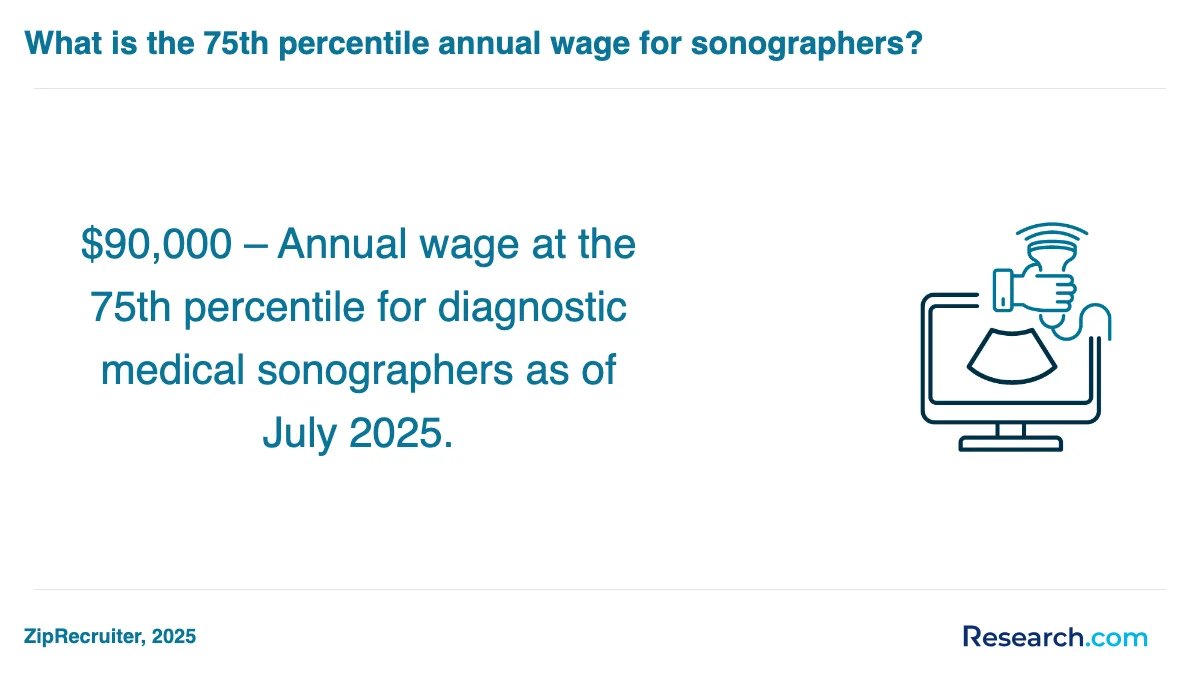
Medical sonographer students in Austin often find financial aid to be a critical support on their educational journey. Many graduates recall the relief of completing the Free Application for Federal Student Aid (FAFSA), a gateway to federal grants and loans that make tuition manageable. For instance, Pell Grants have provided up to $6,895 annually, easing the burden for those balancing school and work.
At institutions like Austin Community College, students benefit from targeted scholarships such as the ASE Foundation Awards and the SDMS Foundation Sonography Student Scholarship, which recognize dedication and academic merit. Graduates often share how these local scholarships felt like a vote of confidence in their potential.
Federal student loans, including subsidized and unsubsidized options, offer another pathway, though with the understanding of future repayment. Private scholarships from organizations like the Society of Diagnostic Medical Sonography add an extra layer of financial support that many find encouraging.
Engaging directly with a school's financial aid office is a common piece of advice from recent graduates who emphasize the value of personalized guidance in navigating available aid.
To enroll in a medical sonographer trade school program in Austin, candidates typically need to meet several key prerequisites that set the foundation for success. Graduates from well-known Austin trade schools often recall how these requirements shaped their journey and boosted their confidence from day one.
Most programs expect applicants to have:
- A high school diploma or GED, ensuring basic academic readiness.
- Completion of prerequisite science courses such as anatomy, physiology, and sometimes physics, which prepare students for the technical nature of sonography.
- Strong communication skills, as expressing findings clearly is essential in clinical settings.
- Background checks and immunization records, reflecting the healthcare environment's safety standards.
One graduate from a popular Austin trade school shared how having a solid grasp of biology before starting made the hands-on ultrasound training feel less intimidating and more exciting. Another emphasized that meeting these prerequisites helped them hit the ground running, making the fast-paced curriculum manageable and rewarding.
For Austin students eager to join this rewarding profession, understanding and meeting these prerequisites is the first step toward a fulfilling career in medical sonography.
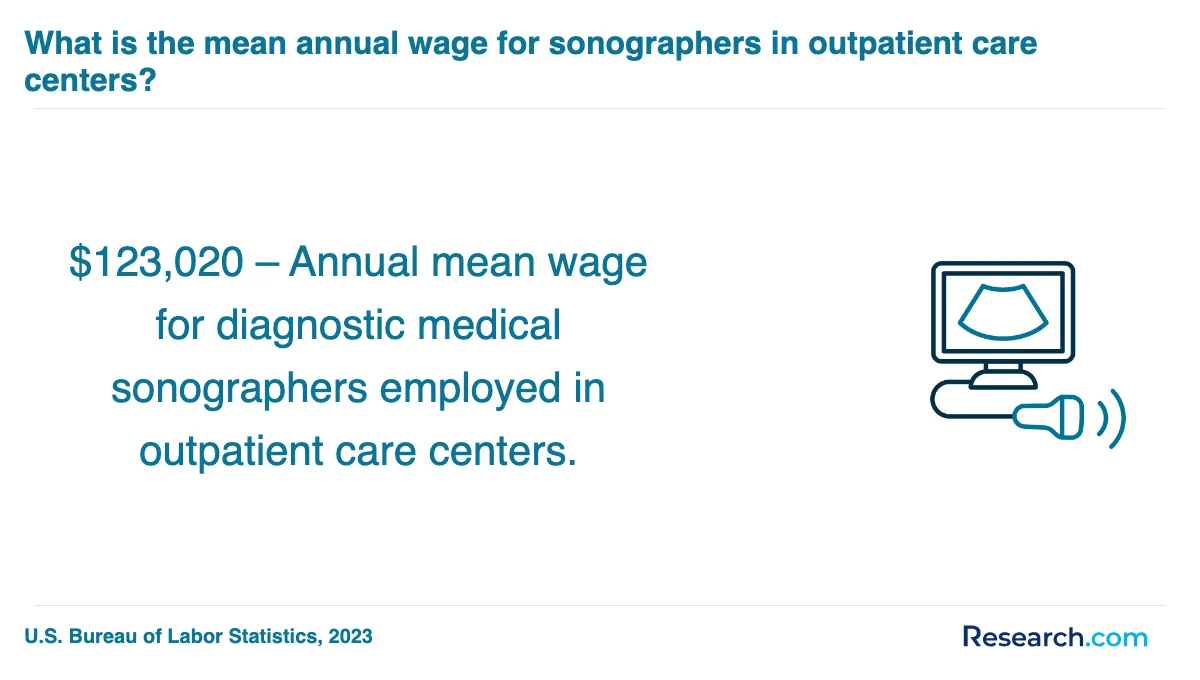
Medical sonographer trade school programs in Austin immerse students in a dynamic blend of essential courses that shape confident, skilled professionals. Graduates from popular schools like Austin Community College and Austin Medical Assistant Training often recall how mastering medical terminology was their first breakthrough-understanding the language of healthcare made every clinical interaction clearer and less intimidating.
Key courses include:
- Medical Terminology: For example, AMAT's 45-hour Medical Terminology course equips students with the vocabulary needed to communicate precisely with doctors and patients.
- Patient Care: At AMAT, students devote 90 hours to learning communication, safety, and ethical practices, which graduates describe as crucial for building trust in real-world clinical environments.
- Ultrasound Physics and Instrumentation: With 120 hours dedicated at AMAT, this course reveals the science behind the images, helping students understand how sound waves create diagnostic pictures.
- Cross-Sectional Anatomy and Pathophysiology: Students learn to identify both normal and abnormal structures, a skill graduates highlight as vital when scanning diverse patient cases.
- Vascular Ultrasound and Doppler Imaging: These specialized courses prepare students to assess blood flow and cardiovascular health, expanding their diagnostic expertise.
Hands-on labs and extensive clinical externships (over 1,000 hours at AMAT) ensure students graduate feeling ready to confidently operate ultrasound equipment and interpret images. Many recall their first scans during clinical rotations as moments of exhilaration and validation-proof their classroom knowledge truly translates to saving lives.
Students pursuing medical sonography specializations in Austin often find themselves immersed in focused tracks that reflect the city's healthcare demands and advanced clinical environments. Popular trade schools like Austin Community College (ACC) and St. David's School of Diagnostic Medical Sonography provide programs that allow graduates to confidently perform diagnostic tests across multiple settings, from busy hospitals to outpatient clinics.
These specializations commonly include:
- Diagnostic Medical Sonography, where students develop a broad skill set in imaging abdominal organs and superficial tissues, experiencing hands-on practice in real patient care scenarios.
- Cardiac Sonography (Echocardiography), a focused pathway featured in diagnostic cardiac sonography programs Austin, where graduates describe the fulfillment of accurately detecting heart conditions through ultrasound.
- Vascular Sonography, emphasizing arterial and venous imaging crucial for diagnosing complex vascular diseases.
Many ACC students complete both associate degrees and advanced certificates to ensure clinical competence, making them highly sought-after in Austin's healthcare job market. If you're exploring options, considering easy online medical degree programs accredited may also provide flexible pathways to launch your career.
Choosing the best medical sonographer trade school program in Austin means focusing on more than just name recognition. Graduates from top-rated ultrasound technician schools in Austin often emphasize the importance of accreditation and the availability of clinical training. Real-world practice in well-equipped ultrasound labs, typically found in local colleges, provides confidence and skill that textbooks alone cannot offer.
Many students highlight how affordable sonography programs in Austin allow them to gain quality education without overwhelming debt, while still receiving personalized career support. Proximity to healthcare facilities for clinical rotations increases hands-on experience and networking, which proves invaluable when stepping into the job market.
Additionally, understanding how many years to become an ultrasound tech helps set realistic expectations. Considering program outcomes such as certification pass rates and employment success can steer your choice towards those trade schools that truly prepare students for a rewarding career in diagnostic imaging.

Graduates of medical sonographer trade school programs in Austin find numerous sonography career opportunities in Austin that tap into the city's vibrant healthcare landscape. Many start in diagnostic medical sonographer jobs in Austin TX, working in hospitals or specialized imaging centers, where they actively contribute to detecting and monitoring patient conditions using ultrasound technology. Popular trade schools in Austin prepare students with hands-on clinical practice, making the transition into these roles smoother and more rewarding.
Some graduates pursue specialization in areas such as obstetric/gynecologic sonography, vascular imaging, or cardiac echocardiography, enhancing their expertise and job prospects. Others embrace travel sonographer roles, enjoying flexible assignments across Austin's diverse clinics, often with attractive weekly pay.
Virtual sonography is another innovative path, where professionals remotely assist technicians in real-time diagnostics-a growing field that reflects telemedicine's rise. For those seeking leadership, supervisory roles become accessible with further education or certifications.
Many Austin graduates continue advancing by stacking credentials or earning medical degrees that take 2 years, broadening their career horizons beyond entry-level positions.
The medical sonographer job outlook in Austin is robust, fueled by a rising population and growing healthcare facilities. Graduates from local trade schools often find themselves quickly snatched up for roles in hospitals, outpatient clinics, and imaging centers offering both full-time and part-time positions. Many share stories of landing jobs shortly after obtaining certifications like those from ARDMS, emphasizing how employers in Austin value accredited training and readiness to specialize.
Diverse employers and flexible shifts create an inviting environment for new sonographers eager to start their careers. The demand for diagnostic medical sonographers in Austin reflects itself in the compensation as well, with travel sonographers making around $1,732 weekly and permanent roles providing benefits such as health insurance and retirement plans. Graduates appreciate trade schools that prepare them to meet these expectations, often highlighting hands-on clinical experiences and continuing education support.
Key advantages include:
- Multiple job openings consistently available in the metro area
- Certification-focused programs that align with local employer requirements
- A dynamic healthcare market welcoming both fresh and experienced graduates
For those wondering what does an ultrasound tech make, Austin's figures are notably competitive, offering a promising start after trade school completion.
Most Affordable Diagnostic Medical Sonographer Schools & Training - Budget-Friendly Sonography Trade Programs in Austin for 2026
# 1 position
Austin Community College District - Diagnostic Medical Sonography/Sonographer and Ultrasound Technician.
associateAustin Community College District offers a Diagnostic Medical Sonography/Sonographer and Ultrasound Technician program with a hybrid format including some distance education. The program trains students to use medical ultrasound techniques for diagnosing conditions, covering patient care, data recording, and equipment operation. Annual in-state tuition is $2,550. Graduates have median earnings of $66,380 one year after completion. The program is accredited by the Southern Association of Colleges and Schools Commission on Colleges.
# 2 position
Austin Community College District - Diagnostic Medical Sonography/Sonographer and Ultrasound Technician.
certificate or diplomaAustin Community College District offers a Diagnostic Medical Sonography/Sonographer and Ultrasound Technician program with a hybrid format that includes some distance education. The program prepares students to use medical ultrasound technology to collect sonographic data for diagnosing conditions. Coursework covers patient care, data processing, and professional ethics. Annual in-state tuition is $2,550. Graduates have a median income of $66,380 one year after completion. The program is accredited by the Southern Association of Colleges and Schools Commission on Colleges.
# 3 position
The College of Health Care Professions-Austin - Diagnostic Medical Sonography/Sonographer and Ultrasound Technician.
associateThe Diagnostic Medical Sonography/Sonographer and Ultrasound Technician program at The College of Health Care Professions-Austin offers a hybrid format with some distance education. It prepares students to use medical ultrasound techniques under physician supervision to gather diagnostic sonographic data. The curriculum covers patient care, data integration, sonography equipment operation, and professional ethics. Graduates have a median earning of $30,375.60 one year after completion. The program is accredited by the Accrediting Bureau of Health Education Schools.
Frequently Asked Questions about medical sonographer
After completing a medical sonographer trade school in Austin, preparing for the job market involves several key steps. First, obtaining professional certification from the American Registry for Diagnostic Medical Sonography (ARDMS) is crucial, as many employers in Texas prefer or require certified sonographers. According to the U.S. Bureau of Labor Statistics, the demand for sonographers in Texas is projected to grow by 14% through 2032, reflecting strong job prospects locally.
Networking with local healthcare facilities and attending job fairs in Austin can increase employment opportunities. Additionally, gaining experience through internships or clinical rotations offered by trade schools enhances practical skills and employability. Finally, staying updated with advances in sonography technology can give graduates a competitive edge in the evolving healthcare market.
Employers in Austin seek medical sonographer graduates with strong technical skills in ultrasound equipment operation and image analysis. Proficiency in anatomy, physiology, and medical terminology is essential to accurately capture diagnostic images. According to the Bureau of Labor Statistics, communication skills are equally important because sonographers must explain procedures clearly to patients and collaborate with healthcare teams.
Attention to detail and critical thinking enable graduates to identify abnormalities and provide reliable data for doctors. Additionally, familiarity with electronic health records (EHR) systems is increasingly valued, as digital recordkeeping grows in medical facilities. The Austin healthcare market also favors candidates who demonstrate professionalism and empathy, enhancing patient comfort during scans.
Finding internships relevant to medical sonographer trade school programs in Austin involves a combination of research and networking. Start by contacting local hospitals, imaging centers, and clinics, as these facilities often offer clinical internships for students. Institutions like St. David's HealthCare and Ascension Seton have established partnerships with educational programs and provide hands-on experience.
Additionally, many trade schools in Austin assist students with placement through career services. Check if your program has formal agreements with healthcare providers to secure clinical hours required for certification.
The Texas Workforce Commission reports that internships in diagnostic medical sonography in Austin have grown by 8% over recent years, indicating increasing opportunities. Using online platforms specific to healthcare internships can also help identify openings.
Finally, attending local healthcare job fairs and joining professional organizations like the American Registry for Diagnostic Medical Sonography (ARDMS) can expand your network and improve chances of finding quality internships.
Obtaining a medical sonographer trade school diploma in Austin significantly enhances career mobility and advancement opportunities. Graduates become eligible for certification exams such as the ARDMS, which many local employers require. According to the Bureau of Labor Statistics, diagnostic medical sonographers in Texas earn a median annual wage of about $73,000, with Austin offering competitive salaries due to its growing healthcare sector.
Trade school diplomas provide practical skills and clinical experience, making graduates more attractive to hospitals and imaging centers. This credential often leads to quicker entry into the workforce compared to traditional degrees, supporting faster career progression.
Moreover, Austin's expanding medical facilities increasingly value specialized sonography skills, which helps diploma holders access roles in diverse departments, boosting job stability and advancement potential.
Students enrolled in medical sonographer trade schools in Austin can benefit from part-time jobs that strengthen their practical skills and industry knowledge. Common opportunities include working as ultrasound technician assistants or medical imaging aides in local hospitals and clinics. These roles provide hands-on experience with sonographic equipment and patient interaction, which are crucial for building competence.
Additionally, positions in medical offices or diagnostic centers often offer flexible hours suitable for students. According to the U.S. Bureau of Labor Statistics, Austin's healthcare sector is growing rapidly, with a 15% increase in ultrasound technician jobs expected through 2030. This growth supports a variety of part-time roles that align well with sonography training.
Volunteering in community health programs can also enhance learning and networking while accommodating school schedules. These opportunities help students gain exposure to diverse patient populations and medical conditions, enriching their educational experience.
Yes, there are affordable medical sonography degree programs available near Austin, TX. Prospective students may find various options within the Austin area, including community colleges and technical schools offering accredited programs. Research.com is a helpful resource to compare different institutions and find a highly ranked but affordable program near you.
- Most Affordable Diagnostic Medical Sonographer Schools & Training - Budget-Friendly Sonography Trade Programs in Houston for 2026
- Most Affordable Diagnostic Medical Sonographer Schools & Training - Budget-Friendly Sonography Trade Programs in Omaha for 2026
- Most Affordable Diagnostic Medical Sonographer Schools & Training - Budget-Friendly Sonography Trade Programs in Rome for 2026
- Most Affordable Diagnostic Medical Sonographer Schools & Training - Budget-Friendly Sonography Trade Programs in Springfield for 2026
- Most Affordable Diagnostic Medical Sonographer Schools & Training - Budget-Friendly Sonography Trade Programs in Phoenix for 2026
- Most Affordable Diagnostic Medical Sonographer Schools & Training - Budget-Friendly Sonography Trade Programs in Chicago for 2026
- Sonographer Salary and Job Opportunities: Is It Worth It? | Ultrasound Technician, Diagnostic Medical Sonography, Bachelor and Associate Programs - Los Angeles, Glendale, Pasadena https://amsc.edu/sonographer-salary-and-job-opportunities-is-it-worth-it/
- Sonography Career Paths https://www.ultrasoundschoolsinfo.com/sonography-career-paths/
- Diagnostic Medical Sonographers and Cardiovascular Technologists and Technicians : Occupational Outlook Handbook: : U.S. Bureau of Labor Statistics https://www.bls.gov/ooh/healthcare/diagnostic-medical-sonographers.htm
- Prepare for a Career in Diagnostic Medical Sonography - San Joaquin Valley College https://www.sjvc.edu/guides/career-guide-diagnostic-medical-sonographer/
- WorkBC Site Maintenance - Service Temporarily Unavailable https://www.workbc.ca/career-profiles/medical-sonographers
- Massive Career Options for Grads of Diagnostic Medical Sonography https://www.andersoncollege.com/massive-career-options-for-grads-of-diagnostic-medical-sonography/
- Diagnostic Medical Sonographer - Explore Healthcare Careers - Mayo Clinic College of Medicine & Science https://college.mayo.edu/academics/explore-health-care-careers/careers-a-z/diagnostic-medical-sonographer/
- Sonography | Academic and Career Programs | Austin Community College District https://programs.austincc.edu/health-sciences/sonography/
- Diagnostic Medical Sonography Program in Texas | CHCP https://www.chcp.edu/degrees-certificates/on-campus/diagnostic-medical-sonography-aas-degree/
- Diagnostic Medical Sonography - Blake Austin College https://blakeaustincollege.edu/course/diagnostic-medical-sonography/