Most Affordable Diagnostic Medical Sonographer Schools & Training - Budget-Friendly Sonography Trade Programs in Phoenix for 2026

Co-Founder and Chief Data Scientist
Are you considering a career as a medical sonographer and looking for affordable trade schools in Phoenix? This article highlights a carefully crafted medical sonographer trade school programs ranking developed by the Research.com team of data scientists. It’s designed to help you make an informed decision about which programs truly stand out.
By exploring these options, you’ll discover schools that not only fit your budget but also offer valuable training to jumpstart your career. Earning a diploma or certification in this field opens doors to rewarding job opportunities and personal growth.
Key benefits of finishing medical sonographer trade school in Phoenix
- Graduates from medical sonographer trade schools in Phoenix can expect strong earning potential, with average salaries around $87,700 annually and hourly wages up to $50.25, reflecting the high demand for skilled sonographers.
- Career paths are diverse, including roles like Diagnostic or Cardiac Sonographer, allowing graduates from popular Phoenix trade schools to work in hospitals, clinics, or specialized healthcare centers.
- Completing a medical sonographer trade school online offers flexibility and convenience, as seen with online graduates from Phoenix programs who balance work and study while gaining the same valued skills as traditional students.
- Most Affordable Diagnostic Medical Sonographer Schools & Training - Budget-Friendly Sonography Trade Programs in Phoenix for 2026
- What can I expect from medical sonographer trade schools in Phoenix?
- Where can I work after finishing medical sonographer trade schools in Phoenix?
What can I expect from medical sonographer trade schools in Phoenix?
When you enroll in a medical sonographer trade school program in Phoenix, expect a mix of classroom learning and real-world practice that gets you job-ready fast. For instance, some graduates from local programs like the Arizona Heart Foundation talk about diving into hands-on cardiac and vascular sonography within just 12 months, which feels intense but rewarding. Others from schools like Pima Medical Institute appreciate the balance of academic courses and clinical rotations over about 22 months, giving them a solid foundation before working with actual patients.
Students often start using ultrasound machines early on, not just watching but scanning real patients, which builds confidence and skills quickly. The small student-to-machine ratio means you get plenty of personalized guidance, making the learning process less intimidating.
Many Phoenix programs also focus on prepping you for national certification exams, so you can hit the ground running with a strong chance at job placement-some schools even boast up to 90% success rates. Plus, training happens in modern labs near healthcare hubs, so you get used to the kind of tech and environment you'll see on the job.
Where can I work after finishing medical sonographer trade schools in Phoenix?
After finishing a medical sonographer trade school program in Phoenix, many graduates find themselves stepping right into rewarding roles like diagnostic medical sonographers or ultrasound technologists. Whether it's working full-time in hospital imaging departments at major systems like Banner Health or smaller private clinics, the demand is strong. Graduates often share how exciting it feels to contribute directly to patient care by performing ultrasound exams that help doctors diagnose conditions every day.
Some graduates choose private physician offices, especially in specialties like obstetrics and cardiology, where they can form close relationships with patients. Others enjoy the flexibility of outpatient imaging centers or mobile imaging services, bringing care to patients' homes. The path can even lead to specialized roles like cardiac sonographer positions, which many Phoenix employers actively offer.
Many students from popular Phoenix trade schools say it's encouraging to know their program opens doors to steady jobs with benefits and opportunities for growth-like becoming lead sonographers, supervisors, or educators. It's a career with real prospects right here in Phoenix.
After finishing a medical sonographer trade school program in Phoenix, many graduates find themselves stepping into well-paying roles right away. For example, some recent grads from popular Phoenix trade schools have shared how they landed jobs earning around $73,500 to $94,500 annually, which feels pretty rewarding when you're just starting out. Imagine working full-time and making about $36.93 an hour-that adds up to a solid paycheck that covers living expenses comfortably.
With a bit more experience or specializing in areas like cardiac or pediatric sonography, those numbers can jump even higher. Some sonographers in Phoenix report earning over $100,000 a year, with hourly wages reaching above $50. Graduates often mention feeling proud and excited as their skills grow and their salaries rise, turning their training into a stable and financially satisfying career.
So, if you're thinking about enrolling in a medical sonographer program here, know that the investment can quickly pay off with competitive salaries and strong job demand in the Phoenix area.
- Most programs require a high school diploma or equivalent, with some needing prerequisite college courses in Anatomy, Physics, and English with a grade of "B" or higher.
- Program lengths vary from 12 months for accelerated certificates to 18-24 months for associate degrees, with up to 1,940 clock hours or 124 quarter credits.
- Tuition costs typically range from $15,000 to $35,000, and some schools offer institutional loans or workforce development funding.
- The average annual salary for sonographers in Phoenix is about $75,000, with a job growth rate of 14% projected through 2028.
- Graduates must pass a certification exam such as the ARDMS to qualify for most jobs in the area.
Completing a medical sonographer trade school program in Phoenix typically takes about 12 to 18 months, depending on the school and whether you study full-time or part-time. Many graduates from popular local trade schools share that this timeframe feels just right-long enough to gain solid hands-on experience but short enough to jump into the workforce quickly.
One graduate mentioned how the focused, immersive schedule helped them stay motivated without feeling overwhelmed. Phoenix schools often blend classroom learning with clinical practice, so students get real-life ultrasound experience early on. This setup makes the learning process exciting and practical, especially when you start seeing how your skills impact patient care firsthand.
For those balancing work or family, some Phoenix programs offer flexible schedules, stretching the program up to 18 months. But plenty of students still find the pace energizing, knowing they're just over a year away from launching a rewarding career in medical sonography in a city with growing healthcare opportunities.
The biggest difference between online and on-campus medical sonographer programs in Phoenix is all about where and how you get hands-on experience. On-campus programs at places like Pima Medical Institute and the Arizona Heart Foundation School of Ultrasound offer real clinical labs and direct patient interaction. Graduates often share how starting scans on day one built their confidence and helped them feel ready for actual jobs.
Online programs, which are pretty rare around here, mainly cover theory like anatomy and medical terminology. But because sonography is so hands-on, you still have to complete in-person clinical hours at a healthcare facility to qualify for certification. So most "online" options in Phoenix end up being hybrids, mixing lectures you can watch from home with mandatory in-person training.
Those on-campus connections also make a difference-students often mention the immediate feedback and support from instructors, plus chances to network with peers, which really helped with job placement after graduation.
The average tuition fees for medical sonography programs in Phoenix vary notably depending on the school you choose. For example, graduates from the Arizona Heart Foundation School of Ultrasound recall paying around $34,900 in tuition plus a $200 registration fee. This covers essentials like textbooks, equipment, and certification exams, but they also mention budgeting for extra expenses such as fingerprint clearance and clinical housing. Even though this school doesn't offer federal financial aid, many students appreciated the availability of competitive loans through private partners, which made the costs manageable.
At GateWay Community College, students aiming for an Associate of Applied Science in Diagnostic Medical Sonography find the cost more moderate, with an estimated annual price of about $10,788 for in-state residents. Alumni often mention feeling that the investment was worthwhile because of the program's quality and reputation within Phoenix. This cost covers tuition, fees, and other necessary expenses, striking a good balance for many.
Meanwhile, Pima Medical Institute-Phoenix offers a 21-month Associate Degree program where recent graduates highlight the comprehensive hands-on experience loaded with over 1,800 lab hours. The tuition fee is around $16,415, with an extra $879 expected for books and supplies. Financial aid options, including scholarships and private loans, make this path financially accessible to many.
If you're weighing the cost of diagnostic medical sonography degrees in Phoenix, consider how these expenses fit with your financial aid options and lifestyle. Many students share that understanding available funding and aligning it with personal goals eased the process. Plus, for those focused on securing one of the best paying jobs in health care, this investment can feel like a smart, future-oriented decision.

Many medical sonographer students in Phoenix find financial aid options that really help ease the burden of tuition and expenses. For example, graduates from Pima Medical Institute often share how the Federal Pell Grant made a big difference since it's based on financial need and doesn't have to be paid back. With the maximum Pell Grant reaching $7,395 for 2025-2026, it's a solid boost for those qualifying.
Others attending Central Arizona College talk about combining federal student loans with local scholarships or work-study programs, which can make covering costs more manageable. The college's Diagnostic Medical Sonography program costs around $9,875 to $11,775, including exam fees, but many students feel supported knowing there are ways to lower that.
Some students mention that externships or paid clinical experiences offered by Phoenix programs not only provide hands-on training but sometimes include stipends, adding a helpful financial cushion. The key advice? Filling out the FAFSA early and chatting with each school's financial aid office to uncover all available aid options.
When you're thinking about enrolling in a medical sonographer trade school in Phoenix, there are a few key prerequisites you'll want to keep in mind. Most schools ask for a high school diploma or GED as a starting point. This basic requirement sets the stage for the technical skills you'll build later on.
Many graduates from popular Phoenix trade schools mention how helpful it was to have a solid foundation in biology and anatomy before starting. Some schools even recommend or require completion of specific science courses, so brushing up on those can boost your confidence.
Aside from academics, you'll often need to pass a background check and a drug screening, which is pretty standard for healthcare programs. Schools appreciate when students come prepared with strong communication skills since sonographers work closely with patients.
Here's a quick list to give you a clearer picture:
- High school diploma or GED
- Basic science courses (biology, anatomy)
- Background check and drug screening
- Good interpersonal and communication skills
Many graduates recall feeling excited and ready to dive into hands-on learning after meeting these prerequisites. In Phoenix's supportive trade school environment, you'll find plenty of opportunities to connect with instructors and classmates who understand the local healthcare scene and can guide you through the process smoothly.

Medical sonographer trade school programs in Phoenix pack a mix of science and hands-on training that really prepares you for the real world. Graduates from popular schools like Central Arizona College often talk about starting with core courses like Anatomy and Physiology, Physics, and even basic Math. These classes build a strong foundation, helping you understand the human body and how ultrasound technology works.
As you get deeper into the program, specialized courses kick in. You'll dive into areas like:
- Ultrasound Physics and Instrumentation, learning how the machines create images
- Abdominal Sonography, focusing on scanning organs
- Obstetric and Gynecologic Sonography, perfect for those interested in pregnancy and women's health
- Vascular Sonography, which covers blood vessels
- Cardiac Sonography, especially in programs tied to places like the Arizona Heart Foundation
Students also appreciate the focus on patient care and professional communication, which makes the experience feel well-rounded and meaningful. Hands-on labs and clinical externships at local healthcare centers are highlights, giving you plenty of chances to practice scanning real patients under supervision, so you feel confident stepping into your first job.
If you're diving into medical sonographer trade school programs in Phoenix, you'll find a range of specializations to choose from, helping you focus on what excites you most. Popular areas include abdominal sonography, obstetrics/gynecology sonography, vascular technology, and echocardiography, each offering hands-on learning and real-world applications. Graduates from places like GateWay Community College and Pima Medical Institute often share how rewarding it feels to develop these focused skills, especially knowing they're meeting local healthcare needs.
Many students love the tactile experience, like learning to image the heart in echocardiography or working with expecting mothers in obstetrics and gynecology sonography. These programs mix classroom lessons with clinical time, so you're not just reading about it-you're practicing.
- Abdominal sonography covers organs like the liver and kidneys, essential for diagnosing serious conditions.
- Obstetrics/gynecology focuses on prenatal care, which is especially relevant given Phoenix's growing families.
- Vascular technology trains you to identify vein and artery problems, a valuable skill with an aging population.
- Echocardiography zeroes in on heart health, a critical specialty in cardiac care.
Many graduates find these specializations prepare them incredibly well for their careers, which is why these programs at Phoenix trade schools are a top choice. If you want to explore what's involved and figure out the best educational pathway to become an ultrasound technician, it helps to see how each specialization fits different interests and career goals.
When picking the best medical sonographer programs in Phoenix, accreditation tops the list. Graduates often share how attending a CAAHEP-accredited program, like the Diagnostic Medical Sonography course at GateWay Community College, gave them confidence in their training and eligibility for certification exams. Another big plus is hands-on clinical experience; programs offering extensive scanning hours, such as the AHF School of Ultrasound's 800-hour clinical setup, let students get comfortable with real patients quickly, which many alumni say made all the difference.
Cost matters too, especially if you're hunting for affordable sonography schools in Phoenix. Checking tuition alongside aid options can ease the financial burden. Students at AHF appreciate their access to financing through Climb Credit. Also, consider program length and schedule-some prefer the 12-month accelerated track to jump into the workforce faster.
For a smooth journey, finding schools with good job placement is crucial. Phoenix grads rave about a 90% placement rate from AHF. If you want insight into an ultrasound tech accelerated program, exploring online resources like this can help you weigh your options smartly.
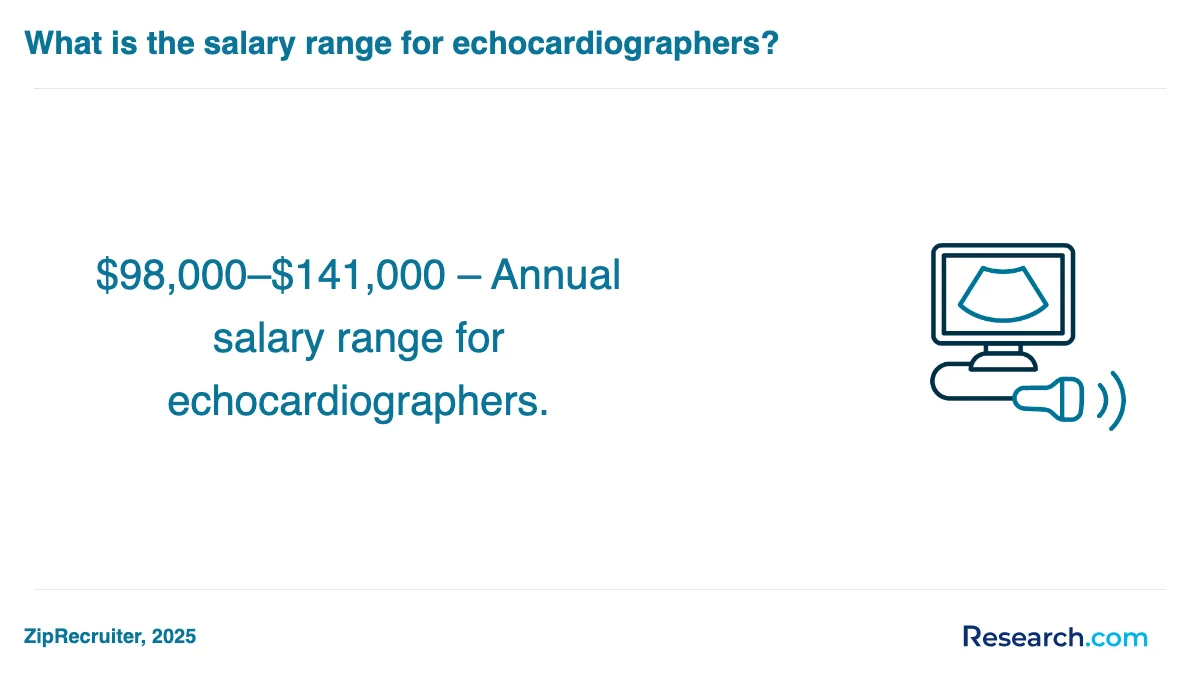
Graduates from medical sonographer trade school programs in Phoenix have plenty of exciting career options right in their backyard. Many quickly jump into roles like sonographer, diagnostic medical sonographer, or ultrasound technologist, working in hospitals, busy physicians' offices, or imaging centers across the city. Popular trade schools here prepare students with hands-on experiences that make stepping into these jobs smooth and rewarding.
For those thinking about career advancement for sonographers in Phoenix, specializing can open doors. You might find graduates choosing paths such as:
- Cardiac sonography, helping diagnose heart issues.
- Vascular technology, focusing on blood vessels and circulation.
- Obstetric and gynecologic sonography, supporting women's health and prenatal care.
- Musculoskeletal or abdominal imaging for a more targeted field.
Experienced sonographers often grow into senior roles or become clinical instructors, sharing their knowledge with new students. Plus, many explore further education or administrative roles to lead departments. With over 70 active job openings locally and competitive pay, these medical sonographer jobs in Phoenix Arizona offer great potential. To explore different radiology jobs too, grads have plenty of paths worth considering.
The job market for medical sonographer trade school graduates in Phoenix is thriving, offering plenty of opportunities across hospitals, clinics, and specialty imaging centers. Many graduates from popular Phoenix trade schools share how quickly they landed roles due to the city's strong demand. Employers like Banner Health and CommonSpirit Health regularly seek skilled sonographers, especially in areas like OB/GYN and vascular imaging.
Here's what makes the Phoenix diagnostic medical sonographer salary and outlook so appealing:
- Entry-level positions are commonly available, welcoming fresh graduates with supportive teams.
- Hourly pay ranges between $31 and $64, with some PRN roles reaching about $51 per hour.
- Travel sonographer assignments can earn around $2,522 weekly, showing diverse work options.
Graduates often appreciate the city's balance of competitive compensation and work-life flexibility. If you're considering training locally, checking out the top online sonography associate's programs can be a great start to stay flexible while preparing for this vibrant job market focused on medical sonographer job opportunities in Phoenix.
Most Affordable Diagnostic Medical Sonographer Schools & Training - Budget-Friendly Sonography Trade Programs in Phoenix for 2026
# 1 position
GateWay Community College - Diagnostic Medical Sonography/Sonographer and Ultrasound Technician.
associateThe Diagnostic Medical Sonography/Sonographer and Ultrasound Technician program at GateWay Community College offers a hybrid format combining in-person and distance education. The program prepares students to use medical ultrasound for diagnosing various conditions, covering patient care, sonographic data processing, and equipment operation. Accredited by the Higher Learning Commission, the program charges an annual in-state tuition of $2,358. Graduates earn a median salary of $63,579 one year after completion.
# 2 position
GateWay Community College - Diagnostic Medical Sonography/Sonographer and Ultrasound Technician.
certificate or diplomaGateWay Community College offers a Diagnostic Medical Sonography/Sonographer and Ultrasound Technician program with a hybrid format, including some distance education options. The program prepares students to use medical ultrasound techniques for diagnosing various conditions under physician supervision. Tuition for in-state students is $2,358 annually. Graduates earn a median salary of $63,579 one year after completion. The program is accredited by the Higher Learning Commission.
# 3 position
Pima Medical Institute-Phoenix - Diagnostic Medical Sonography/Sonographer and Ultrasound Technician.
associateThe Diagnostic Medical Sonography/Sonographer and Ultrasound Technician program at Pima Medical Institute-Phoenix offers a hybrid format with some distance-education options. It trains students to perform medical ultrasound techniques under physician supervision, including patient care, data recording, and sonography equipment operation. The program is accredited by the Accrediting Bureau of Health Education Schools. Graduates have a median earning of $56,805 one year after completion.
Frequently Asked Questions about medical sonographer
After completing a medical sonographer trade school in Phoenix, preparing for the job market involves several key steps. First, obtaining certification from the American Registry for Diagnostic Medical Sonography (ARDMS) significantly improves employment prospects. Arizona employers often prefer or require this credential, which demonstrates professional competence.
Networking is also crucial; joining local healthcare associations and attending job fairs in Phoenix can connect graduates with potential employers. According to the U.S. Bureau of Labor Statistics, the Phoenix metropolitan area expects a 14% growth in sonographer jobs through 2031, reflecting strong demand.
Additionally, gaining clinical experience through internships or externships during training enhances practical skills and resumes. Finally, tailoring resumes to highlight specialized skills and staying updated on the latest sonography technologies can boost hiring chances in Phoenix's competitive healthcare market.
Employers in Phoenix highly value medical sonographer graduates who demonstrate strong technical skills in operating ultrasound equipment accurately and safely. Proficiency in anatomy and physiology is essential for producing clear, diagnostic-quality images. According to the U.S. Bureau of Labor Statistics, attention to detail and critical thinking are among the top soft skills sought in this field nationally, which also applies locally in Phoenix healthcare facilities.
Communication skills are important, as sonographers must explain procedures and collaborate effectively with patients and medical teams. Familiarity with electronic health records (EHR) systems is increasingly requested due to digital recordkeeping trends in Arizona hospitals and clinics.
Finding internships in Phoenix relevant to medical sonographer trade school programs involves several strategic steps. First, students should connect with their school's career services office, which often maintains relationships with local hospitals and imaging centers. Facilities such as Banner Health and HonorHealth, major healthcare providers in Phoenix, frequently offer internship opportunities for sonography students.
Additionally, the American Registry for Diagnostic Medical Sonography (ARDMS) website provides resources and guidance for finding clinical placements. According to the Arizona Sonographers Association, internships typically last 6 to 12 months and are essential for certification eligibility.
Students can also explore listings on local job boards and healthcare networks specific to Phoenix to identify openings early. Networking with professionals at industry events can further increase chances of securing a quality internship.
Obtaining a medical sonographer trade school diploma in Phoenix significantly enhances career mobility and advancement opportunities. Graduates gain practical skills and certification eligibility, which are essential for employment in local hospitals and diagnostic centers. According to the Bureau of Labor Statistics, the Phoenix metropolitan area shows a projected 18% growth in sonography jobs through 2030, outpacing the national average.
Trade school diplomas often lead to entry-level positions with competitive starting salaries, typically ranging from $55,000 to $65,000 annually in Phoenix. This credential also supports upward mobility into specialized sonography fields or supervisory roles.
Local employers value hands-on training, making trade school graduates attractive candidates for rapid career progression.
Students enrolled in medical sonographer trade schools in Phoenix often seek part-time jobs that enhance their clinical skills and knowledge. Positions such as ultrasound technician assistants or medical imaging aides in local hospitals and diagnostic centers provide hands-on experience with imaging technology. According to the U.S. Bureau of Labor Statistics, Phoenix's healthcare sector continues to grow, creating ample opportunities in outpatient care and specialty clinics.
Other relevant roles include patient care technician or medical office assistant, which help develop patient communication and administrative skills. These jobs typically offer flexible hours to accommodate class schedules. Gaining experience in these areas can improve employability after graduation.
To choose the most affordable medical sonographer degree program near me, especially near Phoenix, AZ, start by researching local community colleges and universities that offer accredited programs in diagnostic medical sonography. Consider contacting admissions offices to get detailed information on tuition fees, financial aid opportunities, and scholarship options. Research.com can be a helpful resource in evaluating program affordability and quality to ensure you're getting the best value for your education.
- Most Affordable Diagnostic Medical Sonographer Schools & Training - Budget-Friendly Sonography Trade Programs in Houston for 2026
- Most Affordable Diagnostic Medical Sonographer Schools & Training - Budget-Friendly Sonography Trade Programs in Omaha for 2026
- Most Affordable Diagnostic Medical Sonographer Schools & Training - Budget-Friendly Sonography Trade Programs in Springfield for 2026
- Diagnostic Sonographer Salary in Phoenix, AZ (August 01, 2025) | Salary.com https://www.salary.com/research/salary/hiring/diagnostic-sonographer-salary/phoenix-az
- Registered Diagnostic Medical Sonographer (rdms) in Phoenix, AZ Salary - August 2025 https://www.comparably.com/salaries/salaries-for-registered-diagnostic-medical-sonographer-(rdms)-in-phoenix-az
- Sonography Student Clinical Training https://www.ultrasoundschoolsinfo.com/student-clinical-training/
- Medical Sonography Student Resources https://www.accreditedschoolsonline.org/healthcare/ultrasound-technician/resources/
- How To Become A Sonographer - ARDMS https://www.ardms.org/how-to-become-a-sonographer/
- Scholars - Focused Ultrasound Foundation https://www.fusfoundation.org/the-foundation/programs/scholars/
- Diagnostic Medical Sonographer - Explore Healthcare Careers - Mayo Clinic College of Medicine & Science https://college.mayo.edu/academics/explore-health-care-careers/careers-a-z/diagnostic-medical-sonographer/
- School of Diagnostic Medical Sonography at Northwell Health - Center for Learning and Innovation | Northwell Health https://professionals.northwell.edu/professional-development/center-for-learning-innovation/programs-services/school-of-diagnostic-medical-sonography-at-northwell-health
- Diagnostic Medical Sonography https://www.sait.ca/programs-and-courses/diplomas/diagnostic-medical-sonography
- Medical Sonography | Wake Tech https://www.waketech.edu/programs-courses/credit/sonography