
Best Diagnostic Medical Sonographer Training Programs & Trade Schools - Top Sonography Schools in Pennsylvania for 2026

Co-Founder and Chief Data Scientist
Choosing the right medical sonographer trade school in Pennsylvania can shape your future career. This article presents a carefully crafted ranking of medical sonographer trade school programs, developed by the Research.com team of data scientists. Their work helps students like you identify the best programs worth considering.
Getting a diploma or certification in medical sonography opens doors to rewarding healthcare opportunities. Reading this guide will give you confidence and clarity in making an informed decision for your education and career path.
Key benefits of finishing medical sonographer trade school in Pennsylvania
- Graduates from medical sonographer trade schools in Pennsylvania can expect an average hourly wage of around $40.63, with annual salaries near $84,900, offering strong earning potential early in their careers.
- Career paths include working in hospitals, outpatient clinics, or specialty practices, with opportunities to advance by gaining certifications, as shown by graduates from popular Pennsylvania trade schools.
- Completing a medical sonographer program online provides flexibility and convenience, allowing students to balance work and study effectively, as many online graduates from reputable Pennsylvania schools report positive outcomes.
- Best Diagnostic Medical Sonographer Training Programs & Trade Schools - Top Sonography Schools in Pennsylvania for 2026
- What can I expect from medical sonographer trade schools in Pennsylvania?
- Where can I work after finishing medical sonographer trade schools in Pennsylvania?
What can I expect from medical sonographer trade schools in Pennsylvania?
Enrolling in a medical sonographer trade school program in Pennsylvania means immersing yourself in a demanding yet rewarding journey. Graduates from schools like the Community College of Allegheny County describe a blend of rigorous classroom lessons and hands-on labs where they mastered ultrasound physics and patient care. Expect to spend two to three years learning how to operate advanced ultrasound machines and interpret diagnostic images with precision.
Clinical internships set Pennsylvania programs apart, placing students in real hospitals and clinics across cities like Philadelphia and Pittsburgh. These experiences, supervised by seasoned sonographers, build confidence and professional skills in a way no textbook can. Many students appreciate the chance to specialize in areas such as cardiac or vascular sonography, tailoring their education to their passions.
Beyond technical skills, students feel a strong sense of purpose as they prepare to impact patient care meaningfully. The program's structure ensures you graduate ready to tackle certification exams and enter a field with growing demand and promising career prospects.
Where can I work after finishing medical sonographer trade schools in Pennsylvania?
After finishing a medical sonographer trade school program in Pennsylvania, graduates find themselves stepping into a world of diverse opportunities. Many begin their careers in bustling hospitals across Philadelphia or Pittsburgh, where they contribute to cardiology or obstetrics departments. Imagine starting your day assisting in advanced imaging while surrounded by experienced professionals-this is a common reality for graduates from well-known Pennsylvania trade schools.
Others discover fulfilling roles in community clinics or private practices, performing routine ultrasound exams that make a tangible difference in patients' lives. Some graduates share how working in outpatient facilities offers them flexible schedules and a chance to build close patient relationships. Travel sonographer positions also excite many, providing the thrill of new environments and competitive pay ranging from $2,850 to $3,100 weekly.
Whether employed by Penn Medicine or smaller specialized centers, graduates often praise the supportive benefits packages and sign-on bonuses up to $10,000, making their transition from student to professional both rewarding and secure.
After finishing a medical sonographer trade school program in Pennsylvania, many graduates feel a sense of accomplishment when they see their first paychecks. Typically, entry-level hourly wages start around $33.75, but it's common for those fresh out of schools like the Pennsylvania Institute of Health Sciences or the Allied Health Academy to earn closer to $35 per hour. This translates to an annual salary near $70,000, which is a strong start compared to other allied health roles.
With growing experience, these graduates often share excitement about crossing the average wage threshold of about $40.63 per hour, or roughly $84,500 annually. This boost reflects the value of hands-on skills and certifications gained through their trade school training.
Many alumni recall how, after a few years, they saw offers climbing above $50 per hour, especially when working in specialized clinics or urban centers. The potential for wage growth is real and attainable, making the investment in a Pennsylvania medical sonographer trade program feel rewarding and worthwhile.
- Most programs require a high school diploma or GED and prerequisite courses in biology, anatomy, and math with grades of "C" or better.
- Programs typically offer an Associate of Science or Applied Science degree in Diagnostic Medical Sonography, requiring about 64-70 credit hours of classroom and clinical training.
- Tuition for associate degree programs in Pennsylvania ranges from $10,000 to $25,000 for in-state students, with extra costs for books and clinical fees.
- Applicants must usually submit transcripts, pass background checks, child abuse clearances, and sometimes drug screenings due to clinical requirements.
- Medical sonographers in Pennsylvania earn an average salary of around $77,000 annually, with entry-level jobs starting near $60,000 and experienced roles exceeding $90,000.
Completing a medical sonographer trade school program in Pennsylvania typically takes between 18 to 24 months, depending on the school and the intensity of the curriculum. Graduates from well-known Pennsylvania trade schools often describe the timeframe as both challenging and rewarding, noting how the condensed schedule pushes them to quickly master hands-on skills alongside theoretical knowledge.
For example, students at popular institutions in Philadelphia and Pittsburgh find themselves immersed in fast-paced clinical rotations early on, which accelerates their learning and confidence. Many graduates recall feeling a growing sense of accomplishment as they progressed through each semester, appreciating how the program's structure prepares them to enter the workforce swiftly without sacrificing quality.
Choosing a trade school in Pennsylvania means balancing the desire to complete training promptly with the need for robust, practical experience. Those who embrace the intensity often find themselves ready to start their careers sooner than expected, making the typical 18- to 24-month duration feel like an investment that pays off quickly in real-world opportunities.
The core difference between online and on-campus medical sonographer trade school programs in Pennsylvania lies in the setting of instruction and hands-on training. Graduates from on-campus programs at places like Community College of Allegheny County often describe the energizing atmosphere of face-to-face labs, where immediate feedback and teamwork with peers sharpen their skills using real ultrasound machines. This in-person interaction builds confidence early on and creates a strong support network.
Meanwhile, students pursuing online or hybrid programs appreciate the flexibility to balance work and family while completing theoretical coursework remotely. However, they still must arrange in-person clinical rotations at approved sites, ensuring they gain essential hands-on experience just like their on-campus peers. Many find this blend of self-paced study and real-world practice empowering but acknowledge it requires strong self-discipline and initiative.
Regardless of the path, Pennsylvania's accredited programs, including those at Crozer-Chester Medical Center and Great Lakes Institute of Technology, emphasize rigorous clinical training to meet certification standards, making hands-on learning a non-negotiable element in every student's journey.
The average tuition fees for sonography programs in Pennsylvania vary widely depending on the type of credential pursued and the institution attended. Certificate programs tend to fall between $5,000 and $15,000, making them an accessible option for many aspiring sonographers. However, for those seeking a more comprehensive education, associate degree programs typically range from $15,000 to $30,000. For example, graduates from the Community College of Allegheny County recall paying about $116 per credit hour, which sums up to roughly $22,680 for their associate degree. This real-life example highlights the tangible cost considerations future students may face when choosing their path.
Yet, tuition alone doesn't capture the total expenses for diagnostic medical sonography education in Pennsylvania. Additional costs, such as books, supplies, and clinical uniforms, can add $10,000 to $20,000 per year. Graduates from Lackawanna College, where tuition runs around $535 per credit hour, often share how budgeting for these extra necessities was critical to their experience. For many, managing these costs evokes a mixture of challenge and accomplishment, making the investment feel both substantial and worthwhile.
Financial aid options, including federal and state grants, scholarships, loans, and work-study programs, provide essential support to ease these expenses. Those interested might also explore various 2 year medical degrees that allow efficient completion of sonography training while balancing costs. Such pathways have enabled many Pennsylvania students to confidently step into rewarding careers in medical sonography without overwhelming financial burden.
Medical sonographer trade school students in Pennsylvania often find financial aid opportunities essential to managing their education costs. Graduates from schools like the Pennsylvania Institute of Technology recall how federal aid, such as the Pell Grant-offering up to $6,895-and the Federal Supplemental Educational Opportunity Grant (FSEOG), helped ease their financial burden. Completing the FAFSA early was a game-changer for many, unlocking these funds without the worry of repayment if academic progress was maintained.
State-specific aid through the Pennsylvania Higher Education Assistance Agency (PHEAA) also plays a crucial role. Students at popular trade schools frequently tap into need-based grants and scholarships tailored for Pennsylvania residents pursuing healthcare careers, making their dreams more attainable.
Institutional scholarships and work-study options provide additional relief, with schools often offering personalized support through financial aid offices. Some students also benefit from scholarships through organizations like the Society of Diagnostic Medical Sonography, which rewards dedication with awards up to $2,500.
For those already working in healthcare, employer tuition reimbursement is another hopeful avenue, although less common at the trade school level. These combined resources create a real sense of possibility for aspiring sonographers across the state.
To enroll in a medical sonographer trade school program in Pennsylvania, applicants must meet several key prerequisites that set the foundation for success in this hands-on field. Graduates from well-known Pennsylvania trade schools often recall the initial challenge of proving their academic readiness and passion for healthcare.
Common prerequisites include:
- Completion of a high school diploma or GED, demonstrating baseline educational achievement.
- Strong background in biology and anatomy, often evidenced by prerequisite coursework or placement tests.
- Basic proficiency in math and physics, since understanding sound waves and imaging technologies is crucial.
- Health screenings and immunizations, reflecting the real-world patient care environment students will encounter.
- Sometimes, prior healthcare experience or volunteer work is encouraged to show commitment and familiarity with clinical settings.
For many students, these requirements initially seem daunting but quickly become motivating milestones. One graduate from a Pittsburgh trade school shared how meeting these criteria sparked excitement about entering a program where science meets compassion. The clarity of these prerequisites helps students focus their energy, knowing they're preparing to join a profession that demands both skill and empathy.
Medical sonographer trade school programs in Pennsylvania immerse students in courses that blend technical knowledge with real-world application. Graduates from schools like Bucks County Community College often recount how mastering human anatomy and physiology made interpreting ultrasound images feel intuitive, turning complex structures into a clear map of the body.
Core courses typically include:
- Sonographic terminology and physics of acoustics, which demystify how sound waves create diagnostic images.
- Sonographic tissue characterization and pathology, essential for distinguishing healthy from abnormal tissues.
- Patient care and clinical professionalism, preparing students to confidently engage with patients and navigate healthcare settings.
Specialized tracks such as abdomen-extended sonography, OB/GYN, vascular sonography, and adult cardiac sonography are offered at schools like Northampton Community College, allowing students to tailor their skills toward their passion. Hands-on clinical practicums in local hospitals provide the invaluable experience of performing scans under supervision, turning classroom theory into confident practice.
For many, these courses are not just academic requirements but transformative experiences that build both competence and compassion, equipping graduates to excel in Pennsylvania's demanding healthcare environment.
Medical sonographer trade school programs in Pennsylvania frequently offer a range of specializations designed to match various career ambitions. Graduates often reflect on the excitement of choosing a path that closely fits their passion, whether it be Diagnostic Medical Sonography specializations in Pennsylvania or more niche areas. Programs at schools like Lackawanna College enable students to focus on Diagnostic Medical Sonography, Vascular Sonography, or Cardiac Sonography, blending rigorous coursework with real-world ultrasound physics and abdominal sonography practice.
Ultrasound technician program specializations in Pennsylvania also extend to Obstetric and Gynecologic Sonography, Neurosonography, and Small Parts Sonography. These options empower students to tailor their training to diagnostics roles in hospitals, clinics, or imaging centers, fueling careers where patient care and technology intersect.
- Diagnostic Medical Sonography
- Vascular Sonography
- Cardiac Sonography
- Obstetric and Gynecologic Sonography
- Abdominal Sonography
- Neurosonography
- Small Parts Sonography
Many students appreciate how the curriculum at Pennsylvania institutions like the Pennsylvania College of Health Sciences integrates these specializations with hands-on experiences in vascular and superficial structures sonography, providing confidence for diverse job settings. For anyone weighing options in this field, exploring diagnostic medical sonography university programs can illuminate essential pathways and inspire the next step toward a fulfilling career.
Choosing among the best medical sonographer programs in Pennsylvania means prioritizing accreditation and robust clinical experience. Graduates from institutions like the Pennsylvania Institute of Technology often highlight the confidence gained from CAAHEP-accredited curricula and hands-on training in diverse settings. Such real-world practice, exemplified by programs offering 1,600 clinical hours, prepares students for national board certification and the daily realities of sonography work.
Flexibility matters too. Many students juggling work and study find Misericordia University's hybrid model appealing, with weekend on-campus sessions and online coursework that fit busy lives. The top-rated ultrasound technician schools in Pennsylvania recognize these needs, offering schedules that don't sacrifice educational quality.
Beyond academics, consider tuition and career outcomes. Graduates find value when programs provide transparent costs and strong local healthcare connections, expanding employment pathways. To better understand what jobs can you get with a radiology degree, investigating these factors ensures your choice supports both your education and long-term goals.
Graduates of medical sonographer trade school programs in Pennsylvania step into a world rich with diverse professional opportunities, far beyond the typical clinical roles. Many find rewarding positions as diagnostic medical sonographers in hospitals, outpatient clinics, and physician offices, honing their skills in obstetrics, vascular, or cardiac imaging. These jobs deliver daily satisfaction through helping patients and supporting physicians with critical insights.
Others explore specialization paths to deepen their expertise in abdominal or gynecologic sonography, expanding their career possibilities. Popular Pennsylvania trade schools emphasize such tracks, empowering students to customize their education.
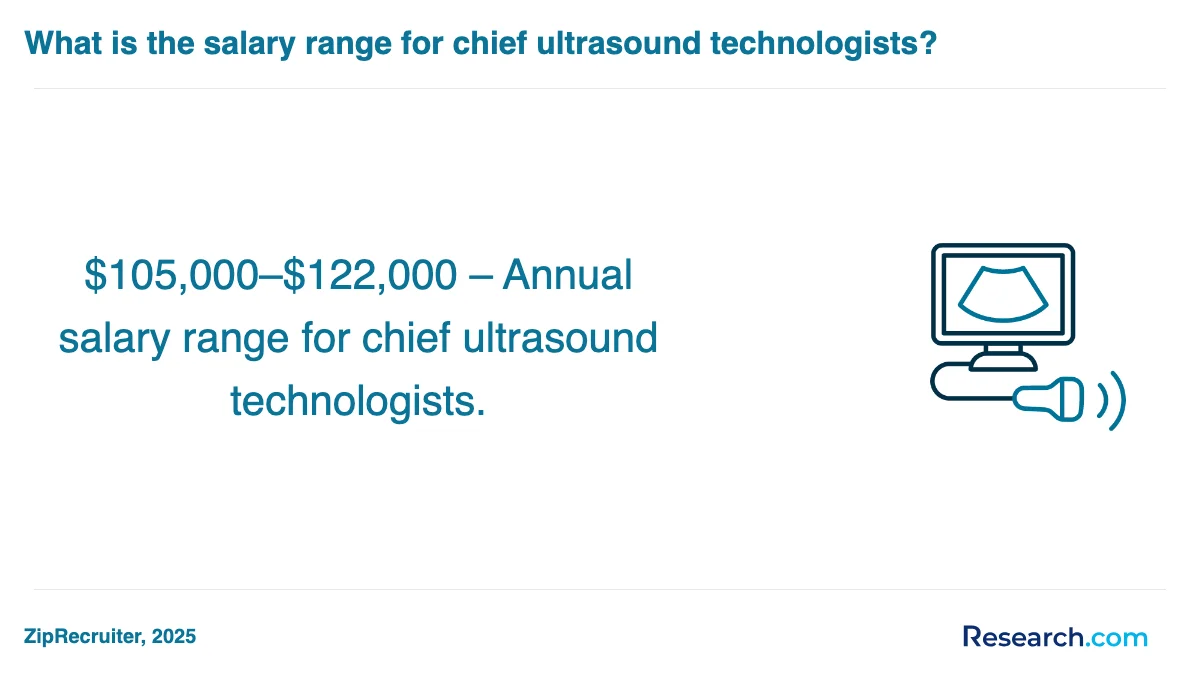
Many graduates also pursue leadership roles-becoming lead sonographers, supervisors, or educators-drawing on hands-on experience to inspire teams and shape instructional programs. Some channel their clinical skills into equipment sales or application specialist roles, such as those offered by ultrasound technology vendors, where they combine technical knowledge with real-world insights to guide healthcare providers.
For those aiming higher, medical sonographer jobs in Pennsylvania can be a springboard toward advanced healthcare roles like physician assistant or nurse practitioner, though these require additional schooling and credentials.
To accelerate your entry into such dynamic career paths, consider enrolling in an accelerated sonography program that many Pennsylvania schools offer, enabling quick transition from student to valued healthcare professional.
The medical sonographer job outlook in Pennsylvania is exceptionally promising, especially for graduates of local trade schools with accredited programs. Those who complete hands-on clinical training and earn ARDMS certification find themselves in high demand across hospitals, imaging centers, and outpatient clinics throughout the state. Graduates often share that they secured positions quickly, particularly in metropolitan hubs like Philadelphia and Pittsburgh, where ultrasound technician demand in Pennsylvania remains strong.
Job opportunities frequently include:
- Competitive salaries, with average annual earnings around $110,337 or $53.05 hourly.
- Specialized roles in areas such as vascular or obstetric sonography, which can command higher pay.
- Temporary travel sonographer assignments offering weekly wages near $2,339.
- Hiring incentives, including sign-on bonuses up to $10,000.
Many graduates from popular trade schools emphasize how their preparation gave them confidence to excel in diverse medical settings. For those exploring future career paths, programs featuring accredited curricula and clinical practicums stand out. Students researching options can find quality choices for ultrasound tech school online, expanding accessibility while meeting employer expectations.
Best Diagnostic Medical Sonographer Training Programs & Trade Schools - Top Sonography Schools in Pennsylvania for 2026
# 1 position
Bucks County Community College - Diagnostic Medical Sonography/Sonographer and Ultrasound Technician.
associateThe Diagnostic Medical Sonography/Sonographer and Ultrasound Technician program at Bucks County Community College offers a hybrid format with some distance-education options. It trains students to use medical ultrasound techniques for diagnostic purposes under physician supervision. The program covers patient care, sonographic data processing, and professional ethics. Annual in-state tuition is $5,021. Graduates have a median earning of $63,565 one year after completion. The program is accredited by the Middle States Commission on Higher Education.
# 2 position
South Hills School of Business & Technology - Diagnostic Medical Sonography/Sonographer and Ultrasound Technician.
associateThe Diagnostic Medical Sonography/Sonographer and Ultrasound Technician program at South Hills School of Business & Technology offers a hybrid format with some distance education options. The program trains students to use medical ultrasound techniques for diagnostic purposes under physician supervision. It covers sonographic data processing, patient care, equipment operation, and professional ethics. Annual in-state tuition is $19,208. Median earnings one year after completion are $47,900.9. It is accredited by the Accrediting Commission of Career Schools and Colleges.
# 3 position
South Hills School of Business & Technology - Diagnostic Medical Sonography/Sonographer and Ultrasound Technician.
certificate or diplomaThe Diagnostic Medical Sonography/Sonographer and Ultrasound Technician program at South Hills School of Business & Technology offers a hybrid format with some distance-education options. It trains students to perform medical ultrasound techniques under physician supervision, covering patient care, sonographic data processing, and professional ethics. The program’s annual in-state tuition is $19,208. Graduates have median earnings of $47,900.90 one year after completion. It is accredited by the Accrediting Commission of Career Schools and Colleges.
# 4 position
Community College of Allegheny County - Diagnostic Medical Sonography/Sonographer and Ultrasound Technician.
associateThe Diagnostic Medical Sonography/Sonographer and Ultrasound Technician program at Community College of Allegheny County is a hybrid course that trains students to use ultrasound technology under physician supervision. It covers patient care, sonographic data processing, and professional ethics. The program's annual in-state tuition is $4,842. Graduates have median earnings of $55,599 one year after completion. The program is accredited by the Middle States Commission on Higher Education.
# 5 position
Harrisburg Area Community College - Diagnostic Medical Sonography/Sonographer and Ultrasound Technician.
associateHarrisburg Area Community College offers a Diagnostic Medical Sonography/Sonographer and Ultrasound Technician program with a hybrid format, including some distance education options. The program prepares students to use medical ultrasound techniques for diagnosing various conditions under physician supervision. Coursework covers patient care, data collection, sonography equipment operation, and professional ethics. Annual in-state tuition is $7,373. Graduates earn a median salary of $62,227 one year after completion. The program is accredited by the Middle States Commission on Higher Education.
# 6 position
Northampton County Area Community College - Diagnostic Medical Sonography/Sonographer and Ultrasound Technician.
associateNorthampton County Area Community College offers a hybrid Diagnostic Medical Sonography/Sonographer and Ultrasound Technician program that trains students to use ultrasound techniques for diagnosing medical conditions. The curriculum covers patient care, data collection, sonography equipment operation, and professional ethics. Annual in-state tuition is $5,310. Graduates earn a median salary of $54,892 one year after completion. The program is accredited by the Middle States Commission on Higher Education.
# 7 position
Lackawanna College - Diagnostic Medical Sonography/Sonographer and Ultrasound Technician.
associateLackawanna College offers a hybrid Diagnostic Medical Sonography/Sonographer and Ultrasound Technician program designed to train students in medical ultrasound techniques for diagnosing various conditions. The curriculum includes patient care, sonographic data processing, and equipment operation under physician supervision. Annual in-state tuition is $17,950. Graduates earn a median salary of $65,584 one year after completion. The program is accredited by the Middle States Commission on Higher Education.
# 8 position
Pennsylvania College of Health Sciences - Diagnostic Medical Sonography/Sonographer and Ultrasound Technician.
associateThe Diagnostic Medical Sonography/Sonographer and Ultrasound Technician program at Pennsylvania College of Health Sciences is a hybrid program offering some distance-education options. It trains students to use medical ultrasound techniques for diagnosing various conditions under physician supervision. The curriculum covers patient care, data recording, sonographic data processing, and professional ethics. Annual in-state tuition is $31,866, and median earnings one year after completion are $63,990.
# 9 position
Mount Aloysius College - Diagnostic Medical Sonography/Sonographer and Ultrasound Technician.
associateMount Aloysius College offers a hybrid Diagnostic Medical Sonography/Sonographer and Ultrasound Technician program that trains students to use medical ultrasound techniques for diagnostic purposes under physician supervision. The program covers patient care, sonographic data collection, equipment operation, and professional ethics. Annual in-state tuition is $26,156, and median earnings one year after completion reach $50,138. It is accredited by the Middle States Commission on Higher Education.
# 10 position
Great Lakes Institute of Technology - Diagnostic Medical Sonography/Sonographer and Ultrasound Technician.
associateThe Diagnostic Medical Sonography/Sonographer and Ultrasound Technician program at Great Lakes Institute of Technology offers a hybrid learning format. It trains students to use medical ultrasound techniques under physician supervision for diagnostic purposes. The curriculum covers patient history review, sonographic data collection, equipment operation, and professional ethics. Graduates have a median earning of $45,373 one year after completion. The program is accredited by the Accrediting Commission of Career Schools and Colleges.
Frequently Asked Questions about medical sonographer
After completing a medical sonographer trade school in Pennsylvania, it is essential to focus on certification and practical experience to improve job prospects. Most employers require the American Registry for Diagnostic Medical Sonography (ARDMS) certification, which validates your skills and knowledge.
Gaining clinical experience through internships or externships offered by your school is crucial. Pennsylvania's healthcare sector is growing, with the Bureau of Labor Statistics projecting a 14% increase in diagnostic medical sonographer jobs statewide from 2022 to 2032.
Networking and attending local professional events, such as those by the Pennsylvania Society of Radiologic Technologists, can also help connect graduates with employers.
Employers in Pennsylvania seek several key skills in graduates of medical sonographer trade schools. Technical proficiency with ultrasound equipment is essential, as sonographers must accurately capture and interpret diagnostic images. According to the Pennsylvania Department of Labor & Industry, strong attention to detail and critical thinking are highly valued due to the precision required in medical imaging.
Effective communication skills are also important. Sonographers often explain procedures to patients and collaborate with physicians, so clear, empathetic interaction is crucial. Additionally, knowledge of anatomy and physiology forms the foundation of the profession, enabling sonographers to identify abnormalities correctly.
Finally, adaptability and continual learning are necessary, as medical technology evolves rapidly. Employers prioritize graduates who demonstrate these abilities alongside formal certification, such as credentials from the American Registry for Diagnostic Medical Sonography (ARDMS).
Finding internships in Pennsylvania for medical sonographer trade school students involves several practical steps. First, contact the career services or internship offices at your trade school, as many have partnerships with local hospitals and imaging centers. According to the Pennsylvania Society of Radiologic Technologists, clinical internships are a required part of sonography programs, often arranged by the schools themselves.
Additionally, explore healthcare facilities in major cities like Philadelphia and Pittsburgh, where demand for sonographers is higher. Websites such as the Pennsylvania Department of Labor & Industry provide listings of healthcare internships and job openings. Networking through professional organizations like the American Registry for Diagnostic Medical Sonography (ARDMS) can also lead to valuable internship opportunities.
Obtaining a medical sonographer diploma from a trade school in Pennsylvania significantly enhances career mobility and advancement opportunities. The Pennsylvania Department of Labor and Industry reports that diagnostic medical sonographers in the state enjoy a projected job growth rate of 14% from 2020 to 2030, faster than the national average. Completing a diploma program provides graduates with essential hands-on skills and clinical experience, making them competitive candidates for entry-level positions.
Additionally, many employers in Pennsylvania prefer hiring graduates from accredited sonography programs, which can lead to higher starting salaries and quicker promotion paths. Certification through organizations such as the American Registry for Diagnostic Medical Sonography (ARDMS) is often facilitated by trade school training, further boosting professional credibility and job prospects.
Networking opportunities within these programs also connect students with local healthcare providers, improving employment chances. Overall, a diploma from a Pennsylvania trade school serves as a strong foundation for long-term career growth in medical sonography.
Part-time job opportunities in Pennsylvania that complement medical sonographer trade school education often include roles in healthcare settings such as hospitals, clinics, and imaging centers. Positions like ultrasound technician assistants or medical imaging aides provide practical exposure to sonography equipment and patient care protocols. These roles help build relevant skills and strengthen resumes.
According to the Pennsylvania Department of Labor & Industry, the healthcare sector continues to grow, with sonography-related jobs expected to rise by 17% through 2030, indicating increasing demand for trained professionals.
Additionally, some students find part-time work in medical records or patient scheduling departments, which enhances their understanding of clinical workflows important to sonographers.
To choose the best medical sonographer degree program near you in Pennsylvania, consider factors such as accreditation, program curriculum, clinical training opportunities, and faculty expertise. Research whether there are state or local programs near Pennsylvania by visiting Research.com to compare different institutions based on these criteria. Additionally, reach out to alumni or current students from programs "near me" to gain insight into their experiences and to determine which program aligns best with your career goals.
- Best Diagnostic Medical Sonographer Training Programs & Trade Schools - Top Sonography Schools in New Jersey for 2026
- Best Diagnostic Medical Sonographer Training Programs & Trade Schools - Top Sonography Schools in Maryland for 2026
- Best Diagnostic Medical Sonographer Training Programs & Trade Schools - Top Sonography Schools in New York for 2026
- Best Diagnostic Medical Sonographer Training Programs & Trade Schools - Top Sonography Schools in West Virginia for 2026
- Best Diagnostic Medical Sonographer Training Programs & Trade Schools - Top Sonography Schools in Ohio for 2026
- Best Diagnostic Medical Sonographer Training Programs & Trade Schools - Top Sonography Schools in Connecticut for 2026
- Best Diagnostic Medical Sonographer Training Programs & Trade Schools - Top Sonography Schools in North Carolina for 2026
- Best Diagnostic Medical Sonographer Training Programs & Trade Schools - Top Sonography Schools in South Carolina for 2026
- Best Diagnostic Medical Sonographer Training Programs & Trade Schools - Top Sonography Schools in Indiana for 2026
- Best Diagnostic Medical Sonographer Training Programs & Trade Schools - Top Sonography Schools in Maine for 2026
- Diagnostic Medical Sonography Associate Degree Program | Sonography Associate Degree | Pennsylvania Institute of Technology https://www.pit.edu/programs/associate/diagnostic-medical-sonography/
- Diagnostic Medical Sonographer https://www.hacc.edu/ProgramsandCourses/Programs/HealthCareers/Diagnostic-Medical-Sonographer.cfm
- How to Become a Medical Sonographer in Pennsylvania (2025) | Dreambound https://dreambound.com/blog/how-to-become-a-medical-sonographer-in-pennsylvania
- Associate in Diagnostic Medical Sonography | Northampton Community College https://www.northampton.edu/education-and-training/programs/diagnostic-medical-sonography.html
- Find Accredited Ultrasound Technician Schools in Pennsylvania https://www.ultrasoundschoolsinfo.com/pennsylvania/
- Diagnostic Medical Sonography Associate Degree | Saint Joseph's University https://www.sju.edu/degree-programs/associate-degree-diagnostic-medical-sonography
- Diagnostic Medical Sonography Degree & Diploma Program https://www.southhills.edu/programs/diagnostic-medical-sonography/
- Diagnostic Medical Sonographer (Ultrasound) https://www.ccac.edu/academics/programs/nursing-and-allied-health/diagnostic-medical-sonographer-ultrasound.php
- Diagnostic Medical Sonography | Bucks County Community College https://www.bucks.edu/catalog/majors/health/diagnosticmedicalsonography/
- Sonographer Salary and Job Opportunities: Is It Worth It? | Ultrasound Technician, Diagnostic Medical Sonography, Bachelor and Associate Programs - Los Angeles, Glendale, Pasadena https://amsc.edu/sonographer-salary-and-job-opportunities-is-it-worth-it/


