Best Diagnostic Medical Sonographer Training Programs & Trade Schools - Top Sonography Schools in Columbia for 2026

Co-Founder and Chief Data Scientist
Choosing the right medical sonographer trade school in Columbia can shape your future career in healthcare. This article introduces a carefully crafted ranking of medical sonographer trade school programs, developed by the Research.com team of data scientists. Their analysis helps you identify programs that truly stand out.
By exploring this guide, you’ll gain valuable insights to make an informed decision about your education. Earning a diploma or certification in this field opens doors to rewarding, stable job opportunities. Let’s explore the best options to begin your journey with confidence.
Key benefits of finishing medical sonographer trade school in Columbia
- Graduates from medical sonographer trade schools in Columbia can expect starting salaries around $35.39 per hour, with opportunities to earn up to $47.35 per hour as they gain experience.
- Career paths include roles in hospitals, clinics, or specialized fields like cardiac sonography, offering diverse and rewarding job options.
- Completing a trade school program online provides flexibility for busy students, allowing them to learn at their own pace while balancing work or family commitments.
- Best Diagnostic Medical Sonographer Training Programs & Trade Schools - Top Sonography Schools in Columbia for 2026
- What can I expect from medical sonographer trade schools in Columbia?
- Where can I work after finishing medical sonographer trade schools in Columbia?
What can I expect from medical sonographer trade schools in Columbia?
Enrolling in a medical sonographer trade school program in Columbia means stepping into a dynamic learning environment where hands-on experience is just as important as classroom knowledge. Graduates often recall the excitement of mastering ultrasound equipment during clinical rotations at local hospitals, gaining confidence by performing real patient exams under expert guidance. Programs like those at the University of Missouri combine rigorous coursework in anatomy and physics with nearly 1,600 hours of supervised clinical practice, ensuring students develop both technical skill and compassionate patient care.
Students can expect a supportive atmosphere that challenges them to sharpen critical-thinking and communication skills, essential for thriving in fast-paced healthcare settings. The journey is demanding but rewarding; many graduates celebrate their ability to work independently while collaborating with healthcare teams. With a strong reputation for high exam pass rates and full job placement, Columbia's programs inspire students to envision a meaningful career as skilled diagnostic medical sonographers, ready to make a real difference in patients' lives.
Where can I work after finishing medical sonographer trade schools in Columbia?
After finishing a medical sonographer trade school program in Columbia, graduates find a wide range of exciting career paths open to them. Many start working in hospitals or specialized clinics, where they play a vital role in patient care by performing diagnostic ultrasounds. For example, graduates from popular Columbia trade schools often join large healthcare systems like University of Missouri Health Care, contributing to teams in departments such as maternal-fetal care. This hands-on environment helps new sonographers build confidence and develop strong clinical skills.
Others choose outpatient imaging centers or physician offices, enjoying the opportunity to focus on specific imaging specialties such as vascular studies or echocardiography. Private clinics in Columbia, like Advanced Radiology, offer flexible schedules that many recent graduates appreciate as they balance work and life.
Some graduates embrace travel sonographer roles, exploring different healthcare settings while earning competitive pay around $2,286 weekly. Part-time and PRN positions also provide valuable experience and flexibility, allowing graduates to grow at their own pace in supportive environments like Boone Health.
After finishing a medical sonographer trade school program in Columbia, Missouri, many graduates find themselves stepping into a rewarding career with an average hourly wage of about $35.39, which adds up to roughly $73,621 a year working full-time. Imagine the pride of starting your day knowing your specialized skills are valued at this level in your own community.
Graduates from popular trade schools in Columbia often share how their training opened doors to even higher pay. For example, diagnostic sonographers in Missouri earn around $96,486 annually, reflecting the advanced expertise you can build on after your initial certification. Entry-level positions like Registered Diagnostic Medical Sonographer I typically start near $80,700 per year, with many moving up to $90,700 as they gain experience.
Some adventurous graduates choose travel sonographer roles, earning about $2,286 weekly, enjoying new places while significantly boosting their income. These opportunities highlight how a medical sonographer degree from a Columbia trade school can lead to both financial stability and exciting career flexibility.
- Programs typically require two years of prerequisite courses followed by two years of specialized sonography training.
- In-state tuition at the University of Missouri is about $15,922, while out-of-state students pay around $36,122, excluding extra costs like textbooks and living expenses.
- Students complete over 1,600 clinical hours in areas such as abdominal, OB/GYN, vascular, and cardiac ultrasound.
- Graduates from accredited programs can sit for national certification exams, which many employers require.
- Entry-level sonographers in Missouri earn between $47,000 and $62,000 annually, with strong job placement rates reported, including a 100% rate at Mizzou.
Completing a medical sonographer trade school program in Columbia typically takes about 18 to 24 months, a timeframe that many graduates describe as both challenging and deeply rewarding. At popular trade schools in Columbia, students immerse themselves in hands-on training and real-world clinical experiences, transforming their passion for healthcare into skilled expertise within two short years.
Many graduates share how the manageable length of the program allowed them to balance work, family, and study, fueling their motivation every step of the way. Imagine starting your mornings learning ultrasound technology in well-equipped labs and afternoons shadowing professionals in bustling clinics-this blend makes the journey exciting and fulfilling.
For those eager to step into this vital healthcare role quickly, Columbia's trade schools offer a vibrant and supportive atmosphere where students feel empowered and ready to make a difference soon after graduation. The focused curriculum and hands-on approach help students see real progress fast, inspiring confidence and a strong sense of accomplishment.
The main difference between online and on-campus medical sonographer trade school programs in Columbia lies in the learning experience. Online programs, like those at State Fair Community College, offer the freedom to study theory on your own schedule, perfect for those balancing work or family. Graduates often share how this flexibility helped them stay motivated and manage life's demands while pursuing their dream career.
However, both online and on-campus students must engage in hands-on training through labs and clinical internships, because mastering ultrasound technology requires real-world practice. On-campus programs, such as the University of Missouri-Columbia's, provide rich face-to-face interaction with instructors and peers, fostering a supportive community that many graduates say boosted their confidence and skill development.
Whether you thrive in a flexible online environment or the vibrant energy of a campus, Columbia's sonography programs prepare you with rigorous clinical experience and expert instruction, helping you step boldly into a rewarding healthcare career.
The average tuition for sonography programs in Columbia reflects both opportunity and accessibility for aspiring medical sonographers. Graduates from Southeastern College share how their comprehensive Diagnostic Medical Sonography program, with tuition and fees around $25,080, gave them hands-on experience that set a strong foundation for their careers. This investment is a stepping stone to entering a rewarding healthcare field with confidence.
If you're weighing the cost of diagnostic medical sonography programs in Columbia, it's encouraging to know public options provide excellent quality at lower tuition rates. For example, Greenville Technical College offers the same program for $10,775 for in-state students, and Horry-Georgetown Technical College charges $10,978, making sonography education more attainable for many. Students emphasize how these affordable programs still deliver vital skills and patient care practices essential for success.
Many who have pursued this path recall the excitement of mastering ultrasound techniques in classrooms and clinics, energized by their progress despite the financial commitment. While tuition and fees are a primary consideration, additional expenses like books and supplies are part of the journey, motivating students to seek scholarships and financial aid.
For those exploring options beyond Columbia, checking out accredited sonography programs online can offer flexibility and alternative learning pathways tailored to individual needs and lifestyles.
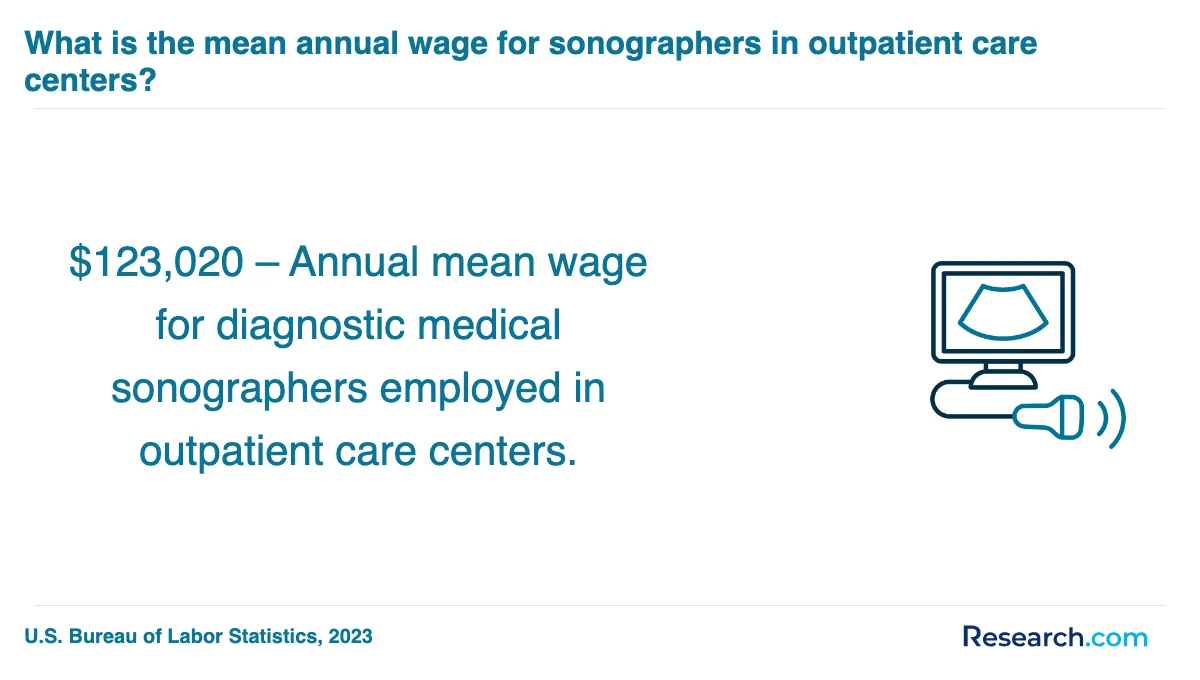
Medical sonographer students in Columbia have access to a variety of financial aid options that make pursuing their dreams more attainable. Many graduates from popular trade schools in Columbia recall how federal aid, like the Pell Grant-offering up to $6,895-was a crucial stepping stone in managing their tuition and living expenses. Completing the FAFSA opened doors to these funds, giving them confidence to focus on their studies.
State-based grants and scholarships specifically for Missouri residents also play a vital role. Students often share how these awards, combined with institutional scholarships from schools like the University of Missouri-Columbia, helped lighten their financial burden. With 85% of full-time undergraduates at the university receiving aid averaging $9,485, many found this support instrumental in turning their passion into a career.
National scholarships from organizations such as the SDMS Foundation further inspire students by rewarding academic merit and financial need, providing up to $2,500. These layered opportunities create a strong safety net, encouraging students to pursue sonography with hope and determination.
To enroll in a medical sonographer trade school program in Columbia, candidates typically need to meet a set of clear and achievable prerequisites that open the door to a rewarding career in healthcare. Most popular trade schools in Columbia expect applicants to have a high school diploma or GED, ensuring a solid foundation in basic sciences and communication skills.
Graduates often highlight how having completed coursework in biology, anatomy, or physics before starting the program made the learning curve smoother and more inspiring. Many trade schools also require:
- Proof of immunizations and a clean health record, reflecting the hands-on nature of the training
- A background check to maintain a safe clinical environment
- Basic computer literacy for managing patient records and sonography equipment
Some programs in Columbia encourage applicants to demonstrate genuine passion through a personal statement or interview, giving students a chance to express their commitment to helping others. Imagine stepping into classrooms at these trade schools, surrounded by peers who share your enthusiasm and drive, ready to support you on this exciting journey.
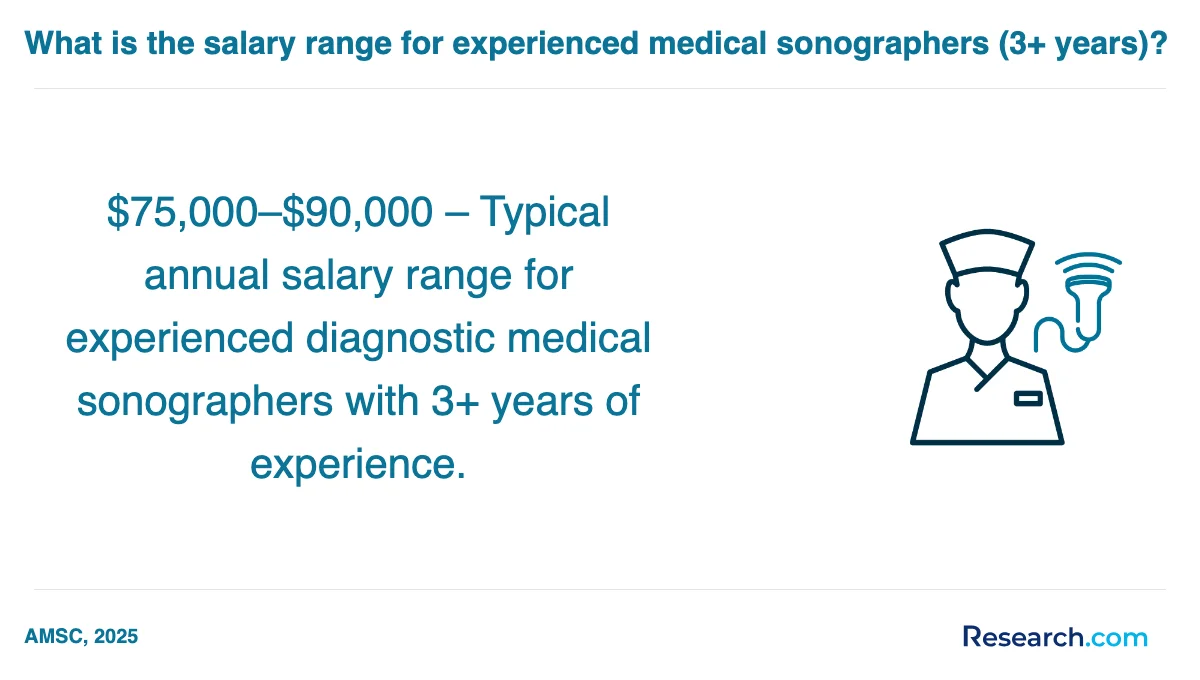
Medical sonographer trade school programs in Columbia offer a dynamic blend of courses designed to build confidence and expertise in diagnostic ultrasound. Graduates from popular schools often recall starting with foundational classes that immerse them in the principles of sonography, covering ultrasound physics, instrumentation, and compassionate patient care. This solid base sparks excitement as students realize the impact they'll have on patient health.
As they progress, students dive into specialized courses such as:
- Abdominal sonography - mastering imaging of vital organs
- Obstetrics and gynecology (OB/GYN) ultrasound - supporting moms through pregnancy
- Vascular technology - uncovering circulatory system insights
- Adult cardiac ultrasound - visualizing heart function with precision
Hands-on scanning labs at schools like Cox College provide a safe space to practice, turning theory into real skills. Clinical internships in Columbia's hospitals add thrilling real-world experience, with some programs requiring up to 1,600 hours. Graduates often share how these immersive experiences empowered them to confidently transition from student to skilled sonographer, ready to make a meaningful difference every day.
In Columbia, medical sonographer trade school programs offer dynamic specializations that inspire students to excel in vital healthcare roles. Graduates from Midlands Technical College experience the rewarding challenge of mastering General Ultrasound, building confidence through abdominal and obstetric/gynecologic diagnostics. Meanwhile, students at Orangeburg-Calhoun Technical College embrace the excitement of hybrid learning, focusing on Vascular Sonography and Cardiac Sonography (Echocardiography), gaining hands-on skills that come alive during clinical rotations.
Popular programs also nurture expertise in Obstetric and Gynecologic Sonography, where students at Virginia College develop practical skills with scanning labs and clinical externships, preparing them to support families during some of life's most profound moments. Fortis College graduates often speak of the strength gained from simulated registry exams and real-world hospital experience, making their transition to the workforce seamless and inspiring.
Medical sonographer students in Columbia can confidently pursue their passions through comprehensive training in these specializations, with many discovering their path at well-established trade schools. For those eager to explore flexible learning options, access to reputable ultrasound technician schools online complements local program choices and broadens future career horizons.
Choosing from the best sonography programs in Columbia SC means looking beyond just the classroom. Graduates of local top-rated ultrasound technician schools in Columbia SC often recall how hands-on clinical rotations at nearby hospitals transformed their confidence and skills. Selecting a program with solid accreditation assures you get recognized credentials that open doors in healthcare settings across South Carolina.
Another key factor is finding programs that align with your lifestyle-whether full-time, part-time, or hybrid models-making it easier to balance study with work or family commitments. Many students emphasize how financial aid options eased their journey, so researching tuition and scholarships is essential. Consider schools near you to minimize commute times and maximize your energy for learning.
Don't overlook the value of programs boasting strong job placement rates; Columbia graduates praise their schools for seamless employment support after training. Exploring specialized sonography tracks can deepen your expertise and boost your appeal to employers. If time is a factor, check out 2 year medical degrees that pay well as an efficient launchpad into the field.
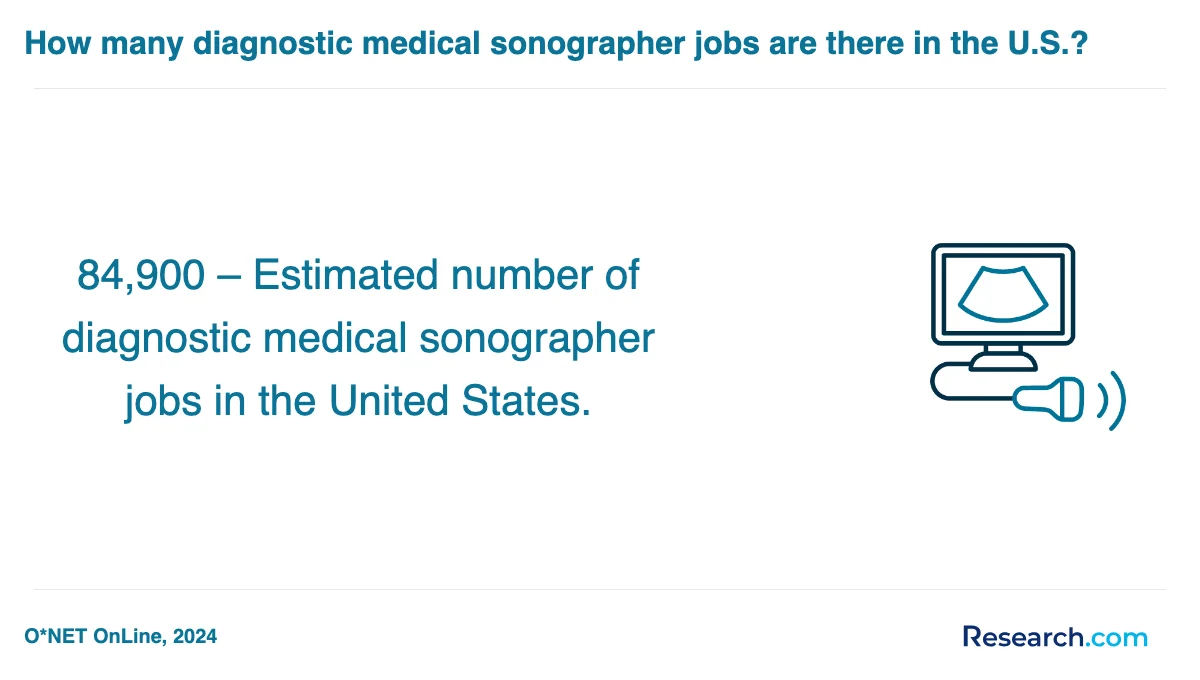
Graduates of medical sonographer trade school programs in Columbia find a wealth of exciting opportunities in healthcare, stepping confidently into roles that impact patient care every day. Many begin their journeys as diagnostic medical sonographers, mastering ultrasound technology in hospitals, clinics, and outpatient centers across Columbia. These exciting positions are perfect for those inspired by direct patient interaction and advanced imaging techniques.
Specializing can elevate your career with pathways such as:
- Abdominal sonography for detailed organ imaging
- Obstetric/gynecologic (OB/GYN) sonography focusing on maternal fetal health
- Echocardiography, capturing heart and vascular images
- Vascular technology, assessing blood flow and circulation
Graduates quickly find their skills valued in roles like Sonographer I in maternal fetal care, Registered Diagnostic Medical Sonographer (RDMS), or Mammography Technologist, with employers ranging from prominent hospitals to private imaging centers. Medical sonographer career opportunities in Columbia MO are robust, with passionate individuals sharing how trade schools in the area prepared them for rewarding, stable jobs.
For students ready to explore growth, certification exams through the ARDMS can unlock even more possibilities and higher wages. Start your radiology career in Columbia Missouri with confidence, knowing your skills will meet real healthcare needs in the community.
The medical sonographer job outlook in Columbia MO is exceptionally promising for graduates from local trade schools. Recent alumni from Columbia's top programs often find rewarding roles at prominent medical centers, including University of Missouri Health Care and Boone Health. These graduates share stories of quickly securing positions that offer both full-time and part-time flexibility, allowing for a balanced lifestyle. Opportunities are plentiful due to Columbia's thriving healthcare system, which values skilled sonographers to meet growing patient demand.
In Columbia, diagnostic medical sonographer salary Columbia Missouri is competitive, with entry-level pay typically ranging from $28.52 to $46.52 per hour. Many graduates are pleased to discover additional contract and travel assignments that boost income, sometimes earning between $2,286 and $2,590 weekly. Employers also emphasize benefits like health insurance, paid time off, and tuition reimbursement, which reflect a strong commitment to career growth.
Graduates highlight several key advantages of studying sonography in Columbia:
- Access to advanced imaging technology in hands-on training
- Supportive, collaborative work environments
- Exposure to diverse diagnostic services across hospitals and outpatient centers
For students curious about how much ultrasound tech make, visiting how much ultrasound tech make gives an insightful guide into earning potential as they consider their future in this thriving profession.
Best Diagnostic Medical Sonographer Training Programs & Trade Schools - Top Sonography Schools in Columbia for 2026
# 1 position
Howard Community College - Diagnostic Medical Sonography/Sonographer and Ultrasound Technician.
associateHoward Community College offers a Diagnostic Medical Sonography/Sonographer and Ultrasound Technician program with a hybrid format, including some distance education. The program trains students to perform medical ultrasound techniques under physician supervision, covering patient care, sonographic data processing, and professional ethics. Annual in-state tuition is $4,080. Graduates have a median earning of $72,633 one year after completion. The program is accredited by the Middle States Commission on Higher Education.
# 2 position
Howard Community College - Diagnostic Medical Sonography/Sonographer and Ultrasound Technician.
certificate or diplomaHoward Community College offers a Diagnostic Medical Sonography/Sonographer and Ultrasound Technician program with a hybrid format, including some distance education options. The program prepares students to use medical ultrasound techniques for diagnostic purposes, covering patient care, sonographic data processing, and professional ethics. Annual in-state tuition is $4,080. Graduates earn a median salary of $72,633 one year after completion. The program is accredited by the Middle States Commission on Higher Education.
Frequently Asked Questions about medical sonographer
After completing a medical sonographer trade school program in Columbia, preparing for the job market involves several key steps. First, obtaining certification through the American Registry for Diagnostic Medical Sonography (ARDMS) is essential, as many employers require it. According to the Bureau of Labor Statistics, certified sonographers have higher employment prospects and earning potential.
Networking with local healthcare providers and attending job fairs can open opportunities in Columbia's growing healthcare sector. Gaining experience through internships or clinical rotations during training helps build practical skills. Additionally, staying informed about job openings on platforms like the Columbia Healthcare Jobs Board increases chances of employment.
Continuous education and specialization in areas like vascular or cardiac sonography can further improve employability.
Employers in Columbia highly value medical sonographer graduates who possess strong technical skills, including proficiency with ultrasound equipment and imaging software. According to the American Registry for Diagnostic Medical Sonography, hands-on experience during training greatly improves job prospects.
Communication skills are also crucial, as sonographers must explain procedures clearly to patients and collaborate with healthcare teams. Attention to detail is essential to produce accurate diagnostic images, reducing the risk of errors.
Problem-solving abilities and adaptability are important since sonographers often encounter diverse patient conditions. The U.S. Bureau of Labor Statistics notes that employers increasingly seek graduates familiar with electronic health records and safety protocols.
Finding internships in Columbia related to medical sonographer trade school programs begins with contacting local healthcare facilities such as hospitals, diagnostic imaging centers, and clinics. Many of these institutions partner with trade schools to offer hands-on training opportunities. The South Carolina Department of Labor and Licensing provides resources and listings for healthcare internships, which can be valuable for students.
Additionally, students should utilize their school's career services, as many programs have established connections with regional employers. Networking through professional organizations, like the Society of Diagnostic Medical Sonography (SDMS), can also reveal internship openings.
According to the U.S. Bureau of Labor Statistics, internships improve employment prospects, with over 60% of graduates securing jobs through internship contacts.
Obtaining a medical sonographer trade school diploma in Columbia significantly enhances career mobility and advancement opportunities within the healthcare sector. According to the U.S. Bureau of Labor Statistics, diagnostic medical sonographers in the Columbia metropolitan area earn a median annual wage above the national average, reflecting strong local demand. Completing a diploma program equips students with essential hands-on skills and clinical experience, making them competitive candidates for entry-level positions.
Graduates often find faster access to specialized roles and higher wages compared to those without formal sonography credentials. The American Registry for Diagnostic Medical Sonography (ARDMS) certification, typically pursued after diploma completion, is highly regarded by employers and can lead to leadership roles or advanced clinical positions.
Moreover, Columbia's growing healthcare facilities and outpatient centers increase job availability, allowing diploma holders to advance through continued education or workplace experience. This education pathway supports upward social mobility by providing a clear route to stable, well-paying jobs in a growing medical field.
Students enrolled in medical sonographer trade schools in Columbia can benefit from part-time jobs that provide relevant healthcare experience. Positions such as medical assistants, phlebotomy technicians, or patient transporters offer practical skills while supporting hospital or clinic operations. These roles help build familiarity with medical environments and improve patient interaction abilities.
According to the U.S. Bureau of Labor Statistics, Columbia's healthcare sector is growing steadily, increasing part-time opportunities in outpatient care centers and hospitals. Gaining hands-on experience in related roles can enhance a sonography student's resume and prepare them for certification exams.
Additionally, some facilities may offer ultrasound technician internships or shadowing positions, giving students direct exposure to sonography procedures.
To choose the best medical sonographer degree program near me, particularly near Columbia, MD, one should consider program accreditation, clinical training opportunities, and faculty qualifications. Investigate the curriculum thoroughly to ensure it covers essential topics like anatomy, physics, and instrumentation, and look into job placement rates and graduate success. Research.com can be a helpful resource in identifying respected programs and universities that are recognized in the field of medical sonography.
- Sonographer Salary and Job Opportunities: Is It Worth It? | Ultrasound Technician, Diagnostic Medical Sonography, Bachelor and Associate Programs - Los Angeles, Glendale, Pasadena https://amsc.edu/sonographer-salary-and-job-opportunities-is-it-worth-it/
- Sonography Career Paths https://www.ultrasoundschoolsinfo.com/sonography-career-paths/
- Diagnostic Medical Sonographers and Cardiovascular Technologists and Technicians : Occupational Outlook Handbook: : U.S. Bureau of Labor Statistics https://www.bls.gov/ooh/healthcare/diagnostic-medical-sonographers.htm
- Prepare for a Career in Diagnostic Medical Sonography - San Joaquin Valley College https://www.sjvc.edu/guides/career-guide-diagnostic-medical-sonographer/
- WorkBC Site Maintenance - Service Temporarily Unavailable https://www.workbc.ca/career-profiles/medical-sonographers
- Diagnostic Medical Sonographer - Explore Healthcare Careers - Mayo Clinic College of Medicine & Science https://college.mayo.edu/academics/explore-health-care-careers/careers-a-z/diagnostic-medical-sonographer/
- Massive Career Options for Grads of Diagnostic Medical Sonography https://www.andersoncollege.com/massive-career-options-for-grads-of-diagnostic-medical-sonography/
- Diagnostic Medical Sonography https://www.sait.ca/programs-and-courses/diplomas/diagnostic-medical-sonography
- Medical Sonography | Wake Tech https://www.waketech.edu/programs-courses/credit/sonography
- How To Become A Sonographer - ARDMS https://www.ardms.org/how-to-become-a-sonographer/