
Best Diagnostic Medical Sonographer Training Programs & Trade Schools - Top Sonography Schools in Fayetteville for 2026

Co-Founder and Chief Data Scientist
Choosing the right medical sonographer trade school in Fayetteville is an important step toward a fulfilling healthcare career. This article introduces a carefully crafted ranking of local medical sonographer programs, developed by the Research.com team of data scientists to support your decision-making process.
By exploring these programs, you’ll discover options that align with your goals and lifestyle. Earning a diploma or certification in this field opens doors to rewarding job opportunities and personal growth. Let this guide help you take confident steps toward a bright future in medical sonography.
Key benefits of finishing medical sonographer trade school in Fayetteville
- Graduates from medical sonographer trade schools in Fayetteville can expect starting salaries around $80,600 annually, with many advancing to earn over $100,000 as they gain experience and specialize.
- Career paths include roles in hospitals, specialty clinics, and diagnostic centers, as shown by successful graduates from Fayetteville's popular trade schools who find rewarding work in diverse healthcare settings.
- Completing a medical sonographer program online offers flexibility and convenience, allowing students to balance work and study, as experienced by online graduates from well-known local schools in Fayetteville.
- Best Diagnostic Medical Sonographer Training Programs & Trade Schools - Top Sonography Schools in Fayetteville for 2026
- What can I expect from medical sonographer trade schools in Fayetteville?
- Where can I work after finishing medical sonographer trade schools in Fayetteville?
What can I expect from medical sonographer trade schools in Fayetteville?
Students enrolling in medical sonographer trade school programs in Fayetteville can expect a well-balanced curriculum combining classroom theory with extensive hands-on clinical training. Graduates often describe their experience working directly with patients under skilled supervisors in local healthcare facilities, which boosts both confidence and practical competence.
Coursework typically includes physics, cross-sectional anatomy, abdominal and vascular sonography, and obstetrical/gynecological imaging. This diversity ensures students develop a deep understanding of normal and pathological anatomy, along with the ability to operate ultrasound equipment effectively.
Beyond technical skills, programs emphasize patient communication, professionalism, and ethical conduct-elements graduates highlight as crucial when transitioning into real healthcare environments. Many Fayetteville trade schools offer associate degrees or technical certificates, allowing flexible pathways toward advanced education or immediate employment.
Students appreciate that accredited programs meeting national standards prepare them for certification exams, a key requirement for job placement. Overall, Fayetteville's sonography programs deliver a rigorous yet rewarding education aligned with strong local job prospects.
Where can I work after finishing medical sonographer trade schools in Fayetteville?
Graduates of medical sonographer trade school programs in Fayetteville find diverse employment opportunities across the local healthcare landscape. Many secure positions as ultrasonographers, general sonographers, or mammography technologists at hospitals like Mercy and Medical Associates of Northwest Arkansas (NWA). These roles often place them in busy departments such as obstetrics, cardiology, and radiology, where hands-on diagnostic imaging is critical.
Students from Fayetteville's top trade schools frequently share positive experiences about stepping directly into clinical roles after graduation, appreciating the strong local demand. Job boards regularly list over 20 openings, reflecting a healthy market for entry-level and specialized sonographers. Some graduates enjoy the flexibility of working in outpatient clinics or physician offices, conducting routine scans with patient interaction that builds their confidence and expertise.
Others pursue careers in mobile imaging services, traveling within the region to deliver diagnostic care, or transition into educational roles supporting future sonographers. These varied paths highlight the practical value of Fayetteville's trade programs in preparing students for a robust healthcare job market.
Graduates of medical sonographer trade schools in Fayetteville can expect competitive salaries that reflect the strong local demand for skilled professionals. Recent data shows average annual earnings typically range from about $80,000 to over $115,000, depending on experience and certification. For example, ZipRecruiter reports an average salary of $105,517 as of June 2025, highlighting a lucrative starting point for many entering the field.
Many graduates from well-known Fayetteville trade schools share stories of quickly securing positions at regional hospitals or imaging centers, with starting salaries often exceeding $65,000. These opportunities provide not only financial stability but also professional satisfaction, as graduates apply their hands-on training in real healthcare settings.
Salary.com notes that a Registered Diagnostic Medical Sonographer I in Fayetteville earns around $80,600 annually, while Indeed lists hourly wages near $74. This wide earning range reflects varied work environments, from outpatient clinics to larger medical centers. Overall, the data supports that Fayetteville's sonographer programs prepare students for rewarding careers with solid compensation.
- Medical sonography programs in Fayetteville, such as those at Fayetteville Technical Community College, include coursework in physics, anatomy, and patient interaction skills.
- Programs must be accredited by CAAHEP to qualify graduates for the ARDMS SPI exam, which employers often require.
- Associate degrees typically take about two years, while bachelor's degrees require around 120 credits and may involve partnerships with universities like UAMS.
- Community college program costs range from $4,000 to $12,000, with bachelor's programs costing significantly more, especially for out-of-state students.
- Entry-level sonographers in Arkansas earn about $60,000 annually, with experienced professionals making between $75,000 and $80,000 depending on specialization.
Completing a medical sonographer trade school program in Fayetteville typically takes between 12 and 24 months, depending on the intensity and format of the course. Many students at well-known Fayetteville trade schools report finishing their programs in about 18 months, balancing hands-on clinical training with classroom instruction. This timeframe allows graduates to gain practical experience quickly, preparing them to enter the workforce with confidence.
Graduates often describe the journey as challenging yet rewarding, emphasizing how the structured timeline helped them stay motivated. For example, students appreciate programs that combine day and evening classes, enabling them to manage work or family commitments while pursuing their education. The focused schedule of these trade schools makes it easier to track progress and see tangible results in a relatively short period.
Overall, Fayetteville's medical sonographer programs are designed to efficiently equip students with the necessary skills, making the completion time both manageable and appealing for those eager to start their careers promptly.
The key difference between online and on-campus medical sonographer trade school programs in Fayetteville lies in the delivery of hands-on training and clinical experience. Graduates from Fayetteville Technical Community College describe on-campus programs as highly immersive, with daily access to ultrasound equipment and direct instructor feedback during lab sessions. This face-to-face interaction builds confidence in scanning techniques and patient communication, which students often say feels crucial for mastering the profession.
Online programs offer theoretical coursework flexibility, ideal for those balancing work or family. However, even online students must complete in-person clinical rotations at approved medical facilities locally, which some graduates find challenging to schedule but ultimately rewarding for real-world skill development. Fully online sonography training is rare in Fayetteville due to accreditation standards requiring substantial hands-on practice, making campus-based options the preferred route for many seeking comprehensive support and licensure readiness.
The average cost of medical sonographer programs in Fayetteville can be approximated by examining nearby trade schools with well-established programs. Graduates often report that tuition fees for sonography schools in Fayetteville generally range between $6,000 and $28,000, depending on the institution and residency status. For example, the Diagnostic Medical Sonography program at the University of Arkansas at Fort Smith offers a total estimated cost of around $6,226, which includes tuition, fees, uniforms, and certification exams. This relatively affordable option allows students to manage expenses without compromising the quality of their education.
On the other hand, programs at Southern Arkansas University Tech in Camden, which is still accessible for many Fayetteville residents, have reported total costs near $28,303 for in-state students, reflecting longer program durations or additional fees. Graduates from these programs often express satisfaction with the hands-on experience and the strong clinical training they received, which eased their transition into the workforce. They emphasize how the structured support reduces financial stress even as they invest in their future.
Prospective students looking for the top rated ultrasound tech school can explore financial aid options or scholarships offered by local institutions to offset these costs. Real-life experiences reveal that careful planning for tuition fees for sonography schools in Fayetteville and examining comprehensive program costs ultimately makes the investment feel worthwhile. For more insights on choices in this field, consider visiting top rated ultrasound tech school.

Medical sonographer trade school students in Fayetteville commonly rely on federal student aid to manage tuition and expenses. Graduates often recall completing the FAFSA, unlocking access to Pell Grants and Direct Student Loans. Pell Grants, being need-based and non-repayable, frequently relieve significant financial pressure during their studies.
State-level aid also plays a crucial role for North Carolina residents. Many Fayetteville Technical Community College students benefit from programs like the North Carolina Education Lottery Scholarship and the Community College Grant. These awards, dependent on residency and financial need, can cover substantial portions of in-state tuition, easing the burden for those balancing school and work.
Institutional scholarships offered by Fayetteville's community colleges further assist students. Alumni often mention how merit- or field-specific scholarships at Fayetteville Technical Community College helped fund their clinical uniforms or textbooks. Private scholarships from organizations such as the Society of Diagnostic Medical Sonography add another layer of support, while work-study programs offer hands-on healthcare experience alongside income.
Enrolling in a medical sonographer trade school program in Fayetteville typically requires candidates to meet several clear prerequisites designed to ensure readiness and success. Most programs expect applicants to have a high school diploma or GED, which serves as the foundational educational requirement. Graduates from popular Fayetteville trade schools often recall the importance of strong backgrounds in biology and anatomy, which helped them grasp complex sonography concepts more quickly.
Other common prerequisites include:
- Completion of prerequisite courses such as basic math, physics, and medical terminology to prepare for technical coursework
- Proof of immunizations and a clean background check, reflecting the healthcare setting's safety standards
- Some schools require a minimum GPA, typically around 2.5, to ensure academic competence
- Letters of recommendation or a personal statement explaining motivation and commitment to the field
For example, graduates often share that meeting these requirements gave them confidence walking into their first day, allowing them to focus wholly on mastering ultrasound technology rather than catching up on basics. Trade schools in Fayetteville emphasize these prerequisites to maintain high program quality and graduate success rates, which is encouraging for new students eager to enter the healthcare workforce.
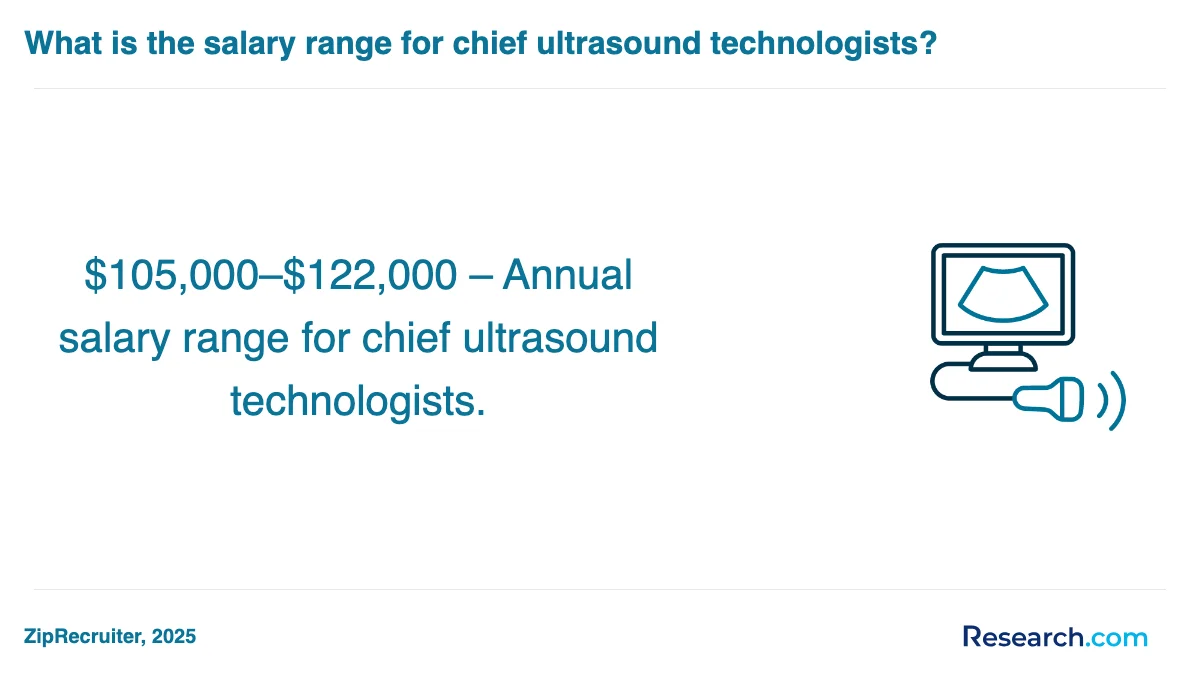
Medical sonographer trade school programs in Fayetteville, such as those at Fayetteville Technical Community College (FTCC), offer a comprehensive curriculum combining theory and practical skills. Graduates often recall how foundational courses, including ultrasound physics, helped them grasp the science behind producing clear, diagnostic images using high-frequency sound waves.
Students progress to detailed studies in cross-sectional anatomy, essential for accurately identifying organs and tissues on sonographic scans. This knowledge is critical when interpreting real patient cases during clinical rotations at local hospitals.
- Abdominal sonography, teaching imaging of the liver, kidneys, and pancreas
- Obstetrical and gynecological (OB/GYN) sonography, focusing on fetal development and reproductive health
- Introductory vascular sonography for assessing blood vessels and vascular conditions
Many students find the hands-on clinical experiences invaluable, as these provide opportunities to operate ultrasound machines and interact compassionately with patients. Such practical training at Fayetteville clinics solidifies their confidence and readiness to enter the workforce.
Medical sonographer trade school programs in Fayetteville typically offer specializations tailored to meet local healthcare demands. Graduates from popular Fayetteville trade schools frequently highlight three core areas: abdominal sonography, obstetric and gynecologic (OB/GYN) sonography, and introductory vascular sonography. These concentrations prepare students to confidently perform ultrasound imaging on organs like the liver and kidneys, monitor fetal health, and evaluate blood flow through vessels.
Students describe hands-on clinical experiences as pivotal during their training-operating real equipment and interpreting scans under supervision. This practical approach aligns with the Fayetteville medical sonography program concentrations, enriching students' readiness for diverse work environments such as hospitals and clinics.
Typical coursework emphasizes physics, cross-sectional anatomy, and patient interaction skills, cultivating both technical proficiency and compassionate care.
Many also appreciate the chance to explore ultrasound tech certificate programs to further boost their expertise and career flexibility.
Choosing from the best medical sonographer programs in Fayetteville requires analyzing accredited options that offer both comprehensive theoretical foundations and robust clinical training. Graduates from top-rated sonography schools in Fayetteville NC often emphasize the value of hands-on rotations in local hospitals, which help them develop confidence in real diagnostic imaging scenarios. Many highlight how program structures with specialized tracks, like abdominal or obstetric sonography, align closely with their career goals, enhancing job readiness.
Location plays a critical role; programs near downtown Fayetteville allow for manageable commutes and easier access to clinical sites. Flexibility through hybrid course offerings can also be a deciding factor for students balancing work or family commitments. Prospective students should investigate the modernity of facilities, as those with up-to-date equipment report a stronger sense of preparedness. Financial aid availability is another key consideration to make sure tuition fits your budget.
Career support from these schools is often praised, with services like resume workshops and local healthcare networking boosting job placement rates. For individuals seeking medical careers that make good money with little schooling, selecting a Fayetteville program with proven outcomes can be life-changing.
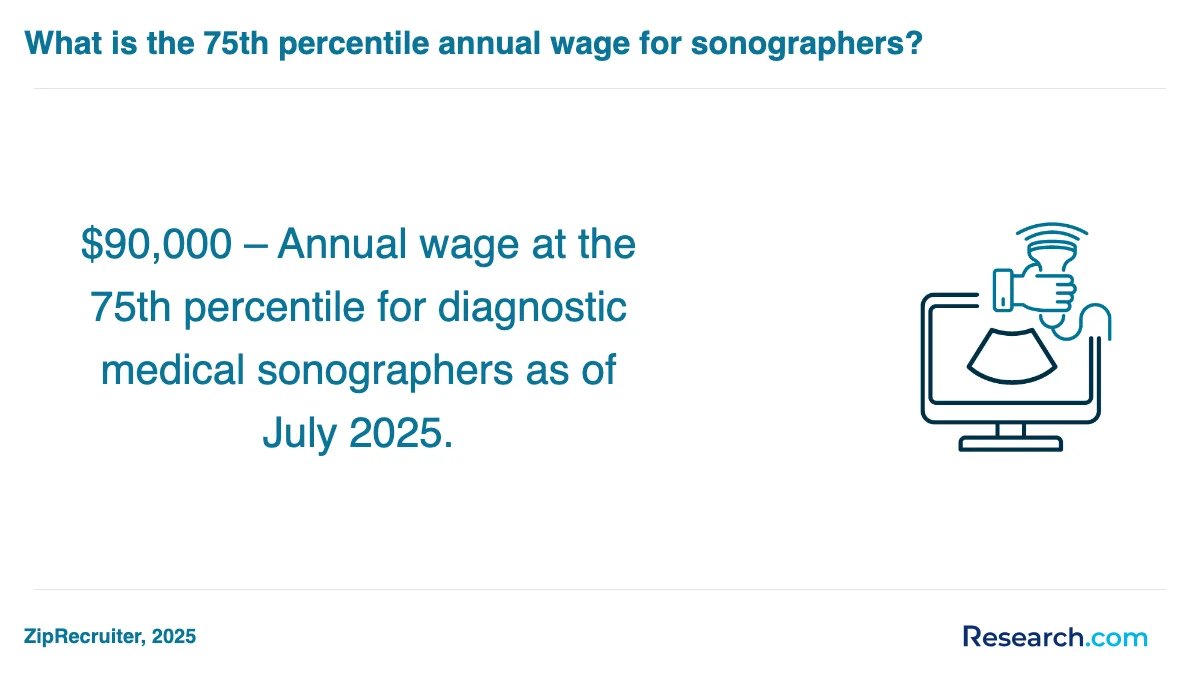
Medical sonographer trade school graduates in Fayetteville have access to diverse medical sonographer career paths Fayetteville that align with the region's healthcare demands. Popular roles include ultrasonographer, general sonographer, and mammography technologist, with many graduates finding employment in hospitals, outpatient clinics, and specialized fields such as maternal-fetal medicine and radiology. Graduates from local programs often share positive experiences securing positions where they operate advanced ultrasound equipment, collaborate closely with physicians, and play vital roles in diagnostic procedures.
Entry-level sonographer job opportunities in Fayetteville AR are steady, with around 18 to 21 openings typically available at any time, ranging from hospitals to private imaging centers and women's health clinics. Graduates frequently highlight smooth transitions into roles requiring certification from bodies like ARDMS or ARRT, sometimes pursuing additional credentials in specialties such as vascular or cardiac sonography.
Typical sonographer career paths Fayetteville graduates follow include:
- Diagnostic ultrasound technician in hospital radiology departments
- Specialized roles in maternal-fetal medicine or breast imaging centers
- Lead sonographer or clinical instructor positions after several years of experience
Students report satisfaction from working closely with patients and contributing to high-impact diagnostic care. Those curious about compensation can explore data on sonographer salary relevant to their career planning.
The job market for medical sonographer trade school graduates in Fayetteville remains vibrant and promising. Recent data shows about 18 to 21 openings for sonographers, covering roles such as general ultrasonographers, OB sonographers, and mammography technologists. Graduates from local trade schools report quick employment across hospitals, outpatient clinics, and specialty imaging centers.
Key factors supporting this positive outlook include:
- Competitive local salaries ranging from $1,492 to $3,557 weekly depending on experience and specialty.
- Full-time opportunities frequently available in maternal-fetal medicine and general diagnostic imaging.
- Strong employer support for continuing education and career growth through mentorship programs.
Students graduating from Fayetteville's established medical sonographer trade schools often highlight the advantage of learning with advanced equipment, which eases transition into these roles. The medical sonography job outlook Fayetteville Arkansas is bolstered by major healthcare systems and the University of Arkansas, which regularly seek skilled sonographers.
For those considering this path, understanding the medical profession dynamics in Fayetteville offers a clear picture of robust employment potential and a supportive growth environment.
Best Diagnostic Medical Sonographer Training Programs & Trade Schools - Top Sonography Schools in Fayetteville for 2026
# 1 position
Fayetteville Technical Community College - Diagnostic Medical Sonography/Sonographer and Ultrasound Technician.
associateThe Diagnostic Medical Sonography program at Fayetteville Technical Community College prepares students to use ultrasound techniques for medical diagnosis under physician supervision. The hybrid program includes instruction on patient care, sonographic data collection, and equipment operation. Annual in-state tuition is $2,628. Graduates have median earnings of $50,872 one year after completion. The program is accredited by the Southern Association of Colleges and Schools Commission on Colleges.
# 2 position
Fayetteville Technical Community College - Mammography Technology/Technician.
certificate or diplomaThe Mammography Technology/Technician program at Fayetteville Technical Community College prepares registered radiographers to become registered mammographers. The hybrid program includes instruction in anatomy and physiology, mammography instrumentation, positioning, principles, procedures, and quality assurance. Annual in-state tuition costs $2,628. Graduates earn a median salary of $50,872 one year after completing the program. The program is accredited by the Southern Association of Colleges and Schools Commission on Colleges.
Frequently Asked Questions about medical sonographer
After completing a medical sonographer trade school in Fayetteville, preparing for the job market involves several key steps. First, obtaining certification from the American Registry for Diagnostic Medical Sonography (ARDMS) is essential, as most employers in North Carolina require it. According to the U.S. Bureau of Labor Statistics, certified sonographers have better employment prospects and higher salaries.
Networking locally by joining professional groups like the Society of Diagnostic Medical Sonography's North Carolina chapter can provide valuable job leads. Additionally, Fayetteville's healthcare sector, including Cape Fear Valley Health, offers internship and entry-level opportunities for new graduates.
Finally, developing strong interview skills and a tailored resume highlighting clinical experience gained during school increases chances of employment in this competitive field.
Employers in Fayetteville seek several key skills in graduates from medical sonographer trade schools. First, strong technical proficiency with ultrasound equipment is essential, as accurate imaging directly impacts patient diagnosis. According to the Bureau of Labor Statistics, employers emphasize hands-on experience gained through clinical training, which many Fayetteville programs incorporate.
Communication skills are also critical. Sonographers must clearly explain procedures to patients and collaborate with healthcare teams. Attention to detail is vital to recognize subtle abnormalities on scans.
Additionally, knowledge of anatomy, physiology, and medical terminology is fundamental. Fayetteville employers often prefer graduates who are registered with the American Registry for Diagnostic Medical Sonography (ARDMS), reflecting recognized competency standards.
Finding internships relevant to medical sonographer trade school programs in Fayetteville involves several strategic steps. Start by consulting your school's career services, as many programs have established partnerships with local healthcare facilities. Fayetteville's hospitals and clinics, such as Cape Fear Valley Health System, often offer clinical internships that provide hands-on experience required for certification.
Additionally, explore listings on healthcare job boards like the American Registry for Diagnostic Medical Sonography (ARDMS) website, which sometimes features internships by location. Networking through local professional groups, such as the North Carolina Society of Radiologic Technologists, can also reveal opportunities.
According to the Bureau of Labor Statistics, clinical internships are critical for job placement, and Fayetteville's growing medical sector supports a steady number of openings annually.
Obtaining a medical sonographer trade school diploma in Fayetteville significantly enhances career mobility and advancement opportunities. The diploma qualifies graduates for certification exams, such as those offered by the American Registry for Diagnostic Medical Sonography (ARDMS), which many local employers prefer. According to the Bureau of Labor Statistics, Fayetteville's healthcare sector is growing steadily, with a projected 15% increase in sonography jobs over the next decade.
Graduates with a diploma often find greater access to entry-level positions in hospitals, clinics, and specialized imaging centers. This credential also supports upward mobility into supervisory or specialized sonography roles as experience accumulates. The diploma thus serves as a critical foundation for long-term professional growth within Fayetteville's competitive healthcare market.
Students enrolled in medical sonographer trade schools in Fayetteville can benefit from several part-time job opportunities that enhance their practical skills and resume. Common roles include medical assistant positions in clinics or hospitals, where students gain exposure to patient care and medical imaging environments. Additionally, jobs as patient transporters or medical receptionists provide valuable experience in healthcare settings.
According to the U.S. Bureau of Labor Statistics, Fayetteville's healthcare sector is growing steadily, increasing demand for supportive roles. Working part-time in these positions helps students develop familiarity with medical terminology, equipment, and patient interaction, which complements their sonography education effectively.
To find the best Medical Sonographer degree program near you, consider researching local universities and community colleges to identify institutions offering accredited programs. Specifically, near Fayetteville, NC, Fayetteville Technical Community College provides programs that could match your needs. Checking resources like Research.com can help you compare programs based on various factors such as curriculum, cost, and clinical training opportunities to make an informed decision.
- Diagnostic Medical Sonographers and Cardiovascular Technologists and Technicians : Occupational Outlook Handbook: : U.S. Bureau of Labor Statistics https://www.bls.gov/ooh/healthcare/diagnostic-medical-sonographers.htm
- What Can I do With a Diagnostic Medical Sonography Degree https://www.cambridgehealth.edu/dms-diagnostic-medical-sonography/dms-degree/what-can-i-do-with-a-diagnostic-medical-sonography-degree/
- Diagnostic Medical Sonographer - Explore Healthcare Careers - Mayo Clinic College of Medicine & Science https://college.mayo.edu/academics/explore-health-care-careers/careers-a-z/diagnostic-medical-sonographer/
- What Can I Do With a DMS Degree? - Casa Loma College Casa Loma College https://casalomacollege.edu/what-can-you-do-with-a-diagnostic-medical-sonography-degree/
- Sonography Career Paths https://www.ultrasoundschoolsinfo.com/sonography-career-paths/
- Sonographer | Explore Careers | National Careers Service https://nationalcareers.service.gov.uk/job-profiles/sonographer
- Careers in Diagnostic Sonography | Health Professions Program | IU School of Medicine https://medicine.iu.edu/undergraduate-health-professions/degrees-and-certificates/sonography/career
- WorkBC Site Maintenance - Service Temporarily Unavailable https://www.workbc.ca/career-profiles/medical-sonographers
- What does a Medical Sonographer do? Career Overview, Roles, Jobs | MNMED https://careercenter.mnmed.org/career/medical-sonographer
- Medical Sonography | Wake Tech https://www.waketech.edu/programs-courses/credit/sonography


