Best Diagnostic Medical Sonographer Training Programs & Trade Schools - Top Sonography Schools in West Virginia for 2026

Co-Founder and Chief Data Scientist
Choosing the right medical sonographer trade school in West Virginia can shape your future career in healthcare. This article presents a carefully crafted ranking of top programs, developed by the Research.com team of data scientists to help you make an informed decision.
Whether you’re starting fresh or seeking certification, a diploma in medical sonography opens doors to rewarding job opportunities. Explore the best schools to find a program that fits your goals and lifestyle.
Take the first step toward a fulfilling and stable career today.
Key benefits of finishing medical sonographer trade school in West Virginia
- Graduates of medical sonographer trade schools in West Virginia can expect starting salaries around $83,510 to $100,823 annually, reflecting strong earning potential in this growing field.
- Career paths include roles in hospitals, outpatient care centers, and specialized clinics, offering graduates diverse and rewarding opportunities to grow professionally.
- Completing a medical sonographer trade school online provides flexibility and convenience, allowing students to balance studies with work or family commitments while gaining valuable hands-on skills.
- Best Diagnostic Medical Sonographer Training Programs & Trade Schools - Top Sonography Schools in West Virginia for 2026
- What can I expect from medical sonographer trade schools in West Virginia?
- Where can I work after finishing medical sonographer trade schools in West Virginia?
What can I expect from medical sonographer trade schools in West Virginia?
Expect a challenging yet rewarding journey when enrolling in a medical sonographer trade school program in West Virginia. Graduates from schools like BridgeValley Community and Technical College often recall the rigorous admission process, including prerequisites such as anatomy and physiology, and the importance of shadowing a professional sonographer to gain firsthand insight. Many students describe feeling motivated and prepared after completing these initial steps.
Once admitted, you'll dive into a curriculum blending theory and practice, with courses covering sonographic physics and specialized imaging techniques. Hands-on labs and clinical rotations at local hospitals provide real-world experience, helping students build confidence in patient care and scanning skills. For example, those attending Camden Clark Memorial Hospital's 12-month certificate program frequently share how clinical exposure transformed their understanding of the field.
Flexible options, including online coursework, allow students to balance education with life's demands. Graduates often express optimism about strong job prospects in West Virginia, driven by a projected 22% growth in demand and competitive salaries, making the effort feel truly worthwhile.
Where can I work after finishing medical sonographer trade schools in West Virginia?
Graduates of medical sonographer trade schools in West Virginia often find themselves quickly employed in vibrant healthcare settings like hospitals, outpatient clinics, and physician offices. Imagine finishing your program at a well-regarded local trade school and soon receiving job offers from places such as Montgomery General Hospital, where ultrasound technologists are valued for their skills and enjoy competitive pay and sign-on bonuses.
Many alumni describe the satisfaction of working in specialized physician offices-obstetrics, cardiology, or vascular medicine-applying their training daily to support patient care. Others appreciate the flexibility of roles with mobile diagnostic services like TridentCare, traveling to patient homes and making a direct impact.
Some graduates even transition into educational roles, sharing their knowledge as clinical coordinators or instructors within West Virginia's sonography programs. Whether joining staffing agencies or taking travel assignments that pay weekly rates above $2,500, students from these programs feel optimistic about their diverse career paths and the strong demand across the state.
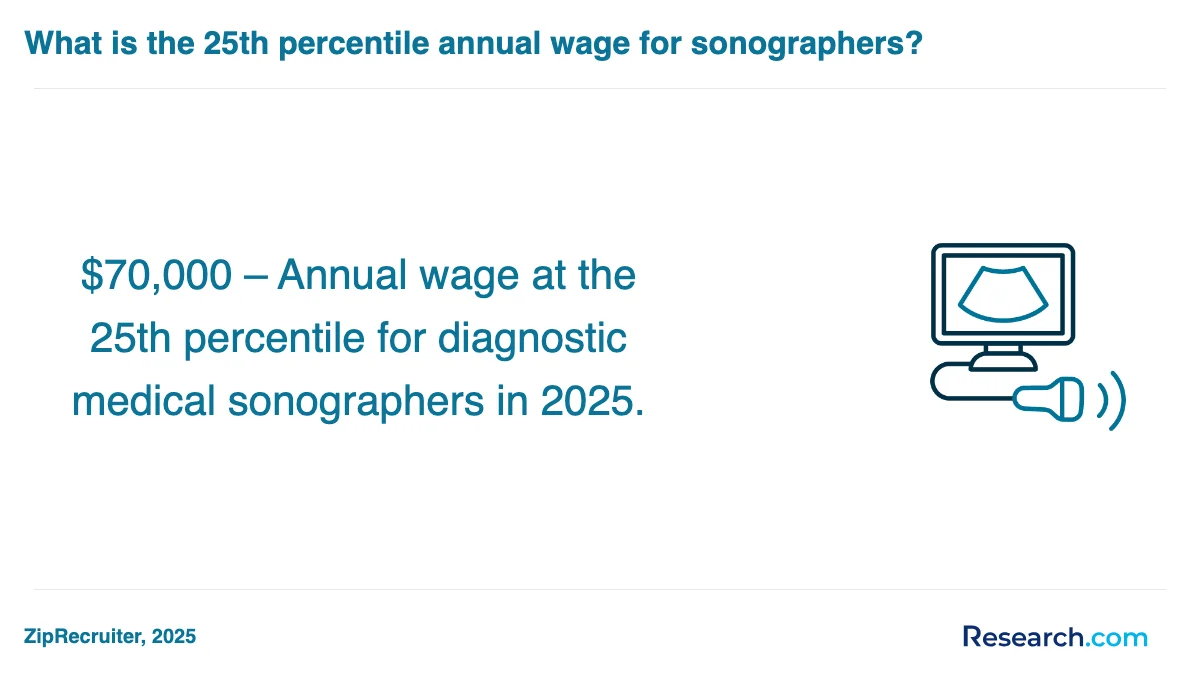
Graduates of medical sonographer trade school programs in West Virginia often find themselves starting with an encouraging salary range between $48,590 and $62,160 annually. Many alumni from well-known state trade schools share how landing a job with a starting salary near $62,000 gave them confidence to support their families and plan ahead financially. This income level reflects a solid entry point, especially considering that hourly wages typically range from $22.11 to $38.11 depending on the employer and location.
Some graduates recall working in the Huntington-Ashland area, where the median salary is around $62,100, providing a comfortable lifestyle without needing to relocate. Others who pursued additional certifications or specialized in vascular sonography have seen their pay rise to over $90,000, proving that dedication and continuous learning can significantly boost earnings.
For those attending popular trade schools in Charleston and Morgantown, the blend of hands-on training and local job connections often translates into competitive salaries that outpace national averages, making West Virginia an appealing place to start a sonography career.
- Most programs require a high school diploma or GED and completion of college-level prerequisites like anatomy, physiology, and medical terminology.
- Admissions are selective, often requiring a minimum GPA of 2.75, an essay, shadowing experience, transcripts, references, immunization proof, and BLS certification.
- Choose a program accredited by CAAHEP to qualify for national certification exams needed for employment.
- Tuition ranges from $6,000 to $20,000 depending on the institution, with additional costs for books, uniforms, and exams.
- Certification from the ARDMS is required after graduation, though West Virginia does not require a state license.
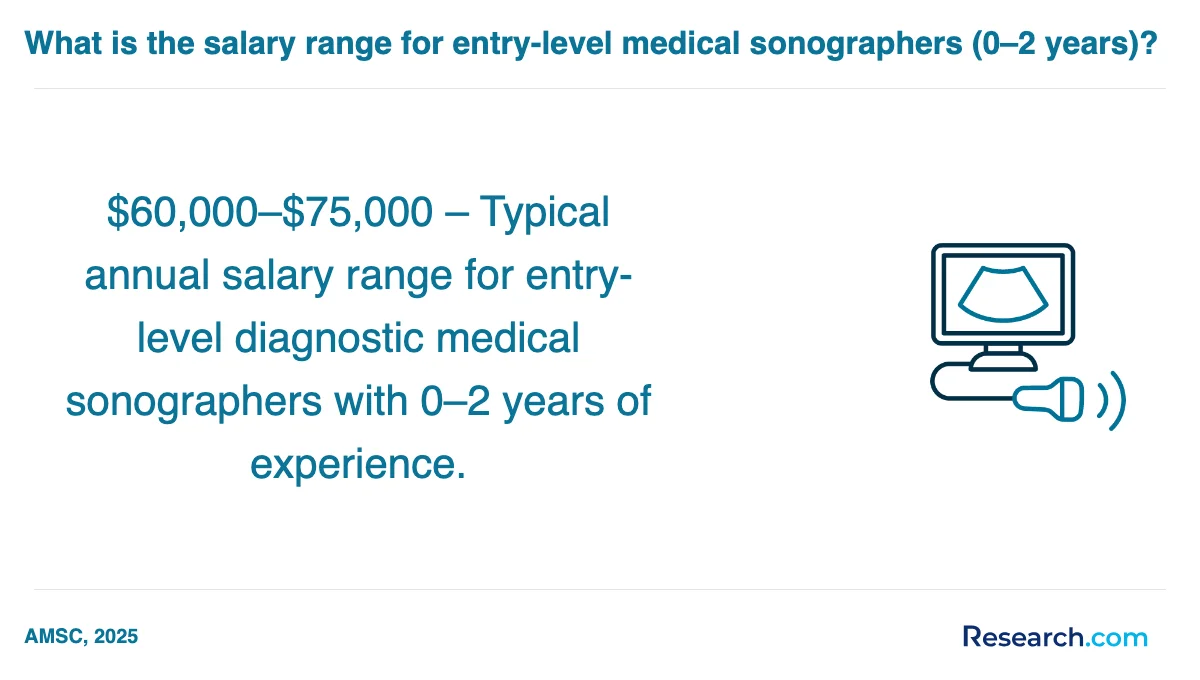
- Starting salaries average around $61,000 per year, with potential to exceed $75,000 based on experience and specialization.
Completing a medical sonographer trade school program in West Virginia typically takes about 18 to 24 months, depending on the school's curriculum and whether you attend full-time or part-time. Graduates from popular trade schools in the state often share how the focused timeline allowed them to quickly transition into rewarding careers without sacrificing the depth of hands-on training they needed.
Many students recall balancing their studies with part-time work, appreciating how the programs in West Virginia are designed to fit real-life demands. For instance, some schools offer evening or weekend classes, which helps those who need flexibility. This approach creates an encouraging environment where students feel supported as they master ultrasound technology and patient care.
Imagining yourself in a bustling classroom or clinical setting in West Virginia, you can see how these programs blend classroom lessons with practical experience. The relatively short completion time means you can start applying your skills in local hospitals or clinics sooner than expected, fueling both confidence and excitement about your future in medical sonography.
The main difference between online and on-campus medical sonographer trade school programs in West Virginia centers on how coursework and clinical training are delivered. Graduates from BridgeValley Community and Technical College often share how attending in-person classes and labs helped them gain hands-on skills quickly, especially when working with ultrasound equipment during clinical rotations at local hospitals. This direct experience builds confidence and mastery that feels essential in such a tactile field.
Online options remain scarce in the state, with no fully accredited programs available as of 2025. Some students express appreciation for the flexibility of hybrid models nationally, where theory is learned remotely but clinical practice still requires physical attendance. At University of Charleston, for example, learners benefit from face-to-face mentorship and immediate feedback during supervised patient scans, which many find motivating and reassuring.
For West Virginia students, the necessity of in-person clinical training creates a dynamic learning environment that blends technical skill-building with real patient interactions, making on-campus programs the preferred choice for those eager to excel confidently in medical sonography.
The average tuition fees for sonography programs in West Virginia reflect a range that makes pursuing this career accessible yet demanding careful financial planning. Graduates from West Virginia University Hospitals often recall the manageable 18-month certificate program costing about $4,500, which allowed them to swiftly enter the workforce with solid skills. This cost includes tuition but additional expenses for books and uniforms mean students must budget accordingly. Meanwhile, those attending BridgeValley Community and Technical College chose an Associate of Applied Science degree, investing $12,600 if in-state, or $30,030 for out-of-state students. Many alumni emphasize that despite the higher price, the comprehensive training pays off in job readiness.
Considering the cost of diagnostic medical sonography education in West Virginia, students at United Hospital Center benefit from an 18-month certificate option priced at $3,000. They highlight how this financial choice fit their lives, making specialized education achievable without overwhelming debt. However, it's important to realize that federal aid may not apply to these programs, so exploring private loans or veteran benefits like the Montgomery GI Bill often becomes a vital part of students' financial strategies.
For those curious about detailed steps and budget-friendly paths, exploring how to become an ultrasound tech through trustworthy sources can be invaluable. Prospective students may find it helpful to visit how to become an ultrasound tech for insights that align with the practical realities faced by West Virginia's sonography trade school learners.
Medical sonographer trade school students in West Virginia often find financial aid options that make pursuing their education feel attainable and less stressful. Graduates from popular programs like those affiliated with WVU Hospitals share how federal aid, especially the Federal Pell Grant, provided crucial support, covering thousands in tuition without the burden of repayment.
State-based grants and scholarships also play a significant role. Many students describe applying through the West Virginia Higher Education Policy Commission and receiving awards that eased their financial worries, allowing them to focus more on mastering sonography skills rather than stressing over costs.
Scholarships from organizations such as the Society of Diagnostic Medical Sonography offer hope for those balancing academic merit and financial need, while veterans benefit from GI Bill support that often covers a large portion of tuition.
Some students mention employer tuition reimbursement programs that helped them advance without incurring debt, highlighting how combining multiple aid sources creates a viable path toward a rewarding sonography career in West Virginia.
Enrolling in a medical sonographer trade school program in West Virginia typically requires a blend of academic readiness and personal commitment. Most programs expect applicants to have a high school diploma or GED, ensuring foundational knowledge in math, science, and communication.
Graduates often recall early challenges mastering anatomy and physics, which highlights why schools emphasize prerequisites such as:
- Basic coursework in biology and physics
- Strong reading comprehension and critical thinking skills
- Proficiency in English and basic computer literacy
Additionally, some West Virginia trade schools ask for healthcare experience or volunteer work to help students understand patient interaction, easing the transition into clinical settings. This hands-on exposure builds confidence, as shared by alumni who found it rewarding to connect classroom theory with real-world scenarios.
Applicants may also need to pass entrance exams or provide letters of recommendation, reflecting their readiness and dedication. Commitment to this path often sparks excitement, knowing the role they will play in improving patient care through ultrasound technology.
Students in medical sonographer trade school programs in West Virginia typically dive into a mix of core and advanced courses that build confidence and real-world skills. Graduates often recall hands-on experiences at places like Camden-Clark Memorial Hospital, where early quarters focus on foundational subjects such as ultrasound physics, anatomy, and patient care. These include courses like Introduction to Ultrasound, Abdomen, and Scan Lab, setting the stage for more specialized studies.
As the program progresses, students tackle detailed topics such as:
- Gynecological and obstetrical sonography (Gyn/OB)
- Small parts sonography
- Ultrasound physics in depth
- Pediatric and miscellaneous sonography
- Vascular and cardiac sonography
Clinical practicums are a highlight, allowing students to apply classroom knowledge in real healthcare settings under supervision-an experience graduates describe as both challenging and rewarding. Programs at BridgeValley Community and Technical College emphasize vascular sonography, expanding career possibilities. Many students appreciate the registry review sessions that prepare them thoroughly for the SPI exam, a crucial step toward certification and employment readiness in West Virginia's healthcare system.
Medical sonographer trade school programs in West Virginia typically offer diverse specializations that prepare students for rewarding careers in diagnostic imaging. Graduates often reflect positively on their experiences studying general sonography, a comprehensive track covering abdominal and soft tissue imaging, popular at campuses like Camden-Clark Memorial Hospital. Many value the hands-on clinical training that builds strong confidence and skills for various ultrasound exams.
Students interested in vascular and cardiac sonography programs West Virginia provide can find focused pathways at institutions such as St. Mary's Medical Center and BridgeValley Community and Technical College. These programs deliver both theoretical knowledge and clinical practice, enabling graduates to diagnose vascular diseases or assess heart function accurately-a source of professional pride.
Obstetrical/Gynecological sonography also attracts many who wish to support maternal and women's health, with specialized certificates offered nearby. Some ambitious candidates enroll in broader imaging science degrees at Bluefield State, preparing for multiple certifications.
For aspiring sonographers weighing their options, exploring easy accredited online medical degree programs can provide flexible alternatives aligned with these West Virginia trade schools.
Choosing the best medical sonography programs in West Virginia means focusing on accredited programs that match your learning style and career goals. Graduates from BridgeValley Community and Technical College often highlight how their CAAHEP-accredited curriculum gave them confidence to pass certification exams and excel in clinical settings. Meanwhile, those attending West Virginia University Hospitals praise the flexible 18-month certificate format that fit their busy schedules while covering abdominal and gynecological sonography thoroughly.
When evaluating top-rated sonography schools in West Virginia, consider the amount and variety of clinical experience offered. Camden-Clark Memorial Hospital Corporation's program, for instance, immerses students in diverse rotations, helping them feel prepared for real-world work with technologies like vascular and breast imaging. Many students emphasize how this hands-on training sharpens skills and eases the transition into employment.
Financial considerations are also crucial; some graduates find that the tuition structure at West Virginia University Hospitals, totaling around $4,500, paired with available aid options, makes pursuing sonography accessible. For those balancing work and study, exploring the best sonography online programs could be an viable alternative to traditional schools without sacrificing quality.
Graduates from medical sonographer trade school programs in West Virginia often find diverse career opportunities that extend well beyond traditional hospital roles. Many secure positions as Ultrasound Technologists or Cardiac Sonographers in facilities like West Virginia University Hospitals, enjoying the rewarding experience of supporting patient care firsthand. Some graduates embrace the flexibility of mobile diagnostic services, traveling to patient homes or clinics with companies such as TridentCare, which showcases the variety within diagnostic medical sonography jobs West Virginia offers.
Specializing further in fields like vascular sonography or obstetrics/gynecology is a common path, allowing sonographers to increase their value and job security. Others step into leadership roles, managing ultrasound departments or mentoring new technologists. Graduates from popular trade schools in West Virginia often share how this adaptability fosters a strong sense of fulfillment and career growth.
Beyond direct imaging roles, opportunities also open in education, clinical research, or even equipment sales, reflecting the broader spectrum of career opportunities for medical sonographers in West Virginia. Those curious about healthcare careers may explore related options through the healthcare occupations list.
The medical sonographer job outlook in West Virginia shows promising signs for graduates of local trade schools. Many graduates share positive experiences about transitioning directly into roles at hospitals and outpatient imaging centers in cities like Morgantown and Parkersburg. With projected job growth of 20% through 2026, sonographers can expect opportunities to increase steadily, especially as the population ages and the demand for diagnostic imaging expands.
Those completing popular programs in the state find themselves well-prepared for ultrasound technician employment opportunities West Virginia offers. Employers often provide competitive salaries and additional benefits such as sign-on bonuses and travel stipends, which graduates frequently highlight as motivating factors.
Key factors influencing job prospects include:
- Variety of work settings, from specialty clinics to mobile diagnostic services
- Growing demand in regional hubs like Princeton and South Charleston
- Potential for specialization in areas such as pediatric or cardiovascular sonography
For students eager to accelerate their training, many consider sonography programs accelerated to quickly enter the workforce and start benefiting from this expanding healthcare field.
Best Diagnostic Medical Sonographer Training Programs & Trade Schools - Top Sonography Schools in West Virginia for 2026
# 1 position
BridgeValley Community & Technical College - Diagnostic Medical Sonography/Sonographer and Ultrasound Technician.
associateBridgeValley Community & Technical College offers a Diagnostic Medical Sonography/Sonographer and Ultrasound Technician program with a hybrid format, including some distance education. The program prepares students to use medical ultrasound technology for diagnostic purposes under physician supervision. Instruction covers patient care, data recording, sonographic processing, and professional ethics. Annual in-state tuition is $5,282. Graduates have median earnings of $55,112 one year after completion. The program is accredited by the Higher Learning Commission.
# 2 position
West Virginia University Hospital Departments of Rad Tech and Nutrition - Diagnostic Medical Sonography/Sonographer and Ultrasound Technician.
certificate or diplomaThe Diagnostic Medical Sonography/Sonographer and Ultrasound Technician program at West Virginia University Hospital Departments of Rad Tech and Nutrition offers a hybrid format with some distance-education options. It trains students to use medical ultrasound techniques for diagnostic purposes under physician supervision. The curriculum covers patient care, data integration, sonography equipment operation, and professional ethics. Graduates have a median earning of $65,090 one year after completion. The program is accredited by the Joint Review Committee on Education in Radiologic Technology.
Frequently Asked Questions about medical sonographer
After completing a medical sonographer trade school in West Virginia, preparing for the job market involves several key steps. First, obtaining certification from the American Registry for Diagnostic Medical Sonography (ARDMS) greatly improves employment prospects, as most employers require it. West Virginia's healthcare sector is growing, with a projected 12% increase in diagnostic medical sonographer jobs by 2030, according to the U.S. Bureau of Labor Statistics.
Networking through clinical internships, job fairs, and professional organizations like the Society of Diagnostic Medical Sonography can connect graduates with employers. Additionally, tailoring resumes to highlight hands-on skills and state-specific licensure requirements is essential. Continuing education helps maintain certifications and stay current with technological advances in sonography.
Employers in West Virginia seek medical sonographer trade school graduates with strong technical skills in operating ultrasound equipment and interpreting images accurately. According to the U.S. Bureau of Labor Statistics, proficiency in anatomy, physiology, and patient care is essential for success in this field. Communication skills are also highly valued, as sonographers must explain procedures clearly and work closely with healthcare teams.
Attention to detail and critical thinking are crucial for identifying abnormalities during scans. Additionally, familiarity with state-specific healthcare regulations and safety protocols is important. The West Virginia Board of Medicine emphasizes adherence to professional standards and ethical practice in sonography careers.
Finding internships relevant to medical sonographer trade school programs in West Virginia involves several practical steps. Start by contacting your trade school's career services, as many maintain partnerships with local hospitals and clinics for student placements. West Virginia's healthcare facilities, such as Charleston Area Medical Center and WVU Medicine, often offer internships or clinical rotations tailored for sonography students.
Additionally, use the West Virginia Hospital Association's resources to identify potential internship sites. According to the Bureau of Labor Statistics, West Virginia's demand for diagnostic medical sonographers is growing, increasing internship opportunities. Networking through professional organizations like the Society of Diagnostic Medical Sonography can also provide leads on internships within the state.
Obtaining a medical sonographer trade school diploma in West Virginia significantly enhances career mobility and advancement opportunities. According to the U.S. Bureau of Labor Statistics (BLS), diagnostic medical sonographers in West Virginia earn a median annual wage of approximately $63,000, which is higher than many other allied health roles requiring less specialized training. A diploma provides essential hands-on skills and often meets the educational requirements for national certification exams, such as those offered by the American Registry for Diagnostic Medical Sonography (ARDMS).
Employers in West Virginia's healthcare sector frequently prefer or require formal sonography training, making a diploma a key credential for job entry and promotion.
The West Virginia Department of Labor notes that healthcare occupations, including sonography, are among the fastest-growing in the state, suggesting that diploma holders may find expanding opportunities and potential for career growth.
Students enrolled in medical sonographer trade schools in West Virginia can benefit from part-time jobs that offer relevant healthcare experience. Positions such as medical assistants, patient care technicians, or EKG technicians provide practical skills valuable for sonography careers. These roles involve direct patient interaction and familiarize students with medical environments.
According to the U.S. Bureau of Labor Statistics, West Virginia's healthcare support occupations are expected to grow moderately through 2030, increasing opportunities for part-time work. Additionally, hospital or clinic administrative roles can enhance organizational skills while maintaining flexible hours.
Engaging in these jobs can strengthen resumes and support networking within the local medical community.
Yes, there are reputable medical sonographer degree programs available near West Virginia, offering comprehensive training and education in the field. Aspiring students can find programs focusing on diagnostic medical sonography "near me" that provide practical skills and theoretical knowledge. Research.com can be a helpful resource for identifying top programs and universities offering these degrees near West Virginia.
- Best Diagnostic Medical Sonographer Training Programs & Trade Schools - Top Sonography Schools in Ohio for 2026
- Best Diagnostic Medical Sonographer Training Programs & Trade Schools - Top Sonography Schools in Pennsylvania for 2026
- Best Diagnostic Medical Sonographer Training Programs & Trade Schools - Top Sonography Schools in Maryland for 2026
- Best Diagnostic Medical Sonographer Training Programs & Trade Schools - Top Sonography Schools in North Carolina for 2026
- Best Diagnostic Medical Sonographer Training Programs & Trade Schools - Top Sonography Schools in Indiana for 2026
- Best Diagnostic Medical Sonographer Training Programs & Trade Schools - Top Sonography Schools in South Carolina for 2026
- Best Diagnostic Medical Sonographer Training Programs & Trade Schools - Top Sonography Schools in New Jersey for 2026
- Best Diagnostic Medical Sonographer Training Programs & Trade Schools - Top Sonography Schools in Michigan for 2026
- Best Diagnostic Medical Sonographer Training Programs & Trade Schools - Top Sonography Schools in Missouri for 2026
- Best Diagnostic Medical Sonographer Training Programs & Trade Schools - Top Sonography Schools in New York for 2026
- Medical Sonography | Wake Tech https://www.waketech.edu/programs-courses/credit/sonography
- How To Become A Sonographer - ARDMS https://www.ardms.org/how-to-become-a-sonographer/
- Diagnostic Medical Sonography https://www.sait.ca/programs-and-courses/diplomas/diagnostic-medical-sonography
- Sonography Program | New York School of Career and Applied Studies | Touro University https://nyscas.touro.edu/academics/sonography/
- Diagnostic Medical Sonography https://www.mchs.edu/academics/associate-degrees/diagnostic-medical-sonography/
- Diagnostic Medical Sonography Associate Degree Program https://pmi.edu/on-campus-programs/associate/diagnostic-medical-sonography/
- Accredited Diagnostic Medical Sonography Programs | CBD College https://www.cbd.edu/programs/diagnostic-medical-sonography/
- Diagnostic Medical Sonography - Ivy Tech Community College https://www.ivytech.edu/programs/all-academic-programs/school-of-health-sciences/diagnostic-medical-sonography/
- Diagnostic Medical Sonography | Maricopa Community Colleges https://www.maricopa.edu/degrees-certificates/health-sciences/diagnostic-medical-sonography-3656-aas
- Diagnostic Medical Sonography Program | College of Southern Nevada https://www.csn.edu/schools/school-of-health-sciences/department-of-health-related-professions/diagnostic-medical-sonography-program