Most Affordable Diagnostic Medical Sonographer Schools & Training - Budget-Friendly Sonography Trade Programs in Georgia for 2026

Co-Founder and Chief Data Scientist
Choosing a medical sonographer trade school in Georgia is mainly a return-on-investment decision: you need a program that is accredited, affordable, clinically strong, and realistic for your schedule. The best choice is not always the cheapest or fastest option. For sonography, program accreditation, clinical placement quality, certification eligibility, and specialty training can have a direct effect on your job prospects after graduation.
This 2026 guide reviews what students should know before enrolling in a Georgia sonography program, including expected training length, common prerequisites, online versus on-campus formats, tuition ranges, financial aid, specializations, salary expectations, and career paths. It is designed for first-time college students, working adults changing careers, and allied health professionals considering sonography as a next step.
Use this guide to compare programs with a practical checklist: confirm CAAHEP accreditation when applicable, ask how clinical placements are assigned, estimate total costs beyond tuition, and verify whether graduates are prepared for ARDMS certification exams commonly preferred by employers.
Key benefits of finishing medical sonographer trade school in Georgia
- Graduates of medical sonographer trade schools in Georgia can expect starting salaries around $62,231 per year, with the potential to earn up to $101,587 annually as experience grows.
- Sonography offers several career tracks, including Perinatal or Vascular Sonographer roles, with opportunities in hospitals, outpatient imaging centers, physician offices, urgent care clinics, and specialty medical practices across Georgia.
- Online or hybrid medical sonographer trade school options can help working students complete lecture-based coursework with more flexibility, but all credible sonography programs still require in-person labs and supervised clinical training.
The biggest advantage of completing a sonography trade school program is that it can lead to a healthcare role with patient contact, technical responsibility, and a relatively direct path from training to employment. Unlike many healthcare careers that require graduate school, sonography programs often prepare students for entry-level diagnostic imaging roles after focused classroom, laboratory, and clinical instruction.
Students should still evaluate the trade-offs carefully. Sonography is physically active work that can involve long periods standing, moving equipment, positioning patients, and performing detailed scans under time pressure. The strongest programs prepare students not only to operate ultrasound equipment, but also to communicate clearly with patients, follow safety protocols, document findings accurately, and work with physicians and other healthcare professionals.
What can I expect from medical sonographer trade schools in Georgia?
Medical sonographer trade schools in Georgia combine science coursework, ultrasound technology training, patient care instruction, lab practice, and clinical rotations. Programs at institutions such as Oconee Fall Line Technical College or Georgia Southern University typically require students to study anatomy, sonographic physics, scanning protocols, medical terminology, and professional communication before or alongside supervised clinical experience.
Program length depends on the credential. Students may spend anywhere from 18 months to four years, depending on whether they pursue an associate degree, certificate, or bachelor's degree. Associate-level programs are common for entry into the field, while certificate options may suit applicants who already have qualifying healthcare or allied health education.
Typical expectations before and during the program
- Selective admission: Many programs are competitive and expect strong grades in prerequisite courses such as biology, math, anatomy, and related sciences.
- Hands-on training: Students learn scanning techniques in labs before working with patients in clinical sites.
- Clinical schedule requirements: Clinical rotations may occur during daytime hours and can require travel to hospitals, imaging centers, or physician practices.
- Professional standards: Background checks, immunization records, CPR certification, drug screening, and health documentation may be required for clinical placement.
- Certification preparation: Strong programs align coursework with certification expectations, especially for students planning to sit for ARDMS exams.
Students should expect the coursework to be demanding. Sonography requires visual analysis, anatomy knowledge, equipment operation, patient interaction, and judgment under supervision. Before enrolling, ask each school how many clinical hours are included, where students are placed, whether placements are guaranteed, and what percentage of graduates pass certification exams.
Where can I work after finishing medical sonographer trade schools in Georgia?
After completing a medical sonographer trade school program in Georgia, graduates may work in hospitals, outpatient imaging centers, physician offices, specialty clinics, urgent care centers, or mobile imaging services. Large healthcare employers in metro areas, including facilities such as Northside Hospital or Emory University Hospital in Atlanta, may hire sonographers for departments such as radiology, cardiology, emergency medicine, maternal-fetal medicine, and vascular imaging.
Hospitals often provide exposure to a wider range of cases and may involve evenings, weekends, or on-call schedules. Outpatient clinics and physician offices may offer more predictable daytime hours, especially in OB/GYN, vascular medicine, and specialty imaging practices. The right setting depends on whether you prefer variety and pace, schedule stability, specialty focus, or long-term advancement options.
Common work settings for Georgia sonography graduates
| Work setting | Best fit for students who want | Common considerations |
| Hospitals | Broad clinical experience and exposure to complex cases | May include rotating shifts, weekends, holidays, or emergency cases |
| Outpatient imaging centers | Focused imaging work and a more predictable workflow | May require strong efficiency and patient volume management |
| Physician offices | Specialty work, especially OB/GYN or vascular imaging | May offer more regular hours but narrower case variety |
| Travel sonography | Short-term assignments and flexibility | Agencies may place sonographers in short-term gigs across Georgia, sometimes paying over $2,100 a week |
| Education or training roles | Teaching and mentoring future sonographers | Usually requires experience and strong professional credentials |
New graduates should be realistic about first jobs. Some employers prefer candidates with ARDMS or CCI certification, and some specialties may require additional experience. Clinical rotations can be especially valuable because they help students build references, understand employer expectations, and sometimes connect with hiring managers before graduation.
How much can I make after finishing medical sonographer trade schools in Georgia?
Pay after medical sonographer trade school in Georgia depends on credential, certification, specialty, employer, location, shift schedule, and experience. Salary figures can vary widely across sources and job types. This guide includes multiple reported ranges: graduates may see starting salaries around $62,231 per year, while entry-level salaries in Georgia may also start around $55,000 to $65,000 annually. Some graduates from trade school pathways report entry-level jobs earning around $82,000 a year.
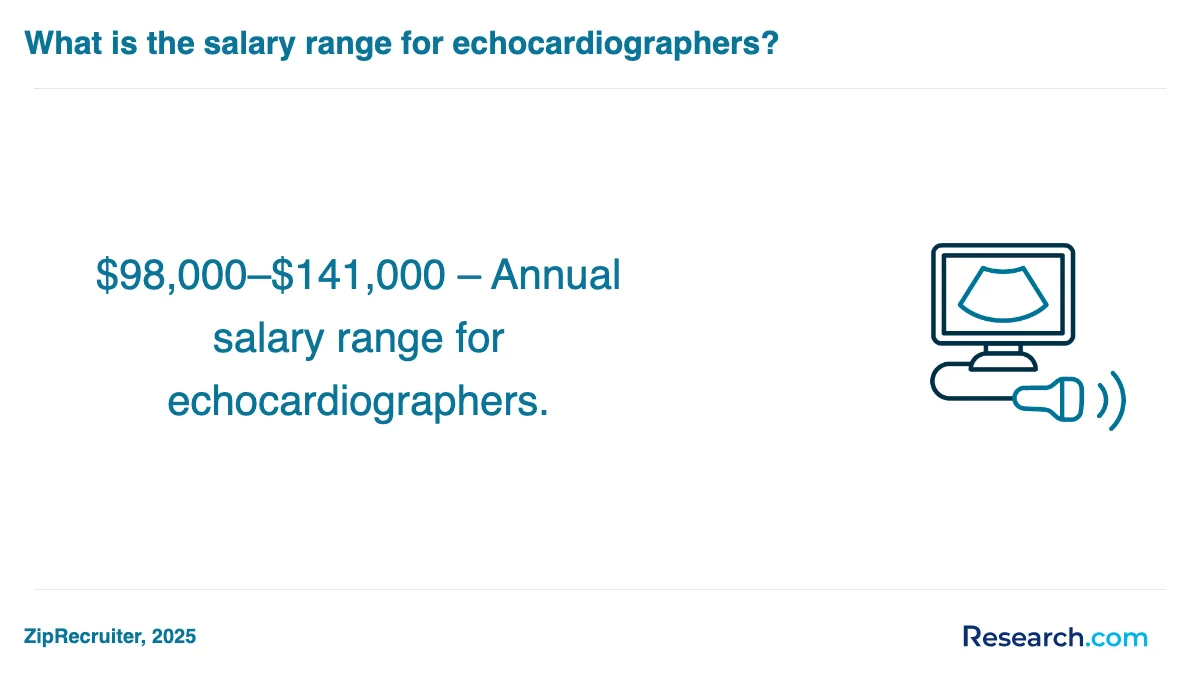
With experience, salary can rise significantly. Reported earnings in this guide include potential annual pay up to $101,587, salaries closer to $107,000, and even beyond $119,000 annually in some cases. Experienced sonographers in Georgia can earn $100,000 or more, especially when they work in high-demand specialties, busy hospital systems, travel assignments, or advanced roles.
What affects sonographer pay in Georgia?
- Certification: Employers often prefer ARDMS or CCI-certified candidates, and certification can strengthen salary negotiations.
- Specialization: Cardiac, vascular, obstetric, and other specialty credentials can influence pay and job options.
- Work setting: Hospitals, imaging centers, and travel roles may offer different compensation structures.
- Shift and location: Metro areas, high-demand shifts, and facilities with staffing shortages may pay more.
- Experience: A sonographer with several years of independent scanning experience generally has stronger earning power than a new graduate.
Hourly pay can also vary. One reported example notes an hourly wage of more than $34 after a couple of years at a busy Atlanta hospital. Sonographers who specialize or become certified in areas like cardiac sonography may boost hourly pay to the mid-$40 range. Before choosing a school, ask about graduate employment outcomes, employer partnerships, certification pass rates, and the specialties most graduates enter.
Most Affordable Diagnostic Medical Sonographer Schools & Training - Budget-Friendly Sonography Trade Programs in Georgia for 2026
# 1 position
Georgia Northwestern Technical College - Diagnostic Medical Sonography/Sonographer and Ultrasound Technician.
associateGeorgia Northwestern Technical College offers a Diagnostic Medical Sonography/Sonographer and Ultrasound Technician program with a hybrid format, including some distance-education options. The program trains students to perform medical ultrasound techniques under physician supervision to diagnose conditions. It covers patient care, data recording, sonographic processing, and ethical standards. Annual in-state tuition is $3,132. Graduates earn a median salary of $60,744 one year after completion. The program is accredited by the Southern Association of Colleges and Schools Commission on Colleges.
# 2 position
Georgia Northwestern Technical College - Diagnostic Medical Sonography/Sonographer and Ultrasound Technician.
certificate or diplomaGeorgia Northwestern Technical College offers a hybrid Diagnostic Medical Sonography/Sonographer and Ultrasound Technician program designed to train students in medical ultrasound techniques for diagnosing various conditions. The curriculum includes patient care, data integration, sonographic data processing, and equipment operation, following professional standards and ethics. The program is accredited by the Southern Association of Colleges and Schools Commission on Colleges. Annual in-state tuition is $3,132, with median earnings of $60,744 one year after completion.
# 3 position
Georgia Northwestern Technical College - Mammography Technology/Technician.
certificate or diplomaGeorgia Northwestern Technical College offers a Hybrid Mammography Technology/Technician program that prepares registered radiographers to become registered mammographers. The curriculum covers anatomy and physiology, mammography instrumentation, positioning, principles and procedures, and quality assurance. The annual in-state tuition is $3,132. Graduates have median earnings of $60,744 one year after completing the program. The program is accredited by the Southern Association of Colleges and Schools Commission on Colleges.
# 4 position
Oconee Fall Line Technical College - Diagnostic Medical Sonography/Sonographer and Ultrasound Technician.
associateOconee Fall Line Technical College offers a Diagnostic Medical Sonography/Sonographer and Ultrasound Technician program with a hybrid format, including some distance education. Graduates earn a median salary of $60,210 one year after completion. The program trains students to operate sonography equipment and interpret sonographic data under physician supervision. Tuition for in-state students is $3,201 annually. It is accredited by the Southern Association of Colleges and Schools Commission on Colleges.
# 5 position
Southeastern Technical College - Mammography Technology/Technician.
certificate or diplomaThe Mammography Technology/Technician program at Southeastern Technical College prepares registered radiographers to become registered mammographers. It includes training in anatomy and physiology, mammography instrumentation, positioning, procedures, and quality assurance. The hybrid program offers some distance education options. Annual in-state tuition is $3,172. Graduates earn a median salary of $55,102 one year after completion. The program is accredited by the Southern Association of Colleges and Schools Commission on Colleges.
# 6 position
West Georgia Technical College - Mammography Technology/Technician.
certificate or diplomaWest Georgia Technical College offers a Mammography Technology/Technician program designed to prepare registered radiographers to become registered mammographers. The hybrid program includes instruction in anatomy, physiology, mammography instrumentation, positioning, procedures, and quality assurance. Annual in-state tuition is $3,122. Graduates have a median earning of $46,447 one year after completion. The program is accredited by the Southern Association of Colleges and Schools Commission on Colleges.
# 7 position
Atlanta Technical College - Mammography Technology/Technician.
certificate or diplomaAtlanta Technical College offers a Hybrid Mammography Technology/Technician program that prepares registered radiographers to become registered mammographers. The curriculum covers anatomy and physiology, mammography instrumentation, positioning, procedures, and quality assurance. The annual in-state tuition is $3,164. Graduates have a median earning of $42,074 one year after completion. The program is accredited by the Southern Association of Colleges and Schools Commission on Colleges.
# 8 position
Gwinnett Technical College - Diagnostic Medical Sonography/Sonographer and Ultrasound Technician.
associateGwinnett Technical College offers a hybrid Diagnostic Medical Sonography/Sonographer and Ultrasound Technician program that trains students to use medical ultrasound techniques for diagnostic purposes under physician supervision. The curriculum covers patient data integration, sonographic data processing, equipment operation, and professional ethics. Annual in-state tuition is $3,356. Graduates have median earnings of $59,164 one year after completion. The program is accredited by the Southern Association of Colleges and Schools Commission on Colleges.
# 9 position
Central Georgia Technical College - Diagnostic Medical Sonography/Sonographer and Ultrasound Technician.
associateCentral Georgia Technical College offers a Diagnostic Medical Sonography/Sonographer and Ultrasound Technician program in a hybrid format. The program trains students to use ultrasound techniques for diagnosing medical conditions under physician supervision. It includes instruction in patient care, data processing, and professional ethics. The annual in-state tuition is $3,180. Graduates have a median earning of $47,069 one year after completion. The program is accredited by the Southern Association of Colleges and Schools Commission on Colleges.
# 10 position
Augusta Technical College - Diagnostic Medical Sonography/Sonographer and Ultrasound Technician.
associateAugusta Technical College offers a Diagnostic Medical Sonography/Sonographer and Ultrasound Technician program with a hybrid format that includes some distance education. The program trains students to use medical ultrasound techniques for diagnostic purposes under physician supervision. It covers patient care, sonographic data processing, and professional ethics. Annual in-state tuition is $4,022, and median earnings one year after completion are $57,672. The program is accredited by the Southern Association of Colleges and Schools Commission on Colleges.
Key Findings
- Most programs require college-level prerequisites like anatomy, physics, communications, and math with a minimum 2.5 GPA and no transfer credits for sonography courses.
- Georgia has 11 CAAHEP-accredited sonography programs, which qualify graduates to take the ARDMS certification exam required by most employers.
- Programs typically last 18 to 24 months and award an Associate of Science degree, with some offering certificates or Bachelor's degrees.
- In-state tuition for associate-level programs at public technical colleges ranges from $8,000 to $12,000, excluding additional costs like textbooks and exam fees.
- Job growth for ultrasound technicians is projected at 11% nationally through 2032, with entry-level salaries in Georgia starting around $55,000 to $65,000 annually.
- Experienced sonographers in Georgia can earn $100,000 or more, working in hospitals, imaging centers, physicians' offices, and urgent care clinics.
The main takeaway is that accreditation and clinical training should drive your shortlist. Cost matters, but a lower-priced program that does not support certification eligibility or provide strong clinical experience may be a poor investment. Students should compare each program’s admission requirements, credential awarded, clinical structure, certification preparation, and total cost before applying.
How long does it take to complete medical sonographer trade schools in Georgia?
Most medical sonographer trade school programs in Georgia take about 1 to 2 years to complete, although the full range depends on credential type, enrollment status, prerequisites, and clinical scheduling. Many programs typically last 18 to 24 months and award an Associate of Science degree, while some schools offer certificates or Bachelor's degrees.
Students entering with prerequisites already completed may move faster through the professional sonography sequence. Students who need anatomy, physics, communications, math, or other required courses before admission should include that time in their plan. A program advertised as 18 months may take longer if prerequisites are not finished before acceptance.
Timeline by program type
| Program path | Typical time frame | Who it may fit |
| Certificate | About 10 to 18 months in some options | Students who already have qualifying allied health education or prior healthcare credentials |
| Associate degree | Commonly 18 to 24 months once admitted to the sonography sequence | Students seeking a direct entry-level pathway into diagnostic medical sonography |
| Bachelor's degree | Up to four years depending on structure and transfer credit | Students who want broader undergraduate preparation or future advancement options |
| Part-time pathway | Often closer to two years or longer | Working adults or students balancing family responsibilities |
Clinical training can affect the timeline because students must complete required hours at approved sites. Before enrolling, ask whether clinical placements are assigned by the school, how far students may need to travel, and whether the program allows part-time progression without delaying graduation.
What's the difference between online and on-campus medical sonographer trade school programs?
The main difference between online and on-campus medical sonographer trade school programs is how classroom instruction and lab practice are delivered. On-campus programs, such as those at Grady Health System or Gwinnett Technical College, typically require students to attend in-person lectures, scanning labs, simulations, and clinical rotations. Online or hybrid programs may deliver lecture-based courses virtually, but they still require in-person lab and clinical components.
Sonography cannot be learned fully online. Students must practice probe positioning, image optimization, patient positioning, safety procedures, and scanning protocols under supervision. Even programs with online coursework, such as options associated with Oconee Fall Line Technical College, require students to complete hands-on clinical training at approved healthcare sites.
Online versus on-campus comparison
| Format | Advantages | Limitations |
| Online or hybrid | More flexibility for theory courses such as anatomy, patient care, and sonographic physics | Requires self-discipline and still includes in-person labs and clinical rotations |
| On-campus | More structured schedule, direct instructor access, and regular lab practice | Less flexible for students working full time or managing family obligations |
| Clinical training | Required in both formats | May involve travel, daytime availability, and strict attendance requirements |
Choose online or hybrid study only if the program is properly accredited, transparent about clinical placement, and realistic for your location. A flexible format is useful, but certification eligibility and hands-on competency are more important than convenience.
What is the average cost of medical sonographer trade schools in Georgia?
The cost of medical sonographer trade schools in Georgia varies by credential, school type, residency status, and whether the program is public or private. For associate degree programs, tuition may range from around $5,260 up to almost $40,000 over two years. In-state tuition for associate-level programs at public technical colleges ranges from $8,000 to $12,000, excluding additional costs like textbooks and exam fees.
Some public technical colleges may be more affordable. Graduates from schools such as Georgia Northwestern Technical College and Ogeechee Technical College often point to manageable in-state tuition, around $5,500, as a reason the pathway was financially realistic. Longer bachelor's degree programs in Georgia can cost more, sometimes reaching close to $86,400. Certificate programs lasting about 10 to 18 months may cost between $2,720 and $25,070, depending on the school and student background.
Costs to include beyond tuition
- Textbooks, lab supplies, uniforms, and scanning lab fees
- Background checks, drug screens, immunizations, and CPR certification
- Transportation to clinical sites and possible parking fees
- Certification exam fees and review materials
- Technology fees or online course fees for hybrid programs
When comparing programs, calculate total cost rather than advertised tuition alone. A lower-cost school may become more expensive if clinical sites are far away or if required materials are not included. A higher-cost program may be worth considering only if it has strong accreditation, certification outcomes, clinical placement support, and employment connections.
If you are comparing certificate pathways, this resource on the best certificate programs ultrasound tech can help you understand how credential-focused programs are structured and what to consider before enrolling.
What financial aid is available for medical sonographer trade schools in Georgia?
Financial aid for medical sonographer trade schools in Georgia may include federal grants, state aid, institutional scholarships, private scholarships, employer tuition assistance, and student loans. The first step is usually completing the FAFSA, which schools use to determine eligibility for federal and some state-based aid.
Federal options may include the Pell Grant, which can cover up to $6,895 a year, and the Federal Supplemental Educational Opportunity Grant for students with exceptional financial need. Georgia students may also explore the HOPE Grant, HOPE Scholarship, and HOPE Career Grant, especially when attending eligible institutions such as Oconee Fall Line Technical College.
Financial aid options to check
- Federal aid: Pell Grant, Federal Supplemental Educational Opportunity Grant, federal student loans, and work-study where available.
- Georgia aid: HOPE Grant, HOPE Scholarship, and HOPE Career Grant for eligible students and programs.
- School scholarships: Institutional awards may be based on need, merit, program enrollment, or local funding.
- Healthcare employer support: Some hospitals and clinics offer tuition reimbursement or hiring incentives for eligible employees.
- Professional scholarships: Organizations such as the Society of Diagnostic Medical Sonography may offer competitive awards, especially for students in CAAHEP-accredited programs.
Before accepting loans, ask the financial aid office for a full cost estimate and confirm whether aid applies to prerequisites, the professional sonography sequence, summer terms, clinical fees, and certification exam costs. Students should also ask whether program progression rules affect aid eligibility if they attend part time or need to repeat a course.
What are the prerequisites for enrolling in medical sonographer trade schools in Georgia?
Prerequisites for Georgia medical sonographer trade schools commonly include a high school diploma or GED, college-level coursework, a minimum GPA, and clinical clearance requirements. Most programs require college-level prerequisites like anatomy, physics, communications, and math with a minimum 2.5 GPA and no transfer credits for sonography courses.
Because admission can be competitive, meeting the minimum requirements may not be enough. Strong grades in science and math courses can improve an applicant’s chances, especially for programs with limited clinical seats.
Common admissions requirements
- High school diploma or GED
- Prerequisite courses such as algebra, anatomy, biology, physics, communications, and sometimes medical terminology
- Minimum GPA, often around 2.5 or higher
- Official transcripts from prior colleges or high schools
- Background check and drug screen for clinical placement
- Proof of immunizations and health documentation
- CPR certification, depending on the program
- Entrance exam scores or letters of recommendation, if required
- Observation hours or advising sessions, depending on the school
Prospective students should start planning early because prerequisites can take one or more semesters to complete. Ask each program whether courses expire after a certain number of years, whether online science labs are accepted, and whether transfer credits count toward admission ranking. Also confirm whether the program admits students once per year or multiple times per year, since a missed deadline can delay graduation.

What are the typical courses in medical sonographer trade schools in Georgia?
Medical sonographer trade school programs in Georgia usually include science foundations, sonography-specific technical courses, patient care training, imaging labs, and clinical rotations. Schools such as Gwinnett Technical College and Georgia Southern University commonly prepare students to connect anatomy knowledge with real-time ultrasound imaging.
Common course topics
- Sonographic physics: How ultrasound waves work, how equipment produces images, and how to use technology safely.
- Anatomy and physiology: Normal body structures, organ systems, and relationships between anatomy and scan planes.
- Pathology and pathophysiology: Disease processes and abnormal findings that may appear during imaging.
- Abdominal sonography: Imaging of abdominal organs and related structures.
- Obstetric and gynecologic sonography: Imaging related to pregnancy and female reproductive health.
- Vascular or cardiac imaging: Specialty instruction depending on the program’s focus.
- Patient care and communication: Professional interaction, privacy, safety, positioning, and bedside manner.
- Medical terminology and documentation: Language and reporting practices used by healthcare teams.
- Clinical education: Supervised practice in hospitals, clinics, or imaging centers.
Lab and clinical work are central to sonography training. Students must learn to obtain diagnostic-quality images, adjust equipment settings, follow protocols, and recognize when an image is incomplete or technically limited. A strong program gives students repeated scanning practice before expecting them to perform in clinical settings.
When reviewing course plans, look for alignment between coursework and certification exam content. Also ask how many hours are spent in labs and clinical rotations, whether students rotate through multiple specialties, and how faculty evaluate scanning competency.
What are the available specializations in medical sonographer trade schools in Georgia?
Medical sonographer trade schools in Georgia may offer general diagnostic medical sonography training or specialty tracks. Common specializations include Abdominal Sonography and Obstetric and Gynecologic Sonography, while some programs also include Vascular Sonography, Echocardiography, Pediatric Sonography, Breast Sonography, or Musculoskeletal Sonography.
Specialization matters because it can shape the types of employers that consider you, the certification exams you pursue, and the patient populations you serve. For example, students at Gwinnett Technical College may focus on Diagnostic Medical Sonography with Abdominal and OB/GYN sonography, while programs at institutions such as Georgia Southern University may offer broader scanning preparation and specialty exposure.
- Abdominal Sonography
- Obstetric and Gynecologic Sonography
- Vascular Sonography
- Echocardiography
- Breast Sonography
- Pediatric Sonography
- Musculoskeletal Sonography
How to choose a specialization
- Choose abdominal or general sonography if you want broad diagnostic imaging preparation.
- Choose OB/GYN sonography if you are interested in pregnancy, reproductive health, and maternal-fetal imaging.
- Choose vascular sonography if you want to assess blood flow, veins, arteries, and circulatory conditions.
- Choose echocardiography if you are interested in cardiac imaging and heart function.
- Choose pediatric or breast sonography if you want a more focused patient or imaging specialty.
Students comparing specialties should review local job postings and certification expectations before choosing a track. For broader context on healthcare roles and earnings, this guide to high paying medical jobs can help you compare sonography with other medical career options.
How do you choose the best medical sonographer trade school program in Georgia?
To choose the best medical sonographer trade school program in Georgia, start with accreditation, then compare clinical training, certification preparation, cost, admissions selectivity, schedule, and graduate outcomes. CAAHEP accreditation is especially important because Georgia has 11 CAAHEP-accredited sonography programs, and those programs qualify graduates to take the ARDMS certification exam required by most employers.
Programs at institutions such as Albany State University and Augusta Technical College may appeal to students who want recognized training pathways, while schools such as Ogeechee Technical College and Gwinnett Technical College may stand out for affordability, class size, or hands-on support. The right program depends on your location, budget, academic background, and preferred specialty.
Program selection checklist
- Accreditation: Confirm whether the program is CAAHEP-accredited and whether it supports ARDMS eligibility.
- Credential: Determine whether you will earn a certificate, Associate of Science degree, or Bachelor's degree.
- Clinical placements: Ask where students train, how placements are assigned, and whether placement is guaranteed.
- Certification outcomes: Request pass rates for ARDMS or other relevant certification exams.
- Graduate employment: Ask about job placement rates, employer partners, and recent graduate roles.
- Total cost: Compare tuition, fees, books, travel, uniforms, testing, and certification expenses.
- Schedule: Confirm whether classes and clinical rotations fit your work and family obligations.
- Specialties: Make sure the program supports the sonography track you want to pursue.
- Student support: Review advising, tutoring, lab access, and remediation support.
Avoid choosing based only on tuition or convenience. A nearby program may not be the best option if it lacks clinical depth or certification preparation. For a step-by-step overview of the career path, review this guide on sonography how to become a medical sonographer.
What career paths are available for medical sonographer trade school graduates in Georgia?
Medical sonographer trade school graduates in Georgia can pursue entry-level and specialty roles in diagnostic imaging. Many begin in hospitals or outpatient clinics in cities such as Atlanta or Savannah, while others work in rural healthcare settings where imaging professionals may be in high demand. Over time, sonographers can specialize, move into leadership, train new staff, or transition into education.
Common career paths
- Diagnostic medical sonographer: Performs general ultrasound exams, often including abdominal and soft tissue imaging.
- OB/GYN sonographer: Focuses on pregnancy and reproductive health imaging.
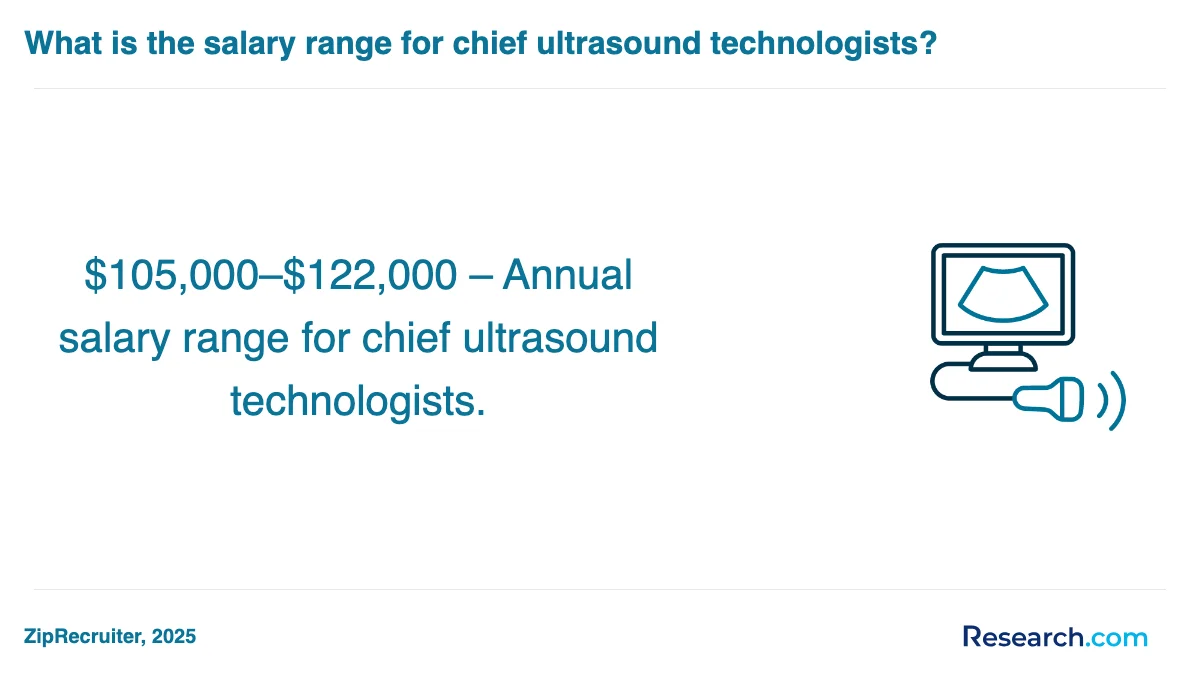
- Cardiac sonographer or echocardiographer: Performs ultrasound exams of the heart.
- Vascular sonographer: Assesses blood flow and vascular conditions using ultrasound.
- Pediatric sonographer: Works with infants, children, and adolescent patients.
- Breast sonographer: Performs breast ultrasound exams in diagnostic or screening support settings.
- Travel sonographer: Takes short-term assignments across facilities and regions.
- Lead sonographer: Supervises scanning teams, schedules workflow, and supports quality assurance.
- Instructor or clinical educator: Teaches sonography students or trains staff in clinical settings.
Career growth usually depends on certification, scan volume, specialty experience, and professional reputation. New graduates should focus first on building accuracy, speed, patient communication, and reliability. After that, adding specialty credentials can expand job options and earning potential.
If salary is a major factor in your decision, review this guide on how much do ultrasound techs get paid to compare pay expectations and understand what influences earnings in the field.
What is the job market for medical sonographer trade school graduates in Georgia?
The job market for medical sonographer trade school graduates in Georgia is supported by healthcare demand in both metro and rural areas. Hospitals such as Northside Hospital and Grady Memorial regularly need skilled sonographers, and outpatient imaging centers, urgent care clinics, physician offices, and specialty practices also employ graduates.
Nationally, job growth for ultrasound technicians is projected at 11% through 2032. In Georgia, entry-level salaries may start around $55,000 to $65,000 annually, while experienced sonographers can earn $100,000 or more. Travel sonographer roles may offer weekly wages around $1,800, and some short-term assignments across Georgia may pay over $2,100 a week. Specialists in areas such as obstetric or vascular sonography may see salaries upward of $100,000 annually.
How to improve job prospects after graduation
- Graduate from a CAAHEP-accredited program when possible.
- Prepare for ARDMS or CCI certification, since employers often prefer certified candidates.
- Use clinical rotations to build references and demonstrate professionalism.
- Consider specialties with strong local demand, such as vascular, cardiac, or OB/GYN sonography.
- Stay open to hospital, outpatient, rural, and travel roles when starting out.
- Keep documentation, continuing education, and credentials current.
Georgia does not require licensure for sonographers, but certification plays a major role in hiring and advancement. Employers may use credentials as evidence that applicants meet professional standards for scanning knowledge and patient care. Students exploring related imaging careers can also compare options in this guide to jobs in radiology.
Frequently Asked Questions about medical sonographer
After completing a medical sonographer trade school in Georgia, preparing for the job market involves several key steps. First, obtaining certification from the American Registry for Diagnostic Medical Sonography (ARDMS) is essential, as most employers require this credential. The certification process typically involves passing exams that validate your skills and knowledge.
Networking is also important. Joining local professional organizations, such as the Georgia Society of Ultrasound Professionals, can provide job leads and mentorship. Additionally, gaining clinical experience through internships or externships during your program can improve employment prospects.
According to the U.S. Bureau of Labor Statistics, Georgia is expected to see a 14% growth in diagnostic medical sonography jobs through 2031, indicating strong demand. Staying updated with continuing education helps maintain certification and keeps skills current in this evolving field.
Employers in Georgia seeking medical sonographer graduates prioritize a combination of technical and interpersonal skills. Proficiency with ultrasound equipment and a strong understanding of human anatomy are essential. According to the Georgia Department of Labor, 85% of employers emphasize hands-on experience gained through accredited trade school programs.
Attention to detail and the ability to produce clear, accurate diagnostic images are critical, as these directly impact patient outcomes. Communication skills also rank highly, since sonographers must explain procedures to patients and collaborate with healthcare teams. The American Registry for Diagnostic Medical Sonography (ARDMS) certification is often required or preferred, underscoring the value of formal training and passing national exams.
In 2026, Georgia offers several affordable diagnostic medical sonography programs, like Albany State University and Gwinnett Technical College, known for cost-effective tuition and robust training. These institutions balance quality education with financial feasibility, making them excellent choices for students pursuing sonography.
Students enrolled in medical sonographer trade schools in Georgia can benefit from part-time jobs that provide relevant hands-on experience. Common opportunities include positions as ultrasound technician assistants or medical imaging aides, which help build practical skills while supporting clinical staff. These roles often involve patient preparation and equipment maintenance, complementing classroom learning.
The Georgia Department of Labor reports that healthcare support roles are growing by over 15% through 2028, reflecting strong demand in the state. Additionally, jobs in hospital administration or medical records can provide insight into healthcare operations, valuable for sonography students.
Part-time work in outpatient clinics or diagnostic centers in metropolitan areas like Atlanta also offers exposure to diverse patient populations and imaging technologies.
While studying at a medical sonographer trade school in Georgia, students can gain practical experience through clinical rotations arranged by the program. These rotations provide hands-on training in healthcare settings, offering a real-world understanding of sonographic procedures and patient care. Networking with professionals during these placements can also be invaluable for future job opportunities.
If you are looking for the most affordable medical sonographer degree programs near me in Georgia, there are several community colleges and universities that offer cost-effective options. These programs typically provide a mix of classroom instruction and hands-on clinical experience, preparing students for licensure and employment in the field. For comprehensive details about program availability and affordability, Research.com can be a helpful resource to identify the right program near Georgia.
Related Medical Sonographer Rankings for Nearby States
- Most Affordable Diagnostic Medical Sonographer Schools & Training - Budget-Friendly Sonography Trade Programs in South Carolina for 2026
- Most Affordable Diagnostic Medical Sonographer Schools & Training - Budget-Friendly Sonography Trade Programs in Florida for 2026
- Most Affordable Diagnostic Medical Sonographer Schools & Training - Budget-Friendly Sonography Trade Programs in Alabama for 2026
- Most Affordable Diagnostic Medical Sonographer Schools & Training - Budget-Friendly Sonography Trade Programs in North Carolina for 2026
- Most Affordable Diagnostic Medical Sonographer Schools & Training - Budget-Friendly Sonography Trade Programs in Louisiana for 2026
- Most Affordable Diagnostic Medical Sonographer Schools & Training - Budget-Friendly Sonography Trade Programs in West Virginia for 2026
- Most Affordable Diagnostic Medical Sonographer Schools & Training - Budget-Friendly Sonography Trade Programs in Missouri for 2026
- Most Affordable Diagnostic Medical Sonographer Schools & Training - Budget-Friendly Sonography Trade Programs in Indiana for 2026
- Most Affordable Diagnostic Medical Sonographer Schools & Training - Budget-Friendly Sonography Trade Programs in Ohio for 2026
- Most Affordable Diagnostic Medical Sonographer Schools & Training - Budget-Friendly Sonography Trade Programs in Maryland for 2026
Top Trending Rankings
References
- Application | UCSD Diagnostic Sonography Program https://dmsprogram.health.ucsd.edu/application.html
- Diagnostic Medical Sonography Application | Clark State College https://www.clarkstate.edu/admissions/admissions-for-healthcare-programs/diagnostic-medical-sonography-application/
- How To Become A Sonographer - ARDMS https://www.ardms.org/how-to-become-a-sonographer/
- Diagnostic Medical Sonography https://www.templecollege.edu/programs/health-professions/diagnostic-medical-sonography/index.html
- Associate of Applied Science in Diagnostic Medical Sonography http://mccollege.edu/aas-in-diagnostic-medical-sonography/
- Bachelor's Degree in Sonography | COTC https://www.cotc.edu/degrees-certificates/diagnostic-medical-sonography-technology
- How to Become an Ultrasound Technician https://www.chcp.edu/blog/how-to-become-an-ultrasound-technician/
- Admissions – Prerequisites and Application Process – Institute of Extended Learning – UMBC https://instituteofextendedlearning.umbc.edu/sonography/admissions/
- Diagnostic Medical Sonography | BCTC https://bluegrass.kctcs.edu/education-training/program-finder/diagnostic-medical-sonography.aspx
- Diagnostic Medical Sonography | Triton College https://www.triton.edu/about/dept/academic/school-of-health-careers-public-service-programs/diagnostic-medical-sonography/