Most Affordable Diagnostic Medical Sonographer Schools & Training - Budget-Friendly Sonography Trade Programs in Oklahoma for 2026

Co-Founder and Chief Data Scientist
Looking to start a rewarding career as a medical sonographer in Oklahoma? This article introduces the most affordable trade schools for 2026, helping you find the right program without breaking the bank.
The Research.com team of data scientists created a medical sonographer trade school programs ranking to guide your decision. Their data-driven approach highlights quality options worth considering, so you can invest in a program that fits your goals.
By earning a diploma or certification, you open doors to a stable, growing healthcare field with great opportunities. Explore the best choices and take the next step confidently.
Key benefits of finishing medical sonographer trade school in Oklahoma
- Graduates can expect competitive salaries, with averages around $78,300 to $92,821 per year in Oklahoma, offering strong financial stability right after trade school.
- Career paths include roles such as registered diagnostic medical sonographer or specialized fields like cardiovascular and obstetric sonography, providing diverse and rewarding opportunities.
- Completing a program online offers flexibility and convenience, allowing students to balance work or family while gaining hands-on skills, as seen in successful online graduates from popular Oklahoma trade schools.
- Most Affordable Diagnostic Medical Sonographer Schools & Training - Budget-Friendly Sonography Trade Programs in Oklahoma for 2026
- What can I expect from medical sonographer trade schools in Oklahoma?
- Where can I work after finishing medical sonographer trade schools in Oklahoma?
What can I expect from medical sonographer trade schools in Oklahoma?
Students enrolling in medical sonographer trade school programs in Oklahoma can expect a comprehensive blend of rigorous classroom instruction and hands-on clinical training. Popular institutions like Tulsa Community College and Oklahoma State University-Oklahoma City integrate over 1,000 hours of supervised clinical experience, allowing students to develop confidence in operating ultrasound equipment and performing diagnostic imaging on real patients.
Coursework typically spans five semesters and covers subjects such as anatomy, physics, and patient care, equipping students with the technical knowledge needed for abdominal, OB/GYN, and vascular sonography exams. Graduates often describe the clinical rotations in local hospitals and diagnostic labs as pivotal, providing a realistic environment that bridges theory and practice.
Students should anticipate a demanding schedule, which may include evening classes or travel to various clinical sites, requiring flexibility and commitment. The programs are CAAHEP-accredited, ensuring graduates qualify to sit for the ARDMS certification exams-a crucial step for employment in Oklahoma's healthcare facilities.
Financial aid and scholarships are commonly available, making these programs accessible and supporting students throughout their training journey.
Where can I work after finishing medical sonographer trade schools in Oklahoma?
Graduates from medical sonographer trade schools in Oklahoma often secure roles in diverse healthcare environments, including hospitals, outpatient clinics, diagnostic imaging centers, and physician offices. For example, those completing programs at well-known Oklahoma trade schools frequently find employment with large health systems like OU Health - University of Oklahoma Medical Center or Mercy Hospital Oklahoma City, where demand for skilled sonographers remains strong.
Many graduates describe rewarding experiences working in specialized imaging departments such as obstetric, abdominal, vascular, and echocardiography, gaining hands-on expertise immediately after certification. Others appreciate the flexibility offered by mobile imaging services, traveling to patients' homes or rural clinics, which broadens their professional exposure and work-life balance.
Travel sonographer roles are also popular among recent trade school alumni, offering competitive weekly pay often between $1,439 and $2,672 depending on specialty and experience. Cities with frequent openings include Tulsa, Edmond, Ada, and Oklahoma City, providing ample opportunities to build a dynamic career across the state.
Graduates from medical sonographer trade school programs in Oklahoma can expect strong earning potential right after completing their training. Entry-level salaries typically start around $48,400 per year, which is encouraging for new sonographers eager to enter the workforce. For example, recent graduates from popular programs like Oklahoma State University-Oklahoma City report average annual salaries near $71,810 once certified, showcasing the value of combining an associate degree with certification.
Hourly wages for new sonographers in Oklahoma range from about $37.42 to $37.67, translating to annual salaries between $73,000 and $93,000 depending on experience and location. Graduates often share how this pay supports their goals-whether it's managing student loans, starting families, or saving for future opportunities.
More experienced medical sonographers in Oklahoma can earn up to $94,690 annually, placing them roughly 16% above the national average and offering a clear financial incentive to build a career here. This makes trade schools in Oklahoma an appealing choice for those seeking both quality education and competitive compensation.
- Only programs accredited by the Commission on Accreditation of Allied Health Education Programs (CAAHEP) allow graduates to take the ARDMS certification exam required for most jobs.
- Admission requirements include a minimum college GPA of 2.5, an ACT score of at least 18, prerequisite courses with a grade of "C" or better, and ability to meet physical and clinical screening standards.
- Programs typically last two years and include at least 1,000 hours of supervised clinical experience in hospitals or diagnostic labs.
- Total tuition costs range from $6,000 to $15,000 depending on the type of institution attended, with financial aid and scholarships available.
- Starting salaries for sonographers in Oklahoma range from $55,000 to $65,000 per year, with experienced professionals earning up to $80,000 or more.
Completing a medical sonographer trade school program in Oklahoma typically takes between 18 to 24 months, depending on the school and whether the student attends full-time or part-time. Popular trade schools in Oklahoma offering these programs design their curricula to balance hands-on clinical experience with classroom instruction, allowing graduates to confidently enter the workforce in a relatively short period.
Graduates from well-known Oklahoma trade schools often share that the program's duration felt just right - intensive enough to build strong skills without dragging on unnecessarily. For example, a common scenario involves students starting clinical rotations in their second semester, which helps them immediately apply theoretical knowledge to real patient care settings. This hands-on approach makes the time investment feel meaningful and rewarding.
Many students appreciate the focused timeline as it allows them to transition quickly into medical sonography jobs, which is especially important for those balancing family or work commitments. The 18-to-24-month range is widely seen as a practical and motivating timeframe to gain specialized training in Oklahoma's medical sonographer trade schools.
The main difference between online and on-campus medical sonographer trade school programs in Oklahoma lies in how students engage with clinical training and instruction. On-campus programs, like those at Tulsa Community College and the University of Oklahoma Health Sciences Center, provide face-to-face classes and direct access to instructors. Graduates often share how the hands-on clinical rotations in local hospitals helped them confidently operate ultrasound equipment and interact with patients, building essential skills through real-time feedback.
Online programs offer flexibility by delivering theoretical coursework digitally, appealing to students balancing work or family. However, Oklahoma currently lacks fully online CAAHEP-accredited sonography programs. Graduates from hybrid programs report that despite the convenience of online lectures, they still must attend in-person labs and clinical rotations, ensuring they gain the practical experience vital for certification and employment.
The structured, in-person nature of on-campus programs ensures students complete a full sequence of courses and clinical hours over about five semesters, which many find reassuring for mastering the profession comprehensively.
The average cost of medical sonographer programs in Oklahoma varies widely depending on the trade school and program length. Tuition fees for sonography schools in Oklahoma generally range from around $2,850 at Moore Norman Technology Center to as high as $18,850 at ATA College. Graduates from these institutions often share a sense of accomplishment despite the financial investment, reflecting that the tuition fees cover comprehensive training that prepares them for clinical roles effectively.
Beyond tuition, students should anticipate additional expenses such as uniforms, books, lab fees, background checks, drug screenings, transportation for clinical rotations, and certification examination fees. For example, Tulsa Community College's Diagnostic Medical Sonography program estimates total costs, including these extras, at about $13,364. Many students find managing these costs challenging but rewarding, especially when they secure employment soon after completing their programs.
Exploring financial aid opportunities like federal and state grants, scholarships, and loans is crucial to offset the total cost. Institutions encourage contacting their financial aid offices to access tailored support. By carefully evaluating tuition fees for sonography schools in Oklahoma and related expenses, prospective students can realistically budget their educational investment while pursuing a fulfilling healthcare career.
Those considering a career in sonography may also find it helpful to understand what is the best job in healthcare to align their training with promising occupational outcomes.
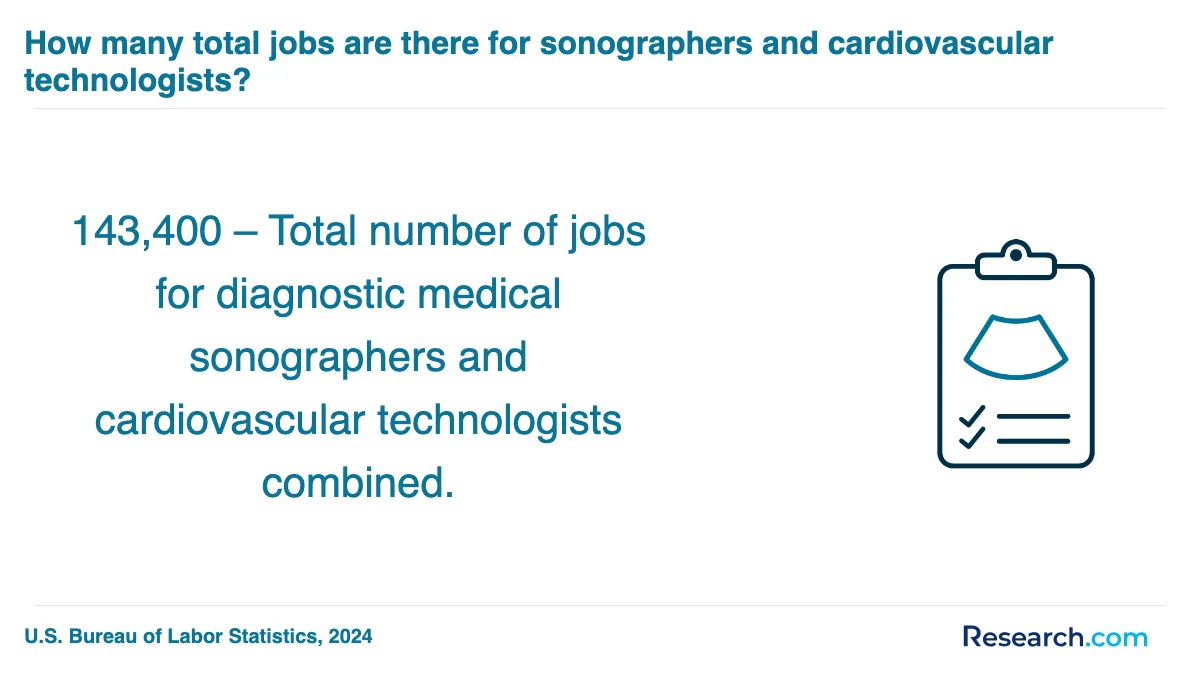
Medical sonographer trade school students in Oklahoma benefit from multiple financial aid sources that significantly ease the burden of tuition and related expenses. Graduates from popular institutions like the Oklahoma Career Institute often highlight how federal grants such as the Pell Grant-offering up to $6,895 annually-and the Federal Supplemental Educational Opportunity Grant (FSEOG), which ranges from $100 to $4,000, were crucial in their ability to focus on studies without financial stress. Applying through FAFSA is essential to access these funds, though students must verify their chosen trade school's participation in these federal programs.
State-based aid, while not sonography-specific, provides additional support for Oklahoma residents attending in-state schools. Many students at Tulsa Technology Center recall receiving need-based awards that helped cover costs beyond tuition, making the pursuit of sonography more attainable. The Oklahoma State Regents for Higher Education remain a vital resource for up-to-date eligibility and award details.
Private scholarships, especially those from the Society of Diagnostic Medical Sonography Foundation, offer $1,000 to $2,500 awards for committed sonography students who demonstrate both academic merit and financial need. Institutional scholarships and flexible tuition plans offered by trade schools further bolster students' ability to manage expenses, enabling many to graduate confidently and ready to enter the healthcare workforce.
Enrolling in a medical sonographer trade school program in Oklahoma typically requires a set of clear prerequisites designed to ensure student success and readiness for this technical healthcare field. Most programs expect applicants to have earned a high school diploma or GED, as this foundational education is crucial for understanding the science and technology involved.
Trade schools like those in Tulsa and Oklahoma City often require:
- Completion of prerequisite courses in biology, anatomy, and basic math to build a strong scientific foundation.
- Proof of immunizations and a background check, reflecting the healthcare environment's safety standards.
- Some schools ask for healthcare experience or certifications such as CPR to confirm familiarity with clinical settings.
Graduates recall that meeting these prerequisites helped them feel confident and prepared before starting hands-on ultrasound training. For example, one graduate from an Oklahoma City program mentioned that completing prerequisite science courses made the complex sonography concepts easier to grasp, boosting their enthusiasm and reducing early program anxiety.
These requirements ensure students are equipped both academically and practically, creating a supportive learning atmosphere that fosters success in Oklahoma's competitive sonography job market.
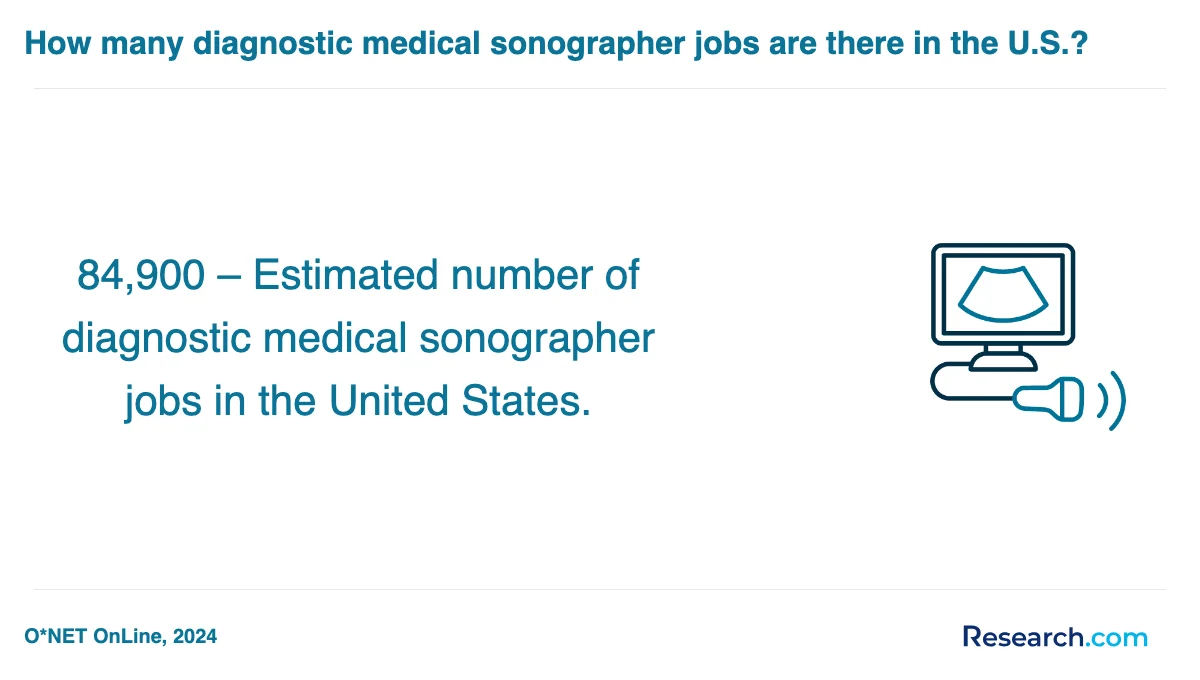
Medical sonographer trade school programs in Oklahoma typically include a blend of core specialized courses and didactic coursework designed to build both theoretical knowledge and practical skills. Graduates from popular programs like Tulsa Community College and the University of Oklahoma Health Sciences Center (OUHSC) highlight hands-on learning in:
- Abdominal Sonography
- Obstetrical and Gynecologic Sonography (OB/GYN)
- Vascular Sonography
These courses train students to operate advanced ultrasound technology for imaging organs, tissues, and blood flow, preparing them to assist physicians accurately in clinical diagnoses.
Didactic classes cover essential topics such as sonographic physics, medical terminology, cross-sectional anatomy, patient care, and pathology. Graduates often recall how these lessons connect to real-world clinical scenarios, making complex concepts easier to grasp.
Clinical rotations at nearby hospitals and clinics enable students to apply knowledge in settings ranging from abdominal exams to neurosonography and women's health. This hands-on experience, aligned with classroom learning, builds confidence and readiness for the workforce.
Medical sonography specializations in Oklahoma trade school programs commonly focus on areas such as abdominal sonography, obstetrics and gynecology (OB/GYN) sonography, adult cardiac sonography, and vascular technology. These Oklahoma sonography program concentrations reflect the evolving demands within healthcare and prepare students for diverse diagnostic roles. For instance, graduates of the University of Oklahoma Health Sciences Center benefit from a CAAHEP-accredited program covering all four specialty areas, helping them confidently transition to clinical roles involving varied sonographic techniques.
At Oklahoma State University-Oklahoma City, students aiming for adult cardiac sonography receive extensive hands-on training geared towards adult echocardiography. Similarly, Moore Norman Technology Center emphasizes abdominal sonography-extended and OB/GYN sonography, enabling graduates to quickly gain national certification and secure specialized positions. These tailored curricula foster practical skills and positive outcomes, with many graduates expressing satisfaction in their job readiness and clinical competence.
Prospective students interested in advancing their credentials can explore the best online bachelor's degree in sonography to complement these hands-on experiences and expand career opportunities further.
When selecting the ideal medical sonographer trade school program in Oklahoma, it's essential to consider factors such as program accreditation, curriculum comprehensiveness, clinical training opportunities, and financial aid availability. Graduates from programs like Oklahoma State University-Oklahoma City and the University of Oklahoma Health Sciences Center often highlight how accreditation assured them of a quality education that prepared them well for certification exams. Their clinical rotations across diverse healthcare facilities helped build real-world confidence and skill, making their job transitions smoother and more rewarding.
Comparing tuition fees and available scholarships is crucial, as many students balance education costs with living expenses. The right program should align with your financial resources and career goals to ensure long-term satisfaction. Additionally, understanding how much do ultrasound tech make can help gauge the return on investment from your studies. Choosing a program with strong faculty expertise and supportive resources can transform the learning experience into one that feels engaging and encouraging.

Medical sonographer trade school graduates in Oklahoma find diverse opportunities across clinical and non-clinical settings. After completing CAAHEP-accredited programs at popular Oklahoma trade schools, graduates typically earn the Registered Diagnostic Medical Sonographer (RDMS) certification, enabling access to specialized roles. Common specialties include abdominal sonography, obstetric and gynecologic sonography, vascular sonography, and echocardiography, each offering rewarding ways to impact patient care.
The spectrum of medical sonography career opportunities in Oklahoma spans employment in hospitals, outpatient clinics, diagnostic imaging centers, and physician offices. Graduates frequently share positive experiences of hands-on training and smooth transitions into diagnostic medical sonographer jobs in Oklahoma, where demand is strong, supported by about 110 new annual positions and competitive salaries averaging $71,810 to $78,800 per year.
Beyond patient-facing roles, many graduates build careers as sonography instructors, medical equipment sales professionals, or department supervisors. This flexibility allows tradeschool alumni to tailor their careers toward growth or balance.
Students also report increased awareness of allied healthcare possibilities after exploring resources like 2-year medical degrees that pay well, inspiring diverse career trajectories within Oklahoma's expanding healthcare sector.
The medical sonographer job outlook in Oklahoma is notably strong, with graduates from popular trade schools quickly finding employment in diverse healthcare settings. Certified sonographers with an associate degree earn an average annual salary of $71,810, supported by Oklahoma's demand for approximately 110 new positions each year. Graduates often enter vibrant job markets in cities like Oklahoma City and Tulsa, where hospital systems, outpatient clinics, and specialized imaging centers seek skilled professionals.
Positive employment trends encourage graduates to pursue roles such as travel sonographers, which can pay up to $2,672 weekly, or permanent positions in institutions like the University of Oklahoma Medical Center. These opportunities offer rewarding experiences performing obstetric, abdominal, and vascular exams.
Diagnostic medical sonographer employment trends Oklahoma reveal a steady rise in openings and wages driven by expanding healthcare services statewide. Students completing programs at well-regarded trade schools often highlight the rewarding blend of patient care and technical expertise as a key motivator.
For those researching ultrasound technician requirements, Oklahoma's job market offers both stability and growth. Graduates thriving in the field appreciate the ability to work in varied environments, from bustling urban hospitals to rural clinics.
Most Affordable Diagnostic Medical Sonographer Schools & Training - Budget-Friendly Sonography Trade Programs in Oklahoma for 2026
# 1 position
Tulsa Community College - Diagnostic Medical Sonography/Sonographer and Ultrasound Technician.
associateTulsa Community College offers a Diagnostic Medical Sonography/Sonographer and Ultrasound Technician program with a hybrid format, including some distance education. The program prepares students to use medical ultrasound techniques for diagnosing conditions, emphasizing patient care, data integration, and professional ethics. Accredited by the Higher Learning Commission, it has an annual in-state tuition of $3,768. Graduates earn a median salary of $54,621 one year after completion.
# 2 position
ATA College - Diagnostic Medical Sonography/Sonographer and Ultrasound Technician.
associateATA College offers a Diagnostic Medical Sonography/Sonographer and Ultrasound Technician program in a hybrid format, combining in-person and distance education. The program trains students to use medical ultrasound techniques to collect and analyze sonographic data for diagnosing various conditions. Instruction includes patient care, data recording, equipment operation, and professional ethics. Annual in-state tuition is $15,000. The program is accredited by the Accrediting Bureau of Health Education Schools.
Frequently Asked Questions about medical sonographer
After completing a medical sonographer trade school in Oklahoma, preparing for the job market involves several key steps. First, graduates should obtain professional certification through organizations like the American Registry for Diagnostic Medical Sonography (ARDMS), which is highly valued by Oklahoma employers. According to the Bureau of Labor Statistics, sonographers in Oklahoma earn a median annual wage of approximately $62,000, with job growth projected at 14% through 2031, faster than average for all occupations.
Networking with local healthcare providers and attending job fairs can increase employment opportunities. Additionally, gaining experience through internships or clinical rotations during training is critical. Continuing education ensures skills remain current with advancing ultrasound technology and medical standards.
Employers in Oklahoma seeking medical sonographer graduates prioritize a combination of technical skills and patient care abilities. Proficiency in operating ultrasound equipment and understanding anatomy are essential. According to the Oklahoma Employment Security Commission, sonographers with strong technical knowledge and certification from accredited programs have higher job placement rates.
Communication skills also rank highly, as sonographers must explain procedures clearly and comfort patients during exams. Attention to detail is critical for producing accurate diagnostic images. Time management and critical thinking help handle busy clinic schedules efficiently. These skills, combined with clinical experience from trade schools, prepare graduates for the competitive healthcare environment in Oklahoma.
Finding internships relevant to medical sonographer trade school programs in Oklahoma involves several practical steps. First, students should consult their school's career services or internship coordinator, as many programs maintain partnerships with local healthcare facilities.
Hospitals and diagnostic imaging centers in cities like Tulsa and Oklahoma City often offer clinical internships. According to the Oklahoma State Department of Health, these sites provide hands-on experience required for certification.
Additionally, students can explore opportunities through professional organizations such as the Oklahoma Society of Radiologic Technologists. Networking at local events can lead to valuable internship placements.
Online job boards focused on healthcare internships in Oklahoma may also list openings specifically for sonography students.
Obtaining a medical sonographer trade school diploma in Oklahoma significantly enhances career mobility and advancement opportunities. According to the U.S. Bureau of Labor Statistics, Oklahoma's demand for diagnostic medical sonographers is projected to grow by 9% from 2022 to 2032, faster than the average for all occupations. This growth translates into increased job openings for diploma holders.
A diploma provides essential hands-on skills required for certification exams like the ARDMS, which employers highly value. Certified sonographers in Oklahoma typically earn higher wages, with a median annual salary around $65,000, compared to non-certified peers.
The diploma also enables graduates to qualify for diverse clinical roles in hospitals, imaging centers, and outpatient clinics, fostering upward mobility within healthcare settings.
Students enrolled in medical sonographer trade schools in Oklahoma can benefit from several part-time job opportunities that complement their education. Common roles include medical assistant positions, patient transport aides, and ultrasound technician interns. These jobs offer valuable hands-on experience in clinical settings, helping students develop patient communication skills and familiarity with medical equipment.
According to the Oklahoma Employment Security Commission, healthcare support roles are expected to grow by 15% through 2028, reflecting strong demand for trained professionals. Part-time work in hospitals, outpatient clinics, or imaging centers allows students to apply theoretical knowledge practically while earning income.
Additionally, some programs encourage internships or externships, which may be paid or unpaid but provide critical exposure to sonography workflows in Oklahoma's healthcare facilities.
Yes, there are affordable medical sonographer degree programs available both near me and near Oklahoma. Local community colleges and technical institutes often provide certificate and associate degree programs in diagnostic medical sonography, which can be more budget-friendly options. Institutions such as Research.com can be a helpful resource for exploring programs and universities that offer such degrees.
- Most Affordable Diagnostic Medical Sonographer Schools & Training - Budget-Friendly Sonography Trade Programs in Texas for 2026
- Most Affordable Diagnostic Medical Sonographer Schools & Training - Budget-Friendly Sonography Trade Programs in Missouri for 2026
- Most Affordable Diagnostic Medical Sonographer Schools & Training - Budget-Friendly Sonography Trade Programs in New Mexico for 2026
- Most Affordable Diagnostic Medical Sonographer Schools & Training - Budget-Friendly Sonography Trade Programs in Louisiana for 2026
- Most Affordable Diagnostic Medical Sonographer Schools & Training - Budget-Friendly Sonography Trade Programs in Alabama for 2026
- Most Affordable Diagnostic Medical Sonographer Schools & Training - Budget-Friendly Sonography Trade Programs in Minnesota for 2026
- Most Affordable Diagnostic Medical Sonographer Schools & Training - Budget-Friendly Sonography Trade Programs in Illinois for 2026
- Most Affordable Diagnostic Medical Sonographer Schools & Training - Budget-Friendly Sonography Trade Programs in Florida for 2026
- Most Affordable Diagnostic Medical Sonographer Schools & Training - Budget-Friendly Sonography Trade Programs in North Dakota for 2026
- Most Affordable Diagnostic Medical Sonographer Schools & Training - Budget-Friendly Sonography Trade Programs in Indiana for 2026
- Sonographer Salary and Job Opportunities: Is It Worth It? | Ultrasound Technician, Diagnostic Medical Sonography, Bachelor and Associate Programs - Los Angeles, Glendale, Pasadena https://amsc.edu/sonographer-salary-and-job-opportunities-is-it-worth-it/
- Sonography Career Paths https://www.ultrasoundschoolsinfo.com/sonography-career-paths/
- Diagnostic Medical Sonographers and Cardiovascular Technologists and Technicians : Occupational Outlook Handbook: : U.S. Bureau of Labor Statistics https://www.bls.gov/ooh/healthcare/diagnostic-medical-sonographers.htm
- Prepare for a Career in Diagnostic Medical Sonography - San Joaquin Valley College https://www.sjvc.edu/guides/career-guide-diagnostic-medical-sonographer/
- WorkBC Site Maintenance - Service Temporarily Unavailable https://www.workbc.ca/career-profiles/medical-sonographers
- Massive Career Options for Grads of Diagnostic Medical Sonography https://www.andersoncollege.com/massive-career-options-for-grads-of-diagnostic-medical-sonography/
- Diagnostic Medical Sonographer - Explore Healthcare Careers - Mayo Clinic College of Medicine & Science https://college.mayo.edu/academics/explore-health-care-careers/careers-a-z/diagnostic-medical-sonographer/
- Sonography School Oklahoma - Moore Norman Technology Center https://www.mntc.edu/long-term-programs/health/diagnostic-medical-sonography
- Diagnostic Medical Sonography, A.A.S. https://www.tulsacc.edu/academics/programs-courses/diagnostic-medical-sonography
- OU College of Allied Health - University of Oklahoma Health Sciences Center > Departments > Medical Imaging and Radiation Sciences > Sonography https://alliedhealth.ouhsc.edu/Departments/Medical-Imaging-and-Radiation-Sciences/Sonography