Best Diagnostic Medical Sonographer Training Programs & Trade Schools - Top Sonography Schools in Mississippi for 2026

Co-Founder and Chief Data Scientist
If you’re considering a career as a medical sonographer in Mississippi, choosing the right trade school is an important first step. This article features a medical sonographer trade school programs ranking created by the Research.com team of data scientists to help you make an informed choice about which programs truly stand out.
By reading this guide, you’ll discover schools that offer quality training and valuable certifications, setting you up for success in a growing healthcare field. Earning a diploma or certification can open doors to rewarding job opportunities and personal growth.
Key benefits of finishing medical sonographer trade school in Mississippi
- Graduates of medical sonographer trade schools in Mississippi can expect an average hourly wage around $38.38, with annual salaries typically near $61,530, offering a promising income right after completing the program.
- Many graduates find rewarding careers in hospitals, outpatient clinics, or specialized imaging centers, with opportunities to advance in diagnostic or cardiovascular sonography roles.
- Completing a medical sonographer trade school online provides flexibility and convenience, allowing students to balance work and study, often graduating faster than traditional degree programs.
- Best Diagnostic Medical Sonographer Training Programs & Trade Schools - Top Sonography Schools in Mississippi for 2026
- What can I expect from medical sonographer trade schools in Mississippi?
- Where can I work after finishing medical sonographer trade schools in Mississippi?
What can I expect from medical sonographer trade schools in Mississippi?
Expect an immersive experience when enrolling in a medical sonographer trade school program in Mississippi, where the journey lasts about 12 to 15 months. Many students at popular programs like Pearl River Community College find themselves deeply engaged in a blend of classroom lessons and hands-on clinical training. Imagine spending weekdays, often Monday through Thursday, mastering anatomy, ultrasound physics, and patient care, then stepping into real hospital settings to perform ultrasounds under expert supervision.
Graduates often recall the tight-knit learning environment-some classes accept as few as 15 students-making it easy to build strong connections with instructors and peers. The focus on professionalism and ethical conduct ensures you're not just learning skills but growing as a healthcare provider ready to make an impact.
Accreditation is a key milestone; only CAAHEP-accredited programs in Mississippi prepare you to qualify for vital ARDMS certification exams. This accreditation gives students confidence their hard work will translate into recognized credentials and rewarding careers, with median incomes around $56,500, reflecting the demand for skilled sonographers.
Where can I work after finishing medical sonographer trade schools in Mississippi?
After completing a medical sonographer trade school program in Mississippi, graduates often find themselves stepping into dynamic roles across the state's healthcare landscape. Many begin their careers in bustling hospitals, where the energy of a busy OB/GYN or cardiac sonography department offers both challenge and excitement. Imagine working alongside experienced professionals in a Jackson hospital, learning to capture life's first moments through ultrasound images-this is a reality for many recent trade school grads.
Others discover rewarding opportunities in outpatient clinics, like the Mississippi Perinatal Center in Ridgeland, where schedules tend to be more predictable and patient connections deeper. Graduates often describe the satisfaction of contributing to women's health or cardiovascular care in these settings, where their skills directly impact patient well-being.
For those craving variety and adventure, rural health centers or mobile imaging companies provide a unique chance to serve underserved communities, traveling across Mississippi's scenic small towns and countryside. Working in these roles means wearing many hats, from general sonography to specialized vascular imaging, making every day different and fulfilling.
Trade school alumni also find niches in physician offices, urgent care centers, and specialized labs, stepping into roles like Echo Technologist or Vascular Ultrasound Technologist. The variety of career paths available after finishing a sonography program in Mississippi offers excitement and meaningful work for every passion and lifestyle.
Imagine finishing a medical sonographer trade school program in Mississippi and stepping into a job that pays around $61,530 a year on average. Graduates from popular trade schools in the state often share how exciting it feels to start with an entry-level salary near $47,690-enough to cover living expenses while building valuable experience. One recent graduate described the thrill of earning about $38.38 per hour, which can climb to over $52 per hour with some specialization.
Many find it rewarding to see their hard work translate into paychecks ranging from $31.88 to $40.96 hourly, depending on their role and location in Mississippi. Graduates who pursue advanced skills or supervisory roles often unlock salaries above $78,000 annually, proving the trade school route can lead to a financially stable and fulfilling career.
While Mississippi ranks last nationally for sonographer salaries, students from trade schools still celebrate competitive wages that rival or exceed those of registered nurses and MRI technologists locally. This makes the journey through a Mississippi medical sonographer program both an adventurous and practical investment in your future.
- No state-specific licensure is required in Mississippi, but most employers expect national certification from the ARDMS.
- Programs usually require a high school diploma or equivalent and specific college courses like algebra and anatomy.
- Most programs award an Associate of Applied Science degree and take about two years to complete full-time.
- Tuition for in-state students at community colleges ranges from $4,000 to $7,000, excluding textbooks and supplies.
- Employment for sonographers in Mississippi is expected to grow 14% from 2022 to 2032, with an average annual salary around $70,150 as of May 2023.
- Hands-on clinical training is included in all accredited programs to provide practical experience.
In Mississippi, completing a medical sonographer trade school program typically takes about 18 to 24 months, depending on the school and the student's pace. Imagine stepping into a bustling classroom at one of the state's well-known trade schools, where hands-on training and real patient interactions become the norm within just a few months. Graduates often describe the experience as intense but incredibly rewarding, with the clock feeling like it speeds up as they master ultrasound technology and anatomy.
Many students find themselves balancing coursework with clinical rotations, which adds an exciting real-world dimension to their education. For example, graduates from popular Mississippi trade schools share how the fast-paced environment pushed them to grow quickly, transforming nervous beginners into confident professionals in less than two years. This timeframe allows students to dive deep into both theory and practice without feeling overwhelmed, making the journey feel achievable and thrilling.
Choosing a program in Mississippi means embracing a clear, focused path to becoming a medical sonographer-one filled with moments of discovery and skill-building that prepare you to launch a meaningful career swiftly.
Imagine diving into the world of medical sonography at Northeast Mississippi Community College, where on-campus programs immerse you in hands-on clinical training alongside passionate instructors. Graduates often recall the thrill of directly handling ultrasound equipment during labs and the confidence gained from immediate feedback in scanning sessions. This face-to-face experience is crucial for mastering the delicate skills of interpreting images and manipulating transducers-skills that can't be fully captured through a screen.
In contrast, online programs in Mississippi are rare and offer mostly theoretical coursework, like anatomy or patient care. While some students appreciate the flexibility of studying from home, they quickly realize that the real challenge-and excitement-comes from in-person clinical rotations at approved healthcare facilities. Hybrid programs try to blend both worlds, but even then, the essential hands-on training remains firmly rooted in local clinical settings.
Both paths aim to meet strict CAAHEP accreditation standards, but the on-campus route in Mississippi often feels like a more vibrant, interactive journey for those ready to jump into the practical side of sonography.
When exploring the average tuition fees for sonography programs in Mississippi, you'll quickly find that costs vary widely based on the institution and residency status. For example, graduates from Hinds Community College in Raymond often remember paying about $3,500 per year if they studied in-state, which felt like a solid investment into their future. Out-of-state students there encountered nearly double that amount, close to $6,550 annually. These figures shaped their budgeting journey but didn't deter their enthusiasm for learning the trade.
Other popular trade schools paint a similar picture. At Itawamba Community College, located in Fulton, the cost is a bit lower-around $2,400 per year for residents and $4,000 for out-of-state learners, making it an accessible option for many eager to start a career in sonography. Many graduates from Jones College and Mississippi Gulf Coast Community College relate how their in-state tuition hovered around $2,800 annually, with out-of-state fees just a bit higher, often encouraging them to seek financial aid or part-time work to manage expenses.
The cost of diagnostic medical sonography education in Mississippi does include these variances, and students often recount the importance of thoroughly researching tuition along with hidden fees to avoid surprises. Smart students tap into scholarships and grants, like those offered by the Mississippi Office of Student Financial Aid, to lighten their investment load.
For those balancing work and study, some turn to ultrasound tech schooling online, a flexible option highlighted on ultrasound tech schooling online, to complement their hands-on training. This combination often helps future sonographers build confidence without overwhelming their budgets while pursuing an exciting and rewarding career.
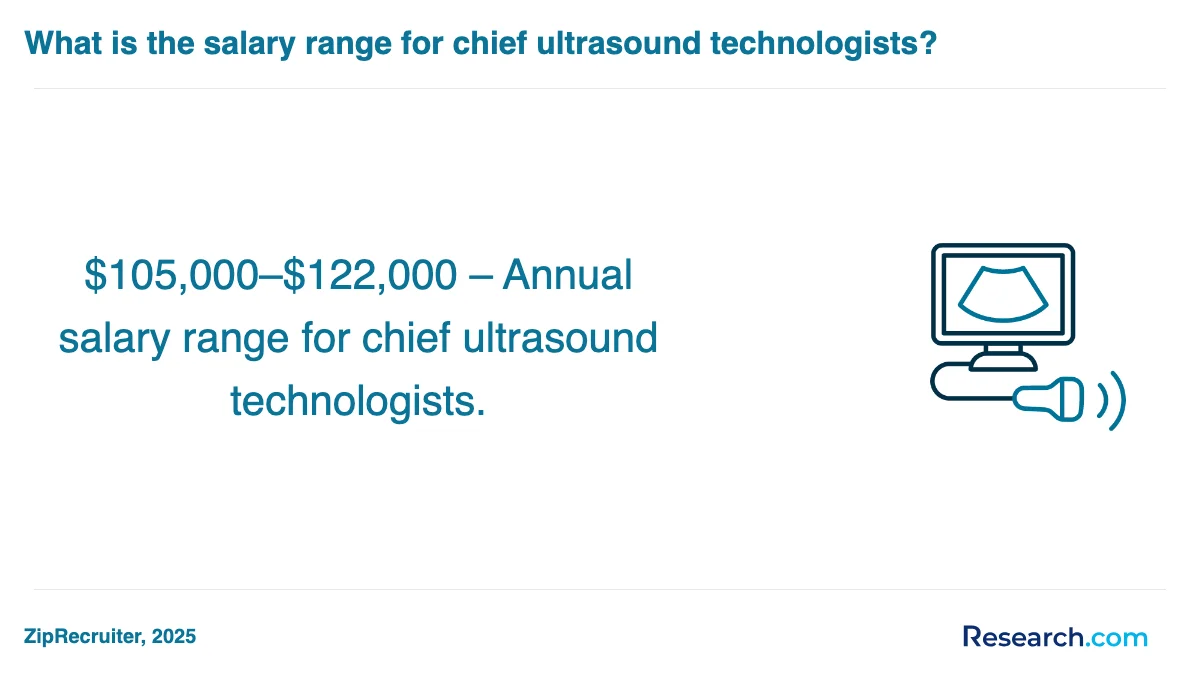
When diving into medical sonographer trade school programs in Mississippi, financial aid can feel like a treasure map leading to exciting possibilities. Many graduates recall how completing the Free Application for Federal Student Aid (FAFSA) was their golden key, unlocking access to federal grants such as the Federal Pell Grant, which for 2022-2023 offered up to $6,895. Imagine the relief of having a chunk of tuition covered while studying at places like Itawamba Community College or Hinds Community College, where institutional scholarships also brighten the path.
Some graduates discovered the Federal Supplemental Educational Opportunity Grant (FSEOG), which can add up to $4,000 yearly, though availability depends on the school. Others found encouragement through professional organizations like the Society of Diagnostic Medical Sonography (SDMS) Foundation, awarding $2,500 scholarships to help passionate students pursue their dreams.
Even local healthcare employers sometimes step in with tuition reimbursement, especially when they need skilled sonographers. This patchwork of aid options creates a supportive environment, making the journey toward a rewarding sonography career feel achievable and full of promise.
Ready to dive into the world of medical sonography in Mississippi? Before you can start scanning hearts and babies' first glimpses, trade schools here expect you to meet some key prerequisites that set you up for success.
Most popular programs, like those at local trade schools, ask for a high school diploma or GED-no surprises there. But it doesn't stop at the basics. Graduates often recall how proving a strong foundation in science, especially biology and anatomy, made classes easier to grasp and more exciting. Imagine sitting in class understanding exactly how the human body works, rather than scrambling to catch up!
Other common prerequisites include:
- Completion of prerequisite courses such as algebra, physics, and medical terminology
- Proof of CPR certification, which many schools help you obtain early on
- Passing an entrance exam or assessment to ensure readiness for the technical aspects
- Background checks and immunization records to keep clinical placements safe
One graduate shared how balancing these prerequisites felt challenging but absolutely worth it-it made their clinical experiences at Mississippi hospitals feel like stepping into a dream job, fully prepared and confident. If you're curious and eager to help others while mastering cool technology, these prerequisites are your first adventure!
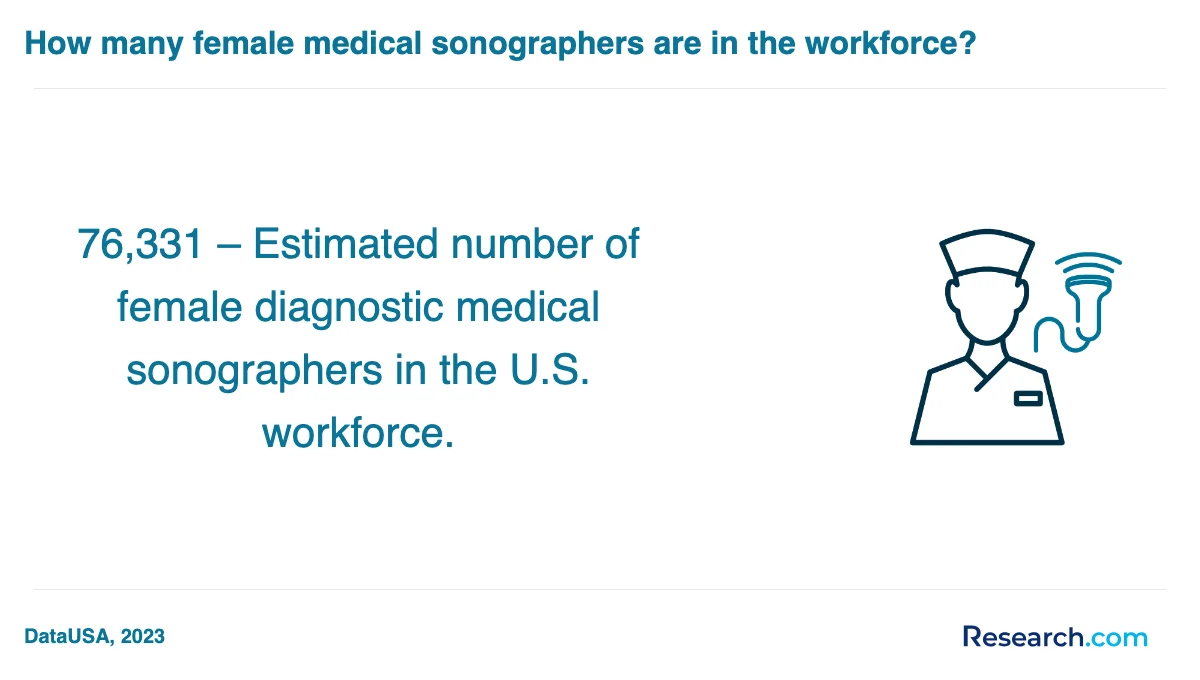
In Mississippi, medical sonographer trade school programs dive right into a mix of science and hands-on learning that graduates find both challenging and rewarding. At schools like Pearl River Community College, students eagerly tackle core science courses that build a solid foundation:
- Anatomy and Physiology I and II, where they learn to visualize the human body's inner workings, essential for reading ultrasound images accurately.
- Physics and Instrumentation, unlocking the mysteries of sound waves and Doppler technology, explaining how ultrasound machines create those fascinating images.
But theory is just the beginning. Clinical training puts students right into healthcare settings, where they develop real scanning skills under supervision. Graduates recall the thrill of applying classroom knowledge to actual patient care, gaining confidence with every scan.
Specialized courses like Abdominal Sonography and Obstetrical and Gynecological Sonography deepen expertise, teaching students to detect normal and abnormal anatomy. Additional classes on topics like Medical Office Terminology and Sonography Seminars prepare them to communicate effectively and ace certification exams.
Diving into Mississippi medical sonography program specializations, students get hands-on experience in a variety of fascinating diagnostic areas. Imagine attending Northeast Mississippi Community College, where graduates share their thrill at mastering abdominal sonography and OB/GYN sonography - essential skills for capturing life's most intimate moments and intricate internal details. The excitement grows as they explore vascular technology, opening doors to careers focused on circulatory health, all within a curriculum that feels both challenging and rewarding.
Over at Hinds Community College, students benefit from an Associate of Applied Science degree designed with real-world readiness in mind. This college prides itself on accredited programs recognized by CAAHEP, ensuring a trusted foundation for those eager to specialize in diagnostic medical sonography concentrations in Mississippi. Graduates speak of the confidence they gain preparing for ARDMS certification exams, an important credential for standing out in fields like breast or OB/GYN sonography.
For those curious about flexible learning options, exploring online ultrasound tech certification programs can complement these traditional paths, offering dynamic ways to advance and specialize without pausing life's adventures.
Choosing the best medical sonographer trade school program in Mississippi starts with accreditation-graduates from popular colleges often share how attending a CAAHEP-accredited program opened doors for them to pass the ARDMS certification exam and secure rewarding jobs. Imagine starting your journey at a school where hands-on clinical experience and specialties like vascular sonography come alive through real patient interactions, just like many successful graduates have experienced.
Next, consider program length and degree options. Some students thrive in intensive 12-month associate degree tracks, while others appreciate more flexible schedules that fit their lives. Reflecting on how these programs align with your goals makes a big difference. Many find that comparing programs helps; for example, exploring the best accredited sonography programs in Mississippi can reveal exciting paths tailored to your ambitions.
Don't overlook the importance of support services and outcomes-graduates often recall how career advising and scholarship opportunities boosted their confidence and eased financial stress. To truly understand your future potential, check out data on certification pass rates and job placement. Curious about the future? Discover what is the highest paying job in the medical field to see how sonography can fit your dream career.

Medical sonographer trade school graduates in Mississippi dive into a variety of exciting career opportunities for medical sonographers in Mississippi. Many begin as staff sonographers, gaining hands-on experience in bustling hospitals or cozy clinics where they perform vital diagnostic ultrasound exams. Graduates from popular trade schools share how rewarding it feels to support doctors and patients daily, swiftly turning classroom knowledge into real-world skills.
With experience, adventurous sonographers specialize in areas like cardiac sonography, vascular technology, or OB/GYN imaging, unlocking higher salaries and specialized roles. Others leap into leadership, becoming lead sonographers or application specialists who guide teams and troubleshoot advanced equipment.
Some graduates even embrace teaching roles as clinical instructors at Mississippi's well-known trade schools, inspiring the next wave of sonographers. Others pivot to related health careers such as cardiovascular or radiologic technology, broadening their horizons further.
For those eager to accelerate their journey, an ultrasound accelerated program offers a fast-track alternative, keeping job prospects bright in the growing market for diagnostic medical sonography jobs Mississippi.
Medical sonographer trade school graduates in Mississippi step into a vibrant job market fueled by strong demand nationwide. Fresh graduates from popular Mississippi trade schools often share excitement about finding roles in hospitals or specialty clinics soon after certification, especially those who earn their ARDMS credentials. The landscape of diagnostic medical sonographer jobs in Mississippi is alive with opportunities, from full-time employment to adventurous travel sonographer positions that let you explore both urban centers and rural communities.
Here's a glance at what makes this career path appealing for local graduates:
- Frequent job listings, with platforms like Indeed showing dozens of openings across the state
- Varied work settings including outpatient centers and bustling hospitals
- Potential for growth by honing specializations in imaging modalities
The sonographer salary and job outlook Mississippi offers may feel modest compared to other states, yet the average wage around $93,000 annually reflects steady compensation for entry-level roles. Graduates often highlight the rewarding experience of combining hands-on patient care with advanced technology, making each day different and engaging. For anyone exploring easiest medical degree programs, medical sonographer trade schools in Mississippi provide a practical launchpad into a thriving healthcare niche.
Best Diagnostic Medical Sonographer Training Programs & Trade Schools - Top Sonography Schools in Mississippi for 2026
# 1 position
Hinds Community College - Diagnostic Medical Sonography/Sonographer and Ultrasound Technician.
associateHinds Community College offers a fully online Diagnostic Medical Sonography program preparing students to use ultrasound techniques for diagnosing medical conditions. The curriculum covers patient care, data collection, sonographic processing, equipment operation, and professional ethics. Annual in-state tuition is $3,825. Graduates earn a median salary of $56,165 one year after completion. The program is accredited by the Southern Association of Colleges and Schools Commission on Colleges.
# 2 position
Northeast Mississippi Community College - Diagnostic Medical Sonography/Sonographer and Ultrasound Technician.
associateNortheast Mississippi Community College offers a hybrid Diagnostic Medical Sonography/Sonographer and Ultrasound Technician program. The curriculum trains students to operate ultrasound equipment and gather sonographic data under physician supervision for diagnosing medical conditions. Instruction includes patient care, data integration, and professional ethics. The program’s annual in-state tuition is $4,770. Graduates earn a median salary of $34,402 one year after completion. It is accredited by the Southern Association of Colleges and Schools Commission on Colleges.
# 3 position
Jones County Junior College - Diagnostic Medical Sonography/Sonographer and Ultrasound Technician.
associateJones County Junior College offers a Diagnostic Medical Sonography/Sonographer and Ultrasound Technician program with a hybrid format including some distance education. The program trains students to use ultrasound technology under physician supervision for diagnosing various conditions. It covers patient data integration, equipment operation, and professional ethics. Annual in-state tuition is $4,000. Graduates have median earnings of $31,058 one year after completion. The program is accredited by the Southern Association of Colleges and Schools Commission on Colleges.
Frequently Asked Questions about medical sonographer
After completing a medical sonographer trade school in Mississippi, preparing for the job market involves several key steps. First, obtaining professional certification from the American Registry for Diagnostic Medical Sonography (ARDMS) significantly increases employment opportunities. Employers in Mississippi often prefer certified sonographers due to rigorous credentialing standards.
Next, building clinical experience through internships or externships during training is crucial. According to the Mississippi Department of Employment Security, ultrasound technician jobs are projected to grow 17% by 2030, reflecting strong demand in healthcare facilities statewide.
Networking with local healthcare providers and attending job fairs can help graduates connect with potential employers. Additionally, maintaining updated knowledge of sonography technology and continuing education supports career advancement in this evolving field.
Employers in Mississippi prioritize several key skills when hiring medical sonographer trade school graduates. Technical proficiency with ultrasound equipment ranks highest, as accurate imaging is critical for diagnosis. According to the Bureau of Labor Statistics, strong knowledge of anatomy and physiology is essential for understanding scan results and communicating findings effectively.
Additionally, employers value graduates with excellent patient care skills. Medical sonographers often work closely with patients, requiring compassion and clear communication. Attention to detail is also crucial, given the precision needed to capture high-quality images.
Mississippi healthcare facilities increasingly seek candidates familiar with electronic health records (EHR) and compliance with safety standards. The American Registry for Diagnostic Medical Sonography (ARDMS) certification further enhances employability by validating a candidate's expertise and professionalism in the field.
Locating internships in Mississippi for medical sonographer trade school students involves several practical steps. Start by consulting your school's career services, as many programs maintain connections with local hospitals and clinics that offer clinical rotations essential for certification. The Mississippi Hospital Association lists numerous healthcare facilities that participate in student training.
Mississippi's Department of Health also provides resources and may assist in connecting students with healthcare providers seeking sonography interns. Networking with professionals through local chapters of the Society of Diagnostic Medical Sonography can reveal additional opportunities. According to the Bureau of Labor Statistics, Mississippi has a growing demand for diagnostic medical sonographers, which encourages healthcare providers to support internship programs.
Applying early and preparing a strong resume highlighting relevant coursework increases chances of placement. Internships typically last from 12 to 24 weeks and provide necessary hands-on experience required for licensure. Utilizing these channels helps ensure students gain practical skills within Mississippi's healthcare system.
Obtaining a medical sonographer trade school diploma in Mississippi significantly enhances career mobility and advancement opportunities. The state's healthcare sector values accredited diploma programs, which provide essential hands-on training and technical skills required for entry-level sonography positions. According to the U.S. Bureau of Labor Statistics, Mississippi's employment of diagnostic medical sonographers is projected to grow by 14% from 2022 to 2032, faster than the average for all occupations.
Graduates with a diploma often qualify for certification exams such as the ARDMS, which employers increasingly prefer. Holding this credential can lead to higher wages and eligibility for specialized roles within hospitals or outpatient clinics. Additionally, the diploma serves as a stepping stone for continued education, allowing professionals to pursue advanced certifications or associate degrees, further boosting career prospects in Mississippi's healthcare market.
Students enrolled in medical sonographer trade schools in Mississippi can benefit from part-time jobs that build relevant skills and experience. Common opportunities include working as medical assistants or patient care technicians in hospitals and clinics. These roles help develop patient interaction and basic clinical skills, which are valuable for sonography careers.
Additionally, positions in diagnostic imaging departments as aides or clerical support can provide insight into healthcare workflows. According to the Mississippi Department of Employment Security, healthcare support occupations are projected to grow by 15% through 2030, indicating steady job availability.
Volunteering or internships at local healthcare facilities can also complement formal education, offering hands-on experience with ultrasound technology under supervision. Such part-time roles help students build professional networks and improve their resumes before entering the workforce full-time.
Yes, there are medical sonographer degree programs available near Mississippi that offer education and training for aspiring sonographers. These programs, which often confer an associate or bachelor's degree, are designed to equip students with the necessary skills and knowledge in ultrasound technology. For more localized options, prospective students can search for schools "near me" or use resources such as Research.com to find highly ranked programs.
- Best Diagnostic Medical Sonographer Training Programs & Trade Schools - Top Sonography Schools in Louisiana for 2026
- Best Diagnostic Medical Sonographer Training Programs & Trade Schools - Top Sonography Schools in Florida for 2026
- Best Diagnostic Medical Sonographer Training Programs & Trade Schools - Top Sonography Schools in Missouri for 2026
- Best Diagnostic Medical Sonographer Training Programs & Trade Schools - Top Sonography Schools in Texas for 2026
- Best Diagnostic Medical Sonographer Training Programs & Trade Schools - Top Sonography Schools in Indiana for 2026
- Best Diagnostic Medical Sonographer Training Programs & Trade Schools - Top Sonography Schools in Oklahoma for 2026
- Best Diagnostic Medical Sonographer Training Programs & Trade Schools - Top Sonography Schools in South Carolina for 2026
- Best Diagnostic Medical Sonographer Training Programs & Trade Schools - Top Sonography Schools in North Carolina for 2026
- Best Diagnostic Medical Sonographer Training Programs & Trade Schools - Top Sonography Schools in Ohio for 2026
- Best Diagnostic Medical Sonographer Training Programs & Trade Schools - Top Sonography Schools in Kansas for 2026
- How to Become a Medical Sonographer in Mississippi | Dreambound https://dreambound.com/blog/how-to-become-a-medical-sonographer-in-mississippi
- Diagnostic Medical Sonography | Hinds Community College https://www.hindscc.edu/pathways/health-sciences/diagnostic-medical-sonography
- How to Become an Ultrasound Technician in Mississippi https://www.healthjob.org/guide/how-to-become-an-ultrasound-technician-in-mississippi
- Sonographer | Explore Careers | National Careers Service https://nationalcareers.service.gov.uk/job-profiles/sonographer
- How to Become a Sonographer | Salary & Programs https://nurse.org/healthcare/how-to-become-sonographer/
- Diagnostic Medical Sonographers and Cardiovascular Technologists and Technicians : Occupational Outlook Handbook: : U.S. Bureau of Labor Statistics https://www.bls.gov/ooh/healthcare/diagnostic-medical-sonographers.htm
- Sonographer Salary and Job Opportunities: Is It Worth It? | Ultrasound Technician, Diagnostic Medical Sonography, Bachelor and Associate Programs - Los Angeles, Glendale, Pasadena https://amsc.edu/sonographer-salary-and-job-opportunities-is-it-worth-it/
- Current Sonography Salary Trends - CBD College https://www.cbd.edu/blog/diagnostic-medical-sonography/current-sonography-salary-trends/
- WorkBC Site Maintenance - Service Temporarily Unavailable https://www.workbc.ca/career-profiles/medical-sonographers
- Become a Diagnostic Medical Sonographer - Schools, Degrees & Salary https://www.healthcaredegree.com/lab/sonographer