
Best Diagnostic Medical Sonographer Training Programs & Trade Schools - Top Sonography Schools in Florida for 2026

Co-Founder and Chief Data Scientist
Choosing the right medical sonographer trade school in Florida can shape your future career in healthcare. This article introduces a carefully crafted ranking of medical sonographer trade school programs developed by the Research.com team of data scientists. It’s designed to help you make an informed decision about which programs truly stand out.
By exploring these top schools, you’ll discover opportunities to gain valuable skills and certifications that open doors to rewarding job prospects. Whether you’re starting fresh or seeking a new path, this guide supports your journey toward a fulfilling career in medical sonography.
Key benefits of finishing medical sonographer trade school in Florida
- Graduates of medical sonographer trade schools in Florida can expect starting salaries around $35,100 annually, with experienced professionals earning up to $111,082 per year, offering strong earning potential in this growing field.
- Career paths include roles in hospitals, clinics, and imaging centers, as seen with graduates from popular Florida trade schools who quickly find rewarding jobs in diagnostic medical sonography.
- Completing a medical sonographer program online provides flexibility and convenience, allowing students to balance studies with life commitments, a benefit appreciated by many successful online trade school graduates in Florida.
- Best Diagnostic Medical Sonographer Training Programs & Trade Schools - Top Sonography Schools in Florida for 2026
- What can I expect from medical sonographer trade schools in Florida?
- Where can I work after finishing medical sonographer trade schools in Florida?
What can I expect from medical sonographer trade schools in Florida?
Enrolling in a medical sonographer trade school program in Florida means committing to a full-time, two-year journey filled with dynamic learning experiences. Graduates from well-known schools like Santa Fe College often recall the balance of classroom theory and hands-on practice that shaped their skills. From day one, expect to dive into detailed studies of anatomy and ultrasound physics, progressing through labs where simulation equipment prepares you for real-world clinical rotations.
Clinical education begins early-sometimes by the fifth week-placing students in hospitals and outpatient centers under expert supervision. This immersion builds confidence and sharpens both technical abilities and patient communication. Many students find this practical exposure rewarding and motivating, as they witness firsthand the impact of diagnostic imaging on patient care.
The rigorous coursework demands dedication; maintaining a minimum grade is essential for advancement. Yet, the accreditation by CAAHEP assures you that your education meets high standards, opening doors to certification and employment across Florida and beyond. Graduates often express pride in their readiness to enter healthcare settings with strong professional ethics and critical thinking skills.
Where can I work after finishing medical sonographer trade schools in Florida?
After finishing a medical sonographer trade school program in Florida, many graduates find themselves stepping confidently into diverse and rewarding career paths. Popular trade schools in the state prepare students well for roles in large hospital systems, where sonographers perform critical imaging that helps doctors diagnose and treat patients daily. One graduate shared how working in a bustling Miami hospital brought a deep sense of purpose, as each scan contributed directly to patient care.
Others discover fulfilling work in outpatient clinics or diagnostic imaging centers, enjoying more stable hours and a balanced lifestyle. For those who crave adventure and flexibility, travel sonographer positions offer opportunities across Florida's cities and coastal towns, with competitive pay that reflects their specialized skills.
Graduates also report rewarding experiences in specialty practices, such as cardiology or women's health clinics, where their focused expertise supports vital medical services. The variety of settings ensures each graduate can find a path that fits their personal goals and passions within Florida's vibrant healthcare landscape.
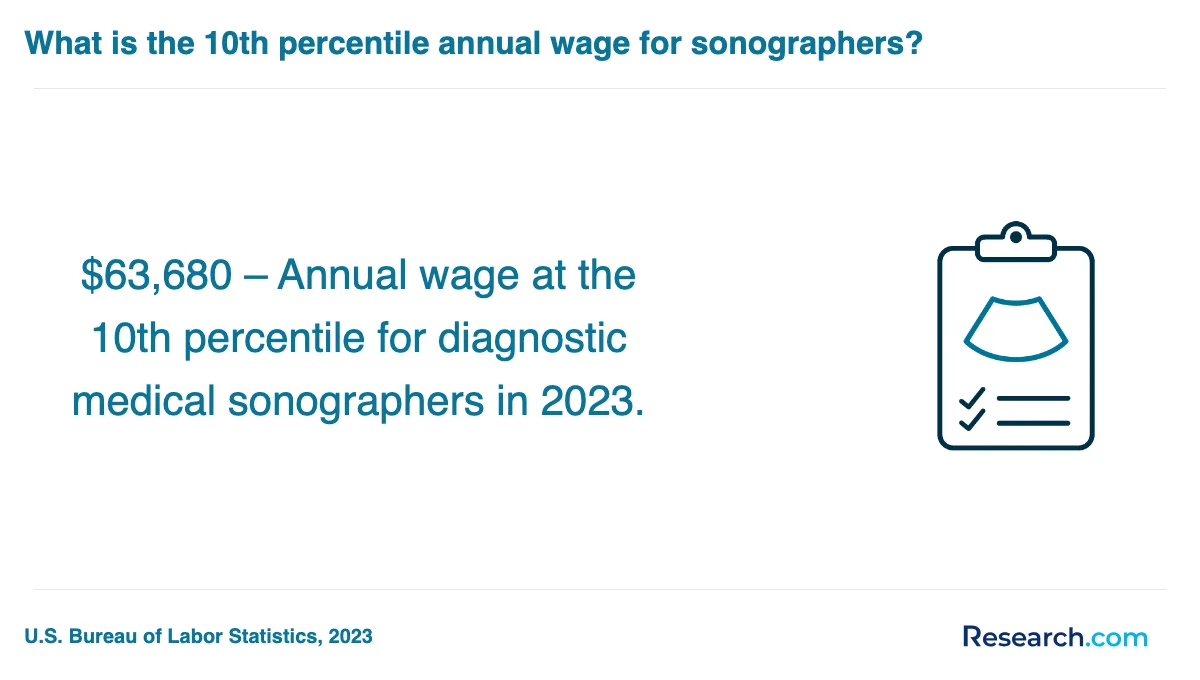
After completing a medical sonographer trade school program in Florida, many graduates find themselves stepping into a rewarding career with solid earning potential. For instance, a recent graduate from a well-known Florida trade school shared how their starting salary was about $63,000 annually, reflecting the typical entry-level pay of around $30.29 per hour. This initial income feels encouraging, especially when considering the steady growth opportunities ahead.
More experienced sonographers, especially those specializing in cardiac or vascular ultrasound, often see their salaries rise to an average of $82,000 per year or more. Graduates from Florida's popular programs often describe this progression as both motivating and validating, knowing their skills are in demand across hospitals and imaging centers statewide.
Many find joy in the balance between stable income and meaningful work, appreciating that with certifications and hands-on experience gained after trade school, earning over $90,000 annually in Florida is an achievable milestone.
- Medical sonography programs in Florida usually require completion of prerequisite courses like Anatomy and Physiology I and II, College Composition, and Physics with a minimum grade of "C".
- Most programs last 18 to 24 months and must be accredited by CAAHEP to qualify graduates for national certification exams.
- Florida does not require sonographer licensure, but employers typically expect certification from ARDMS or ARRT.
- The cost of programs ranges from $6,000 to $20,000 for in-state students at public colleges, with additional fees for books and exams.
- Entry-level salaries start between $55,000 and $65,000 per year, with experienced sonographers earning around $80,000 annually.
Completing a medical sonographer trade school program in Florida typically takes about 18 to 24 months, depending on the school's structure and whether you attend full-time or part-time. Graduates from popular Florida trade schools often describe this period as an intense but rewarding journey, where hands-on training quickly builds confidence in using ultrasound technology.
Many students find themselves immersed in both classroom learning and clinical rotations, often balancing their studies with personal responsibilities. One graduate from a well-known Florida trade school shared how the carefully paced curriculum allowed them to steadily master sonography techniques without feeling overwhelmed. This balance makes the experience feel achievable and inspiring, especially when seeing real patients during clinical hours.
For those eager to start their healthcare careers swiftly, Florida's trade schools offer flexible schedules that can accommodate working students. The 18- to 24-month timeline reflects a focused, practical approach, enabling students to graduate ready to contribute meaningfully in medical settings across the state.
The core difference between online and on-campus medical sonographer trade school programs in Florida lies in how coursework and hands-on training are delivered. Graduates from Broward College often recall the value of in-person labs and clinical rotations at local healthcare facilities, where real-time feedback and direct mentorship shaped their confidence with ultrasound equipment. This immersive, face-to-face setting fosters a strong sense of community and immediate skill refinement.
On the other hand, students in hybrid programs like those at Santa Fe College appreciate the flexibility of completing theoretical classes online, fitting studies around work or family commitments. Yet, they also emphasize the importance of in-person clinical internships to solidify their practical abilities. Many describe the challenge and excitement of applying online-learned concepts during hands-on scanning sessions, bridging virtual learning with tangible patient care.
These contrasting experiences highlight that, while online components offer adaptability, the essential clinical practice remains deeply rooted in on-campus or approved clinical sites throughout Florida.
The average tuition for sonography programs in Florida varies notably depending on residency and the trade school chosen. For example, graduates from Eastern Florida State College often reflect on their in-state tuition of about $8,008 for 77 credit hours, which includes lab fees, textbooks, and uniforms. Out-of-state students see tuition rise to roughly $9,739, a difference that can influence decision-making for many prospective students. This variation in cost can deeply affect the overall investment required to enter the field of medical sonography.
At Broward College, students recall an in-state tuition around $9,699 for the full program, making it a competitive choice for local residents. However, out-of-state learners face much steeper tuition fees, nearing $25,449, which emphasises the impact residency status has on the affordability of diagnostic medical sonography degrees in Florida. Meanwhile, trade school graduates from Concorde Career Institute in Jacksonville report a set tuition fee of $32,361, reflecting a different pricing model that some find straightforward and easy to plan for.
Beyond tuition, students often encounter additional costs such as lab fees and required materials. Many express that while these expenses add up, the investment feels worthwhile given the careers they pursue after completion. Financial aid and scholarships are frequently highlighted as crucial supports that help ease the path through these programs. For those researching potential returns on this investment, understanding the average cost and post-graduate opportunities is key to making confident decisions.
Exploring the financial landscape alongside program quality can bring peace of mind. With clear foresight into costs, students are better equipped to manage their schooling and career plans. Also, considering the ultrasound technician salary prospects adds a practical dimension to understanding the value of these educational investments in Florida's sonography trade schools.

Medical sonographer students in Florida often find financial aid essential to managing the costs of their education. Graduates from programs like those at Eastern Florida State College recall how applying for the Free Application for Federal Student Aid (FAFSA) unlocked access to federal grants such as the Pell Grant, easing their tuition burden. These grants, which can provide thousands annually, felt like a lifeline during their studies.
State scholarships targeting healthcare fields also played a crucial role for many, while institutional scholarships-like the Titan Scholarships at EFSC-offered additional support that made continuing their education more attainable. Some students shared how private scholarships from organizations like the Society of Diagnostic Medical Sonography helped bridge gaps, especially when combined with work-study options and employer tuition reimbursement programs.
Financial aid offices at Florida trade schools proved invaluable, guiding students through complex applications and helping them piece together a funding plan that matched their unique circumstances and dreams of becoming skilled sonographers.
Enrolling in a medical sonographer trade school program in Florida usually begins with a clear set of prerequisites designed to ensure students are prepared for the rigor and responsibility of this career. Most programs require a high school diploma or GED, laying the foundation for essential knowledge in science and math.
Graduates from well-known Florida trade schools often recall how prerequisites like these helped them build confidence early on. Many programs also ask for:
- Completion of prerequisite courses such as anatomy, physiology, and medical terminology
- A minimum GPA, often around 2.5, to demonstrate academic readiness
- Proof of immunizations and a clean background check due to clinical training requirements
- Sometimes, a healthcare experience or observation hours to show genuine interest and commitment
For example, students at popular Florida institutions share how these entry steps felt like a gateway, preparing them mentally and emotionally for the hands-on learning ahead. Knowing these prerequisites helped them approach the program with excitement rather than uncertainty, turning their dreams of becoming skilled sonographers into an achievable reality.
Medical sonographer trade school programs in Florida immerse students in a blend of foundational knowledge and hands-on practice. Graduates often recall their early excitement in courses like "Introduction to Sonography," where they first learned to handle sonographic equipment and understand basic anatomy. This initial exposure builds confidence and curiosity.
Core courses typically include:
- Abdominal Sonography: Imaging vital organs such as the liver and kidneys, combining lectures with lab work that simulates real patient scenarios.
- Obstetrics and Gynecology Sonography: Focusing on prenatal imaging and female reproductive health, students describe the rewarding experience of visualizing new life during clinical rotations.
- Vascular Sonography: Teaching how to assess blood flow and vessels, this course challenges students to master both theory and detailed scanning techniques.
- Neurosonology and Superficial Structures: Exploring brain imaging in neonates and superficial parts like the thyroid, it offers a glimpse into specialized diagnostic areas.
Students also appreciate the depth gained from courses in medical sonographic physics, which clarify how ultrasound technology works, helping them optimize image quality. Professional subjects such as ethics and patient communication prepare them for compassionate care.
Hands-on clinical rotations, often starting early in the program, are frequently described by graduates as transformative, where textbook knowledge meets real-world application in Florida's hospitals and imaging centers. This blend ensures readiness for certification and future careers.
Florida medical sonography specialization programs offer a focused path for students eager to build a rewarding career. Graduates from Eastern Florida State College, for example, often reflect on how the General Sonography track equipped them with foundational skills in abdominal and obstetric imaging, vital across many healthcare settings. Others who pursued Ultrasound technician specialization courses in Florida at Miami Dade College found that specializing in Cardiac Sonography deeply enhanced their understanding of heart-related diagnostic techniques, making their clinical experiences feel both challenging and fulfilling.
Many students appreciate the hands-on training available in vascular and obstetric and gynecologic sonography, with programs at Concorde Career Colleges providing strong preparation for certification exams. These varied specializations allow future sonographers to tailor their education precisely to their passion and career goals. Some even opt for advanced technical certificates at Eastern Florida State College, gaining cutting-edge skills in vascular or pediatric cardiac sonography.
The ability to focus one's studies in these areas opens doors to high paying jobs in healthcare that require little schooling, which many graduates often find motivating as they enter the workforce.
Choosing the best diagnostic medical sonography schools in Florida means focusing first on accreditation. Graduates from well-known programs often share how accreditation by CAAHEP and approval from JRC-DMS gave them confidence that their education met national standards and prepared them well for the ARDMS exams. For example, students from popular Florida colleges recall hands-on clinical experiences in hospitals and clinics that made their learning feel real and rewarding.
When comparing programs, consider how long they take and whether they offer specializations that suit your interests. Many students appreciate programs lasting 18 to 24 months, balancing classroom learning with practical rotations. Understanding prerequisites is also essential; some programs expect prior coursework or a certain GPA, which can be a deciding factor in admissions.
Support services like academic advising and exam prep make a big difference in success rates. Reflecting on their journey, graduates from Florida's top schools often highlight these resources as key to navigating the challenges. To explore requirements in depth, visit sonographer education requirements.
Knowing how to compare sonography programs in Florida involves looking closely at outcomes such as job placement and exam pass rates, helping you choose a path that leads to a fulfilling career.

Graduates of medical sonographer trade school programs in Florida find a wealth of career opportunities for medical sonographers in Florida, thanks to the state's growing healthcare industry. Many step directly into roles as diagnostic medical sonographers within hospitals, outpatient centers, and specialized clinics, applying hands-on skills developed through clinical rotations offered by popular trade schools. These programs often emphasize real-world experience, making graduates confident and prepared to work alongside physicians and healthcare teams.
For those looking to deepen their expertise, advanced sonography career paths in Florida offer specializations in areas like abdominal, obstetric/gynecological, vascular, and cardiovascular sonography. Graduates describe how focusing on cardiac or vascular imaging opens doors to highly sought-after positions in larger hospitals and specialty practices.
Further growth is possible through certifications or pursuing a Bachelor of Science in Imaging Sciences, enabling roles in supervision, teaching, or research. Graduates often feel empowered by the diverse options available-from mobile imaging to public health labs-making the field both flexible and rewarding. For those seeking guidance on training, exploring the best certificate programs ultrasound tech can be a valuable starting point.
The demand for medical sonographer jobs in Florida remains exceptionally strong, providing graduates of trade schools with encouraging prospects. Those who recently completed programs in cities like Miami and Orlando report quickly securing positions in diverse healthcare settings-from bustling hospitals to specialized outpatient clinics. These graduates often describe the transition to professional life as fulfilling and hopeful, buoyed by the state's growing need for skilled sonographers fueled by demographic changes and healthcare expansions.
Employment trends emphasize several key factors:
- Florida consistently ranks high nationally for sonographer job openings, with over 500 new positions opening annually.
- Urban centers such as Tampa and Miami serve as hubs offering competitive salaries and varied specialties, including vascular and cardiac sonography.
- Travel sonographer roles are popular among recent graduates looking for flexibility and attractive weekly wages-averaging $1,718 as of 2025.
Understanding the Florida diagnostic medical sonographer salary and employment trends helps students appreciate their investment in education. Average hourly wages near $39.55 and annual salaries surpassing $82,000 reflect a rewarding career choice. Many trade school graduates recognize how this financial stability combines with lifelong job security, making their training worthwhile.
Those considering this path find inspiration in practical stories from peers who balanced studies with clinical training at some of Florida's top sonography schools. Excited about entering a field with clear advancement paths, these students often explore healthcare career examples to envision their future contributions in medical imaging and patient care roles across the state.
Best Diagnostic Medical Sonographer Training Programs & Trade Schools - Top Sonography Schools in Florida for 2026
# 1 position
Hillsborough Community College - Diagnostic Medical Sonography/Sonographer and Ultrasound Technician.
associateHillsborough Community College offers a Diagnostic Medical Sonography/Sonographer and Ultrasound Technician program with a hybrid format including distance education options. The program trains students to use ultrasound technology to gather sonographic data for diagnosing medical conditions, covering patient care, data integration, equipment operation, and professional ethics. Annual in-state tuition is $2,506. Graduates earn a median salary of $62,961 one year after completion. The program is accredited by the Southern Association of Colleges and Schools Commission on Colleges.
# 2 position
Miami Dade College - Diagnostic Medical Sonography/Sonographer and Ultrasound Technician.
associateMiami Dade College offers a Diagnostic Medical Sonography/Sonographer and Ultrasound Technician program with a hybrid format including some distance education. The program prepares students to use ultrasound technology for diagnostic purposes under physician supervision. Tuition is $2,838 annually for in-state students. Graduates earned a median salary of $64,692 one year after completion. The program is accredited by the Southern Association of Colleges and Schools Commission on Colleges.
# 3 position
Gulf Coast State College - Diagnostic Medical Sonography/Sonographer and Ultrasound Technician.
associateThe Diagnostic Medical Sonography/Sonographer and Ultrasound Technician program at Gulf Coast State College is a hybrid course preparing students to use ultrasound techniques for diagnosing medical conditions. It covers patient care, sonographic data processing, equipment operation, and professional ethics. The program is accredited by the Southern Association of Colleges and Schools Commission on Colleges. Annual in-state tuition is $2,370, and median earnings one year after completion are $58,019.
# 4 position
Ultrasound Medical Institute - Diagnostic Medical Sonography/Sonographer and Ultrasound Technician.
associateThe Diagnostic Medical Sonography/Sonographer and Ultrasound Technician program at Ultrasound Medical Institute offers a hybrid format with some distance-education options. It trains students to use medical ultrasound techniques to collect sonographic data for diagnosing medical conditions under physician supervision. The curriculum covers patient care, data integration, sonography equipment operation, and professional ethics. The program is accredited by the Council on Occupational Education.
# 5 position
Pensacola State College - Diagnostic Medical Sonography/Sonographer and Ultrasound Technician.
associatePensacola State College offers a Diagnostic Medical Sonography/Sonographer and Ultrasound Technician program with a hybrid format, including some distance education. The program trains students to use medical ultrasound techniques for diagnosing various conditions, covering patient care, data processing, and professional ethics. Annual in-state tuition is $2,348. Graduates have median earnings of $52,274 one year after completion. The program is accredited by the Southern Association of Colleges and Schools Commission on Colleges.
# 6 position
Pensacola State College - Diagnostic Medical Sonography/Sonographer and Ultrasound Technician.
certificate or diplomaThe Diagnostic Medical Sonography/Sonographer and Ultrasound Technician program at Pensacola State College is a hybrid program preparing students to use medical ultrasound techniques for diagnosing conditions. It includes training in patient care, data recording, and sonography equipment operation under physician supervision. The program is accredited by the Southern Association of Colleges and Schools Commission on Colleges. Annual in-state tuition is $2,348, with median earnings of $52,274 one year after completion.
# 7 position
Polk State College - Diagnostic Medical Sonography/Sonographer and Ultrasound Technician.
associatePolk State College offers a Diagnostic Medical Sonography/Sonographer and Ultrasound Technician program with a hybrid format, including some distance-education options. The program trains students to use ultrasound technology to collect diagnostic sonographic data under physician supervision. Instruction covers patient care, data integration, sonography equipment operation, and professional ethics. Annual in-state tuition is $3,366. Graduates earn a median salary of $58,088 one year after completion. The program is accredited by the Southern Association of Colleges and Schools Commission on Colleges.
# 8 position
Concorde Career Institute-Tampa - Diagnostic Medical Sonography/Sonographer and Ultrasound Technician.
associateThe Diagnostic Medical Sonography/Sonographer and Ultrasound Technician program at Concorde Career Institute-Tampa offers hybrid learning with some distance-education options. It trains students to use medical ultrasound techniques under physician supervision for diagnosing various conditions. The curriculum includes patient care, sonographic data processing, and professional ethics. Graduates have a median earning of $55,666 one year after completion. The program is accredited by the Accrediting Commission of Career Schools and Colleges.
# 9 position
Santa Fe College - Diagnostic Medical Sonography/Sonographer and Ultrasound Technician.
associateSanta Fe College offers a fully online Diagnostic Medical Sonography/Sonographer and Ultrasound Technician program. This program trains students to use ultrasound technology for diagnostic purposes under physician supervision. Coursework includes patient care, sonographic data processing, and professional ethics. Accredited by the Southern Association of Colleges and Schools Commission on Colleges, the annual in-state tuition is $2,563. Graduates earn a median salary of $57,763 one year after completion.
# 10 position
Eastern Florida State College - Diagnostic Medical Sonography/Sonographer and Ultrasound Technician.
associateThe Diagnostic Medical Sonography/Sonographer and Ultrasound Technician program at Eastern Florida State College is a hybrid course preparing students to use medical ultrasound under physician supervision. It covers patient care, sonographic data collection, equipment operation, and professional ethics. The program is accredited by the Southern Association of Colleges and Schools Commission on Colleges. Annual in-state tuition is $2,496. Median earnings one year after completion are $48,657.
Frequently Asked Questions about medical sonographer
After completing a medical sonographer trade school in Florida, preparing for the job market involves several key steps. First, obtaining professional certification through the American Registry for Diagnostic Medical Sonography (ARDMS) is crucial, as many employers require it. Florida's healthcare sector offers a growing demand for sonographers, with the Bureau of Labor Statistics projecting a 14% growth rate in diagnostic medical sonography jobs nationwide through 2032.
Networking is also important; attending local healthcare job fairs and joining professional organizations like the Florida Society of Diagnostic Medical Sonographers can provide valuable contacts. Additionally, gaining hands-on experience through internships or clinical rotations during training enhances employability.
Finally, tailoring your resume to highlight specialized skills, such as obstetric or cardiovascular sonography, can improve job prospects in Florida's diverse medical facilities.
Employers in Florida seek medical sonographer graduates who demonstrate strong technical skills, including proficiency with ultrasound equipment and imaging software. According to the Florida Department of Economic Opportunity, attention to detail and the ability to produce accurate diagnostic images are critical for patient care and diagnosis.
Communication skills are also highly valued, as sonographers must explain procedures clearly to patients and collaborate with healthcare teams. Additionally, graduates should have a solid understanding of anatomy and physiology to interpret images effectively.
Problem-solving abilities and adherence to safety standards, such as infection control, are essential to meet regulatory requirements in Florida healthcare facilities.
Finding internships in Florida related to medical sonographer trade school programs involves several practical steps. Start by contacting the career services offices of your chosen trade school, as many maintain partnerships with local hospitals and imaging centers. According to the Florida Department of Education, clinical internships are often integrated into accredited programs, ensuring hands-on experience.
Additionally, explore opportunities with major healthcare providers in Florida, such as Baptist Health or AdventHealth, which regularly offer internships for sonography students. Networking through professional organizations like the Society of Diagnostic Medical Sonography (SDMS) Florida chapter can also be valuable.
Online platforms like the Florida Health Careers website list available clinical training sites. Securing an internship often requires early application and meeting program prerequisites, including immunizations and background checks.
Obtaining a medical sonographer trade school diploma in Florida significantly enhances career mobility and advancement opportunities. The Florida Department of Economic Opportunity reports that diagnostic medical sonographers have a projected job growth of 19% from 2022 to 2032, faster than the national average. A diploma from an accredited program meets essential certification requirements, which employers prioritize for hiring and promotions.
Graduates with this diploma often qualify for entry-level positions that lead to specialization in areas like cardiovascular or obstetric sonography. This credential also supports eligibility for the American Registry for Diagnostic Medical Sonography (ARDMS) exam, a key step for career progression.
In Florida's competitive healthcare market, holding a trade school diploma can distinguish candidates by demonstrating practical skills and clinical training, improving prospects for higher wages and leadership roles in medical imaging facilities.
Part-time job opportunities in Florida that complement medical sonographer trade school education often include roles such as medical assistant, patient care technician, or ultrasound technician intern. These positions provide practical experience and exposure to clinical environments, which are crucial for developing hands-on skills.
According to the U.S. Bureau of Labor Statistics (BLS), Florida employs over 5,000 diagnostic medical sonographers, with a growing demand expected through 2030. Working part-time in healthcare settings like hospitals, outpatient clinics, or imaging centers allows students to apply their classroom knowledge to real-world situations.
Additionally, roles involving patient interaction improve communication skills, important for sonographers who must explain procedures clearly. Gaining familiarity with medical equipment and safety protocols boosts confidence and readiness for certification exams.
Yes, there are numerous accredited medical sonographer programs available near Florida that offer degrees and certifications in diagnostic medical sonography. Many universities and colleges offer specialized training programs, and these can be found by searching terms like "sonography degrees near me." Research.com may serve as a helpful resource to locate top-ranking programs, allowing aspiring sonographers to find the best fit for their career goals in the region.
- Best Diagnostic Medical Sonographer Training Programs & Trade Schools - Top Sonography Schools in South Carolina for 2026
- Best Diagnostic Medical Sonographer Training Programs & Trade Schools - Top Sonography Schools in Mississippi for 2026
- Best Diagnostic Medical Sonographer Training Programs & Trade Schools - Top Sonography Schools in North Carolina for 2026
- Best Diagnostic Medical Sonographer Training Programs & Trade Schools - Top Sonography Schools in Louisiana for 2026
- Best Diagnostic Medical Sonographer Training Programs & Trade Schools - Top Sonography Schools in West Virginia for 2026
- Best Diagnostic Medical Sonographer Training Programs & Trade Schools - Top Sonography Schools in Missouri for 2026
- Best Diagnostic Medical Sonographer Training Programs & Trade Schools - Top Sonography Schools in Indiana for 2026
- Best Diagnostic Medical Sonographer Training Programs & Trade Schools - Top Sonography Schools in Ohio for 2026
- Best Diagnostic Medical Sonographer Training Programs & Trade Schools - Top Sonography Schools in Maryland for 2026
- Best Diagnostic Medical Sonographer Training Programs & Trade Schools - Top Sonography Schools in Pennsylvania for 2026
- Pursing a Career as an Ultrasound Technician in Florida - Florida National University (FNU) https://www.fnu.edu/pursue-career-ultrasound-technician-florida/
- Diagnostic Medical Sonographers and Cardiovascular Technologists and Technicians : Occupational Outlook Handbook: : U.S. Bureau of Labor Statistics https://www.bls.gov/ooh/healthcare/diagnostic-medical-sonographers.htm
- Diagnostic Medical Sonographers in Florida - Healthcare Degree Search https://healthcaredegreesearch.com/careers/diagnostic-medical-sonographers/florida-us/
- The job market for diagnostic medical sonographers in the United States - CareerExplorer https://www.careerexplorer.com/careers/diagnostic-medical-sonographer/job-market/
- Diagnostic Medical Sonography | Health Sciences | Valencia College https://valenciacollege.edu/academics/programs/health-sciences/diagnostic-medical-sonography/
- Medical Sonography Degree Florida | Ultrasound Training https://www.easternflorida.edu/academics/health-nursing/diagnostic-medical-sonography/index.php
- Sonography Program (Florida and Minnesota) - Health Sciences Education - Mayo Clinic College of Medicine & Science https://college.mayo.edu/academics/health-sciences-education/sonography-program-florida-and-minnesota/
- Diagnostic Medical Sonography https://www.daytonastate.edu/academic-departments/college-of-health-and-public-services/school-of-health-careers/diagnostic-medical-sonography.html
- How to Become a Medical Sonographer in Florida (2024) | Dreambound https://dreambound.com/blog/how-to-become-a-medical-sonographer-in-florida
- Diagnostic Medical Sonography https://www.broward.edu/academics/health-sciences/ultrasound/


