
Best Diagnostic Medical Sonographer Training Programs & Trade Schools - Top Sonography Schools in Tennessee for 2026

Co-Founder and Chief Data Scientist
Choosing the right medical sonographer trade school in Tennessee can feel overwhelming. This article is here to help by featuring a medical sonographer trade school programs ranking created by the Research.com team of data scientists.
With clear insights and reliable data, you can make an informed choice about which programs truly stand out. Earning a diploma or certification in this field opens doors to a rewarding career helping others through advanced imaging technology.
Explore your options confidently and take a meaningful step toward a fulfilling future in healthcare.
Key benefits of finishing medical sonographer trade school in Tennessee
- Graduates from medical sonographer trade schools in Tennessee can expect starting salaries around $39.66 per hour, with potential to earn up to $99,904 annually as experience grows.
- Career paths include roles such as Registered Diagnostic Medical Sonographer or specialized technician, offering diverse opportunities in hospitals, clinics, and imaging centers across Tennessee.
- Completing a sonography program online provides flexibility and convenience, allowing students to balance work and study, as shown by successful graduates from popular Tennessee online trade schools.
- Best Diagnostic Medical Sonographer Training Programs & Trade Schools - Top Sonography Schools in Tennessee for 2026
- What can I expect from medical sonographer trade schools in Tennessee?
- Where can I work after finishing medical sonographer trade schools in Tennessee?
What can I expect from medical sonographer trade schools in Tennessee?
Expect a whirlwind of learning where classrooms at Tennessee's top sonographer trade schools blend theory with hands-on thrills. Imagine diving into ultrasound labs, feeling the device's hum as you scan models or real patients under watchful instructors. Graduates often recall the adrenaline of their first clinical rotation in bustling Nashville hospitals, where textbook knowledge met real hearts and lungs on screens. Weeks of mastering anatomy, physics, and medical jargon turn into moments of genuine care and confidence.
Prepare for an intense but rewarding journey-courses typically last 12 to 15 months for certificate programs, while degree paths stretch longer. Many students treasure the camaraderie formed during late-night study sessions and shared excitement over passing the American Registry of Diagnostic Medical Sonography exam. The blend of science and compassion shapes you into a skilled professional ready to join Tennessee's growing healthcare community.
Hands-on clinical experience in Memphis or Knoxville clinics ensures you're not just learning but living the sonographer role, making every heartbeat you capture more than just an image-it's a story you help tell.
Where can I work after finishing medical sonographer trade schools in Tennessee?
After finishing a medical sonographer trade school program in Tennessee, you're stepping into a vibrant healthcare world where your skills are in high demand. Graduates often land jobs in bustling hospitals and outpatient clinics across Nashville, Memphis, and Chattanooga, places where every scan you perform feels like a vital piece in a patient's health puzzle. Imagine starting your day at a large facility like Vanderbilt University Medical Center, where your expertise helps doctors see inside the human body with clarity and precision.
Others find themselves cruising through rural towns with mobile imaging services, bringing critical ultrasound technology to communities that rarely see specialists. It's not just about machines-it's about connecting with people who might otherwise miss out on essential care. Trade school grads from programs in Tennessee describe the excitement of jumping into diverse roles, from vascular sonography to maternal-fetal imaging, often fueled by certifications like ARDMS.
Whether you're drawn to private imaging companies or academic medical centers, the state's growing healthcare networks offer a spectrum of opportunities that promise both stability and meaningful impact.
Fresh out of a medical sonographer trade school in Tennessee, you could be stepping into a career that pays anywhere from about $49,000 to nearly $95,000 a year. Imagine a recent graduate from one of Tennessee's well-known trade schools starting at around $48,920 annually-that's a solid paycheck right away, especially when you consider the hands-on skills you've just mastered.
One graduate shared how, after earning certifications and a few months of experience, their salary jumped closer to $65,000. That's the sweet spot where dedication meets reward. In cities like Nashville or Memphis, it's even more exciting: seasoned sonographers can pull in upwards of $93,000 a year, with hourly rates hitting $45 or more.
Specialties like Maternal-Fetal Medicine push that number higher still. Graduates working in these roles in Nashville report salaries over $106,000 annually-imagine the pride in your paycheck reflecting such specialized skills learned right here in Tennessee's trade programs.
It's not just about numbers; it's about knowing that your education from a trusted Tennessee trade school leads to a career filled with growth, respect, and financial stability.
- Admission requires an Associate of Applied Science degree in a patient care field with clinical rotations or a bachelor's degree; direct entry from high school is not allowed.
- Prerequisite courses include Human Anatomy & Physiology I and II, Medical Terminology, Physics, and College Algebra or Statistics, all with a minimum grade of "C."
- Programs usually last four semesters (about 16 months) and combine classroom, lab, and clinical training.
- Tuition and fees for in-state students range from $5,000 to $15,000, excluding books and clinical expenses.
- Average starting salary for graduates is $62,000 to $70,000 per year, with experienced sonographers earning up to $85,000 or more.
In Tennessee, diving into a medical sonographer trade school program usually takes about 18 to 24 months to complete, depending on the school's pace and your personal hustle. Picture yourself at one of the state's well-known trade schools, juggling hands-on ultrasound labs and clinical rotations-graduates often describe this period as both intense and incredibly rewarding, like unlocking a new skill level in a game.
Many grads recall how quickly those months flew by when they were immersed in real-life scanning scenarios, turning textbook knowledge into confident practice. Whether you're in Nashville, Memphis, or Knoxville, the structured timeline means you're not stuck in limbo; you're actively building your future within two short years.
Trades in Tennessee focus on practical skills, so you're not just clocking hours but gaining meaningful experience that makes stepping into a sonographer role feel natural and exciting. Imagine walking out of your last class knowing you're ready to start a career that matters-many graduates say this feeling is worth every early morning and late night.
Picture yourself juggling work shifts or family dinners while catching up on sonography lectures late at night-this is the reality for many students in Tennessee's online medical sonographer programs. These programs, like those offered by Chattanooga State Community College, let you absorb theory remotely, fitting education into your life's rhythm. But here's the catch: no matter how flexible the online classes are, you'll still clock essential hands-on hours in clinics or hospitals to master the ultrasound probe under real supervision. Graduates often recall the thrill of switching from their laptop screens to real patient rooms, feeling the pulse of the profession come alive.
Contrast this with the on-campus vibe at Baptist Health Sciences University, where students thrive in buzzing labs, surrounded by peers and instructors. The immediate access to ultrasound machines and live feedback creates a hands-on playground that for many sparks confidence and sharpens skills faster. The energy of in-person classes and clinical rotations shapes a deeply immersive experience, making learning feel less like a task and more like a calling.
When weighing the average tuition fees for medical sonography programs in Tennessee, many aspiring sonographers find themselves juggling numbers between $5,000 and $25,000 for certificate programs at trade schools. Imagine a graduate from Chattanooga State Community College, who balanced part-time work while managing about $7,000 a year in tuition and fees, plus another $650 for textbooks. The sense of pride when scanning the first patient made every dollar feel well invested, fueling their journey toward a fulfilling healthcare role.
Trade schools like Volunteer State Community College report similar figures, with in-state tuition hovering around $4,700 per year. Graduates often share how knowing the total cost of medical sonographer diploma programs in Tennessee helped them map out their financial plan early on, easing stress and allowing focus on their intense hands-on training. Those aiming for more extensive study, such as an associate degree, may lean towards South College, where the annual expense can approach nearly $18,000, including supplies and fees, but offers comprehensive preparation and strong community support.
Even 15-month certificate programs like the one at Methodist Le Bonheur Healthcare, costing roughly $13,000 plus additional fees, attract students eager to enter the workforce swiftly. The excitement of gaining job-ready skills in a shorter timeframe often outweighs the financial stretch. Many students take comfort in exploring federal aid and scholarships and utilize resources about the best healthcare jobs to project their futures confidently in this growing field.
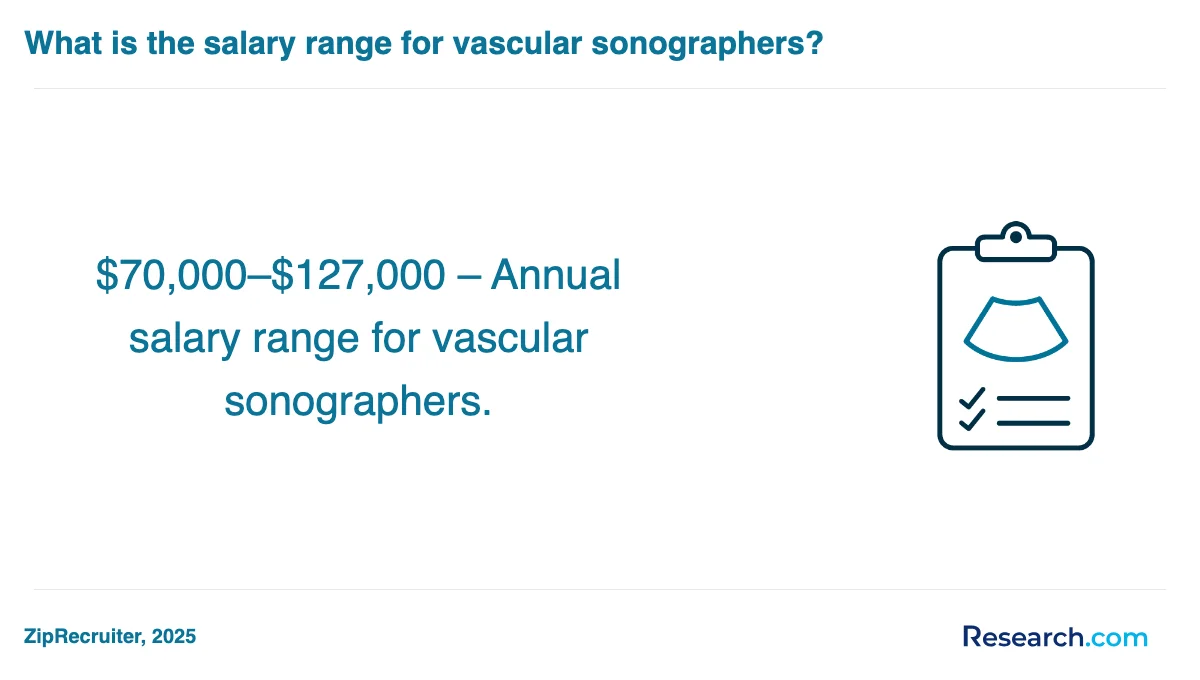
Imagine starting your medical sonographer journey in Tennessee with the Federal Pell Grant cushioning your budget, offering up to $6,895 a year based purely on financial need. Graduates from popular trade schools often share how this grant made those first semesters less stressful. Some even tapped into the Federal Supplemental Educational Opportunity Grant (FSEOG), snagging extra funds between $100 and $4,000-though it depends if their school participates, so check early.
Then there's the Tennessee Promise program, a game-changer for recent high school grads aiming for community or technical colleges. Picture yourself at a public sonography program, tuition and mandatory fees covered, freeing you to focus on mastering ultrasound tech instead of worrying about bills.
Institutional scholarships and innovative payment plans add another layer of relief. Graduates from Methodist Le Bonheur Healthcare's School of Radiologic and Imaging Sciences often mention the relief of interest-free payment plans, spreading tuition over time instead of a daunting lump sum. Some schools even offer work-study or local healthcare partnerships, weaving education and income together in a way that feels like a true community support system.
To jump into a medical sonographer trade school program in Tennessee, you'll need to check off some key boxes that set you up for success. Imagine a graduate from a well-known Tennessee trade school recalling how meeting these prerequisites felt like unlocking the first door to their future career.
Here's what most programs expect:
- A high school diploma or GED - the baseline to prove you're ready for the academic challenge.
- Completion of prerequisite courses, often including anatomy, physiology, and sometimes algebra or medical terminology - these build your foundation before you start scanning patients.
- Proof of CPR certification - because safety and emergency readiness are non-negotiable in healthcare.
- A background check and immunization records - to ensure a safe clinical environment for everyone involved.
- Occasionally, some schools ask for letters of recommendation or a personal statement, reflecting your passion and commitment.
One graduate from a Nashville trade school described how the anatomy course felt tough at first, but it soon became their favorite because it connected textbook knowledge to real human bodies they'd soon work with. These prerequisites aren't just hoops - they're stepping stones that prepare you to confidently handle ultrasound equipment and patient care in Tennessee's bustling healthcare settings.

Imagine diving right into the human body's secrets with courses that feel like unlocking a new level in a game. In Tennessee's top trade schools for medical sonography, like Chattanooga State Community College or Baptist Health Sciences University, students don't just learn-they experience. Core classes include:
- Anatomy and physiology: Graduates recall vividly tracing organs like the liver or kidneys, understanding exactly what they're scanning.
- Sonographic physics and instrumentation: Here, students master the magic behind the machine, from sound wave behavior to sharpening images-skills essential for those "aha" moments in clinical labs.
- Specialized sonography tracks: Whether it's abdominal, obstetrics and gynecology, or vascular, students practice interpreting real patient scans, often sharing stories of their first successful ultrasound in externships.
Hands-on clinical practicums take center stage, offering real-world challenges that build confidence and competence. Alongside, courses like medical ethics and patient communication ensure graduates can connect with patients genuinely, making the journey rewarding both technically and emotionally.
If you're diving into medical sonographer trade school programs in Tennessee, expect to explore a vibrant array of diagnostic medical sonography specializations in Tennessee designed to hone your skills sharply in high-demand areas.
Graduates from schools like Chattanooga State and Volunteer State rave about the focused paths available, such as:
- Abdominal sonography - the go-to for scanning liver, kidneys, and pancreas, crucial for spotting everything from gallstones to liver disease.
- Obstetric and gynecologic sonography - essential for tracking fetal health and women's pelvic conditions, a core focus in obstetric and abdominal sonography programs Tennessee proudly offer.
- Cardiovascular sonography - also called echocardiography, this specialization trains you to image the heart's intricate workings, sometimes offered as adult echocardiography concentration.
- Emerging fields like musculoskeletal and pediatric sonography add fresh layers for those drawn to sports medicine or child health, expanding your scope.
Picture yourself in South College's hands-on settings, mastering abdomen-extended scans or blending OB/GYN ultrasound insights-real clinical moments that build confidence and marketability.
So, if you dream of medical careers that make good money with little schooling, specializing in one of these fields in Tennessee's trade schools lets you carve a meaningful, rewarding path full of growth and impact.
Picking the best ultrasound technician programs in Tennessee means zeroing in on accreditation and real-world practice. Graduates from schools like Volunteer State Community College rave about their hands-on clinical rotations, which flooded them with confidence before stepping into actual healthcare settings. Chattanooga State's community connections provide similar opportunities, turning theory into practiced skill. Imagine mastering the sonography machine while shadowing seasoned pros-this is how you build not just knowledge but a career.
Don't overlook program length and exam prep. Some students at South College found the blend of associate and bachelor's programs ideal, allowing flexibility with their schedules while preparing rigorously for ARDMS certification. That certification, a must-have credential, can make or break job prospects across Tennessee's bustling medical centers.
One tip: check job placement rates and financial aid options before committing. Finding programs with strong networks means stepping into a job faster, while aid offerings can ease the burden. For a modern twist on speed, consider accelerated sonography programs for a quicker yet thorough pathway at top sonography schools in Tennessee.
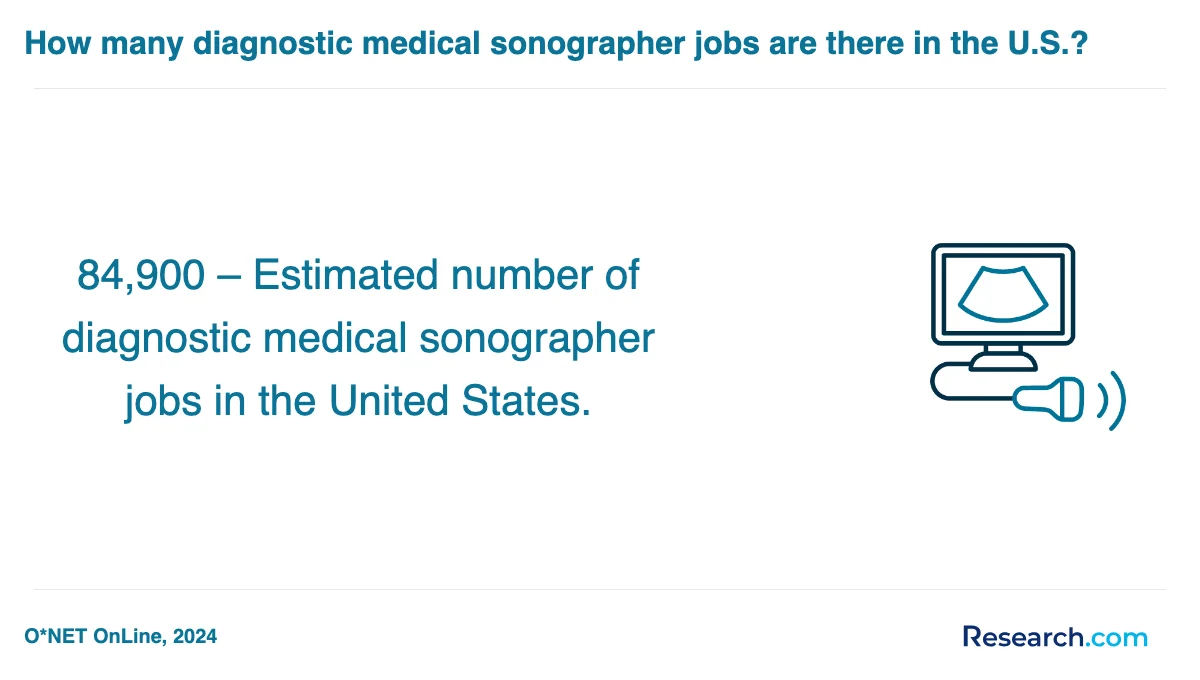
Graduates from popular medical sonographer trade schools in Tennessee step into a dynamic world of diagnostic medical sonographer jobs in Tennessee that span hospitals, clinics, and outpatient centers. Imagine yourself navigating bustling radiology departments or assisting in urgent care with confidence gained from hands-on training in your program. Many find joy in specialized fields like cardiovascular or pediatric sonography, where the work directly impacts patient lives and offers rewarding challenges.
Career options don't stop at scanning. Graduates often move into leadership roles, managing sonography teams or departments, proving that trade school pathways can lead to influential positions. Some even channel their clinical expertise into teaching or research, advancing the field with new knowledge. Others venture into medical device sales or technical support, combining people skills with technical know-how.
The excitement of medical sonography career options in Tennessee shines through stories from alumni who appreciate the state's growing healthcare needs and competitive median salary around $72,940. For those curious about earning potential, exploring medical sonographer salary details can provide clarity and motivation.
The landscape for graduates is bright, with a 10% job growth forecast through 2031 reinforcing the security of this chosen profession.
The medical sonographer job outlook in Tennessee is buzzing with opportunity, especially for graduates from the state's well-regarded trade schools. Those who have completed their hands-on training report a dynamic employment landscape where the demand for skilled sonographers is growing at a remarkable 27% through 2031. Imagine stepping into hospitals or outpatient centers in Nashville or Memphis, where your skills in abdominal or vascular sonography directly impact patient care and open doors to various specialties.
Graduates often share stories of landing roles quickly thanks to strong clinical experience, with salaries reflecting the demand:
- Median annual wages range between $72,940 and $74,040, roughly $35 an hour
- Experienced professionals can earn up to $99,904 annually or over $48 hourly
- Weekly pay typically falls from $1,413 to $2,390 depending on location and expertise
The diagnostic medical sonographer salaries Tennessee professionals earn make the investment in popular local trade schools well worth it. For those weighing education options, exploring an online associates degree in sonography can complement in-person training and boost employability in this thriving sector.
Best Diagnostic Medical Sonographer Training Programs & Trade Schools - Top Sonography Schools in Tennessee for 2026
# 1 position
Concorde Career College-Memphis - Diagnostic Medical Sonography/Sonographer and Ultrasound Technician.
associateThe Diagnostic Medical Sonography/Sonographer and Ultrasound Technician program at Concorde Career College-Memphis offers a hybrid format, combining in-person and distance education. It trains students to use medical ultrasound techniques for diagnosing various conditions under physician supervision. Instruction covers patient care, data recording, sonography equipment operation, and professional ethics. The program is accredited by the Council on Occupational Education. Graduates have median earnings of $56,188 one year after completion.
# 2 position
Chattanooga State Community College - Diagnostic Medical Sonography/Sonographer and Ultrasound Technician.
certificate or diplomaChattanooga State Community College offers a hybrid Diagnostic Medical Sonography/Sonographer and Ultrasound Technician program that trains students to use ultrasound technology for diagnosing medical conditions. The curriculum covers patient care, data processing, equipment operation, and professional ethics. The program is accredited by the Southern Association of Colleges and Schools Commission on Colleges. Annual in-state tuition is $4,550, and median earnings one year after completion are $53,180.
# 3 position
Chattanooga State Community College - Mammography Technology/Technician.
certificate or diplomaThe Mammography Technology/Technician program at Chattanooga State Community College prepares registered radiographers to become registered mammographers. It offers a hybrid format with some distance-education options. The curriculum covers anatomy, physiology, mammography instrumentation, positioning, procedures, and quality assurance. Annual in-state tuition is $4,550. The program is accredited by the Southern Association of Colleges and Schools Commission on Colleges. Median earnings one year after completion are $53,180.
# 4 position
South College - Diagnostic Medical Sonography/Sonographer and Ultrasound Technician.
associateSouth College offers a Diagnostic Medical Sonography/Sonographer and Ultrasound Technician program with a hybrid format, including some distance education. The program trains students to use medical ultrasound techniques for diagnostic purposes under physician supervision. Topics include patient care, sonographic data processing, and professional ethics. Annual in-state tuition is $17,935. Graduates earn a median salary of $44,888 one year after completion. The program is accredited by the Southern Association of Colleges and Schools Commission on Colleges.
# 5 position
Volunteer State Community College - Diagnostic Medical Sonography/Sonographer and Ultrasound Technician.
certificate or diplomaVolunteer State Community College offers a Diagnostic Medical Sonography/Sonographer and Ultrasound Technician program with a hybrid format, allowing some distance education. The program trains students to use ultrasound technology for diagnostic purposes under physician supervision, covering patient care, data processing, and professional ethics. Annual in-state tuition is $4,524. Graduates have median earnings of $45,599 one year after completion. The program is accredited by the Southern Association of Colleges and Schools Commission on Colleges.
Frequently Asked Questions about medical sonographer
After completing a medical sonographer trade school program in Tennessee, it is essential to obtain certification to improve job prospects. The American Registry for Diagnostic Medical Sonography (ARDMS) certification is widely recognized and often required by employers. Preparing for the ARDMS exam involves reviewing coursework and clinical experience gained during training.
Networking plays a key role in entering the job market. Graduates should attend local healthcare job fairs and connect with clinical instructors who may provide job leads. According to the U.S. Bureau of Labor Statistics, Tennessee expects a 14% growth in sonography jobs through 2031, reflecting strong demand.
Additionally, seeking internships or volunteer opportunities in hospitals or clinics can build practical skills and boost resumes. Staying informed about state licensure requirements and continuing education will help maintain credentials and career advancement in Tennessee's healthcare system.
Employers in Tennessee seek medical sonographer graduates with strong technical skills, including proficiency in operating ultrasound equipment and accurately capturing images. According to the Tennessee Department of Labor and Workforce Development, hands-on experience through clinical practice is highly valued. Graduates must also demonstrate solid knowledge of human anatomy and physiology to interpret sonographic images effectively.
Communication skills are essential, as sonographers regularly interact with patients and healthcare teams. Attention to detail and critical thinking help ensure accurate diagnoses. Familiarity with electronic health records (EHR) systems is increasingly important due to healthcare digitization.
Overall, Tennessee employers prioritize a blend of technical expertise, clinical competence, and interpersonal skills in medical sonographer graduates.
Finding internships in Tennessee related to medical sonographer trade school programs involves several strategic steps. Start by contacting the career services offices at accredited trade schools or community colleges, as they often have partnerships with local hospitals and clinics.
The Tennessee Society of Radiologic Technologists (TSRT) is a valuable resource, providing listings of clinical sites that accept sonography interns. According to TSRT, many internships occur in major cities like Nashville, Memphis, and Knoxville, where healthcare facilities have higher demand for sonographers.
Additionally, students can explore opportunities through the American Registry for Diagnostic Medical Sonography (ARDMS), which sometimes offers guidance on clinical internships that meet certification requirements. Networking with professionals and attending local healthcare job fairs can also increase chances of securing an internship.
Obtaining a medical sonographer trade school diploma in Tennessee significantly enhances career mobility and advancement opportunities. The Tennessee Department of Labor reports that diagnostic medical sonographers earn a median annual wage of approximately $67,000, above the state average for healthcare support roles. A diploma from an accredited program prepares students for the American Registry for Diagnostic Medical Sonography (ARDMS) certification, which employers widely require.
Graduates with this credential can pursue roles in hospitals, outpatient centers, and specialty clinics, often qualifying for higher pay and supervisory positions. According to the Bureau of Labor Statistics, Tennessee expects a 19% growth in sonography jobs through 2031, indicating strong demand for certified professionals.
Completing a trade school diploma also facilitates lateral moves into specialized sonography fields, such as cardiovascular or obstetric imaging, further expanding career paths within the state.
Students enrolled in medical sonographer trade schools in Tennessee can benefit from several part-time job opportunities that complement their education. Common roles include medical assistant and patient care technician positions, which provide practical experience in healthcare settings. These jobs help develop skills in patient interaction and basic clinical procedures, both essential for sonography.
Additionally, working as a radiology aide or ultrasound technician intern offers direct exposure to imaging technology. According to the Tennessee Department of Labor, healthcare support roles are expected to grow by 14% through 2030, indicating ample job availability.
Such part-time work not only supports learning but also enhances resumes for future employment.
To choose the best medical sonographer degree program near me, especially near Tennessee, consider factors such as accreditation, program curriculum, and clinical training opportunities. Programs and universities are available across the state, offering both associate and bachelor's degree paths in diagnostic medical sonography, each with unique benefits depending on educational and career goals. Research.com is a helpful resource for comparing different schools and understanding program rankings to select the best fit for your needs.
- Best Diagnostic Medical Sonographer Training Programs & Trade Schools - Top Sonography Schools in Mississippi for 2026
- Best Diagnostic Medical Sonographer Training Programs & Trade Schools - Top Sonography Schools in Missouri for 2026
- Best Diagnostic Medical Sonographer Training Programs & Trade Schools - Top Sonography Schools in Indiana for 2026
- Best Diagnostic Medical Sonographer Training Programs & Trade Schools - Top Sonography Schools in South Carolina for 2026
- Best Diagnostic Medical Sonographer Training Programs & Trade Schools - Top Sonography Schools in Ohio for 2026
- Best Diagnostic Medical Sonographer Training Programs & Trade Schools - Top Sonography Schools in West Virginia for 2026
- Best Diagnostic Medical Sonographer Training Programs & Trade Schools - Top Sonography Schools in Florida for 2026
- Best Diagnostic Medical Sonographer Training Programs & Trade Schools - Top Sonography Schools in Louisiana for 2026
- Best Diagnostic Medical Sonographer Training Programs & Trade Schools - Top Sonography Schools in Maryland for 2026
- Best Diagnostic Medical Sonographer Training Programs & Trade Schools - Top Sonography Schools in Pennsylvania for 2026
- How to Become a Sonographer - Casa Loma College Nashville Casa Loma College https://casalomacollege.edu/how-to-become-a-sonographer-in-tennessee/
- Diagnostic Medical Sonography | Volunteer State Community College https://www.volstate.edu/academics/health-sciences/dms
- How to Become a Medical Sonographer in Tennessee | Dreambound https://dreambound.com/blog/how-to-become-a-medical-sonographer-in-tennessee
- Diagnostic Medical Sonographers in Tennessee - Healthcare Degree Search https://healthcaredegreesearch.com/careers/diagnostic-medical-sonographers/tennessee-us/
- Diagnostic Medical Sonographers and Cardiovascular Technologists and Technicians : Occupational Outlook Handbook: : U.S. Bureau of Labor Statistics https://www.bls.gov/ooh/healthcare/diagnostic-medical-sonographers.htm
- Being an Ultrasound Technician | Pros and Cons of Being an Ultrasound Tech https://www.cambridgehealth.edu/ultrasound-technician/being-an-ultrasound-technician/
- The Challenges of Educating a Cardiac Sonography Workforce - Sandra Hagen-Ansert, Kristen Billick, 2023 https://journals.sagepub.com/doi/10.1177/87564793231168776
- Safety Concerns for Sonographers | AdventHealth University https://www.ahu.edu/blog/safety-concerns-sonographers
- Get the Inside Scoop on Diagnostic Medical Sonographer Technology - Florida National University (FNU) https://www.fnu.edu/7-studying-diagnostic-medical-sonographer-technology/
- How To Become A Sonographer - ARDMS https://www.ardms.org/how-to-become-a-sonographer/


