
Most Affordable Diagnostic Medical Sonographer Schools & Training - Budget-Friendly Sonography Trade Programs in Pennsylvania for 2026

Co-Founder and Chief Data Scientist
If you're considering a career as a medical sonographer in Pennsylvania, choosing the right trade school is essential. This article introduces a carefully crafted ranking of medical sonographer trade school programs created by the Research.com team of data scientists. Their analysis helps you identify quality programs that fit your goals and budget.
Reading this guide will empower you to make an informed decision about your education. Earning a diploma or certification in this field opens doors to a rewarding healthcare career with strong job prospects and personal fulfillment.
Key benefits of finishing medical sonographer trade school in Pennsylvania
- Graduates of medical sonographer trade schools in Pennsylvania can expect competitive salaries, with average wages around $40.63 per hour or approximately $84,900 annually, offering strong financial stability early in their careers.
- Career paths include roles like Registered Diagnostic Medical Sonographer, with opportunities in hospitals, clinics, or specialized imaging centers, providing diverse work environments and growth potential.
- Completing a medical sonographer trade school online offers flexibility and convenience, allowing students to balance studies with personal commitments while still gaining essential skills, as experienced by successful online program graduates in Pennsylvania.
- Most Affordable Diagnostic Medical Sonographer Schools & Training - Budget-Friendly Sonography Trade Programs in Pennsylvania for 2026
- What can I expect from medical sonographer trade schools in Pennsylvania?
- Where can I work after finishing medical sonographer trade schools in Pennsylvania?
What can I expect from medical sonographer trade schools in Pennsylvania?
Enrolling in a medical sonographer trade school program in Pennsylvania means diving into a dynamic mix of classroom learning and hands-on practice. Graduates from well-known schools like the Pennsylvania Institute of Technology describe the thrill of mastering ultrasound machines and interpreting real diagnostic images, gaining confidence with each lab session. Expect to study core subjects such as anatomy, physiology, and sonographic physics, which build the foundation for understanding the human body through sound waves.
One of the most exciting parts is the clinical internship, where you step into hospitals or clinics and apply your skills directly with patients. Students from South Hills School share how these real-world experiences sharpen their ability to capture clear images and work seamlessly with medical teams. Most programs award an associate degree over two to three years, balancing theory and practice to prepare you for certification exams like the ARDMS.
With Pennsylvania's growing healthcare demand, these programs equip you to confidently enter diverse settings-from bustling urban hospitals to rural outpatient clinics-ready to make a meaningful impact.
Where can I work after finishing medical sonographer trade schools in Pennsylvania?
After graduating from a medical sonographer trade school in Pennsylvania, like those popular in Philadelphia or Pittsburgh, you'll find a wealth of exciting career paths waiting. Many grads land jobs in bustling hospitals, where they dive into diverse departments like radiology or emergency medicine, honing skills on real patients and feeling the rewarding buzz of critical healthcare work firsthand.
Others thrive in outpatient clinics or specialty imaging centers, enjoying regular day shifts that offer both stability and a chance to build meaningful patient connections. Imagine working alongside seasoned professionals in a close-knit team, helping diagnose conditions that truly matter.
Some adventurous graduates become travel sonographers, packing up and exploring Pennsylvania's varied healthcare settings-from rural hospitals to research institutions-while earning competitive weekly pay between $2,500 and $3,100. This route appeals to those craving flexibility and new experiences.
Private physician practices and academic centers also beckon, where sonographers support ongoing patient care or contribute to teaching future technologists, making every day uniquely fulfilling.
After finishing a medical sonographer trade school program in Pennsylvania, graduates often find themselves stepping into a rewarding career with an inviting paycheck. Many new sonographers from popular trade schools in Philadelphia or Pittsburgh share stories of landing entry-level jobs paying around $40.63 per hour, which adds up to roughly $84,900 annually. Imagine starting your professional journey with that kind of income, enough to feel confident about your decision to invest in this training.
Some graduates recall their first months earning between $33.75 and $43.37 per hour, depending on the region and employer. For example, those working in busy urban hospitals often see higher wages compared to their peers in smaller rural clinics. It's exciting to know that with experience and certification-like obtaining the Registered Diagnostic Medical Sonographer credential-you can boost your salary into a range of $74,200 to $95,500 or even beyond $105,000!
Many graduates speak about the thrill of advancing into specialized areas such as cardiac or vascular sonography, which opens doors to supervisory roles with even better pay. The journey from trade school to a well-paid, stable career in Pennsylvania's healthcare landscape feels within reach and full of promise.
- Most programs require a high school diploma or GED and completion of prerequisite science courses like biology or anatomy with a grade of C or better.
- Sonography programs in Pennsylvania usually offer associate degrees (2 years) or bachelor's degrees (4 years) with 64 to 70 credit hours including clinical training.
- Students must pass background checks such as FBI fingerprinting and drug screening before starting clinical training.
- Passing the American Registry for Diagnostic Medical Sonography (ARDMS) certification exam is necessary for most jobs, although state licensure is not required.
- Tuition for two-year programs ranges from $8,000 to $20,000 depending on the institution and residency status.
- Starting salaries for graduates range from $60,000 to $70,000 per year, with specialized sonographers earning over $80,000 annually.
Completing a medical sonographer trade school program in Pennsylvania typically takes about 18 to 24 months, making it an exciting yet manageable journey. Many graduates from popular Pennsylvania trade schools share how the program's length allowed them to dive deeply into hands-on training without feeling overwhelmed. Imagine balancing your daily routines while mastering ultrasound technology in vibrant labs-this immersive experience builds both confidence and skills swiftly.
Some students find themselves amazed at how quickly they progress, moving from classroom theory to real-world practice in local clinics. The focused curriculum, designed specifically in schools well-known across Pennsylvania, ensures you're ready for certification exams soon after finishing. It's a rewarding timeline that feels just right for those eager to start a fulfilling career in healthcare without years of traditional schooling.
Graduates often describe a sense of accomplishment, having transformed curiosity into expertise within two years or less, ready to make an impact in medical imaging across Pennsylvania's healthcare settings.
Choosing between online and on-campus medical sonographer trade school programs in Pennsylvania means weighing flexibility against hands-on immersion. Online programs offer the freedom to study anatomy, ultrasound physics, and patient care through virtual lectures and assignments, perfect for juggling work or family life. Yet, even the most flexible online options require in-person clinical rotations at approved healthcare sites-graduates often describe this blend as a thrilling challenge that sharpens their real-world skills while fitting their busy schedules.
On the flip side, attending an on-campus program at schools like the Community College of Allegheny County or South Hills School of Business & Technology plunges students into face-to-face labs and supervised internships. Many graduates recall the excitement of handling ultrasound equipment firsthand and the immediate feedback from instructors, which deepened their confidence and expertise.
Both paths demand rigorous clinical hours to meet Pennsylvania's strict accreditation standards, ensuring every student gains the practical experience needed. The choice ultimately hinges on your learning style and life rhythm, but either way, success is within reach.
If you're diving into the world of medical sonographer trade school programs in Pennsylvania, you'll find the average tuition for sonography programs in Pennsylvania varies quite a bit depending on your chosen path. Certificate programs typically fall between $5,000 and $15,000, while associate degrees range from $15,000 to $30,000. Graduates often feel that these figures reflect not just an investment in schooling but in their future careers.
Take, for instance, students from popular trade schools like the Community College of Allegheny County. They regularly share stories of balancing study and work while managing tuition costs set at $116 per credit hour, with the full program costing around $21,545 to $24,771 for residents. These numbers offer a tangible sense of how the cost of diagnostic medical sonography degrees in Pennsylvania shapes the student experience.
Costs don't stop at tuition-graduates often mention budgeting for books, supplies, and clinical uniforms, which can add another $10,000 to $20,000 annually. Yet, many feel motivated knowing they can explore scholarships, student loans, and work-study programs that soften the financial load. Curious students eager to compare program costs and investments can also explore the best sonography programs online to find flexible options tailored to their needs.
Ultimately, uncovering these figures helps future sonographers imagine their own journey-building skills, facing challenges head-on, and powering through costs to become vital healthcare professionals in Pennsylvania's evolving medical landscape.

Imagine unlocking your future at a Pennsylvania trade school like Northampton Community College, where financial aid feels like a discovery treasure chest. Many graduates share how federal grants such as the Pell Grant and FSEOG paved their way, covering thousands of dollars and easing the pressure of tuition bills. These grants require filling out the FAFSA, but the payoff is worth it-especially when enrolled in CAAHEP-accredited programs.
State aid adds another layer of support. Through the Pennsylvania Higher Education Assistance Agency, students attending local community colleges or technical schools find scholarships and grants tailored to residents. One graduate recalled how applying early helped secure this aid, making the dream of sonography training feel accessible and real.
Institutions like Bucks County Community College also offer their own scholarships, turning the campus into a supportive financial partner. Beyond this, professional groups such as SDMS and ARDMS, plus some employers, provide tuition reimbursement options, creating multiple paths to fund your education.
To embark on the exciting journey of becoming a medical sonographer in Pennsylvania through a trade school, you'll need to meet some essential prerequisites that set the stage for success. Most popular trade schools in Pennsylvania require applicants to have a high school diploma or GED, ensuring you have the foundational knowledge needed to thrive.
Beyond that, many schools ask for:
- Basic proficiency in math and science, especially biology and anatomy, to help you understand ultrasound technology and human body systems.
- Proof of immunizations and a clean background check, since you'll be working closely with patients in clinical settings.
- Completion of a healthcare-related CPR certification, which shows you're ready to handle emergency situations confidently.
Graduates from well-known Pennsylvania trade schools often recall the thrill of mastering ultrasound equipment after clearing these prerequisites. One shared how the solid science background gained in high school made anatomy classes feel like an exciting puzzle rather than a chore. Another mentioned feeling empowered during clinical rotations, grateful for the CPR skills they acquired beforehand.
These requirements aren't just hurdles-they're stepping stones that prepare you for the rewarding, hands-on experiences that define medical sonographer programs in Pennsylvania's trade schools.
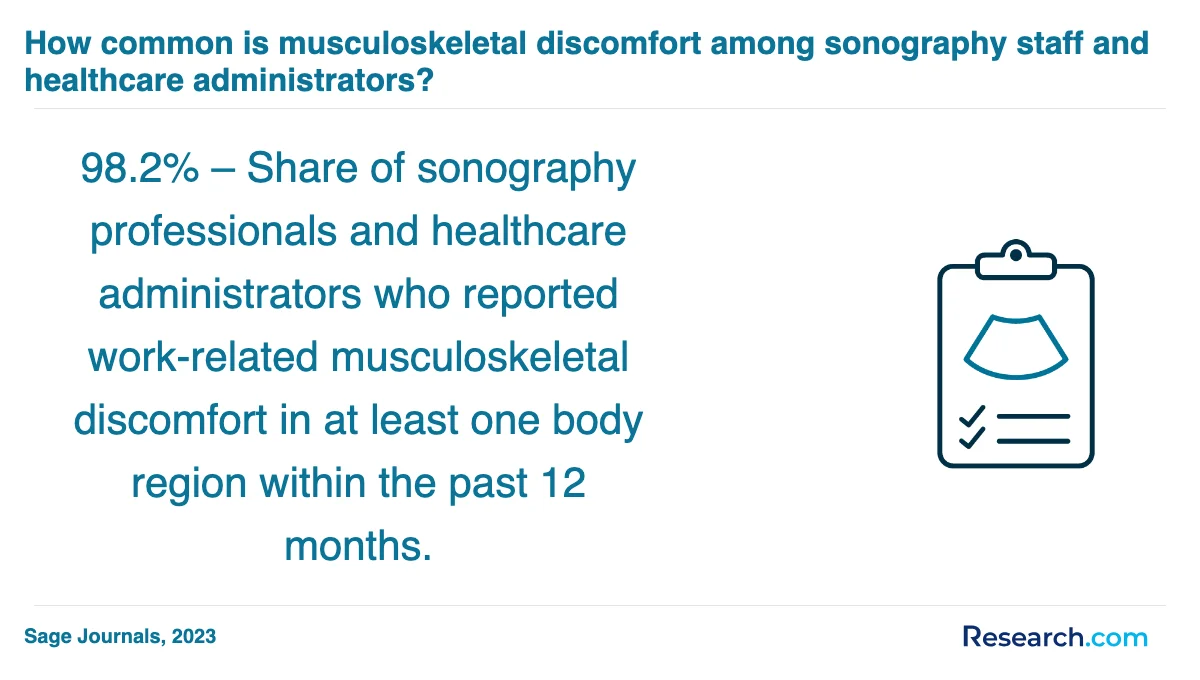
Imagine diving straight into the fascinating world of medical sonography at a Pennsylvania trade school like Lackawanna College or the Pennsylvania Institute of Technology, where your days are packed with engaging courses that build your expertise step-by-step. Graduates often recall the excitement of mastering Medical Terminology, the essential language that unlocks clear communication in healthcare settings, making every patient interaction meaningful.
Core courses typically include:
- Anatomy and Physiology: Understanding the human body's structure and functions, especially organs you'll image daily.
- Introduction to Patient Care: Learning how to provide compassionate, safe care while honing professional ethics.
- Ultrasound Physics: Discovering how sound waves create images, which fascinates many students as they connect theory with the real machines.
Hands-on clinical courses and labs are where the adventure truly begins. Imagine scanning abdominal organs in the lab or practicing pelvic sonography techniques-these experiences, offered by schools like Misericordia University, bring textbook knowledge to life.
Specialized classes such as Obstetric and Gynecologic Sonography and Small Parts Sonography prepare students for diverse challenges, while clinical rotations at hospitals let them sharpen skills with real patients under expert supervision. This blend of rigorous study and practical experience leaves graduates feeling confident and ready to excel.
Exploring diagnostic medical sonography specializations in Pennsylvania reveals exciting options that ignite curiosity and sharpen skills. Graduates from popular trade schools like Northampton Community College and Bucks County Community College often speak about their hands-on training in abdominal sonography, where they confidently image vital organs like the liver or pancreas.
Other ultrasound technology concentrations offered by Pennsylvania trade schools include:
- Obstetric and Gynecologic Sonography, perfect for those eager to monitor fetal development and women's reproductive health in vibrant hospital or outpatient settings
- Vascular Sonography, where students learn to visualize blood vessels and diagnose blockages that save lives
- Adult Cardiac Sonography, highly rewarding for diagnosing heart conditions, a leading health concern
- Neurosonography and Small Parts Sonography, offered at select programs, for imaging specialized areas like the brain or thyroid
Many graduates share that combining these tracks enhances their expertise, opening doors to roles in diverse clinical environments. For those excited about career potential, understanding the average salary for diagnostic medical sonographer adds an encouraging boost to their journey.
Choosing the best medical sonographer trade school program in Pennsylvania means diving into specifics like accreditation and hands-on clinical experience. Graduates from top-rated ultrasound technician schools in Pennsylvania often emphasize how programs with strong clinical rotations helped them feel confident and job-ready. Imagine yourself practicing at diverse healthcare sites across Pennsylvania, developing skills that impress future employers. Affordable medical sonography programs in Pennsylvania also balance quality education with manageable tuition, easing financial stress during this adventurous journey.
Consider the curriculum carefully; programs that offer specialized tracks, such as cardiac or vascular sonography, can open exciting career pathways. Many students share how a flexible schedule at their Pennsylvania school made it possible to juggle work and study. Don't forget to check if the school prepares you thoroughly for ARDMS certification exams-this credential dramatically boosts your employability.
Some students find tremendous value exploring what medical career can i get online options alongside traditional programs, linking hands-on learning with convenient online courses. Picture yourself graduating from a solid Pennsylvania program, ready to thrive in this dynamic health field.
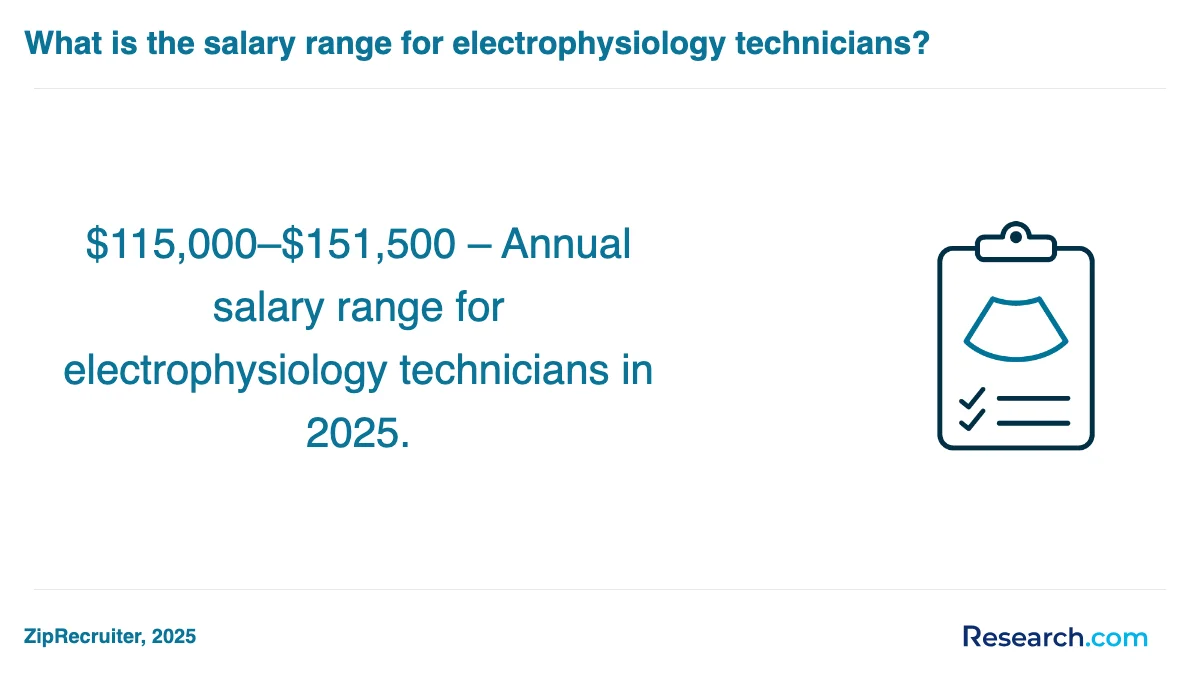
Graduates of medical sonographer trade school programs in Pennsylvania find themselves at the start of exhilarating career opportunities for medical sonographers in Pennsylvania. Many jump straight into roles operating ultrasound equipment in bustling hospitals, where every scan-from cardiac to OB/GYN-feels like a vital part of a patient's healing journey. Others enjoy the rhythm of outpatient clinics or private practices, appreciating a more predictable pace and close patient interactions. Mobile units also beckon those craving adventure, traveling to rural communities with portable machines that bring healthcare where it's most needed.
Specializations shape exciting paths, often nurtured by popular trade schools like the Pennsylvania Institute of Technology or Northampton Community College. Graduates share how focusing on vascular or abdomen-extended tracks opens doors to rewarding jobs and certification exams essential for clinical success. Beyond hands-on imaging, some alumni transition into leadership roles or pivot towards ultrasound equipment training and sales, expanding their skill sets and career horizons.
Understanding medical sonographer job settings in Pennsylvania is vital to imagine your future. Whether stationed in a hospital's cardiac unit or part of a community-focused mobile team, the variety of locations ensures each day offers meaningful challenges. For those eager to grow academically, many discover that combining their clinical background with two year programs in medical field leads to advanced healthcare careers. The possibilities are as broad as your ambitions.
The medical sonographer job outlook in Pennsylvania is vibrant and growing, making it an exciting path for graduates from trade schools across the state. Many graduates quickly find themselves working in bustling Philadelphia hospitals or at community clinics in the outskirts of Pittsburgh, where their skills in abdominal, obstetric, and vascular sonography are in high demand. Imagine starting your day performing ultrasounds at a specialized imaging center, knowing hospitals and clinics seek certified professionals with ARDMS credentials. This demand reflects a real opportunity for those eager and ready.
Salary prospects are rewarding as well. Diagnostic medical sonographer salary Pennsylvania averages around $81,860 yearly, with many reports even suggesting earnings up to $110,000 for skilled sonographers. Weekly pay can range broadly, with travel sonographers earning up to $2,339, demonstrating the diverse avenues new graduates can explore.
Recent graduates from top Pennsylvania trade programs share stories of thriving in part-time and full-time roles, often advancing into leadership and teaching positions. If you're curious about where to study, check out what schools are good for ultrasound tech to find great options to launch your career.
Most Affordable Diagnostic Medical Sonographer Schools & Training - Budget-Friendly Sonography Trade Programs in Pennsylvania for 2026
# 1 position
Bucks County Community College - Diagnostic Medical Sonography/Sonographer and Ultrasound Technician.
associateThe Diagnostic Medical Sonography/Sonographer and Ultrasound Technician program at Bucks County Community College offers a hybrid format with some distance-education options. It trains students to use medical ultrasound techniques for diagnostic purposes under physician supervision. The program covers patient care, sonographic data processing, and professional ethics. Annual in-state tuition is $5,021. Graduates have a median earning of $63,565 one year after completion. The program is accredited by the Middle States Commission on Higher Education.
# 2 position
Community College of Allegheny County - Diagnostic Medical Sonography/Sonographer and Ultrasound Technician.
associateThe Diagnostic Medical Sonography/Sonographer and Ultrasound Technician program at Community College of Allegheny County is a hybrid course that trains students to use ultrasound technology under physician supervision. It covers patient care, sonographic data processing, and professional ethics. The program's annual in-state tuition is $4,842. Graduates have median earnings of $55,599 one year after completion. The program is accredited by the Middle States Commission on Higher Education.
# 3 position
Harrisburg Area Community College - Diagnostic Medical Sonography/Sonographer and Ultrasound Technician.
associateHarrisburg Area Community College offers a Diagnostic Medical Sonography/Sonographer and Ultrasound Technician program with a hybrid format, including some distance education options. The program prepares students to use medical ultrasound techniques for diagnosing various conditions under physician supervision. Coursework covers patient care, data collection, sonography equipment operation, and professional ethics. Annual in-state tuition is $7,373. Graduates earn a median salary of $62,227 one year after completion. The program is accredited by the Middle States Commission on Higher Education.
# 4 position
Northampton County Area Community College - Diagnostic Medical Sonography/Sonographer and Ultrasound Technician.
associateNorthampton County Area Community College offers a hybrid Diagnostic Medical Sonography/Sonographer and Ultrasound Technician program that trains students to use ultrasound techniques for diagnosing medical conditions. The curriculum covers patient care, data collection, sonography equipment operation, and professional ethics. Annual in-state tuition is $5,310. Graduates earn a median salary of $54,892 one year after completion. The program is accredited by the Middle States Commission on Higher Education.
# 5 position
South Hills School of Business & Technology - Diagnostic Medical Sonography/Sonographer and Ultrasound Technician.
associateThe Diagnostic Medical Sonography/Sonographer and Ultrasound Technician program at South Hills School of Business & Technology offers a hybrid format with some distance education options. The program trains students to use medical ultrasound techniques for diagnostic purposes under physician supervision. It covers sonographic data processing, patient care, equipment operation, and professional ethics. Annual in-state tuition is $19,208. Median earnings one year after completion are $47,900.9. It is accredited by the Accrediting Commission of Career Schools and Colleges.
# 6 position
South Hills School of Business & Technology - Diagnostic Medical Sonography/Sonographer and Ultrasound Technician.
certificate or diplomaThe Diagnostic Medical Sonography/Sonographer and Ultrasound Technician program at South Hills School of Business & Technology offers a hybrid format with some distance-education options. It trains students to perform medical ultrasound techniques under physician supervision, covering patient care, sonographic data processing, and professional ethics. The program’s annual in-state tuition is $19,208. Graduates have median earnings of $47,900.90 one year after completion. It is accredited by the Accrediting Commission of Career Schools and Colleges.
# 7 position
Lackawanna College - Diagnostic Medical Sonography/Sonographer and Ultrasound Technician.
associateLackawanna College offers a hybrid Diagnostic Medical Sonography/Sonographer and Ultrasound Technician program designed to train students in medical ultrasound techniques for diagnosing various conditions. The curriculum includes patient care, sonographic data processing, and equipment operation under physician supervision. Annual in-state tuition is $17,950. Graduates earn a median salary of $65,584 one year after completion. The program is accredited by the Middle States Commission on Higher Education.
# 8 position
Mount Aloysius College - Diagnostic Medical Sonography/Sonographer and Ultrasound Technician.
associateMount Aloysius College offers a hybrid Diagnostic Medical Sonography/Sonographer and Ultrasound Technician program that trains students to use medical ultrasound techniques for diagnostic purposes under physician supervision. The program covers patient care, sonographic data collection, equipment operation, and professional ethics. Annual in-state tuition is $26,156, and median earnings one year after completion reach $50,138. It is accredited by the Middle States Commission on Higher Education.
# 9 position
Pennsylvania College of Health Sciences - Diagnostic Medical Sonography/Sonographer and Ultrasound Technician.
associateThe Diagnostic Medical Sonography/Sonographer and Ultrasound Technician program at Pennsylvania College of Health Sciences is a hybrid program offering some distance-education options. It trains students to use medical ultrasound techniques for diagnosing various conditions under physician supervision. The curriculum covers patient care, data recording, sonographic data processing, and professional ethics. Annual in-state tuition is $31,866, and median earnings one year after completion are $63,990.
# 10 position
Pennsylvania College of Health Sciences - Diagnostic Medical Sonography/Sonographer and Ultrasound Technician.
certificate or diplomaThe Diagnostic Medical Sonography/Sonographer and Ultrasound Technician program at Pennsylvania College of Health Sciences offers a hybrid format with some distance-education options. The program prepares students to use medical ultrasound techniques under physician supervision for diagnosing various conditions. Tuition for in-state students is $31,866 annually. Graduates earn a median salary of $63,990 one year after completion. The curriculum covers patient care, data recording, sonography equipment operation, and professional ethics.
Frequently Asked Questions about medical sonographer
After completing a medical sonographer trade school in Pennsylvania, it is essential to focus on certification and practical experience to enhance job prospects. The American Registry for Diagnostic Medical Sonography (ARDMS) certification is highly valued by employers across the state and often required to work professionally. Preparing for this exam during or immediately after training improves employment chances.
Networking through clinical internships, which many Pennsylvania programs include, helps build connections with local healthcare providers. According to the Pennsylvania Department of Labor & Industry, sonographer jobs are expected to grow by 17% through 2030, reflecting strong demand.
Additionally, creating a professional resume highlighting hands-on skills and using job search resources like the Pennsylvania CareerLink can support a successful job search.
Employers in Pennsylvania prioritize several key skills when hiring medical sonographer trade school graduates. Technical proficiency in operating ultrasound equipment is essential, ensuring accurate and clear imaging. According to the U.S. Bureau of Labor Statistics, graduates with hands-on experience during training have higher job placement rates.
Strong communication skills are also crucial, as sonographers must explain procedures clearly to patients and collaborate with healthcare teams. Attention to detail is vital to identify and document abnormalities effectively.
Additionally, knowledge of anatomy and physiology, combined with adherence to safety protocols, is highly valued. The Pennsylvania Department of Labor highlights these competencies as critical for success in the state's growing healthcare sector.
Finding internships in Pennsylvania relevant to medical sonographer trade school programs involves several strategic steps. Start by consulting your school's career services or internship coordinator, as many trade schools maintain partnerships with local hospitals and imaging centers. According to the Pennsylvania Department of Labor & Industry, healthcare facilities in major cities like Philadelphia and Pittsburgh often offer clinical internship opportunities for sonography students.
Networking through professional organizations such as the Pennsylvania Society of Radiologic Technologists can also help you access internship listings and connect with employers. Additionally, use online resources like the American Registry for Diagnostic Medical Sonography (ARDMS) to find accredited clinical sites in Pennsylvania.
Most internships require students to complete a minimum number of clinical hours, typically around 1,000 to 1,200 hours, to fulfill certification eligibility. Early application and proactive communication with potential sites increase the chances of securing a valuable internship experience.
Obtaining a medical sonographer trade school diploma in Pennsylvania significantly enhances career mobility and advancement opportunities. This credential provides essential hands-on skills and knowledge required for entry-level sonography positions in hospitals, clinics, and diagnostic centers across the state.
According to the U.S. Bureau of Labor Statistics, Pennsylvania employs over 3,000 diagnostic medical sonographers, with a projected job growth rate of 17% from 2022 to 2032, faster than the national average. A diploma often serves as a foundation for certification by the American Registry for Diagnostic Medical Sonography (ARDMS), which many employers in Pennsylvania require for higher-paying roles.
Graduates with a diploma can expect increased job prospects and potential for salary growth. The Pennsylvania Department of Labor reports that entry-level sonographers earn a median annual wage around $65,000, with experienced professionals advancing to specialized positions earning over $85,000. Therefore, trade school diplomas are a practical step toward improving social mobility within the healthcare sector in Pennsylvania.
Students enrolled in medical sonographer trade schools in Pennsylvania can benefit from part-time jobs that provide relevant healthcare experience. Positions such as medical assistants, phlebotomists, or patient care technicians offer practical skills that complement sonography training. These roles improve patient interaction abilities and familiarize students with clinical environments.
The Pennsylvania Department of Labor & Industry reports steady growth in healthcare support occupations, projecting a 10% increase from 2020 to 2030. Hospitals, outpatient care centers, and diagnostic laboratories in cities like Philadelphia and Pittsburgh frequently hire part-time workers, creating accessible opportunities for students.
Gaining experience in these roles can enhance employability after graduation and provide valuable insights into medical imaging procedures and patient care protocols.
Yes, there are affordable medical sonographer degree programs available near you in Pennsylvania. Various community colleges and universities offer such programs that provide comprehensive training in sonography without the substantial cost associated with larger institutions. Research.com can be a helpful resource for identifying specific programs near Pennsylvania that fit your budget and educational needs.
- Most Affordable Diagnostic Medical Sonographer Schools & Training - Budget-Friendly Sonography Trade Programs in Maryland for 2026
- Most Affordable Diagnostic Medical Sonographer Schools & Training - Budget-Friendly Sonography Trade Programs in New York for 2026
- Most Affordable Diagnostic Medical Sonographer Schools & Training - Budget-Friendly Sonography Trade Programs in West Virginia for 2026
- Most Affordable Diagnostic Medical Sonographer Schools & Training - Budget-Friendly Sonography Trade Programs in Ohio for 2026
- Most Affordable Diagnostic Medical Sonographer Schools & Training - Budget-Friendly Sonography Trade Programs in Connecticut for 2026
- Most Affordable Diagnostic Medical Sonographer Schools & Training - Budget-Friendly Sonography Trade Programs in Massachusetts for 2026
- Most Affordable Diagnostic Medical Sonographer Schools & Training - Budget-Friendly Sonography Trade Programs in North Carolina for 2026
- Most Affordable Diagnostic Medical Sonographer Schools & Training - Budget-Friendly Sonography Trade Programs in South Carolina for 2026
- Most Affordable Diagnostic Medical Sonographer Schools & Training - Budget-Friendly Sonography Trade Programs in Indiana for 2026
- Most Affordable Diagnostic Medical Sonographer Schools & Training - Budget-Friendly Sonography Trade Programs in Maine for 2026
- Sonography Student Clinical Training https://www.ultrasoundschoolsinfo.com/student-clinical-training/
- How To Become A Sonographer - ARDMS https://www.ardms.org/how-to-become-a-sonographer/
- Medical Sonography Student Resources https://www.accreditedschoolsonline.org/healthcare/ultrasound-technician/resources/
- Diagnostic Medical Sonographer - Explore Healthcare Careers - Mayo Clinic College of Medicine & Science https://college.mayo.edu/academics/explore-health-care-careers/careers-a-z/diagnostic-medical-sonographer/
- School of Diagnostic Medical Sonography at Northwell Health - Center for Learning and Innovation | Northwell Health https://professionals.northwell.edu/professional-development/center-for-learning-innovation/programs-services/school-of-diagnostic-medical-sonography-at-northwell-health
- Medical Sonography | Wake Tech https://www.waketech.edu/programs-courses/credit/sonography
- Diagnostic Medical Sonography https://www.sait.ca/programs-and-courses/diplomas/diagnostic-medical-sonography
- Diagnostic Medical Sonography https://www.mchs.edu/academics/associate-degrees/diagnostic-medical-sonography/
- Diagnostic Medical Sonography Associate Degree Program https://pmi.edu/on-campus-programs/associate/diagnostic-medical-sonography/
- Sonography Program | New York School of Career and Applied Studies | Touro University https://nyscas.touro.edu/academics/sonography/


