Most Affordable Diagnostic Medical Sonographer Schools & Training - Budget-Friendly Sonography Trade Programs in Massachusetts for 2026

Co-Founder and Chief Data Scientist
Are you considering a career as a medical sonographer in Massachusetts? Finding the right trade school program can feel overwhelming, but this article is here to help. It features a medical sonographer trade school programs ranking created by the Research.com team of data scientists, designed to guide you toward the best choices.
By exploring these affordable and reputable programs, you’ll gain insight into schools that offer valuable training and certification opportunities. Earning a diploma or certificate can open doors to a rewarding healthcare career with strong job prospects and personal fulfillment.
Key benefits of finishing medical sonographer trade school in Massachusetts
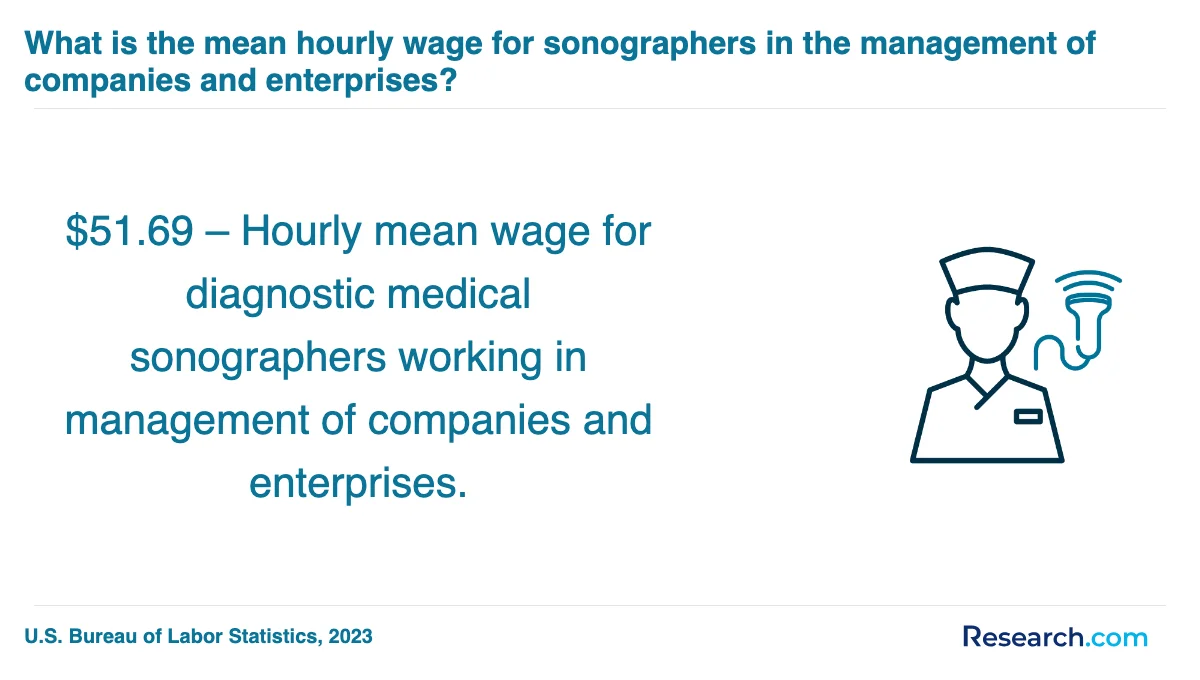
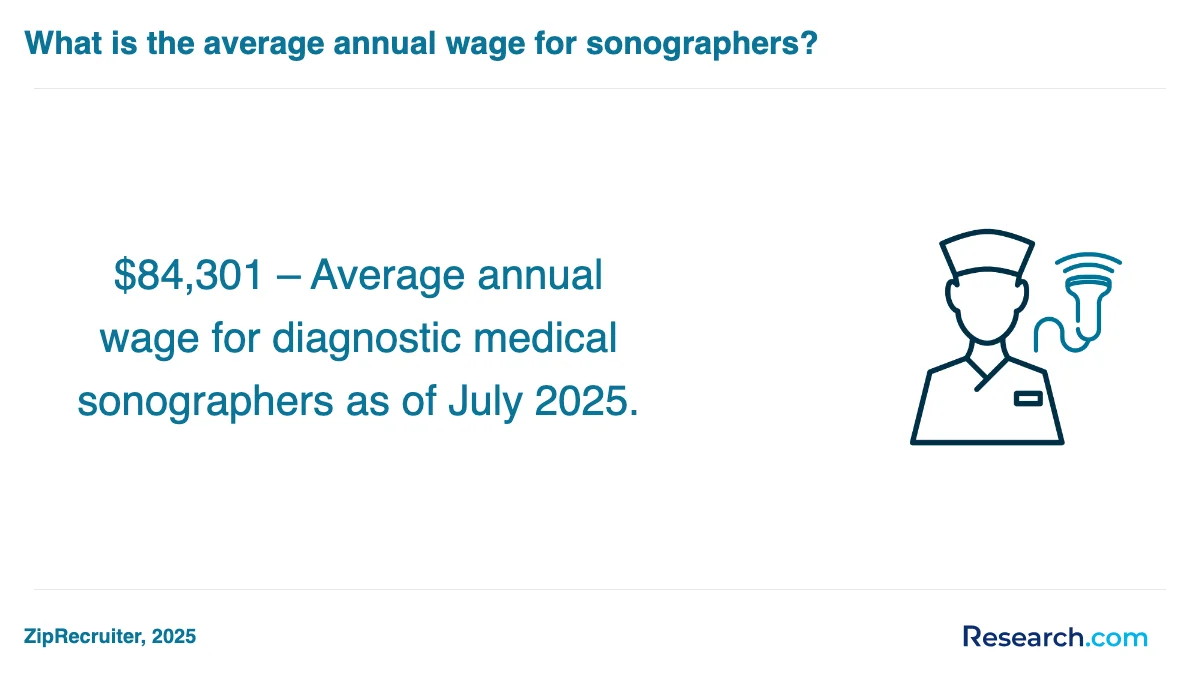
- Graduates from medical sonographer trade schools in Massachusetts can expect an average hourly wage starting around $44.26, with opportunities to grow toward an annual salary exceeding $100,000 as experience increases.
- Career paths include working in hospitals, specialized clinics, or diagnostic centers, with some graduates from well-known Massachusetts trade schools quickly advancing to roles like Registered Diagnostic Medical Sonographer I in urban areas such as Boston.
- Completing a medical sonographer trade school online offers flexibility and convenience, allowing students to balance work and study while gaining the same practical skills as traditional programs, as reported by successful online graduates from popular Massachusetts schools.
- Most Affordable Diagnostic Medical Sonographer Schools & Training - Budget-Friendly Sonography Trade Programs in Massachusetts for 2026
- What can I expect from medical sonographer trade schools in Massachusetts?
- Where can I work after finishing medical sonographer trade schools in Massachusetts?
What can I expect from medical sonographer trade schools in Massachusetts?
Expect an immersive blend of rigorous academics and hands-on clinical training when enrolling in a medical sonographer trade school program in Massachusetts. Graduates from programs like MCPHS in Boston often describe the experience as intense yet rewarding, balancing anatomy lessons with real-world ultrasound practice in hospital settings. You'll quickly find yourself mastering equipment in simulation labs before confidently performing scans on patients, a progression that sparks both excitement and pride.
Students appreciate the comprehensive curriculum that covers everything from medical ethics to vascular sonography, preparing them for diverse specializations. Regis College, for example, offers a unique path where you can train in abdominal, OB/GYN, and vascular sonography within a single degree, a feature that graduates say broadens career opportunities.
Completing a CAAHEP-accredited program means you're not just learning theory but meeting national standards that open doors to ARDMS certification. Many students find this certification crucial, boosting their confidence and employability in Massachusetts's competitive healthcare job market.
Where can I work after finishing medical sonographer trade schools in Massachusetts?
Graduates of medical sonographer trade schools in Massachusetts often find themselves stepping into a dynamic job market filled with diverse opportunities. Many quickly secure roles in major hospitals such as those in Boston or at well-known health systems like Newton-Wellesley Hospital, where their hands-on training prepares them for specialized areas like cardiology or OB/GYN ultrasound. One graduate shared how her program's clinical rotations gave her the confidence to work in busy emergency medicine departments right after finishing school.
Others discover rewarding careers in outpatient diagnostic centers, where the pace allows for focused patient care and scheduled scans. The rise of mobile sonography also offers exciting flexibility, with technologists traveling between nursing homes and clinics, a path appreciated by those who enjoy variety and independence.
Trade schools in Massachusetts emphasize real-world experience, which helps graduates feel ready to enter specialty fields such as vascular or echocardiography, often unlocking higher salaries and fulfilling work in 2025's strong job market.
After completing a medical sonographer trade school program in Massachusetts, graduates often find themselves earning well above the national average, a fact that consistently excites those entering the field. For instance, many graduates from popular trade schools in Boston and Worcester share how their hourly wages start around $44, with some quickly reaching up to $47 or more. This translates to annual salaries frequently ranging from $83,000 to over $100,000, providing financial stability that makes the hard work feel truly rewarding.
Imagine finishing your program and securing a position where you make about $2,300 weekly, enough to cover living comfortably in cities like Cambridge or Falmouth. For those open to travel assignments, that weekly pay can jump to over $2,500-and sometimes beyond $3,000-turning your skills into a lucrative adventure.
Despite the competitive job market, graduates often express pride and excitement as they enter a profession where skill, certification, and location directly impact earnings, proving that investing in a Massachusetts sonographer program can pay off handsomely.
- Admission requires a high school diploma or GED, and most programs are accredited by CAAHEP or JRC-DMS.
- Certificate and associate degree programs typically take 2 years, while bachelor's degrees can take up to 4 years.
- Programs include coursework in anatomy and ultrasound physics, plus clinical rotations in hospitals or clinics.
- Average tuition for a two-year community college program in Massachusetts ranges from $6,500 to $12,000, excluding books and supplies.
- Graduates can take the ARDMS certification exam, which improves job prospects in the state.
- Median annual wages for diagnostic medical sonographers in Massachusetts are about $93,000, with experienced professionals earning over $100,000.
Completing a medical sonographer trade school program in Massachusetts typically takes about 18 to 24 months. Graduates from well-known institutions around the state often describe this timeframe as intense yet rewarding, balancing hands-on clinical training with classroom instruction. Many recall how the immersive schedule helped them quickly build confidence in operating ultrasound equipment and interpreting images, making the experience both challenging and exciting.
For example, students at trade schools in Boston and Worcester have shared how the structured programs allowed them to finish their studies efficiently, often while juggling part-time jobs or family responsibilities. The focused curriculum is designed to prepare them for certification exams promptly, which adds a clear sense of purpose and achievement to their journey.
Envision walking out of your final clinical rotation knowing you've gained real-world skills that employers in Massachusetts value highly. This relatively short but comprehensive program timeline makes entering the medical sonography field faster and more accessible for many aspiring healthcare professionals.
The core difference between online and on-campus medical sonographer trade school programs in Massachusetts lies in how instruction and clinical training are delivered. Graduates from on-campus programs at schools like Bunker Hill Community College often describe the immersive experience of attending lectures and labs in person, which allows for immediate feedback from instructors and hands-on practice in clinical rotations across local hospitals. This direct interaction helps build confidence and sharp technical skills essential for sonography.
In contrast, students enrolled in online programs appreciate the flexibility to study sonographic theory and patient care remotely, fitting coursework around jobs or family life. Yet, even these students must complete clinical training at approved local facilities, often coordinating their own placements, which adds a real-world challenge to their learning journey.
Whether online or on-campus, Massachusetts programs share a commitment to rigorous accreditation standards, ensuring all graduates are prepared and eligible for certification exams like the ARDMS. This blend of flexibility or structure, paired with hands-on clinical experience, shapes diverse but equally valid paths for aspiring sonographers.
The average tuition fees for medical sonography programs in Massachusetts vary widely depending on the type of program and institution. For example, certificate programs can cost between $5,000 and $25,000, with graduates often recalling how affordable choosing a certificate route felt when balancing work and study. At community colleges like Bunker Hill, in-state students pay around $6,800 for a two-year associate degree, while out-of-state attendees face closer to $16,600. This range highlights the flexibility students experience in selecting a path that fits their financial means without compromising education quality.
Associate degrees, which many find strike a balance between cost and comprehensiveness, typically run from $6,000 up to $40,000. Middlesex Community College offers a Diagnostic Medical Sonography program at $7,616 for residents, a cost that several graduates mention as manageable due to available financial aid. The cost of diagnostic medical sonography education in Massachusetts can be more accessible than expected, especially with options tailored for in-state students.
Bachelor's degree programs-often pursued by those seeking advanced opportunities-usually cost between $30,000 and $48,000. The Massachusetts College of Pharmacy and Health Sciences charges about $40,530, an investment that graduates often describe as worthwhile given the extensive training. Additionally, some students explore flexible options like attending a school for ultrasound tech online, providing a way to save on relocation and daily expenses.
Keep in mind that additional yearly expenses such as books, supplies, and insurance can add $10,000 to $20,000. Many students from Springfield Technical Community College recall budgeting for these necessities while appreciating the comprehensive coverage it affords. Financial aid remains a crucial resource, making these costs more manageable and helping students focus on their future careers in sonography.
Medical sonographer trade school students in Massachusetts often find financial aid options that make their educational journey more manageable and hopeful. Many start by applying for federal aid through FAFSA, unlocking access to the Pell Grant, which can provide up to $6,895 annually. Graduates from popular trade schools like North Shore Community College have shared how the Pell Grant significantly eased their tuition burden.
Some students also qualify for the Federal Supplemental Educational Opportunity Grant (FSEOG), though availability depends on the institution. State aid is another critical resource; the Massachusetts Office of Student Financial Assistance offers need-based grants and scholarships, which many local students have used to stay enrolled without overwhelming debt.
Private scholarships, like those from the Society of Diagnostic Medical Sonography Foundation, offer awards of $1,000 or more to motivated students showing financial need and academic promise. Several graduates recall how institutional aid or flexible payment plans at schools such as Springfield Technical Community College helped them balance education costs with life's demands.
These combined resources create a tangible path toward a fulfilling career, inspiring students to persevere despite financial challenges.
To enroll in a medical sonographer trade school program in Massachusetts, applicants typically need to meet specific prerequisites that set the foundation for success. Most programs expect candidates to have a high school diploma or GED, demonstrating basic academic readiness. Graduates from popular Massachusetts trade schools often recall how having a strong background in math and science, especially biology and physics, made the initial coursework feel much more manageable and engaging.
Applicants may also need to submit proof of immunizations and pass a background check, ensuring a safe clinical learning environment. Some programs require completion of general education courses before full acceptance, which helps students build confidence in their academic skills early on.
Common prerequisites include:
- High school diploma or GED
- Basic understanding of anatomy, physiology, and physics
- Proof of immunizations and health screenings
- Background check clearance
- Completion of general education or introductory healthcare courses
Many prospective students find that visiting campuses like those in Boston or Worcester and speaking with current graduates highlights how meeting these prerequisites isn't just a formality-it's the first step toward a rewarding career in medical sonography. One graduate shared that preparing early with these requirements allowed them to dive confidently into hands-on training without feeling overwhelmed.
Medical sonographer trade school programs in Massachusetts immerse students in a carefully structured curriculum that balances theory with hands-on practice. Graduates from popular schools like Middlesex Community College and MCPHS University often recall how foundational courses in sonographic physics and instrumentation demystified the technology behind ultrasound machines, making complex equipment feel approachable and exciting.
Understanding the human body is vital, so students dive deep into anatomy and physiology, preparing them to interpret images accurately-an experience many describe as eye-opening when connecting textbook knowledge to real patient scans.
- Abdominal sonography: mastering imaging of vital organs in the abdomen
- Obstetrical and gynecological sonography: capturing life's beginnings and female health
- Vascular sonography: exploring blood flow and vessel health
- Pediatric sonography: specializing in imaging for infants and children
Some programs also explore musculoskeletal and breast sonography, expanding students' expertise in emerging fields. Beyond technical skills, courses in medical ethics, patient care, and healthcare communication empower students to connect with patients compassionately, a highlight often mentioned by those who value the human side of medicine.
Clinical practicums at local hospitals provide real-world settings where students confidently apply their knowledge, transforming classroom lessons into life-changing diagnostic skills.
Medical sonography specializations in Massachusetts cover diverse areas, allowing students to align their training with specific healthcare needs. Graduates from popular trade schools like Bunker Hill Community College often share enthusiasm for their focus, whether in General Sonography-covering abdominal and obstetric/gynecologic imaging-or Cardiac Sonography, which zeroes in on heart imaging through echocardiography. These programs blend hands-on clinical practice with solid theoretical foundations, fostering confident and capable sonographers ready to enter the workforce.
Massachusetts sonography program concentrations also include Vascular Sonography, an exciting path for those interested in blood vessel imaging, as offered by Middlesex Community College. Meanwhile, MCPHS University provides broader options through a Bachelor of Science degree, integrating abdominal-extended, obstetrics/gynecology, and other medical imaging specialties like breast and musculoskeletal.
Students appreciate knowing that their chosen specialization readies them for national certification exams, validating their skills in real-world settings. For those exploring the best fit in this field, discovering a top rated ultrasound tech school in Massachusetts is often a pivotal moment.
Start your search by focusing on the best accredited medical sonography programs in Massachusetts, as accreditation by CAAHEP guarantees a curriculum that prepares you well for certification exams and the realities of clinical work. Graduates from MCPHS often share how their hands-on clinical rotations in top hospitals made a real difference in their confidence and job readiness. This practical experience is invaluable and something to prioritize when weighing your options.
Next, how to compare medical sonographer schools in Massachusetts involves looking beyond just prestige. Consider community colleges like Bunker Hill Community College, which offer affordable tuition and flexible schedules, making it easier to balance study with life commitments. Many students appreciate this accessibility while still gaining strong foundational skills.
Don't overlook program outcomes such as graduation rates and job placements. Schools that report high exam pass rates demonstrate a supportive learning environment. For those aiming for high paying healthcare careers with less schooling, this data is crucial in making an informed decision.
Graduates of medical sonographer trade school programs in Massachusetts often step directly into demand-rich roles in hospitals, outpatient centers, and OB/GYN clinics, reflecting the vibrant market for medical sonographer jobs in Massachusetts. Many find themselves thrilled by the immediate impact of their work-capturing critical images that assist in diagnosis and patient care.
Several graduates from Middlesex Community College and MCPHS University proudly share how their education prepared them for certifications and specialties like abdominal or obstetric sonography, allowing them to diversify their career paths. Their journeys often include advancement to leadership roles such as department supervisor or clinical educator, showcasing the profession's dynamic progression.
Besides traditional clinical roles, possibilities expand into equipment sales, application specialist positions, or joining multidisciplinary research teams. Some explore further education options, using their sonography background as a stepping stone toward licensed professions like nurse practitioner or physician assistant. Interested students may also consider a 2 year medical school program to accelerate these transitions.
Key benefits include:
- High job placement rates in accredited Massachusetts programs
- Specialization options tailored by leading trade schools
- Meaningful roles in diverse healthcare settings
This vibrancy paints a promising picture for those focused on diagnostic medical sonography career paths Massachusetts offers.
Graduates of medical sonographer trade schools in Massachusetts often face a job market that feels both promising and challenging. The medical sonographer job outlook in Massachusetts shows that while salaries can be attractive-averaging $44.26 per hour-demand for new professionals isn't very high. Many graduates from popular trade schools find that building expertise in specialized areas like vascular or obstetric sonography is crucial. They report that hands-on experience in Boston-area hospitals or outpatient care centers often opens doors that raw credentials alone cannot.
Success stories commonly share these themes:
- Strong certification and clinical training make graduates stand out.
- Networking within hospital systems boosts chances despite fewer openings.
- Continuing education keeps skills relevant in a competitive market.
For those uncertain about training paths, exploration of different educational formats including online options-like those detailed if you can you study sonography online-helps weigh every advantage in this field.
Demand for diagnostic medical sonographers Massachusetts-wide is steady but limited, requiring graduates to be both patient and proactive in career growth. Many emphasize that while the job market isn't very active, those who invest in specialty skills and adapt to employer needs enjoy rewarding, well-paying roles that validate their educational efforts.
Most Affordable Diagnostic Medical Sonographer Schools & Training - Budget-Friendly Sonography Trade Programs in Massachusetts for 2026
# 1 position
Middlesex Community College - Diagnostic Medical Sonography/Sonographer and Ultrasound Technician.
associateMiddlesex Community College offers a Diagnostic Medical Sonography/Sonographer and Ultrasound Technician program with a hybrid format, including some distance-education options. The program prepares students to use medical ultrasound techniques for diagnostic purposes under physician supervision. It covers patient care, sonographic data processing, and equipment operation. Annual in-state tuition is $6,048. Graduates have median earnings of $63,037 one year after completion. The program is accredited by the New England Commission on Higher Education.
# 2 position
Springfield Technical Community College - Diagnostic Medical Sonography/Sonographer and Ultrasound Technician.
associateSpringfield Technical Community College offers a hybrid Diagnostic Medical Sonography/Sonographer and Ultrasound Technician program that trains students to perform medical ultrasound procedures under physician supervision. The curriculum covers sonographic data collection, patient care, anatomy, physiology, pathology, and professional ethics. Annual in-state tuition is $5,520. Graduates have median earnings of $64,346 one year after completion. The program is accredited by the New England Commission on Higher Education.
# 3 position
Bunker Hill Community College - Diagnostic Medical Sonography/Sonographer and Ultrasound Technician.
associateBunker Hill Community College offers a Diagnostic Medical Sonography/Sonographer and Ultrasound Technician program in a hybrid format. The program trains students to use ultrasound technology for diagnostic purposes, covering patient care, data integration, and equipment operation. Graduates earn a median salary of $75,659 one year after completion. Annual in-state tuition is $5,520. The program is accredited by the New England Commission on Higher Education.
# 4 position
Massasoit Community College - Diagnostic Medical Sonography/Sonographer and Ultrasound Technician.
associateMassasoit Community College offers a Diagnostic Medical Sonography/Sonographer and Ultrasound Technician program with a hybrid format, including some distance education options. The program prepares students to use medical ultrasound techniques to assist in diagnosing medical conditions, covering patient care, data collection, and equipment operation. Annual in-state tuition is $5,376. Graduates have median earnings of $56,929 one year after completion. The program is accredited by the New England Commission on Higher Education.
# 5 position
MCPHS University - Mammography Technology/Technician.
certificate or diplomaMCPHS University offers a Mammography Technology/Technician program designed to prepare registered radiographers to become registered mammographers. The curriculum covers anatomy and physiology, mammography instrumentation, positioning, principles and procedures of mammography, and quality assurance. The program is accredited by the New England Commission on Higher Education. Annual in-state tuition for this program is $38,850.
Frequently Asked Questions about medical sonographer
After completing a medical sonographer trade school in Massachusetts, preparing for the job market involves several key steps. Graduates should obtain certification from the American Registry for Diagnostic Medical Sonography (ARDMS), which is often required by employers. According to the Massachusetts Executive Office of Labor and Workforce Development, diagnostic medical sonographers in the state have a strong job outlook with a projected growth rate of 17% from 2022 to 2032.
Networking through clinical internships and local healthcare job fairs can increase employment opportunities. Staying updated with continuing education helps maintain certification and adapt to evolving ultrasound technology. Massachusetts hospitals and outpatient centers frequently seek certified sonographers, making practical experience and certification essential for success.
Employers in Massachusetts prioritize several key skills when hiring graduates from medical sonographer trade schools. Technical proficiency in operating ultrasound equipment is essential, as accurate imaging directly affects patient diagnoses. According to the Massachusetts Department of Labor, strong knowledge of human anatomy and physiology ranks high among desired competencies.
Communication skills are also vital. Sonographers must clearly explain procedures to patients and collaborate effectively with healthcare teams. Attention to detail is crucial, ensuring high-quality images and accurate reports.
Additionally, familiarity with electronic medical records (EMR) systems is increasingly important, reflecting the growing digitization in healthcare settings. Employers value graduates who demonstrate both clinical expertise and the ability to adapt to evolving technologies.
Finding internships relevant to medical sonographer trade school programs in Massachusetts involves several strategic steps. Start by consulting your school's career services, as many accredited programs maintain partnerships with local hospitals and imaging centers. These affiliations can provide direct internship opportunities, often required for certification purposes.
The Massachusetts Department of Higher Education and the Massachusetts Medical Society offer resources and listings of clinical training sites. Additionally, websites like the American Registry for Diagnostic Medical Sonography (ARDMS) provide guidance on clinical requirements and approved internship locations.
Networking through professional organizations such as the Society of Diagnostic Medical Sonography (SDMS) Massachusetts chapter can also uncover local internships. According to the Bureau of Labor Statistics, Massachusetts hosts numerous healthcare facilities where sonography internships are regularly available, supporting practical experience essential for career entry.
Obtaining a medical sonographer trade school diploma in Massachusetts significantly enhances career mobility and advancement opportunities. The diploma meets state licensing requirements and prepares graduates for the American Registry for Diagnostic Medical Sonography (ARDMS) certification, a key credential valued by employers. According to the Massachusetts Department of Labor, employment for diagnostic medical sonographers is projected to grow 17% through 2030, faster than the average for all occupations.
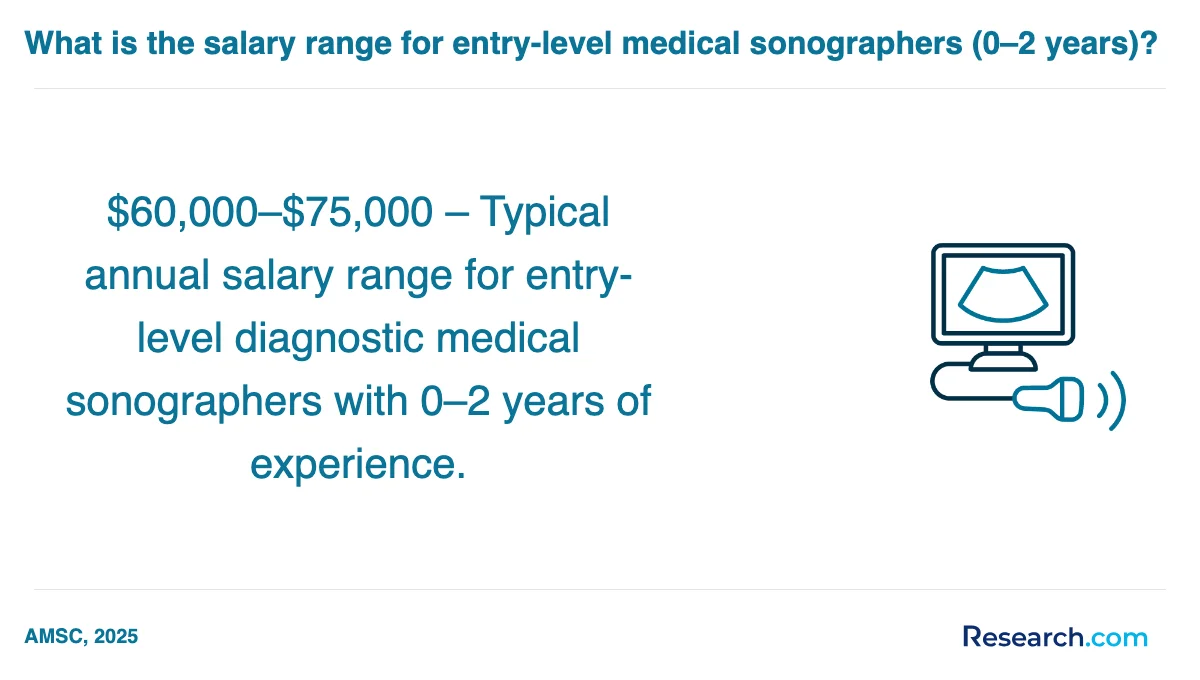
Graduates often find entry-level positions in hospitals, clinics, and private practices, with starting salaries averaging around $65,000 annually. Earning the diploma also opens doors to specialized roles, such as cardiac or vascular sonography, which offer higher pay and job stability. The diploma serves as a foundation for continued education and professional development, supporting upward mobility within the healthcare field.
Students enrolled in medical sonographer trade schools in Massachusetts can benefit from part-time jobs that build relevant skills and experience. Positions such as medical assistant or patient care technician in hospitals and clinics offer hands-on exposure to healthcare environments. These roles help students develop communication and patient management abilities crucial for sonographers.
Additionally, working as an administrative assistant in radiology departments allows familiarity with scheduling and medical records, complementing sonography training. According to the Massachusetts Department of Labor, healthcare support roles are projected to grow by 12% through 2030, indicating ample opportunities for part-time work.
Gaining employment in these areas can enhance both practical knowledge and future employability in the state's healthcare sector.
To find the most affordable Medical Sonographer degree program near me in Massachusetts, it's advisable to research local community colleges and universities that offer such programs, many of which publish tuition costs on their websites. You can also utilize resources like Research.com to help compare program costs and gather information on educational quality and reputation. Additionally, reaching out to admissions offices near Massachusetts can provide insight into financial aid options and program specifics to help determine affordability.
- Most Affordable Diagnostic Medical Sonographer Schools & Training - Budget-Friendly Sonography Trade Programs in Connecticut for 2026
- Most Affordable Diagnostic Medical Sonographer Schools & Training - Budget-Friendly Sonography Trade Programs in New York for 2026
- Most Affordable Diagnostic Medical Sonographer Schools & Training - Budget-Friendly Sonography Trade Programs in Maine for 2026
- Most Affordable Diagnostic Medical Sonographer Schools & Training - Budget-Friendly Sonography Trade Programs in Pennsylvania for 2026
- Most Affordable Diagnostic Medical Sonographer Schools & Training - Budget-Friendly Sonography Trade Programs in Maryland for 2026
- Most Affordable Diagnostic Medical Sonographer Schools & Training - Budget-Friendly Sonography Trade Programs in Ohio for 2026
- Most Affordable Diagnostic Medical Sonographer Schools & Training - Budget-Friendly Sonography Trade Programs in West Virginia for 2026
- Most Affordable Diagnostic Medical Sonographer Schools & Training - Budget-Friendly Sonography Trade Programs in North Carolina for 2026
- Most Affordable Diagnostic Medical Sonographer Schools & Training - Budget-Friendly Sonography Trade Programs in South Carolina for 2026
- Most Affordable Diagnostic Medical Sonographer Schools & Training - Budget-Friendly Sonography Trade Programs in Indiana for 2026
- Medical Sonography | Wake Tech https://www.waketech.edu/programs-courses/credit/sonography
- Diagnostic Medical Sonography https://www.sait.ca/programs-and-courses/diplomas/diagnostic-medical-sonography
- Diagnostic Medical Sonography https://www.mchs.edu/academics/associate-degrees/diagnostic-medical-sonography/
- Accredited Diagnostic Medical Sonography Programs | CBD College https://www.cbd.edu/programs/diagnostic-medical-sonography/
- Diagnostic Medical Sonography Associate Degree Program https://pmi.edu/on-campus-programs/associate/diagnostic-medical-sonography/
- Diagnostic Medical Sonography Program in Texas | CHCP https://www.chcp.edu/degrees-certificates/on-campus/diagnostic-medical-sonography-aas-degree/
- Diagnostic Medical Sonography https://gwinnetttech.edu/diagnosticmedicalsonography/
- Diagnostic Medical Sonography | Maricopa Community Colleges https://www.maricopa.edu/degrees-certificates/health-sciences/diagnostic-medical-sonography-3656-aas
- Sonography Program | New York School of Career and Applied Studies | Touro University https://nyscas.touro.edu/academics/sonography/
- United Medical Institute | Degree Programs in Sonography | CA & AZ https://www.unitedmedicalinstitute.edu/