Most Affordable Diagnostic Medical Sonographer Schools & Training - Budget-Friendly Sonography Trade Programs in Green Bay for 2026

Co-Founder and Chief Data Scientist
Choosing the right medical sonographer trade school in Green Bay can feel overwhelming. This article introduces a carefully crafted ranking of the most affordable programs for 2026, developed by the Research.com team of data scientists. Their analysis helps you identify which schools offer valuable training without breaking the bank.
Reading this guide will give you confidence in your decision and highlight the benefits of earning a diploma or certification in this growing healthcare field. Your future as a skilled medical sonographer starts here, with clear, trusted information tailored for you.
Key benefits of finishing medical sonographer trade school in Green Bay
- Graduates from medical sonographer trade schools in Green Bay can expect a strong starting salary, with entry-level positions averaging around $107,066 per year, offering financial stability early in their careers.
- Career paths are diverse, ranging from roles like Vascular Sonographer to Chief Ultrasound Technologist, allowing graduates to grow and specialize based on their interests and skills.
- Completing a medical sonographer trade school online offers flexibility and convenience, letting students balance studies with personal commitments while still preparing for rewarding jobs in Green Bay's healthcare market.
- Most Affordable Diagnostic Medical Sonographer Schools & Training - Budget-Friendly Sonography Trade Programs in Green Bay for 2026
- What can I expect from medical sonographer trade schools in Green Bay?
- Where can I work after finishing medical sonographer trade schools in Green Bay?
What can I expect from medical sonographer trade schools in Green Bay?
In Green Bay, medical sonographer trade school programs, such as those at Northeast Wisconsin Technical College, prepare you through a balanced mix of classroom theory and hands-on clinical experience. Graduates often describe the program as intense but rewarding, with courses covering anatomy, physiology, and ultrasound technology for areas like the abdomen and obstetrics.
Expect to spend significant time in clinical rotations at local hospitals or clinics, where you'll perform real sonographic procedures under expert supervision. This practical exposure helps build confidence and skills that graduates say made the transition to work seamless.
Admission can be competitive, requiring prerequisites in math and science, and most associate degree programs take about two years of full-time study. Financial aid options are usually available, making it accessible for many.
Many graduates feel proud knowing they're eligible to take national certification exams, a key step toward employment. About 71% of recent Green Bay program completers find jobs quickly in hospitals, clinics, or physician offices, reflecting strong local demand and a supportive learning environment.
Where can I work after finishing medical sonographer trade schools in Green Bay?
After completing a medical sonographer trade school program in Green Bay, graduates find diverse employment opportunities across the local healthcare landscape. Many begin their careers in well-known hospitals like St. Vincent Hospital or St. Mary's Hospital, where entry-level sonographers gain hands-on experience in diagnostic and vascular imaging. These settings offer stability and chances for career growth, which recent grads from Green Bay's trade schools often describe as motivating and rewarding.
Outpatient clinics, such as Aurora BayCare Medical Center, attract graduates seeking roles in specialized fields like OB/GYN sonography. Here, part-time schedules and competitive pay provide flexibility, ideal for balancing work and life. Imaging centers and mobile diagnostic units also appeal to those wanting variety and independence, enabling sonographers to travel between sites while using portable ultrasound equipment.
Smaller physician offices and community health centers round out the job market, especially for those interested in women's health or vascular medicine. With at least 21 open positions locally, graduates from Green Bay trade schools feel confident stepping into rewarding roles that match their training and certification progress.
After finishing a medical sonographer trade school program in Green Bay, graduates commonly find themselves earning competitive salaries that reflect their specialized training. Many graduates from well-regarded local trade schools report starting salaries around $51 per hour, which can translate to approximately $107,000 annually. This strong starting wage often surprises new professionals, giving them confidence as they launch their careers.
Those with a bit more experience or specialization typically earn between $80,000 and $100,000 per year. For example, graduates working as ultrasound technologists at major Green Bay healthcare providers earn hourly rates near $37.50, with potential to climb higher quickly. Some advanced roles, like chief ultrasound technologist, have salaries exceeding $100,000.
Graduates appreciate that their investment in trade school pays off well, especially in a city like Green Bay where the demand for skilled sonographers is steady. Earning a salary well above the state median makes this career path a rewarding and practical choice.
- Most medical sonographer programs in Green Bay offer a two-year Associate of Science degree in Diagnostic Medical Sonography (DMS) at accredited schools like Northeast Wisconsin Technical College.
- Accreditation by the Commission on Accreditation of Allied Health Education Programs (CAAHEP) is required to qualify for the American Registry for Diagnostic Medical Sonography (ARDMS) certification exams.
- Tuition typically ranges from $7,000 to $15,000 for the full program, depending on residency and financial aid options.
- Graduate employment rates in the field reach about 71% at leading local programs.
- Entry-level sonographers in Green Bay earn between $63,000 and $70,000 per year, with experienced professionals making over $85,000 annually.
Completing a medical sonographer trade school program in Green Bay typically takes about 18 to 24 months. Many students find this timeline manageable, balancing hands-on training with classroom learning. Popular trade schools in Green Bay structure their programs to fit busy schedules, allowing students to progress steadily without feeling overwhelmed.
Graduates often share how the program's duration felt just right-long enough to gain confidence and practical skills, yet short enough to enter the workforce quickly. For instance, students at well-known Green Bay trade schools describe their experience as intensive but rewarding, with clinical rotations starting early to build real-world competence.
This timeframe suits those eager to start working as sonographers without years of delay. Imagine finishing your training in under two years and moving confidently into a fulfilling healthcare career in your community. The balance of theory, practice, and support in Green Bay's programs makes this goal achievable and motivating.
Online medical sonographer programs in Green Bay offer flexibility by letting students complete theoretical courses like anatomy and physics from home. Graduates often appreciate this format because it fits around work or family commitments. However, no fully online programs exist here since hands-on clinical training-mandatory for licensure-is required by accreditation bodies. For example, even hybrid programs in Green Bay blend online lectures with in-person labs and clinical rotations at local hospitals.
On the other hand, traditional on-campus programs, such as the associate degree at Northeast Wisconsin Technical College, provide immersive experiences with in-person classes, real-time faculty feedback, and access to advanced simulation labs. Graduates highlight how daily interaction with instructors and peers builds confidence and practical skills. Clinical training is integrated directly into the curriculum, ensuring students gain supervised hands-on experience essential for their future roles.
Students choosing Green Bay trade schools often find the on-campus model more engaging, while online options serve those needing scheduling flexibility but still require local clinical work.
The average tuition for sonography programs in Green Bay varies significantly depending on the institution and the family income bracket. For example, students attending Northeast Wisconsin Technical College (NWTC) with family incomes between $30,000 and $48,000 typically pay an annual net price of about $9,201. Graduates often share how this affordable cost allowed them to focus on gaining hands-on experience without overwhelming financial stress. NWTC's approach makes it easier for students to achieve their goal of becoming certified sonographers while managing costs effectively.
In contrast, Bellin College, a private not-for-profit school in Green Bay, has an average net price of approximately $29,280 for families in the same income bracket. Despite the higher price, many of its graduates highlight the personalized attention and advanced equipment they accessed, which contributed positively to their learning experience. Understanding the cost of diagnostic medical sonography degrees in Green Bay helps prospective students weigh their options based on budget and program features.
For families earning between $75,000 and $110,000, NWTC's program costs rise to around $15,131. Many students find that this still represents good value, considering the balance of quality education and living expenses in Green Bay. Those exploring their options may also benefit from looking into financial aid and scholarships offered by these schools directly.
Students interested in flexible learning schedules or remote options can explore an online school for ultrasound tech, which can sometimes offer cost advantages alongside convenience and access to broader resources.
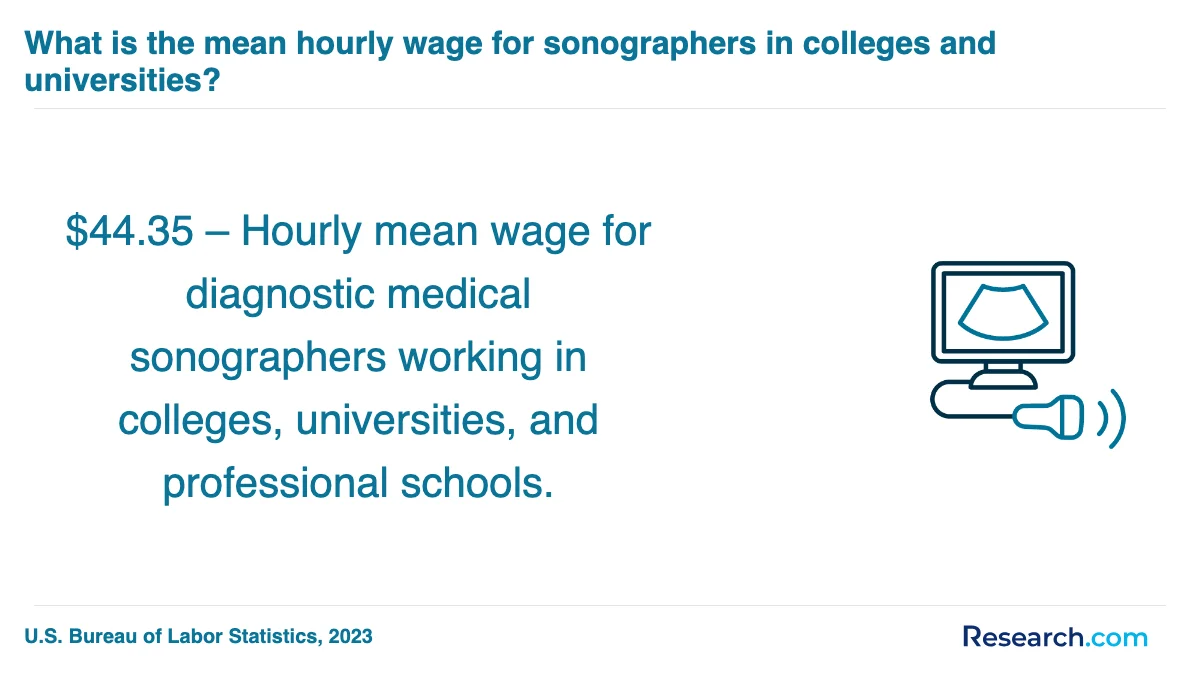
Medical sonographer trade school students in Green Bay have access to multiple financial aid options that make pursuing their career goals more affordable. Graduates from programs like Bellin College and Northeast Wisconsin Technical College often share how federal aid-including Pell Grants, student loans, and work-study programs-helped ease the burden of tuition. Completing the FAFSA is the first key step to unlocking these resources.
Many students also benefit from scholarships specifically designed for sonography students. For instance, scholarships at Bellin College start at $1,000, while the Holy Family Memorial Scholarship offers $5,000 to those enrolled in accredited Wisconsin programs. These awards can significantly reduce out-of-pocket costs, allowing students to focus more on hands-on training and less on financial stress.
Local programs frequently provide additional aid opportunities. Students often mention the helpfulness of bursar's offices at Green Bay schools, where advisors assist in identifying all possible funding sources. With typical annual costs averaging around $26,206 and additional fees for textbooks, tapping into these financial resources has proven essential for many aspiring sonographers in the area.
To enroll in a medical sonographer trade school program in Green Bay, candidates typically need a high school diploma or GED. Many programs emphasize a strong foundation in science and math, so courses like biology, anatomy, and algebra are often recommended or required.
Graduates from popular trade schools in Green Bay frequently share that having prior healthcare experience or coursework can accelerate their learning and boost confidence during clinical practice. Some schools also require applicants to pass a background check and demonstrate physical stamina, as the role involves standing for long periods and assisting patients.
Key prerequisites usually include:
- High school diploma or GED
- Basic science and math coursework completed
- Background check clearance
- Proof of immunizations
- Physical ability to perform sonography tasks
These practical requirements ensure students are prepared for the hands-on nature of sonography training. Graduates often recall how meeting these prerequisites helped them feel ready and excited to begin their rewarding career path in Green Bay's supportive trade school environment.

Medical sonographer trade school programs in Green Bay typically include a mix of core science and specialized sonography courses designed to prepare students for real-world diagnostic roles. Graduates from schools like Northeast Wisconsin Technical College and Bellin College often highlight the value of foundational courses in anatomy, physiology, and medical terminology, which build essential knowledge for understanding ultrasound images.
Students also engage in specialized classes such as:
- Ultrasound physics and instrumentation, explaining how ultrasound waves function and are interpreted
- Abdominal, obstetric, and gynecological sonography, covering the most common clinical applications
- Vascular and cardiac sonography, expanding skills for diverse healthcare settings
Practical clinical practicum experiences play a major role, allowing students to work directly with patients in local hospitals and clinics under supervision. Many graduates say these hands-on rotations are where theory meets practice, boosting confidence and readiness for employment.
Courses in patient care, ethics, and professional communication are also included, helping students learn how to effectively interact with patients and healthcare teams. This well-rounded curriculum ensures Green Bay students are equipped with both technical skills and the compassionate communication needed in sonography careers.
Medical sonography specializations in Green Bay typically include abdominal, obstetric and gynecologic (OB/GYN), vascular, and cardiac sonography. Many students at well-known local trade schools quickly gain hands-on experience diagnosing abdominal conditions by imaging organs like the liver and kidneys. Graduates often describe the abdominal track as foundational and rewarding, especially when they assist in detecting important health issues early.
Popular programs such as those at Bellin College offer focused cardiovascular and vascular ultrasound programs Green Bay students appreciate for their clear pathways into specialized careers. For instance, one concentration prepares graduates to assess blood flow and identify vascular diseases, while another focuses intensively on heart imaging and physiology. Students find these specializations empowering because they directly impact patient heart and vascular health.
At the associate degree level, Northeast Wisconsin Technical College's program covers routine exams across several areas, helping students build diverse skills and confidence. Those exploring these career paths benefit from comprehensive training, connecting theory to real patient care scenarios. For students seeking further options, checking out the best online sonography programs can provide additional flexibility and specialization opportunities.
When choosing affordable medical sonography programs in Green Bay, prioritize accreditation from recognized bodies like CAAHEP to ensure eligibility for certification and quality education. Graduates from well-established colleges in Green Bay often share how this solid foundation helped them pass the American Registry for Diagnostic Medical Sonography (ARDMS) exams confidently. Programs with strong ties to local hospitals offer excellent clinical training, allowing students to gain hands-on experience that builds real-world skills and professional confidence.
Graduates from the best diagnostic medical sonography schools in Green Bay highlight the value of programs that prepare students not only academically but also for certification and job placement. Selecting a school close to home reduces commute stress, making it easier to balance studies and personal life. Practical considerations like tuition costs and available financial aid play a key role in decision-making, especially when comparing the return on investment with future earning potential.
For those curious about how much do ultrasound techs make a year, choosing a reputable program can be the first step toward a rewarding career in this high-demand field.
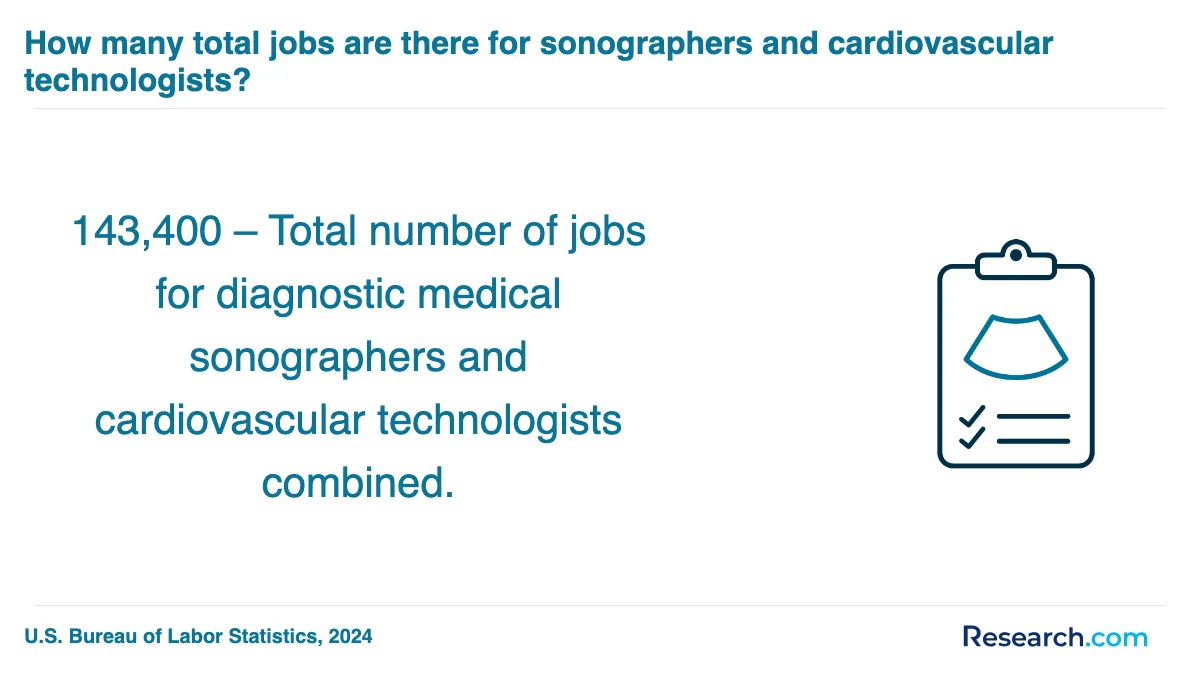
Graduates from medical sonographer trade school programs in Green Bay commonly begin their careers as Diagnostic Medical Sonographers, working in hospitals, outpatient clinics, and specialized settings like OB/GYN offices. These roles offer hands-on experience using ultrasound technology to assist physicians with medical imaging. Many graduates from local trade schools find rewarding positions in these environments, enjoying a dynamic workday and strong job stability.
Career growth often comes through specializing, such as becoming an OB/GYN Sonographer or an Echocardiographer. These positions tend to offer higher pay and more focused expertise. Several Green Bay healthcare systems actively seek sonographers for full-time and part-time roles, highlighting the abundance of medical sonographer jobs in Green Bay.
Additional options include travel sonography, allowing professionals to take short-term assignments statewide with increased earning potential and flexible schedules. Experienced sonographers may advance to supervisory roles or transition into education and medical imaging sales, expanding their career horizons.
- Entry-level Diagnostic Medical Sonographer roles in hospitals and clinics
- Specialist positions like OB/GYN Sonographers and Echocardiographers
- Travel sonography for flexible, higher-paying assignments
- Supervisory and lead technologist roles
- Careers in education and medical imaging sales
The strong local demand for sonographers in Green Bay means graduates can secure stable employment quickly. Many also choose to enhance their credentials by earning additional certifications, broadening their opportunities further. For those interested in accelerating their education and career, exploring the highest paying 2 year medical degrees can provide valuable insights into complementary healthcare pathways.
The medical sonographer job outlook in Green Bay shows a robust demand for graduates of local trade school programs. Many recent graduates report securing positions quickly due to the city's expanding healthcare facilities, including large employers like Advocate Aurora Health and Bellin Health. These roles are available across diverse settings such as hospitals, outpatient clinics, and mobile ultrasound services, offering graduates options to fit their career goals.
Wages are attractive, with sonographer salary and employment trends Green Bay indicating hourly rates typically between $30 and $56. This range reflects the value placed on specialized skills like OB/GYN and vascular sonography, which local trade schools emphasize in their curriculum to prepare students effectively.
Successful graduates often highlight how hands-on training at popular Green Bay programs helped build confidence in real clinical environments. Getting credentials such as ARDMS certification is common, and employers emphasize these qualifications along with strong patient care skills.
For those considering this career path, exploring detailed radiology career pathways can clarify necessary steps and open doors to rewarding opportunities locally.
Most Affordable Diagnostic Medical Sonographer Schools & Training - Budget-Friendly Sonography Trade Programs in Green Bay for 2026
# 1 position
Northeast Wisconsin Technical College - Diagnostic Medical Sonography/Sonographer and Ultrasound Technician.
associateThe Diagnostic Medical Sonography/Sonographer and Ultrasound Technician program at Northeast Wisconsin Technical College offers a hybrid format with some distance education. It prepares students to use ultrasound techniques for diagnosing conditions under physician supervision. Instruction covers patient care, data recording, sonography equipment, and professional ethics. The program is accredited by the Higher Learning Commission. Annual in-state tuition is $4,904, and median earnings one year after completion are $61,044.
# 2 position
Bellin College - Diagnostic Medical Sonography/Sonographer and Ultrasound Technician.
certificate or diplomaBellin College offers a hybrid Diagnostic Medical Sonography/Sonographer and Ultrasound Technician program that prepares students to use medical ultrasound for diagnosing conditions. The curriculum covers patient care, sonographic data collection and processing, and professional ethics. The program is accredited by the Higher Learning Commission. Annual in-state tuition is $28,211, and some courses are available through distance education to accommodate diverse learning needs.
Frequently Asked Questions about medical sonographer
After completing a medical sonographer trade school in Green Bay, it is crucial to prepare thoroughly for entering the job market. First, obtaining certification through the American Registry for Diagnostic Medical Sonography (ARDMS) significantly boosts employment prospects. Employers in Green Bay and nationwide often require this credential as proof of professional competence.
Networking within local healthcare facilities, such as Bellin Health and Aurora BayCare Medical Center, can open doors to job opportunities. Additionally, gaining hands-on experience through clinical internships during training is highly valuable.
Staying updated on advances in sonography technology and continuing education helps maintain a competitive edge. According to the U.S. Bureau of Labor Statistics, the demand for diagnostic medical sonographers is projected to grow 17% from 2022 to 2032, indicating strong job prospects.
Employers in Green Bay seek medical sonographer graduates with strong technical skills, including proficiency in operating ultrasound equipment and understanding anatomy. According to the Bureau of Labor Statistics, attention to detail is critical for producing accurate diagnostic images. Communication skills are also highly valued, as sonographers must explain procedures clearly and work closely with patients and healthcare teams.
Problem-solving ability and adaptability are important due to the variety of cases encountered. Familiarity with electronic health records (EHR) systems is increasingly requested by local employers. Additionally, certification through the American Registry for Diagnostic Medical Sonography (ARDMS) enhances job prospects in Green Bay's competitive healthcare market.
Finding internships in Green Bay relevant to medical sonographer trade school programs involves several strategic steps. Students should start by contacting local hospitals and imaging centers, such as Bellin Health and Aurora BayCare, which frequently offer clinical training opportunities. The Wisconsin Society of Diagnostic Medical Sonographers provides resources and networking events that can help connect students with internship openings.
Many accredited trade schools in Green Bay have partnerships with healthcare facilities to facilitate clinical placements. It is important to inquire directly with school coordinators about available internships and application procedures.
The U.S. Bureau of Labor Statistics reports that the demand for diagnostic medical sonographers in Wisconsin is expected to grow by 14% through 2030, increasing internship availability. Students should also check the American Registry for Diagnostic Medical Sonography (ARDMS) for guidance on clinical experience requirements.
Obtaining a medical sonographer trade school diploma in Green Bay significantly enhances career mobility and advancement opportunities. This credential provides foundational skills required for entry-level positions in diagnostic medical sonography, a growing field in Wisconsin with an expected 12% job growth through 2030, according to the U.S. Bureau of Labor Statistics.
Employers in Green Bay often prefer candidates with formal diplomas, as these programs meet accreditation standards and prepare students for the American Registry for Diagnostic Medical Sonography (ARDMS) certification. Holding this diploma can lead to higher starting salaries, with local averages around $65,000 annually, and access to specialized roles.
Trade school graduates also benefit from local healthcare networks and clinical partnerships, which facilitate job placement and career advancement within Green Bay's medical facilities.
Students enrolled in medical sonographer trade schools in Green Bay can benefit from several part-time job opportunities that complement their education. Positions such as medical assistant, patient transporter, or ultrasound technician aide provide relevant hands-on experience. These roles help students develop practical skills in clinical settings while managing their study schedules.
According to the Bureau of Labor Statistics, the demand for diagnostic medical sonographers in Wisconsin is expected to grow by 14% from 2022 to 2032, indicating strong future job prospects in Green Bay. Gaining part-time experience in local hospitals or outpatient care centers can improve a student's resume and professional network.
Additionally, roles in medical offices or imaging centers often offer flexible hours suitable for students balancing coursework. These jobs allow learners to observe sonography equipment use and patient interactions, which enhances their understanding of the profession's daily tasks.
To find the most affordable Medical Sonographer degree program near you, including those near Green Bay, WI, consider researching local community colleges and technical schools, which often offer cost-effective programs in healthcare fields. Look into scholarships, grants, and financial aid options these institutions may provide to help reduce overall costs. Resources like Research.com can help identify programs and universities with strong reputations and affordability metrics near your desired location.
- Most Affordable Diagnostic Medical Sonographer Schools & Training - Budget-Friendly Sonography Trade Programs in Chicago for 2026
- Most Affordable Diagnostic Medical Sonographer Schools & Training - Budget-Friendly Sonography Trade Programs in Findlay for 2026
- Most Affordable Diagnostic Medical Sonographer Schools & Training - Budget-Friendly Sonography Trade Programs in Springfield for 2026
- Most Affordable Diagnostic Medical Sonographer Schools & Training - Budget-Friendly Sonography Trade Programs in Cleveland for 2026
- Most Affordable Diagnostic Medical Sonographer Schools & Training - Budget-Friendly Sonography Trade Programs in Omaha for 2026
- Most Affordable Diagnostic Medical Sonographer Schools & Training - Budget-Friendly Sonography Trade Programs in Charlottesville for 2026
- How To Become A Sonographer - ARDMS https://www.ardms.org/how-to-become-a-sonographer/
- Diagnostic Medical Sonography https://www.sait.ca/programs-and-courses/diplomas/diagnostic-medical-sonography
- Diagnostic Medical Sonography Degree and Course Requirements https://www.southeasttech.edu/programs/healthcare/diagnostic-medical-sonography/requirements.php
- Diagnostic Medical Sonographer - Explore Healthcare Careers - Mayo Clinic College of Medicine & Science https://college.mayo.edu/academics/explore-health-care-careers/careers-a-z/diagnostic-medical-sonographer/
- Diagnostic Medical Sonography | BCTC https://bluegrass.kctcs.edu/education-training/program-finder/diagnostic-medical-sonography.aspx
- Diagnostic Medical Sonography https://www.mchs.edu/academics/associate-degrees/diagnostic-medical-sonography/
- Diagnostic Medical Sonography - CT State https://ctstate.edu/programs/diagnostic-medical-sonography
- Diagnostic Medical Sonography | Maricopa Community Colleges https://www.maricopa.edu/degrees-certificates/health-sciences/diagnostic-medical-sonography-3656-aas
- B.S. in Diagnostic Medical Sonography https://shp.rutgers.edu/bs-diagnostic-medical-sonography/
- Diagnostic Medical Sonography - Ivy Tech Community College https://www.ivytech.edu/programs/all-academic-programs/school-of-health-sciences/diagnostic-medical-sonography/