
Best Diagnostic Medical Sonographer Training Programs & Trade Schools - Top Sonography Schools in Phoenix for 2026

Co-Founder and Chief Data Scientist
Exploring a career as a medical sonographer in Phoenix? This article is here to guide you through the best trade schools for 2026. Whether you’re starting fresh or looking to advance your skills, finding the right program is crucial.
The medical sonographer trade school programs ranking, created by the Research.com team of data scientists, helps you compare options based on reliable data. This makes your decision easier and more informed.
Reading this will show you the benefits of earning a diploma or certification, opening doors to a rewarding healthcare career.
Key benefits of finishing medical sonographer trade school in Phoenix
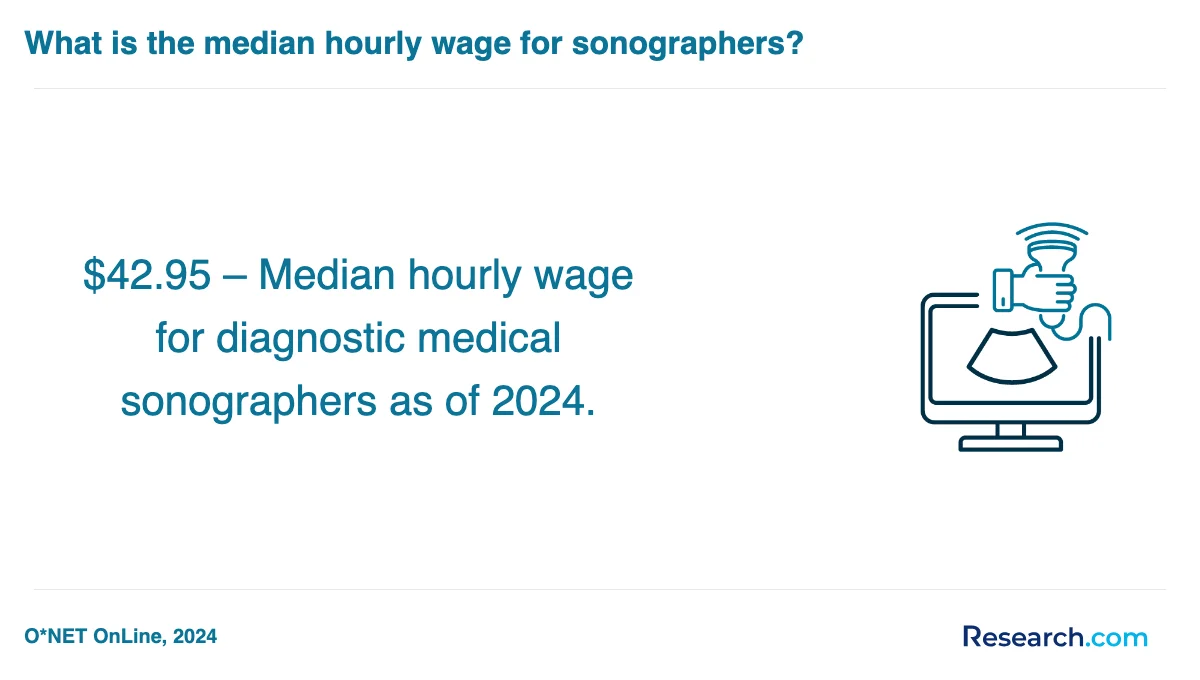
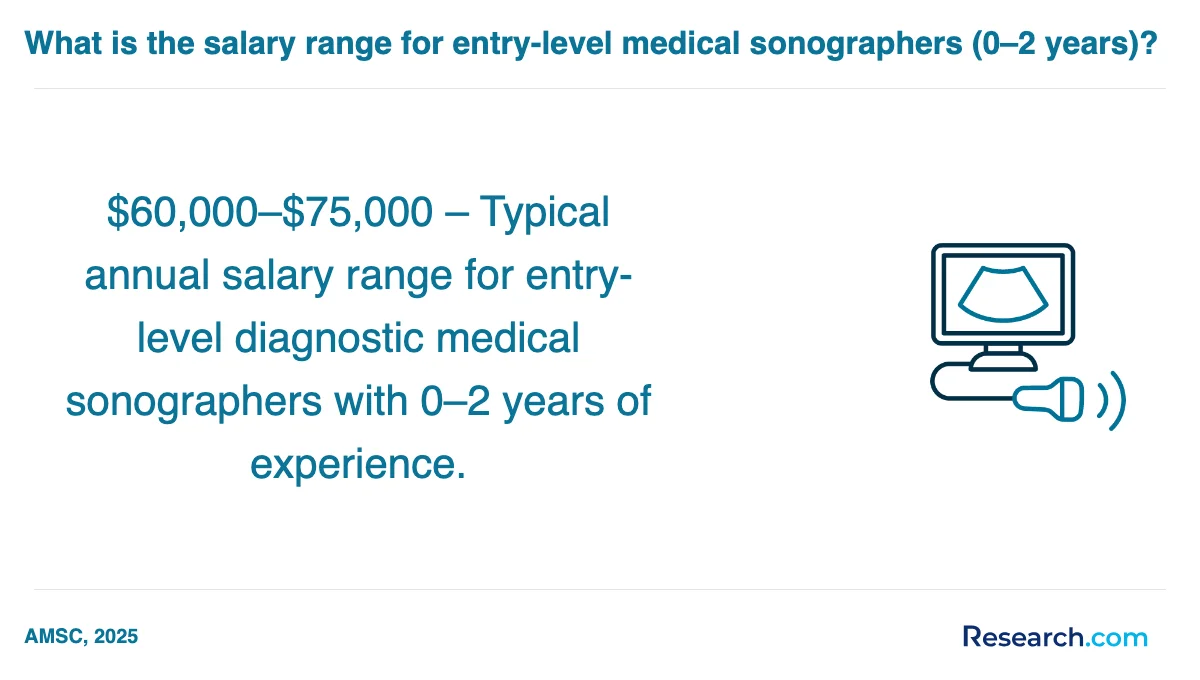
- Graduates from medical sonographer trade schools in Phoenix can expect competitive salaries, starting around $30.67 to $39.42 per hour, with opportunities to earn up to $50 or more as they gain experience.
- Many graduates find diverse career paths in hospitals, outpatient clinics, or specialized fields like cardiac or pediatric sonography, similar to alumni from popular Phoenix trade schools who enjoy strong job placement rates.
- Completing a medical sonographer trade school online offers flexibility and convenience, helping busy students balance work and study, as reported by successful online program graduates in Phoenix.
- Best Diagnostic Medical Sonographer Training Programs & Trade Schools - Top Sonography Schools in Phoenix for 2026
- What can I expect from medical sonographer trade schools in Phoenix?
- Where can I work after finishing medical sonographer trade schools in Phoenix?
What can I expect from medical sonographer trade schools in Phoenix?
Enrolling in a medical sonographer trade school program in Phoenix means diving into a hands-on, immersive experience from day one. Graduates from programs like those at the Arizona Heart Foundation School of Ultrasound often share how quickly they began working with real patients and advanced ultrasound equipment, building confidence early in their training. The blend of classroom learning-covering anatomy, medical terminology, and patient care-with extensive clinical practice sets the stage for real-world success.
Students can expect programs tailored to meet national certification standards, preparing them to confidently tackle exams like those from the ARDMS. Many find the coursework challenging but rewarding, especially when mastering scanning techniques that directly impact patient outcomes.
Programs such as Pima Medical Institute offer associate degrees that balance theory and applied skills over roughly 22 months, providing a steady pace for deep understanding. Graduates often feel supported by strong job placement services, reflecting the local healthcare demand and a median annual salary near $75,000. This combination of practical training and career readiness makes the journey both exciting and purposeful.
Where can I work after finishing medical sonographer trade schools in Phoenix?
Graduates from medical sonographer trade schools in Phoenix often find rewarding opportunities across diverse healthcare environments. Many step confidently into roles within hospitals, outpatient clinics, and diagnostic imaging centers, places where their hands-on training truly comes to life. One graduate shared how starting at a busy Banner Health facility allowed them to apply skills learned in class directly to patient care, fostering both professional growth and personal fulfillment.
Others embrace specialized fields like cardiology or obstetrics, working alongside physicians to provide crucial imaging that guides life-changing diagnoses. For example, a former student now supports prenatal care at a women's health clinic, describing the joy of helping expectant mothers through advanced ultrasound technology.
Beyond traditional settings, graduates discover unique paths in urgent care centers, mobile imaging companies, and even medical equipment firms. The variety of options, paired with competitive salaries and benefits, makes completing a Phoenix trade school program a promising step toward a meaningful, flexible career in medical sonography.
Graduates from medical sonographer trade schools in Phoenix often find themselves stepping into the workforce with confidence, knowing their skills are valued. Many report starting with an average hourly wage near $36.93, which adds up to about $76,800 annually when working full time. This solid starting point reflects the strong demand for trained sonographers in local hospitals and clinics.
One graduate shared how their education at a popular Phoenix trade school helped them land a role paying around $84,100 per year right out of the gate. For those who gain specialized certifications or focus on areas like cardiac or pediatric sonography, salaries can exceed $100,000. Job postings around Phoenix often list pay between $35.37 and $58.95 per hour, illustrating how experience and skill growth translate into real financial rewards.
Choosing a trade school in Phoenix means joining a community of learners who see not just education, but a pathway to a rewarding career. Graduates often express pride in both their training and the competitive wages they earn locally, making the investment in their future worthwhile.
- Most programs require a high school diploma or equivalent and prerequisite courses like biology, anatomy, physics, and college algebra with grades of "B" or higher.
- Associate degree programs typically last about 22 months, while accelerated certificate programs can be completed in as little as 12 months.
- Tuition and fees range from $15,000 to $30,000 for associate degrees, with financial aid and scholarships often available.
- Graduates can take the ARDMS credentialing exam, with job placement rates reported up to 90% in the Phoenix area.
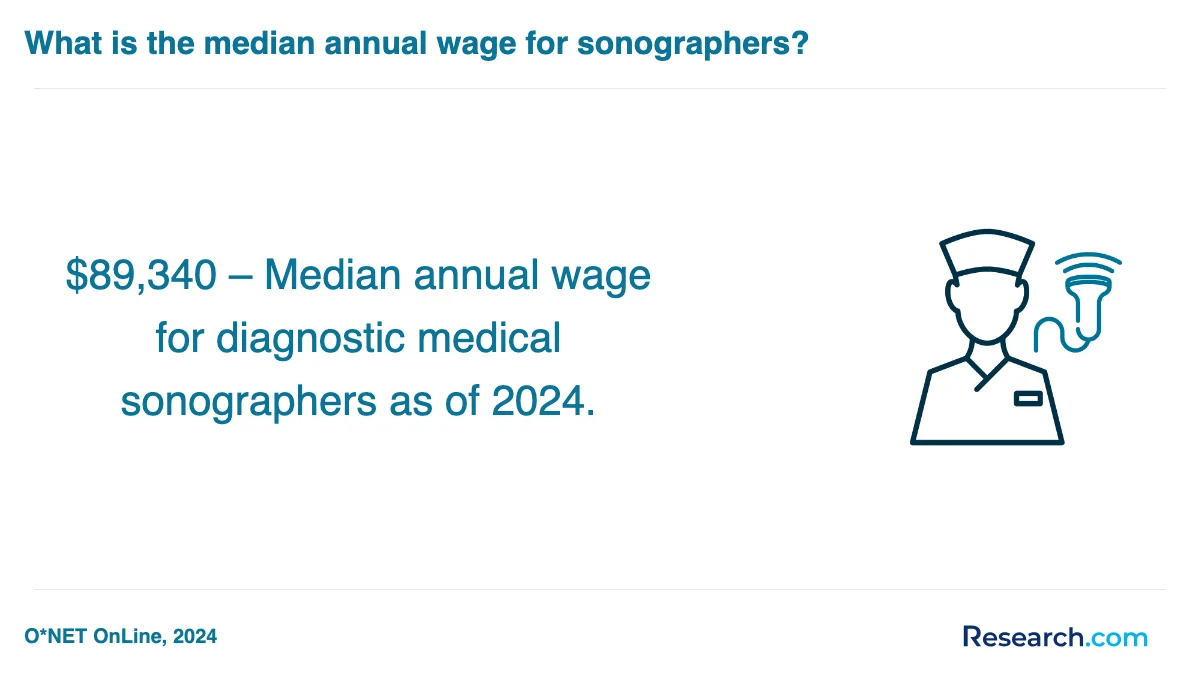
- The median annual wage for diagnostic medical sonographers in Phoenix is around $75,000, with a strong local job market due to regional growth and demand.
Completing a medical sonographer trade school program in Phoenix typically takes about 12 to 24 months, depending on whether you choose a full-time or part-time schedule. Many graduates from well-known Phoenix trade schools share how the intensive, hands-on training helped them quickly gain confidence in their skills while balancing personal commitments.
For example, students often describe their experience juggling clinical practice and coursework, feeling a strong sense of accomplishment as they progressed through each phase. The shorter duration compared to traditional college degrees allows them to enter the workforce sooner, which is motivating and energizing.
Popular programs in Phoenix are designed to deliver practical knowledge efficiently, with many students appreciating the focused curriculum that blends anatomy, ultrasound technology, and patient care. This approach makes the months fly by, especially when learners see themselves mastering real-world sonography techniques during clinical rotations.
Graduates often recall the pride in passing certification exams shortly after finishing the program, a milestone that feels well within reach thanks to the program's structured timeline and supportive instructors.
The key difference between online and on-campus medical sonographer trade school programs in Phoenix lies in how students engage with their training. Graduates from on-campus programs often recall the hands-on experience as invaluable-attending live lectures, working directly with ultrasound machines, and scanning real patients from the very start. For instance, students at the Arizona Heart Foundation School of Ultrasound appreciate the immediate feedback from instructors during clinical sessions, which builds their confidence and skills in real time.
In contrast, online programs are mostly limited to theoretical courses like anatomy or physics. While this flexibility suits some, graduates note that the essential clinical and lab work must be done in person to meet accreditation standards. The Pima Medical Institute's hybrid approach, combining online theory with local clinical rotations, reflects this balance, allowing students to progress at their own pace while still gaining crucial hands-on practice.
Ultimately, Phoenix students choosing on-campus programs often highlight the immersive, supportive environment that fosters both technical expertise and patient interaction skills, elements difficult to replicate fully online.
The average cost of medical sonography programs in Phoenix typically ranges from about $9,500 to $16,500 in tuition fees, varying by institution and the specifics of each program. Graduates from popular local trade schools often recall the financial balancing act involved, as they navigated both tuition and additional expenses like books, lab fees, and supplies. For example, those attending GateWay Community College found that while the in-state tuition was approximately $8,958, the total cost including materials could reach nearly $11,787. This reflects the typical out-of-pocket investment for many students pursuing a sonography career in the city.
Another well-regarded option, Pima Medical Institute-Phoenix, offers a program with tuition fees around $16,415, but the overall cost often climbs closer to $19,000 when factoring in textbooks and other necessary supplies. Students from here speak to the rewarding feeling of investing financially in their future healthcare roles, even amid these challenges. Understanding the tuition fees for ultrasound technician schools in Phoenix helps prospective students prepare realistically for the financial commitment.
Many graduates suggest exploring financial aid options early, as federal aid, scholarships, and loans can ease the burden. It's also wise to reach out directly to schools for the most current cost details since fees can fluctuate. For those curious about the detailed journey and choices involved in this profession, resources like how to become a sonographer offer valuable guidance and insights into making informed decisions.
Students pursuing medical sonographer trade programs in Phoenix often find relief through a variety of financial aid options that make their education more accessible. Graduates from well-known schools like Pima Medical Institute frequently recall how the Federal Pell Grant played a crucial role in easing their tuition burden. This need-based grant, which can offer up to $7,395 for the academic year, is especially helpful for those enrolled in associate degree programs typical in the area.
Many students also rely on federal student loans, including Direct Subsidized and Unsubsidized Loans, which provide manageable repayment terms and low fixed interest rates. These loans help cover not only tuition but also living expenses, giving students peace of mind as they focus on their studies.
Additionally, some Phoenix programs offer institutional scholarships that reward academic achievement and leadership, providing a welcome boost. State grants and private scholarships further widen the financial aid landscape, encouraging hopeful sonographers to explore all available resources.
To enroll in a medical sonographer trade school program in Phoenix, certain prerequisites are commonly expected, reflecting both academic readiness and a genuine commitment to patient care. Graduates from popular Phoenix trade schools often recall the initial step: a high school diploma or GED is essential, serving as the foundational credential that opens the door to specialized training.
Beyond this, schools typically require:
- Completion of prerequisite courses such as anatomy, physiology, and algebra, ensuring students grasp the scientific principles behind sonography.
- Proof of immunizations and a background check, highlighting the responsibility involved in working closely with patients.
- Strong communication skills, often demonstrated through interviews or personal statements, showing readiness to interact empathetically with diverse populations.
Many Phoenix students remember feeling nervous about these requirements but later appreciated how they prepared them for real-world challenges. For example, at well-known trade schools, hands-on labs complement theoretical knowledge, making the initial coursework less daunting and more engaging.
These prerequisites are not barriers but stepping stones, encouraging prospective sonographers to reflect on their passion for healthcare and their dedication to mastering a technical and rewarding profession.
Medical sonographer trade school programs in Phoenix offer a well-rounded curriculum that balances theory with hands-on practice, leaving graduates feeling confident and ready to enter the workforce. Core courses typically include:
- Anatomy and physiology: Students gain a deep understanding of the human body's structure, which is essential for accurately interpreting ultrasound images.
- Medical terminology: This ensures clear communication in clinical settings, helping students feel more comfortable engaging with healthcare teams.
- Ultrasound physics: Teaching the science behind image creation, this course builds a foundation for troubleshooting and optimizing scans.
- Ultrasound scanning techniques and protocols: Including abdominal, obstetric, gynecologic, cardiac, and vascular sonography, students at Phoenix trade schools often start practicing on real equipment early, fostering excitement and skill.
Graduates frequently describe their hands-on lab courses and clinical practicums as pivotal moments-applying knowledge in real-world settings, interacting with patients, and mastering equipment. Schools like the Arizona Heart Foundation School of Ultrasound emphasize professional ethics and patient care, helping students develop empathy and communication skills that make daily clinical work rewarding and meaningful.
Medical sonographer trade school programs in Phoenix commonly include a diverse array of specializations designed to meet both patient needs and healthcare demands. Graduates often recall how their programs provided strong foundational skills in abdominal sonography, imaging organs like the liver and kidneys-an essential first step embraced by nearly all local schools. Many students find themselves drawn to obstetrics and gynecology sonography, where learning to capture intimate moments of pregnancy and female health brings rewarding emotional connection within hospital or outpatient settings.
For those seeking more focused paths, programs also offer vascular and cardiac sonography tracks. Phoenix schools such as the Arizona Heart Foundation School of Ultrasound gain praise for comprehensive cardiac and vascular sonography programs Phoenix students appreciate. These specializations prepare technicians to assess heart function and blood flow-skills highly valued in cardiovascular care centers throughout the region.
Pediatric sonography, offered at places like Central Arizona College, appeals particularly to graduates passionate about working with children in specialized clinics. This reflects the expanding scope of medical sonography specializations in Phoenix, allowing students to tailor careers to their interests.
Hands-on clinical training across these specialty areas ensures students graduate ready to succeed and sit for industry certifications. Many feel proud to enter a field that ranks among highest paying medical jobs, combining technical skill with genuine patient care.
When choosing from the best medical sonographer programs in Phoenix, accreditation is paramount. Graduates often express how attending an accredited institution like GateWay Community College gave them confidence because the program met strict industry standards and prepared them well for certification exams. Hands-on clinical experience is another decisive factor; hearing from alumni who benefited from over 1,300 supervised clinical hours highlights how vital real-world training is for building skills and poise in diverse healthcare environments.
For those seeking top-rated sonography schools in Phoenix, consider the program's curriculum depth and faculty expertise. Graduates recall how exposure to specialties such as musculoskeletal sonography and learning from instructors with years of field experience heightened their knowledge and enthusiasm. Location and modern facilities also affect daily learning quality; students at colleges with new ultrasound labs appreciate the supportive environment that nurtures their growth.
Financial considerations are important as well, but focusing on programs with strong outcomes, like a 100% job placement rate, often outweighs costs. Exploring your path through the radiology tech pathway can also clarify career steps aligned with your goals in Phoenix's sonography field.
Graduates of medical sonographer trade school programs in Phoenix find a variety of rewarding career paths immediately open to them. Many step into roles as diagnostic medical sonographers, ultrasound technologists, or ultrasonographers within local hospitals, outpatient imaging centers, and physician offices. Those who trained in popular Phoenix trade schools often share how exposure to hands-on clinical experiences prepared them to confidently handle diverse patient cases from day one.
Specializing is a key step for many pursuing diagnostic medical sonography career paths in Phoenix. Graduates frequently choose to focus on areas like obstetric and gynecologic sonography, vascular, cardiac, or abdominal imaging. Specialization not only deepens expertise but can lead to higher salaries and more responsibility. For instance, cardiac sonographers at major centers are credited with directly assisting physicians in diagnosing heart conditions, a profoundly satisfying experience for those who enjoy impactful patient care.
Work environments vary widely-a graduate might find fulfillment working full-time in hospitals, or in smaller, fast-paced urgent care clinics requiring flexible hours. Leadership and education roles also beckon; some experienced sonographers become senior staff or transition to teaching in Phoenix's renowned trade schools, inspiring the next generation. Those considering flexible learning options can you study sonography online to balance work and education.
Exploring medical sonographer jobs in Phoenix AZ reveals consistent demand and thriving opportunities, making it an exciting field for motivated graduates eager to grow and specialize.
The job market for medical sonographer trade school graduates in Phoenix is notably strong and promising. Graduates from well-regarded trade schools in the area often find themselves quickly placed in diverse healthcare settings like major hospitals and specialized clinics. Many report flexible roles ranging from full-time to PRN, allowing them to gain valuable experience while adjusting to personal schedules. Graduates find opportunities in specialties such as vascular and cardiac sonography, reflecting the city's growing demand for diagnostic expertise.
Key factors shaping this positive environment include:
- Over 70 diagnostic medical sonographer job postings active at any time in Phoenix
- Employers like Banner Health offering stable, long-term positions
- Competitive pay rates, with permanent roles averaging around $51.26 per hour
This landscape suits new graduates well, as it mirrors broader Arizona trends where diagnostic medical sonographers earn between $31 and $64 per hour based on skill and specialty. For students weighing their career path in Phoenix, understanding local salary prospects and job availability is crucial-resources like ultrasound tech how much do they make offer valuable insight. Choosing a trade school in Phoenix means preparing for a vibrant job market backed by the city's expanding healthcare infrastructure and high demand for skilled diagnostic professionals.
Best Diagnostic Medical Sonographer Training Programs & Trade Schools - Top Sonography Schools in Phoenix for 2026
# 1 position
GateWay Community College - Diagnostic Medical Sonography/Sonographer and Ultrasound Technician.
associateThe Diagnostic Medical Sonography/Sonographer and Ultrasound Technician program at GateWay Community College offers a hybrid format combining in-person and distance education. The program prepares students to use medical ultrasound for diagnosing various conditions, covering patient care, sonographic data processing, and equipment operation. Accredited by the Higher Learning Commission, the program charges an annual in-state tuition of $2,358. Graduates earn a median salary of $63,579 one year after completion.
# 2 position
Pima Medical Institute-Phoenix - Diagnostic Medical Sonography/Sonographer and Ultrasound Technician.
associateThe Diagnostic Medical Sonography/Sonographer and Ultrasound Technician program at Pima Medical Institute-Phoenix offers a hybrid format with some distance-education options. It trains students to perform medical ultrasound techniques under physician supervision, including patient care, data recording, and sonography equipment operation. The program is accredited by the Accrediting Bureau of Health Education Schools. Graduates have a median earning of $56,805 one year after completion.
# 3 position
GateWay Community College - Diagnostic Medical Sonography/Sonographer and Ultrasound Technician.
certificate or diplomaGateWay Community College offers a Diagnostic Medical Sonography/Sonographer and Ultrasound Technician program with a hybrid format, including some distance education options. The program prepares students to use medical ultrasound techniques for diagnosing various conditions under physician supervision. Tuition for in-state students is $2,358 annually. Graduates earn a median salary of $63,579 one year after completion. The program is accredited by the Higher Learning Commission.
Frequently Asked Questions about medical sonographer
After completing a medical sonographer trade school in Phoenix, preparing for the job market involves several important steps. First, obtaining certification from the American Registry for Diagnostic Medical Sonography (ARDMS) is essential, as most employers in Arizona require it. According to the U.S. Bureau of Labor Statistics, certified sonographers in Phoenix have better employment prospects and higher starting salaries.
Networking is also key. Graduates should connect with local healthcare facilities and attend job fairs hosted by schools or professional organizations like the Society of Diagnostic Medical Sonography (SDMS).
Additionally, gaining clinical experience through internships or externships during training can significantly improve job readiness.
Employers in Phoenix seek specific skills from graduates of medical sonographer trade schools to meet the region's healthcare demands. Proficiency in operating ultrasound equipment and understanding anatomy are fundamental. According to the Bureau of Labor Statistics, strong technical ability paired with attention to detail significantly improves job performance.
Communication skills are also crucial, as sonographers work closely with patients and healthcare teams. The Arizona Health Care Association emphasizes empathy and clear explanation of procedures to enhance patient experience.
Additionally, problem-solving skills and adaptability are valued, given the fast-paced hospital environments common in Phoenix. Certification, such as from the American Registry for Diagnostic Medical Sonography (ARDMS), further boosts employability.
Finding internships relevant to medical sonographer trade school programs in Phoenix involves several strategic steps. Start by contacting local healthcare facilities such as Banner Health, HonorHealth, and Dignity Health, as these organizations often partner with educational institutions to offer clinical placements. According to the Arizona Department of Health Services, the demand for diagnostic medical sonographers in Phoenix is projected to grow by 19% through 2030, increasing internship opportunities.
Many trade schools in Phoenix maintain relationships with hospitals and clinics to facilitate internships. Students should also explore listings on sites like the Arizona Hospital and Healthcare Association's career portal. Additionally, joining professional groups such as the Society of Diagnostic Medical Sonography can provide networking opportunities and internship leads.
Obtaining a medical sonographer trade school diploma in Phoenix significantly enhances career mobility and advancement opportunities. According to the U.S. Bureau of Labor Statistics, diagnostic medical sonographers in Arizona earn a median annual wage of approximately $79,000, higher than many other allied health positions requiring similar education levels. A diploma from an accredited trade school provides essential hands-on training and certification preparation, which employers in Phoenix highly value.
Graduates often find quicker entry into the workforce compared to bachelor's degree holders, enabling faster career progression. Local healthcare facilities frequently prefer candidates with specialized diplomas due to the practical skills acquired.
Additionally, the demand for sonographers in Phoenix is projected to grow by 17% through 2030, according to Arizona's Department of Economic Security. This growth creates more job openings and promotion potential, especially for diploma holders who demonstrate competency and certification readiness.
Students enrolled in medical sonographer trade schools in Phoenix can benefit from part-time jobs that provide relevant healthcare experience. Positions such as medical assistants or patient care technicians in local hospitals and clinics offer practical exposure to patient interaction and medical procedures. According to the U.S. Bureau of Labor Statistics, Phoenix healthcare facilities frequently seek support staff, making these roles accessible for students balancing education and work.
Additionally, jobs in medical imaging centers, even in receptionist or administrative roles, can familiarize students with sonography equipment and workflow. Volunteering or internships in diagnostic labs also enhance understanding of clinical environments. These opportunities help build skills while maintaining flexible schedules.
To choose the best medical sonographer degree program near you in Phoenix, AZ, start by considering factors such as program accreditation, faculty qualifications, and clinical training opportunities. Research.com can be a helpful resource for comparing programs, and it may also be beneficial to look for reviews and feedback from current and former students. In addition, there are numerous programs and universities available near Phoenix, AZ that offer specialized sonography training which can prepare you for a successful career in medical imaging.
- Best Diagnostic Medical Sonographer Training Programs & Trade Schools - Top Sonography Schools in Las Cruces for 2026
- Best Diagnostic Medical Sonographer Training Programs & Trade Schools - Top Sonography Schools in Fort Worth for 2026
- Best Diagnostic Medical Sonographer Training Programs & Trade Schools - Top Sonography Schools in Tulsa for 2026
- Best Diagnostic Medical Sonographer Training Programs & Trade Schools - Top Sonography Schools in Tyler for 2026
- Best Diagnostic Medical Sonographer Training Programs & Trade Schools - Top Sonography Schools in Houston for 2026
- Best Diagnostic Medical Sonographer Training Programs & Trade Schools - Top Sonography Schools in Bellevue for 2026
- Diagnostic Medical Sonographers and Cardiovascular Technologists and Technicians : Occupational Outlook Handbook: : U.S. Bureau of Labor Statistics https://www.bls.gov/ooh/healthcare/diagnostic-medical-sonographers.htm
- What Can I do With a Diagnostic Medical Sonography Degree https://www.cambridgehealth.edu/dms-diagnostic-medical-sonography/dms-degree/what-can-i-do-with-a-diagnostic-medical-sonography-degree/
- What Can I Do With a DMS Degree? - Casa Loma College Casa Loma College https://casalomacollege.edu/what-can-you-do-with-a-diagnostic-medical-sonography-degree/
- Diagnostic Medical Sonographer - Explore Healthcare Careers - Mayo Clinic College of Medicine & Science https://college.mayo.edu/academics/explore-health-care-careers/careers-a-z/diagnostic-medical-sonographer/
- Sonography Career Paths https://www.ultrasoundschoolsinfo.com/sonography-career-paths/
- Sonographer | Explore Careers | National Careers Service https://nationalcareers.service.gov.uk/job-profiles/sonographer
- Careers in Diagnostic Sonography | Health Professions Program | IU School of Medicine https://medicine.iu.edu/undergraduate-health-professions/degrees-and-certificates/sonography/career
- WorkBC Site Maintenance - Service Temporarily Unavailable https://www.workbc.ca/career-profiles/medical-sonographers
- 7 Reasons to Train for a Career in Sonography | Ultrasound Technician, Diagnostic Medical Sonography, Bachelor and Associate Programs - Los Angeles, Glendale, Pasadena https://amsc.edu/7-reasons-to-train-for-a-career-in-sonography/
- Becoming a Diagnostic Medical Sonographer | AIMS Education https://aimseducation.edu/blog/diagnostic-medical-sonography-guide


