Best Diagnostic Medical Sonographer Training Programs & Trade Schools - Top Sonography Schools in Puerto Rico for 2026

Co-Founder and Chief Data Scientist
Choosing the right medical sonographer trade school in Puerto Rico can shape your future career in healthcare. This article introduces a carefully crafted ranking of medical sonographer trade school programs, developed by the Research.com team of data scientists.
Our goal is to help you make an informed decision about which programs truly stand out. Earning a diploma or certification opens doors to rewarding job opportunities and professional growth.
Explore your options with confidence and take the first step toward a fulfilling medical sonography career.
Key benefits of finishing medical sonographer trade school in Puerto Rico
- Graduates of medical sonographer trade schools in Puerto Rico can expect an average annual salary of around $28,600, with opportunities to earn up to $36,700 as they gain experience.
- Many graduates find rewarding careers in hospitals, clinics, or diagnostic centers, with flexible options ranging from diagnostic sonography to cardiovascular technology.
- Completing a medical sonographer trade school online offers convenience and flexibility, allowing students to balance work and study, as reported by successful online program graduates from well-known Puerto Rican schools.
- Best Diagnostic Medical Sonographer Training Programs & Trade Schools - Top Sonography Schools in Puerto Rico for 2026
- What can I expect from medical sonographer trade schools in Puerto Rico?
- Where can I work after finishing medical sonographer trade schools in Puerto Rico?
What can I expect from medical sonographer trade schools in Puerto Rico?
Enrolling in a medical sonographer trade school program in Puerto Rico means preparing for a hands-on, career-focused education. Graduates from schools like EDIC College and Inter American University highlight the value of learning in Spanish with direct access to modern ultrasound equipment. Expect intensive training in patient care, medical ethics, and mastering sonographic imaging techniques that are essential for real-world healthcare settings.
Students often describe their clinical rotations in local hospitals and clinics as eye-opening experiences that build confidence. These practical sessions help you move beyond theory, showing what it's like to work with patients and interpret ultrasound images daily. Programs require proof of high school completion, a decent GPA, health records, and sometimes a background check, so planning these documents ahead is crucial.
Class sizes vary widely-some graduates appreciated the personalized attention at smaller schools, while others adapted well to larger campuses with more resources. Tuition costs range notably, so budgeting accordingly will make your path smoother.
Where can I work after finishing medical sonographer trade schools in Puerto Rico?
After finishing a medical sonographer trade school program in Puerto Rico, graduates commonly find work in hospitals, diagnostic imaging centers, private clinics, and specialty practices like cardiology or obstetrics. Many graduates from popular trade schools in San Juan and Bayamón share that hospital roles are often their first step, providing steady employment and hands-on experience with diverse patient cases. These settings frequently require or prefer certification from ARDMS, which enhances job prospects and confidence on the job.
Some graduates appreciate the more predictable hours offered by outpatient imaging centers or private clinics, where they focus on specific ultrasound types, such as vascular or obstetric imaging. Others with specialized training pursue roles in cardiovascular clinics, collaborating closely with doctors on complex diagnoses.
A growing number of trade school alumni choose travel sonography positions, which offer flexibility and higher pay by working short-term assignments across Puerto Rico or the mainland U.S. These opportunities appeal to those seeking variety and adventure while building their clinical skills.
After finishing a medical sonographer trade school program in Puerto Rico, you can expect entry-level salaries starting around $17,940 per year. Many graduates from popular trade schools in San Juan share that their first jobs pay close to this figure, which covers basic living expenses while gaining valuable hands-on experience.
With more experience, these graduates often see their salaries rise to about $28,600 annually, which is the average reported across the island. Some who work in specialized clinics or private hospitals in San Juan report hourly wages near $50, translating to over $100,000 a year, though this is less common.
Hourly wages typically range from $19 to $29 depending on the employer and location. For example, a graduate working at a busy hospital in Bayamón might earn closer to $29 per hour, while one in a smaller town could start lower. Many graduates appreciate how the skills they build at trade schools open doors to steady incomes and career growth.
While salaries in Puerto Rico are generally below the U.S. mainland average, the rewarding nature of sonography work and positive job outlook make the investment in a trade school worthwhile for many.
- Applicants must have a high school diploma and a minimum GPA of 2.50 to enroll in most programs.
- Health documentation, including vaccinations and a negative criminal record, is required and must be current at the start of each semester.
- Programs combine general education credits (about 24) with major-specific courses (around 43) and require at least a B grade in practice courses.
- Licensing is not mandatory, but certification from ARDMS or ARRT is preferred by employers and requires completing an accredited associate degree.
- Annual costs range from $5,400 to $7,600, with financial aid and scholarships available for eligible students.
- Starting salaries typically range from $35,000 to $50,000, with job growth projected at over 20% through 2024.
Completing a medical sonographer trade school program in Puerto Rico typically takes about 18 to 24 months. This timeframe allows students to balance hands-on clinical training with essential classroom instruction, preparing them thoroughly for the demands of the profession. Graduates from well-known trade schools in Puerto Rico often share how the compact schedule helped them stay motivated and focused, knowing they could start working sooner rather than later.
Many students appreciate how the programs are designed to fit into busy lives, often accommodating part-time options or evening classes. For example, a graduate from a popular San Juan trade school mentioned feeling encouraged by the program's structured pace, which made the learning practical and achievable without overwhelming their daily routine.
In Puerto Rico, the blend of classroom learning and real-world ultrasound lab experience is key. Students quickly see the results of their efforts, which builds confidence and excitement about their future careers. This approachable timeline makes the journey feel manageable and rewarding, perfect for those eager to enter the healthcare field efficiently.
The main difference between online and on-campus medical sonographer trade school programs in Puerto Rico lies in how students receive instruction and complete clinical training. On-campus programs, like the Associate Degree at EDIC College in Bayamón, immerse students in face-to-face classes and hands-on labs. Graduates often describe the benefit of immediate feedback from instructors and the chance to use advanced imaging equipment firsthand, making the learning experience feel tangible and supportive.
Online programs, such as the MSK Ultrasound Program at United Medical Institute, offer flexibility through digital lectures and remote assessments. However, even these require in-person clinical practicums, like a two-day hands-on session, since real-world experience is crucial. Students appreciate balancing coursework with life demands but still value the essential on-site training that builds confidence and skills.
Both paths demand clinical hours in actual healthcare settings, ensuring students in Puerto Rico meet national certification standards while navigating their unique learning preferences.
The average tuition fees for medical sonography programs in Puerto Rico typically hover around $41,328, slightly below the national average of $42,627. Graduates from popular trade schools such as NUC University often share how manageable their costs were, with tuition fees closer to $11,120 for certain accredited programs. Meanwhile, some students who attended PPG Technical College found the cost of obtaining a medical sonographer diploma in Puerto Rico even more affordable, at about $8,700. These real-life figures help clarify financial planning for prospective students aiming to enter the field without overwhelming debt.
Programs in Puerto Rico generally require about 775 contact hours and take approximately 22 months to complete, setting clear expectations for time and investment. Many graduates recall the relief of accessing scholarships, grants, or federal student loans, which made pursuing their sonography career practical and fulfilling. Knowing the cost of these programs upfront empowers students to make informed choices based on their budgets and career goals.
Exploring different institutions is essential because tuition fees vary widely among trade schools. For those weighing options, reviewing the offerings at various ultrasound tech schools in Puerto Rico can provide a clearer picture of value and financial aid availability, helping ensure the cost of obtaining a medical sonographer diploma aligns with expectations.
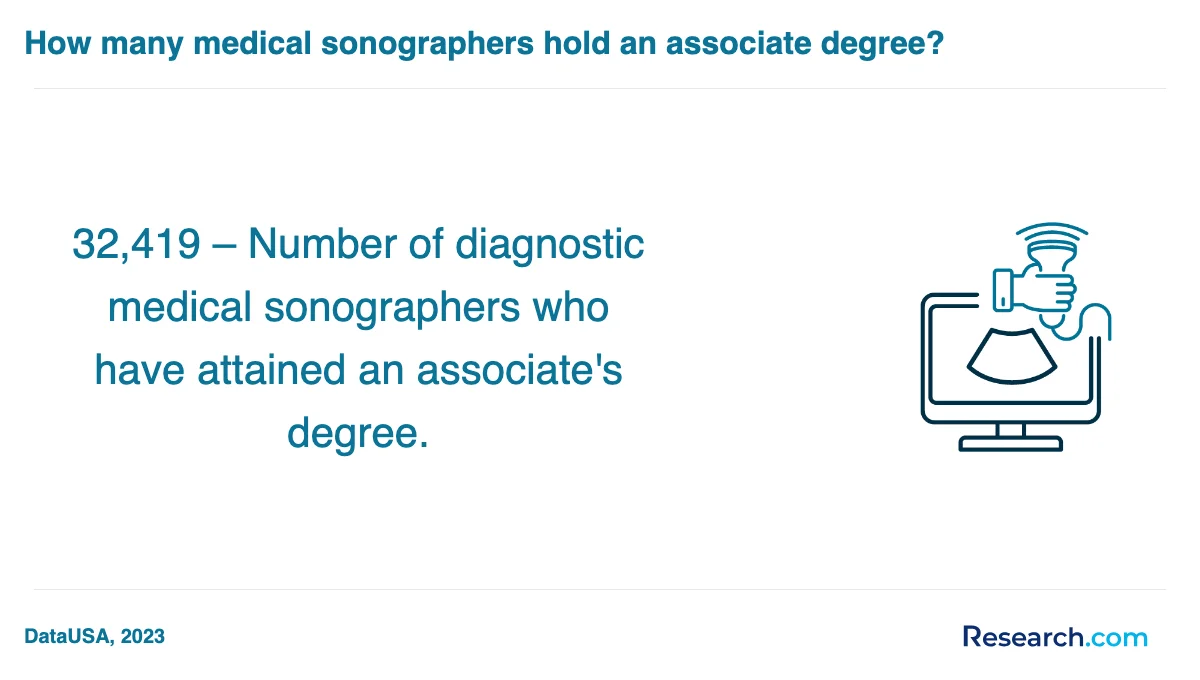
Students pursuing medical sonographer programs in Puerto Rico can access various financial aid options to ease tuition costs. Many graduates from Interamerican University of Puerto Rico, Aguadilla Campus, share how applying for FAFSA made a significant difference by unlocking the Federal Pell Grant, which can provide up to $7,395 based on need and enrollment. This grant requires no repayment, offering real relief during studies.
Other common aids include Direct Subsidized and Unsubsidized Loans, which offer low interest rates and allow repayment deferral while enrolled at least half-time. Some students also find Federal Work-Study opportunities helpful, combining income with valuable hands-on experience in medical environments.
Scholarships from national organizations like the Society of Diagnostic Medical Sonography (SDMS) Foundation further supplement aid. Graduates from Universidad Ana G. Mendez-Cupey Campus often highlight receiving scholarships ranging from $1,000 to $2,500, which helped cover books and fees.
Institutional scholarships based on merit or financial need are available at some schools, such as National University College - Bayamon, where the average net price reflects these benefits.
Students are advised to work closely with their school's financial aid office to navigate these options effectively.
Enrolling in a medical sonographer trade school program in Puerto Rico requires meeting specific prerequisites designed to ensure students are prepared for the demanding coursework and hands-on training. Most trade schools, such as those in San Juan and Ponce, expect applicants to have a solid foundation in science and math, which is crucial for understanding ultrasound technology.
Typical prerequisites include:
- High school diploma or GED equivalency
- Completion of basic courses in biology, anatomy, and physics
- Proof of proficiency in English and Spanish, considering the bilingual environment of Puerto Rico's healthcare system
- Passing an entrance exam or interview to assess commitment and aptitude
Graduates often recall how meeting these requirements made their transition into the program smoother. One shared that having prior healthcare experience, even as a medical assistant, boosted their confidence. Another emphasized the importance of time management skills developed before starting the program, as the curriculum is intensive.
Trade schools in Puerto Rico also value candidates who demonstrate strong interpersonal skills, as sonographers work closely with patients. Preparing early by volunteering or shadowing professionals in local clinics can make a big difference.
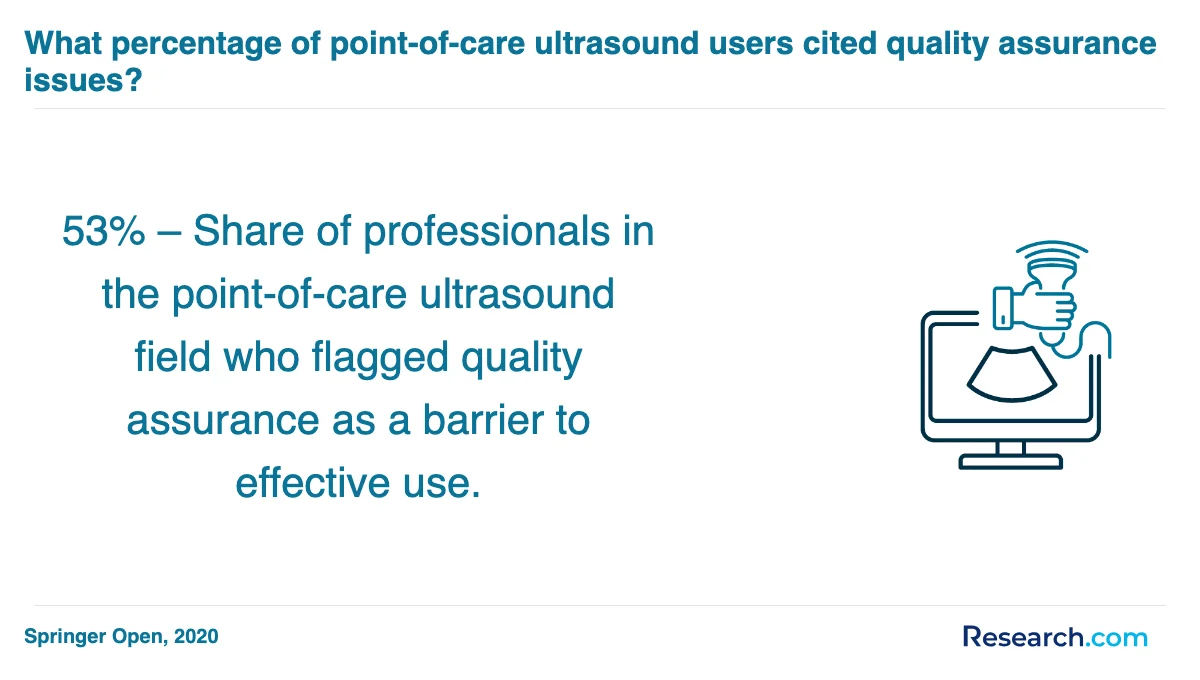
Medical sonographer trade school programs in Puerto Rico typically include a mix of foundational and specialized courses designed to prepare students for real clinical settings. Graduates from well-known trade schools often praise the balance of theory and practice that helps them feel confident in patient care and technical skills.
Core courses cover:
- Basic sciences such as anatomy, physiology, and medical terminology, which graduates find essential for understanding ultrasound imaging of the body.
- Patient care and medical ethics, teaching respectful interaction and professionalism that students apply daily during clinical rotations.
- Sonographic physics and instrumentation, explaining how ultrasound waves create diagnostic images-knowledge students describe as eye-opening when first encountering equipment.
- Specialized sonography topics like abdominal, obstetric, gynecologic, vascular, and cardiac imaging, reflecting the variety of exams performed in Puerto Rican hospitals.
Hands-on learning is emphasized through extensive lab sessions using advanced ultrasound machines and clinical practicums at local hospitals or diagnostic centers. Many graduates recall these hands-on experiences as pivotal, especially when practicing musculoskeletal ultrasound in dedicated modules with up to 12 hours of supervised scanning.
Medical sonographer trade school programs in Puerto Rico typically offer a range of ultrasound technician specializations Puerto Rico students find valuable for tailored career paths. Core programs often include general sonography focused on abdominal and obstetric-gynecologic imaging, alongside specialized tracks in cardiovascular sonography programs in Puerto Rico and vascular sonography. Graduates from popular schools such as EDIC College highlight how cardiovascular sonography training enhances their confidence in handling heart and blood vessel imaging with advanced clinical skills.
Students also appreciate the option for post-associate certificates in specialized areas like diagnostic medical ultrasound, mammography, CT, MRI, and interventional radiology. These allow them to deepen expertise based on personal interests or local job market demands. Many share positive experiences balancing hands-on clinical training and classroom learning, appreciating how practical patient care scenarios prepare them for real-world settings.
The strong emphasis on technical proficiency combined with national certification readiness gives graduates a competitive edge when applying to hospitals, clinics, or outpatient centers. For those exploring a career in the broader healthcare professions, specializing in these sonography tracks in Puerto Rico offers both job stability and personal fulfillment.
Finding the best medical sonographer trade schools in Puerto Rico starts with verifying program accreditation, which ensures graduates gain industry-recognized credentials. Graduates from well-known institutions in Hato Rey often highlight the value of programs accredited by bodies like CAAHEP, praising the solid foundation that helped them confidently pass certification exams.
When assessing how to choose medical sonographer trade school program in Puerto Rico, consider the program length and structure. Many students share how the 22-month, 775-contact-hour format balances theoretical learning with hands-on clinical experience, sometimes offered part-time to accommodate work schedules. Financial factors also weigh heavily: for example, tuition around $15,758 at ICPR Junior College is a benchmark many track closely while comparing schools.
Real-world clinical exposure is a common theme among graduates who feel prepared to work in varied healthcare environments. Support services like career counseling and advising enhance their experience. For those seeking flexibility, can you do ultrasound tech school online is a helpful resource in exploring options beyond traditional classrooms while staying connected to Puerto Rico's local medical community.
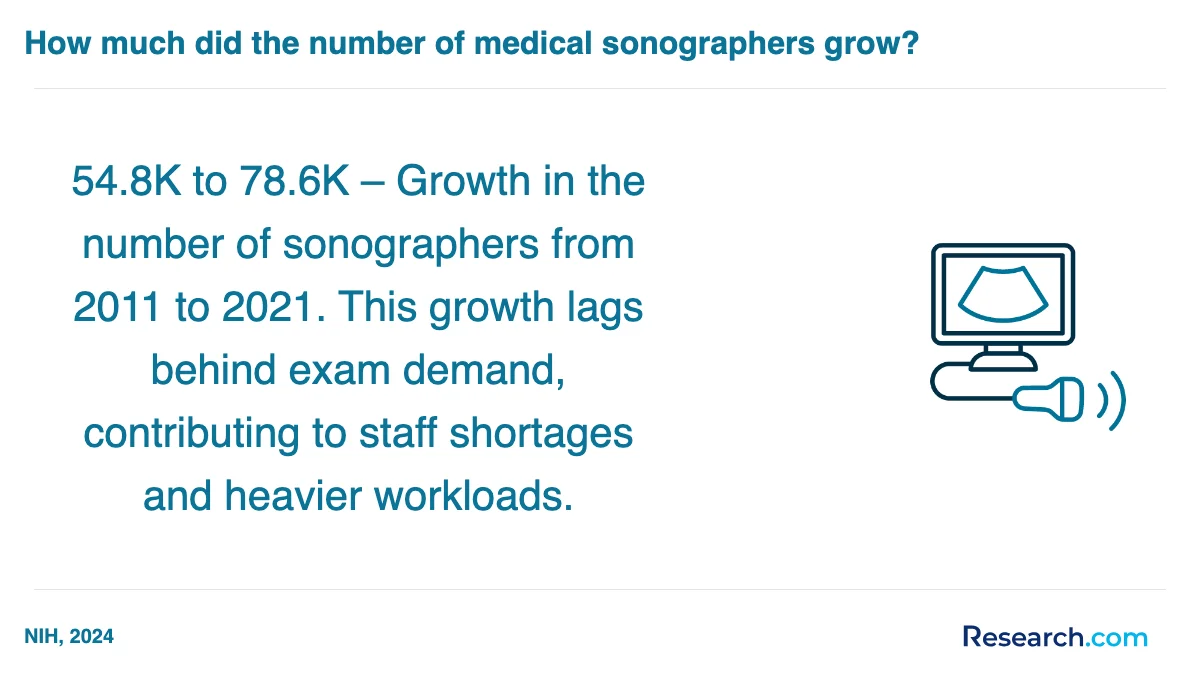
Graduates of medical sonographer trade school programs in Puerto Rico often find multiple paths that capitalize on their hands-on training from well-known local institutions. Many begin as diagnostic medical sonographers in hospitals or outpatient clinics, gaining practical experience while performing imaging on patients. Those exploring medical sonographer job opportunities in Puerto Rico frequently secure roles in obstetrics, cardiovascular sonography, or musculoskeletal ultrasound, depending on their specialized training and employer demand.
Career advancement might include moving into specialist roles such as Medical Applications Specialist, where graduates provide technical support and training for medical device companies. Another growth path is becoming a senior sonographer or supervisor, managing teams and coordinating imaging services.
Some graduates combine sonography with additional certifications or healthcare credentials, opening avenues in medical equipment sales, administration, or education. Many successful alumni from popular trade schools describe how further specialization and ongoing learning increased their job satisfaction and income.
For those balancing study with other commitments or seeking flexibility, an excellent resource is the sonography program online, which complements in-person training while expanding career opportunities in diagnostic medical sonography careers in Puerto Rico.
The job market for medical sonographer trade school graduates in Puerto Rico remains strong and promising. Graduates from notable programs consistently find roles in hospitals and outpatient clinics, fulfilling the rising demand for diagnostic imaging professionals. Employers express a clear preference for candidates with ARDMS certification and bilingual proficiency, aligning well with Puerto Rico's unique healthcare environment.
Many graduates share positive experiences, citing smooth transitions into roles as cardiovascular or general sonographers. Popular trade schools in San Juan provide hands-on training and CPR certification, which employers value highly. Graduates often report competitive starting pay, especially in urban centers, with some earning as much as $51.89 per hour, reflecting the variation across the island's healthcare facilities.
Key factors influencing job success include:
- Maintaining up-to-date licenses and certifications
- Bilingual communication skills in English and Spanish
- Technical and associate degree completion from well-regarded trade schools
For those wondering what jobs can i get with an associate's degree in radiology in Puerto Rico, the pathway through medical sonographer trade schools clearly offers a practical route to steady employment within a growing healthcare sector.
Best Diagnostic Medical Sonographer Training Programs & Trade Schools - Top Sonography Schools in Puerto Rico for 2026
# 1 position
Universidad Ana G. Mendez-Carolina Campus - Diagnostic Medical Sonography/Sonographer and Ultrasound Technician.
associateThe Diagnostic Medical Sonography/Sonographer and Ultrasound Technician program at Universidad Ana G. Mendez-Carolina Campus offers a hybrid format with some distance-education options. It prepares students to use medical ultrasound techniques under physician supervision for diagnostic purposes. The curriculum includes patient care, sonographic data processing, and equipment operation, emphasizing professional standards. Annual in-state tuition is $6,920, and median earnings one year after completion are $21,354. The program is accredited by the Middle States Commission on Higher Education.
# 2 position
Columbia Central University-Caguas - Diagnostic Medical Sonography/Sonographer and Ultrasound Technician.
associateColumbia Central University-Caguas offers a hybrid Diagnostic Medical Sonography/Sonographer and Ultrasound Technician program that prepares students to use medical ultrasound for diagnostic purposes under physician supervision. The curriculum includes patient history review, sonographic data processing, equipment operation, and professional ethics. Annual in-state tuition is $7,314. Graduates earn a median salary of $17,676 one year after completion. The program is accredited by the Middle States Commission on Higher Education.
# 3 position
NUC University - Diagnostic Medical Sonography/Sonographer and Ultrasound Technician.
associateNUC University offers a Diagnostic Medical Sonography/Sonographer and Ultrasound Technician program with a hybrid format, including some distance-education options. The program trains students to use medical ultrasound techniques for diagnosing conditions under physician supervision. It covers patient care, data recording, sonographic processing, equipment operation, and professional ethics. Annual in-state tuition is $8,054, and median earnings one year after completion are $14,024. The program is accredited by the Middle States Commission on Higher Education.
# 4 position
Universidad Ana G. Mendez-Cupey Campus - Diagnostic Medical Sonography/Sonographer and Ultrasound Technician.
associateThe Diagnostic Medical Sonography/Sonographer and Ultrasound Technician program at Universidad Ana G. Mendez-Cupey Campus is a hybrid program that trains students to use ultrasound techniques for diagnosing medical conditions. It covers patient care, sonographic data processing, and professional ethics. The program is accredited by the Middle States Commission on Higher Education. Annual in-state tuition is $6,920, and median earnings one year after completion are $11,311.
# 5 position
Universidad Central Del Caribe - Diagnostic Medical Sonography/Sonographer and Ultrasound Technician.
certificate or diplomaThe Diagnostic Medical Sonography/Sonographer and Ultrasound Technician program at Universidad Central Del Caribe is a hybrid program offering some distance-education options. It prepares students to use medical ultrasound techniques for diagnosing various conditions under physician supervision. The curriculum covers patient data integration, sonographic data processing, equipment operation, and professional ethics. The program is accredited by the Middle States Commission on Higher Education, with annual in-state tuition of $6,442.
# 6 position
Universidad Central Del Caribe - Mammography Technology/Technician.
certificate or diplomaUniversidad Central Del Caribe offers a Hybrid Mammography Technology/Technician program designed to prepare registered radiographers for certification as registered mammographers. The curriculum covers anatomy and physiology, mammography instrumentation, positioning, principles and procedures, and quality assurance. The program is accredited by the Middle States Commission on Higher Education. Annual in-state tuition is $6,442.
# 7 position
ICPR Junior College-Mayaguez - Diagnostic Medical Sonography/Sonographer and Ultrasound Technician.
associateThe Diagnostic Medical Sonography/Sonographer and Ultrasound Technician program at ICPR Junior College-Mayaguez offers a hybrid format with some distance-education options. It trains students to use ultrasound techniques under physician supervision to collect sonographic data for diagnosing various conditions. The curriculum covers patient care, data integration, equipment operation, and professional ethics. Annual in-state tuition is $8,060. The program is accredited by the Middle States Commission on Higher Education. Median earnings one year after completion are $11,491.
# 8 position
ICPR Junior College - Diagnostic Medical Sonography/Sonographer and Ultrasound Technician.
associateThe Diagnostic Medical Sonography/Sonographer and Ultrasound Technician program at ICPR Junior College offers a hybrid format with some distance education. It trains students to use ultrasound technology for diagnosing medical conditions, emphasizing patient care, data integration, and professional ethics. Annual in-state tuition is $8,060. Graduates earn a median income of $11,491 one year after completion. The program is accredited by the Middle States Commission on Higher Education.
# 9 position
ICPR Junior College-Arecibo - Diagnostic Medical Sonography/Sonographer and Ultrasound Technician.
associateThe Diagnostic Medical Sonography/Sonographer and Ultrasound Technician program at ICPR Junior College-Arecibo offers a hybrid format with some distance education options. It prepares students to use ultrasound technology to collect sonographic data for diagnosing medical conditions. The curriculum covers patient care, data recording, equipment operation, and professional ethics. Annual in-state tuition is $8,060. The program is accredited by the Middle States Commission on Higher Education, with median earnings of $11,491 one year after completion.
# 10 position
ICPR Junior College - Diagnostic Medical Sonography/Sonographer and Ultrasound Technician.
associateThe Diagnostic Medical Sonography/Sonographer and Ultrasound Technician program at ICPR Junior College offers a hybrid format with some distance education options. The program prepares students to utilize medical ultrasound techniques for diagnosing various conditions under physician supervision. It includes training in sonographic data processing, patient care, and professional ethics. Annual in-state tuition is $8,060. Graduates have median earnings of $11,491 one year after completion. The program is accredited by the Middle States Commission on Higher Education.
Frequently Asked Questions about medical sonographer
After completing a medical sonographer trade school in Puerto Rico, preparing for the job market involves several key steps. Graduates should obtain certification through organizations like the American Registry for Diagnostic Medical Sonography (ARDMS), which is widely recognized by employers. According to the Bureau of Labor Statistics, certified sonographers have better employment prospects and higher salaries. Networking with local healthcare facilities and attending job fairs in Puerto Rico can provide valuable connections. Additionally, gaining practical experience through internships or clinical rotations during schooling enhances job readiness. Staying updated on advances in sonography technology is also crucial for maintaining competitiveness in the job market.
Employers in Puerto Rico seek several key skills when hiring medical sonographer trade school graduates. Technical proficiency with ultrasound equipment is essential, as graduates must accurately capture diagnostic images. Strong knowledge of human anatomy and physiology is also critical to identify abnormalities effectively. Communication skills rank highly, enabling sonographers to explain procedures clearly to patients and collaborate with healthcare teams.
Attention to detail and the ability to maintain patient records accurately are vital for compliance with healthcare standards. According to the U.S. Bureau of Labor Statistics, sonographers in Puerto Rico must also demonstrate problem-solving skills and adaptability to keep pace with advancing medical technology.
Finding internships relevant to medical sonographer trade school programs in Puerto Rico involves several strategic steps. First, students should connect with their school's career services, as many trade schools have established partnerships with local hospitals and clinics. Facilities like Hospital Auxilio Mutuo and Pavia Health offer practical training opportunities for sonography students.
Additionally, the American Registry for Diagnostic Medical Sonography (ARDMS) recommends seeking internships accredited by the Commission on Accreditation of Allied Health Education Programs (CAAHEP). Such placements ensure compliance with US professional standards.
Networking through professional organizations like the Puerto Rico Society of Sonographers can also help identify openings. According to the Bureau of Labor Statistics, Puerto Rico's healthcare sector is growing steadily, increasing internship availability.
Obtaining a medical sonographer trade school diploma in Puerto Rico significantly enhances career mobility within the local healthcare sector. Graduates gain specialized skills required for diagnostic imaging roles, which are in demand due to the aging population and expanding healthcare services on the island. According to the U.S. Bureau of Labor Statistics, employment of diagnostic medical sonographers is projected to grow 14% nationally through 2032, a trend reflected in Puerto Rico's healthcare market.
Holding a diploma facilitates entry-level positions and can lead to higher earning potential. It also supports advancement opportunities, such as supervisory roles or specialization in areas like cardiovascular sonography. Many employers in Puerto Rico prefer candidates with formal credentials, which can improve job stability and professional growth. Additionally, accredited programs prepare students for certification exams, an important factor for career advancement recognized across U.S. jurisdictions.
Students enrolled in medical sonographer trade schools in Puerto Rico can benefit from part-time jobs that build relevant skills and experience. Common opportunities include medical assistant roles, clinical technician positions, and ultrasound technician internships at hospitals or diagnostic centers. These jobs offer hands-on experience with patient care and medical equipment, complementing classroom learning.
According to the U.S. Bureau of Labor Statistics, Puerto Rico's healthcare sector continues to grow steadily, with a demand for skilled diagnostic medical sonographers projected to increase by 11% through 2030. Working part-time in healthcare settings allows students to network and gain practical insights into sonography workflows.
Additionally, some local clinics and community health centers offer flexible schedules, ideal for students managing coursework alongside employment.
Yes, there are several medical sonography degree programs available near Puerto Rico, which provide comprehensive training essential for a career in diagnostic medical sonography. These programs are offered by various universities and colleges, making it easier for individuals to find the best fit near me. Research.com is a helpful resource to explore top-rated programs and universities near Puerto Rico for those interested in pursuing a career in this medical field.
- Diagnostic medical sonographer salary in Puerto Rico ‐ CareerExplorer https://www.careerexplorer.com/careers/diagnostic-medical-sonographer/salary/puerto-rico/
- Salary Finder | CareerOneStop https://www.careeronestop.org/Toolkit/Wages/find-salary.aspx
- Average Sonography Technologist Salary in Puerto Rico for 2025 https://worldsalaries.com/average-sonography-technologist-salary-in-puerto-rico/
- How To Become A Sonographer - ARDMS https://www.ardms.org/how-to-become-a-sonographer/
- Diagnostic Medical Sonography Degree and Course Requirements https://www.southeasttech.edu/programs/healthcare/diagnostic-medical-sonography/requirements.php
- Diagnostic Medical Sonography https://www.sait.ca/programs-and-courses/diplomas/diagnostic-medical-sonography
- Diagnostic Medical Sonography | BCTC https://bluegrass.kctcs.edu/education-training/program-finder/diagnostic-medical-sonography.aspx
- Diagnostic Medical Sonographers and Cardiovascular Technologists and Technicians : Occupational Outlook Handbook: : U.S. Bureau of Labor Statistics https://www.bls.gov/ooh/healthcare/diagnostic-medical-sonographers.htm
- Diagnostic Medical Sonography https://www.mchs.edu/academics/associate-degrees/diagnostic-medical-sonography/
- Diagnostic Medical Sonography - Ivy Tech Community College https://www.ivytech.edu/programs/all-academic-programs/school-of-health-sciences/diagnostic-medical-sonography/