
Most Affordable Diagnostic Medical Sonographer Schools & Training - Budget-Friendly Sonography Trade Programs in Nevada for 2026

Co-Founder and Chief Data Scientist
Are you considering a career as a medical sonographer in Nevada? Choosing the right trade school is an important step toward achieving your goals and starting a rewarding healthcare profession.
This article features a medical sonographer trade school programs ranking created by the Research.com team of data scientists to help you make an informed choice about which programs are worth considering.
By exploring these affordable options, you can find a program that fits your needs and budget, setting you up for success with a valuable diploma or certification.
Take this opportunity to invest in your future with confidence and clarity.
Key benefits of finishing medical sonographer trade school in Nevada
- Graduates can expect a strong salary, with an average annual pay around $100,789 in Nevada, making this a financially rewarding career choice.
- Medical sonographer trade school grads often find diverse career paths, including specialties like vascular or cardiac sonography, offering exciting opportunities in hospitals and imaging centers.
- Completing the program online offers flexibility and convenience, allowing students to balance work and study while gaining skills that lead to rewarding jobs, as seen with many successful online graduates from popular Nevada schools.
- Most Affordable Diagnostic Medical Sonographer Schools & Training - Budget-Friendly Sonography Trade Programs in Nevada for 2026
- What can I expect from medical sonographer trade schools in Nevada?
- Where can I work after finishing medical sonographer trade schools in Nevada?
What can I expect from medical sonographer trade schools in Nevada?
Enrolling in a medical sonographer trade school program in Nevada means diving into a rigorous blend of academic study and hands-on training designed to prepare you for real-world challenges. Graduates from well-known Nevada programs often describe balancing in-depth coursework-covering anatomy, ultrasound physics, and patient care-with over 1,400 hours of clinical experience in hospitals or imaging centers. Imagine spending mornings mastering sonographic imaging techniques in labs and afternoons applying those skills directly with patients under expert supervision.
Expect to develop not only technical proficiency but also essential soft skills like communication and professionalism, as these are key in patient interactions. Many students appreciate the flexibility of blended learning options, combining online classes with on-campus labs, which helps manage busy schedules without compromising education quality.
Graduates frequently highlight the satisfaction of seeing tangible progress, gaining confidence through real clinical placements, and feeling thoroughly prepared to earn certification and start a rewarding career in Nevada's healthcare sector.
Where can I work after finishing medical sonographer trade schools in Nevada?
After completing a medical sonographer trade school program in Nevada, graduates find themselves stepping into a dynamic job market filled with diverse opportunities. Many begin their careers in bustling hospitals across Las Vegas or Reno, where they perform ultrasound imaging in departments like radiology and cardiology. One graduate shared how working full-time at a major hospital offered not only a stable income but also the chance to gain experience in emergency medicine, fueling both confidence and professional growth.
Others choose diagnostic imaging centers or outpatient clinics, appreciating the predictable schedules and focused specialties like vascular or obstetric sonography. Graduates often mention the rewarding patient relationships formed in physician offices, especially in obstetrics and gynecology practices, where teamwork and personalized care shine.
For those craving adventure and higher pay, travel sonography jobs offer short-term assignments across Nevada's cities, including Elko and Reno. This path excites many new graduates eager to explore different clinical environments while earning competitive wages. Trade schools in Nevada prepare students well for these flexible, high-demand roles, making the transition from classroom to career both thrilling and attainable.
After finishing a medical sonographer trade school program in Nevada, graduates often find themselves stepping into a career with impressive earning potential. Many report starting salaries around $79,000 to $94,000 annually, which is a strong return on investment for those attending popular trade schools across the state. Imagine completing your hands-on training in Las Vegas or Reno and quickly landing a job paying close to $48 per hour-that's a real boost compared to many entry-level healthcare roles.
Some graduates share how their specialized skills, gained through focused training, helped them secure positions with even higher pay. In Reno, for example, sonographers with certifications in areas like cardiac or perinatal imaging can earn over $120,000 a year. This means the effort put into advanced coursework at Nevada's top programs can translate directly into financial rewards and career satisfaction.
Hourly wages vary by location, but many graduates feel encouraged knowing they can earn between $41 and $72 per hour, depending on experience and specialization. For those passionate about healthcare and technology, this path offers both personal fulfillment and a lucrative future.
- Admission requires at least a high school diploma or GED, with some programs needing previous college coursework or healthcare experience.
- Programs must be CAAHEP-accredited to qualify for national certification exams, and Nevada has two such accredited schools offering associate degrees or certificates.
- Associate degree programs usually take about 24 months and include classroom learning plus clinical experience.
- The average cost for a two-year associate degree in sonography in Nevada is around $63,900, with financial aid available for accredited programs.
- Graduates must pass two ARDMS exams to earn the RDMS credential, which is required for licensure and employment.
- The average annual salary for medical sonographers in Nevada is about $87,000, with demand expected to remain high in the state.
Completing a medical sonographer trade school program in Nevada typically takes about 18 to 24 months. Many graduates from well-known Nevada trade schools describe this timeframe as intensive yet rewarding, offering a perfect balance between hands-on practice and classroom learning. Imagine diving into ultrasound technology in a bustling lab one day, then applying those skills during clinical rotations at a local hospital the next-this blend accelerates learning and builds confidence quickly.
Students often share how the structured schedule keeps them motivated, making the months fly by despite the program's rigor. The focused, practical approach common in Nevada's trade schools means you're not just sitting through lectures-you're actively preparing for real-world scenarios, from scanning expectant mothers to assisting in cardiac imaging.
For many, this timeframe feels just right: long enough to master essential skills but short enough to enter the workforce quickly. This swift yet thorough path is a major reason why Nevada's medical sonographer programs attract those eager to start their careers without delay.
The key difference between online and on-campus medical sonographer trade school programs in Nevada lies in how students balance remote learning with hands-on clinical training. Graduates from Charter College's blended program often share how the flexibility of studying anatomy and sonography theory online fits perfectly with their busy lives, allowing them to learn at their own pace without sacrificing work or family time. Yet, they emphasize the eye-opening experience of attending in-person labs and clinical practicums, where real-world scanning skills are honed under expert supervision.
On the other hand, students at Pima Medical Institute and Great Basin College describe fully immersive on-campus programs as intense but rewarding, with face-to-face instruction and 1,400 hours of supervised clinical rotations providing immediate feedback and deep peer connections. These environments foster a sense of community and hands-on competence that online modules alone can't replicate.
Regardless of format, Nevada's sonography programs require substantial in-person clinical hours-making pure online study impossible but blending flexibility with essential real-world experience.
The average tuition for sonography programs in Nevada varies significantly depending on the trade school and program length. Graduates from popular institutions often share that while upfront tuition costs might seem daunting, understanding the full financial picture reveals a manageable path forward. For example, attending a well-known trade school in Las Vegas provides not only tuition but access to clinical training and equipment fees, which together shape the overall cost of diagnostic medical sonography degrees in Nevada.
Many former students recall budgeting beyond tuition, factoring in expenses like textbooks and specialized supplies that are essential for hands-on learning. Such realistic preparation helps avoid surprises during the program. It's common for students to feel a sense of accomplishment balancing these costs alongside their studies, especially knowing that accredited programs tend to offer better eligibility for financial aid. This financial aid, including federal grants or state scholarships, often makes pursuing sonography degrees more accessible than initially expected.
Those exploring their paths often consult resources like colleges that offer diagnostic medical sonography programs to compare costs and financial aid options. This proactive approach empowers prospective students to decide based on clear financial expectations as well as program quality, ensuring the investment aligns with their career goals and personal circumstances.
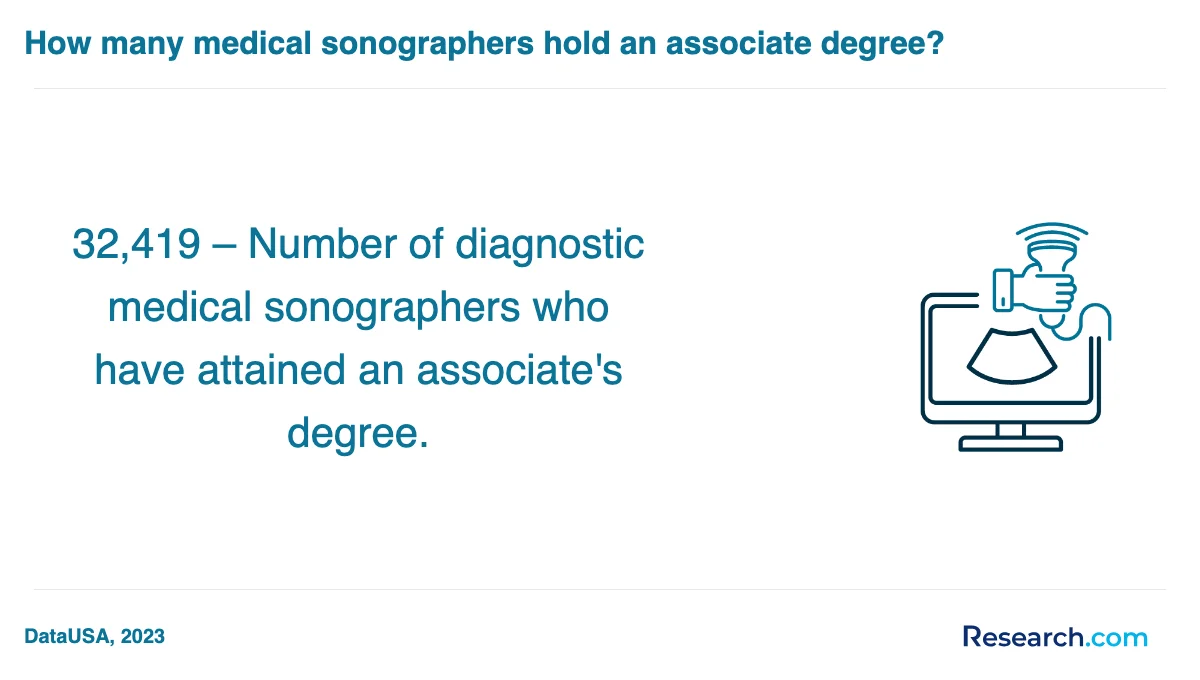
Medical sonographer trade school students in Nevada often find financial aid options that make their educational journey more achievable and less stressful. Many graduates from schools like Carrington College recall how federal aid, such as the Pell Grant offering up to $6,895 annually, provided essential support during tough financial times.
State grants and scholarships further ease the burden, especially for Nevada residents attending community or technical colleges. Some students have shared how these state-level programs, sometimes including free tuition initiatives, opened doors they never expected to access.
Institutional aid is another key resource. Students at Nevada trade schools frequently mention personalized guidance from financial aid offices, helping them navigate scholarships and manageable payment plans tailored to their needs.
Private scholarships, like those from the Society of Diagnostic Medical Sonography awarding $2,500, also empower students to pursue their goals without overwhelming debt. Completing the FAFSA is the crucial first step that many find unlocks this wide spectrum of aid.
When considering enrollment in a medical sonographer trade school program in Nevada, several key prerequisites stand out as essential gateways to success. Most schools require a high school diploma or GED, ensuring students have foundational knowledge before diving into specialized training. Graduates often recall how this basic requirement was just the starting line for their exciting journey.
Many programs also expect students to have completed coursework in biology, anatomy, or physics. This background helps in grasping complex sonography concepts faster, making the hands-on experience at Nevada trade schools more rewarding. One graduate described how prior biology classes turned intimidating ultrasound technology into an approachable, fascinating puzzle.
Additionally, some schools emphasize the importance of strong communication skills and a compassionate attitude, as sonographers work closely with patients. To prepare, students often engage in volunteer work or healthcare-related jobs, which enhances both empathy and professionalism.
Common prerequisites include:
- High school diploma or GED
- Basic science courses (biology, anatomy, physics)
- Effective communication skills
- Healthcare experience or volunteer work (recommended)
These requirements reflect the real-world demands of sonography in Nevada, where graduates feel empowered stepping into clinical settings, ready to make a meaningful impact.
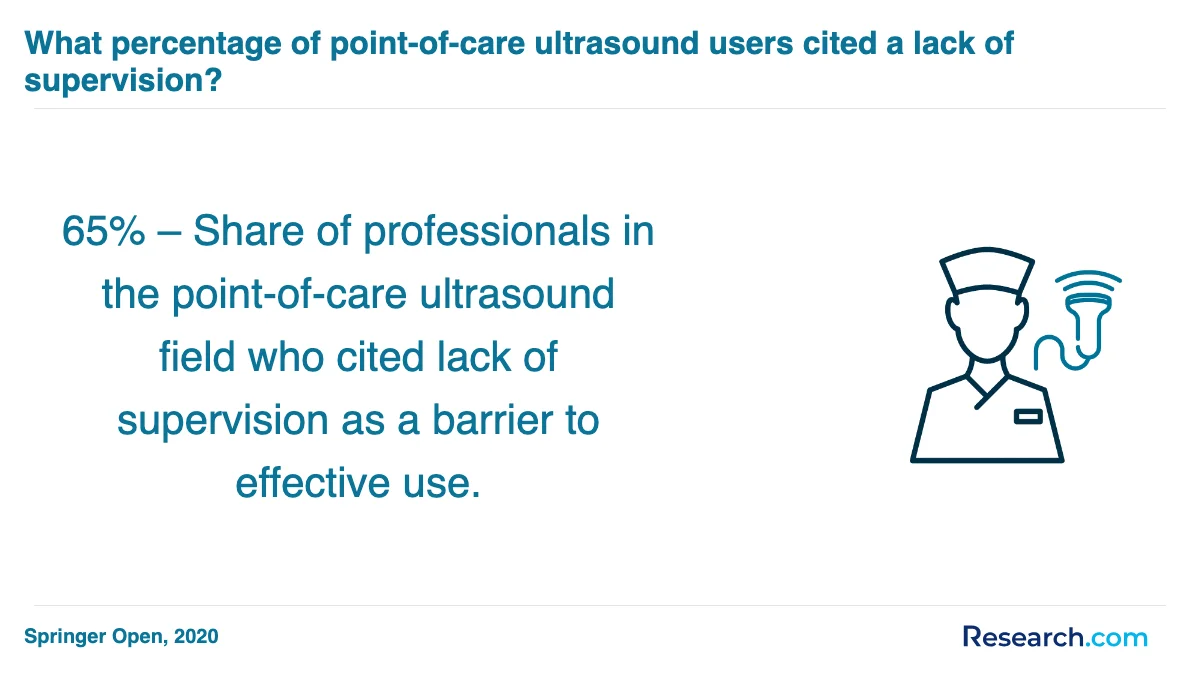
Medical sonographer trade school programs in Nevada equip students with a diverse range of courses that blend theory and practice, preparing them for real-world challenges. Graduates often recall the foundational anatomy and physiology classes, which help them visualize the human body deeply-crucial when interpreting ultrasound images during clinical rotations at popular Nevada trade schools.
Core coursework includes:
- Ultrasound physics and instrumentation: Students learn how ultrasound waves create images, mastering equipment often used in local clinics.
- Sonographic imaging techniques: Covering abdominal, obstetric, gynecologic, and vascular imaging, these classes build confidence in performing complex scans.
- Medical terminology: Essential for clear communication within busy healthcare teams.
- Pathology: Enabling students to recognize abnormal findings-an exciting yet demanding part of their training.
- Patient care and medical ethics: Instilling compassion and professionalism, often highlighted by students' reflections on their clinical experiences.
Many graduates describe laboratory simulations and project-based learning as moments where theory meets real life, boosting their clinical judgment. With over 1,400 hours of supervised clinical practice, Nevada's trade schools ensure students leave ready to make a meaningful impact in diagnostic sonography.
Diagnostic medical sonography specializations in Nevada are as diverse as the healthcare roles they prepare you for. Popular trade schools like the College of Southern Nevada (CSN) and Great Basin College offer focused tracks that graduates praise for their real-world readiness. At CSN, students can choose between the General/Vascular Ultrasound Track and the Cardiac/Vascular Ultrasound Track, equipping them with skills ranging from abdominal and obstetric sonography to adult echocardiography.
Students often share how hands-on experience with vascular and neurosonography deepened their confidence, especially when learning to identify critical conditions through ultrasound imaging. Specializations commonly available include:
- Abdominal Sonography
- Obstetric and Gynecologic Sonography
- Vascular Sonography
- Cardiac Sonography
- Musculoskeletal Sonography
- Breast Sonography
- Neurosonography
- Fetal Echocardiography
These focused areas offer a tailored education that aligns with your interests and Nevada's healthcare demands. For those seeking shorter pathways, the option to earn a 2 year medical degree complements the ultrasound technician program specializations Nevada offers, making it accessible to enter the workforce quickly while mastering essential sonography competencies.
Choosing the best medical sonographer programs in Nevada demands attention to accreditation, hands-on clinical experience, and specialization options. Graduates from the College of Southern Nevada often praise the program's solid clinical hours, which build confidence in real-world diagnostic settings. Meanwhile, students at Great Basin College highlight the value of focused tracks like obstetrics and abdominal sonography, helping them tailor their careers toward specific sonography fields.
Location plays a big role too; selecting a school close to home, such as one in Las Vegas or Elko, eases the demanding daily commute, letting you concentrate on mastering ultrasound techniques. Financing your education is also crucial-longtime attendees recommend exploring state scholarships that can ease tuition burdens. Ultimately, picking a program that prepares you for ARDMS certification and job support boosts your chances of landing rewarding positions. For those eager to understand the education requirements for a medical sonographer, these considerations shape a fulfilling career path at top-rated sonography schools in Nevada.
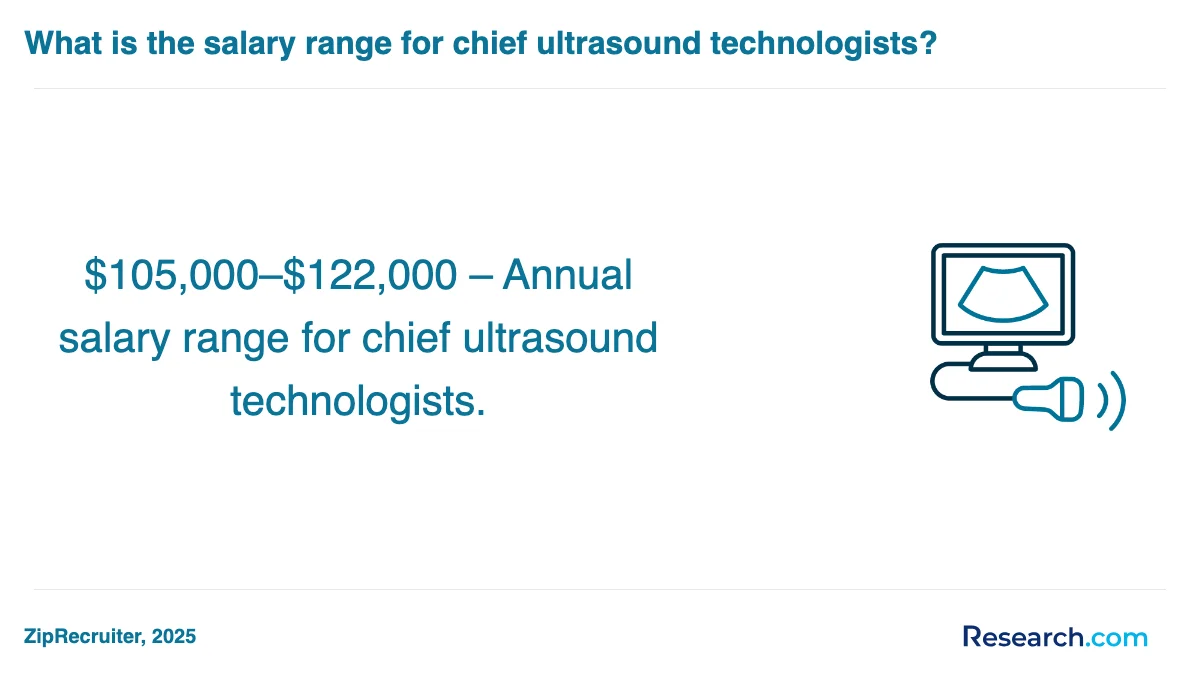
Medical sonographer trade school graduates in Nevada find a robust landscape of medical sonographer jobs in Nevada, ranging from hospital diagnostic roles to outpatient and specialized imaging centers. Those trained at popular Nevada trade schools often share a sense of accomplishment entering positions where they operate advanced ultrasound equipment, aiding doctors in real time. Many step into diagnostic medical sonography career opportunities Nevada offers, such as echocardiography sonographers who deliver critical heart imaging in both city clinics and rural hospitals.
Graduates frequently enhance their careers through certifications in vascular or pediatric sonography, opening doors to higher-paying and specialized roles. Travel sonography is another exciting path, with flexible locations and weekly pay around $2,171, ideal for those wanting variety in their work environments.
Career development often includes moving into clinical specialist roles focusing on musculoskeletal or fetal imaging or pursuing bachelor's degrees for leadership and education positions. For those curious about the easiest healthcare degree paths to embark on, explore options at easiest healthcare degree programs suited to evolving Nevada's healthcare needs.
The medical sonographer job outlook in Nevada remains strong, especially for graduates from respected trade schools around the state. These graduates often share how quickly they find employment in diverse settings-from bustling hospitals in Las Vegas to smaller clinics in Reno. Many report securing roles such as Diagnostic Medical Sonographer or Vascular Ultrasound Technologist within months of certification. This momentum is fueled by the rising demand for diagnostic imaging, providing not only stable jobs but also attractive salaries and signing bonuses.
In practical terms, graduates benefit from:
- Hands-on training that aligns with employer expectations in Nevada's healthcare facilities
- Networking opportunities through clinical instructors offering insider tips and job leads
- Preparation for the Registered Diagnostic Medical Sonographer (RDMS) credential, which is highly sought after
With many students choosing an ultrasound tech fast track program to expedite entry into the workforce, the diagnostic medical sonographer employment Nevada scene is evolving rapidly. From firsthand experience, graduates consistently emphasize flexibility and growth potential, making this career path feel both promising and accessible for those ready to step into Nevada's expanding healthcare industry.
Most Affordable Diagnostic Medical Sonographer Schools & Training - Budget-Friendly Sonography Trade Programs in Nevada for 2026
# 1 position
College of Southern Nevada - Diagnostic Medical Sonography/Sonographer and Ultrasound Technician.
associateThe College of Southern Nevada offers a hybrid Diagnostic Medical Sonography/Sonographer and Ultrasound Technician program that prepares students to perform medical ultrasound techniques under physician supervision. The curriculum covers patient care, data collection, sonographic processing, and professional ethics. Annual in-state tuition is $4,110. Graduates have median earnings of $64,976 one year after completion. The program is accredited by the Northwest Commission on Colleges and Universities.
# 2 position
Las Vegas College - Diagnostic Medical Sonography/Sonographer and Ultrasound Technician.
associateLas Vegas College offers a Diagnostic Medical Sonography/Sonographer and Ultrasound Technician program preparing students to use ultrasound techniques for medical diagnosis under physician supervision. The curriculum covers patient history review, sonographic data processing, equipment operation, and professional ethics. Annual in-state tuition is $17,684. The program is accredited by the Accrediting Commission of Career Schools and Colleges.
Frequently Asked Questions about medical sonographer
After completing a medical sonographer trade school in Nevada, graduates should focus on earning certification to enhance job prospects. The American Registry for Diagnostic Medical Sonography (ARDMS) credential is widely recognized and often required by employers. Nevada's healthcare market is growing, with the Bureau of Labor Statistics projecting a 14% increase in sonographer jobs statewide from 2022 to 2032. Networking through clinical internships during training and joining local professional groups like the Nevada Society of Radiologic Technologists can also improve employment chances. Additionally, staying updated on ultrasound technology advances is essential in this evolving field.
Employers in Nevada seek several key skills in graduates from medical sonographer trade schools. Strong technical proficiency with ultrasound equipment is essential, as sonographers must produce clear, accurate images for diagnosis. According to the U.S. Bureau of Labor Statistics and Nevada Workforce Connections, employers also prioritize knowledge of anatomy and physiology to understand and interpret images correctly.
Communication skills are vital since sonographers explain procedures to patients and collaborate with healthcare teams. Attention to detail is crucial to detect subtle abnormalities. Additionally, employers value certification readiness, such as passing the American Registry for Diagnostic Medical Sonography (ARDMS) exams, which many Nevada programs emphasize in their curricula.
Finding internships in Nevada relevant to medical sonographer trade school programs involves several strategic steps. Start by consulting the career services or internship coordinators at your trade school, as many have established partnerships with local healthcare providers. Hospitals and clinics in cities like Las Vegas and Reno often offer clinical training opportunities for students.
The Nevada Hospital Association and the American Registry for Diagnostic Medical Sonography (ARDMS) websites provide updated listings of approved clinical sites and internship programs. According to the Bureau of Labor Statistics, Nevada's healthcare sector is growing, increasing internship availability.
Networking with professionals through local healthcare job fairs and joining relevant associations can also enhance your chances. Additionally, check with state health departments for internship grants or programs supporting sonographer training.
Obtaining a medical sonographer trade school diploma in Nevada significantly enhances career mobility and advancement opportunities. Graduates gain essential technical skills required for entry-level positions in hospitals, clinics, and diagnostic imaging centers. According to the U.S. Bureau of Labor Statistics, Nevada's employment of diagnostic medical sonographers is projected to grow faster than the national average through 2031, indicating strong job prospects.
The diploma often serves as a stepping stone for certification through the American Registry for Diagnostic Medical Sonography (ARDMS), which many employers prefer or require. Certified sonographers in Nevada report higher salaries and more opportunities for promotions or specialized roles, such as vascular or cardiac sonography.
Additionally, trade school credentials can reduce barriers for non-traditional students and those seeking rapid entry into the healthcare field. This credential supports upward social mobility, especially in Nevada's urban centers like Las Vegas and Reno, where healthcare demand continues to rise.
Students enrolled in medical sonographer trade schools in Nevada can benefit from several part-time job opportunities that complement their education. Positions such as medical imaging assistants or ultrasound technician aides often provide practical experience while supporting diagnostic teams. These roles help students develop familiarity with equipment and patient interaction.
Other relevant jobs include medical office assistants or healthcare administrative roles, which offer insight into clinical workflows and patient management. According to the Nevada Department of Employment, Training and Rehabilitation, healthcare support occupations are projected to grow 15% by 2030, indicating strong job availability.
Gaining experience in these positions can enhance a student's resume and improve employability after certification.
To choose the most affordable Medical Sonographer degree program near me in Nevada, it is essential to compare tuition costs and available financial aid options among various institutions in the area. Research programs offered by universities and technical schools near Nevada, ensuring they align with your career goals and provide accredited training. Utilize resources like Research.com to identify reputable programs and gather information on curriculum, faculty, and student support services.
- Most Affordable Diagnostic Medical Sonographer Schools & Training - Budget-Friendly Sonography Trade Programs in Arizona for 2026
- Most Affordable Diagnostic Medical Sonographer Schools & Training - Budget-Friendly Sonography Trade Programs in Washington for 2026
- Most Affordable Diagnostic Medical Sonographer Schools & Training - Budget-Friendly Sonography Trade Programs in New Mexico for 2026
- Most Affordable Diagnostic Medical Sonographer Schools & Training - Budget-Friendly Sonography Trade Programs in Texas for 2026
- Most Affordable Diagnostic Medical Sonographer Schools & Training - Budget-Friendly Sonography Trade Programs in North Dakota for 2026
- Most Affordable Diagnostic Medical Sonographer Schools & Training - Budget-Friendly Sonography Trade Programs in Oklahoma for 2026
- Most Affordable Diagnostic Medical Sonographer Schools & Training - Budget-Friendly Sonography Trade Programs in Minnesota for 2026
- Most Affordable Diagnostic Medical Sonographer Schools & Training - Budget-Friendly Sonography Trade Programs in Missouri for 2026
- Most Affordable Diagnostic Medical Sonographer Schools & Training - Budget-Friendly Sonography Trade Programs in Louisiana for 2026
- Most Affordable Diagnostic Medical Sonographer Schools & Training - Budget-Friendly Sonography Trade Programs in Wisconsin for 2026
- Application | UCSD Diagnostic Sonography Program https://dmsprogram.health.ucsd.edu/application.html
- Diagnostic Medical Sonography Application | Clark State College https://www.clarkstate.edu/admissions/admissions-for-healthcare-programs/diagnostic-medical-sonography-application/
- How To Become A Sonographer - ARDMS https://www.ardms.org/how-to-become-a-sonographer/
- Diagnostic Medical Sonography https://www.templecollege.edu/programs/health-professions/diagnostic-medical-sonography/index.html
- Bachelor's Degree in Sonography | COTC https://www.cotc.edu/degrees-certificates/diagnostic-medical-sonography-technology
- Sonography Admission - Ultrasound Technician and Sonographer https://www.sanjac.edu/programs/areas-of-study/health/medical-imaging/sonography-admission-info.php
- Diagnostic Medical Sonography | BCTC https://bluegrass.kctcs.edu/education-training/program-finder/diagnostic-medical-sonography.aspx
- Associate of Applied Science in Diagnostic Medical Sonography http://mccollege.edu/aas-in-diagnostic-medical-sonography/
- How to Become an Ultrasound Technician https://www.chcp.edu/blog/how-to-become-an-ultrasound-technician/
- Diagnostic Medical Sonography | Triton College https://www.triton.edu/about/dept/academic/school-of-health-careers-public-service-programs/diagnostic-medical-sonography/


