Most Affordable Diagnostic Medical Sonographer Schools & Training - Budget-Friendly Sonography Trade Programs in West for 2026

Co-Founder and Chief Data Scientist
Choosing the right medical sonographer trade school is an important step toward a rewarding healthcare career. This article introduces the most affordable programs in the western region for 2026, designed to help you find the best fit for your goals and budget.
The ranking featured here was developed by the Research.com team of data scientists. It offers an informed look at programs worth considering, making your decision easier and more confident.
By exploring these schools, you’ll discover valuable options to earn a diploma or certification that can open doors to a fulfilling and stable profession.
Key benefits of finishing medical sonographer trade school in West
- Graduates of medical sonographer trade schools in the West can expect competitive salaries, with average annual earnings around $84,700 to over $90,000 depending on location and experience.
- Career paths include roles in hospitals, outpatient care centers, and specialized fields like cardiac or vascular sonography, offering diverse opportunities for growth and higher pay.
- Completing a medical sonographer program online provides flexibility and convenience, allowing students to balance work and study while gaining the skills needed to succeed in a growing healthcare field.
- Most Affordable Diagnostic Medical Sonographer Schools & Training - Budget-Friendly Sonography Trade Programs in West for 2026
- What can I expect from medical sonographer trade schools in West?
- Where can I work after finishing medical sonographer trade schools in West?
What can I expect from medical sonographer trade schools in West?
Students enrolling in medical sonographer trade school programs in the West can expect a rigorous yet rewarding experience designed to build both technical expertise and hands-on clinical skills. Many programs, such as the 84-week curriculum at North-West College, combine classroom learning with multiple clinical externships, allowing graduates to confidently apply their knowledge in real healthcare settings like hospitals and imaging centers.
Coursework typically covers essential subjects including anatomy, ultrasound physics, and specialty areas like abdominal and obstetric sonography. Graduates often highlight the value of mentorship from experienced instructors, which helps them develop professional skills such as patient communication and time management-crucial for success in fast-paced clinical environments.
Admission can be competitive, but once accepted, students appreciate the structured progression from foundational science to intensive clinical practice. Many find the experience fulfilling as they gain confidence preparing for national certification exams and anticipate diverse career opportunities across medical facilities throughout the Western U.S.
Where can I work after finishing medical sonographer trade schools in West?
After finishing a medical sonographer trade school program in the West, graduates commonly find rewarding employment in hospitals, where their diagnostic imaging skills are vital in emergency rooms, surgical units, and maternity wards. Many students from well-known trade schools in California and Washington share how working in busy hospital settings offers both challenge and fulfillment, with opportunities to contribute directly to patient care.
Others pursue careers in outpatient clinics or specialty medical offices focusing on cardiology or obstetrics, enjoying more predictable hours and the chance to specialize in areas like vascular sonography. Graduates often mention the satisfaction of building close patient relationships in these environments.
Diagnostic imaging centers also provide diverse roles, including mobile imaging services that bring care to rural Western communities, a path that many find meaningful and flexible. Additionally, travel sonography agencies offer short-term assignments across the West and nationwide, appealing to graduates seeking higher pay and varied experiences.
Some graduates choose to become instructors or lab supervisors at trade schools and community colleges, inspired by their own education and eager to mentor future sonographers in the rapidly growing field.
Graduates of medical sonographer trade school programs in the West typically enter the workforce with competitive salaries that reflect their specialized training. Many new graduates from popular trade schools in states like California and Washington report starting salaries ranging from $65,000 to $90,000 annually. This range aligns well with the regional averages, where diagnostic sonographers earn roughly $84,700 to $89,340 per year depending on the location and healthcare setting.
For example, graduates working in outpatient care centers in the West often see starting salaries closer to $120,000, reflecting the high demand and skill level required in these environments. Those beginning their careers in hospitals or clinics might start near the median wage but experience rapid growth through certifications and specialization.
Many recent graduates share positive experiences about how their trade school education prepared them to confidently enter the field. With practical training and strong local employer connections, they feel optimistic about advancing quickly and increasing their earning potential within a few years.
- Programs typically last 18 to 24 months and include classroom instruction, lab practice, and clinical rotations.
- Applicants need a high school diploma or GED, with some programs preferring science and math coursework.
- Tuition ranges from $5,000 to $25,000 at public schools and can reach $40,000 or more at private institutions.
- Entry-level salaries range from $65,000 to $80,000 annually, with experienced sonographers earning over $90,000.
- Most employers require passing the ARDMS certification exam, with many programs reporting near 100% pass and job placement rates.
Completing a medical sonographer trade school program in the West typically takes about 18 to 24 months. Graduates from well-known trade schools in this region often share how the focused curriculum and hands-on clinical experience allowed them to enter the workforce quickly without sacrificing quality education.
Many students appreciate that programs in the West balance rigorous technical training with flexible scheduling, enabling them to manage work or family commitments. For example, graduates often recall how the immersive ultrasound labs at these schools helped them build confidence early, making real-world scanning tasks feel familiar by the time they finished.
The relatively short duration compared to traditional four-year degrees means students can start earning sooner, which is a major motivating factor for many. This accelerated path appeals to those eager to begin their medical sonography careers while still receiving comprehensive instruction aligned with industry standards in the Western trade school environment.
The key difference between online and on-campus medical sonographer trade school programs in the West lies in how instruction and hands-on training are delivered. Graduates from on-campus programs, such as those offered at Foothill College, often speak highly of the immersive experience gained through in-person lectures and supervised scanning labs. This direct access to ultrasound equipment and immediate instructor feedback builds confidence and sharpens practical skills in ways that feel tangible and rewarding.
In contrast, online programs appeal to students needing flexibility, with much of the academic content delivered virtually. However, even online students must complete in-person clinical externships at local healthcare facilities, grounding their learning in real-world patient care. Many online graduates appreciate this blend, valuing the ability to balance work or family commitments while still acquiring essential hands-on experience.
Both pathways require clinical rotations to meet certification standards, but on-campus students often benefit from a more structured, mentor-driven environment, fostering a strong sense of community and support during their training journey.
The average cost of medical sonographer programs in the Western United States varies by program type, institution, and residency status, but generally falls between $5,000 and $40,000. Certificate programs, often lasting one to two years, tend to be the most affordable, with graduates from schools like Platt College in Riverside, California, experiencing net prices around $28,306 depending on family income. These graduates commonly share that the focused, practical training made the investment feel worthwhile given their career goals.
For those pursuing associate's degrees, which span two to four years, tuition fees for sonography trade schools in Western states can range greatly. For example, at some California colleges, programs may cost up to $38,000, including fees and books. Many students find the comprehensive curriculum's blend of clinical practice and classroom instruction rewarding, preparing them well for their future roles.
Cost considerations must also include residency status, as non-resident tuition can be substantially higher, impacting many prospective students. Additionally, states such as Oregon require annual licensing fees, which, while relatively modest, should be factored into overall expenses. Recognizing these variables empowers students to choose an option that aligns with their budget and career plans.
Graduates attest that, despite the financial commitment, the investment in sonography training opens doors to jobs in the medical field that pay well, making the cost manageable in the longer term and highly motivating.
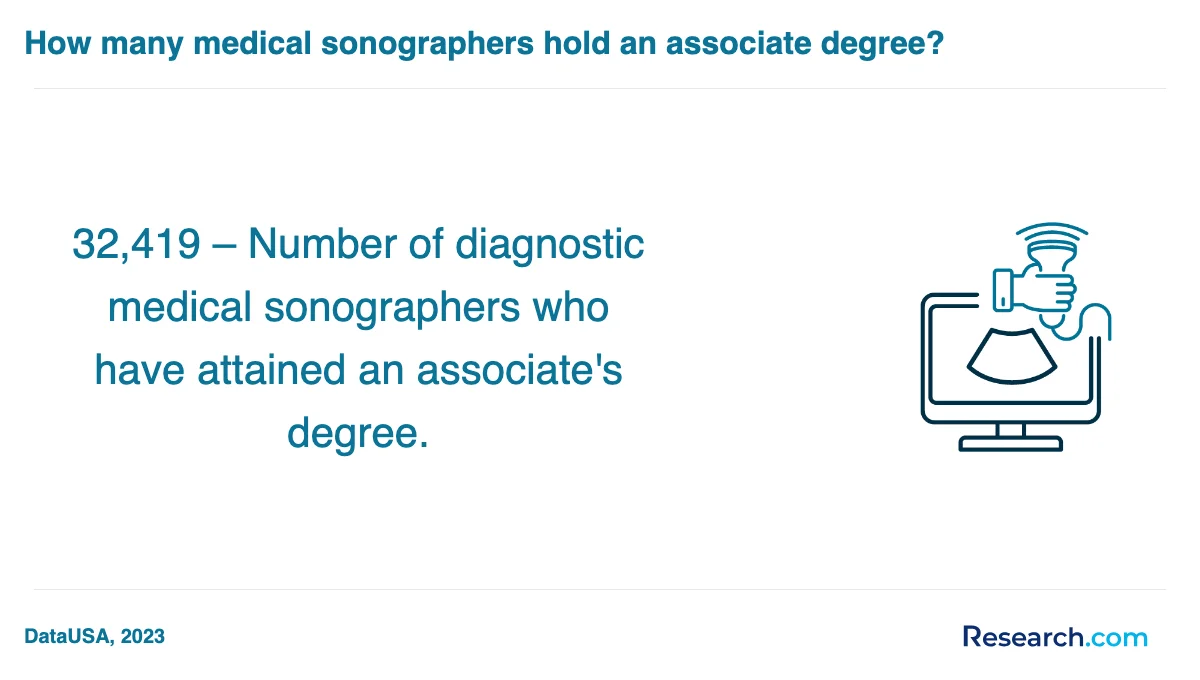
Students pursuing medical sonographer trade school programs in the West commonly access federal financial aid, including the Pell Grant and the Federal Supplemental Educational Opportunity Grant (FSEOG). Graduates from popular schools often recall how the Pell Grant, which was $6,895 for 2022-23, significantly eased their financial burden. Applying through FAFSA is essential, and eligibility requires enrollment in accredited programs recognized by federal standards.
State aid also plays a crucial role. For instance, learners in California benefit from the Cal Grant and Middle Class Scholarship, while those in Oregon or Nevada may qualify for free tuition at community colleges. Graduates frequently mention how these programs made completing their training feasible without overwhelming debt.
Many Western colleges, like the Oregon Institute of Technology, offer substantial scholarships-over $1,000,000 annually-directly supporting sonography students. Additionally, professional bodies such as the SDMS and ARDMS provide scholarships that graduates describe as invaluable for reducing costs.
Employer tuition reimbursement programs are another key resource, especially in high-demand regions, offering students a practical path to fund their education while gaining work experience.
To enroll in a medical sonographer trade school program in the West, applicants typically need to meet several key prerequisites designed to ensure readiness and success in this demanding field. Most trade schools require a high school diploma or GED as a basic credential. Beyond this, schools often expect foundational knowledge in anatomy, physiology, and basic math, which prepares students for the technical aspects of sonography.
Graduates from popular Western trade schools frequently highlight the importance of strong communication skills and a compassionate attitude, as these qualities are essential when interacting with patients. Some programs also require applicants to complete prerequisite courses or demonstrate proficiency in English to handle complex medical terminology effectively.
- High school diploma or GED
- Basic science and math coursework
- Proficiency in English and communication skills
- Completion of prerequisite classes if specified by the school
One graduate shared how completing a biology course prior to enrollment made the transition smoother, enabling them to excel in hands-on clinical training. Another noted that early exposure to patient care environments, often encouraged by Western trade schools, builds confidence and enthusiasm for the profession. These prerequisites are designed not only to prepare students academically but also to foster a positive, patient-centered outlook that thrives in real-world clinical settings.

Medical sonographer trade school programs in the West typically start with foundational prerequisite courses that graduates find essential for success. These include Anatomy and Physiology, often divided into two semesters to thoroughly cover all major body systems, and General Physics, focusing on wave properties critical for ultrasound technology. Many students appreciate how College Algebra sharpens their problem-solving skills, while Medical Terminology prepares them to confidently communicate in clinical settings.
Core sonography courses follow, where students gain hands-on experience with ultrasound equipment. Popular programs emphasize:
- Ultrasound Physics: understanding sound wave principles and image formation
- Lab Scanning Techniques: practicing ultrasound operation in simulated environments
- Sonographic Procedures: specialized training in abdominal, obstetric-gynecologic, and vascular sonography
Graduates recall early clinical rotations as eye-opening, often beginning within the first semester, where they apply skills in real hospital departments like radiology and vascular clinics. These immersive experiences, supervised by certified sonographers, build confidence and readiness for professional roles across Western healthcare facilities.
Medical sonographer trade school programs in the Western United States offer diverse specializations that prepare students for targeted career paths. Graduates from schools like Kaiser Permanente School of Allied Health Sciences and Bellevue College often highlight the rewarding focus on areas such as:
- Abdominal Sonography
- Obstetric and Gynecologic Sonography
- Vascular Sonography
- Cardiac Sonography
- Musculoskeletal Sonography
- Neurosonography
- Breast Sonography
These specializations allow students to gain expertise in specific anatomical regions and patient populations. For example, abdominal sonographers master imaging vital organs like the liver and kidneys, while vascular sonographers focus on detecting blood vessel disorders. Many students appreciate how programs combine classroom knowledge with clinical training, enabling real-world practice that builds confidence and skill.
Trade school graduates often emphasize how selecting a specialization boosts job readiness and satisfaction by aligning their studies with career ambitions. West Coast schools frequently incorporate certification preparation for credentials from the American Registry for Diagnostic Medical Sonography. Prospective students seeking flexible learning can explore online schools for ultrasound technician that offer specialized tracks adapted to regional healthcare needs.
Choosing the best medical sonographer trade schools in Western United States requires careful consideration of accreditation, curriculum, and clinical experience. Graduates from programs like those offered by the West Coast Ultrasound Institute praise the hands-on training in abdominal and vascular sonography, which helped them confidently transition into their roles.
Affordable diagnostic medical sonography programs in Western US often balance cost with quality, making it essential to compare tuition fees and financial aid options. Programs that partner with local hospitals provide immersive clinical rotations, offering real-world exposure that many students find invaluable for certification exam success.
Consider institutions that prepare students thoroughly for the American Registry for Diagnostic Medical Sonography exams, as certification is critical for employment. Positive experiences from alumni often highlight how effective preparation cultivates professional competence and job readiness.
When researching career prospects, explore employment rates post-graduation. Many graduates appreciate programs like Southwest University at El Paso for transparent outcomes. For insights about radiology jobs in this field, visit radiology jobs.
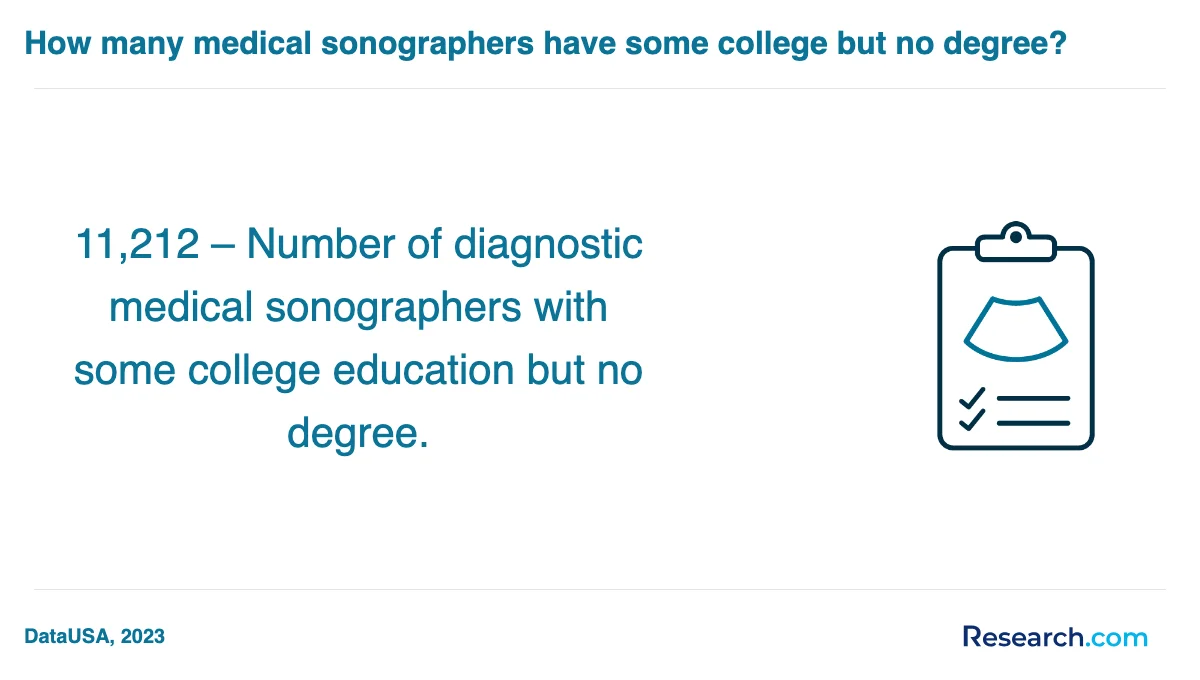
Graduates of medical sonographer trade school programs in the West enjoy diverse medical sonographer career opportunities in Western states. The most common starting roles involve working as diagnostic medical sonographers in hospitals, OB/GYN clinics, and imaging centers, where they perform ultrasound procedures to assist physicians in diagnosing conditions. Many from popular Western trade schools choose to specialize in areas like cardiac sonography or vascular technology, providing access to specialized labs and maternal-fetal medicine practices.
Some graduates leverage their clinical skills to enter medical imaging equipment sales and support, helping healthcare providers select and maintain advanced ultrasound systems. Others pursue leadership roles, such as lead sonographer or department director, combining clinical expertise with administrative responsibilities. A few choose to advance their careers further by earning additional credentials to become physicians or nurse practitioners.
Graduates often share how a sonography program online can complement their hands-on training, making it easier to keep pace with continuing education requirements. The demand for diagnostic medical sonography jobs in the West remains strong, fueled by competitive salaries and robust employment growth.
Graduates of medical sonographer trade school programs in the West enter a thriving job market with promising prospects. California, leading the region in employing diagnostic medical sonographers, offers some of the highest demand and job openings, especially in urban centers like Los Angeles and San Francisco. This strong local market reflects the broader medical sonographer job outlook in Western states, driven by technological advancements and rising use of sonography in healthcare.
Many graduates from popular trade schools in the West share stories of quickly securing positions within major hospital systems or outpatient clinics. Their success is often due to practical training and industry connections provided by well-regarded programs. Key factors making the market appealing include:
- Annual salary ranges from $60,000 to $75,000 for entry-level positions
- Sign-on bonuses and flexible schedules
- Higher salary potentials exceeding $90,000 with specialization or experience
- Competitive incentives in rural areas attracting new professionals
For those exploring their education options, researching the best universities for ultrasound tech in the West can clarify which trade schools align well with local job market needs and provide robust career support.
Other Western states such as Washington and Oregon also show steady demand, though on a smaller scale, maintaining a healthy balance of opportunity for incoming sonographers. The demand for sonographers in California and the West offers a stable foundation for graduates eager to begin rewarding careers in diagnostic imaging.
Most Affordable Diagnostic Medical Sonographer Schools & Training - Budget-Friendly Sonography Trade Programs in West for 2026
# 1 position
Merced College - Diagnostic Medical Sonography/Sonographer and Ultrasound Technician.
certificate or diplomaMerced College offers a Diagnostic Medical Sonography/Sonographer and Ultrasound Technician program with a hybrid format, including some distance education. The program trains students to use medical ultrasound techniques for diagnosing conditions, covering patient care, data recording, and professional ethics. Annual in-state tuition is $1,194. Graduates earn a median salary of $78,871 one year after completion. The program is accredited by the Western Association of Schools and Colleges Accrediting Commission for Community and Junior Colleges.
# 2 position
Orange Coast College - Diagnostic Medical Sonography/Sonographer and Ultrasound Technician.
associateOrange Coast College offers a hybrid Diagnostic Medical Sonography/Sonographer and Ultrasound Technician program that trains students to use medical ultrasound technology for diagnosis under physician supervision. The curriculum covers patient care, sonographic data collection, equipment operation, and professional ethics. The program is accredited by the Western Association of Schools and Colleges Accrediting Commission for Community and Junior Colleges. Annual in-state tuition is $1,208, and median earnings one year after completion are $68,484.
# 3 position
College of Southern Nevada - Diagnostic Medical Sonography/Sonographer and Ultrasound Technician.
associateThe College of Southern Nevada offers a hybrid Diagnostic Medical Sonography/Sonographer and Ultrasound Technician program that prepares students to perform medical ultrasound techniques under physician supervision. The curriculum covers patient care, data collection, sonographic processing, and professional ethics. Annual in-state tuition is $4,110. Graduates have median earnings of $64,976 one year after completion. The program is accredited by the Northwest Commission on Colleges and Universities.
# 4 position
Cypress College - Diagnostic Medical Sonography/Sonographer and Ultrasound Technician.
associateThe Diagnostic Medical Sonography program at Cypress College is a hybrid format that trains students to use ultrasound technology for diagnosing medical conditions. It covers patient care, sonographic data collection, and equipment operation under physician supervision. The program is accredited by the Western Association of Schools and Colleges Accrediting Commission for Community and Junior Colleges. Annual in-state tuition is $1,150, and median earnings one year after completion reach $55,803.
# 5 position
Cypress College - Diagnostic Medical Sonography/Sonographer and Ultrasound Technician.
certificate or diplomaThe Diagnostic Medical Sonography/Sonographer and Ultrasound Technician program at Cypress College offers a hybrid format with some distance-education options. This program trains students to use medical ultrasound to collect sonographic data for diagnosing various conditions under physician supervision. Tuition is $1,150 annually for in-state students. Graduates earn a median salary of $55,803 one year after completion. The program is accredited by the Western Association of Schools and Colleges Accrediting Commission for Community and Junior Colleges.
# 6 position
Foothill College - Diagnostic Medical Sonography/Sonographer and Ultrasound Technician.
associateFoothill College offers a Diagnostic Medical Sonography/Sonographer and Ultrasound Technician program with a hybrid format. The program trains students to use medical ultrasound for diagnosing various conditions, including instruction on patient care, data processing, and professional ethics. Annual in-state tuition is $1,565. Graduates earn a median salary of $107,048 one year after completion. The program is accredited by the Western Association of Schools and Colleges Accrediting Commission for Community and Junior Colleges.
# 7 position
Spokane Community College - Diagnostic Medical Sonography/Sonographer and Ultrasound Technician.
associateSpokane Community College offers a Diagnostic Medical Sonography/Sonographer and Ultrasound Technician program with a hybrid format, including some distance education. The program trains students to use ultrasound technology to collect sonographic data for diagnosing medical conditions, covering patient care, data processing, and professional ethics. The annual in-state tuition is $4,057. Graduates earn a median salary of $63,228 one year after completion. The program is accredited by the Northwest Commission on Colleges and Universities.
# 8 position
Laramie County Community College - Diagnostic Medical Sonography/Sonographer and Ultrasound Technician.
associateLaramie County Community College offers a hybrid Diagnostic Medical Sonography/Sonographer and Ultrasound Technician program. The curriculum trains students to use ultrasound technology for diagnostic purposes under physician supervision, covering patient care, data recording, and sonography equipment operation. Annual in-state tuition is $4,613. Graduates earn a median salary of $64,082 one year after completion. The program is accredited by the Higher Learning Commission.
# 9 position
Columbia Basin College - Diagnostic Medical Sonography/Sonographer and Ultrasound Technician.
associateColumbia Basin College offers a Diagnostic Medical Sonography/Sonographer and Ultrasound Technician program with a hybrid format including some distance education. The program prepares students to use ultrasound technology for diagnostic purposes under physician supervision. Instruction covers patient care, data recording, equipment operation, and professional ethics. Annual in-state tuition is $6,194. Graduates have median earnings of $64,223 one year after completion. The program is accredited by the Northwest Commission on Colleges and Universities.
# 10 position
Red Rocks Community College - Diagnostic Medical Sonography/Sonographer and Ultrasound Technician.
associateRed Rocks Community College offers a Diagnostic Medical Sonography/Sonographer and Ultrasound Technician program with a hybrid format, including some distance education. The program prepares students to use ultrasound technology for diagnostic purposes under physician supervision. It covers patient care, sonographic data processing, and professional ethics. Annual in-state tuition is $4,707. Graduates earn a median of $104,021 one year after completion. The program is accredited by the Higher Learning Commission.
Frequently Asked Questions about medical sonographer
After completing a medical sonographer trade school in West, preparing for the job market involves several key steps. First, obtaining professional certification from the American Registry for Diagnostic Medical Sonography (ARDMS) is crucial, as employers in the US often require it. According to the Bureau of Labor Statistics, certified sonographers have better job prospects and higher salaries.
Building a strong resume with clinical experience gained during your program can make a significant difference. Networking through local healthcare facilities and attending industry events in West helps connect graduates with potential employers.
Staying updated on the latest sonography technologies and continuing education can improve employability in this competitive field.
Employers in the West highly value medical sonographer graduates who demonstrate strong technical proficiency with ultrasound equipment. According to the Bureau of Labor Statistics (BLS), candidates who can accurately perform diagnostic imaging and maintain patient safety are more likely to secure employment.
In addition to technical skills, communication is crucial. Graduates must effectively explain procedures to patients and collaborate with healthcare teams. The California Employment Development Department highlights that interpersonal skills improve patient comfort and diagnostic accuracy.
Critical thinking and attention to detail are also essential. Employers seek sonographers capable of identifying abnormalities and ensuring image quality, which directly impacts diagnosis and treatment.
Finding internships in West relevant to medical sonographer trade school programs involves proactive research and networking. Many trade schools in West have partnerships with local hospitals and imaging centers, which often serve as primary internship sites. Students should inquire directly with their program coordinators about established clinical affiliations.
The California Employment Development Department reports that healthcare facilities in West frequently seek sonography interns to meet growing demand. Additionally, professional organizations like the Society of Diagnostic Medical Sonography offer resources to locate internships.
Contacting local hospitals, outpatient clinics, and diagnostic imaging centers can uncover unadvertised internship opportunities. Early application is crucial, as internship slots are limited and competitive.
Obtaining a medical sonographer trade school diploma in West significantly enhances career mobility and advancement opportunities. According to the U.S. Bureau of Labor Statistics, diagnostic medical sonographers in the Western states enjoy a median annual wage higher than the national average, reflecting strong regional demand. Trade school diplomas provide specialized skills that meet local healthcare employers' needs, improving job placement rates. Graduates often qualify for certification exams like the ARDMS, which further boosts employability and potential for promotions. Additionally, many West-based healthcare facilities prioritize candidates with accredited diplomas, facilitating upward career movement within hospitals and clinics.
Students enrolled in medical sonographer trade schools in West can benefit from several part-time job opportunities that enhance their practical skills and industry knowledge. Common roles include medical assistant positions and ultrasound technician internships at local hospitals or clinics. These jobs provide hands-on experience with patient care and diagnostic equipment, complementing classroom learning.
According to the Bureau of Labor Statistics, West has a growing demand for diagnostic medical sonographers, with a 12% projected employment increase through 2030. Working part-time in healthcare settings also helps students build professional networks and improve communication skills essential for sonography careers.
Additionally, some students find work as patient transporters or administrative assistants in radiology departments, roles that offer insight into healthcare operations and workflow. These opportunities support both academic success and future employment prospects in the sonography field.
To find the most affordable Medical Sonographer degree program near me, it is advisable to begin by researching local community colleges and state universities, as they often offer competitive tuition rates. Use Research.com for a comprehensive list of accredited programs near West, where you can compare costs and program offerings. Additionally, contacting institutions directly will provide you with information on financial aid and scholarships that can further reduce the cost of your education.
- Diagnostic Medical Sonography - West Georgia Technical College https://www.westgatech.edu/program-explorer/nursing-allied-health-sciences/diagnostic-medical-sonography/
- Diagnostic Medical Sonography - Western Suffolk Boces https://www.wsboces.org/fulltime/diagnostic-medical-sonography/
- Find Accredited Sonography Programs in 2025 https://www.ultrasoundschoolsinfo.com/accredited-sonography-programs/
- Diagnostic Medical Sonography https://foothill.edu/dms/
- Diagnostic Medical Sonographer Program | Why Choose Cambridge https://www.cambridgehealth.edu/diagnostic-medical-sonography-program/
- Accredited Diagnostic Medical Sonography Programs | CBD College https://www.cbd.edu/programs/diagnostic-medical-sonography/
- Diagnostic Medical Sonography Associate and Bachelor Degrees (Ultrasound Technician AAS & BHS) in Los Angeles, Glendale, Pasadena, Burbank https://amsc.edu/
- Diagnostic Medical Sonographer (Ultrasound Tech) - North-West College https://nw.edu/programs/diagnostic-medical-sonographer-ultrasound-tech/
- Diagnostic Medical Sonography | WKCTC https://westkentucky.kctcs.edu/education-training/program-finder/diagnostic-medical-sonography.aspx
- Diagnostic Medical Sonography https://www.mchs.edu/academics/associate-degrees/diagnostic-medical-sonography/