Best Diagnostic Medical Sonographer Training Programs & Trade Schools - Top Sonography Schools in New York for 2026

Co-Founder and Chief Data Scientist
Are you considering a career as a medical sonographer in New York? Finding the right trade school program is an important step toward achieving your goals.
This article features a medical sonographer trade school programs ranking created by the Research.com team of data scientists. It is designed to help you make an informed decision about which schools offer quality education and training.
By exploring these top programs, you’ll discover valuable options to earn a diploma or certification that can open doors to a rewarding healthcare career.
Key benefits of finishing medical sonographer trade school in New York
- Graduates of medical sonographer trade schools in New York can expect strong earning potential, with average salaries around $110,578 per year, reflecting high demand and rewarding pay in the region.
- Career paths include working in hospitals, specialty clinics, or imaging centers, as shown by graduates from popular New York trade schools who quickly find diverse and fulfilling job opportunities.
- Completing a medical sonographer trade school online offers flexibility and convenience, allowing students to balance work or family while gaining skills, as experienced by many successful online program graduates in New York.
- Best Diagnostic Medical Sonographer Training Programs & Trade Schools - Top Sonography Schools in New York for 2026
- What can I expect from medical sonographer trade schools in New York?
- Where can I work after finishing medical sonographer trade schools in New York?
What can I expect from medical sonographer trade schools in New York?
When you enroll in a medical sonographer trade school program in New York, expect a hands-on, immersive experience lasting about 22 to 24 months if you study full-time. Many graduates from popular schools mention how the mix of classroom learning and real clinical rotations-sometimes over 1,100 hours-really prepares you to work confidently with ultrasound machines in hospitals and clinics around the city.
Students often share how courses dive deep into human anatomy, ultrasound physics, and patient care, making the material both challenging and exciting. You'll cover specialized areas like abdominal, vascular, and cardiac sonography, which means you can explore different interests and career paths.
Many find the clinical hours especially rewarding, as working alongside professionals in real healthcare settings brings the theory to life. Schools in New York usually partner with local hospitals, so you get a variety of hands-on experiences that build your skills and boost your confidence before graduation.
Admission typically requires a high school diploma or GED, and while tuition can be a significant investment-like the $34,116 total at some well-known institutes-financial aid options often help ease the burden. Graduates say the journey is tough but incredibly fulfilling, especially when they pass national certification exams and start their careers in this growing field.
Where can I work after finishing medical sonographer trade schools in New York?
After finishing a medical sonographer trade school program in New York, like those offered at well-known schools in NYC, graduates often find themselves stepping right into hands-on roles in hospitals, outpatient clinics, or private practices. Many share how rewarding it feels to work as ultrasound technologists or diagnostic medical sonographers, helping diagnose patients daily at places like Mount Sinai or Northwell Health.
Some grads land jobs in busy hospital settings performing diagnostic ultrasound exams, prepping patients, and working closely with doctors. Others enjoy the flexibility of outpatient imaging centers or mobile ultrasound services, which let them balance work and life more easily. It's common to hear from recent grads that starting in these environments builds great experience and confidence.
With time and extra certifications, many move into leadership roles, like lead sonographer positions at big healthcare organizations such as Weill Cornell Medicine. The variety of opportunities across New York means you can find a path that fits your lifestyle and career goals perfectly.
After finishing a medical sonographer trade school program in New York, many graduates are pleasantly surprised by how quickly their hard work pays off. For instance, starting salaries for Registered Diagnostic Medical Sonographer I roles in New York City hover around $99,400 annually, with most earning between $86,800 and $111,800. It's a solid paycheck, especially considering some experienced pros can make up to $123,090 a year.
Hourly wages are just as encouraging. Many graduates from popular trade schools in NYC find themselves earning about $44.34 per hour, with beginners starting near $36.30 and rising to around $56.01 as they gain experience. This means whether you're working full-time or picking up shifts part-time, the pay is competitive and reflects your specialized skills.
Graduates often share how knowing they'll earn well above average helps boost their confidence as they start their careers. It's a rewarding path, especially living in New York where healthcare demand is high and opportunities are plentiful.
- Most medical sonographer programs in New York require a high school diploma or GED, with some needing an entrance exam and interview.
- Program length ranges from 18 to 24 months, including classroom learning, lab training, and clinical externships.
- Total program costs typically range from $28,000 to $35,000, with some schools like the Medical Training Institute of New York charging $28,600 in tuition.
- Certification is not required by the state, but national certification from ARDMS or ARRT is preferred by employers.
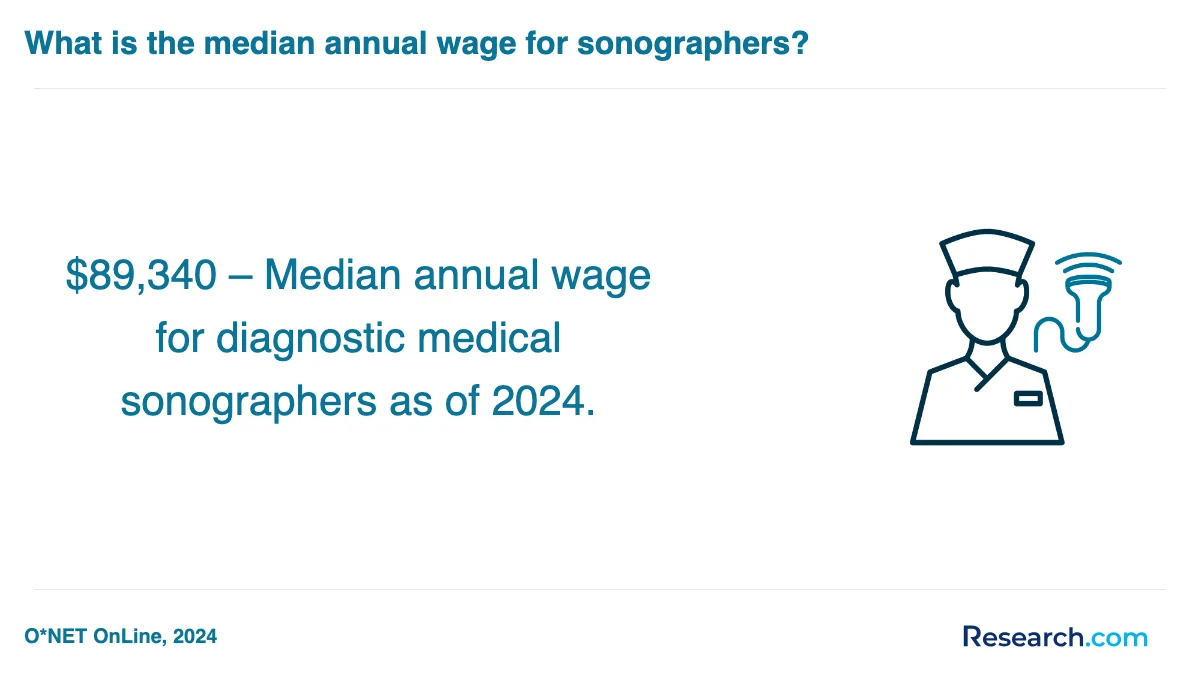
- Entry-level salaries for sonographers in New York are between $70,000 and $80,000 per year, with potential to earn over $90,000 with experience or specialization.
Completing a medical sonographer trade school program in New York generally takes about 18 to 24 months. This timeframe is pretty common among popular trade schools in the state, where the curriculum is designed to balance hands-on training with classroom learning. Graduates often mention how the pace feels just right-not too rushed, but fast enough to keep the momentum going. For instance, students at well-known New York trade schools share stories of diving straight into practical ultrasound labs within the first few months, which helps solidify their confidence early on.
Many find the structured schedule helpful because it fits well even if they're juggling part-time jobs or family commitments. The shorter completion time compared to traditional four-year degrees means they can start working and earning sooner, which is a huge motivator. Imagine finishing your training in less than two years and already stepping into a rewarding healthcare role in bustling New York hospitals or clinics-that's exactly what a lot of graduates describe as an exciting and achievable goal.
The main difference between online and on-campus medical sonographer trade school programs in New York is how the classes and hands-on training are delivered. Online students, like those at Hunter Business School, enjoy the flexibility of attending live virtual lectures for about 882 hours, fitting studies around work or family life. They still need to complete 412 hours of in-person classes and 1,176 hours of clinical externships, which means plenty of real-world practice despite the remote learning.
On the flip side, on-campus programs, such as the one at the Medical Training Institute of New York, have students physically present for 800 hours of classroom learning, 400 hours in labs, and 600 hours of clinical rotations. Graduates often say this direct, hands-on approach helps build confidence quickly because they get immediate feedback while working with ultrasound machines.
Either way, everyone agrees that those clinical hours-whether paired with online or in-person classes-are essential to really mastering the skills needed for a successful sonography career in New York.
If you're wondering about the average cost of medical sonographer programs in New York, it's good to know that tuition fees can vary quite a bit depending on the school you choose. For example, graduates from the New York Medical Career Training Center often talk about how the total cost, including tuition and books, lands around $31,000 for the program alone. But when you add living expenses, the full cost of attendance reaches roughly $86,000. Despite this, many find that financial aid helps reduce the burden, making the net cost more manageable and allowing them to focus on training without constant stress about finances.
On the other hand, Western Suffolk BOCES students mention that their tuition fees are a bit higher, near $44,560, with additional expenses for supplies and certification exams pushing costs beyond that. This reflects the typical tuition fees for sonography schools in New York, which can vary widely between institutions.
Some graduates from other local schools share stories about how the investment felt worth it given the thorough hands-on experience they received. For those trying to get a clearer picture of how long it takes to become a diagnostic medical sonographer, considering the total costs along with program length is key. If you want to explore the timeline in detail, check out this resource on how long does it take to become a diagnostic medical sonographer.
Most students emphasize looking beyond just tuition to account for books, uniforms, and certification fees. Being prepared with a budget that includes these extras can make the journey smoother and more enjoyable as you train for an exciting new career.
When you're diving into medical sonographer trade school in New York, financial aid can really ease the stress. Most students start by filling out the FAFSA, which opens doors to federal aid like the Pell Grant-a big help because it doesn't have to be paid back. Some grads from places like the New York Medical Career Training Center mention how this grant took a huge weight off their shoulders.
Beyond that, there are low-interest loans, like Direct Subsidized and Unsubsidized Loans, plus federal work-study gigs that let you earn while you learn. Many students find these options flexible enough to fit their busy lives.
New York State sweetens the deal with the Tuition Assistance Program (TAP), which can cover a big chunk of tuition for residents attending approved schools like Mandl School. Graduates often share how TAP combined with school-specific scholarships helped them manage costs without stress.
Trade schools usually have financial aid offices ready to guide you through all this, making the whole process feel way less overwhelming. Just a quick tip from grads: apply early-around eight weeks before classes start-to catch all the aid you qualify for.
Getting into a medical sonographer trade school in New York usually means meeting a few key prerequisites, but nothing too overwhelming. Most programs expect you to have a high school diploma or GED, which is the basic starting point. Graduates from popular New York trade schools often mention that having a solid background in science and math really helps because ultrasound technology involves understanding anatomy and physics.
Besides the diploma, schools often ask for:
- Basic healthcare experience or CPR certification - some schools require this to ensure you're comfortable in clinical settings.
- Letters of recommendation or personal statements - sharing your passion for patient care can make your application stand out.
- Background checks and immunizations - since you'll be working in hospitals or clinics, these keep patients safe.
One graduate shared how starting with just a genuine interest in helping others, plus a little prep on biology, made the application process smooth and exciting. A friendly tip: visiting schools like those in NYC or Long Island can give you a feel for the vibe and what they expect. Many students find that once they get past these initial steps, their confidence skyrockets knowing they're on a clear path to a rewarding career.

If you're diving into a medical sonographer trade school program in New York, expect to get a solid mix of science and hands-on learning that really prepares you for the field. Most programs start with core science courses like anatomy and physiology. This helps you understand the human body inside-out, which is super important when interpreting sonographic images.
Ultrasound physics is another key course where you learn how sound waves work and how to get the best images while keeping patients safe. Graduates often say this part clicked for them when they realized how physics impacts the quality of the images they'll produce daily.
Then, specialized sonography courses come into play. Popular New York trade schools include topics like:
- Abdominal sonography
- OB/GYN sonography
- Vascular sonography
- Cardiac sonography (echocardiography)
- Imaging of superficial structures like thyroid and breast
For example, grads from Hunter Business School appreciated the variety, covering pediatric and cardiac sonography, which made them feel confident handling different patient cases.
Clinical education is a huge highlight too. Students at places like the Medical Training Institute of New York complete around 600 clinical hours, getting real-world practice that's invaluable. Others, like Mandl School's Associate degree students, blend over 2,100 hours of classroom and clinical work, which many say was intense but totally worth it.
Finally, courses on patient care, medical ethics, ultrasound image optimization, and pathology round out the curriculum. These classes help you connect with patients and work smoothly within healthcare teams, which many grads found rewarding as they stepped into their roles.
If you're diving into medical sonography specializations in New York, you'll find trade schools offering focused tracks that match real-world clinical needs. Many graduates from popular programs mention how abdominal sonography became their favorite-it's all about capturing clear images of organs like the liver and kidneys, crucial for hospital diagnostics. OB/GYN sonography also stands out, especially for those interested in prenatal care and women's health, with hands-on experience scanning expecting mothers and understanding fetal development.
Some New York schools, like Hunter Business School, offer specialized cardiac sonography tracks, teaching students how to visualize heart function-a skill that graduates find rewarding when working in busy cardiology units. Vascular sonography, focusing on blood vessels and circulation issues, is another track that students appreciate for its blend of technology and patient care.
Other notable specializations include superficial structures-think thyroid and breast imaging-and pediatric sonography, which prepares students for working with children. Programs typically last 22 to 24 months, giving hands-on training that makes students job-ready. Those exploring diagnostic medical sonographer programs New York-wide often tailor their education to fit their career goals.
If you want to explore flexible learning options, many also check out sonography associate's degree online programs to complement in-person training.
When choosing a medical sonographer trade school program in New York, focus on picking one that offers accredited sonography programs in New York. Graduates from schools like Long Island University - Brooklyn often share how accreditation gave them confidence to take certification exams and land jobs faster. Hands-on clinical experience is another must-have-programs such as the Center for Allied Health Education in Brooklyn connect students with real medical centers, making the learning feel practical and relevant. It's common to hear students express excitement about specialized tracks too, whether it's abdominal sonography or vascular imaging, which can make your studies more fulfilling.
Looking at top-rated ultrasound technician schools in New York also involves checking their reputation and financial aid options; for instance, some students found Western Suffolk BOCES helpful not just academically but also financially. Finally, for anyone exploring future healthcare jobs, it's smart to consider schools that prepare you thoroughly for certification and offer strong employment connections. You can explore more about healthcare jobs to see how these programs open doors to rewarding careers.
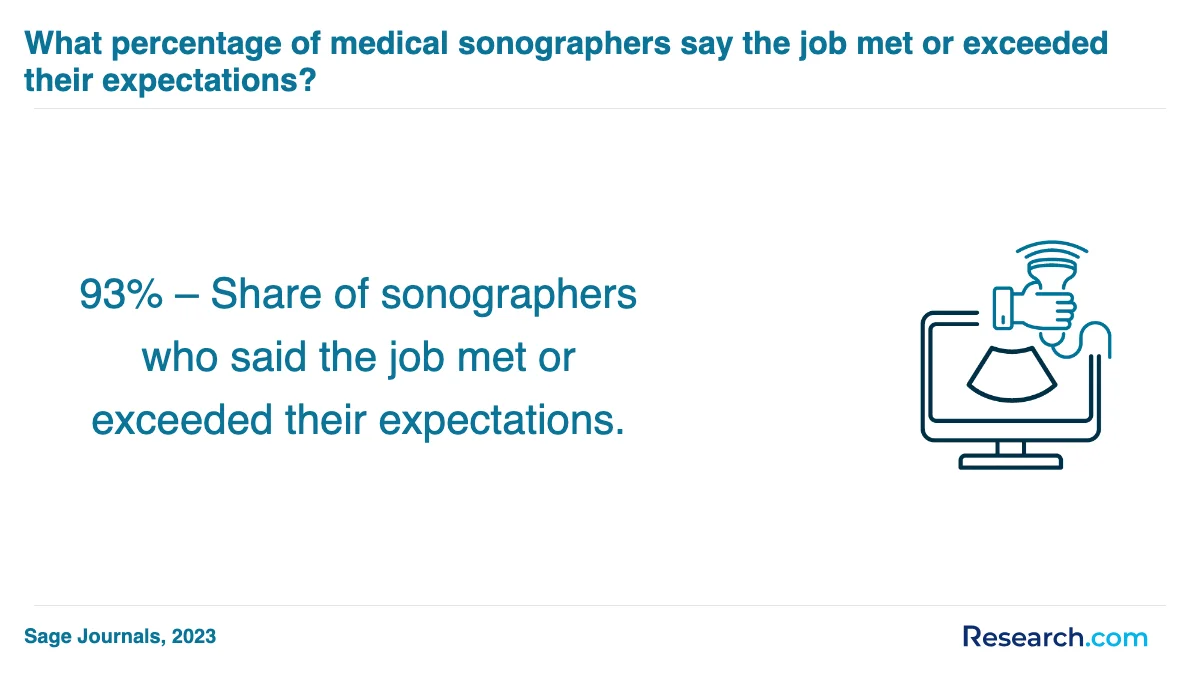
Graduates from medical sonographer trade school programs in New York jump into a variety of exciting roles right after finishing their studies. Many start as Diagnostic Medical Sonographers or ultrasound technicians, working in busy hospitals, private clinics, or specialized imaging centers where their skills directly impact patient care. They often describe the thrill of seeing an ultrasound image clearly reveal critical health info-making their work feel truly rewarding.
As they gain experience, these grads explore medical sonography career opportunities in New York by specializing in fields like obstetrics and gynecology, vascular sonography, or echocardiography. Specialization often leads to certifications that open doors to higher-paying jobs or leadership roles in imaging departments.
Advancement options for sonographers in New York aren't limited to clinical work. Some graduates love transitioning into roles such as sonography educators, clinical trainers, or even ultrasound equipment sales reps, combining their hands-on expertise with teaching or business. Many trade school alumni highlight how continuing education boosts their career growth and salary potential-something you can also check out by looking into ultrasound technician pay.
The job outlook for medical sonographers in New York is promising, especially for those coming from well-known trade schools in the state. Graduates often share how their training directly connects them to opportunities in hospitals and outpatient clinics throughout New York City. They report steady demand, with New York showing a 27% job growth expected through 2032 and about 700 new openings every year. This steady stream of medical sonographer employment opportunities New York wide means that skilled graduates can anticipate finding roles not only as general sonographers but also in specialized fields like cardiac or vascular imaging.
Many grads appreciate that despite the market being competitive, the high average hourly wage-over $44-makes the effort worthwhile. Trade school alumni often mention hands-on training and local networking as key advantages that helped them land jobs quickly. If you're exploring options, it's worth checking out what is the easiest medical degree programs to find a path that suits you, combining solid skills with a strong job market.
Best Diagnostic Medical Sonographer Training Programs & Trade Schools - Top Sonography Schools in New York for 2026
# 1 position
Hudson Valley Community College - Diagnostic Medical Sonography/Sonographer and Ultrasound Technician.
certificate or diplomaHudson Valley Community College offers a fully online Diagnostic Medical Sonography/Sonographer and Ultrasound Technician program. This program trains students to use medical ultrasound techniques for diagnosing various conditions, including instruction in patient care, data recording, and sonography equipment operation. The annual in-state tuition is $6,694. Graduates earn a median salary of $69,242 one year after completion. The program is accredited by the Middle States Commission on Higher Education.
# 2 position
SUNY College of Technology at Alfred - Diagnostic Medical Sonography/Sonographer and Ultrasound Technician.
associateThe Diagnostic Medical Sonography/Sonographer and Ultrasound Technician program at SUNY College of Technology at Alfred offers a hybrid format with some distance education. It trains students to use medical ultrasound to diagnose various conditions, including patient care, sonographic data processing, and equipment operation. The program is accredited by the Middle States Commission on Higher Education. Annual in-state tuition is $8,862, and median earnings one year after completion are $58,013.
# 3 position
Mandl School-The College of Allied Health - Diagnostic Medical Sonography/Sonographer and Ultrasound Technician.
associateThe Diagnostic Medical Sonography/Sonographer and Ultrasound Technician program at Mandl School-The College of Allied Health offers a hybrid learning format. The curriculum trains students to operate sonography equipment and analyze sonographic data to diagnose medical conditions. Instruction covers patient care, data integration, and professional ethics. Annual in-state tuition is $21,200. Graduates earn a median salary of $63,403 one year after completing the program. The program is accredited by the Accrediting Bureau of Health Education Schools.
# 4 position
Monroe College - Diagnostic Medical Sonography/Sonographer and Ultrasound Technician.
associateMonroe College offers a Diagnostic Medical Sonography/Sonographer and Ultrasound Technician program with a hybrid format, including some distance education. The program trains students to use medical ultrasound to diagnose conditions, covering patient care, data processing, and professional ethics. Annual in-state tuition is $17,922. Graduates earn a median salary of $37,705 one year after completion. The program is accredited by the Middle States Commission on Higher Education.
# 5 position
Touro University - Diagnostic Medical Sonography/Sonographer and Ultrasound Technician.
associateTouro University offers a Diagnostic Medical Sonography/Sonographer and Ultrasound Technician program with a hybrid format, including some distance-education options. The program trains students under physician supervision to use ultrasound techniques for diagnosing conditions. Instruction covers patient histories, data processing, equipment operation, and professional ethics. Annual in-state tuition is $21,810. The program is accredited by the Middle States Commission on Higher Education.
# 6 position
Rochester Institute of Technology - Diagnostic Medical Sonography/Sonographer and Ultrasound Technician.
certificate or diplomaRochester Institute of Technology offers a hybrid Diagnostic Medical Sonography/Sonographer and Ultrasound Technician program that trains students to use medical ultrasound techniques for diagnosing various conditions. The curriculum covers patient care, sonographic data processing, equipment operation, and professional ethics. Annual in-state tuition is $57,016, and median earnings one year after completion are $65,028. The program is accredited by the Middle States Commission on Higher Education.
# 7 position
Trocaire College - Diagnostic Medical Sonography/Sonographer and Ultrasound Technician.
certificate or diplomaTrocaire College offers a Diagnostic Medical Sonography/Sonographer and Ultrasound Technician program with a hybrid format, allowing some distance education. The program trains students to use medical ultrasound techniques under physician supervision for diagnosing various conditions. Coursework includes patient history review, sonographic data processing, equipment operation, and professional ethics. The annual in-state tuition is $19,820. The program is accredited by the Middle States Commission on Higher Education.
Frequently Asked Questions about medical sonographer
After completing a medical sonographer trade school in New York, preparing for the job market requires focused steps. First, obtaining certification from the American Registry for Diagnostic Medical Sonography (ARDMS) is essential, as most employers prefer or require it. In New York, the Bureau of Labor Statistics (BLS) reports a 14% growth in sonography jobs through 2031, indicating strong demand.
Networking through internships and clinical rotations gained during training improves job prospects. Graduates should also tailor resumes and practice interview skills specific to healthcare settings. Staying current with continuing education ensures compliance with New York State licensing and enhances employability in hospitals, clinics, and diagnostic centers.
Employers in New York seek medical sonographer graduates with a strong foundation in technical skills, including proficiency in operating ultrasound equipment and understanding anatomy. According to the American Registry for Diagnostic Medical Sonography, hands-on experience is essential for accurate imaging.
Communication skills are highly valued, as sonographers must explain procedures clearly to patients and collaborate with healthcare teams. Attention to detail ensures precise diagnostics, which directly impacts patient care quality.
New York's healthcare industry also emphasizes adaptability and critical thinking, given the fast-paced environment and evolving medical technologies. The Bureau of Labor Statistics reports a 12% growth in sonography jobs in New York through 2030, highlighting the demand for well-trained professionals.
Finding internships in New York relevant to medical sonographer trade school programs involves several key steps. Start by contacting the career services department of your chosen school, as many have established partnerships with local hospitals and clinics offering clinical rotations. The New York State Department of Labor reports steady demand for diagnostic medical sonographers, which increases internship availability in urban centers like New York City and Buffalo.
Additionally, professional organizations such as the American Registry for Diagnostic Medical Sonography (ARDMS) provide resources and networking opportunities that can lead to internship placements. Checking hospital and imaging center websites directly for internship postings is also recommended. Networking at healthcare job fairs and using platforms like Handshake can further enhance your search.
Obtaining a medical sonographer trade school diploma in New York significantly enhances career mobility and advancement opportunities. Graduates gain specialized skills recognized by employers statewide, which is crucial in a competitive healthcare market. According to the U.S. Bureau of Labor Statistics, New York employs among the highest numbers of diagnostic medical sonographers nationwide, with a median annual wage exceeding $80,000 as of 2023.
Trade school diplomas often meet the educational requirements to sit for the American Registry for Diagnostic Medical Sonography (ARDMS) certification, a key credential for career progression.
Employers in New York's hospitals and imaging centers prioritize candidates with accredited diplomas, facilitating entry into diverse roles and potential promotions.
Additionally, diploma holders benefit from professional networks and clinical experiences provided by these programs, both instrumental in advancing within the field.
Part-time job opportunities in New York that complement medical sonographer trade school education often include roles in healthcare settings such as hospitals, clinics, and diagnostic imaging centers. Positions like medical assistant, patient care technician, or ultrasound technician aide provide practical experience and exposure to medical imaging technologies.
According to the U.S. Bureau of Labor Statistics, New York employs the highest number of diagnostic medical sonographers nationally, with strong demand for trained professionals. Working part-time in related healthcare roles helps students develop patient interaction skills and familiarity with medical terminology, enhancing their sonography training.
Additionally, some students find part-time work in medical offices or radiology departments, which offers insight into healthcare workflows and administrative support tasks.
To find the best medical sonographer degree program near me, you can utilize resources like Research.com, which provides rankings and information on various academic programs. Near New York, numerous universities and colleges offer accredited diagnostic medical sonography programs, each with unique strengths and specialization options. Attending local university fairs or contacting state health and education departments can also provide valuable insights into program quality and outcomes in the region.
- How To Become A Sonographer - ARDMS https://www.ardms.org/how-to-become-a-sonographer/
- Diagnostic Medical Sonography Degree and Course Requirements https://www.southeasttech.edu/programs/healthcare/diagnostic-medical-sonography/requirements.php
- Diagnostic Medical Sonography https://www.sait.ca/programs-and-courses/diplomas/diagnostic-medical-sonography
- Diagnostic Medical Sonography | BCTC https://bluegrass.kctcs.edu/education-training/program-finder/diagnostic-medical-sonography.aspx
- Diagnostic Medical Sonographers and Cardiovascular Technologists and Technicians : Occupational Outlook Handbook: : U.S. Bureau of Labor Statistics https://www.bls.gov/ooh/healthcare/diagnostic-medical-sonographers.htm
- Diagnostic Medical Sonography https://www.mchs.edu/academics/associate-degrees/diagnostic-medical-sonography/
- Diagnostic Medical Sonography - Ivy Tech Community College https://www.ivytech.edu/programs/all-academic-programs/school-of-health-sciences/diagnostic-medical-sonography/
- Diagnostic Medical Sonography Associate Degree Program https://pmi.edu/on-campus-programs/associate/diagnostic-medical-sonography/
- Diagnostic Medical Sonography - State Fair Community College https://www.sfccmo.edu/academics-programs/areas-of-study/diagnostic-medical-sonography/
- Diagnostic Medical Sonography Associate Degree - Blended https://chartercollege.edu/programs/health-care/diagnostic-medical-sonography-aas/