Best Diagnostic Medical Sonographer Training Programs & Trade Schools - Top Sonography Schools in West for 2026

Co-Founder and Chief Data Scientist
Choosing the right medical sonographer trade school is a crucial step toward a rewarding healthcare career. This article introduces the best programs available in the West for 2026, carefully ranked by the Research.com team of data scientists. Their ranking helps you identify schools that truly stand out, making your decision easier and more confident.
By exploring these top options, you’ll discover programs that offer valuable skills and certifications, opening doors to exciting job opportunities. Investing in your education can lead to a fulfilling and stable future in medical sonography.
Key benefits of finishing medical sonographer trade school in West
- Graduates in the West can expect competitive salaries, with average annual wages around $89,340 nationwide and outpatient care centers offering up to $123,610, reflecting strong demand and rewarding pay.
- Career paths include working in hospitals, outpatient centers, or physicians' offices, with opportunities to specialize and advance, as shown by successful graduates from popular West trade schools.
- Completing an online sonographer trade school offers flexibility and faster entry into the workforce, helping graduates balance life and study while gaining skills needed for high-paying jobs.
- Best Diagnostic Medical Sonographer Training Programs & Trade Schools - Top Sonography Schools in West for 2026
- What can I expect from medical sonographer trade schools in West?
- Where can I work after finishing medical sonographer trade schools in West?
What can I expect from medical sonographer trade schools in West?
When you enroll in a medical sonographer trade school program in the West, expect a hands-on, focused learning experience that mixes classroom lessons with real-world clinical practice. Many programs, like the 18-month Associate in Science at Foothill College, balance anatomy, physiology, and ultrasound physics with lots of time in labs and hospital rotations. Graduates often mention how exciting it is to finally use the imaging equipment themselves, applying what they learned alongside experienced sonographers and doctors.
Students gain exposure to different specialties, including abdomen and vascular sonography, thanks to strong partnerships with local hospitals. This means you'll get to see a variety of cases, making the learning process dynamic and engaging. Many grads talk about the supportive environment and small class sizes, which help build confidence before jumping into the workforce.
By the end, you'll be ready to take the ARDMS certification exam, with programs like Foothill boasting a 100% pass rate. Plus, graduates feel proud stepping into jobs at hospitals, clinics, or mobile imaging units, knowing their training prepared them well for both the tech and patient care sides of the job.
Where can I work after finishing medical sonographer trade schools in West?
After finishing a medical sonographer trade school program in the West, graduates often find themselves with plenty of exciting job options. Many jump into roles at hospitals in big cities like San Francisco or Los Angeles, where the demand for skilled sonographers is high. Others prefer the vibe of outpatient care centers or private clinics, especially those focusing on women's health or cardiology, which can feel more personal and community-oriented.
Some grads talk about how rewarding it is working in diagnostic labs that serve multiple providers-this setup offers variety and a flexible schedule. A few enjoy the hands-on pace of physicians' offices or urgent care centers, supporting doctors directly with patient care. There are even those who take their skills on the road with mobile imaging services, reaching patients in rural areas or nursing homes, which feels like truly making a difference.
Trade schools in the West not only prepare you for these roles but also open doors to full-time, part-time, or per-diem work, fitting different lifestyles perfectly. Many grads feel proud knowing their training sets them up for a broad range of rewarding career paths.
After finishing a medical sonographer trade school program in the West, many graduates find themselves stepping into jobs that pay well above the national average. For example, recent grads from popular trade schools in California or Washington often start with salaries around $65,000 to $75,000 annually, which feels pretty rewarding right out of school. One graduate shared how landing a position in an outpatient care center led to earning about $123,000 a year, which really helped cover living expenses in pricier cities like Seattle or San Francisco.
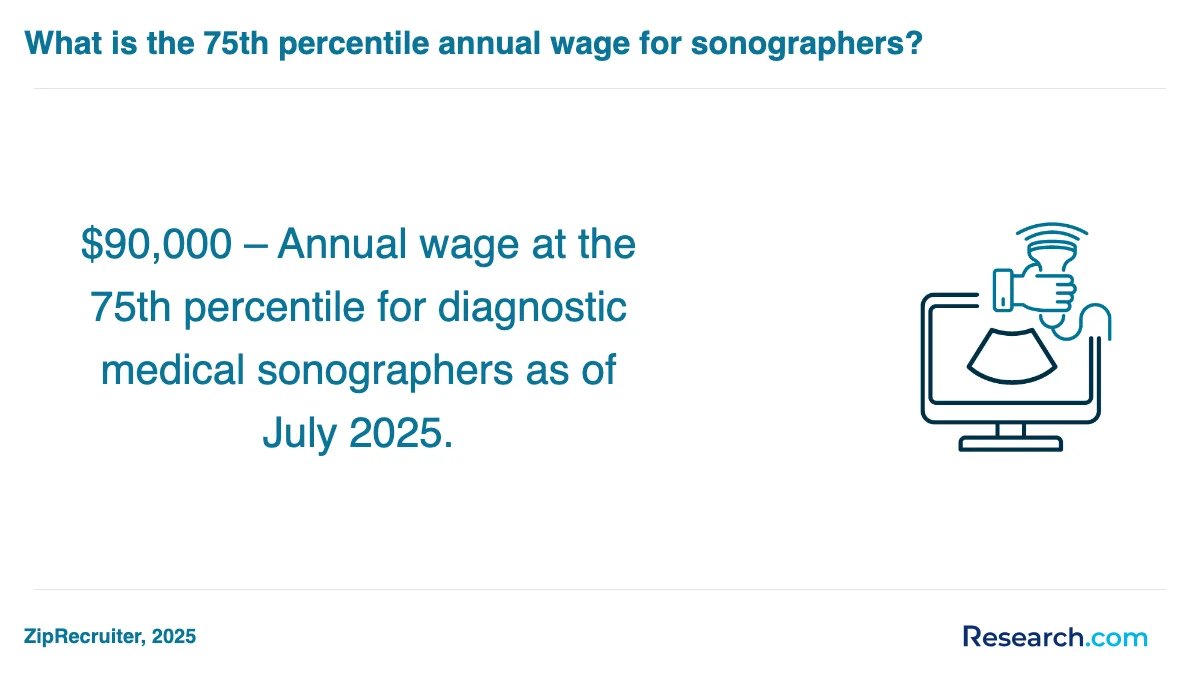
Entry-level roles usually pay closer to the lower end, but with hands-on experience and extra certifications, it's common to see steady increases. Plus, working in hospitals or physicians' offices in the West can offer competitive wages near $90,000 annually. Many grads mention feeling excited about the strong earning potential, especially when factoring in travel assignments that can pay over $3,000 weekly.
- Most medical sonographer trade school programs in the West last between 18 and 24 months and include both classroom and clinical training.
- Applicants need a high school diploma or GED, and some schools require prerequisite courses in math or science.
- Tuition costs typically range from $10,000 to $25,000, not always including textbooks or certification fees.
- Graduates can take national certification exams required by most employers, such as those from the American Registry for Diagnostic Medical Sonography (ARDMS).
- The average starting salary ranges from $75,000 to $85,000 per year, with experienced sonographers earning over $100,000 annually in metro areas.
- Programs include clinical rotations in specialties like abdominal, obstetric, and vascular sonography to ensure hands-on experience.
Most medical sonographer trade school programs in the West usually take about 18 to 24 months to complete. Graduates often share how this timeline feels just right-not too long to get overwhelmed, but enough to gain solid hands-on experience.
At popular trade schools in the region, students quickly get into a routine of classroom learning combined with lab practice. One graduate described their time juggling studies and family, saying the program's pace kept them motivated without burning out. The blend of theory and real-world ultrasound training means you're not just sitting through lectures-you're actively preparing for the job from day one.
Many students appreciate how finishing within two years lets them start working and earning sooner. It's common to hear that completing the program felt like a smooth, manageable journey, especially with supportive instructors who understand the demands of West-based life. If you're aiming to dive into medical sonography without a long wait, these trade schools offer a practical path that fits well with busy schedules.
The main difference between online and on-campus medical sonographer trade school programs in the West comes down to how you learn and get hands-on experience. Graduates from popular West Coast schools often talk about the value of being on campus, where they can practice scanning on real equipment in labs and get immediate feedback from instructors. For example, students at Foothill College find the mix of classroom theory and in-person clinical rotations at Bay Area hospitals really helps them build confidence and skills quickly.
Online programs, while offering flexibility with recorded lectures and interactive modules, still require you to complete clinical hours in person. This means many online or hybrid options ask you to find approved local clinics or hospitals to finish that crucial hands-on training. Some graduates appreciate this flexibility but also mention it can be a bit tricky coordinating placements near home.
Overall, if you want a fully immersive experience with steady support, on-campus programs in the West are a great fit. If your schedule needs more flexibility, hybrid online options can work-but expect to get out there for clinical practice.
The average cost of medical sonographer programs in the Western United States varies depending on the school and program length, but many students find that tuition fees for sonography trade schools in Western states fall within a manageable range. For example, graduates from Bellevue College in Washington often mention paying about $4,000 per quarter in tuition as residents, which adds up but is considered affordable given the quality of education. Tacoma Community College students report similar tuition fees, around $3,500 per quarter, helping many balance costs with their busy lives.
In Nevada, tuition rates can be a bit higher, typically ranging from $5,000 to $15,000 per year. Many graduates here say the investment feels worth it once they land good jobs, especially after considering financial aid options like scholarships or federal loans. Keep in mind, though, that these figures usually don't cover extra costs-things like textbooks, equipment, and other fees-so budgeting a bit more is wise.
Several graduates recommend looking into not only tuition but also program accreditation and career support. If you want to explore alternatives or more flexible options, some find easy online medical degree programs helpful for juggling studies with work or family commitments. Whatever path you choose, knowing these costs upfront makes planning much easier and gives you confidence on your journey.
If you're looking to study medical sonography in the West, financial aid can really lighten the load. Many students start by filling out the FAFSA to see if they qualify for federal aid like the Pell Grant-last year, it could cover up to $6,895 of your costs. Some graduates from popular trade schools in Oregon and California talk about how state grants, like California's Cal Grant or Oregon's tuition-free programs at community colleges, made a big difference when paying for classes.
On top of that, schools themselves often offer scholarships or payment plans. For example, students at the Oregon Institute of Technology mention feeling relieved when they received institutional scholarships or landed federal work-study positions that helped them earn while they learned. Professional groups like the Society of Diagnostic Medical Sonography also provide scholarships just for sonography students, which can feel like a real boost when you're juggling expenses.
And don't forget-some employers in the West even offer tuition reimbursement if you agree to work for them after you graduate, which many students find super motivating and reassuring.
When you're gearing up to enroll in a medical sonographer trade school program in the West, there are a few key prerequisites you'll want to keep in mind. Most programs expect you to have a high school diploma or GED-this is the basic foundation. Beyond that, schools often look for a background in science and math, so if you enjoyed biology or anatomy in high school, you're already a step ahead.
Graduates from popular trade schools in the West often mention how helpful it was to brush up on communication skills too, since sonographers need to explain procedures clearly and compassionately to patients. Some programs may also require you to pass a basic health screening or immunization check, ensuring you're ready for clinical settings.
Here's a quick checklist based on common prerequisites:
- High school diploma or GED
- Basic understanding of biology and math
- Strong communication skills
- Health screenings or immunizations
One graduate shared how the hands-on labs at their West Coast trade school helped them feel confident, but they emphasized that meeting these prerequisites really made starting the program smoother and less stressful. If you're excited about helping others and comfortable with science, you're already on the right path!
When you enroll in a medical sonographer trade school in the West, expect a well-rounded mix of courses that prepare you for real-world success. Many graduates from popular Western trade schools share how foundational classes like anatomy and physiology really helped them understand the body's inner workings, making later ultrasound techniques click much easier.
Here's a quick look at the core courses you'll likely take:
- Prerequisites like general physics to grasp how ultrasound waves work
- Medical terminology to speak the language of healthcare confidently
- Professional-level classes such as ultrasound physics and sonographic procedures focused on scanning abdominal, obstetric, gynecological, and vascular areas
- Hands-on labs for real experience with ultrasound machines
- Patient care courses covering safety and effective communication in clinical settings
One graduate from a well-known West Coast program recalls how clinical rotations in local hospitals, where they spent over 30 hours observing and practicing under expert supervision, made them feel ready and confident on day one of their job. This blend of classroom learning and real patient interaction is what makes these programs so rewarding and effective.
If you're exploring medical sonography specializations in Western trade schools, you'll find a variety of focused paths to suit different interests and career goals. For instance, many graduates from North-West College in California rave about their hands-on experience in abdominal sonography. They get plenty of practice imaging organs like the liver and kidneys, which makes their transition into real clinical settings smoother and boosts their confidence.
Others who gravitate toward cardiovascular and abdominal sonography programs in California often share how rewarding it is to master both areas. Schools like Smith Chason College offer specialized tracks in cardiac sonography, where students learn to perform echocardiograms that help detect heart conditions-an essential skill given the demand for heart health specialists.
On top of that, many programs offer vascular sonography courses, teaching students to identify blood flow issues and vascular diseases. These practical skills open doors to exciting job opportunities right after graduation. Plus, thanks to accredited programs that meet standards for certification, students feel well-prepared and optimistic about the future.
Curious about quick healthcare credentials? Many students check out the highest paid 2 year medical degrees to find pathways that balance speed and salary well.
When choosing among the best medical sonographer programs in Western United States, accreditation is a must-have. Graduates from programs like Weatherford College often share how knowing their school met CAAHEP standards gave them confidence walking into clinical rotations. Speaking of hands-on experience, programs that provide robust clinical training-like those at West Coast Ultrasound Institute-help students gain real-world skills by working closely with patients. It's not just about learning but actually doing, which makes all the difference once you start your career.
Flexibility and location matter too. Many students juggling jobs or family love programs with evening classes or campuses near major hospitals, such as the Perry Health Sciences Campus at Wake Technical Community College. Its proximity to WakeMed creates smooth paths for clinical placements and future jobs. Plus, if you're aiming for certification from ARDMS, picking a program that preps you well-just like Wake Tech's-can make passing the exam feel achievable and even exciting.
Also, keep tuition and financial aid in mind. Some schools in the West offer scholarships or financial support to ease costs. For options that fit your lifestyle and budget, exploring a sonography bachelors degree online may also be worth considering, especially if you want flexibility combined with quality education from top-rated ultrasound technician schools in Western US.
Graduates of medical sonographer trade schools in the West find diverse and rewarding career opportunities. Many start as diagnostic medical sonographers using ultrasound to assist doctors in hospitals or outpatient clinics. Others quickly discover exciting options in advanced sonography specialties in Western states, including cardiac, vascular, obstetrics/gynecology, or musculoskeletal imaging. These pathways often involve extra certifications that build on what students learn at popular trade schools in the region.
Those who've trained in schools around the West share how specializing in areas like vascular technology opened doors to fast-paced hospital roles or outpatient centers. Supervisory positions, such as lead sonographer or imaging department manager, also appeal to graduates eager to step into leadership. Some find themselves teaching future sonographers or contributing to research, fueled by a real passion to improve healthcare.
Graduates also talk about how their clinical skills paved the way to opportunities in medical equipment sales or technical support, where understanding ultrasound tech makes all the difference. For those curious about career opportunities for medical sonographers in the West, exploring certifications beyond basic training can lead to highly valued roles and steady career growth.
For those thinking about how to get started, the guide on how to become an ultrasound technician is a helpful resource packed with practical steps and advice.
The medical sonographer job outlook in California is impressive, reflecting strong demand for graduates from popular Western trade schools. Many graduates share stories of quickly landing jobs in well-equipped hospitals or outpatient centers in cities like Los Angeles and San Francisco. This growth is fueled by a mix of aging populations needing more imaging services and retirements opening up positions.
In fact, graduates often find themselves stepping into rewarding roles with competitive salaries, especially in urban hubs. Some have noted that rural areas, while quieter, often come with attractive perks such as higher pay or sign-on bonuses, making those locations a solid option as well.
Here's what many feel makes the West stand out:
- Over 500 new sonographer jobs open annually in California alone through 2032
- Employment opportunities not only in hospitals but also outpatient facilities and physician offices
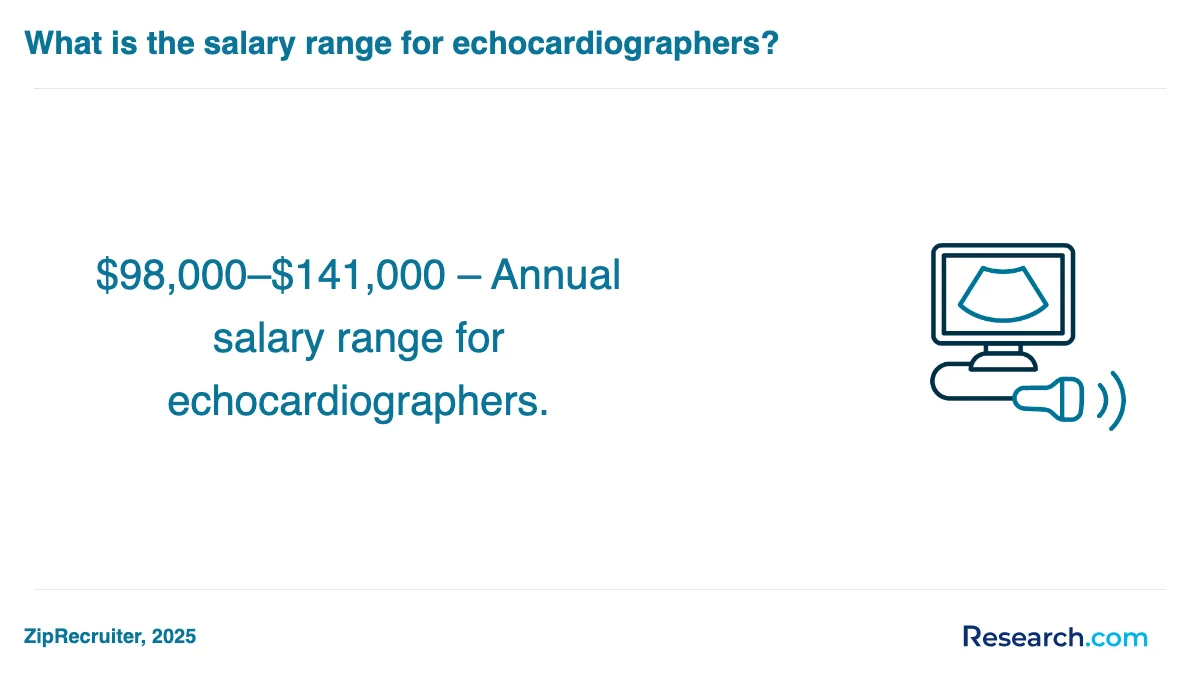
- Starting salaries between $60,000 and $75,000, with potential to earn $90,000+
For those curious about diagnostic medical sonographer employment in Western states, the region's robust healthcare infrastructure offers a promising landscape. Curious about how much do ultrasound techs make? Understanding this helps many trade school grads feel confident in their career choice, knowing their skills are in demand and well-compensated in the West. This real-life market demand makes pursuing a sonography trade program here feel like an investment that truly pays off.
Best Diagnostic Medical Sonographer Training Programs & Trade Schools - Top Sonography Schools in West for 2026
# 1 position
Foothill College - Diagnostic Medical Sonography/Sonographer and Ultrasound Technician.
associateFoothill College offers a Diagnostic Medical Sonography/Sonographer and Ultrasound Technician program with a hybrid format. The program trains students to use medical ultrasound for diagnosing various conditions, including instruction on patient care, data processing, and professional ethics. Annual in-state tuition is $1,565. Graduates earn a median salary of $107,048 one year after completion. The program is accredited by the Western Association of Schools and Colleges Accrediting Commission for Community and Junior Colleges.
# 2 position
Red Rocks Community College - Diagnostic Medical Sonography/Sonographer and Ultrasound Technician.
associateRed Rocks Community College offers a Diagnostic Medical Sonography/Sonographer and Ultrasound Technician program with a hybrid format, including some distance education. The program prepares students to use ultrasound technology for diagnostic purposes under physician supervision. It covers patient care, sonographic data processing, and professional ethics. Annual in-state tuition is $4,707. Graduates earn a median of $104,021 one year after completion. The program is accredited by the Higher Learning Commission.
# 3 position
Red Rocks Community College - Diagnostic Medical Sonography/Sonographer and Ultrasound Technician.
certificate or diplomaRed Rocks Community College offers a hybrid Diagnostic Medical Sonography/Sonographer and Ultrasound Technician program preparing students to use ultrasound techniques for medical diagnosis. The curriculum covers patient care, sonographic data processing, and equipment operation under physician supervision. Accredited by the Higher Learning Commission, the program charges $4,707 annual in-state tuition. Graduates earn a median of $104,021 one year after completion.
# 4 position
Bellevue College - Diagnostic Medical Sonography/Sonographer and Ultrasound Technician.
associateBellevue College offers a Diagnostic Medical Sonography/Sonographer and Ultrasound Technician program with a hybrid format, including some distance education. The program trains students to use ultrasound techniques for diagnosing medical conditions under physician supervision. Coursework covers patient care, sonographic data processing, and equipment operation. Annual in-state tuition is $4,305. Graduates have a median earning of $79,877 one year after completion. The program is accredited by the Northwest Commission on Colleges and Universities.
# 5 position
Bellevue College - Diagnostic Medical Sonography/Sonographer and Ultrasound Technician.
certificate or diplomaBellevue College offers a Diagnostic Medical Sonography/Sonographer and Ultrasound Technician program with a hybrid format, allowing some distance education. The program trains students to perform medical ultrasound techniques for diagnostic purposes, including patient care, data processing, and equipment operation. Annual in-state tuition is $4,305. Graduates have a median earning of $79,877 one year after completion. The program is accredited by the Northwest Commission on Colleges and Universities.
# 6 position
Laramie County Community College - Diagnostic Medical Sonography/Sonographer and Ultrasound Technician.
associateLaramie County Community College offers a hybrid Diagnostic Medical Sonography/Sonographer and Ultrasound Technician program. The curriculum trains students to use ultrasound technology for diagnostic purposes under physician supervision, covering patient care, data recording, and sonography equipment operation. Annual in-state tuition is $4,613. Graduates earn a median salary of $64,082 one year after completion. The program is accredited by the Higher Learning Commission.
# 7 position
Tacoma Community College - Diagnostic Medical Sonography/Sonographer and Ultrasound Technician.
associateTacoma Community College offers a hybrid Diagnostic Medical Sonography/Sonographer and Ultrasound Technician program that trains students to use ultrasound technology for medical diagnosis. The curriculum covers patient care, sonographic data collection, and equipment operation under physician supervision. Annual in-state tuition is $4,920. Graduates earn a median salary of $73,435 one year after completion. The program is accredited by the Northwest Commission on Colleges and Universities.
# 8 position
College of Southern Nevada - Diagnostic Medical Sonography/Sonographer and Ultrasound Technician.
associateThe College of Southern Nevada offers a hybrid Diagnostic Medical Sonography/Sonographer and Ultrasound Technician program that prepares students to perform medical ultrasound techniques under physician supervision. The curriculum covers patient care, data collection, sonographic processing, and professional ethics. Annual in-state tuition is $4,110. Graduates have median earnings of $64,976 one year after completion. The program is accredited by the Northwest Commission on Colleges and Universities.
# 9 position
Spokane Community College - Diagnostic Medical Sonography/Sonographer and Ultrasound Technician.
associateSpokane Community College offers a Diagnostic Medical Sonography/Sonographer and Ultrasound Technician program with a hybrid format, including some distance education. The program trains students to use ultrasound technology to collect sonographic data for diagnosing medical conditions, covering patient care, data processing, and professional ethics. The annual in-state tuition is $4,057. Graduates earn a median salary of $63,228 one year after completion. The program is accredited by the Northwest Commission on Colleges and Universities.
# 10 position
Orange Coast College - Diagnostic Medical Sonography/Sonographer and Ultrasound Technician.
associateOrange Coast College offers a hybrid Diagnostic Medical Sonography/Sonographer and Ultrasound Technician program that trains students to use medical ultrasound technology for diagnosis under physician supervision. The curriculum covers patient care, sonographic data collection, equipment operation, and professional ethics. The program is accredited by the Western Association of Schools and Colleges Accrediting Commission for Community and Junior Colleges. Annual in-state tuition is $1,208, and median earnings one year after completion are $68,484.
Frequently Asked Questions about medical sonographer
After completing a medical sonographer trade school in West, preparing for the job market involves several key steps. First, obtaining certification through the American Registry for Diagnostic Medical Sonography (ARDMS) is crucial, as most employers in West require it. According to the Bureau of Labor Statistics, certified sonographers in this region earn a median annual wage of approximately $75,000.
Networking through local healthcare facilities and attending regional job fairs can increase employment opportunities. Additionally, gaining hands-on experience via internships or externships during training enhances practical skills and employability. Staying updated with continuing education ensures compliance with evolving medical imaging technologies and standards.
Employers in West seek several key skills when hiring medical sonographer trade school graduates. Technical proficiency with ultrasound equipment is essential, as accurate imaging directly impacts patient diagnosis. According to the U.S. Bureau of Labor Statistics, attention to detail and strong hand-eye coordination are critical for producing clear sonograms.
Communication skills are highly valued, enabling sonographers to explain procedures clearly and interact compassionately with patients. Additionally, employers favor candidates with knowledge of anatomy, physiology, and medical terminology, which supports accurate image interpretation.
Many healthcare facilities in West report that graduates who demonstrate adaptability and teamwork perform best in clinical environments, reflecting findings from the American Registry for Diagnostic Medical Sonography (ARDMS).
Finding internships relevant to medical sonographer trade school programs in West involves several key steps. First, students should consult their school's career services, as many trade schools maintain partnerships with local hospitals and clinics. These institutions often offer clinical placements essential for hands-on experience.
Additionally, students can explore opportunities through professional organizations such as the Society of Diagnostic Medical Sonography (SDMS), which lists internships and externships nationwide, including in West. According to the Bureau of Labor Statistics, clinical experience is critical for certification, so securing an internship within West's healthcare facilities is crucial.
Networking with local healthcare providers and attending regional job fairs can also help uncover internship openings. Many West hospitals require sonographer interns to complete background checks and immunizations, so preparing these documents early is advisable.
In West, earning a diploma from a medical sonographer trade school significantly enhances career mobility and advancement opportunities. According to the Bureau of Labor Statistics, diagnostic medical sonographers in the region enjoy a projected job growth rate of about 17% through 2030, well above the national average. This growth is partly driven by increased demand for non-invasive diagnostic techniques.
A diploma provides essential clinical skills and certification eligibility, which employers in West highly value. Graduates often find access to entry-level positions in hospitals, clinics, and imaging centers, creating a foundation for upward movement into specialized roles or supervisory positions.
Moreover, trade school diplomas shorten the time to enter the workforce compared to traditional degrees, allowing students to start earning sooner. This can improve social mobility by enabling faster financial stability. Industry reports from the American Registry for Diagnostic Medical Sonography (ARDMS) emphasize that certification obtained post-diploma boosts credibility and salary potential in West's competitive healthcare market.
Students enrolled in medical sonographer trade schools in West often seek part-time jobs that enhance their practical skills and complement their studies. Common opportunities include working as ultrasound technician assistants or medical imaging aides in hospitals and outpatient clinics. These roles provide hands-on experience with imaging equipment and patient interaction, crucial for skill development.
Additionally, some students find part-time positions in medical offices assisting with scheduling and patient preparation, which helps them understand clinical workflows. According to the U.S. Bureau of Labor Statistics, healthcare support jobs in West are expected to grow by 15% through 2030, reflecting ample opportunities.
Such roles not only supplement income but also strengthen resumes for future sonographer positions.
Yes, there are reputable medical sonographer degree programs available near West that offer comprehensive training for aspiring sonographers. Many universities, community colleges, and specialized institutes cater to students seeking such programs, and they can often be found by searching with terms like "medical sonography programs near me." Utilizing resources such as Research.com can help identify top-rated programs near West, ensuring prospective students can find schools that match their educational needs and career goals.
- How To Become A Sonographer - ARDMS https://www.ardms.org/how-to-become-a-sonographer/
- Diagnostic Medical Sonography Degree and Course Requirements https://www.southeasttech.edu/programs/healthcare/diagnostic-medical-sonography/requirements.php
- Diagnostic Medical Sonography https://www.sait.ca/programs-and-courses/diplomas/diagnostic-medical-sonography
- Diagnostic Medical Sonography | BCTC https://bluegrass.kctcs.edu/education-training/program-finder/diagnostic-medical-sonography.aspx
- Diagnostic Medical Sonographers and Cardiovascular Technologists and Technicians : Occupational Outlook Handbook: : U.S. Bureau of Labor Statistics https://www.bls.gov/ooh/healthcare/diagnostic-medical-sonographers.htm
- Diagnostic Medical Sonography https://www.mchs.edu/academics/associate-degrees/diagnostic-medical-sonography/
- Diagnostic Medical Sonography - Ivy Tech Community College https://www.ivytech.edu/programs/all-academic-programs/school-of-health-sciences/diagnostic-medical-sonography/
- Diagnostic Medical Sonography Associate Degree Program https://pmi.edu/on-campus-programs/associate/diagnostic-medical-sonography/
- Diagnostic Medical Sonography - State Fair Community College https://www.sfccmo.edu/academics-programs/areas-of-study/diagnostic-medical-sonography/
- Diagnostic Medical Sonography Associate Degree - Blended https://chartercollege.edu/programs/health-care/diagnostic-medical-sonography-aas/