
Most Affordable Diagnostic Medical Sonographer Schools & Training - Budget-Friendly Sonography Trade Programs in Michigan for 2026

Co-Founder and Chief Data Scientist
Choosing the right medical sonographer trade school in Michigan can be challenging, but this article is here to help. We present a detailed ranking of medical sonographer trade school programs developed by the Research.com team of data scientists. This ranking aims to guide you in making a well-informed decision about which programs truly stand out.
Reading this article will give you valuable insights into affordable options that offer quality education. Earning a diploma or certification in this field opens doors to a rewarding healthcare career with strong job prospects.
Key benefits of finishing medical sonographer trade school in Michigan
- Graduates of medical sonographer trade schools in Michigan can expect competitive salaries, with averages around $58.74 per hour or approximately $116,064 annually, offering a strong financial start.
- Career paths include roles such as diagnostic medical sonographer or specialized imaging technician, allowing graduates from popular Michigan trade schools to find rewarding and diverse opportunities in healthcare.
- Completing a sonography program online provides flexibility and convenience, as experienced by many online graduates from Michigan schools, making it easier to balance studies with personal commitments while still gaining valuable skills.
- Most Affordable Diagnostic Medical Sonographer Schools & Training - Budget-Friendly Sonography Trade Programs in Michigan for 2026
- What can I expect from medical sonographer trade schools in Michigan?
- Where can I work after finishing medical sonographer trade schools in Michigan?
What can I expect from medical sonographer trade schools in Michigan?
Expect a mix of classroom learning, hands-on lab work, and clinical experience when you enroll in a medical sonographer program in Michigan. Graduates from places like Baker College and Ferris State University often share how demanding yet rewarding the coursework is, especially as you master anatomy, physics, and sonographic techniques.
Programs typically last about two years full-time, requiring around 70-80 credit hours. Some certificate options, such as the one at Ascension Providence Hospital, take about 21 months if you already have healthcare experience. Admission is competitive-Oakland Community College, for example, accepts only about 15 students yearly, so be ready for a serious commitment of 15-20 study hours weekly outside of class.
You'll spend plenty of time in simulated labs before moving to clinical rotations at hospitals, gaining real-world practice under supervision. Many students appreciate the chance to develop professional relationships and communication skills, which are as important as technical ability. Flexibility exists through some online or hybrid courses, but expect most sonography classes to be in-person due to their hands-on nature.
Where can I work after finishing medical sonographer trade schools in Michigan?
After finishing a medical sonographer trade school program in Michigan, many graduates find themselves working in hospitals like those affiliated with Michigan Medicine or Detroit Medical Center. These settings offer vibrant, fast-paced environments where you can assist in radiology or obstetrics departments, gaining hands-on experience with diverse patients. Graduates often share how rewarding it feels to support emergency care teams, knowing their skills directly impact patient outcomes.
Others choose outpatient care centers or diagnostic imaging clinics, which tend to have more predictable hours and allow for deeper patient interaction. Graduates from schools like Baker College appreciate this balance, describing how it fits well with family life while still offering professional growth. Physician offices specializing in cardiology or gynecology also hire sonographers, providing steady roles focused on ongoing patient care.
Some graduates enjoy the variety and flexibility of mobile imaging services, traveling to rural communities or different clinics. This path appeals to those who love meeting new people and adapting to changing environments. Trade school alumni often mention how this role keeps their work exciting and meaningful.
After finishing a medical sonographer trade school program in Michigan, you can expect to earn a competitive salary that reflects your skills and training. Graduates often start around $103,532 per year, which is quite encouraging for those fresh out of programs at popular Michigan schools. Many find this starting point motivating, especially when they hear about peers earning even more as they gain experience.
Some graduates from well-known trade schools in Michigan share that their hourly wage begins near $35.33, with the potential to grow up to about $37.69 per hour as they refine their expertise. Imagine working full-time and bringing home roughly $95,888 annually right after school-this financial stability helps many newly certified sonographers feel confident about their career choice.
As you advance, certified roles like Registered Diagnostic Medical Sonographer I can earn between $73,000 and $92,600 annually. Many graduates appreciate how additional certifications and experience unlock higher pay, turning this career path into a rewarding journey both personally and financially.
- Accredited programs in Michigan typically award an Associate of Science Degree in Diagnostic Medical Sonography after two years of full-time study.
- Applicants usually need a high school diploma or GED, prerequisite courses in math, biology, and physics, and a minimum GPA of around 3.0 in core subjects.
- Tuition ranges from about $8,000 to $10,000, not including textbooks or additional fees like application or lab charges.
- Graduates must pass the ARDMS national certification exam to become Registered Diagnostic Medical Sonographers, which is preferred or required by most employers in Michigan.
- Starting salaries for new medical sonographers in Michigan range from $54,000 to $64,000 annually, with experienced professionals earning $75,000 or more.
Completing a medical sonographer trade school program in Michigan typically takes about 18 to 24 months. Many graduates from well-known Michigan trade schools share how this timeframe fits well with their busy lives, allowing them to balance studies with part-time work or family commitments. For example, students at popular schools often describe the experience as intense but rewarding, with hands-on clinical training squeezing in real-world skills alongside classroom learning.
One graduate recalled how the structured schedule helped maintain motivation, knowing each semester brought them closer to starting a fulfilling career. The focused curriculum in Michigan's trade schools emphasizes practical skills, so students quickly gain confidence operating ultrasound equipment in clinical settings. This practical approach often makes the program feel shorter than expected, as students connect theory directly with patient care.
For those considering this path, the relatively short duration combined with a strong support system at Michigan trade schools creates an encouraging environment. It's common to hear how the timely completion opens doors to well-paying jobs, fueling excitement about entering the healthcare field without years of delay.
The main difference between online and on-campus medical sonographer trade school programs in Michigan is how you gain hands-on experience. Graduates from on-campus programs at schools like Baker College of Owosso or Ferris State University often share how valuable it was to work directly with ultrasound machines during lab sessions. Being in a physical classroom gave them immediate feedback from instructors and the chance to practice skills alongside classmates, which built their confidence.
On the other hand, students who took online classes appreciated the flexibility of studying theory on their own schedule, especially through Baker Online or OnlineLive courses. However, they still had to attend in-person clinical rotations at local sites to develop practical skills. Many found this hybrid approach helpful, balancing work or family commitments with essential hands-on training.
In Michigan, clinical experience can't be skipped; it's a must for certification. So, whether you choose online or on-campus, expect to spend significant time in real-world sonography settings to become fully prepared and confident in your skills.
The average cost of medical sonographer programs in Michigan typically ranges between $5,000 and $40,000, depending on the school, residency status, and program length. Graduates from Lake Michigan College, for example, often recall their tuition fees being around $8,008 for in-district students, while in-state and out-of-state students faced higher tuition fees of $12,743 and $18,634 respectively. These tuition fees for sonography schools in Michigan demonstrate how crucial it is to consider your residency status early on.
Students at Lansing Community College share a similar experience, with tuition ranging from $7,875 for in-district students to $23,625 for out-of-state learners. Many alumni emphasize the emotional relief they felt once they were able to manage these costs through scholarships or financial aid. Henry Ford Health's Diagnostic Medical Sonography Program in Detroit charges about $8,000 for its 24-month duration, while Ascension Providence Hospital offers a 21-month program costing $9,000 in tuition. These figures give a realistic snapshot of what to expect when budgeting for your education.
It's also important to remember that tuition is just part of the total expense. Graduates often mention additional costs such as textbooks-which at Lake Michigan College can be about $800 in the first semester-and other essential fees like uniforms and certification exams. Despite these added expenses, persevering through the financial challenges pays off, especially when you consider the rewarding career ahead and the potential for ultrasound technician pay that reflects your hard work and dedication.
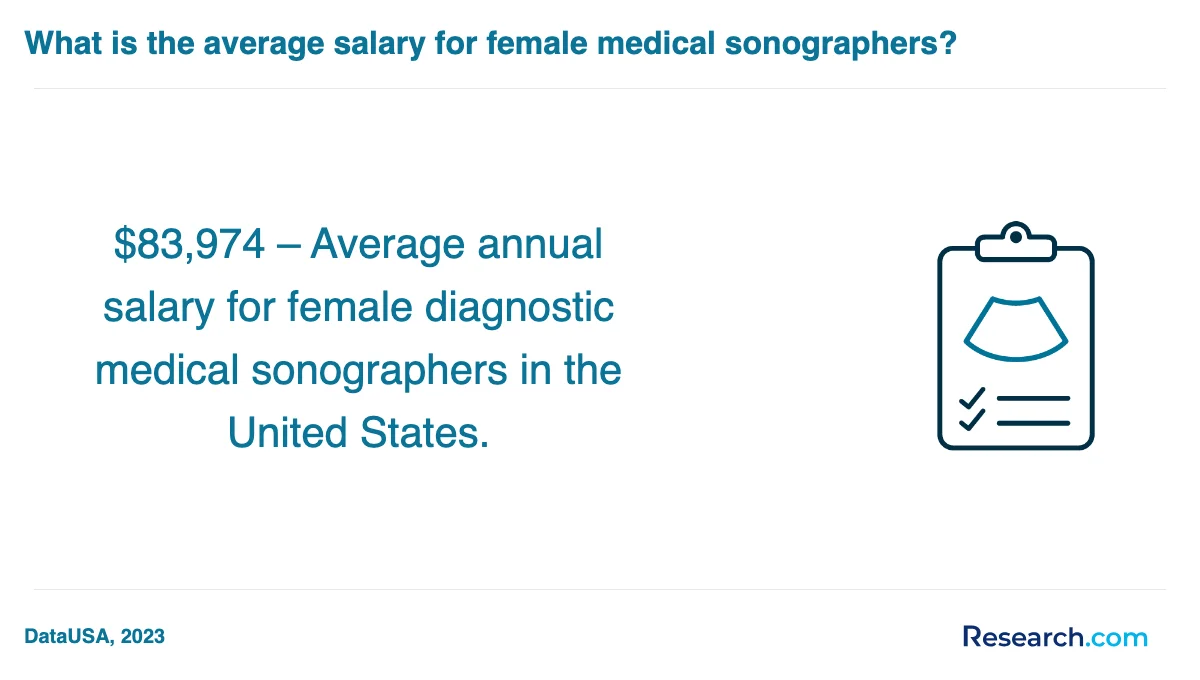
Many medical sonographer students in Michigan rely on federal financial aid, which often makes a huge difference in managing tuition costs. Completing the FAFSA unlocks access to Pell Grants-up to $6,895 for eligible students-and sometimes Federal Supplemental Educational Opportunity Grants (FSEOG), though not every sonography program participates. Graduates from popular Michigan trade schools often share how receiving these grants eased their financial stress during training.
State-specific aid is another key resource. The Michigan Student Aid program offers scholarships and grants for residents attending in-state schools, rewarding both financial need and academic achievement. Students at well-known community colleges in Michigan have found these awards especially helpful, creating a sense of relief and motivation to succeed.
Institutional scholarships tailored to allied health fields, including sonography, further support students. These scholarships can be merit- or need-based, and some schools even offer flexible payment plans, allowing students to focus more on learning and less on finances.
Professional organizations like the SDMS Foundation provide scholarships, such as $2,500 awards for advanced students with work experience, which many Michigan students have gratefully used to cover books and fees.
Lastly, some healthcare employers in Michigan offer tuition reimbursement for employees pursuing sonography credentials, which graduates working while studying often praise as a game-changer for balancing work and education.
To enroll in a medical sonographer trade school program in Michigan, you'll typically need a high school diploma or GED. Many schools emphasize strong foundations in science and math, so having completed courses like biology, anatomy, and algebra can really set you up for success.
Graduates from popular Michigan trade schools often share how meeting these prerequisites helped them feel confident from day one. For example, they highlight that being comfortable with detailed study and technical equipment was crucial as they moved through the hands-on training.
Other common prerequisites include:
- Passing a background check and drug screening
- Basic computer skills for managing patient records and imaging software
- Physical ability to stand for long periods and assist patients
Some programs in Michigan also recommend or require healthcare experience or CPR certification, which can be gained through volunteer work or entry-level medical jobs. These steps help you build empathy and familiarity with clinical environments, making the transition smoother.
Think of these prerequisites not as barriers but as your first steps toward a rewarding career where you'll help patients every day. Many students find that preparing ahead gives them a real boost of confidence and excitement as they start their sonography journey.
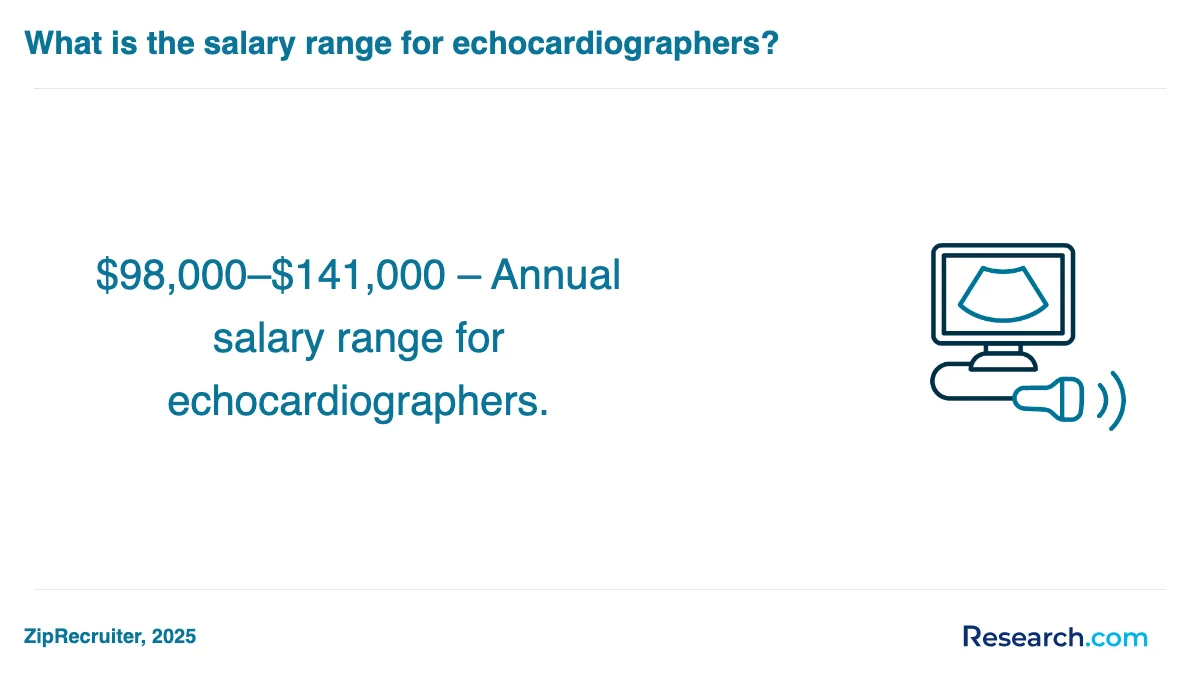
In medical sonographer trade school programs in Michigan, you'll dive straight into foundational courses that build your confidence and competence. Graduates from schools like Ferris State University and Baker College often recall how mastering anatomy, physiology, physics, and medical terminology gave them a solid base to understand the human body and ultrasound technology deeply.
Typical courses include:
- Sonography Theory and Practice: Learn the principles of ultrasound imaging and patient care, crucial for real-world scanning situations.
- Sonography Principles and Instrumentation: Focus on ultrasound physics and equipment handling, helping you optimize image quality.
- Cross-Sectional Anatomy: Develop skills to identify anatomical structures clearly, a must-have for accurate diagnosis.
- Abdominal and OB/GYN Pathological Imaging: Specialize in imaging critical areas, learning to distinguish normal from abnormal findings.
- Clinical Judgment and Professional Communication: Train to analyze images thoughtfully and communicate results confidently with physicians.
Many graduates share how hands-on lab sessions and clinical rotations at places like Detroit Medical Center made learning exciting and tangible-transforming theory into real patient care. This blend of courses molds you into a skilled, compassionate sonographer ready to make an impact.
Medical sonographer trade school programs in Michigan offer various specializations that cater to different interests and healthcare needs. Graduates often mention the rewarding experience of focusing on specific areas such as:
- General Sonography: providing broad diagnostic imaging skills for multiple body parts.
- Cardiac Sonography: specializing in heart imaging, a challenging yet fulfilling concentration often available at schools like Jackson College.
- Vascular Sonography: focusing on blood vessels, critical for detecting circulatory system disorders.
- Obstetric and Gynecologic Sonography: helping expectant mothers by monitoring fetal health, a popular choice for those passionate about women's health.
- Abdominal Sonography: covering organs such as the liver and kidneys, a key part of many diagnostic departments.
Programs such as the Associate of Applied Science in Diagnostic Sonography at Baker College integrate Michigan sonography program concentrations like abdominal and obstetric sonography, preparing students for versatile roles. Many graduates appreciate gaining hands-on experience in real clinical settings, boosting their confidence and job readiness.
These medical sonography specializations in Michigan open doors to diverse healthcare roles and reflect the growing demand highlighted in the healthcare occupations list.
When choosing the best medical sonographer trade school program in Michigan, accreditation is non-negotiable. Graduates from CAAHEP-accredited programs at well-known Michigan colleges often share how this credential opened doors for them to pass the ARDMS certification exam smoothly and secure rewarding jobs. These programs blend classroom learning with hands-on clinical rotations, allowing students to confidently operate ultrasound machines in real hospital settings. For example, students appreciate the variety of clinical sites offered, from obstetric to abdominal sonography, which enriches their practical expertise.
Costs can vary widely, so comparing medical sonography school costs in Michigan is crucial. Graduates frequently mention that understanding tuition along with available financial aid helped them avoid surprises and focus on their studies. Flexible scheduling or online coursework options for general education also make it easier to balance life commitments. To explore comprehensive options, consider reviewing the top best diagnostic medical sonography programs available.
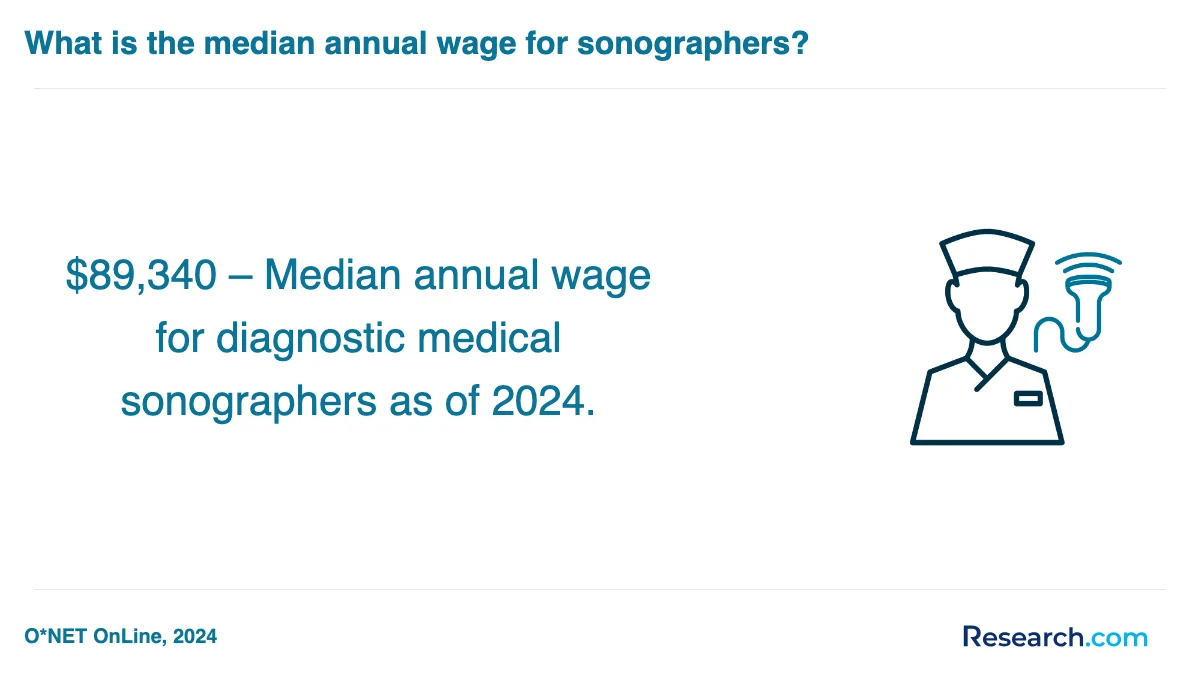
Graduates of medical sonographer trade school programs in Michigan find rich career opportunities for medical sonographers in Michigan across multiple healthcare settings. Many start as diagnostic medical sonographers, performing ultrasound imaging in hospitals, outpatient clinics, or specialized centers affiliated with Michigan Medicine or Henry Ford Health System. Others become Ultrasound Technologists or Obstetric and Gynecology Sonographers, roles highly valued in Detroit, Ann Arbor, and Grand Rapids.
Some graduates opt for travel diagnostic sonographer jobs in Michigan, enjoying flexible assignments with attractive weekly pay. Specializing can boost your career too-common paths include abdominal, vascular, or cardiac sonography, often built on foundational skills from popular trade schools. Experienced sonographers frequently move into supervisory or educational roles or pursue advanced clinical certifications.
Many graduates describe the rewarding daily experience of helping patients and collaborating with physicians. If you're exploring next steps, learning how to be ultrasound technician in Michigan through trade school is a smart move that opens doors.
The medical sonographer job outlook in Michigan remains promising for graduates of local trade schools, especially those who have earned credentials recognized by the American Registry for Diagnostic Medical Sonography (ARDMS). Many graduates from popular Michigan programs find rewarding opportunities in hospitals and outpatient centers around Detroit and Saint Joseph. These locations frequently list over 150 openings, highlighting steady demand even as competition varies by region.
Success stories from recent graduates often emphasize the advantages of specializing in areas like Diagnostic Medical Sonography, OB/GYN, or Vascular Sonography. Employers value such focus, which can lead to quicker job placement and higher salaries. Typical salaries average about $46.12 per hour, with weekly earnings ranging from $1,357 to $2,296 depending on experience and specialization.
Understanding diagnostic medical sonographer employment trends Michigan-wide can help you target your job search strategically. Graduates who pursue travel sonography roles enjoy even higher pay, sometimes exceeding $2,600 weekly. Networking through trade schools and exploring specialty certifications truly expand career potential.
For those entering the field, consistently checking radiology jobs posted in Michigan healthcare settings provides insight into viable openings. Remember, steady retirements and turnover mean new graduates regularly benefit from hiring cycles and growth opportunities.
Most Affordable Diagnostic Medical Sonographer Schools & Training - Budget-Friendly Sonography Trade Programs in Michigan for 2026
# 1 position
Oakland Community College - Diagnostic Medical Sonography/Sonographer and Ultrasound Technician.
associateOakland Community College offers a Diagnostic Medical Sonography/Sonographer and Ultrasound Technician program with a hybrid format, including some distance education. The program trains students to use ultrasound techniques for diagnosing medical conditions, covering patient care, data recording, and sonography equipment operation. Annual in-state tuition is $3,020. Graduates earn a median income of $55,731 one year after completion. The program is accredited by the Higher Learning Commission.
# 2 position
Delta College - Diagnostic Medical Sonography/Sonographer and Ultrasound Technician.
associateDelta College offers a Diagnostic Medical Sonography/Sonographer and Ultrasound Technician program with a hybrid format, combining in-person and distance education. The program trains students to use medical ultrasound techniques under physician supervision to diagnose conditions. Instruction covers patient care, sonographic data processing, and professional ethics. Annual in-state tuition is $4,640. Graduates earn a median salary of $52,791 one year after completion. The program is accredited by the Higher Learning Commission.
# 3 position
Delta College - Diagnostic Medical Sonography/Sonographer and Ultrasound Technician.
certificate or diplomaDelta College offers a Diagnostic Medical Sonography/Sonographer and Ultrasound Technician program with a hybrid format, including some distance education. The curriculum prepares students to perform medical ultrasound techniques for diagnosing various conditions under physician supervision. Instruction covers patient care, sonographic data processing, equipment operation, and professional ethics. The program’s annual in-state tuition is $4,640, and median earnings one year after completion are $52,791. It is accredited by the Higher Learning Commission.
# 4 position
Lake Michigan College - Diagnostic Medical Sonography/Sonographer and Ultrasound Technician.
associateLake Michigan College offers a Diagnostic Medical Sonography/Sonographer and Ultrasound Technician program with a hybrid format, including some distance-education options. The program trains students to use ultrasound techniques for diagnosing medical conditions under physician supervision. Tuition for in-state students is $5,265 annually. Graduates earn a median salary of $57,596 one year after completion. The program is accredited by the Higher Learning Commission.
# 5 position
Lansing Community College - Diagnostic Medical Sonography/Sonographer and Ultrasound Technician.
associateThe Diagnostic Medical Sonography/Sonographer and Ultrasound Technician program at Lansing Community College offers a hybrid format with some distance education. It prepares students to use medical ultrasound techniques for diagnostic purposes under physician supervision. The program includes training in patient care, data recording, and sonography equipment operation. Annual in-state tuition is $4,010. Graduates have a median earning of $62,717 one year after completion. The program is accredited by the Higher Learning Commission.
# 6 position
Lansing Community College - Diagnostic Medical Sonography/Sonographer and Ultrasound Technician.
certificate or diplomaThe Diagnostic Medical Sonography/Sonographer and Ultrasound Technician program at Lansing Community College offers a hybrid format with some distance education options. The program trains students to use medical ultrasound techniques to diagnose various conditions, including instruction in patient care, sonographic data processing, and professional ethics. Annual in-state tuition is $4,010. The program is accredited by the Higher Learning Commission, and median earnings one year after completion are $62,717.
# 7 position
Jackson College - Diagnostic Medical Sonography/Sonographer and Ultrasound Technician.
associateJackson College offers a Diagnostic Medical Sonography/Sonographer and Ultrasound Technician program in a hybrid format with some distance-education options. The program trains students to use ultrasound techniques for diagnosing medical conditions under physician supervision. Instruction covers patient care, data collection, sonographic processing, equipment operation, and professional ethics. Annual in-state tuition is $7,040. Median earnings one year after completion are $48,583. The program is accredited by the Higher Learning Commission.
# 8 position
Schoolcraft Community College District - Diagnostic Medical Sonography/Sonographer and Ultrasound Technician.
associateSchoolcraft Community College District offers a Diagnostic Medical Sonography/Sonographer and Ultrasound Technician program with a hybrid format, allowing some distance education. The program trains students to use medical ultrasound techniques for diagnostic purposes under physician supervision. Coursework covers patient care, sonographic data collection, and equipment operation. Annual in-state tuition is $4,448. The program is accredited by the Higher Learning Commission.
# 9 position
Schoolcraft Community College District - Mammography Technology/Technician.
certificate or diplomaSchoolcraft Community College District offers a Mammography Technology/Technician program designed to prepare registered radiographers for certification as registered mammographers. The hybrid program includes instruction in anatomy and physiology, mammography instrumentation, positioning, principles and procedures, and quality assurance. The program is accredited by the Higher Learning Commission. Annual in-state tuition is $4,448, with some courses available via distance education.
# 10 position
Washtenaw Community College - Mammography Technology/Technician.
certificate or diplomaWashtenaw Community College offers a hybrid Mammography Technology/Technician program designed to prepare registered radiographers to become registered mammographers. The curriculum covers anatomy and physiology, mammography instrumentation, positioning, procedures, and quality assurance. The program is accredited by the Higher Learning Commission. Annual in-state tuition is $2,736. This program includes some distance-education options, providing flexible learning for students pursuing certification in mammography technology.
Frequently Asked Questions about medical sonographer
After completing a medical sonographer trade school in Michigan, preparing for the job market involves several key steps. First, obtaining certification through the American Registry for Diagnostic Medical Sonography (ARDMS) is essential, as many employers require it. According to the U.S. Bureau of Labor Statistics, Michigan's employment for diagnostic medical sonographers is expected to grow faster than average, making certification a valuable asset.
Next, gaining clinical experience through internships or externships offered by schools enhances practical skills and networking opportunities. Joining professional organizations like the Society of Diagnostic Medical Sonography (SDMS) can provide job leads and continuing education.
Finally, tailoring your resume to highlight both technical skills and patient care experience is important to stand out in Michigan's competitive healthcare job market.
Employers in Michigan seek several key skills when hiring graduates from medical sonographer trade schools. Technical proficiency with ultrasound equipment is paramount, as accurate imaging directly impacts patient diagnosis. According to the Michigan Department of Labor and Economic Opportunity, strong knowledge of anatomy and physiology is critical for interpreting sonographic images correctly.
Communication skills are also essential. Sonographers must clearly explain procedures and findings to patients and medical staff. Employers value graduates who demonstrate professionalism and empathy, ensuring patient comfort during scans.
Furthermore, attention to detail and the ability to follow safety protocols are required to maintain high-quality imaging standards and protect patients from unnecessary exposure.
Lastly, familiarity with electronic health records (EHR) systems is increasingly important, as Michigan healthcare facilities rely on digital documentation for patient care coordination.
Finding internships in Michigan relevant to medical sonographer trade school programs involves several strategic steps. Start by consulting your school's career services, as many Michigan trade schools have established partnerships with local hospitals and clinics. The Michigan Society of Diagnostic Medical Sonographers (MSDMS) is a valuable resource; it often posts internship opportunities and networking events.
Additionally, explore major healthcare facilities like the University of Michigan Health System and Henry Ford Health System, which regularly offer clinical internships for sonography students. According to the Bureau of Labor Statistics, Michigan's healthcare sector is growing, increasing internship availability.
Contacting local ultrasound centers directly and attending job fairs focused on healthcare careers can also yield internships. Online platforms such as the American Registry for Diagnostic Medical Sonography (ARDMS) offer guidance on accredited clinical externships suitable for Michigan students.
Obtaining a medical sonographer trade school diploma in Michigan can significantly enhance career mobility and advancement opportunities. The diploma serves as a foundational credential, allowing graduates to meet state requirements for entry-level sonography positions. According to the U.S. Bureau of Labor Statistics, Michigan's demand for diagnostic medical sonographers is expected to grow by 17% through 2031, faster than the average for all occupations.
Graduates with this diploma often qualify for roles in hospitals, clinics, and diagnostic laboratories, providing a clear pathway to higher-paying jobs. Additionally, many employers in Michigan prefer candidates with formal sonography training, which can lead to faster promotions and specialized certifications.
Trade school diplomas also enable graduates to pursue credentials like the ARDMS certification, further boosting their credentials and career prospects within the state's healthcare sector. Overall, the diploma offers a practical and recognized route to professional growth in Michigan's healthcare industry.
Part-time job opportunities in Michigan can significantly complement medical sonographer trade school education by providing practical experience alongside coursework. Positions such as ultrasound technician assistants or medical imaging aides allow students to observe sonography procedures and assist certified professionals. These roles help develop technical skills and familiarity with healthcare environments.
Additionally, roles like patient care assistants or medical receptionists in clinics and hospitals offer valuable exposure to patient interaction and medical workflows. According to the U.S. Bureau of Labor Statistics, Michigan employs over 4,000 diagnostic medical sonographers, indicating steady demand and diverse workplace settings.
Engaging in these part-time jobs enhances resumes and improves readiness for full-time sonographer roles after graduation. Local healthcare facilities and imaging centers often seek part-time support, benefiting students balancing work and study.
There are several affordable medical sonography programs near Michigan, offered by community colleges and universities that provide both certificate and associate's degree options. These programs typically cover the fundamentals of sonographic technology, and courses may include ultrasound physics, anatomy, and equipment operation. To find the most affordable and suitable program near you, Research.com can be a helpful resource for comparing different programs and their offerings.
- Most Affordable Diagnostic Medical Sonographer Schools & Training - Budget-Friendly Sonography Trade Programs in Ohio for 2026
- Most Affordable Diagnostic Medical Sonographer Schools & Training - Budget-Friendly Sonography Trade Programs in Indiana for 2026
- Most Affordable Diagnostic Medical Sonographer Schools & Training - Budget-Friendly Sonography Trade Programs in Wisconsin for 2026
- Most Affordable Diagnostic Medical Sonographer Schools & Training - Budget-Friendly Sonography Trade Programs in Illinois for 2026
- Most Affordable Diagnostic Medical Sonographer Schools & Training - Budget-Friendly Sonography Trade Programs in Minnesota for 2026
- Most Affordable Diagnostic Medical Sonographer Schools & Training - Budget-Friendly Sonography Trade Programs in Pennsylvania for 2026
- Most Affordable Diagnostic Medical Sonographer Schools & Training - Budget-Friendly Sonography Trade Programs in West Virginia for 2026
- Most Affordable Diagnostic Medical Sonographer Schools & Training - Budget-Friendly Sonography Trade Programs in Missouri for 2026
- Most Affordable Diagnostic Medical Sonographer Schools & Training - Budget-Friendly Sonography Trade Programs in New York for 2026
- Most Affordable Diagnostic Medical Sonographer Schools & Training - Budget-Friendly Sonography Trade Programs in North Carolina for 2026
- How To Become A Sonographer - ARDMS https://www.ardms.org/how-to-become-a-sonographer/
- Diagnostic Medical Sonography Degree and Course Requirements https://www.southeasttech.edu/programs/healthcare/diagnostic-medical-sonography/requirements.php
- Diagnostic Medical Sonography https://www.sait.ca/programs-and-courses/diplomas/diagnostic-medical-sonography
- Diagnostic Medical Sonography | BCTC https://bluegrass.kctcs.edu/education-training/program-finder/diagnostic-medical-sonography.aspx
- Diagnostic Medical Sonographers and Cardiovascular Technologists and Technicians : Occupational Outlook Handbook: : U.S. Bureau of Labor Statistics https://www.bls.gov/ooh/healthcare/diagnostic-medical-sonographers.htm
- Diagnostic Medical Sonography https://www.mchs.edu/academics/associate-degrees/diagnostic-medical-sonography/
- Diagnostic Medical Sonography - Ivy Tech Community College https://www.ivytech.edu/programs/all-academic-programs/school-of-health-sciences/diagnostic-medical-sonography/
- Diagnostic Medical Sonography Associate Degree Program https://pmi.edu/on-campus-programs/associate/diagnostic-medical-sonography/
- Diagnostic Medical Sonography - State Fair Community College https://www.sfccmo.edu/academics-programs/areas-of-study/diagnostic-medical-sonography/
- Diagnostic Medical Sonography Associate Degree - Blended https://chartercollege.edu/programs/health-care/diagnostic-medical-sonography-aas/


