2027 Most Affordable Psychology Degree Programs Ranking in Portland

Co-Founder and Chief Data Scientist
Choosing the right psychology degree program in Portland can feel overwhelming, especially when balancing quality and cost. This article introduces the 2027 Most Affordable Psychology Degree Programs Ranking in Portland, crafted by the Research.com team of data scientists to guide you through the best options.
By exploring these affordable programs, you can make an informed decision that fits both your goals and budget. Earning a psychology degree opens doors to meaningful careers, personal growth, and the chance to make a positive difference in others' lives.
Key benefits of getting psychology degree in Portland
- Salary benefits: Psychology graduates in Portland can expect competitive salaries in roles such as Clinical Research Associate with a mean annual wage of $62,370 or Marketing Research Analyst earning around $83,190, offering rewarding financial opportunities.
- Career paths: Graduates often explore diverse opportunities including human resources, marketing research, or clinical studies, inspired by alumni success stories from local universities like Portland State University.
- Online degree advantages: Earning a psychology degree online from institutions such as University of Portland allows flexible schedules, helping students balance work and study while still accessing quality education and career support.
- 2027 Most Affordable Psychology Degree Programs Ranking in Portland
- What can I expect from psychology degree in Portland?
- Where can I work with psychology degree in Portland?
What can I expect from psychology degree in Portland?
The average cost of pursuing a psychology degree in Portland usually leans toward affordability, especially at public institutions like Portland State University. Here, undergraduates can expect tuition fees around $11,000 per year if they qualify as in-state residents. Imagine a graduate reflecting on their journey-balancing studies with hands-on practicum experiences at local community clinics-feeling grateful for manageable expenses that let them focus on growth, not just finances.
Many students find that this balance of cost and quality is a refreshing breeze amid the usual stress of higher education. By investing in programs that intertwine academic rigor with real-world opportunities, such as internships fostered through PSU's partnerships with mental health organizations, learners gain invaluable skills while keeping budgets intact.
Graduates often recall that knowing your education won't drain your resources opens doors to adventurous learning paths-exploring diverse psychological fields without the heavy weight of excessive debt. That balance between cost and immersive experience makes Portland a vibrant choice for budding psychologists eager to thrive.
Where can I work with psychology degree in Portland?
Graduates with a psychology degree from Portland State University or Marylhurst University often find themselves stepping into vibrant roles across the city's dynamic landscape. Imagine working as a licensed counselor at Oregon Health & Science University, where every day brings rewarding moments guiding individuals toward mental wellness. Others thrive as school psychologists within the Portland Public Schools system, shaping the futures of students through compassion and expertise.
Many alumni share stories of joining nonprofits like Cascadia Behavioral Healthcare, where their work directly supports communities facing challenges. The energy of these roles offers a fulfilling mix of purpose and growth. Some choose to dive into research at local universities, unraveling the complexities of human behavior, while others apply their skills in corporate human resources, creating positive workplace cultures.
What these opportunities have in common is the chance to make a meaningful impact while navigating a career path rich with variety and adventure, all grounded in Portland's welcoming and ever-expanding mental health and social services sectors.
Graduates holding psychology degrees from Portland's well-known colleges often find themselves stepping confidently into roles like Human Resources Specialist, bringing home an average annual wage of about $76,060. Imagine applying the skills honed during those intense study sessions to real-world office dynamics-balancing empathy and strategy, while earning a solid paycheck.
Others dive into the intriguing world of Marketing Research Analysis, using psychological insights to decode consumer behavior. In Portland, these analysts typically earn around $83,190 yearly, fueling both their passion for psychology and their urban adventures.
Entry-level graduates sometimes begin as Clinical Research Associates or Survey Researchers, both earning approximately $62,370 per year. These roles offer an exciting gateway to contribute to meaningful studies while building professional experience in the vibrant Portland research community.
For graduates envisioning work centered on nurturing younger minds, positions like Childcare Worker provide valuable hands-on experience and earn about $32,070 annually. It's a rewarding start that combines care with foundational skills for future psychological practice.
- Annual tuition for a bachelor's in psychology at public universities in Portland ranges from $10,000 to $15,000 for in-state students.
- Private colleges in Portland charge between $30,000 and $45,000 per year for psychology programs.
- Entry-level psychology jobs in Portland typically start with salaries between $35,000 and $45,000 annually.
- With advanced degrees, median salaries for psychologists in Portland range from $60,000 to $85,000.
- Mental health-related jobs in Portland are expected to grow about 10% through 2030, higher than the national average.
- Oregon requires supervised hours, exams, and continuing education for clinical psychology licensing.
If you're dreaming of earning a psychology degree in Portland, prepare for a journey that typically unfolds over several years filled with discovery. Most undergraduates at institutions like Portland State University dive into a full-time program lasting about four years, exploring human mind mysteries alongside classmates who share their curiosity. Graduates often recall balancing vibrant campus life with coursework, feeling the thrill of each credit bringing them closer to understanding behavior.
For those chasing deeper insights, master's degrees at places such as the University of Portland usually require two to three years. Students immerse themselves in specialized topics, often weaving thesis research or hands-on practicum experiences into their busy schedules, which add exciting practical layers to academic knowledge.
Embarking on a doctoral path-PhD or PsyD-can extend the adventure to five or more years. Portland-area programs challenge candidates with research projects and clinical internships that make every moment an impactful step toward becoming a professional psychologist. This tailored timeline reflects a vibrant balance of academic growth and personal experience, capturing the unique rhythms of studying psychology right here in Portland.
In Oregon, becoming a licensed psychologist requires both academic credentials and professional examinations. After earning a bachelor’s degree in psychology in Portland, OR, students must complete a doctoral program-often a PsyD or PhD accredited by the American Psychological Association (APA). Many online doctoral candidates choose a psyd online program to fulfill coursework requirements and gain flexible access to advanced seminars. Next, candidates must pass the Examination for Professional Practice in Psychology (EPPP), a national standardized test assessing knowledge across key domains such as assessment, intervention, ethics, and research methods. Oregon also mandates a jurisprudence exam covering state-specific regulations and ethical guidelines. Upon passing both exams, graduates must accrue 3,000 hours of supervised professional experience, typically over two years, under a licensed clinical psychologist or an approved supervisor. Key steps to licensure:
- Enroll in an APA-accredited doctoral program with practicum placements.
- Pass the EPPP and Oregon jurisprudence exam.
- Complete 3,000 supervised hours in clinical settings, schools, or research institutions.
- Submit an application to the Oregon Board of Psychology, including official transcripts, exam scores, and supervisor evaluations.
- Maintain licensure through continuing education: psychologists must complete at least 12 contact hours of approved coursework annually to stay current with emerging practices and uphold ethical standards. Understanding these requirements early helps Portland students align their degree choices and practical experiences, ensuring a smooth transition from graduation to a credentialed career in psychology.
Choosing between online and on-campus psychology degrees in Portland opens an exciting path of discovery. On-campus students at popular institutions often share the thrill of engaging face-to-face with professors and classmates, exploring campus labs, and diving into hands-on research or internships at local hospitals nearby. Imagine collaborating in a lively study group at Portland State University one afternoon, then heading to a community clinic the next-these immersive moments shape both knowledge and confidence.
Meanwhile, online learners enjoy the freedom to weave studies seamlessly into busy lives, balancing work or family while accessing the same accredited curriculum through virtual lectures and dynamic discussion boards. Graduates from online programs appreciate the flexibility to study from anywhere in Portland without sacrificing quality.
Both paths demand dedication-on-campus students leverage local networks for practicum placements, while online students venture out to secure internships independently. This contrast invites students to reflect on their preferred style of engagement and adventure in their educational journey.
Earning your psychology degree faster can cut tuition costs and get you into the workforce sooner. Portland students often combine summer sessions, credit transfers, and intensive course loads to finish in three years instead of four.
Key strategies for an accelerated track:
- Enroll in summer and winter intersession courses to accumulate credits year-round
- Leverage Advanced Placement or community college credits for general education requirements
- Choose cohort models or condensed terms that focus on one subject at a time
- Explore accelerated psychology programs online for flexible pacing and continuous enrollment opportunities
Exploring the average cost of a psychology degree in Portland reveals a mix of opportunities depending on your path. For many local students, in-state tuition offers a friendly entry point, with public universities like Portland State University typically charging around $14,640 for the full course of study. Graduates often recall how this affordability allowed them to immerse themselves fully in their coursework without overwhelming financial worries, embracing every moment from stimulating lectures to fieldwork with enthusiasm.
However, diving into private institutions can feel like embarking on a more lavish journey, where tuition expenses climb closer to a median around $45,534. Those who navigated this route often talk with pride about the rich resources and closer faculty interactions that funded such an investment. When considering the average cost of psychology degree in Portland, it's vital to remember that these figures encompass a full degree program, blending tuition with essential living expenses that reflect the city's moderate to high cost of living.
For students searching for affordable psychology degree programs Portland offers, it's encouraging to know that scholarships and financial aid frequently lighten the load. Many graduates attribute their successful journeys to these supports, which helped transform financial challenges into stepping stones. Curious students can explore options through the cheapest psychology schools in Oregon and discover personalized fits that balance cost and quality.
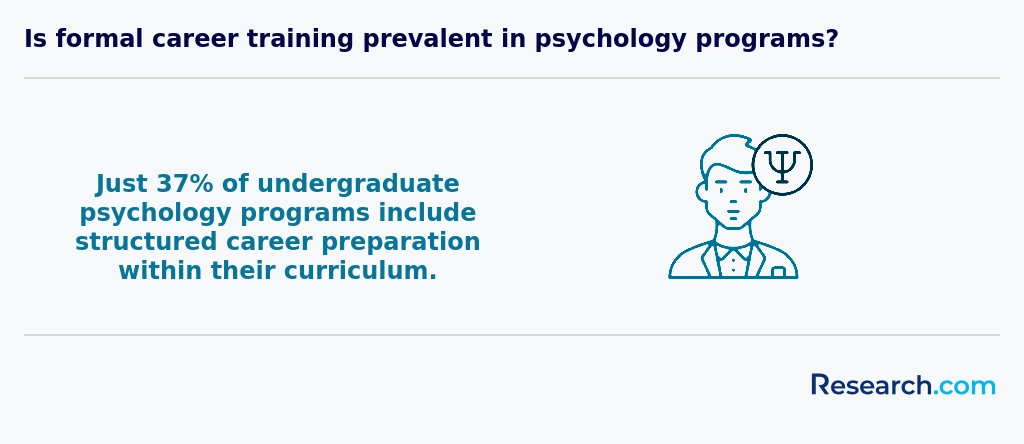
Understanding the licensure and certification process is crucial for psychology graduates aiming to practice professionally in Portland, OR. Many career roles, especially in clinical and counseling psychology, require state licensure to ensure that practitioners meet rigorous standards of practice. Prospective students and recent graduates should familiarize themselves with the specific licensing requirements set by the state of Oregon, including supervised clinical hours, passing standardized examinations, and ongoing continuing education credits. In addition to state-specific criteria, graduates often benefit from specialized exam preparation courses and mentorship programs that guide them through the licensure journey. These resources not only build confidence but also bridge the gap between academic theory and clinical practice. For instance, many professionals have found that pursuing career paths with online masters in psychology can offer the flexibility necessary to balance coursework, exam preparation, and professional responsibilities. Ultimately, a well-planned strategy for achieving licensure can open doors to a fulfilling career, positioning you as a trusted expert in the field. Embrace the process by seeking advice from licensed practitioners, utilizing available resources, and staying informed about any changes in regulatory standards.
Imagine unlocking your psychology dreams in Portland without drowning in debt-many students find hope through federal aid like Pell Grants, which can cover up to $7,395 for those who qualify. At Portland State University, psychology graduates often share how the FAFSA was their gateway to these funds, easing tuition worries and letting them focus on the fascinating human mind instead.
State support shines too. The Oregon Opportunity Grant, offering around $4,200 annually for full-time public college students, is a real game-changer for locals studying psychology. Several grads recall how this grant transformed their financial outlook, making advanced classes and research projects more attainable.
Scholarships specifically tailored to psychology might be rare, but they sparkle nonetheless. Departmental awards at PSU and fellowships from organizations like the American Psychological Association have propelled many eager learners closer to their goals.
Work-study is another adventurous path-part-time campus roles or psychology-related jobs not only add income but valuable experience. Lastly, some find that employer tuition assistance programs in Portland's human services fields open doors to education and career growth simultaneously.
To find the most affordable psychology programs in Portland, OR, it's essential to consider tuition costs, financial aid options, and the potential return on investment. Students can explore various resources, including online rankings and university websites, to compare program costs and find the best fit for their budget. For instance, researching the cheapest psychology schools in Oregon can help students make informed decisions about their education. By weighing the pros and cons of different programs, students can choose a psychology degree that aligns with their financial and career goals, setting them up for success in their future endeavors.
Diving into a psychology degree in Portland means stepping into a world where curiosity meets challenge. Graduates from Portland State University often recall how having a solid high school GPA-usually around 2.5 to 3.0-helped secure their spot. Many discovered that while SAT or ACT scores could open doors, Portland's welcoming test-optional policies let their personal stories and passion for the mind shine through instead.
Imagine gathering transcripts, heartfelt letters of recommendation, and crafting a personal statement that reveals your eagerness to explore human behavior. Some found that completing introductory courses in biology or social sciences gave them a confident edge, feeling prepared to tackle complex topics from day one.
For those chasing graduate dreams, the adventure deepens. Having a bachelor's degree with coursework in statistics and research methods isn't just a checklist-it fuels excitement for discovery. Alumni often share how submitting GRE scores felt like a rite of passage, though some programs now waive this, trusting applicants' real-world experience and recommendation letters instead.

Understanding accreditation and licensure is critical when selecting an affordable psychology program in Portland, OR. Regional accreditation by bodies such as the Northwest Commission on Colleges and Universities (NWCCU) ensures your degree meets rigorous academic standards and is recognized by employers and state boards. For those aiming to pursue clinical or counseling roles, American Psychological Association (APA) accreditation for doctoral programs is often required to sit for the Examination for Professional Practice in Psychology (EPPP). After graduation, Oregon candidates must complete a supervised practice period-typically 1,500 to 2,000 hours under a licensed psychologist-before applying for state licensure. You will then submit official transcripts, verification of supervised hours, and pass both the EPPP and the Oregon Law and Ethics Examination. Maintaining licensure in Oregon requires ongoing continuing education, usually 20 credit hours every two years, to stay current with ethical guidelines and emerging research. If you’re exploring cost-effective alternatives or online pathways, be sure to verify that your institution’s accreditation aligns with Oregon’s licensing requirements. For a broader perspective on affordable options, you might also consult our Inexpensive Psychology Degree Programs Ranking in Vermont, which highlights programs recognized for both quality and value. Ensuring proper accreditation and understanding licensure steps will help you transition seamlessly from the classroom to a rewarding career in psychology.
Diving into a psychology degree in Portland means embracing a curriculum that opens doors to understanding the mind and behavior in fascinating ways. At Portland State University and nearby colleges, students eagerly navigate courses like Introduction to Psychology, which sparks curiosity about why people think and act as they do.
Imagine exploring Biological Psychology while learning how your brain's wiring connects to everyday choices, or diving into Cognitive Psychology to unravel the mysteries of memory and problem-solving. Graduates often reflect on how Developmental Psychology helped them see the stages of life through fresh eyes, enriching their connection to family and community.
Social Psychology classes bring lively discussions on relationships and influence, making coursework feel alive with real-world relevance. Meanwhile, Research Methods and Statistics equip students with the skills to conduct meaningful studies, a proud milestone many recall with satisfaction. Electives like clinical or industrial-organizational psychology allow adventurous learners to personalize their journey, making their time in Portland's psychology programs truly their own.
In Portland, psychology degree specializations invite students on a rich journey through diverse fields. Graduates from Portland State University and Lewis & Clark College often speak of their excitement diving into clinical psychology, where they learn to support mental health with compassion and skill. Others explore developmental psychology, gaining insights into human growth that feel immediately relevant to Portland's community-focused atmosphere. A graduate once shared how studying cognitive psychology there deepened their curiosity about memory and decision-making, translating classroom theory into everyday wonder.
Adventurous students keen on workplace dynamics find industrial-organizational psychology thrilling, connecting them to Portland's bustling business scene. Those drawn to unique career paths with online masters in psychology discover even more possibilities, blending flexibility with specialized knowledge. Exploring forensic or health psychology here can feel like stepping into interdisciplinary worlds that challenge and inspire.
Living and learning in Portland offers psychology career focus options that spark passion and open doors to meaningful work, making every class a chance to explore what truly motivates you.
Choosing the best psychology degree in Portland sparks a vibrant journey into understanding your academic and career aspirations. Imagine yourself balancing evening classes at Portland State University, where graduates often praise the flexible scheduling that fits perfectly with a busy lifestyle. Opting for a program with regional accreditation and APA recognition opens doors to clinical practice and licensure, essential for turning passion into profession.
Financial adventure accompanies your academic path-public universities in Portland offer affordable psychology degree programs Portland, with tuition around $11,000 for in-state students, a stark contrast to private options exceeding $30,000. Many students find relief and excitement in discovering scholarships or in-state tuition savings that make education accessible without overwhelming debt.
Venture deeper into hands-on learning through internships or practicum placements, where real-world experience transforms theory into confident skills. Whether you're drawn to research or counseling, exploring the best psychology schools in Portland 2027 will reveal diverse specializations. For those seeking flexibility with advanced options, consider psyd online programs, blending innovation with career growth. Graduates cherish how these experiences expand horizons in dynamic, supportive environments.
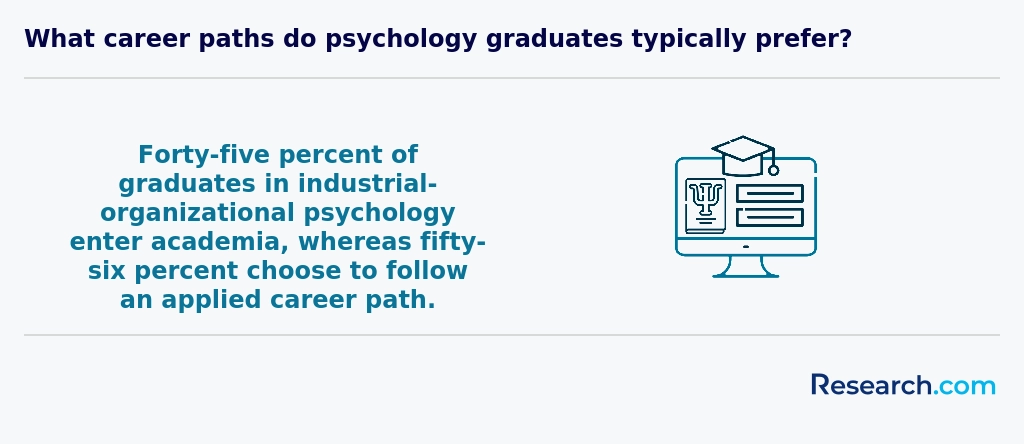
Graduates with a psychology degree in Portland discover a vibrant array of career paths that ignite their passion for helping others and unraveling human behavior. Many find themselves working as clinical psychologists or counselors, addressing the city's pressing mental health needs. Those fresh from popular universities often share how rewarding it is to support individuals through therapy or school counseling roles, embracing Portland's strong community spirit and progressive health policies. Exploring psychology career opportunities in Portland also leads to positions in research and organizational development, where graduates contribute to innovative employee wellness programs within the city's tech and healthcare sectors.
Others dive into social work or community services, collaborating with nonprofits and government agencies to make a tangible difference. Oregon's nurturing environment encourages graduates to pursue further studies or teaching roles at local institutions, expanding their impact. For those curious about affordable study options in this vibrant city, scholarships and aid can alleviate financial hurdles, complementing resources like the Inexpensive Psychology Degree Programs Ranking in Vermont.
The variety and vitality of Portland psychology degree job prospects invite adventurous students to dream big and forge paths full of purpose and discovery.
The job market for psychology degree graduates in Portland is vibrant, especially for those intrigued by clinical, counseling, or school psychology. Many recent graduates from well-known colleges in Portland describe exciting experiences working in hospitals and community mental health clinics, where their skills quickly gain demand. This growing scene is propelled by a rising community focus on mental health, sparking increased opportunities at nonprofits and social service agencies. Exploring the employment opportunities for psychology graduates Portland offers reveals a landscape where passion meets purpose and steady salaries ranging from $65,000 to $95,000 inspire confidence.
For those diving deeper into advanced studies, Portland's universities equip students with the credentials needed to become licensed clinicians or specialists, opening doors to higher-paying roles. Entry-level jobs remain accessible with a bachelor's degree, though often with more modest paychecks. Some graduates even enhance their prospects by exploring a 6-month online certification program that pays well, blending quick skill-building with career growth.
2027 Most Affordable Psychology Degree Programs Ranking in Portland
Investing in your education is a significant decision that can shape your future, and the Research.com team understands the importance of making informed choices. To assist prospective students in Portland, we have meticulously crafted the "2027 Most Affordable Psychology Degree Programs Ranking in Portland." Our commitment to quality, credibility, and accuracy is reflected in the extensive research and analysis conducted to compile this ranking.
We utilized the following reputable data sources to ensure a comprehensive evaluation of psychology degree programs:
By exploring this ranking, readers will gain valuable insights into the most affordable psychology degree programs in Portland, empowering them to make informed and confident decisions about their educational investments. For more information on how this ranking was developed, please visit our Research.com methodology page.
# 1 position
Warner Pacific University Professional and Graduate Studies
Bachelor of Science in Psychology


Frequently Asked Questions About psychology
Psychology degree students in Portland can maximize their learning experience by engaging in hands-on internships offered by local clinics and mental health organizations. Portland is home to multiple psychology-focused nonprofits and research institutions, providing valuable real-world experience complementary to classroom study.
Students should also take advantage of Portland State University's psychology lab resources, which facilitate research skill development vital for graduate school or career advancement. Additionally, joining student psychology associations helps build networks and learn current trends.
According to the Oregon Employment Department, psychology-related fields in Portland are projected to grow by 15% over the next decade, highlighting the importance of practical and academic skill integration.
The psychology field is expanding into several emerging niches that are attracting attention in Portland and across the US. One growing area is neuropsychology, which studies the relationship between brain function and behavior. This specialization is increasingly important with advances in brain imaging technology.
Another fast-developing niche is health psychology, focusing on how psychological factors affect physical health and illness management. With Oregon's emphasis on integrative healthcare, health psychology roles are becoming more prominent.
Industrial-organizational psychology is also gaining ground, especially in Portland's expanding tech sector, where experts help improve workplace productivity and employee well-being.
Lastly, environmental psychology, a field studying interactions between people and their surroundings, is emerging in Portland due to growing local interest in sustainability.
Graduates with psychology degrees in Portland should focus on building practical experience to improve job prospects. Participating in internships or volunteer opportunities at local healthcare facilities, such as Oregon Health & Science University, offers valuable exposure to clinical settings. Networking is also key; joining groups like the Oregon Psychological Association helps connect with professionals and discover job openings.
Developing additional skills in data analysis and familiarity with software like SPSS can enhance employability, given the increasing demand for research proficiency. According to the U.S. Bureau of Labor Statistics, Portland's area is expected to see a 14% growth in psychologist jobs through 2030, signaling a promising job market for prepared candidates.
Employers in Portland seeking psychology degree graduates prioritize a blend of technical and interpersonal skills. Among the most valued are critical thinking and data analysis abilities, essential for interpreting behavioral research and applying evidence-based practices. According to the Oregon Employment Department, 68% of local psychology-related positions emphasize strong communication skills, enabling graduates to convey complex concepts clearly to clients and colleagues.
Additionally, cultural competence is vital in Portland's diverse communities, helping professionals work effectively with varied populations. Familiarity with ethical guidelines, such as those from the American Psychological Association, is also crucial. Practical experience through internships or research is frequently highlighted by regional employers as a key factor in hiring decisions.
Finding psychology internships in Portland involves a combination of research, networking, and utilizing local resources. Many psychology students connect with internship opportunities through Portland-area universities, which often have partnerships with hospitals, mental health clinics, and research centers. For example, Oregon Health & Science University (OHSU) offers various clinical and research internships that are highly regarded within the region.
Students can also explore community organizations such as Cascadia Behavioral Healthcare and Portland's VA Medical Center, where practical experience is available. Additionally, websites like the Oregon Psychological Association list internships and volunteer opportunities. It is beneficial to start early and attend local psychology conferences or career fairs to build connections.
A psychology degree in Portland can significantly enhance career mobility and advancement opportunities, especially in a city with a growing mental health sector. According to the U.S. Bureau of Labor Statistics (BLS), employment for psychologists is projected to grow 8% nationally from 2022 to 2032, with Oregon showing similar trends. This growth is driven by increasing demand for mental health services in schools, hospitals, and private practices around Portland. Graduates with psychology degrees often qualify for roles beyond counseling, including human resources, social services, and research positions.
Local Oregon employment data from the Economic Research Institute highlights that professionals with advanced psychology credentials can expect higher earnings and greater promotion prospects. Many Portland employers prefer candidates with degrees from accredited universities due to the city's competitive job market. Additionally, completing internships or practicum placements in Portland's diverse community settings can improve job placement chances and help build valuable professional networks.
Studying for a psychology degree in Portland offers strong preparation for interdisciplinary roles by emphasizing collaboration across multiple fields such as healthcare, education, and social services. Portland's universities often incorporate coursework and practical experiences that blend psychology with areas like neuroscience, public health, and counseling.
Students gain hands-on skills working in diverse settings including hospitals, community centers, and research labs, reflecting the city's focus on integrated care. According to the Oregon Employment Department, interdisciplinary professionals combining psychology and healthcare are among the fastest-growing roles locally.
This approach equips graduates to navigate complex challenges by applying psychological principles alongside knowledge from related disciplines, making them valuable contributors in many team-based environments.
Choosing between a thesis and a non-thesis psychology degree program in Portland depends largely on your career goals and interests. Thesis programs typically require original research and a formal written document. They are ideal if you plan to pursue a doctoral degree or a research-oriented career. Non-thesis options focus more on coursework and practical experience, which suits students aiming for professional roles in counseling or human services.
According to the Oregon Office of Student Access and Completion, Portland's psychology graduate programs often offer both formats, with thesis options usually extending the completion time by about six months. Costs can differ slightly, as thesis programs may involve additional advisor fees or research expenses.
Assess your long-term plans and learning preferences carefully to make the best choice. Consulting academic advisors in Portland's accredited universities can also provide personalized guidance.
Students based in Portland who wish to study psychology abroad have several pathways through U.S. university programs offering international exchange or study abroad opportunities. Many psychology departments at local institutions, such as Portland State University, collaborate with partner universities in Europe, Asia, and Australia, allowing students to earn credits toward their degree while experiencing global perspectives in psychology.
Additionally, programs like those under the National Student Exchange enable Portland students to spend a semester or year at another U.S. institution or affiliated international universities. Some institutions also facilitate summer research or internships abroad focused on psychology.
It is important for students to work closely with academic advisors to ensure coursework aligns with degree requirements and licensure goals in psychology.
Students pursuing psychology degrees in Portland have various part-time job options that complement their academic studies. Many find roles as behavioral health technicians or psychiatric aides in local hospitals and clinics, gaining hands-on experience with mental health patients. According to Oregon Employment Department data, healthcare support roles in Portland are expected to grow by 12% through 2028, reflecting strong demand.
Additionally, research assistant positions at Portland State University or OHSU offer opportunities to develop skills in data collection and analysis, critical for psychology careers. Roles in community centers or nonprofit organizations also allow students to engage with diverse populations, applying psychological theories in real-world settings while earning income.
Psychology students in Portland have access to various networking opportunities essential for career development. Local universities, such as Portland State University, host regular events where students can connect with faculty, alumni, and practicing professionals. These events often include guest lectures, workshops, and career fairs tailored to psychology fields.
Professional organizations like the Oregon Psychological Association offer student memberships providing access to conferences, newsletters, and mentoring programs. Participation in these groups allows students to build relationships with licensed psychologists in the region.
In addition, Portland's vibrant community mental health centers and research institutions frequently offer internships and volunteer positions, creating real-world networking chances for students seeking practical experience.
Alumni networks offer significant advantages to psychology degree students in Portland by providing valuable connections within the mental health field. Graduates report easier access to internships and job openings through these networks, which link students to over 2,000 local psychology professionals, according to the Oregon Psychological Association. This community support often includes mentorship opportunities, giving students guidance during their studies and early careers.
Furthermore, alumni events and workshops hosted by Portland universities facilitate knowledge sharing and professional development. For students, tapping into alumni networks can increase employment chances in Portland's competitive psychology market.
Customizing a psychology degree in Portland allows students to align their education with specific career goals. Many universities in the area offer elective courses, internships, and research opportunities tailored to fields like clinical, counseling, or industrial-organizational psychology. For example, Portland State University provides options to focus on behavioral neuroscience or developmental psychology.
Students can also select practicum placements within Portland's diverse community agencies or healthcare settings, enriching real-world experience. According to the Oregon Employment Department, mental health roles are expected to grow by 25% through 2030, highlighting the value of specialization.
Additionally, graduate programs often offer thesis or capstone project choices that directly support a student's professional interests. Consulting academic advisors and career services can further refine study plans toward licensure or research positions.
Psychology students in Portland often encounter several common challenges during their studies. One key difficulty is managing the demanding coursework, which includes understanding complex theories and mastering research methods. Many students also face financial pressures; according to the Oregon Office of Student Access and Completion, the average debt for psychology graduates statewide exceeds $30,000.
Additionally, gaining practical experience through internships can be competitive due to limited local placements. Balancing academic commitments with part-time jobs is frequently necessary, adding to students' stress levels. Mental health concerns are notable among psychology students, with reports indicating higher rates of anxiety compared to peers in other fields. These combined factors create a challenging environment for Portland's psychology students.
With a psychology degree in Portland, you can pursue several professional certifications that enhance career opportunities. Common certifications include Licensed Professional Counselor (LPC) and Licensed Clinical Social Worker (LCSW), both requiring graduate studies plus supervised experience, regulated by the Oregon Board of Licensed Professional Counselors and Therapists. Additionally, certifications like Certified Alcohol and Drug Counselor (CADC) can be earned through state-approved programs, reflecting Portland's growing need for addiction specialists.
For those interested in school settings, becoming a Licensed School Psychologist involves certification via the Oregon Department of Education after obtaining a master's or doctoral degree in psychology.
These certifications are essential steps toward licensure and practicing professionally in Oregon.
To write a winning application for a psychology program in Portland, start by highlighting your academic achievements, especially in psychology and related sciences. Schools like Portland State University emphasize a strong GPA, typically above 3.0 for competitive admission. Including relevant volunteer or research experience can distinguish your application, demonstrating practical commitment to the field.
Craft a clear, focused personal statement explaining your interest in psychology and career goals. Mentioning local mental health initiatives or community involvement in Portland can show your connection to the area. Letters of recommendation from professors or professionals familiar with your abilities add credibility.
Finally, carefully follow each program's application instructions and deadlines to ensure your materials are complete and timely.
Psychology careers in Portland reflect broader global trends but are shaped by U.S. education standards and job markets. Globally, psychology is a respected discipline, with professionals working in healthcare, education, business, and research. In Portland, the demand for psychology graduates is growing, partly due to the city's focus on mental health and social services. According to the U.S. Bureau of Labor Statistics, employment for psychologists nationwide is projected to grow 8% from 2021 to 2031, aligning with global awareness of mental health issues.
Education standards for psychology degrees in Portland follow American Psychological Association (APA) guidelines, ensuring programs meet international quality benchmarks. Graduates can pursue clinical, counseling, or industrial-organizational psychology, careers valued worldwide.
Many Portland institutions offer affordable programs with a strong emphasis on applied skills, responding to global needs for trained mental health experts. This connection between local education and global perspectives helps students prepare for diverse career paths in psychology.
Gaining practical experience while studying for a psychology degree in Portland is essential for building skills and enhancing employability. Many local universities, such as Portland State University, offer internship programs that connect students with community mental health centers, schools, and research labs. These internships provide hands-on opportunities in counseling, assessment, and data analysis.
In addition, students can participate in research projects led by faculty, often contributing to studies focusing on issues relevant to the Pacific Northwest population. According to the Oregon Bureau of Labor and Industries, internships and practicum experiences increase job placement rates by up to 30% for psychology graduates in the state.
Volunteering with Portland's nonprofit organizations related to mental health also helps students build real-world experience and professional networks early in their careers.
Choosing the right concentration within a psychology degree program in Portland involves aligning your interests with local academic strengths and job market demands. Portland-area universities offer concentrations such as clinical psychology, counseling, industrial-organizational psychology, and developmental psychology. Each focuses on different career paths, from mental health practice to business applications.
Consider your long-term goals and research the faculty expertise at Portland State University, Oregon Health & Science University, and other local colleges. According to the Oregon Employment Department, mental health professions in Portland are growing by 16% through 2030, increasing demand for clinical and counseling psychologists.
Look for programs accredited by the American Psychological Association (APA) for clinical tracks. Also, internships and practicum opportunities in Portland's healthcare systems can be valuable for hands-on experience.
- 2027 Most Affordable Psychology Degree Programs Ranking in San Francisco
- 2027 Most Affordable Psychology Degree Programs Ranking in Santa Barbara
- 2027 Most Affordable Psychology Degree Programs Ranking in Pasadena
- 2027 Most Affordable Psychology Degree Programs Ranking in Los Angeles
- 2027 Most Affordable Psychology Degree Programs Ranking in Claremont
- 2027 Most Affordable Psychology Degree Programs Ranking in Irvine
- 2027 Most Affordable Psychology Degree Programs Ranking in Riverside
- 2027 Most Affordable Psychology Degree Programs Ranking in La Jolla
- 2027 Most Affordable Psychology Degree Programs Ranking in San Diego
- 2027 Most Affordable Psychology Degree Programs Ranking in Boulder
See What Experts Have To Say About Studying Psychology
Read our interview with Psychology experts

Joann Farrell Quinn, Ph.D., MBA
Psychology Expert
Director at the College of Medicine Department of Medical Education
Morsani College of Medicine

Elizabeth L. Jeglic Ph.D.
Psychology Expert
Professor of Psychology
City University of New York

Catherine Caldwell-Harris, Ph.D.
Psychology Expert
Associate Professor of Psychology
Boston University

- Careers With a Psychology Degree https://www.warnerpacific.edu/blog/careers-in-psychology/
- How to help students cope with mental health challenges https://www.eaie.org/resource/help-students-cope-mental-health-challenges.html
- Why Get a Psychology Degree Online? | University of Bridgeport https://www.bridgeport.edu/news/reasons-to-get-your-psychology-degree-online/
- Financial Aid For Psychology Students | Psychology.org https://www.psychology.org/resources/financial-aid/
- What can I do with a psychology degree? https://www.hull.ac.uk/study/undergraduate/courses/psychology-bsc-hons/what-can-i-do-with-a-psychology-degree
- Psychology at PCC https://www.pcc.edu/programs/psychology/
- Sample letters in psychology https://www.mystudies.com/en-in/human-and-social-sciences/psychology/letter-model/
- Psychology - SWPS University https://english.swps.pl/academics/warsaw/ba-programs/psychology
- Study Psychology Abroad | Go Overseas https://www.gooverseas.com/study-abroad/psychology
- Mental Health Challenges Faced by Psychology Students | The Healthcare Guys https://healthcareguys.com/2023/11/23/mental-health-challenges-faced-by-psychology-students/