
2027 Most Affordable Online Psychology Degree Programs Ranking in Oregon

Co-Founder and Chief Data Scientist
Choosing the right online psychology degree program in Oregon can feel overwhelming. That's why the Research.com team of data scientists created the 2027 Most Affordable Online Psychology Degree Programs Ranking in Oregon.
This helpful guide makes it easier to compare programs based on affordability and quality, so you can focus on what matters most-your education and future career.
Whether you're starting or continuing your studies, a psychology degree opens doors to meaningful work that makes a difference. Exploring this ranking could be your first step toward a rewarding journey.
Key benefits of getting online psychology degree in Oregon
- Psychology degree graduates in Oregon can expect rewarding salaries, such as $62,370 annually for Clinical Research Associates or Survey Researchers, and up to $83,190 for Marketing Research Analysts.
- Graduates often explore diverse career paths, from clinical research and marketing analysis to human resources, inspired by successful alumni from universities like the University of Oregon.
- Online psychology degrees offer flexible learning schedules and accessibility, as experienced by students at Oregon State University Ecampus, making it easier to balance work and studies while advancing your career.
- 2027 Most Affordable Online Psychology Degree Programs Ranking in Oregon
- What can I expect from online psychology degree in Oregon?
- Where can I work with online psychology degree in Oregon?
What can I expect from online psychology degree in Oregon?
The average cost of pursuing an online psychology degree in Oregon, particularly through public institutions like Oregon State University, tends to be quite reasonable, generally hovering around $11,600 per year for in-state tuition and fees. Graduates often recall how this affordability made balancing education with other life commitments feel less overwhelming, providing a sense of financial relief that encouraged them to fully engage with their studies.
Many students find this cost accessible when compared to other states, allowing them to invest more confidently in resources like textbooks, tutoring, or career services that enhance their learning experience. For example, those who chose Oregon State's online Bachelor of Science in Psychology frequently mention that the combination of manageable tuition and robust academic support helped them stay motivated while juggling work and family.
Financial aid opportunities also ease the burden, with state and federal assistance options widely available to Oregon residents. This practical affordability, paired with strong institutional frameworks, empowers students to focus on mastering vital psychology concepts without the heavy stress of excessive debt, making the journey both achievable and encouraging.
Where can I work with online psychology degree in Oregon?
Graduates with an online psychology degree in Oregon often find rewarding roles in various community agencies, rehabilitation centers, and nonprofit organizations that support vulnerable populations. For example, those from well-regarded institutions like Portland State University have shared experiences working as behavioral health technicians or social work assistants, where their training directly impacts local mental health initiatives.
Many who pursue advanced degrees from Oregon State University or the University of Oregon appreciate that becoming licensed professional counselors or psychologists opens doors to hospitals, clinics, and private practices across both urban and rural areas. One graduate described how telehealth services expanded their reach, allowing them to support clients statewide without geographic limitations.
Others have leveraged psychology knowledge in business settings, such as human resources or marketing research, showcasing the degree's flexibility. Graduates frequently highlight the personal satisfaction of contributing to multidisciplinary teams that address mental wellness and workforce challenges throughout Oregon.
Understanding Oregon's licensing requirements is crucial; those who align their education with these pathways often feel confident navigating diverse career options with a meaningful impact.
Graduates from online psychology programs in Oregon often find themselves entering roles such as Human Resources Specialists, Marketing Research Analysts, or Clinical Research Associates. For example, a recent graduate from Portland State University shared how starting as a Human Resources Specialist brought an average annual wage of about $76,060, providing a solid foundation for career growth in organizational psychology.
Others pursuing roles in market research benefit from salaries around $83,190 per year, as seen with graduates who leveraged their analytical skills at Oregon State University to enter Marketing Research positions. These salaries not only reflect the technical expertise gained but also Oregon's growing demand for data-driven psychological insights.
For those interested in research support roles, Clinical Research Associate and Survey Researcher positions both average about $62,370 annually. Such roles often appeal to graduates from the University of Oregon who want to contribute to evidence-based practice while gaining valuable experience.
These figures illustrate encouraging earning potentials that align well with the varied training psychology students receive online at Oregon institutions. With dedication and strategic career choices, these roles can serve as rewarding stepping stones toward higher-paying positions in the field.
- Tuition for online psychology degrees in Oregon typically ranges from $300 to $400 per credit hour, totaling about $12,000 to $16,000 for a bachelor's degree.
- Oregon employs roughly 5,000 psychologists, with a projected job growth of around 10% over the next decade.
- Starting salaries for entry-level psychologists with bachelor's or master's degrees average about $55,000 annually in Oregon.
- Oregon state licensure requires a doctoral degree, supervised experience, and passing exams; students should verify their program meets these standards for clinical practice.
- Many Oregon programs focus on research and applied skills to prepare students for roles in counseling, social services, and human resources beyond clinical psychology.
- Financial aid and scholarships are available to Oregon residents to help reduce the cost of earning an online psychology degree.
For those juggling work or family, the journey often extends to six years or more, as part-time enrollment allows valuable flexibility. Conversely, accelerated options attract motivated individuals eager to finish in three years, taking advantage of year-round courses or prior credits earned elsewhere.
Graduate programs, such as a Master of Science in Psychology at institutions like Portland State University, usually complete in two years full-time. Graduates often describe the experience as intense but deeply enriching, especially when part-time study stretches it to three or four years.
The doctoral path demands patience and dedication, often spanning four to seven years in hybrid or online formats. These students emphasize the satisfaction of contributing original research while meeting Oregon's strict licensure standards, savoring milestones like clinical internships and dissertation defense as meaningful accomplishments.
Choosing between online and on-campus psychology degrees in Oregon largely comes down to how you want to live and learn. Graduates from institutions like Portland State University often recall the energy of in-person classes-engaging directly with professors and peers, joining study groups, and accessing campus labs that deepen their understanding. This face-to-face interaction creates a sense of community that's hard to replicate online.
On the other hand, those who pursued online degrees through universities such as Oregon State University value the flexibility to balance studies with work or family. They describe the convenience of logging into lectures from home or a local café, yet acknowledge the effort required to seek out virtual forums and local internship placements to gain essential hands-on experience.
Both paths cover core psychology subjects rigorously, ensuring graduates meet the same Oregon licensure standards. Still, online students often find the self-discipline needed both challenging and empowering, as it allows them to set their own pace while staying connected to faculty through digital means.
The average cost of an online psychology degree in Oregon typically centers around the median total cost of about $54,180, which reflects a balance between tuition rates at various institutions. Graduates from well-known public universities like Oregon State University and the University of Oregon often share how managing expenses was a key part of their journey, especially since these schools offer tuition that ranges considerably based on in-state or out-of-state status and credit requirements. Many find that focusing on affordable online psychology programs Oregon tuition makes the pursuit feel more attainable and rewarding.
Experienced students often describe their path as a mix of budgeting strategies and leveraging financial aid resources, alleviating some of the financial pressures along the way. Community colleges also offer a practical starting point with lower credits costs, helping students build momentum toward a four-year degree without the initial high price tag. The flexibility of online programs paired with tuition rates that reflect local economic conditions creates an accessible educational environment for many.
It's common to hear from students who utilized scholarships or employer tuition assistance to bridge the gap, turning what initially seemed daunting into a positive, achievable experience. Prospective learners should explore options carefully and consider institutions that align costs with personal financial situations. For those seeking help navigating this, visiting fafsa accredited online schools can provide crucial guidance and open doors to funding opportunities.
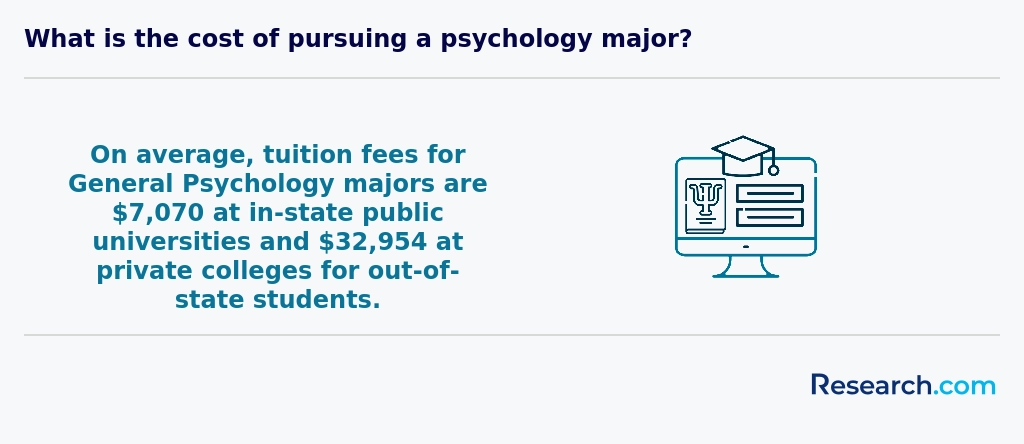
Many students pursuing an online psychology degree in Oregon find federal student aid essential in managing costs. Graduates from popular institutions like Portland State University often reflect on how Pell Grants, offering up to $7,395 annually, made their education more accessible without the stress of repayment. These grants provide a foundation to cover substantial tuition portions.
State-specific help, such as the Oregon Opportunity Grant, further eases financial burdens. Recipients frequently mention how this award, averaging around $3,500, helped them continue their studies uninterrupted. This grant is especially valuable for those enrolled at least half-time in programs across colleges such as Oregon State University.
Institutional scholarships tailored for online learners also add meaningful support. Many graduates appreciate the merit-based awards and special scholarships for veterans or returning adult learners, which reflect the schools' commitment to diverse student needs.
Additionally, for those working while studying, employer tuition assistance offers practical relief, making balancing work and education feel more manageable and encouraging perseverance.
Enrolling in an online psychology degree in Oregon typically begins with having a high school diploma or GED for undergraduate studies, a fundamental step shared by graduates from popular institutions like Portland State University and Oregon State University. Many found the submission of standardized test scores-SAT or ACT-optional, which eased initial admissions stress and allowed focus on their personal statements and letters of recommendation, vital components that truly convey passion for psychology.
For those pursuing graduate programs, the journey often required holding a bachelor's degree with foundational coursework in subjects like statistics and general psychology. Graduates recalled the challenge-and eventual pride-of meeting the GPA threshold around 3.0, which several Oregon schools emphasize to ensure academic preparedness.
While some programs still request GRE scores, many online students appreciated the flexibility of schools waiving this, reflecting evolving admissions trends. Recommendations and thoughtful statements of purpose stood out as opportunities for applicants to express clear career goals, often bolstered by meaningful volunteering or work experiences that added depth beyond transcripts.
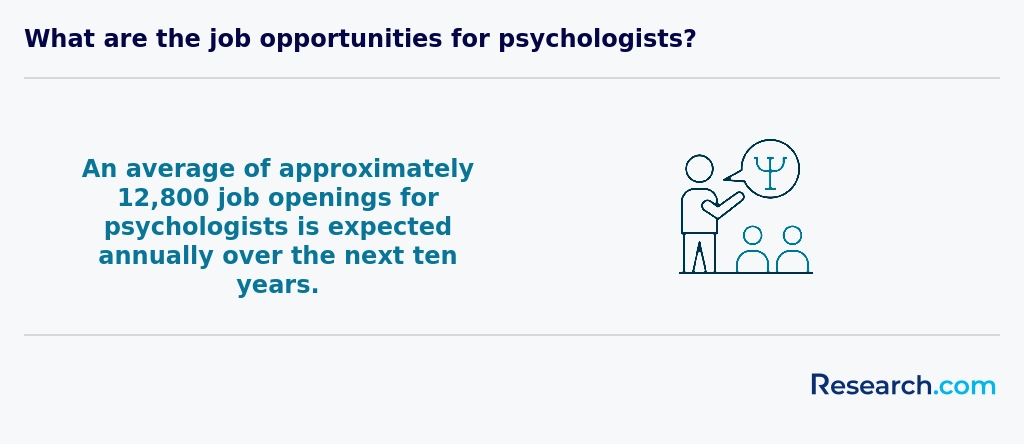
Students pursuing an online psychology degree in Oregon often find themselves engaged with a thoughtfully curated set of courses that reflect both foundational knowledge and practical application. Graduates from universities like Portland State and the University of Oregon frequently mention how courses in cognitive psychology made complex mental processes relatable-imagine understanding why memory works the way it does and seeing its impact on everyday decisions or learning.
Behavioral science classes, such as social psychology and research methods, are another cornerstone. These courses helped many learners appreciate the subtleties of human interaction in groups and gave them confidence in designing studies or interpreting data-skills that proved invaluable when applying theory to real-world workplace dynamics.
Courses in biological psychology also stand out, offering fascinating insights into how brain function influences behavior, a connection that Oregon students often find inspiring as they consider careers in neuropsychology or counseling. Ethics and applied psychology classes, often paired with electives like health psychology, equip students to face challenges with both professionalism and empathy.
Online psychology degree specializations in Oregon typically cover a diverse range of fields, each appealing to distinct interests and career paths. Graduates from popular universities in the state often reflect on their deep engagement with clinical psychology, where they learned essential skills for mental health assessment and therapeutic practice-experience that deeply resonated when working in counseling settings. Others found fulfillment in developmental psychology, focusing on human growth from childhood through aging, which has opened doors to education-related careers.
Industrial-organizational psychology is another favored track, especially among those inspired by workplace dynamics, employee motivation, and leadership development. One graduate from a leading Oregon college shared how this specialization sharpened their ability to impact organizational culture positively. Counseling psychology also remains a compelling option, training students to support individuals facing emotional or behavioral challenges, a path celebrated for its empathetic, hands-on nature. For many exploring psychology career paths in Oregon, these specializations reflect not just academic focus but real-world applications.
When selecting online programs, it's wise to explore options aligned with your goals and consider affordability, including resources like cheapest online colleges that accept fafsa for financial support.
Choosing the best online psychology degree in Oregon begins with confirming the program's accreditation. Graduates from popular Oregon universities often share how attending regionally accredited schools ensured their credits transferred smoothly and ultimately supported their licensure goals. For example, programs recognized by the Northwest Commission on Colleges and Universities (NWCCU) are highly valued for maintaining rigorous academic standards.
Reflecting on the journey of many students, it's clear that aligning the degree level with your ambitions is crucial. Those seeking clinical or counseling roles find master's degrees more fitting, while bachelor's graduates emphasize how their programs laid a solid foundation. However, for those aiming for psychologist licensure, pursuing a doctorate remains essential, as Oregon requires supervised hours after earning a PhD or PsyD.
Cost often weighs heavily in decision-making. Many students recommend exploring affordable online psychology degrees Oregon offers without compromising quality. The Oregon Office of Student Access and Completion provides useful guidance for funding. It's wise to also check out reviews and retention data from sources like the National Center for Education Statistics.
A strong curriculum with faculty who actively engage in research or clinical work truly enriches the experience. Graduates recall how internships and practicum placements within Oregon's well-regarded programs prepared them for real-world challenges.
Finally, flexibility matters. Programs offering asynchronous classes and accessible advising helped many balance studies with work and family. For a comprehensive view of options, prospective students can explore the best colleges that fit their needs.
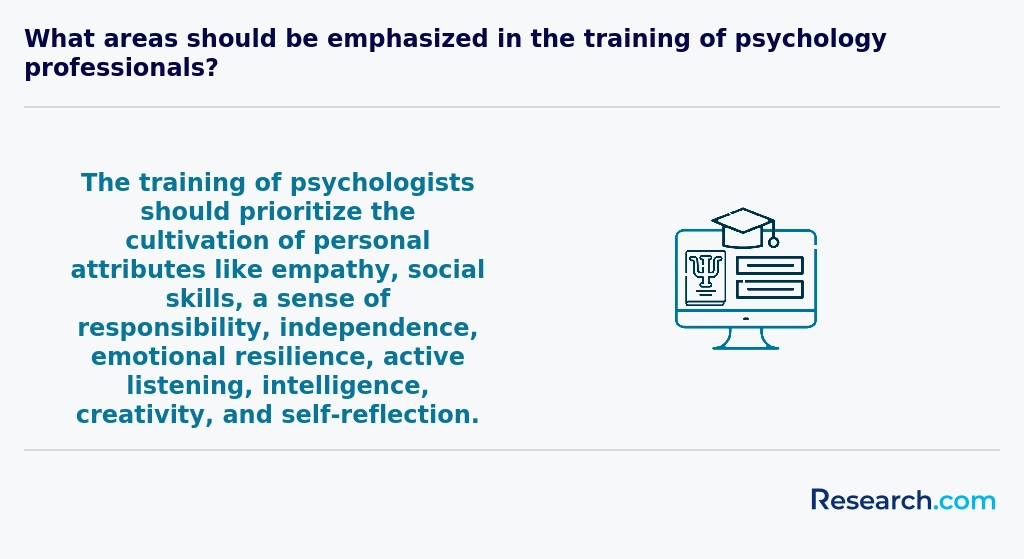
Graduates with an online psychology degree in Oregon discover a rich array of career paths that connect their academic knowledge with real-world impact. Many alumni from popular institutions like Portland State University or Oregon State University find fulfillment becoming licensed mental health counselors, meeting state requirements for master's degrees and supervised clinical hours. These roles, deeply rewarding, often involve supporting individuals facing personal challenges, providing a sense of purpose and community connection.
Others explore roles as case managers or social service specialists, where their work directly improves lives amidst Oregon's evolving social landscape. Graduates reflect on how these positions offer not only valuable experience but also emotional fulfillment, as they witness growth in clients navigating hardship. For those motivated by research or academia, research assistantships open doors to analytical skills development, and industrial-organizational psychology jobs allow creative application of psychological principles to workplace wellbeing.
Aware of career expectations, Oregon students often consult resources like the most affordable online colleges for working adults when choosing programs, balancing cost with career outcome. This thoughtful approach helps them navigate psychology jobs for graduates in Oregon with confidence.
The job market for an online psychology degree in Oregon presents encouraging prospects, especially for those who embrace continued education and licensure. Graduates from well-known institutions such as Portland State University or the University of Oregon often share how their online learning paths prepared them for diverse career opportunities in hospitals, schools, and counseling centers throughout the state. These graduates appreciate the flexibility of Oregon's educational landscape, which often accommodates working adults seeking to balance study with other commitments.
For a labor market growing steadily, the earning potential around $91,000 annually for psychologists is a solid incentive. Many Oregon students pursuing psychology careers find that understanding local licensure requirements and specialization options strengthens their employment chances. The Oregon psychology career opportunities online degree holders enjoy often extend beyond traditional clinical roles, reflecting a vibrant mental health ecosystem.
Choosing the right program includes weighing costs carefully. Some find that exploring the cheapest online bachelor's degree options helps manage financial investment while maintaining quality education tailored for Oregon's job market. This thoughtful approach eases the path toward a rewarding mental health profession in the state.
2027 Most Affordable Online Psychology Degree Programs Ranking in Oregon
Investing in your education is a significant decision that can shape your future, and the Research.com team understands the importance of making informed choices. To assist prospective students in Oregon, we have meticulously crafted the "2027 Most Affordable Online Psychology Degree Programs Ranking in Oregon." Our commitment to quality, credibility, and accuracy is reflected in the extensive research and analysis conducted to compile this ranking.
We utilized the following reputable data sources to ensure a comprehensive evaluation of psychology degree programs:
By exploring this ranking, readers will gain valuable insights into the most affordable and credible online psychology degree programs in Oregon, empowering them to make informed decisions about their educational paths. For more details on our methodology, please visit our Research.com methodology page.


Frequently Asked Questions About psychology
Online psychology degree students in Oregon can maximize their learning by actively engaging with their coursework and instructors. Taking advantage of virtual office hours and online discussion forums helps deepen understanding of complex psychological theories and research. Oregon offers access to several accredited institutions, and students should confirm that their program meets regional accreditation standards to ensure quality education.
Practical experience is also crucial. Students can seek local internships or volunteer opportunities within Oregon's mental health organizations to apply theoretical knowledge. According to the Oregon Employment Department, the demand for psychologists is growing by 15% through 2030, making real-world exposure valuable.
Finally, utilizing available digital libraries and psychology databases increases access to up-to-date research, improving academic performance and professional readiness.
The field of psychology in Oregon is expanding with several emerging niches that reflect broader societal changes and technological advancements. One rapidly growing area is telepsychology, which uses digital platforms to provide mental health services remotely. This niche supports increased access for rural populations, a significant factor in Oregon's mostly non-urban demographics, according to the Oregon Health Authority.
Another vibrant specialty is neuropsychology, focusing on brain-behavior relationships. Oregon's investment in neurological research encourages opportunities for graduates pursuing this path.
Additionally, environmental psychology is gaining attention, aligning with Oregon's strong emphasis on sustainability and nature's impact on mental health. These niches highlight critical trends for students seeking relevant and in-demand expertise.
After earning an online psychology degree in Oregon, preparing for the job market requires strategic steps. First, obtaining state licensure is essential for clinical positions; Oregon requires specific supervised hours and passing the Examination for Professional Practice in Psychology (EPPP). Graduates should seek internships or practicum experiences during their studies to gain practical skills. Oregon's healthcare and social service sectors show growing demand for psychology professionals, with job growth projected at 14% through 2030, according to the U.S. Bureau of Labor Statistics.
Networking with local professional associations such as the Oregon Psychological Association can open job opportunities. Staying current with continuing education helps maintain licensure and enhances employment prospects.
Employers in Oregon seeking psychology degree graduates prioritize strong communication skills. Graduates must effectively convey complex psychological concepts to clients and colleagues. Critical thinking is also essential, allowing professionals to analyze patient behaviors and develop appropriate treatment plans.
Additionally, employers value ethical judgment, especially given Oregon's strict state licensing requirements for psychologists. Familiarity with current research methods and data analysis is important, as many roles require evidence-based practices. According to the Oregon Employment Department, interpersonal skills are crucial, supporting teamwork in clinical and counseling settings.
Overall, these skills help psychology graduates succeed in Oregon's diverse mental health environments.
Finding internships in Oregon related to a psychology degree involves several practical steps tailored to local opportunities. Start by consulting the career services of your online psychology program, as many schools feature partnerships with Oregon-based mental health clinics and counseling centers. The Oregon Psychological Association also maintains listings of internship programs suitable for students seeking supervised practical experience.
Hospitals like Oregon Health & Science University (OHSU) and community organizations frequently offer internships that provide hands-on training essential for licensure. According to the Oregon Employment Department, psychology-related jobs in the state are projected to grow by 10% from 2022 to 2032, increasing internship availability.
Networking through professional events and local chapters of organizations such as the American Psychological Association can uncover additional placements. Early applications and adherence to state licensing requirements improve chances of securing valuable internships.
An online psychology degree in Oregon can significantly enhance career mobility and advancement opportunities within the state. Oregon's growing demand for mental health professionals, driven by increased awareness and expanded healthcare services, supports job growth in psychology-related fields. According to the Oregon Employment Department, employment for psychologists is projected to grow faster than average through 2030.
The flexibility of online programs allows students to balance work and education, making it easier to pursue certifications or advanced roles like licensed professional counselor or school psychologist. Employers in Oregon often value relevant licensing and credentials, which online degrees can help prepare students to obtain.
Additionally, earning an accredited online psychology degree meets educational requirements needed for state licensure, crucial for career advancement. Professional roles in hospitals, schools, and social service agencies in Oregon increasingly seek candidates with such qualifications. An online degree thus serves as a practical pathway for career growth in Oregon's psychology workforce.
Studying for a psychology degree in Oregon offers strong preparation for interdisciplinary roles by integrating foundational knowledge with diverse applications. Oregon universities emphasize collaboration across fields such as healthcare, education, social work, and business. This approach aligns with the state's growing demand for professionals who can navigate complex social and health challenges through multiple perspectives.
Online programs often include coursework in statistics, research methods, and behavioral science, which are essential for interdisciplinary teamwork. According to the Oregon Employment Department, psychology job growth is expected to rise 12% by 2030, with many roles requiring cross-sector collaboration.
Additionally, students frequently engage in practical projects and internships that connect psychology with other disciplines, enhancing their skills for roles in mental health clinics, schools, and corporate settings.
When choosing between a thesis and a non-thesis psychology degree program in Oregon, consider your career goals and learning preferences. Thesis programs typically require original research, appealing to students interested in academia, research jobs, or doctoral studies. Non-thesis programs focus more on coursework and practical skills, suitable for those aiming for professional roles in counseling, human resources, or social services.
Oregon universities often design online psychology programs to reflect these distinctions. According to the Oregon Higher Education Coordinating Commission, about 30% of psychology master's students choose thesis tracks, highlighting its suitability for research-focused careers.
Cost and time investment also differ; thesis programs may take longer due to research requirements. Evaluate faculty expertise and available resources when making your decision.
Students based in Oregon seeking to study psychology abroad through online programs have limited direct options due to accreditation standards. U.S. students typically enroll in foreign universities offering online psychology degrees, but to ensure credits transfer and licensure paths remain viable, choosing programs accredited by recognized U.S. or international bodies is crucial.
Many Oregon students prefer regionally accredited U.S. institutions that offer study abroad partnerships or virtual international experiences integrated into their psychology curricula. According to the Oregon Office of Degree Authorization, foreign programs must meet rigorous criteria for U.S. recognition, especially for professional psychology careers.
Additionally, some online programs include global research components or internships abroad, which can complement theoretical learning. Nonetheless, students should carefully verify program legitimacy and alignment with Oregon Board of Psychology requirements before committing.
Part-time jobs in Oregon related to psychology can enhance your understanding and practical skills while pursuing an online degree. Common roles include behavioral health technician, mental health aide, and case management assistant. These positions allow students to work directly with patients or support clinical staff, offering valuable real-world experience.
The Oregon Employment Department reports steady demand for mental health support roles, with a 12% projected growth through 2030. Many employers prefer candidates with some academic training in psychology, making these jobs ideal for students.
Volunteer opportunities at community mental health centers or crisis hotlines are also beneficial. They provide exposure without conflicting with academic schedules.
Online psychology students in Oregon have access to several networking opportunities despite the remote format. Many universities offering online degrees encourage participation in virtual student organizations and professional groups related to psychology.
Additionally, Oregon's psychology community is active, with the Oregon Psychological Association hosting conferences and webinars open to students. These events provide a platform to connect with licensed professionals and peers.
The state's employment data shows a growing demand for psychologists, which increases chances for internships and mentorships through local clinics and healthcare providers partnering with schools.
Students should also explore LinkedIn groups and virtual meetups focused on Oregon psychology practice to build their professional network.
Alumni networks offer important benefits to online psychology degree students in Oregon by providing valuable professional connections. Graduates often gain access to local job opportunities and internships through these networks, which are crucial in Oregon's competitive mental health field. According to the Oregon Employment Department, jobs for psychologists are expected to grow 11% from 2022 to 2032, making networking essential for career advancement.
Moreover, alumni groups frequently sponsor workshops and continuing education events, helping students stay current with psychological research and practices. Such engagement supports licensure requirements in Oregon, where continuing education is mandatory for psychologists.
Finally, alumni connections foster mentorship opportunities, guiding students through the nuances of working in Oregon's healthcare and counseling environments. This support enhances graduate readiness and professional success.
Customizing an online psychology degree in Oregon allows students to tailor their education toward specific career goals. Many universities offer elective courses or concentration areas such as clinical psychology, counseling, or industrial-organizational psychology. Choosing these focuses helps align learning with Oregon's job market demands.
Students may also select programs that provide practicum or internship opportunities within the state, an important step for licensure and hands-on experience. For example, Oregon requires 2,000 supervised hours for licensed psychologists, so programs with local supervision options are valuable.
Additionally, accredited schools often provide flexible scheduling and online resources to accommodate working professionals.
According to the Oregon Employment Department, psychology-related jobs are projected to grow 12% by 2030, underscoring the need for specialized education within the state.
Online psychology students in Oregon often face challenges related to balancing coursework with personal and professional responsibilities. Many learners are working adults, which requires strong time-management skills to keep up with demanding class schedules.
Another common obstacle is limited access to in-person practicum or internship opportunities, essential for licensure in Oregon. Students must carefully coordinate these experiences to meet state board requirements.
Technical issues and the need for reliable internet access can also impact learning, especially in rural areas of Oregon where connectivity is sometimes inconsistent. According to the Oregon Office of Rural Health, around 15% of residents lack high-speed internet.
Lastly, some students report feeling isolated due to the lack of face-to-face interaction, which may affect motivation and peer support networks.
With an online psychology degree in Oregon, graduates can pursue various professional certifications to advance their careers. Many begin by obtaining Licensed Professional Counselor (LPC) credentials, which require a master's degree and supervised clinical experience. This license allows individuals to provide counseling services across the state.
Another option is becoming a Certified Alcohol and Drug Counselor (CADC), reflecting Oregon's need for substance abuse specialists. The certification requires specific training hours and passing an exam, enhancing job prospects in mental health facilities.
For those aiming at educational or organizational fields, certifications like School Psychology Specialist or Certified Rehabilitation Counselor are also attainable.
Sources such as the Oregon Board of Licensed Professional Counselors and Therapists provide detailed requirements and statistics on licensure trends.
Writing a winning application for an online psychology program in Oregon begins with understanding admission requirements clearly. Most programs require a bachelor's degree, preferably with a background in psychology or related fields, and a minimum GPA-often around 3.0. Highlighting relevant experience, such as research or volunteer work, strengthens your profile.
Personal statements should focus on your passion for psychology and how the program fits your career goals. Oregon universities value candidates who demonstrate awareness of current psychological issues and community impact. Including letters of recommendation from academic or professional sources is essential.
Consult the Oregon Office of Degree Authorization or official university websites for specific admission statistics and criteria.
Psychology careers offer diverse opportunities internationally, but the U.S. system, including Oregon, reflects unique features worth noting. Globally, psychology is respected as a growing field, but professional licensing and educational paths differ widely. In Oregon, where online psychology degrees are increasingly popular, graduates benefit from a system aligned with the American Psychological Association's guidelines, ensuring quality and credibility.
According to the Oregon Employment Department, psychology-related jobs are projected to grow by 14% through 2030, above the national average. This demand ties into a broader global trend emphasizing mental health and well-being, where U.S.-trained professionals often have competitive advantages in research and clinical roles.
For students in Oregon pursuing online degrees, understanding these global perspectives helps contextualize their qualifications for international work or collaboration. The foundational knowledge and practical skills gained are transferable, but specific licensing requirements should be considered when planning to work abroad.
Gaining practical experience while earning an online psychology degree in Oregon is essential for developing skills and enhancing employability. Many programs require internships or practicum hours as part of their curriculum. These experiences often occur in local clinics, schools, or community organizations.
Students can connect with Oregon's numerous mental health agencies or nonprofit groups to find suitable placements. The Oregon Board of Psychology suggests that supervised experience totaling at least 1,500 hours is needed for licensure as a psychologist in the state.
Additionally, virtual internships and telepsychology opportunities have grown, offering flexibility to online learners. Engaging in research projects with faculty can also provide valuable hands-on experience.
Choosing the right concentration within an online psychology degree in Oregon depends largely on your career goals and interests. Psychology offers diverse paths such as clinical, counseling, forensic, or industrial-organizational psychology. Each concentration prepares you for different roles, from therapy to workforce consulting.
Consider Oregon's job market; for example, the state's Employment Department projects a 15% growth for clinical and counseling psychologists through 2030, signaling strong demand. Licensure requirements also vary by concentration and Oregon's licensing board provides detailed guidelines that can inform your choice.
Research the curriculum offered by programs to ensure it aligns with your desired specialization and licensure needs. For the latest Oregon-specific data, reputable sources like the Oregon Employment Department and the Bureau of Labor Statistics are recommended.
- 2027 Most Affordable Online Psychology Degree Programs Ranking in Washington
- 2027 Most Affordable Online Psychology Degree Programs Ranking in California
- 2027 Most Affordable Online Psychology Degree Programs Ranking in Arizona
- 2027 Most Affordable Online Psychology Degree Programs Ranking in Colorado
- 2027 Most Affordable Online Psychology Degree Programs Ranking in South Dakota
- 2027 Most Affordable Online Psychology Degree Programs Ranking in North Dakota
- 2027 Most Affordable Online Psychology Degree Programs Ranking in Kansas
- 2027 Most Affordable Online Psychology Degree Programs Ranking in Texas
- 2027 Most Affordable Online Psychology Degree Programs Ranking in Minnesota
- 2027 Most Affordable Online Psychology Degree Programs Ranking in Iowa
See What Experts Have To Say About Studying Psychology
Read our interview with Psychology experts

Joann Farrell Quinn, Ph.D., MBA
Psychology Expert
Director at the College of Medicine Department of Medical Education
Morsani College of Medicine

Catherine Caldwell-Harris, Ph.D.
Psychology Expert
Associate Professor of Psychology
Boston University

Robin M. Kowalski. Ph.D.
Psychology Expert
Professor of Psychology
Clemson University

- Explore Psychology Degrees Online | Psychology.org https://www.psychology.org/online-degrees/
- Student psychological helpline – challenges and (non) ... https://www.archivespp.pl/pdf-205962-131609
- Study Psychology Abroad https://astarfuture.co.uk/study_psychology_abroad.html
- Study Psychology Abroad | Go Overseas https://www.gooverseas.com/study-abroad/psychology
- Sample letters in psychology https://www.mystudies.com/en-in/human-and-social-sciences/psychology/letter-model/
- A Guide to Psychology Internships | Psychology Degree Guide https://psychologydegreeguide.org/resources/internships/
- Psychology Programs - SOU Academic Programs https://sou.edu/academics/psychology/programs/
- Best Online and Campus Psychology Schools in Oregon https://www.psychologydegree411.com/schools/oregon/
- Grants | Oregon Student Aid https://www.oregonstudentaid.gov/grants/
- Ontario Psychological Association - Networking and Community Resources https://www.psych.on.ca/become-a-member-(1)/member-services/networking-and-community-resources


