2027 Most Affordable Psychology Degree Programs Ranking in Scranton

Co-Founder and Chief Data Scientist
Choosing the right psychology degree program in Scranton can feel overwhelming. To help, the Research.com team of data scientists created the 2027 Most Affordable Psychology Degree Programs Ranking in Scranton.
This article highlights affordable, quality options, making it easier to find a program that fits your budget and goals. A psychology degree opens doors to meaningful careers and personal growth.
Reading this ranking will give you confidence to make an informed choice and take the next step toward a rewarding future in psychology.
Key benefits of getting psychology degree in Scranton
- Psychology graduates in Scranton can expect competitive salaries, such as Human Resources Specialists earning around $76,060 annually and Marketing Research Analysts making about $83,190 yearly, offering financial stability and growth.
- Career paths for psychology degree holders from local institutions include roles like Clinical Research Associates and Survey Researchers, providing diverse opportunities to impact healthcare, business, and social sciences.
- Online psychology degrees from Scranton schools offer flexibility and convenience, allowing graduates to balance life and work while gaining the same quality education as traditional students.
- 2027 Most Affordable Psychology Degree Programs Ranking in Scranton
- What can I expect from psychology degree in Scranton?
- Where can I work with psychology degree in Scranton?
What can I expect from psychology degree in Scranton?
The average cost for a psychology degree in Scranton typically ranges between $30,000 and $45,000 for a four-year undergraduate program at institutions like the University of Scranton. Graduates often recall budgeting carefully for tuition, textbooks, and living expenses, but many felt the investment justified by the hands-on learning and research opportunities that enriched their understanding. For example, some students found that internships arranged through the university not only enhanced their resumes but also provided valuable real-world experience without additional cost.
Graduate programs, such as the Master of Science in psychology or counseling, usually cost more-often around $15,000 to $25,000 per year. Students reported that financial aid options, including scholarships and assistantships, played a crucial role in managing these expenses. Practical experiences like supervised internships, which are required for licensure in Pennsylvania, provide both skill-building and networking benefits that many alumni describe as rewarding and confidence-boosting for their career paths.
Where can I work with psychology degree in Scranton?
With a psychology degree in Scranton, you can find work in several practical settings that match your interests and skills. Many graduates from the University of Scranton share how they landed roles in healthcare facilities like Geisinger Community Medical Center or Commonwealth Health, working as mental health counselors or behavioral therapists. These jobs let you apply your training directly to patient care and counseling, fulfilling for those who want to make an immediate impact.
Others have found rewarding positions in local schools, joining the Scranton School District as school psychologists or educational counselors. They help students overcome learning and emotional challenges, which many find deeply satisfying and meaningful.
Business sectors also value psychology grads, especially in human resources roles focused on improving employee well-being and training. While the data is national, the strong growth predicted for industrial-organizational psychology shows potential for Scranton graduates to move into these areas.
Finally, those invested in research or teaching often stay connected with local universities, working as research assistants or adjunct instructors. This path suits graduates excited to contribute to new psychological knowledge and shape future professionals.
Graduates with a psychology degree in Scranton often begin their careers in roles like human resources specialists or clinical research associates. According to the latest data, human resources specialists earn a mean annual wage of around $76,060, while clinical research associates typically see about $62,370 yearly. These figures align well with what recent graduates from local colleges such as the University of Scranton and Marywood University report earning in their first jobs.
For those entering marketing research analysis, which many psychology grads pursue when interested in behavior and data, the mean annual wage jumps to approximately $83,190. This role can be particularly rewarding for those who enjoyed research methods during their studies and want practical experience applying psychology in business settings.
Additionally, positions like survey researchers reflect a similar earning potential to clinical research associates, with a mean salary close to $62,370. Many graduates find this work gratifying as it often directly ties to psychological studies conducted during their course work, making the transition into the workforce smoother.
Pragmatically, focusing on roles with clear salary benchmarks and growth potential helps new psychology graduates in Scranton plan their next steps. Pursuing internships at nearby hospitals or companies or taking advantage of networking opportunities through university career centers can help elevate salaries and career growth over time.
- Tuition fees for a bachelor's degree in psychology in Scranton range from $20,000 to $40,000 per year, varying by public or private institutions.
- Additional costs such as books, supplies, and living expenses increase the total cost of obtaining the degree.
- Entry-level psychology jobs in Scranton typically require a bachelor's degree, while many counseling and clinical roles prefer graduate degrees.
- Starting salaries for psychology graduates average around $45,000 per year and can exceed $70,000 with experience and advanced qualifications.
- Local colleges offer programs with internships, research opportunities, and accreditation from bodies like the American Psychological Association.
- Financial aid, scholarships, and work-study programs are available to help reduce education costs, along with strong internship options through local mental health organizations.
Completing a psychology degree in Scranton usually takes four years for full-time undergraduates. For instance, graduates from the University of Scranton often finish their Bachelor of Arts or Science in Psychology after completing around 120 credit hours across eight semesters. This timeline suits students who attend full-time without interruptions.
Part-time students, balancing work or family, might find themselves studying for five to six years. These students appreciate the flexibility but emphasize staying organized to avoid burnout. Graduate programs add extra time: a master's degree in psychology generally takes two to three years beyond the bachelor's, which many Scranton residents pursue at local universities.
For those aiming higher, doctoral degrees such as PhD or PsyD require five to seven years total post-bachelor's due to rigorous coursework, exams, and clinical internships. Graduates often describe this demanding path as challenging but deeply rewarding, especially when involved in hands-on research or clinical practice at Scranton-area institutions.
Choosing an accredited psychology program ensures your degree is recognized by employers and licensure boards. Key accreditation and licensing considerations in Scranton include:
- Regional accreditation by the Middle States Commission on Higher Education guarantees academic quality and credit transferability
- APA accreditation for clinical and counseling psychology tracks is often required for doctoral licensure
- Pennsylvania Board of Psychology mandates supervised clinical hours, a passing score on the EPPP, and state‐specific ethics exams
Students interested in flexible pathways can also explore affordable options for a counseling degree online to fulfill credentialing requirements.
Choosing between online and on-campus psychology degrees in Scranton hinges on how you want to balance flexibility and hands-on experience. On-campus programs at institutions like the University of Scranton offer direct access to labs, libraries, and face-to-face interactions with professors and peers. Graduates often recall forming strong study groups and getting immediate feedback during lab sessions, which deepened their understanding of psychological concepts.
Online degrees, meanwhile, provide the convenience to study from home, ideal for those juggling jobs or family. Many local programs offer asynchronous classes, letting you learn at your own rhythm without commuting. Graduates appreciate this flexibility but note they had to proactively seek internships or practicums themselves, unlike on-campus students who benefit from university-arranged placements.
Cost is another key difference. While the University of Scranton's on-campus tuition runs about $21,000 yearly, online options might lower expenses by cutting out fees tied to campus facilities and travel. Both formats meet rigorous accreditation standards, ensuring your degree is well respected if you pursue licensure or graduate school.
Ensuring your psychology program is properly accredited and meets Pennsylvania’s licensure standards is crucial for long-term career success. In Scranton, PA, prospective students should look for programs accredited by the American Psychological Association (APA) or regionally accredited by the Middle States Commission on Higher Education (MSCHE). APA accreditation confirms that a program’s curriculum, faculty qualifications, and practicum experiences adhere to the rigorous standards required for clinical licensure. Regional accreditation by MSCHE further guarantees institutional quality, allowing graduates to transfer credits seamlessly or pursue advanced degrees nationwide. After completing an accredited degree, graduates aiming to practice as licensed psychologists must fulfill the Pennsylvania State Board of Psychology requirements. This includes passing the Examination for Professional Practice in Psychology (EPPP) and completing a minimum of 3,000 hours of supervised experience-typically split between pre- and post-doctoral internships. For those interested in related roles, such as school or counseling psychologists, additional certifications through the Pennsylvania Department of Education may be required. For a broader perspective on affordable programs that meet these accreditation standards, explore our Affordable Psychology Degree Programs Ranking in Chicago, IL.
The average cost of a psychology degree in Scranton varies depending on factors like institution type and residency status. Graduates of private universities such as the University of Scranton typically pay a median total cost around $61,040, blending tuition, fees, and related expenses. This figure can feel daunting initially, but many students find it manageable with proper financial planning and support.
For those seeking more affordable routes, community colleges or public institutions near Scranton offer in-state options that significantly lower tuition expenses. With median in-state total costs closer to $47,701, these options allow students to start their psychology degree with less financial pressure. Prospective students often appreciate hearing from graduates who successfully transferred credits from these institutions to private universities, reducing their overall debt and still earning a respected degree in psychology.
Considering the psychology degree tuition and fees Scranton students face, it's wise to explore financial aid, scholarships, and grants early. Many psychology majors share how assistantships or scholarship awards made their education more accessible, allowing them to focus on clinical practice and research rather than financial strain. When budgeting, also remember to factor in additional expenses like textbooks and clinical placement materials.
Those interested in comparing detailed costs can visit resources detailing the cheapest psychology programs in pennsylvania. This practical step can help narrow down schools that balance quality and affordability, essential for a positive, confident approach to earning a psychology degree in Scranton.
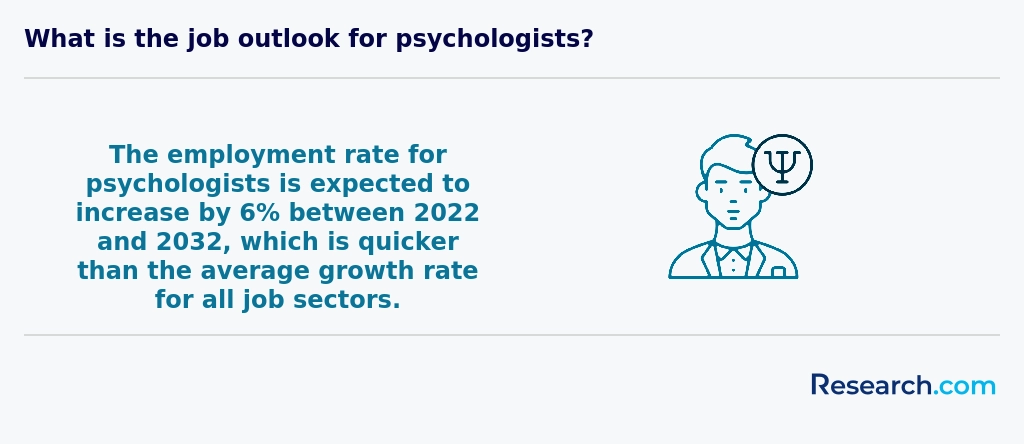
When exploring psychology degree options in Scranton, PA, one of the most critical factors to consider is the accreditation and licensing standards attached to each program. Accredited programs not only ensure a rigorous curriculum but also play an essential role in meeting state and national licensing requirements, which are crucial for pursuing clinical and counseling careers. Accredited institutions are regularly evaluated to meet quality benchmarks, which increases the credibility of your degree and bolsters your employment prospects after graduation. In addition to institutional accreditation, prospective students should be aware of program-specific certifications and state licensing prerequisites. These details can affect your eligibility for advanced career paths and post-graduate opportunities, such as clinical practice or counseling. For instance, many specialized fields like applied behavior analysis require further certification beyond a standard psychology degree. If you are interested in advancing your expertise, consider researching options like bcba masters programs, which are designed to enhance practical skills and meet specialized accreditation requirements. Understanding these standards not only ensures that you are enrolled in a quality program but also positions you for long-term success in the competitive job market. Prospective students should verify that their chosen institutions hold regional accreditation and offer guidance on state-specific licensing exams, internships, and continuing education opportunities-key elements that together build a strong foundation for a rewarding career in psychology.
Students pursuing psychology degrees in Scranton should start by completing the FAFSA to unlock federal financial aid like Pell Grants, which have helped many psychology graduates cut costs by up to $7,395 annually. Federal work-study programs also offer practical opportunities to earn while gaining campus experience, easing the pressure of tuition payments.
State aid is another key resource. For example, the Pennsylvania State Grant Program distributes around $400 million yearly, supporting students at institutions such as the University of Scranton and Marywood University. Graduates from these schools often mention how state grants made earning a psychology degree more affordable without accumulating excessive debt.
Local scholarships can make a real difference, too. Both universities provide departmental scholarships based on merit or financial need, allowing psychology majors to focus on studies instead of finances. Additionally, some employers in the Scranton area offer tuition assistance in exchange for post-graduation work commitments, which many find rewarding both professionally and financially.
Combining federal, state, institutional, and employer support has proved to be the most effective strategy among past psychology students here, turning financial challenges into achievable goals.
Choosing a program with proper accreditation ensures you meet state and national standards for quality education and licensure in psychology.
- Seek regional accreditation from the Middle States Commission on Higher Education to guarantee transferability and employer recognition.
- Enroll in programs with APA accreditation for clinical psychology or CACREP accreditation for counseling tracks to streamline licensure.
- Understand Pennsylvania’s licensure steps: earn your graduate degree, complete 3,360 supervised hours, then pass the EPPP and state jurisprudence exam.
- For related family therapy credentials, explore mft programs that satisfy national licensure criteria.
To enroll in a psychology degree program in Scranton, you first need a high school diploma or equivalent, like a GED, especially for undergraduate programs at local institutions such as the University of Scranton. Graduates often recall how maintaining a GPA around 3.0 made a significant difference in gaining admission. Some schools require SAT or ACT scores, though many have shifted to test-optional policies, easing the pressure on applicants.
Applicants typically submit letters of recommendation and a personal statement, which candidates find helpful to showcase their passion for psychology. Taking classes in biology, math, or social sciences in high school also strengthens your application by building foundational knowledge.
For those applying to graduate programs in Scranton, such as master's degrees offered by established universities, holding a bachelor's degree with a solid GPA-usually around 3.0-in psychology or related fields is essential. Many students remember how relevant research or volunteer experience boosted their applications, alongside well-crafted statements of purpose and professional references.
This clear, step-by-step approach has helped many local psychology students confidently navigate admissions and start their careers in this rewarding field.

When exploring the best options for a psychology degree, students often weigh the benefits of factors such as cost, location, and career prospects. In Scranton, PA, the combination of affordable education and a growing demand for mental health services makes it an attractive location for those interested in pursuing a psychology degree. For instance, students looking for cheapest psychology programs in pennsylvania can find a range of options in Scranton that balance quality education with financial affordability. This balance is crucial as students navigate the decision-making process, considering not just the immediate costs but also the long-term benefits of their educational investment. By choosing Scranton, PA, as their educational hub, psychology students can position themselves for success in a field that is both rewarding and in high demand.
If you're pursuing a psychology degree in Scranton, expect to take core courses that form the foundation of your understanding. Graduates from popular institutions like the University of Scranton recall how classes such as Introduction to Psychology made the basics clear-from understanding behavior to historical context-setting the stage for more advanced studies.
In your second year, hands-on courses like Research Methods in Psychology teach you how to design experiments, just like students at Marywood University who've praised the practical approach that prepares them for real research projects. Biopsychology dives into the brain's role in behavior, making it easier to connect theory with how you feel or react in daily life.
Other key classes include Cognitive Psychology, focusing on memory and attention, and Developmental Psychology, which helps you understand changes from infancy onward. Social and Abnormal Psychology bring scenarios to life-imagine analyzing group dynamics or exploring mental health challenges through cases discussed in class.
Many Scranton programs also offer electives like clinical or counseling psychology, allowing you to tailor your studies toward your career goals while enjoying the supportive, hands-on experience that students consistently recommend.
In Scranton, psychology degree specializations typically include clinical, counseling, and forensic psychology, each offering distinct career pathways. Graduates from local colleges often share how clinical psychology prepared them to support patients in hospitals, while counseling psychology graduates describe rewarding experiences helping clients navigate everyday challenges. Forensic psychology is gaining traction, equipping students for roles connected to law enforcement and the legal system.
Scranton psychology program concentration options also encompass developmental and industrial-organizational psychology. Developmental psychology guides students interested in studying human growth across a lifetime, a popular choice among peers seeking careers in education or social services. Industrial-organizational psychology appeals to those aiming to shape productive, healthy workplace environments, a growing field that many alumni find fulfilling after hands-on internships.
Students should also explore specializations like health psychology and neuropsychology offered by some universities. These fields enable careers in physical health impact and brain-behavior research respectively. Local graduates appreciate how these options allow them to tailor learning toward practical goals. Additionally, those considering advanced study might investigate bcba masters programs, which complement certain specializations well.
Start by identifying the psychology degree level that suits your career path. Many graduates from Scranton find that a bachelor's degree offers a solid foundation in about four years, while those aiming for licensure often pursue doctoral programs with specialized clinical training. Practical experience from local universities like the University of Scranton helps students clarify these goals through hands-on learning and exposure to faculty expertise.
Next, prioritize accreditation to ensure quality education and eligibility for financial aid. Graduates emphasize how choosing institutions accredited by recognized bodies like the American Psychological Association enhances their employment prospects. Scranton's private colleges, though pricier with tuition around $46,000 annually, often provide scholarships, so researching affordable psychology degree programs in Scranton can make a big difference in managing costs effectively.
Look for programs offering flexible formats. Working students benefit from hybrid or online courses that local schools sometimes provide. Reading about peers' success navigating these options helps you envision fitting study into your life. For further cost-saving strategies, consider reviewing the Affordable Psychology Degree Programs Ranking in Chicago, IL to compare pricing and scholarships beyond your immediate area.
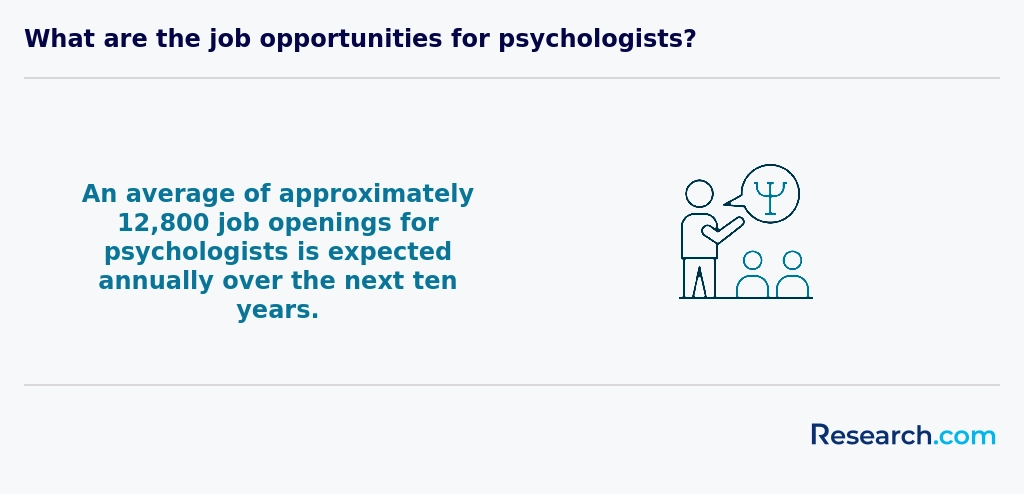
Graduates with a psychology degree in Scranton find several practical career paths that align with local and statewide demands. Many choose to become licensed psychologists or therapists, often advancing to master's or doctorate programs to meet credentialing needs. This approach is especially relevant given the steady growth for mental health counselors in Lackawanna County, reflecting a promising job market. For example, alumni from Scranton's colleges report fulfilling roles in clinics and community mental health centers, addressing real needs close to home.
In addition to clinical work, social and community service manager positions are common, helping graduates coordinate programs at nonprofits focused on youth and substance abuse. These roles allow psychology majors to impact the community positively while leveraging their education. Jobs with a psychology degree in Scranton also extend into business sectors such as human resources and market research, where graduates apply behavioral insights to improve organizational culture or consumer understanding.
A relatable option for many is academic and research positions at local universities. Graduates often engage as research assistants or entry-level lecturers, gaining valuable experience that fosters career growth. Those weighing educational costs can also compare options through 6-month online associate degree programs, which may complement traditional studies or ease financial planning.
Psychology graduates in Scranton find promising job market opportunities across healthcare, education, and social services, reflecting broader national trends. Universities and colleges in Scranton known for psychology programs often connect students with local hospitals and mental health clinics where demand for mental health professionals is growing steadily. Graduates frequently mention gaining real-world experience through internships at these institutions, which opens doors to counseling and clinical psychology roles.
Scranton psychology graduate career outlook also benefits from a strong presence of school systems employing psychologists to support student mental health and learning needs. Many recent graduates share stories of starting as school counselors or educational support staff before advancing to more specialized psychology roles.
To navigate the costs of earning a degree in this region, students can consider public vs. private tuition rates ranging from $7,000 to $30,000 annually. Exploring options such as online colleges with open enrollment provides flexible pathways without compromising affordability.
Social services and community mental health organizations in Scranton also provide practical job opportunities. Graduates often highlight how these roles align well with their passions and offer competitive salaries that increase with experience and specialization, making psychology degree job opportunities in Scranton a viable and rewarding pursuit.
2027 Most Affordable Psychology Degree Programs Ranking in Scranton
Investing in your education is a significant decision that can shape your future, and the Research.com team is keenly aware of the importance of making well-informed choices. To assist prospective students in Scranton, we have carefully developed the "2027 Most Affordable Psychology Degree Programs Ranking." Our dedication to quality, credibility, and accuracy is demonstrated through thorough research and comprehensive analysis behind this ranking.
We utilized the following reputable data sources to ensure a thorough evaluation of psychology degree programs:
By exploring this ranking, readers will gain valuable insights into the most affordable psychology degree options in Scranton, empowering them to make confident and informed educational decisions. For more details on our methodology, please visit our Research.com methodology page.


Frequently Asked Questions About psychology
Psychology degree students in Scranton can enhance their learning by actively engaging in both classroom and community experiences. The University of Scranton and nearby colleges offer courses emphasizing hands-on research and internships, which are vital for applying theoretical knowledge. According to the American Psychological Association, students involved in supervised research projects are 40% more likely to succeed in graduate programs.
Networking with local mental health professionals through Scranton's community health centers also provides valuable real-world insights. Additionally, participating in student organizations focused on psychology helps build collaborative skills and professional connections.
Using online resources and staying updated with publications from the Society for Industrial and Organizational Psychology (SIOP) further supports learning beyond the classroom.
The psychology field continues to evolve with new specializations emerging to address modern challenges. In Scranton, students pursuing psychology degrees are increasingly exploring niches such as neuropsychology, which focuses on how brain injuries and diseases impact behavior. Cyberpsychology, studying human interaction with digital technology, is another growing area, especially relevant as online environments expand.
Additionally, health psychology is gaining attention, linking mental health with physical well-being, an important focus given the national rise in chronic diseases. According to the Bureau of Labor Statistics, clinical and counseling psychology jobs are expected to grow 14% from 2022 to 2032, with specialized roles becoming more common. These niches offer promising career paths for Scranton students.
After completing a psychology degree in Scranton, preparing for the job market involves several strategic steps. First, gaining practical experience through internships or volunteer work in local mental health clinics or social service agencies is essential. These opportunities help build skills employers value and expand professional networks.
Scranton's economy includes healthcare providers and educational institutions that often seek psychology graduates. According to the U.S. Bureau of Labor Statistics, employment for psychologists in Pennsylvania is projected to grow by 3% through 2031, reflecting steady demand.
Additionally, graduates should consider obtaining relevant certifications or pursuing graduate study to increase competitiveness. Building strong communication and research skills further enhances job prospects in this field.
Employers in Scranton highly value psychology graduates who demonstrate strong critical thinking and analytical skills. These abilities are essential for interpreting complex behavioral data and contributing to evidence-based decision-making in clinical and organizational settings. Communication skills, both written and verbal, rank equally important, enabling graduates to present findings clearly and collaborate effectively with multidisciplinary teams.
According to local employment surveys, proficiency in research methods and statistical software, such as SPSS or R, improves job prospects significantly in Scranton's psychology-related fields. Additionally, cultural competence and empathy remain key, as the region's diverse population requires sensitivity to various backgrounds.
Adaptability and ethical judgment also stand out, reflecting a growing emphasis on mental health services in the local community. Overall, Scranton employers seek graduates who combine technical expertise with interpersonal skills for successful career outcomes.
Finding internships in Scranton that are relevant to a psychology degree involves leveraging local resources and university partnerships. The University of Scranton, known for its psychology program, often collaborates with community mental health centers, schools, and hospitals to offer internship opportunities.
Students should actively consult their academic advisors and the university's career services office, which maintain updated lists of approved internship sites. Local facilities like the Geisinger Health System and the Behavioral Health Unit at regional hospitals offer practical settings for psychology students.
Additionally, joining professional organizations such as the Pennsylvania Psychological Association can provide networking and internship leads specific to the Scranton area.
According to recent data from the U.S. Bureau of Labor Statistics, practical experience like internships improves job placement rates by over 20% for psychology graduates nationwide and is strongly encouraged in Scranton's academic programs.
A psychology degree in Scranton can significantly enhance career mobility and advancement opportunities. Employers in healthcare, education, and social services actively seek candidates with strong psychological training, valuing critical thinking and interpersonal skills. According to the U.S. Bureau of Labor Statistics, the demand for psychologists in Pennsylvania is projected to grow by 14% from 2022 to 2032, indicating solid prospects locally and statewide.
Graduates with psychology degrees often qualify for a range of positions, from counseling roles to human resources and research assistant jobs. Those pursuing advanced degrees can access higher-level roles with increased responsibilities and pay.
Scranton's proximity to multiple hospitals and educational institutions provides practical experience options, a critical factor for career progression. Data from the Pennsylvania Department of Labor further suggests regional employers prioritize candidates with relevant internships or practicum experience in psychology.
Studying for a psychology degree in Scranton offers a strong foundation for interdisciplinary roles by combining core psychological theories with practical experiences in diverse settings. Local universities emphasize collaboration between psychology and fields such as healthcare, social work, and education, reflecting workforce demands. According to the Pennsylvania Department of Labor & Industry, regional growth in health services supports interdisciplinary training, preparing students for roles requiring knowledge of mental health and social factors.
Programs often include internships or research projects with community agencies, fostering skills in communication and teamwork. This hands-on approach equips students to work effectively alongside professionals in counseling, rehabilitation, and human services, making their training relevant beyond traditional psychology careers.
Choosing between a thesis and a non-thesis psychology degree program in Scranton depends largely on your career goals and learning preferences. Thesis programs emphasize research, requiring a significant original study, which is ideal if you plan to pursue a doctoral degree or a research-focused career. Non-thesis tracks typically include more coursework and practical experiences, suited for those aiming for applied psychology roles or licensure.
In Scranton, several institutions offer both options, with tuition costs varying widely. According to U.S. Department of Education data, thesis programs may take longer but often provide stronger preparation for academic careers. Non-thesis degrees can be completed faster, beneficial for immediate workforce entry.
Consider your readiness for independent research, time commitment, and long-term goals when selecting a program in Scranton.
Students based in Scranton interested in studying psychology abroad have several pathways through US university exchange programs and study abroad partnerships. Many institutions in Pennsylvania, including those near Scranton, offer semester-long or year-long international programs that include psychology study tracks.
For example, the University of Scranton supports global learning opportunities, allowing psychology students to gain experience in diverse cultural contexts. According to the Institute of International Education's 2022 Open Doors Report, about 17% of US psychology students participate in study abroad experiences, a rate rising steadily.
Additionally, universities often connect with programs in Europe, Australia, and Asia where psychology curricula align with US accreditation standards, facilitating credit transfer and degree progress. Students should consult academic advisors to explore programs tailored for psychology majors abroad.
Students pursuing psychology degrees in Scranton can find several part-time job opportunities that enhance their academic knowledge while building practical skills. Common roles include research assistant positions at local universities such as the University of Scranton, where students can support psychology faculty in experimental studies and data collection. According to the Bureau of Labor Statistics, experience in research methods is highly valued in psychology careers.
Other opportunities include working as mental health technician aides or behavioral health support staff at nearby hospitals like Regional Hospital of Scranton. These roles provide direct exposure to clinical environments and patient interaction, important for future psychology professionals. Additionally, tutoring psychology underclassmen or volunteering in community mental health programs helps develop communication skills and reinforce learning.
Psychology students in Scranton benefit from several local networking opportunities that enhance their academic and professional growth. The University of Scranton, among others, hosts events such as guest lectures, career fairs, and psychology club meetings that connect students with faculty and practicing psychologists.
Students may also engage with the Northeastern Pennsylvania Psychological Association, which offers workshops, conferences, and networking events tailored to psychology professionals and students in the region.
Internships at nearby hospitals and community mental health centers provide practical experience while expanding professional contacts. According to the Bureau of Labor Statistics, about 20% of psychology graduates find jobs through such local networking in their first year.
Alumni networks offer valuable benefits to psychology degree students in Scranton by providing professional connections that can aid in internships and job placements. Many local universities maintain active psychology alumni groups, which facilitate mentorship and career guidance. According to a 2023 report from the National Association of Colleges and Employers (NACE), 65% of students who engaged with alumni networks secured employment within six months after graduation.
These networks often host workshops and networking events, helping students develop essential skills and industry awareness. In Scranton's competitive job market, such connections can distinguish candidates pursuing careers in clinical, counseling, or research psychology.
Customizing a psychology degree program in Scranton allows students to align their education with specific career goals. Many local institutions offer elective courses and specialization options, such as clinical psychology, counseling, or industrial-organizational psychology. Students can tailor their curriculum by selecting relevant internships or research projects that provide hands-on experience in their chosen field. According to data from the National Center for Education Statistics, about 70% of psychology students pursue internships to enhance employment prospects.
Additionally, partnering with local healthcare facilities or community organizations provides practical exposure. Advisors in Scranton's universities often help students design personalized study plans to meet licensure requirements or graduate school prerequisites.
Psychology students in Scranton often face challenges common to many U.S. psychology programs, including balancing rigorous coursework with experiential learning. Hands-on practice through internships or research projects is essential but can be competitive and time-consuming. Financial strain is also a concern; according to the Bureau of Labor Statistics, tuition and living costs continue to rise, affecting students' ability to focus fully on studies.
Access to local clinical placements may be limited due to Scranton's smaller healthcare infrastructure compared to larger cities, which can impact practical training opportunities. Additionally, many students report managing stress and mental health, reflecting national trends highlighted by the American Psychological Association.
With a psychology degree in Scranton, you can pursue several professional certifications that enhance your career options. Common certifications include becoming a Licensed Professional Counselor (LPC) or a Certified Alcohol and Drug Counselor (CADC). Both require specific graduate education and supervised clinical experience.
Additionally, the National Certified Counselor (NCC) credential is widely recognized and can open doors to various counseling roles. For those interested in school settings, certification as a School Counselor is available through Pennsylvania's Department of Education. Data from the Pennsylvania Department of Labor & Industry shows increasing demand for mental health professionals in the Scranton area, supporting the value of these certifications.
Applying to a psychology program in Scranton requires careful preparation. Start by researching local institutions such as The University of Scranton, which is known for its comprehensive psychology curriculum and support resources. Admissions committees value clear, focused personal statements that articulate your academic interests and career goals within psychology.
Highlight any relevant volunteer work, research experience, or internships, especially those connected to local community services or mental health organizations. According to the Pennsylvania Department of Education, psychology remains a popular major, so demonstrating distinct motivation and preparedness is essential.
Strong recommendation letters from academic or professional supervisors can greatly enhance your application. Also, be sure to meet all prerequisite coursework requirements and maintain competitive GPA scores, typically above 3.0 for psychology programs in the region.
Psychology careers in the U.S., including Scranton, are shaped by global trends emphasizing multicultural competence and evidence-based practices. The American Psychological Association highlights the importance of understanding diverse cultural backgrounds to provide effective care, a view echoed worldwide. In Scranton, local universities align their psychology programs with these global perspectives, preparing students for broad career opportunities.
Growth in psychology-related jobs is expected nationwide. The U.S. Bureau of Labor Statistics projects a 10% increase in psychologist employment from 2022 to 2032, reflecting global demand for mental health professionals. This trend benefits Scranton students with expanding job prospects both locally and internationally.
Students pursuing a psychology degree in Scranton can gain valuable practical experience through internships and volunteer opportunities. Local institutions like the Scranton Counseling Center and regional hospitals often provide placements where students can observe and assist licensed psychologists. These experiences enhance understanding beyond classroom theory.
Additionally, many universities in Scranton incorporate practicum courses as part of their psychology curriculum. These courses require students to work directly with clients under supervision, preparing them for real-world professional settings.
Joining psychology clubs or research projects at school also offers hands-on learning experiences, helping students build skills and professional networks while studying.
Choosing the right concentration within a psychology degree program in Scranton involves assessing your career goals and interests. Common specializations include clinical, counseling, industrial-organizational, and developmental psychology. Each concentration offers unique skills and job opportunities.
Research local labor market trends through sources like the Pennsylvania Department of Labor & Industry to understand demand. For example, Scranton area shows steady growth in clinical psychologists, reflecting regional healthcare needs.
Consider program specifics at Scranton-area institutions, including faculty expertise and available internships. Hands-on experience is crucial for applying theory to practice.
Finally, align your choice with certification requirements or graduate study plans, as some concentrations require specific credentials.
- 2027 Most Affordable Psychology Degree Programs Ranking in New York
- 2027 Most Affordable Psychology Degree Programs Ranking in Albany
- 2027 Most Affordable Psychology Degree Programs Ranking in New Haven
- 2027 Most Affordable Psychology Degree Programs Ranking in Baltimore
- 2027 Most Affordable Psychology Degree Programs Ranking in Rochester
- 2027 Most Affordable Psychology Degree Programs Ranking in Springfield
- 2027 Most Affordable Psychology Degree Programs Ranking in Amherst
- 2027 Most Affordable Psychology Degree Programs Ranking in Washington
- 2027 Most Affordable Psychology Degree Programs Ranking in Buffalo
- 2027 Most Affordable Psychology Degree Programs Ranking in Worcester
See What Experts Have To Say About Studying Psychology
Read our interview with Psychology experts

Elizabeth L. Jeglic Ph.D.
Psychology Expert
Professor of Psychology
City University of New York

Robin M. Kowalski. Ph.D.
Psychology Expert
Professor of Psychology
Clemson University

Catherine Caldwell-Harris, Ph.D.
Psychology Expert
Associate Professor of Psychology
Boston University

- Have You Found a Niche? https://www.apaservices.org/practice/business/marketing/building/niche
- How To Find Psychology Internships https://www.psychology.org/resources/how-to-find-an-internship/
- Psychology - SWPS University https://english.swps.pl/academics/warsaw/ba-programs/psychology
- Society for the Teaching of Psychology https://teachpsych.org/page-1784686/8675326
- Sample letters in psychology https://www.mystudies.com/en-in/human-and-social-sciences/psychology/letter-model/
- How to help students cope with mental health challenges https://www.eaie.org/resource/help-students-cope-mental-health-challenges.html
- Mental Health Challenges Faced by Psychology Students | The Healthcare Guys https://healthcareguys.com/2023/11/23/mental-health-challenges-faced-by-psychology-students/
- Know more about thesis vs non- thesis: what is the difference? https://studyfans.com/en/blogs/816
- A Guide to Psychology Internships | Psychology Degree Guide https://psychologydegreeguide.org/resources/internships/
- Alumni Perspectives - Meet Our FPN Alumni https://www.aanmelder.nl/alumni-perspectives-june-2023