
2027 Best Psychology Degree Programs Ranking in Fort Worth

Co-Founder and Chief Data Scientist
Considering a psychology degree in Fort Worth? This article introduces the 2027 Best Psychology Degree Programs Ranking in Fort Worth, developed by the Research.com team of data scientists. It offers a clear guide to help you choose programs that match your goals and interests.
Exploring this ranking can simplify your decision-making and highlight opportunities that lead to rewarding careers in psychology. Understanding your options empowers you and brings excitement about personal and professional growth through higher education.
Start your journey with confidence by discovering which programs truly stand out in Fort Worth.
Key benefits of getting psychology degree in Fort Worth
- Salary for psychology degree graduates: Jobs like Clinical Research Associate and Survey Researcher offer mean annual wages around $62,370, while Marketing Research Analysts can earn up to $83,190, showing strong earning potential.
- Career paths: A psychology graduate from Texas Christian University in Fort Worth can explore diverse roles such as human resources, marketing research, or clinical studies, providing exciting and meaningful job opportunities.
- Online degree benefits: Completing a psychology degree online allows flexible scheduling and accessibility, which many Fort Worth students appreciate while balancing work or family commitments.
- 2027 Best Psychology Degree Programs Ranking in Fort Worth
- What can I expect from psychology degree in Fort Worth?
- Where can I work with psychology degree in Fort Worth?
What can I expect from psychology degree in Fort Worth?
The average cost of pursuing a psychology degree in Fort Worth varies depending on the institution and level of study. For example, undergraduate students at Texas Christian University (TCU) typically encounter tuition fees that reflect the quality of education and access to research opportunities, with costs often balanced by financial aid and scholarships. Graduates recall that while tuition might seem significant initially, the investment is offset by the practical experience gained through internships and community engagement, which are integral to Fort Worth programs.
Similarly, Texas Wesleyan University offers competitive tuition rates that many students find manageable, especially considering Fort Worth's generally lower cost of living compared to larger metropolitan areas. Students appreciate how the combination of affordable education and hands-on placements in local hospitals and clinics contributes to their confidence and career readiness.
In essence, psychology students in Fort Worth benefit not only from quality academic instruction but also from living expenses that make the cost of study more accessible, creating a positive and encouraging environment for professional growth.
Where can I work with psychology degree in Fort Worth?
Graduates with a psychology degree in Fort Worth find a wide range of employment opportunities that align with their skills and aspirations. Many secure roles in healthcare facilities such as Texas Health Resources and Cook Children's Health Care System, working as clinical psychologists, counselors, or behavioral health specialists. These positions allow them to apply their knowledge directly to improving patient well-being in dynamic, real-world settings.
Others pursue careers in education within the Fort Worth Independent School District or at institutions like Texas Christian University and University of North Texas Health Science Center. Here, graduates contribute as school psychologists or academic advisors, supporting student mental health and fostering academic growth, which often brings rewarding experiences that resonate personally with many alumni.
In addition, social service agencies such as Catholic Charities Fort Worth provide meaningful work in counseling and community outreach. Psychology graduates engaging with diverse populations, including children and veterans, often highlight the fulfillment gained from making a tangible difference in lives affected by trauma or addiction.
Some graduates leverage their psychology training in Fort Worth's corporate sector, engaging in human resources, market research, or user experience analysis. This pathway offers exciting opportunities to influence organizational culture and consumer behavior, appealing to those drawn to business environments.
Graduates from psychology programs in Fort Worth, such as those at Texas Christian University or the University of North Texas Health Science Center, often find themselves well-positioned for fulfilling careers with competitive salaries. Entry-level roles like clinical research associates or survey researchers typically start around $62,370 annually, reflecting national trends that align closely with local market conditions.
Many graduates begin their careers as human resources specialists, earning a mean annual wage of about $76,060 in Fort Worth, which provides a solid foundation for career growth. Others pursue specialized paths in marketing research analysis, where average salaries can reach approximately $83,190, offering attractive compensation for those combining psychology with business insight.
These figures highlight opportunities for psychology graduates to achieve rewarding financial outcomes in Fort Worth's expanding job market. Success stories from recent graduates emphasize how practical experience gained through internships at local healthcare or corporate settings can propel early-career professionals toward salaries nearing six figures over time, especially with advanced qualifications and licensure.
- Tuition for psychology bachelor's degrees in Fort Worth ranges from $8,000 to $15,000 per year at public schools and can exceed $25,000 at private institutions.
- Entry-level salaries for psychology graduates in Fort Worth average between $45,000 and $50,000 annually, increasing to $60,000-$75,000 mid-career.
- The local job market for psychology professionals is growing, with a projected 10% increase in related jobs by the mid-2020s.
- Fort Worth's healthcare, education, and corporate sectors offer diverse employment opportunities for psychology graduates.
- Texas licensure requires an accredited degree, supervised hours, and passing exams, with many Fort Worth programs aligned to support this process.
Completing a psychology degree in Fort Worth generally aligns with established academic timelines but is also shaped by local university offerings and student circumstances. Graduates from institutions like Texas Christian University often share that a full-time bachelor's degree in psychology requires about four years, during which students engage deeply with foundational theories and research methods.
For those pursuing advanced credentials, a master's degree at Texas Wesleyan University typically takes between 18 and 24 months of committed study, allowing students to refine clinical skills and specialize in areas such as counseling or neuropsychology. Many express satisfaction with the flexible scheduling options, including evening classes, which accommodate working professionals.
Doctoral candidates at Fort Worth's prominent programs, including those affiliated with health science centers, report timelines ranging from four to seven years post-bachelor's. This period encompasses extensive research, clinical placements, and rigorous dissertation work, fostering a sense of professional accomplishment upon licensure.
Ultimately, students appreciate the balance between quality education and adaptable pacing, which supports diverse life commitments while maintaining academic excellence in Fort Worth's psychology programs.
Students pursuing a psychology degree in Fort Worth not only benefit from rigorous academics but also gain from a vibrant campus life designed to support personal and professional growth. Many institutions host dedicated psychology clubs, peer mentoring programs, and networking events that offer real-world insights into the field. These resources, from career counseling centers and research labs to community mental health initiatives, help students build lasting relationships while enhancing their learning experiences. Furthermore, several universities offer supplemental support through workshops and seminars on resume building, interview techniques, and licensure preparation. For those needing extra flexibility, enrolling in an online psychology degree provides opportunities to blend academic rigor with work and life commitments, ensuring a well-rounded educational journey. Notably, the close-knit Fort Worth community means that students frequently collaborate on local mental health projects and research initiatives, fostering an environment where academic excellence and hands-on experience go hand in hand.
In Fort Worth, psychology students choosing between online and on-campus formats encounter distinct educational experiences. Online programs, embraced by many working adults, offer the flexibility to complete coursework asynchronously, fitting study around jobs or family needs. Graduates from these programs often appreciate the ability to revisit lectures at their own pace, a benefit noted by students balancing busy schedules while enrolled at local institutions offering remote options.
Conversely, on-campus programs at Fort Worth universities foster interactive learning through face-to-face engagement with professors and peers. Many students value participating in live discussions and hands-on research projects, such as lab work or internships, which cultivate professional skills and a sense of community often described as rewarding and motivating. This social environment enhances understanding and networking opportunities essential for clinical psychology pathways.
Tuition costs between the two modalities are largely similar, but online students reduce expenses linked to housing and commuting. However, clinical training requirements, including supervised practicum hours mandated for licensure in Texas, are more straightforward to fulfill through on-campus programs, which provide structured support and local internship placements.
Navigating the application process for Psychology degree programs in Fort Worth, TX can make or break your admission chances. To maximize your success, follow these key steps and deadlines: 1. Research and Program Selection – Identify your top choices by evaluating accreditation, faculty expertise, and curriculum. For cost comparisons beyond Texas, see our Most Affordable Psychology Degree Programs Ranking in Kansas for budgeting strategies. – Note rolling versus fixed deadlines: many Fort Worth institutions offer both fall (typically October–December) and spring (July–September) admission windows. 2. Prepare Required Materials – Official Transcripts: Request sealed transcripts from every post-secondary institution attended, allowing 3–4 weeks for delivery. – Personal Statement: Craft a 500–700-word essay detailing your academic interests, career goals, and any research or clinical experience. – Letters of Recommendation: Secure three recommendations (faculty, supervisors, or clinical mentors) at least six weeks before your earliest deadline. – Standardized Tests: Check if GRE scores are optional or required; submit official scores no later than two weeks after your target deadline. 3. Financial Planning and Scholarships – Complete FAFSA by March 1 for priority consideration of federal aid and work-study programs. – Explore institution-specific scholarships-many Fort Worth universities close their psychology scholarship applications in early February. 4. Final Review and Submission – Use a checklist to confirm all materials are uploaded in your online portal 7–10 days before the deadline. – Schedule an informational interview or campus visit (virtual or in person) to demonstrate interest and ask tailored questions about practicum placements. By adhering to these guidelines and monitoring each program’s timeline, you’ll present a polished, competitive application ready for review by Fort Worth’s premier psychology departments.
The average cost of obtaining a psychology degree in Fort Worth varies based on residency status and the institution attended. Data shows that the median total cost for completing this degree is approximately $58,947, with in-state students generally paying a lower median cost around $39,582. Graduates from well-known Fort Worth universities, such as Texas Christian University and Texas Wesleyan University, often recall navigating these expenses while benefiting from programs recognized for their solid academic reputation and community support.
Many students pursuing a psychology degree in Fort Worth find that tuition and fees represent only part of the financial picture. Textbooks, materials, and additional fees can add significantly to the budget, alongside living costs such as housing and transportation. Students appreciate that understanding the psychology degree tuition and fees Fort Worth requires early financial planning, which enables them to avoid surprises and make informed decisions during their studies.
Those exploring options for financial aid often discover merit scholarships and federal assistance, which can ease the financial burden considerably. Fort Worth institutions frequently offer these opportunities, making the investment in a psychology degree more manageable and rewarding. Prospective students interested in exploring affordable pathways can review the cheapest psychology programs in Texas, which highlight accessible options without compromising program quality.
Overall, the investment in a psychology degree in Fort Worth aligns with broader state trends, encouraging many graduates who value both the academic experience and the professional foundation it provides.

To practice professionally in Fort Worth, psychology degree graduates must navigate the Texas State Board of Examiners requirements for licensure, ensuring both academic and supervised experience benchmarks are met. Whether you choose a traditional campus program or explore accredited online master’s psychology programs, your curriculum should align with these core steps: 1. Degree Accreditation and Coursework • Hold a master’s or doctoral degree from a program accredited by the American Psychological Association (APA) or a regionally accredited institution. • Complete coursework in ethics, assessment, and intervention techniques as specified by the board. 2. Supervised Experience • Accumulate 3,000 supervised hours post-degree, including a minimum of 1,500 hours in direct client contact under a licensed psychologist’s supervision. • Document practicum and internship experiences in settings such as community mental health centers or university counseling clinics. 3. Examination Requirements • Pass the Examination for Professional Practice in Psychology (EPPP) with a score meeting or exceeding the state’s passing standard. • Complete the Texas Jurisprudence Examination to demonstrate knowledge of state laws, ethical codes, and professional standards. 4. Application and Fees • Submit a licensure application, official transcripts, verification of supervised hours, and applicable fees to the Texas State Board of Examiners. • Undergo a criminal background check and provide proof of liability insurance if required. 5. Continuing Education • After licensure, maintain active status by completing at least 20 hours of continuing education every two years, including ethics and supervision training. By understanding and adhering to these steps, Fort Worth graduates can streamline their journey from classroom to licensed professional, ensuring compliance with Texas regulations and enhancing their career prospects.
Psychology students in Fort Worth have access to multiple financial aid options that significantly ease educational expenses. Graduates from local institutions like Texas Christian University often recall how Pell Grants, awarded through the FAFSA process, provided critical need-based funding without the burden of repayment, covering amounts up to $7,395 annually in 2024.
Merit-based scholarships are also common, especially at universities such as the University of North Texas Health Science Center. Many psychology students have benefitted from awards recognizing academic excellence, community engagement, or research involvement, which reduce reliance on loans and enhance their academic journey with confidence and motivation.
State-funded aid, including the TEXAS Grant, supports undergraduates who meet income eligibility, enabling Fort Worth residents to pursue degrees at public colleges affordably. Work-study programs offer valuable part-time roles, often within psychology departments, allowing students to gain practical experience while financing their education.
Additionally, professional organizations like the American Psychological Association provide private scholarships, encouraging students dedicated to careers in mental health or psychological research to achieve their goals with a sense of professional belonging.
: For students seeking to pursue a psychology degree without accumulating significant debt, exploring the most affordable options is crucial. When considering the cost of tuition, living expenses, and other fees, students can make informed decisions about their educational investment. Many institutions in Fort Worth, TX, offer affordable psychology programs that balance quality education with financial accessibility. Prospective students can visit cheapest psychology programs in Texas to find detailed information about these programs, including tuition costs, scholarship opportunities, and graduate outcomes. By prioritizing affordability without compromising on educational quality, students can set themselves up for success in their future careers in psychology.
Enrolling in a psychology degree program in Fort Worth requires meeting specific academic prerequisites that reflect both national standards and regional expectations. For undergraduate admission, most students entering institutions like Texas Christian University or the University of North Texas at Fort Worth present a high school diploma or GED, accompanied by a GPA between 2.5 and 3.0. Many find that having completed coursework in biology and statistics eases their transition into foundational psychology classes.
Graduate applicants pursuing master's or doctoral studies face more rigorous criteria. Graduates from Fort Worth colleges recount the importance of maintaining at least a 3.0 GPA in their bachelor's degree, alongside completing essential psychology courses such as research methods and statistics. They emphasize the role of well-crafted statements of purpose and strong letters of recommendation in strengthening their applications.
Adding to academic requirements, gaining relevant volunteer or work experience in local mental health clinics or research labs enhances readiness and confidence, helping students connect theory with practical impact in Fort Worth's diverse communities.

Hands-on field experience is a cornerstone of psychology education, and Fort Worth’s top programs partner with local hospitals, schools, and community agencies to ensure robust internship and practicum placements. Students at Texas Christian University often complete a 200-hour practicum in mental health clinics like Tarrant County Behavioral Health, gaining exposure to intake assessment and group therapy under licensed supervisors. At the University of Texas at Arlington, psychology majors benefit from a dedicated Internship Center that matches them with roles in school districts, juvenile justice facilities, and nonprofit organizations such as Communities in Schools, refining skills in behavior management and social-emotional assessment. Practicum requirements typically range from 150 to 300 hours, depending on degree level. Undergraduate students focus on observational and assistant roles-conducting literature reviews, co-facilitating workshops, and administering psychological surveys-while graduate candidates engage in advanced clinical assessments, treatment planning, and supervised counseling sessions. Many programs offer semester-long placements as well as summer intensives, allowing for flexibility in balancing coursework and professional commitments. To maximize internship success, students should:
- Start early: Apply by fall of junior year for competitive placements.
- Network with faculty: Faculty-led research labs often recruit students for paid practicum positions.
- Leverage career services: Attend on-campus recruitment fairs and resume workshops tailored to psychology majors. For cost-conscious students seeking additional field-based options outside of Texas, explore our Most Affordable Psychology Degree Programs Ranking in Kansas, which highlights programs with strong practicum components and lower tuition rates.
Psychology degree programs in Fort Worth typically include core courses that provide a comprehensive foundation in the discipline. Graduates from Texas Christian University and the University of North Texas Health Science Center often recall engaging deeply with courses such as Introduction to Psychology, which unveils fundamental theories and diverse areas of the field, setting the stage for advanced study.
Hands-on experience with data is gained through Research Methods and Statistics, training students to design experiments and analyze behavioral data-skills highly valued in professional settings. Students frequently highlight how Biological Psychology offered vivid insights into brain-behavior relationships, enhancing their understanding of neurological mechanisms behind mental functions.
Courses like Cognitive Psychology and Developmental Psychology connect theoretical concepts to everyday life, such as problem-solving challenges and human growth stages, making lessons tangible and relevant. Meanwhile, Abnormal Psychology and Social Psychology illuminate the complexities of mental health conditions and interpersonal dynamics, preparing students for roles in counseling and clinical practice within the Fort Worth community.
Many students appreciate how these programs integrate practical experiences, exposing them to real-world applications through internships and supervised research, which foster confidence and readiness to enter psychology professions locally and beyond.
Students pursuing a psychology degree in Fort Worth can choose from several specialized fields that cater to diverse interests and career paths. Among the most common specializations are Clinical Psychology, focusing on diagnosing and treating mental disorders; Counseling Psychology, designed for those aiming to provide therapeutic support across populations; and Industrial-Organizational Psychology, which applies psychological principles to workplace environments. Graduates from prominent Fort Worth universities often describe these programs as both challenging and rewarding, offering hands-on experiences that prepare them effectively for the workforce.
Other popular tracks include Child and Adolescent Psychology, which addresses developmental and mental health issues among youth, and Neuropsychology, emphasizing brain-behavior relationships. Students appreciate how Fort Worth psychology program concentrations balance theoretical knowledge with practical applications, often engaging with local healthcare and educational institutions.
Many undergraduates also explore flexible options by enrolling in an online psychology degree, which accommodates their schedules while maintaining rigorous standards.
Selecting the best psychology degree programs in Fort Worth requires evaluating accreditation, curriculum, and faculty expertise at local institutions such as public universities and private colleges known for their strong psychology departments. Graduates from these programs often emphasize the importance of well-rounded coursework combined with practical experiences like internships, which enhance both knowledge and confidence in clinical or research settings. Affordability also plays a critical role; affordable psychology colleges Fort Worth TX, including community colleges with transfer pathways, provide viable options for students managing financial considerations. Personal accounts from alumni highlight the value of support services and flexible scheduling, helping those balancing studies with work or family commitments.
Students aiming for careers in clinical psychology should verify whether their program prepares them for licensure exams and offers opportunities for research assistantships or lab work. Considering local employment trends can further guide choices, ensuring degrees align with promising job markets. For those seeking advanced degrees, exploring online master's psychology programs can offer cost-effective, flexible pathways to specialization.
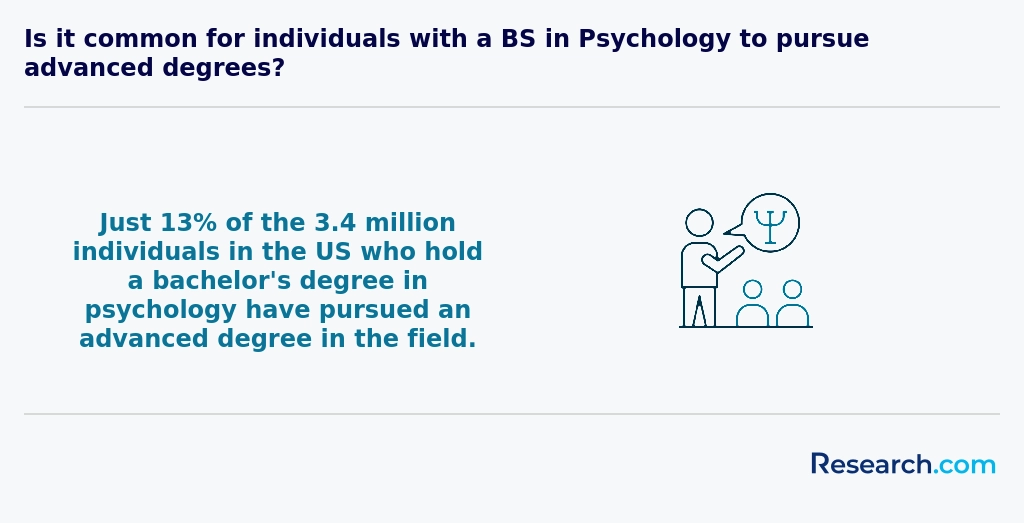
Graduates with a bachelor's degree in psychology from universities in Fort Worth often pursue diverse entry-level opportunities such as human resources assistant, behavioral health technician, or market research analyst, gaining practical experience in environments like local hospitals and social service organizations. These roles provide a foundational understanding of human behavior and workforce dynamics, appealing to those seeking immediate employment after undergraduate studies.
For those continuing with a master's or doctoral degree, Fort Worth psychology degree job options expand to more specialized careers including licensed clinical psychologist, school psychologist, or forensic psychologist. Many graduates from prominent Fort Worth colleges report fulfilling careers working directly with patients or engaging in research projects supported by university partnerships. Licensing requirements, including supervised practice and passing the EPPP, ensure high professional standards in Texas.
The city's healthcare growth and education sector offer stable avenues for psychology careers in Fort Worth, encouraging students to pursue internships and research that foster professional development. Additionally, prospective students can explore affordable programs highlighted in the Most Affordable Psychology Degree Programs Ranking in Kansas, supporting long-term career goals.
The psychology degree job outlook Fort Worth is promising, reflecting the city's growing demand for mental health and social services. Graduates from popular institutions such as Texas Christian University often find themselves well-prepared for roles in clinical and counseling settings, schools, and healthcare facilities throughout the Dallas-Fort Worth metropolitan area. Many report fulfilling experiences securing internships at local hospitals or government agencies, which enhances their employment prospects.
Fort Worth career opportunities for psychology graduates extend beyond traditional clinical roles. Entry-level positions in human resources or case management provide a practical start, especially for those holding bachelor's degrees. Those pursuing advanced degrees benefit from specialized roles offering higher pay and responsibility. With an average annual wage around $88,000, the region's market aligns with national standards, encouraging sustained interest.
Cost concerns for psychology studies in Fort Worth vary, with tuition at public universities ranging between $10,000 and $25,000 annually for in-state students, while private institutions may exceed $35,000. Many students successfully offset costs through scholarships or by enrolling in a 6-month online certification program that pays well. This practical approach supports career advancement in Fort Worth's competitive landscape.
2027 Best Psychology Degree Programs Ranking in Fort Worth
Investing in your education is a significant decision that can shape your future, and the Research.com team understands the importance of making informed choices. To assist prospective students in Fort Worth, we have meticulously crafted the "2027 Best Psychology Degree Programs Ranking in Fort Worth." Our commitment to quality, credibility, and accuracy is reflected in the extensive research and analysis conducted to compile this ranking.
We utilized the following reputable data sources to ensure a comprehensive evaluation of psychology programs:
By exploring this ranking, readers will gain valuable insights into the best psychology degree programs available in Fort Worth, enabling them to make well-informed decisions about their academic and professional futures. For more details on our methodology, please visit our Research.com methodology page.


Frequently Asked Questions About psychology
Psychology degree students in Fort Worth can enhance their learning by engaging actively in local internships and research opportunities. The city hosts several mental health organizations and clinics that often partner with universities for student placements. According to the Texas Higher Education Coordinating Board, hands-on experience through internships boosts job readiness for 85% of psychology graduates statewide.
Additionally, Fort Worth's universities offer access to psychology labs and seminars where students can collaborate with faculty on current studies. Networking with professionals at local events organized by the Texas Psychological Association can also deepen understanding of the field.
Students are encouraged to take advantage of Fort Worth's diverse population to study psychology in real-world contexts, improving cultural competence-a skill valued by 90% of employers according to the American Psychological Association.
The field of psychology is rapidly evolving, with emerging niches gaining attention among students in Fort Worth. Areas like neuropsychology, which studies brain-behavior relationships, are expanding due to advances in brain imaging technology. Additionally, health psychology is growing, addressing the increasing demand for mental health services linked to chronic illnesses.
Another promising niche is forensic psychology, where professionals work at the intersection of psychology and the legal system. Industrial-organizational psychology also remains popular, with local Fort Worth businesses seeking experts to improve workplace efficiency and employee well-being.
According to the Bureau of Labor Statistics, jobs for psychologists are projected to grow 8% nationally by 2030, reflecting these expanding specializations.
Preparing for the job market after earning a psychology degree in Fort Worth involves strategic steps that align with local employment trends. Fort Worth's expanding healthcare and social services sectors offer many entry-level opportunities for psychology graduates, especially in counseling and behavioral health roles.
Internships and practicum experiences during your studies are crucial. These provide practical skills and help build a professional network within Fort Worth agencies and clinics. According to the Texas Workforce Commission, psychology-related jobs in the Dallas-Fort Worth area are projected to grow by 10% through 2030, emphasizing expanding demand.
Obtaining relevant certifications, such as Licensed Psychological Associate or Licensed Professional Counselor credentials, can improve employability locally. Additionally, Fort Worth has several professional groups and job fairs dedicated to psychology professionals, which can be valuable for career advancement and mentorship.
Employers in Fort Worth value psychology graduates who demonstrate strong communication skills, essential for explaining complex concepts clearly to clients and colleagues. Critical thinking and analytical abilities are also highly sought after, enabling graduates to assess research data and apply evidence-based practices effectively.
Additionally, proficiency in ethical decision-making is crucial given the sensitive nature of psychological work. According to the Bureau of Labor Statistics, social services and healthcare organizations in Texas report consistent demand for psychology professionals with interpersonal skills.
Familiarity with data analysis software and research methods enhances employability, especially in Fort Worth's growing mental health and educational sectors. Adaptability and cultural competence are important as well, reflecting the diverse population in this region.
Finding internships in Fort Worth relevant to a psychology degree involves leveraging local universities and community resources. Texas Christian University and Texas Wesleyan University offer psychology programs with internship opportunities through their career centers. Students can connect with these centers for placement in clinical, counseling, or research settings.
Fort Worth's healthcare system, including Texas Health Harris Methodist Hospital and local counseling clinics, often seek interns. Psychology students should explore these institutions' internship postings online or contact their human resources departments directly.
The Texas Workforce Commission also lists internship openings across Fort Worth in mental health services. Networking through local professional organizations like the Texas Psychological Association can further increase internship prospects.
A psychology degree in Fort Worth can significantly enhance career mobility and advancement opportunities. According to the U.S. Bureau of Labor Statistics, the Dallas-Fort Worth metroplex is experiencing steady growth in mental health and social services jobs, with projected employment increases of 14% through 2031. This growth creates demand for professionals with psychology backgrounds in various settings, including healthcare, education, and corporate sectors.
Graduates with a bachelor's or higher degree often find it easier to access specialized roles or supervisory positions. Additionally, many Fort Worth employers value the critical thinking and communication skills developed through psychology programs. Licensure and advanced degrees further improve prospects for clinical careers or leadership roles within the region's expanding healthcare system.
Studying for a psychology degree in Fort Worth equips students with diverse skills to engage in interdisciplinary roles across healthcare, education, and social services. Many local universities emphasize a curriculum integrating psychology with areas like counseling, neuroscience, and business management, reflecting the dynamic job market. According to the National Center for Education Statistics, Texas ranks among the top states for psychology graduates, supporting a growing workforce with broad expertise.
Fort Worth's proximity to major medical centers and research institutions facilitates partnerships, internships, and applied learning in collaborative environments. This exposure helps students develop competencies in communication, critical thinking, and data analysis, which are essential for interdisciplinary teamwork.
Moreover, psychology programs in Fort Worth often include training on ethical decision-making and cultural competence, preparing graduates to work effectively with professionals from various disciplines. This comprehensive preparation enables psychology graduates to address complex societal issues through a multidisciplinary lens.
Choosing between a thesis and a non-thesis psychology degree program in Fort Worth depends largely on your career goals and academic interests. Thesis programs require students to conduct original research and write a comprehensive paper, which is essential for those considering doctoral studies or research careers. In contrast, non-thesis programs emphasize coursework and practical experience, appealing to professionals aiming for direct practice or administrative roles.
Local institutions, including Texas Christian University and Texas Wesleyan University, offer both options. According to the National Center for Education Statistics, about 40% of psychology graduate students nationally opt for thesis tracks, reflecting interest in research. Fort Worth's growing mental health sector may favor non-thesis graduates skilled in applied psychology.
Students based in Fort Worth seeking to study psychology abroad have several structured pathways through U.S. higher education institutions. Local universities like Texas Christian University (TCU) and Texas Wesleyan University often offer study abroad programs or partnerships with international universities, providing psychology majors opportunities to take courses overseas while earning credits.
Additionally, many psychology students participate in exchange programs coordinated by organizations such as the Council on International Educational Exchange (CIEE), which frequently include placements in countries with advanced psychology curricula. According to the Institute of International Education, nearly 16% of U.S. psychology students engage in some form of study abroad during their undergraduate years.
These programs typically focus on cultural competence and global mental health perspectives, enhancing the student's academic and professional profile. Financial aid and scholarships specific to study abroad are often available, helping Fort Worth students overcome cost barriers.
Students pursuing psychology degrees in Fort Worth have several valuable part-time job options that can enhance their education. Common roles include research assistants at local universities, where students gain hands-on experience in experimental design and data collection. Fort Worth hosts institutions like Texas Christian University and the University of North Texas Health Science Center, which frequently offer such positions.
Internships or assistant roles within mental health clinics provide direct exposure to therapeutic practices and client interaction, crucial for applied psychology knowledge. Additionally, positions in social service agencies or nonprofit organizations allow students to develop case management and counseling skills.
Job opportunities in school settings as teacher aides or behavioral assistants are also popular. These roles help students understand educational psychology and child development firsthand.
Psychology students in Fort Worth have access to a variety of networking opportunities through local universities and professional organizations. Texas Christian University, a key institution in the area, offers events where students can connect with faculty and alumni working in different psychology fields. The Fort Worth Psychological Association hosts regular meetings and workshops promoting collaboration among students, practitioners, and researchers.
Students can also attend conferences held in the Dallas-Fort Worth metroplex, such as those by the Texas Psychological Association. These gatherings provide valuable chances to meet experts, learn about the latest research, and explore internships or job openings. Networking in these settings often helps students build professional relationships beneficial for future careers.
Alumni networks play a significant role in supporting psychology degree students in Fort Worth by providing valuable professional connections and mentorship opportunities. Graduates from local institutions often share job leads and internship openings specifically within the Fort Worth area, helping students navigate the competitive job market.
These networks enhance career development by facilitating access to licensed psychologists and researchers who offer guidance based on real-world experience. According to the Texas Higher Education Coordinating Board, Fort Worth alumni associations have increased collaboration with mental health organizations, expanding practical learning environments.
Strong alumni connections also encourage participation in workshops and conferences, which are crucial for staying updated with advances in psychology.
Customizing a psychology degree program in Fort Worth allows students to align their studies with specific career objectives. Many institutions offer a variety of elective courses, from clinical psychology to organizational behavior, enabling students to focus on areas that match their professional goals.
Students can also choose between different program formats, including traditional on-campus classes, accelerated tracks, or online courses, providing flexibility for working professionals. Fort Worth schools often provide internship and practicum opportunities with local healthcare facilities and businesses, which are valuable for gaining practical experience.
According to the Texas Higher Education Coordinating Board, tailoring your program by selecting relevant electives and hands-on experiences can increase employability in the region's diverse psychology job market.
Psychology students in Fort Worth often face several challenges specific to their academic and professional environments. One common issue is balancing rigorous coursework with gaining practical experience, as many local programs require extensive internships or practicum hours to meet accreditation standards set by bodies like the APA. According to the Texas Higher Education Coordinating Board, about 45% of psychology undergraduates in Fort Worth report difficulty managing these workload demands alongside part-time jobs or family commitments.
Additionally, funding and affordability remain concerns. Public universities in the region offer varied financial aid, but rising tuition costs can strain students who do not qualify for substantial scholarships. Mental health stigma in some Fort Worth communities can also affect students' ability to seek support when experiencing academic stress, a factor noted in studies by Texas Christian University social science departments.
With a psychology degree in Fort Worth, graduates can pursue various professional certifications to advance their careers. Common certifications include Licensed Professional Counselor (LPC) and Licensed Psychological Associate (LPA), both recognized in Texas. The LPC allows psychologists to provide therapy independently, requiring supervised hours and passing the National Counselor Examination.
Another option is Board Certified Behavior Analyst (BCBA), which focuses on applied behavior analysis and is in demand locally. Fort Worth's health services sector values these credentials due to growing mental health needs, as reported by the Texas Department of State Health Services. Additionally, certifications like Certified School Psychologist or National Certified Counselor (NCC) broaden career pathways in education and counseling.
Writing a winning application for a psychology program in Fort Worth requires clear focus and preparation. Start by researching local universities like Texas Christian University and University of Texas at Arlington, which offer well-regarded psychology degrees. Admissions committees typically look for strong academic records, especially in psychology and related sciences.
Highlight any relevant experience such as internships, research, or volunteer work in mental health settings. Fort Worth's growing focus on behavioral health provides many opportunities for practical involvement.
Craft a thoughtful personal statement explaining your motivation to study psychology and your career goals. Use concrete examples to demonstrate your commitment and understanding of the field.
Lastly, secure compelling letters of recommendation from professors or professionals familiar with your academic and personal qualities to strengthen your application.
The field of psychology offers diverse career opportunities both in the United States and globally. In Fort Worth, psychology graduates benefit from the strong demand for mental health professionals, reflecting a broader U.S. trend driven by increased awareness of mental well-being. According to the U.S. Bureau of Labor Statistics, employment for psychologists is projected to grow 8% from 2022 to 2032, faster than average.
Internationally, psychology careers vary with healthcare systems and cultural contexts, but many countries emphasize clinical, counseling, and organizational roles. U.S. degrees, including those from Fort Worth institutions, are often respected worldwide, facilitating global mobility for graduates.
Gaining practical experience while studying for a psychology degree in Fort Worth is essential for career readiness. Many local universities encourage students to participate in internships at hospitals, mental health clinics, and community centers. For example, Texas Christian University and the University of North Texas Health Science Center both offer structured internship programs that connect students to these sites.
Students can also volunteer for research projects led by faculty members, providing valuable hands-on exposure to experimental psychology methods. According to the American Psychological Association, internships and research experience significantly improve job prospects after graduation.
Additionally, Fort Worth's vibrant healthcare sector offers ample opportunities for shadowing licensed psychologists or counseling professionals. This real-world exposure complements classroom learning and helps build essential clinical skills.
Choosing the right concentration within a psychology degree program in Fort Worth requires understanding your career goals and interests. Psychology offers various specializations such as clinical, counseling, industrial-organizational, and forensic psychology, each with distinct applications.
Consider the local job market: Fort Worth's growing healthcare and business sectors create demand for clinical and industrial-organizational psychologists. According to the Texas Workforce Commission, employment for psychologists in the Dallas-Fort Worth area is projected to grow by 15% through 2030.
Research the curriculum of programs offered by Fort Worth institutions to ensure they align with your interests and provide opportunities for internships or research.
Consult academic advisors and connect with professionals in Fort Worth to gain insights on each concentration's real-world applications and career prospects.
- 2027 Best Psychology Degree Programs Ranking in Wichita
- 2027 Best Psychology Degree Programs Ranking in Springfield
- 2027 Best Psychology Degree Programs Ranking in Baton Rouge
- 2027 Best Psychology Degree Programs Ranking in Kansas City
- 2027 Best Psychology Degree Programs Ranking in New Orleans
- 2027 Best Psychology Degree Programs Ranking in Hattiesburg
- 2027 Best Psychology Degree Programs Ranking in Lincoln
- 2027 Best Psychology Degree Programs Ranking in Mobile
- 2027 Best Psychology Degree Programs Ranking in Saint Louis
- 2027 Best Psychology Degree Programs Ranking in Birmingham
See What Experts Have To Say About Studying Psychology
Read our interview with Psychology experts

Joann Farrell Quinn, Ph.D., MBA
Psychology Expert
Director at the College of Medicine Department of Medical Education
Morsani College of Medicine

Elizabeth L. Jeglic Ph.D.
Psychology Expert
Professor of Psychology
City University of New York

Robin M. Kowalski. Ph.D.
Psychology Expert
Professor of Psychology
Clemson University

- Psychology Degree Requirements | University of Bridgeport https://www.bridgeport.edu/news/psychology-education-requirements/
- Study Psychology Abroad https://astarfuture.co.uk/study_psychology_abroad.html
- Society for the Teaching of Psychology https://teachpsych.org/page-1784686/8675326
- How to help students cope with mental health challenges https://www.eaie.org/resource/help-students-cope-mental-health-challenges.html
- Alumni Perspectives - Meet Our FPN Alumni https://www.aanmelder.nl/alumni-perspectives-june-2023
- Sample letters in psychology https://www.mystudies.com/en-in/human-and-social-sciences/psychology/letter-model/
- Know more about thesis vs non- thesis: what is the difference? https://studyfans.com/en/blogs/816
- Professional Networking For Psychologists | Psychology.org https://www.psychology.org/resources/professional-networking/
- Tuition and Fees https://www.unthealth.edu/tuition-and-fees/index.html
- Call for papers https://www.hogrefe.com/us/journal/international-perspectives-in-psychology-research-practice-consultation






