2027 Most Affordable Online Psychology Degree Programs Ranking in Massachusetts

Co-Founder and Chief Data Scientist
Choosing the right psychology degree program can be a daunting task, especially when affordability and quality matter. This article introduces the 2027 Most Affordable Online Psychology Degree Programs Ranking in Massachusetts, carefully created by the Research.com team of data scientists.
Designed to guide students in making informed decisions, this ranking highlights accessible and valuable programs within the state.
Exploring your options for an online psychology degree can open doors to meaningful careers and personal growth. Dive in to discover programs that suit your goals and budget.
Key benefits of getting online psychology degree in Massachusetts
- Psychology degree graduates in Massachusetts can expect rewarding salaries, such as Marketing Research Analysts earning around $83,190 annually and Human Resources Specialists making approximately $76,060 per year.
- Career paths for psychology graduates include roles like Clinical Research Associates or Survey Researchers, offering diverse opportunities in healthcare, research, and corporate sectors within Massachusetts.
- Completing a psychology degree online provides flexibility and accessibility, allowing students from Massachusetts to balance work and studies efficiently while gaining recognized credentials from reputable institutions.
- 2027 Most Affordable Online Psychology Degree Programs Ranking in Massachusetts
- What can I expect from online psychology degree in Massachusetts?
- Where can I work with online psychology degree in Massachusetts?
What can I expect from online psychology degree in Massachusetts?
When diving into an online psychology degree in Massachusetts, students often wonder about the financial investment involved. Typically, tuition costs range between $15,000 and $40,000 for completing a bachelor's or master's program, depending on the school and program length. Graduates from popular Massachusetts institutions share how budgeting carefully made their journey smoother, with some finding scholarships or employer tuition assistance to ease expenses.
Imagine balancing work and study while accessing virtual classrooms at colleges like Boston University or University of Massachusetts Amherst. Many students appreciate the ability to avoid relocation costs, which makes the overall price more manageable.
Financial planning becomes part of the adventure, with students feeling empowered by knowing their investment supports quality education recognized by the New England Commission of Higher Education. This recognition often opens doors to licensure and rewarding careers statewide.
Where can I work with online psychology degree in Massachusetts?
Graduates with an online psychology degree in Massachusetts find themselves stepping into vibrant roles across healthcare, education, and business. Imagine working as a behavioral health technician in Boston's bustling hospitals or supporting community wellness programs near Worcester-these are common gateways for those holding a bachelor's degree. Many alumni from institutions like UMass Amherst and Northeastern University share how their online studies opened doors to engaging hospital-based jobs.
Others chase advanced clinical licensure, blending their online education with hands-on internships to become licensed psychologists. This path often winds through graduate programs connected to schools like Boston University, where supervised clinical hours turn theory into impactful practice.
For the inquisitive mind, roles in research or academia beckon. Psychology graduates sometimes join cutting-edge projects at Harvard-affiliated research centers or coordinate public health studies, thriving in Massachusetts's rich intellectual atmosphere.
Then there are corporate explorers, leveraging psychology insights in human resources or market research at growing Boston startups. Here, understanding human behavior fuels innovative employee training and consumer strategies, making each workday an exciting journey into minds and markets.
Graduates with an online psychology degree in Massachusetts can step into exciting roles where salary potential varies widely depending on the path chosen. For instance, those who find themselves supporting teams as clinical research associates often earn around $62,370 annually, reflecting the demand for careful data insight in medical studies. Meanwhile, graduates working as marketing research analysts, a field that blends psychology with business savvy, enjoy a lively pace and a mean pay of about $83,190 per year.
Imagine a recent grad from a well-known Massachusetts college diving into behavioral health as a childcare worker or survey researcher. While childcare workers typically make $32,070, survey researchers bring in close to $62,370, both roles offering rich experiences despite their earnings variation.
Even entry-level jobs tied directly to human psychology, like human resources specialists, show promise with a mean annual wage of $76,060. These figures suggest that studying psychology online through Massachusetts institutions opens doors to meaningful, well-compensated careers-transforming learning into real-world impact.
- Massachusetts offers fully online or hybrid psychology programs at bachelor's and master's levels from accredited institutions.
- Public universities' tuition for a bachelor's degree ranges from $15,000 to $25,000, while private or out-of-state schools can charge $30,000 to over $50,000.
- Entry-level psychology jobs in Massachusetts pay median salaries between $40,000 and $50,000, with licensed psychologists earning over $90,000 annually.
- The psychology job market in Massachusetts is growing faster than the national average due to high demand for mental health services.
- Licensure requires an accredited degree, supervised experience, and passing national exams; online programs must meet these criteria for clinical psychology licensure.
Diving into an online psychology degree in Massachusetts means embracing a timeline that adapts to your pace and lifestyle. Many graduates from universities like UMass Amherst or Boston University share how a bachelor's degree typically unfolds over four years full-time, but the beauty of online learning lies in its flexibility. Some adventurous part-time students have stretched their studies to five or six years, savoring each course while balancing work and family.
Master's seekers often find two years a sweet spot when studying full-time, especially through asynchronous classes that let them juggle jobs or parenting without missing a beat. Graduates appreciate how schools like Northeastern University tailor programs that make this possible. Meanwhile, doctoral candidates embrace a more extended journey of four to seven years, weaving their research with hands-on practicum experiences nestled within Massachusetts' rich academic community.
It's common to feel exhilarated by the freedom online study offers in Massachusetts-turning challenges into milestones and curiosity into expertise amid the convenience of home.
Students can significantly enhance their online learning experience by adopting effective study habits and utilizing available resources. A proactive approach is essential: establishing a dedicated study space, creating a structured schedule, and actively engaging with course materials can lead to better retention and improved academic performance. Moreover, taking full advantage of virtual discussion forums, tutoring sessions, and academic advising provided by institutions helps bridge the gap between online and in-person learning. For instance, exploring additional advanced opportunities like the best doctorate degree in psychology programs can offer insight into the next steps for career advancement while broadening your understanding of psychological theories and practices. Additionally, setting realistic goals and routinely assessing progress fosters both motivation and accountability throughout the program. This practical guidance not only improves student outcomes but also enhances the overall learning journey within online psychology programs in Massachusetts.
Imagine pursuing a psychology degree while balancing work and family life in Massachusetts - online programs from institutions like Boston University offer this flexible pathway. Graduates often cherish the freedom to watch lectures on their schedules, turning evenings into productive study times without feeling rushed. Yet, some courses-especially practicum placements-still encourage occasional visits to local clinics, blending convenience with real-world experience.
On the flip side, attending on-campus programs at places like Harvard or UMass Amherst means immersing yourself in vibrant campus life. Graduates describe lively discussions in cozy lecture halls and spontaneous coffee chats with professors that spark fresh ideas. Access to on-site research labs and direct networking with Massachusetts-based professionals enriches the learning adventure.
Both formats meet Massachusetts licensure requirements, but the in-person approach naturally fosters stronger social connections and immediate access to counseling services. Meanwhile, online learners benefit from remote academic support, making their journey equally engaging, just tailored to fit their lifestyle.
To finance their online psychology degree, students in Massachusetts can explore various options, including scholarships, grants, and loans. One crucial step is to complete the FAFSA, which determines eligibility for federal and state financial aid. Additionally, many institutions offer their own financial assistance programs, such as the affordable psychology programs in Massachusetts, making it essential for students to research and reach out to their chosen universities for more information. By understanding these financing methods, students can better plan their educational journey and make informed decisions about their online psychology degree.
The average cost of an online psychology degree in Massachusetts hovers around $33,900, a figure that balances the diversity of public and private institutions across the state. Graduates from well-known universities often recall navigating tuition fees that reflect this median, especially when weighing options between more affordable public schools and prestigious private colleges. Imagine the excitement of a student discovering a tailored online program at a major Massachusetts university, appreciating how this investment opens doors to psychology careers without the hefty price tag of some private institutions.
Many students pursuing an online psychology degree in Massachusetts find that public universities offer a welcoming gateway with lower in-state tuition, easing financial pressure while delivering quality education. However, the appeal of private colleges with their unique resources and research opportunities can justify higher costs for those aiming for specialized knowledge or doctoral programs. This spectrum of choices encourages prospective learners to explore options patiently, fostering a sense of adventure in managing education expenses in a vibrant academic landscape.
Exploring affordable psychology programs in Massachusetts can be an empowering step for students eager to find a program that matches both their budget and academic goals. Real-life stories from graduates often highlight the value of scholarships, financial aid, and flexible payment plans offered by these institutions, turning the challenge of funding their education into an inspiring journey of growth and opportunity.

Ensuring your online psychology degree in Massachusetts is accredited and meets state licensure requirements is crucial for both academic quality and career mobility. Regionally accredited institutions-typically validated by the New England Commission of Higher Education (NECHE)-provide the foundational rigor employers and graduate schools expect. For clinical and counseling pathways, programmatic accreditation by the American Psychological Association (APA) or the Masters in Psychology and Counseling Accreditation Council (MPCAC) can be a deciding factor when applying for licensure. In Massachusetts, aspiring psychologists must hold a doctoral degree from an APA-accredited program or a master’s degree from an MPCAC-accredited institution to qualify for licensure. After graduation, candidates complete 3,600 hours of supervised experience, pass the Examination for Professional Practice in Psychology (EPPP), and clear a state jurisprudence exam. For master’s-level roles-such as licensed mental health counselor (LMHC)-students should verify that their program meets the Massachusetts Board of Registration’s coursework and practicum hour requirements. Before enrolling, confirm:
- Regional accreditation status via NECHE
- Programmatic accreditation for your specialty (APA, MPCAC)
- Alignment with Massachusetts Board of Registration’s supervised practice and exam criteria Students seeking to accelerate their studies without sacrificing quality may explore an online accelerated psychology degree, which often bundles prerequisite coursework and licensure-aligned practicum experiences into an expedited format. Prioritizing accredited, licensure-ready programs ensures your investment translates directly into a valid credential and a clear path to professional practice.
Imagine unlocking your passion for psychology at a Massachusetts college like UMass Amherst or Boston University without the looming stress of crushing debt. Many grads from these schools describe a wave of relief upon discovering federal aid options, including Pell Grants-free money based on financial need-and Direct Subsidized and Unsubsidized Loans that help bridge the tuition gap. Just submitting the FAFSA opens doors to these opportunities.
Massachusetts students pursuing online psychology degrees often tap into the State Grant Program, designed to ease costs for those enrolled in in-state public colleges offering online courses. Graduates commonly speak about how these grants transformed their educational journey, making their dreams feel tangible rather than out of reach.
Institutional scholarships also shine as a beacon. For example, psychology students at schools like Suffolk University report that merit- or need-based awards tailored to their field provided crucial support. Plus, working students often find their employers eager to fund tuition, especially in mental health-related roles.
- Federal Pell Grants and Direct Student Loans after FAFSA completion
- Massachusetts State Grant Program for eligible residents at in-state schools
- Institutional scholarships tailored to online psychology students
- Employer tuition reimbursement programs targeting workforce development
Many students say that exploring private scholarships through psychological associations further fueled their ambition, connecting them with a vibrant network eager to support future mental health professionals.
Graduates of online psychology programs in Massachusetts who wish to practice clinically must navigate a clear licensure pathway to ensure compliance and professional credibility. First, candidates typically complete a doctoral degree (Ph.D. or Psy.D.) accredited by the American Psychological Association (APA) or a regionally recognized body. After graduation, aspiring psychologists must accrue 2,000 supervised postdoctoral hours under a licensed psychologist, documenting practicum experience that spans assessment, intervention, and ethical practice. Next, applicants register for and pass the Examination for Professional Practice in Psychology (EPPP), administered by the Association of State and Provincial Psychology Boards (ASPPB). Massachusetts also requires applicants to clear a jurisprudence or state-specific ethics exam, demonstrating mastery of local regulations governing confidentiality, mandated reporting, and telehealth services-a growing component of online and hybrid practice. Once licensure is granted by the Board of Registration of Psychologists, professionals must engage in ongoing continuing education (CE) to renew every two years, with at least 36 CE credits covering ethics, diversity, and recent advances in psychological science. For students evaluating program affordability alongside licensure readiness, exploring our Cheapest Psychology Degree Programs Ranking in Delaware can provide insights into cost-effective pathways that also meet rigorous accreditation and internship criteria.
Diving into an online psychology degree in Massachusetts means gearing up to meet some exciting academic milestones. For undergraduates, most schools like UMass Amherst or Northeastern University look for a high school diploma or GED, with a solid GPA standing out more now since many have waived standardized test requirements due to recent shifts. Imagine a student who enjoyed science and English throughout high school-this foundation can really open doors here.
Graduate hopefuls often share stories of gathering their bachelor's degree, sometimes from diverse fields, but then embracing foundational courses in psychology, statistics, and research methods to build confidence. At schools like Boston University, applicants eagerly prepare letters of recommendation and craft personal statements that reflect their passion and career dreams. Many find that highlighting relevant work or research experience offers a real edge.
Some programs still ask for GRE scores, though many have relaxed this, making the journey less daunting. These prerequisites shape students who are ready to explore the fascinating world of psychology through a Massachusetts-based online lens.
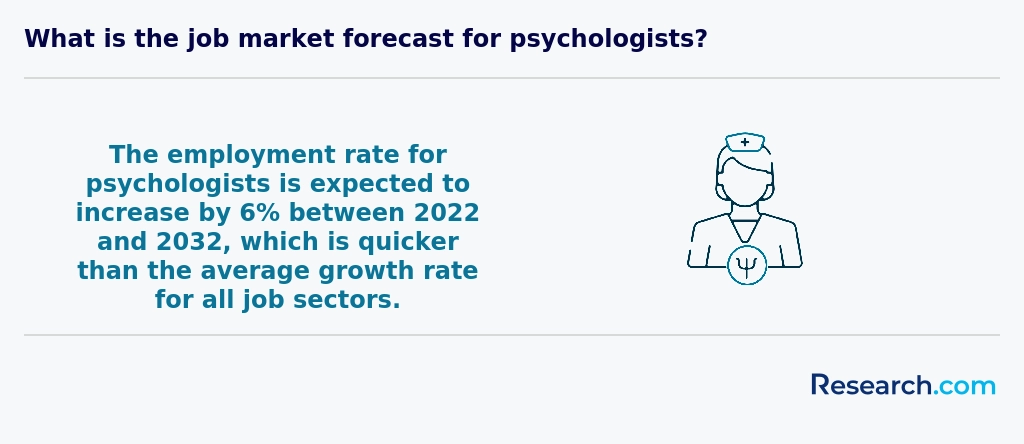
To practice psychology in Massachusetts, your online degree must align with state regulations. Follow these core steps:
- Graduate from a regionally accredited program that meets MA Board coursework criteria
- Complete 1,500–2,000 hours of supervised professional experience (pre-doctoral and post-doctoral)
- Pass the Examination for Professional Practice in Psychology (EPPP)
- Submit a licensure application to the Massachusetts Board of Registration of Psychologists, including official transcripts and supervisor verification
- Fulfill continuing education requirements (typically 12–20 credits every two years)
Students seeking to accelerate their path to supervised hours and exam eligibility may consider an accelerated psychology degree online, which can help you meet licensure milestones sooner.
Online psychology programs in Massachusetts offer an exciting journey through the mind's mysteries, starting with essential courses like General Psychology that uncover the fascinating history and core concepts shaping the field. Graduates from popular universities often recall their first thrill learning Research Methods in Psychology, where they designed experiments and unlocked the secrets behind human behavior through data. Imagine analyzing real survey results in Statistics for Behavioral Sciences-an empowering experience that turns complex numbers into meaningful insights.
As students progress, they dive deeper into captivating topics such as Developmental Psychology, exploring how people evolve from infancy through adulthood, and Abnormal Psychology, where understanding mental health challenges sparks empathy and curiosity. Those who studied at well-known Massachusetts colleges praise courses like Cognitive Psychology and Social Psychology for helping them perceive daily interactions and thought processes with fresh awareness.
Applied fields like Psychological Assessment, Health Psychology, and Industrial-Organizational Psychology offer hands-on skills, often celebrated by graduates who now work confidently in clinical and corporate settings. Many students appreciate how Massachusetts programs weave ethics and cultural diversity into their studies, preparing them to face real-world complexities with compassion and professionalism.
Diving into online psychology degree specializations Massachusetts students often discover exciting paths tailored to their passions. Imagine focusing on Clinical Psychology, where graduates from well-known schools like Boston University enthusiastically describe their rewarding experiences diagnosing and treating mental health disorders. Others explore Counseling Psychology, picturing themselves helping clients in schools or healthcare settings, inspired by stories from graduates of nearby institutions such as Northeastern University. Industrial-Organizational Psychology attracts those fascinated by workplace dynamics, with alumni sharing how they enhanced employee productivity in Massachusetts businesses.
Developmental Psychology captivates students eager to understand human growth stages, aligning perfectly with roles in education or social services frequently highlighted by students from UMass Amherst. Forensic Psychology combines mystery and law, painting vivid images of working alongside police or courts. Health Psychology embraces the vital connection between mental and physical wellness, a favorite among students at Harvard Extension School. With so many specialization avenues, online psychology degree seekers can tailor their studies uniquely. To explore further, many turn to the best doctorate degree in psychology programs that build on these foundations.
Choosing the best online psychology degree in Massachusetts feels like embarking on a personal journey. Imagine connecting with a program recognized for its rigorous standards, such as those aligned with regional accreditation from NECHE. Graduates from well-known institutions often recall how accredited programs gave them confidence and opened doors to meaningful careers in clinical or counseling psychology. When searching for affordable online psychology degrees Massachusetts offers, balancing cost without sacrificing quality becomes a thrilling challenge. Many find joy in exploring programs that blend flexibility with strong curricula covering cognitive and abnormal psychology, all while fitting around their busy lives.
Picture yourself thriving in a course where experienced faculty provide guidance just as adeptly online as in traditional classrooms. Practical internships crucial for gaining real-world experience also energize many students at popular colleges in Massachusetts. For those eager to advance quickly, exploring options like an online accelerated psychology degree can be a rewarding choice that keeps passion and momentum alive.
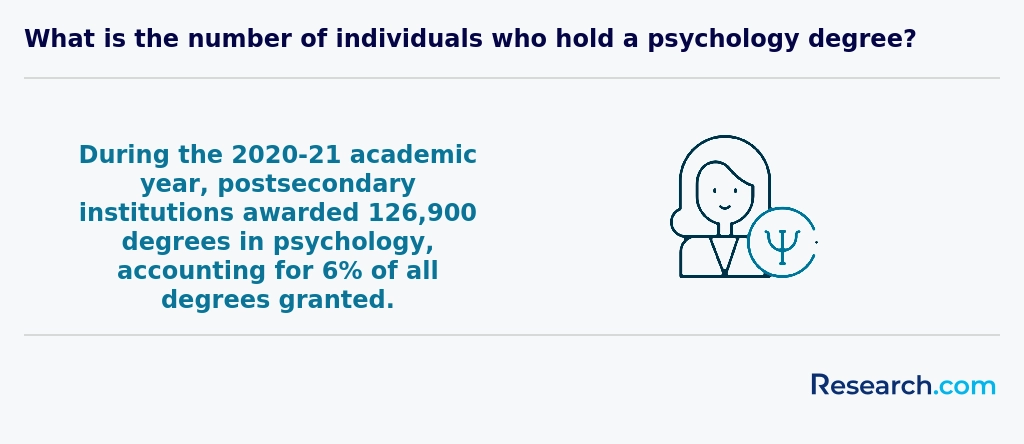
Graduates with an online psychology degree in Massachusetts discover a rich tapestry of career paths waiting to be explored. Whether you're imagining yourself as a licensed psychologist working in bustling Boston hospitals or as a human resources specialist using your keen insight into human behavior, the possibilities are vast. Many graduates from top Massachusetts colleges find fulfillment as behavioral health technicians or market research analysts, roles that bring them face-to-face with real people and data to solve complex problems.
For those drawn to helping communities directly, positions like case manager in social services or rehabilitation specialist offer rewarding challenges. The vibrant healthcare scene around Cambridge fuels demand for psychological research assistants to support cutting-edge studies. Graduates often share stories of how their skills gained during their online study open unexpected doors. If you're curious about affordability and options, check out the Cheapest Psychology Degree Programs Ranking in Delaware for insights that can inspire your journey to a fulfilling psychology career in Massachusetts.
Exploring online psychology degree careers Massachusetts is like stepping into a world where understanding minds creates real impact, and every new role brings fresh adventures in learning and growth.
Graduates holding an online psychology degree in Massachusetts find a vibrant job market filled with opportunities that spark excitement. Clinical and counseling psychology roles flourish, reflecting the growing focus on mental health, while school psychologists and industrial-organizational psychologists also discover open doors across the state. Those who studied at renowned institutions like Boston University or the University of Massachusetts report quickly landing positions in hospitals or outpatient centers, where their skills directly impact lives.
Salary prospects add to this positive outlook. Massachusetts offers a median psychologist wage substantially above the national average, around $110,000, inspiring graduates to pursue their passions knowing their expertise is highly valued. However, certification and licensing often shape the paths that unfold after graduation, with many graduates sharing stories of mastering state requirements through supervised clinical experiences.
Students exploring psychology career opportunities in Massachusetts frequently consider schools that offer double majors to broaden their professional reach and adaptability in the evolving job landscape.
2027 Most Affordable Online Psychology Degree Programs Ranking in Massachusetts
Investing in your education is a significant decision that can shape your future, and the Research.com team understands the importance of making informed choices. To assist prospective students in Massachusetts, we have meticulously crafted the "2027 Most Affordable Online Psychology Degree Programs Ranking in Massachusetts." Our commitment to quality, credibility, and accuracy is reflected in the extensive research and analysis conducted to compile this ranking.
We utilized the following reputable data sources to ensure a comprehensive evaluation of psychology programs:
By exploring this ranking, readers will gain valuable insights into the most affordable and credible online psychology degree programs available in Massachusetts, enabling them to make well-informed educational decisions. For more details on our methodology, please visit our Research.com methodology page.


Frequently Asked Questions About psychology
Online psychology degree students in Massachusetts can enhance their learning by actively engaging with their coursework and faculty. Utilizing resources provided by accredited institutions, such as virtual labs and counseling simulations, helps solidify practical skills. Participating in online discussion forums and study groups fosters collaboration and deeper understanding.
Massachusetts has a strong network of licensed psychologists, making internships and practicum placements important for experience. Students should seek out local opportunities for supervised clinical work, as state licensure requires hands-on training. According to the Massachusetts Board of Registration of Psychologists, completing supervised hours within the state is critical.
Time management and structured study routines are essential to balance the flexibility of online learning with academic rigor. Using digital tools for organization and communication can boost productivity. Keeping updated with Massachusetts psychology professional associations adds value by connecting students with career resources and continuing education.
The psychology field is expanding with several emerging niches, particularly relevant for students in Massachusetts pursuing online degrees. One growth area is neuropsychology, which explores brain-behavior relationships and is increasingly important due to advances in brain imaging technology.
Another notable niche is health psychology, focusing on how psychological factors influence physical health. This is crucial as Massachusetts hospitals integrate more behavioral health services.
Additionally, forensic psychology is gaining attention with Massachusetts courts requiring expert psychological evaluations more frequently.
These specializations offer promising career paths aligned with regional workforce demands, according to the Massachusetts Department of Higher Education and the American Psychological Association's latest reports.
Preparing for the job market after completing an online psychology degree in Massachusetts involves strategic planning and skill development. Graduates should focus on gaining relevant experience through internships or volunteer work, which enhances practical understanding and strengthens resumes. Networking with local professionals and joining state psychology organizations, such as the Massachusetts Psychological Association, can provide valuable connections and job leads.
It is also important to familiarize oneself with state licensure requirements. In Massachusetts, becoming a licensed psychologist typically requires a doctoral degree plus supervised experience, but bachelor's or master's degree holders can pursue roles in counseling, social services, or research. According to the U.S. Bureau of Labor Statistics, psychology-related jobs in Massachusetts are expected to grow by about 7% through 2031, reflecting steady demand.
Developing strong communication and data analysis skills is essential, as many psychology roles involve working with diverse populations and interpreting complex information. Utilizing university career services and job boards focused on Massachusetts employers can increase chances of employment. Staying current with advances in psychology through continuing education ensures graduates remain competitive in this evolving field.
Employers in Massachusetts highly value psychology graduates who demonstrate strong critical thinking and problem-solving skills. These abilities enable professionals to analyze client data effectively and develop evidence-based treatment plans. Communication skills-both written and verbal-are also essential, as psychologists must convey complex information clearly to diverse audiences.
Massachusetts employers often seek graduates proficient in research methods and statistical analysis, supporting data-driven decision making in clinical or organizational settings. According to the Massachusetts Department of Labor, candidates familiar with ethical standards and cultural competence stand out in the job market. These skills ensure sensitivity to diverse populations, which is crucial in the state's varied communities.
Technology literacy, particularly with psychological software and virtual counseling platforms, is gaining importance. As online services expand, the ability to use digital tools effectively is a key advantage.
Finding internships in Massachusetts relevant to a psychology degree often begins with university resources. Many Massachusetts colleges offering online psychology degrees maintain partnerships with local hospitals, clinics, and nonprofit organizations where students can apply for internships.
The Massachusetts Psychological Association (MPA) provides listings and networking opportunities specifically for psychology students seeking practical experience. Additionally, the Massachusetts Department of Public Health offers internship programs related to mental health services, which can be valuable for psychology students.
Students should also explore hospitals such as Massachusetts General Hospital and community mental health centers, which frequently offer internship positions in psychological services and research.
Online job platforms like Handshake and internships.com list relevant positions in Massachusetts and can help students filter opportunities by location and psychology focus.
In Massachusetts, earning an online psychology degree can significantly enhance career mobility and advancement. The state's strong healthcare and education sectors offer diverse opportunities for psychology graduates. According to the Massachusetts Department of Higher Education, professionals with a bachelor's or master's in psychology may find roles in counseling, social services, and human resources. Graduates with advanced degrees often pursue licensure as psychologists or licensed mental health counselors, which is a requirement for many specialized positions.
Online degrees from accredited institutions are increasingly recognized by Massachusetts employers, expanding access for working adults. The Bureau of Labor Statistics projects a 14% growth in counseling jobs in Massachusetts through 2031, reflecting strong demand that online degree holders can access.
Studying for an online psychology degree in Massachusetts equips students with a solid foundation in behavioral science, critical for interdisciplinary collaboration. Programs often integrate courses in sociology, biology, and healthcare, reflecting the state's emphasis on holistic approaches in fields like public health and education.
Massachusetts hosts numerous research institutions and healthcare organizations, providing students with insights into applied psychology within clinical, educational, and organizational settings. This exposure encourages adaptability and teamwork across disciplines.
According to the Massachusetts Department of Higher Education, psychology graduates frequently engage in roles requiring cross-disciplinary skills, such as counseling combined with social services or healthcare coordination.
Online degree programs also emphasize research methodologies and data analysis, skills valuable beyond psychology in fields like business and technology.
When choosing between a thesis and a non-thesis online psychology degree program in Massachusetts, consider your career goals first. A thesis option typically involves conducting original research, ideal for students planning to pursue a PhD or research-oriented roles. Non-thesis programs focus more on coursework and practical skills, suitable for those aiming for clinical or counseling careers.
Massachusetts has a strong network of research institutions where thesis students might access additional resources. According to the Massachusetts Department of Higher Education, nearly 30% of psychology graduates go on to research roles, emphasizing the value of thesis work in the state.
Finally, thesis programs often take longer and demand more time commitment, which is critical for working professionals to consider when selecting an online program.
Students based in Massachusetts who want to study psychology abroad often face limited direct options, as most U.S. degree programs emphasize domestic accreditation. However, several online psychology programs offer global perspectives while remaining accredited by U.S. institutions, which is crucial for licensure. For example, Massachusetts residents might explore online programs accredited by the American Psychological Association or regional bodies to ensure quality and transferability.
Additionally, some U.S. universities have partnerships with foreign institutions, allowing students to engage in study-abroad experiences or international research virtually. According to the Massachusetts Department of Higher Education, about 15% of psychology students participate in such programs annually.
Ultimately, careful verification of accreditation and state licensure requirements is essential for Massachusetts students considering international online psychology education.
In Massachusetts, students pursuing online psychology degrees can find several part-time job opportunities that enhance their academic learning and professional skills. Roles such as mental health technician, behavioral health aide, or research assistant are common and relevant to psychological studies.
Massachusetts hosts many hospitals and research centers, including those affiliated with Boston University and Harvard Medical School, which often offer part-time research positions. According to the Massachusetts Department of Labor, demand for behavioral health aides is projected to grow by over 15% through 2028, reflecting the increasing need for mental health support professionals.
Working part-time in these roles allows students to gain practical experience, understand patient care, and build valuable connections in the psychology field while completing their degrees.
Online psychology students in Massachusetts have several networking opportunities despite the distance-learning format. Many state universities with psychology programs offer virtual events such as webinars, guest lectures, and online career fairs, allowing students to connect with faculty and professionals in the field.
Organizations like the Massachusetts Psychological Association (MPA) provide membership options for students, hosting regional conferences and networking mixers that often include virtual attendance. These events help students meet licensed psychologists and potential employers.
Additionally, students can engage with psychology research groups and internships available statewide by leveraging university partnerships. According to the Bureau of Labor Statistics, Massachusetts employs over 13,000 psychologists, underscoring the value of professional connections in this state.
Alumni networks offer significant benefits to online psychology degree students in Massachusetts. These networks provide access to a community of graduates who can share job leads, internship opportunities, and career advice tailored to the state's psychology field.
Massachusetts has a strong demand for mental health professionals, with the Bureau of Labor Statistics projecting a 12% growth in psychology jobs statewide through 2030. Alumni networks help students connect with local employers and gain insights into this expanding market.
Moreover, such networks often host events and mentorship programs, which foster professional development and networking critical for licensure and employment in psychology careers.
Students pursuing an online psychology degree in Massachusetts can tailor their programs by selecting electives and specialized courses that align with their career ambitions. Many Massachusetts institutions offer concentrations such as clinical psychology, counseling, or organizational psychology, allowing learners to focus on areas like mental health services or human resources.
Internships and practicum options are also available online or in local settings, providing practical experience essential for licensure requirements in the state. According to the Massachusetts Department of Higher Education, flexibility in course scheduling supports working professionals balancing education and careers.
Advising services often guide students in mapping out degree paths suited to goals, whether for research, therapy, or industry roles.
Online psychology students in Massachusetts face several common challenges that affect their academic success. One major issue is balancing coursework with professional and personal obligations, especially since many students are working adults. According to the Massachusetts Department of Higher Education, time management remains a significant hurdle for nearly 60% of online learners statewide.
Another challenge is limited access to practical training and internships, essential for psychology degrees. While some programs offer virtual simulations, hands-on experience in mental health settings is harder to obtain remotely. Licensing requirements in Massachusetts further complicate this, as supervised clinical hours must be completed in approved environments.
Technical difficulties and varying quality of online instruction can also impact learning outcomes. Students often report feeling isolated without face-to-face interaction, which affects motivation and peer support.
With an online psychology degree in Massachusetts, graduates can pursue several professional certifications to enhance their careers. One common certification is the Licensed Mental Health Counselor (LMHC), which requires a master's degree, supervised experience, and passing a state exam under the Massachusetts Board of Registration of Allied Mental Health and Human Services Professionals.
Another certification is becoming a National Certified Counselor (NCC), offered by the National Board for Certified Counselors. This credential is nationally recognized and requires a graduate degree, supervised clinical hours, and passing a comprehensive exam.
For those involved in school settings, the Certified School Psychologist credential is available, requiring additional licensing through the Massachusetts Department of Elementary and Secondary Education.
To write a winning application for an online psychology program in Massachusetts, start by clearly demonstrating your academic preparedness. Highlight relevant coursework, especially in psychology and related fields like biology or statistics. Massachusetts institutions often value a solid GPA, typically around 3.0 or higher, reflecting your readiness for advanced study.
Emphasize your motivation for choosing psychology, linking personal experiences or career goals to the program's offerings. Admissions committees appreciate a thoughtful personal statement that connects your aspirations with Massachusetts' unique resources, such as access to local research centers or mental health initiatives.
Include strong letters of recommendation from professors or employers familiar with your academic or professional abilities. Massachusetts programs often value references that attest to your critical thinking and research skills.
Finally, ensure your application is error-free and submitted before deadlines. According to Massachusetts Department of Higher Education data, timely, well-prepared applications increase chances for acceptance and financial aid.
Psychology careers are considered essential worldwide, with an increasing demand for mental health professionals. In the United States, including Massachusetts, the field grows steadily due to rising awareness of mental health issues. According to the U.S. Bureau of Labor Statistics, employment of psychologists is projected to grow 8% from 2021 to 2031, faster than the average for all occupations.
Internationally, psychology is viewed through various cultural lenses, affecting treatment approaches and research interests. Yet, U.S. degrees, including online programs in Massachusetts, remain highly regarded for their comprehensive curriculum and evidence-based training.
The Massachusetts Department of Higher Education reports that online psychology degree programs enable flexibility, appealing to a global market of students seeking U.S. credentials.
Gaining practical experience while studying for an online psychology degree in Massachusetts is crucial for career readiness. Many programs encourage students to complete internships or practicum placements, often arranged locally to comply with in-state licensing requirements. The Massachusetts Department of Higher Education supports partnerships between online institutions and clinics, hospitals, or community organizations to facilitate on-site experience.
Students can also engage in research projects remotely under faculty supervision, contributing to studies within the state's active psychological research community. According to the Bureau of Labor Statistics, Massachusetts has a higher concentration of licensed psychologists than the national average, enhancing local opportunities for mentorship and hands-on learning.
Furthermore, networking via state psychology associations, such as the Massachusetts Psychological Association, helps students access workshops and volunteer positions that build practical skills during their studies.
When choosing a concentration within an online psychology degree program in Massachusetts, start by considering your career goals. Different concentrations prepare students for specific fields, such as clinical, counseling, or industrial-organizational psychology.
Research local job markets to see which specializations are in demand. According to the Massachusetts Executive Office of Labor and Workforce Development, clinical and counseling psychologists had a steady growth rate of about 6% through 2022.
Evaluate accredited programs that offer concentrations aligned with licensure requirements in Massachusetts. The Board of Registration of Psychologists requires specific supervised experience hours depending on your chosen path.
Finally, assess the curriculum to ensure it includes practical skills and research opportunities relevant to the concentration.
- 2027 Most Affordable Online Psychology Degree Programs Ranking in New York
- 2027 Most Affordable Online Psychology Degree Programs Ranking in Pennsylvania
- 2027 Most Affordable Online Psychology Degree Programs Ranking in Virginia
- 2027 Most Affordable Online Psychology Degree Programs Ranking in Florida
- 2027 Most Affordable Online Psychology Degree Programs Ranking in Alabama
- 2027 Most Affordable Online Psychology Degree Programs Ranking in Missouri
- 2027 Most Affordable Online Psychology Degree Programs Ranking in Kansas
- 2027 Most Affordable Online Psychology Degree Programs Ranking in Texas
- 2027 Most Affordable Psychology Degree Programs Ranking in Rhode Island
- 2027 Most Affordable Psychology Degree Programs Ranking in New Hampshire
See What Experts Have To Say About Studying Psychology
Read our interview with Psychology experts

Elizabeth L. Jeglic Ph.D.
Psychology Expert
Professor of Psychology
City University of New York

Catherine Caldwell-Harris, Ph.D.
Psychology Expert
Associate Professor of Psychology
Boston University

Joann Farrell Quinn, Ph.D., MBA
Psychology Expert
Director at the College of Medicine Department of Medical Education
Morsani College of Medicine

- Society for the Teaching of Psychology https://teachpsych.org/page-1784686/8675326
- 2025 Most Popular Online Psychology Degrees in Massachusetts https://www.onlineu.com/degrees/psychology/massachusetts
- Call for papers https://www.hogrefe.com/us/journal/international-perspectives-in-psychology-research-practice-consultation
- Psychology certificates | edX https://www.edx.org/certificates/psychology-certificates
- How to help students cope with mental health challenges https://www.eaie.org/resource/help-students-cope-mental-health-challenges.html
- Study Psychology Abroad https://astarfuture.co.uk/study_psychology_abroad.html
- Sample letters in psychology https://www.mystudies.com/en-in/human-and-social-sciences/psychology/letter-model/
- Top Online Psychology Degrees in Massachusetts https://www.degreesforgood.org/online-degrees/psychology-programs/massachusetts-ma/
- 4 Psychology Certifications with a Bachelor’s | University of Bridgeport https://www.bridgeport.edu/news/bachelors-in-psychology-certifications/
- Know more about thesis vs non- thesis: what is the difference? https://studyfans.com/en/blogs/816