
2027 Most Affordable Nursing Degree Programs Ranking in Green Bay

Co-Founder and Chief Data Scientist
Choosing the right nursing degree program in Green Bay is an important step toward a rewarding career in healthcare. This article introduces the 2027 Most Affordable Nursing Degree Programs Ranking in Green Bay, created by the Research.com team of data scientists to help you make an informed decision.
By exploring affordable options, you can find quality education that fits your budget without sacrificing value. Pursuing a nursing degree opens doors to meaningful work and personal growth, and this guide is designed to support your journey with trustworthy information.
Key benefits of getting nursing degree in Green Bay
- Nursing degree graduates in Green Bay can expect competitive salaries, such as $94,480 annually for Registered Nurses and Public Health Nurses, with Operating Room Nurses earning even more at $128,490 per year.
- Career paths for nursing graduates include roles like Clinical Nurse Educator, Emergency Room Nurse, and Public Health Nurse, offering diverse and rewarding opportunities in healthcare settings.
- Obtaining a nursing degree online, like from a well-known Green Bay university, provides flexibility and convenience, allowing students to balance work and life while earning a respected qualification.
- 2027 Most Affordable Nursing Degree Programs Ranking in Green Bay
- What can I expect from nursing degree in Green Bay?
- Where can I work with nursing degree in Green Bay?
What can I expect from nursing degree in Green Bay?
The average cost of nursing degree programs in Green Bay varies depending on the institution and degree type, but students generally report tuition expenses ranging from $7,500 to $15,000 per year at local schools like the University of Wisconsin-Green Bay and Northeast Wisconsin Technical College. Graduates from these programs often highlight that financial aid options, including federal grants and state scholarships specific to Wisconsin nursing students, substantially ease the burden of tuition.
Many students pursuing an ADN or BSN degree emphasize the value of the hands-on clinical experiences embedded within their curriculum. For example, clinical placements at nearby hospitals such as Bellin Health provide practical exposure that graduates describe as both challenging and rewarding, helping to solidify their confidence entering the workforce.
The accelerated BSN tracks, popular among students shifting careers, tend to have a slightly higher cost but shorten time to graduation, which appeals to those eager to advance quickly. Overall, despite the upfront expenditure, graduates often express a positive outlook, noting strong community support and promising employment growth of 12% for RNs through 2030 in the Green Bay area.
Where can I work with nursing degree in Green Bay?
Graduates from nursing programs at institutions like the University of Wisconsin-Green Bay find a wide range of employment opportunities across the city and Brown County. Many secure positions at major employers such as Bellin Health, where roles vary from registered nurses to specialized clinical staff in hospitals and outpatient centers. These settings provide hands-on experience in patient care and advanced medical practices, helping nurses build confidence and professional skills.
Other alumni often pursue careers at Aurora BayCare Medical Center, working in high-intensity areas like emergency rooms and intensive care units. This variety in clinical environments matches the diverse training students receive, making them adaptable and competitive in the job market. Additionally, some graduates contribute to long-term care facilities and rehabilitation centers, focusing on geriatric and palliative nursing-fields that are growing due to demographic shifts.
Public health nursing jobs are also attractive options, with places like the Brown County Public Health Department offering roles in disease prevention and health education. The typical registered nurse's annual salary in Green Bay ranges from $60,000 to $75,000, reflecting experience and specialty, which encourages many new graduates to stay local and grow professionally within familiar communities.
Graduates from nursing programs in Green Bay, including those from well-regarded colleges like the University of Wisconsin-Green Bay, often start their careers with annual wages ranging from about $55,000 to $60,000. This aligns with local market expectations and reflects entry-level RN positions in the region. As nurses gain experience, certifications, and specialization, salaries typically increase.
According to the Bureau of Labor Statistics, registered nurses in the U.S. earn a mean annual wage of $94,480, with similar wages reported for clinical nurse educators and public health nurses. Emergency room nurses also share this median level of pay. Operating room nurses earn significantly higher salaries, with a mean annual wage of $128,490, reflecting the advanced skills required.
For Green Bay graduates, advancing into specialized fields such as operating room nursing or becoming clinical nurse educators can markedly boost earnings beyond the typical RN salary. Many graduates recall their excitement when offered positions at major local health providers like Bellin Health or Aurora BayCare, where competitive wages and benefits create rewarding career opportunities.
- Green Bay offers multiple accredited nursing programs, including associate and bachelor's degrees that prepare students for the NCLEX-RN licensing exam.
- Tuition for associate degree programs ranges from $5,000 to $10,000 for in-state students, while bachelor's programs cost between $15,000 and $30,000.
- Starting salaries for new registered nurses in Green Bay typically range from $55,000 to $65,000 annually, increasing to $75,000-$85,000 with experience.
- The job market for nurses in Green Bay is growing at an expected rate of 8-10% over the next decade, supported by local healthcare demands.
- Local healthcare facilities provide ample clinical placement and job opportunities, and some programs offer accelerated paths for licensed practical nurses (LPNs).
Completing a nursing degree in Green Bay depends largely on the chosen program. An Associate Degree in Nursing (ADN), commonly offered at local technical and community colleges, usually requires about two years. Graduates quickly transition to working as registered nurses by passing the NCLEX-RN, appreciating the relatively short timeframe to enter the workforce and gain practical experience.
In contrast, pursuing a Bachelor of Science in Nursing (BSN) at institutions like the University of Wisconsin-Green Bay typically takes four years of full-time study. BSN graduates often share pride in gaining a broad, leadership-focused education that opens doors to varied nursing roles. Those with an ADN frequently enroll in accelerated BSN programs locally, finishing in approximately 12 to 18 months, which helps balance advancing education with ongoing life commitments.
For nurses aiming at advanced specialties or leadership roles, a Master of Science in Nursing (MSN) usually adds an additional 2 years beyond the BSN. Local MSN students report satisfaction in developing critical skills for nurse practitioner or educator careers.
Factors such as part-time study, clinical placement timing, and transfer credits can influence program length, making flexibility a key advantage for many Green Bay nursing students.
Pursuing a nursing career in Green Bay, WI, offers a unique blend of personal fulfillment, job security, and opportunities for advancement. For those interested in exploring affordable options for nursing education, it might be helpful to check out the cheapest nursing school in wisconsin, which can provide valuable insights into managing the costs associated with nursing degrees. The city's healthcare sector is thriving, with a growing demand for skilled nursing professionals who can provide high-quality patient care. Nursing graduates in Green Bay have the opportunity to work in a variety of settings, from hospitals and clinics to community health organizations and educational institutions. With the city's strong sense of community and commitment to public health, nursing professionals can make a meaningful difference in the lives of their patients and contribute to the well-being of the local population. The nursing profession also offers a range of specializations and career paths, allowing individuals to pursue their interests and passions while advancing their careers. Whether you're just starting out or looking to transition into a new role, a career in nursing in Green Bay, WI, can be a rewarding and challenging choice that offers numerous benefits and opportunities for growth.
Online nursing programs in Green Bay, such as those offered by Northeast Wisconsin Technical College and UW-Green Bay, provide flexibility ideal for working adults or those managing family commitments. Graduates often recall the convenience of studying remotely, allowing them to balance coursework with personal responsibilities. These programs are accredited by bodies like the Accreditation Commission for Education in Nursing (ACEN), ensuring quality despite the distance format.
In contrast, on-campus programs emphasize direct interaction. Students attending classes in Green Bay benefit from hands-on access to labs, simulation centers, and face-to-face mentorship, which many find critical for mastering clinical skills. Graduates highlight how immediate feedback during clinical placements on campus helped build their confidence before entering the workforce.
Cost differences are nuanced. Public in-state nursing degrees in Wisconsin average $8,000 to $12,000 annually, with online students saving on commuting and housing. Regardless of format, clinical rotations remain a core requirement, providing essential practical experience in healthcare settings. This blend of convenience and application shapes the distinct experiences between online and on-campus options in Green Bay.
Assessing the true value of a nursing education requires weighing program costs against career earnings and advancement potential. In Green Bay, WI, the average total cost for a BSN program ranges from $89,556 to $211,392, while ADN programs cost between $23,900 and $66,320. With Registered Nurses earning an average of $89,010 per year-and Operating Room Nurses up to $124,680-the typical payback period for a BSN falls between 1 and 2.5 years, depending on specialization and financial aid. Key factors influencing nursing degree ROI include: • Tuition versus salary growth: A BSN graduate earning $89,010 can recover a $90,000 program investment in just over a year, especially when employer tuition reimbursement is applied. • Specialization premiums: Advanced roles such as Nurse Practitioners (NPs) command starting salaries around $115,000, shortening payback periods to under a year for those who pursue an MSN. • Financial aid impact: Leveraging state grants, scholarships, and low-interest loans can reduce upfront debt by up to 30%, directly improving net ROI. • Career advancement: Nurses with a BSN see faster promotion to leadership or specialized clinical roles, yielding higher lifetime earnings compared to ADN holders. For students seeking flexible, cost-effective pathways, online degrees can enhance ROI through reduced living expenses and accelerated terms. For example, prospective students may explore the Most Affordable Online Bachelor's in Nursing Degree Programs Ranking in Illinois to compare program affordability and projected earnings in similar Midwestern markets. By analyzing these variables, you can make an informed decision that maximizes both educational value and long-term financial rewards.
The average cost of obtaining a nursing degree in Green Bay varies based on residency and the type of program selected. Data shows that the median total cost for nursing students is approximately $36,481, while in-state students can expect to pay a lower median of around $19,826. Graduates from the University of Wisconsin-Green Bay highlight that pursuing a bachelor's degree typically involves tuition fees ranging between $7,000 and $10,000 annually for residents. These costs align closely with the median in-state figures, reflecting a reasonable investment in education within the region.
Many students seeking more affordable nursing programs tuition Green Bay turn to Northeast Wisconsin Technical College. NWTC offers two-year Associate Degree in Nursing programs with tuition costs roughly half that of a four-year degree, making completion financially accessible while providing a strong pathway toward licensure and employment. Alumni often share positive experiences about balancing quality education with manageable expenses, which enables them to focus on clinical training and professional growth without overwhelming debt.
Financial aid and scholarships further ease the burden, allowing students to pursue their goals more confidently. Prospective nursing students considering affordability and value are encouraged to explore options like the cheapest nursing school in Wisconsin within Green Bay, which supports planning a sustainable funding strategy for completing a nursing degree in this area.
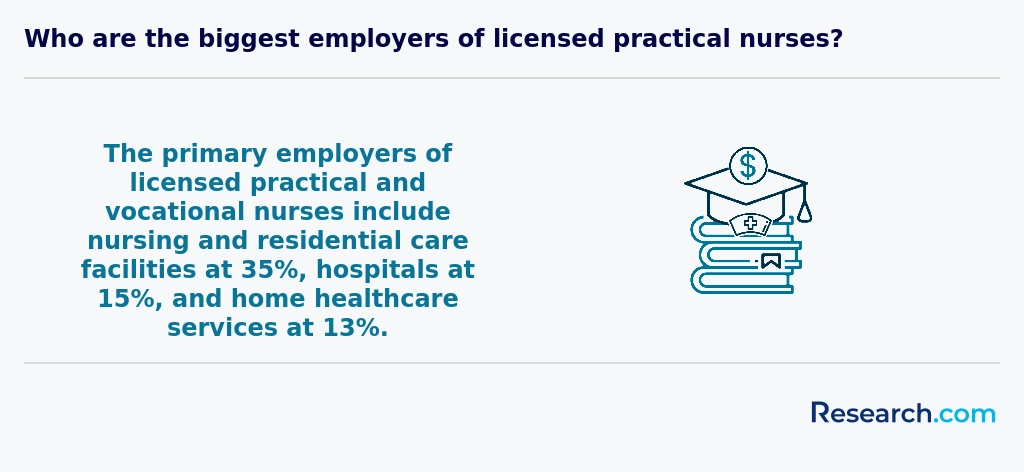
Nursing programs in Green Bay combine:
- Affordable tuition at public colleges and a cost-of-living advantage
- Hands-on clinical rotations with Aurora BayCare and Bellin Health
- Flexible pathways: LPN certificates, ADN, BSN, and accelerated BSN
- Robust student support: simulation labs, academic advising, and career services
- Proven outcomes: high NCLEX-RN pass rates and strong job placement
For additional program options, see our list of accredited nursing schools in florida.
Students pursuing nursing degrees in Green Bay benefit from several financial aid options that ease tuition costs, which typically range from $6,000 to $15,000 annually for in-state public colleges. Most rely on federal aid by completing the FAFSA form, unlocking eligibility for grants and low-interest loans. The Pell Grant, offering up to $7,395 for the 2023-2024 year, stands out as a no-repayment option that many Green Bay nursing students have successfully utilized to fund their studies at institutions like the University of Wisconsin-Green Bay.
Federal loans such as the William D. Ford Federal Direct Loan provide additional support with subsidized options that keep interest costs down while students focus on coursework. Furthermore, grants like the FSEOG help students with exceptional financial need, often reported as a vital resource for graduates navigating school expenses.
State aid through Wisconsin's HEAB, particularly the Wisconsin Grant, supplements federal assistance by providing flexible funding based on residency and need. Local healthcare providers, including Bellin Health, frequently offer scholarships or tuition reimbursement programs, which many nursing students appreciate for enabling them to remain in the community after graduation.
When evaluating nursing programs, accreditation serves as a critical indicator of educational quality and adherence to industry standards. Accredited programs undergo rigorous review by bodies such as the Accreditation Commission for Education in Nursing (ACEN) and the Commission on Collegiate Nursing Education (CCNE), ensuring that curriculum, faculty qualifications, clinical partnerships, and student outcomes meet established benchmarks. In Wisconsin, approved programs must also satisfy the Wisconsin Board of Nursing’s requirements, which include documented NCLEX-RN pass rates above the state minimum and ongoing curriculum updates to reflect evolving healthcare practices.
Graduates from accredited programs are eligible to sit for the NCLEX-RN licensure exam-a pivotal step for securing Registered Nurse positions nationwide. Employers often prefer or require candidates from accredited institutions, as this status guarantees that nurses have received comprehensive theoretical instruction and supervised clinical experience. Additionally, accredited programs may offer articulation agreements with advanced degree pathways, streamlining transitions into MSN or DNP tracks.
Prospective students should verify each school’s accreditation status and licensure success rates before applying. For those interested in exploring credentialed pathways beyond traditional RN programs, consider reviewing our curated list of accredited online lpn programs to understand how accreditation standards consistently uphold educational excellence across nursing disciplines.
To enroll in a nursing degree program in Green Bay, students must first complete a high school diploma or equivalent, a baseline requirement emphasized by institutions such as the University of Wisconsin-Green Bay and Northeast Wisconsin Technical College. Graduates recall that meeting this standard was their first confidence booster, affirming their readiness to tackle more advanced material.
Applicants then complete key prerequisite courses including biology with labs, chemistry or anatomy and physiology, mathematics often covering statistics, and English composition or communication classes. These courses build a strong foundation vital for understanding patient care and documentation, crucial elements reflected in the curriculum at local nursing schools.
Standardized test scores, particularly the TEAS exam, form another hurdle. This exam assesses skills in reading, math, science, and English, providing measurable evidence of academic preparedness. Students often share relief after passing the TEAS, recognizing it as a clear indicator they are equipped for the demands ahead.
Additional requirements include background checks and health screenings, ensuring clinical placement eligibility and patient safety. Graduates frequently mention that these health prerequisites, though rigorous, ultimately reinforced their commitment and professionalism early in their training journey.
One of the most critical factors when choosing a nursing program in Green Bay, WI, is the NCLEX-RN pass rate and understanding Wisconsin’s licensing requirements. The NCLEX-RN exam measures whether graduates are prepared for safe and effective entry-level nursing practice. As of the latest data, nursing programs in Green Bay report first-time NCLEX pass rates ranging from 85% to 95%, well above the national average of 82%. High pass rates indicate strong academic preparation, quality clinical experiences, and robust student support systems. To become a licensed Registered Nurse in Wisconsin, graduates must: • Complete an accredited nursing program (ACEN or CCNE) • Submit an application and background check to the Wisconsin Board of Nursing • Register for and pass the NCLEX-RN exam • Fulfill any additional state-specific requirements, such as jurisprudence exams or health clearances Programs with consistently high NCLEX pass rates often offer targeted exam review courses, dedicated faculty mentors, and simulation labs that mimic real-world scenarios. Prospective students should inquire about their chosen school’s pass rate trends over the past three years, tutoring resources, and NCLEX preparatory workshops. For those exploring alternative pathways, becoming a Licensed Vocational Nurse (LVN) can be a cost-effective entry point. Before advancing to an RN, some students opt for shorter LVN programs; exploring cheapest lvn programs online may offer flexible scheduling, lower tuition, and the chance to gain hands-on experience in Wisconsin healthcare settings.
Nursing degree programs in Green Bay feature a comprehensive set of courses designed to build strong foundational knowledge and practical skills. Graduates from popular colleges here often describe courses like Human Anatomy and Physiology as pivotal, since understanding the body's structure and functions is essential for real-world patient care. Microbiology and Pharmacology provide crucial insights into infection control and medication management, topics students frequently see applied during clinical rotations at local hospitals.
Courses such as Medical-Surgical Nursing, Pediatrics, and Maternal and Newborn Nursing prepare students to handle a variety of patient populations, reflecting typical scenarios encountered in Green Bay's healthcare settings. Mental Health Nursing and Nutrition also equip students to address diverse health dimensions, enhancing their ability to support holistic patient care.
Many graduates appreciate Health Assessment and Community Nursing classes, which teach skills used in both hospital visits and public health outreach programs. Leadership and Management coursework rounds out the curriculum, helping students feel confident stepping into supervisory roles as early-career nurses in Green Bay's evolving healthcare system.
Nursing degree specializations in Green Bay cover critical areas that match local healthcare needs and student interests. Programs at the University of Wisconsin-Green Bay and Northeast Wisconsin Technical College include Pediatric Nursing, Geriatric Nursing, Psychiatric or Mental Health Nursing, Public Health Nursing, and Critical Care Nursing. Graduates often describe their hands-on training in pediatric wards or intensive care units as rewarding and confidence-building, reflecting the diverse clinical settings these specializations target.
These specializations demand additional clinical hours and coursework, offering students enhanced skills that increase employability in Green Bay's evolving healthcare environment. The choice of focus aligns well with emerging job opportunities, and graduates often report satisfaction with specialized roles that match their passion and strengths. For those looking for advanced career steps, certifications like Certified Pediatric Nurse (CPN) or Certified Critical Care Nurse (CCRN) further boost prospects.
Students interested in flexible education options may also explore accredited online lpn programs. Such programs supplement local nursing paths and can support career advancement. Overall, Green Bay nursing career options reflect a dynamic mix of specialization and practical learning tailored to the region's healthcare demands.
Choosing the best nursing degree in Green Bay starts with evaluating the degree type and educational pathway that align with your career goals. Graduates from the University of Wisconsin-Green Bay often highlight the value of the Bachelor of Science in Nursing (BSN) program, which is favored by employers and linked to improved patient outcomes. Prioritizing accredited programs, such as those recognized by the Commission on Collegiate Nursing Education (CCNE), ensures eligibility for the NCLEX-RN licensure exam, a crucial step to becoming a registered nurse.
Cost is also a key factor. Local schools like Northeast Wisconsin Technical College offer competitive tuition rates, fitting within the average $3,500 to $20,000 annual range depending on the program type. Students pursuing affordable nursing degree programs in Green Bay appreciate the balance between cost and quality education. Clinical rotations at Green Bay's Bellin Health provide real-world experience, a benefit frequently mentioned by alumni who credit this exposure with boosting their confidence and readiness for nursing roles.
Consider program length, curriculum focus, and scheduling flexibility-critical elements for those balancing work or family. Some students explore specialties within pediatric or community health nursing to tailor their education. For those seeking cost-effective options, exploring cheapest lvn programs online complements local study choices and supports varied learning needs.
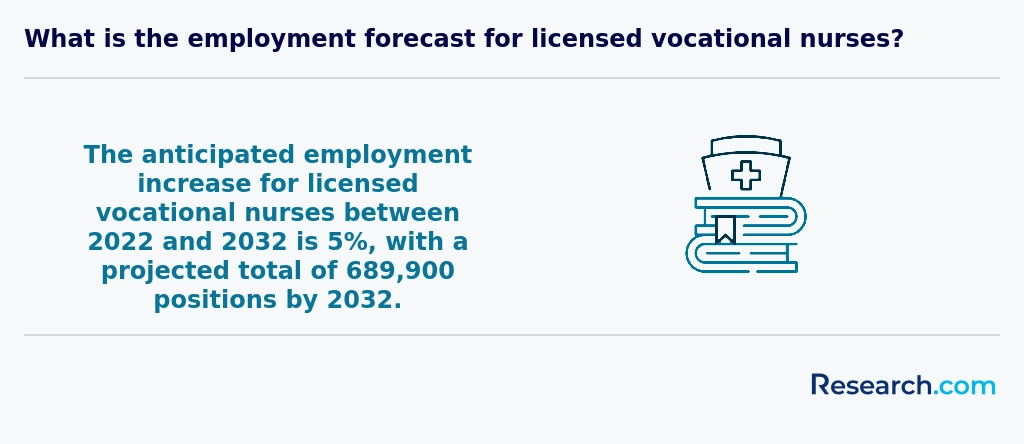
Graduates with a nursing degree in Green Bay find varied career paths that address local healthcare needs effectively. Many pursue registered nurse (RN) roles at prominent hospitals like Bellin Health or Aurora BayCare Medical Center, where they gain hands-on experience in fast-paced environments. Others work in outpatient care centers, physician offices, or nursing homes, responding directly to the region's aging population and increased elder care requirements. These roles provide stable job opportunities backed by steady growth projections from the Wisconsin Department of Workforce Development.
For those with advanced qualifications, such as a Master of Science in Nursing (MSN) or Doctor of Nursing Practice (DNP), career options include nurse practitioner positions, clinical nurse specialists, and nurse educators, often accompanied by higher salaries exceeding $110,000 annually. Nursing students from the University of Wisconsin-Green Bay appreciate affordable tuition and practical local training, which enhances their readiness for Green Bay nursing jobs and salary outlook. Prospective students may find additional guidance in the Most Affordable Online Bachelor's in Nursing Degree Programs Ranking in Illinois.
The nursing job opportunities in Green Bay are robust, driven by local institutions like Bellin Health and Aurora BayCare Medical Center, which consistently recruit nurses at various levels. Graduates from nursing programs at popular colleges in the area report feeling optimistic about their prospects, noting steady hiring and support from clinical placements within these respected healthcare systems. Entry-level registered nurses with an ADN or BSN typically earn between $55,000 and $65,000 annually in Green Bay, which aligns competitively with regional cost-of-living factors and reflects the demand for skilled nurses.
Green Bay nursing degree employment outlook is strengthened by a diverse range of employers beyond hospitals, including public health agencies and long-term care facilities. This variety allows graduates to pursue fulfilling roles in multiple healthcare environments. Additionally, the affordability of nursing education locally, with tuition costs ranging from $8,000 to $15,000 per year, makes the return on investment attractive for prospective nurses. Some students also explore related avenues, such as top paying 6 month certifications, to enhance their credentials and job readiness.
2027 Most Affordable Nursing Degree Programs Ranking in Green Bay
Investing in your education is a significant decision that can shape your future, and the Research.com team understands the importance of making informed choices. To assist prospective students in Green Bay, we have meticulously crafted the "2027 Most Affordable Nursing Degree Programs Ranking in Green Bay." Our commitment to quality, credibility, and accuracy is reflected in the extensive research and analysis conducted to compile this ranking.
We utilized the following reputable data sources to ensure a comprehensive evaluation of nursing programs:
By exploring this ranking, readers will gain valuable insights into the most affordable nursing degree programs available in Green Bay, helping them make informed decisions about their educational and financial futures. For more details on our methodology, please visit our Research.com methodology page.


# 5 position
Rasmussen University-Wisconsin
Bachelor of Science in Nursing

Frequently Asked Questions About nursing
Nursing degree students in Green Bay can enhance their learning by engaging deeply with both coursework and practical experiences. Local institutions often offer clinical placements within nearby hospitals and healthcare facilities, providing hands-on experience crucial to nursing skills. According to the Wisconsin Department of Health Services, clinical exposure significantly improves student competence and job readiness.
Students should also utilize campus resources such as simulation labs, tutoring centers, and study groups. Collaboration with peers promotes critical thinking and problem-solving skills. Additionally, staying current with healthcare trends through workshops and seminars available in Green Bay helps students adapt to evolving medical practices.
Balancing academic workload with regular self-care is essential for maintaining focus and reducing burnout during rigorous nursing programs.
The nursing field is evolving rapidly, with several emerging niches gaining importance in Green Bay and across the U.S. One key area is geriatric nursing, driven by Wisconsin's growing elderly population. Nurses specializing in this field provide care tailored to chronic conditions common in seniors.
Another significant niche is telehealth nursing, which has expanded due to increased remote care during and after the COVID-19 pandemic. Nurses skilled in telemonitoring and virtual patient assessments are in high demand.
Additionally, specialized roles in mental health nursing and community health nursing are emerging. These focus on addressing behavioral health and preventative care in underserved populations. According to Wisconsin's Department of Health Services, these specialties reflect regional healthcare priorities and workforce needs.
After completing a nursing degree in Green Bay, preparing for the job market involves several key steps. First, passing the NCLEX-RN exam is essential to obtain licensure and practice as a registered nurse in Wisconsin. Employers in Green Bay value clinical experience, so securing internships or volunteer roles during studies can enhance employability.
Networking is also important; joining local organizations like the Wisconsin Nurses Association helps connect with potential employers and mentors. According to the Wisconsin Department of Workforce Development, registered nurses in Green Bay earn a median annual wage of over $65,000, highlighting the competitive market.
Continuing education and certifications in specialties such as gerontology or pediatric nursing can provide an edge when applying for jobs at Green Bay's hospitals and clinics.
Employers in Green Bay seek nursing graduates with a strong foundation in clinical skills, including patient assessment, medication administration, and wound care. According to local healthcare facilities, critical thinking and effective communication are equally important for ensuring patient safety and team collaboration. The Wisconsin Center for Nursing highlights that proficiency in electronic health records (EHR) systems is increasingly vital due to the region's adoption of digital healthcare technologies. Additionally, employers value adaptability and cultural competence to meet the needs of Green Bay's diverse population. Practical experience gained through clinical rotations is another key factor that hiring managers consider during recruitment.
Finding nursing internships in Green Bay involves leveraging local healthcare networks and educational resources. Begin by exploring internship programs offered by institutions like Bellin Health and Aurora BayCare Medical Center, the two largest healthcare providers in the area. These organizations frequently collaborate with nursing schools to provide clinical placements.
You should also connect with nursing departments at nearby colleges such as the University of Wisconsin-Green Bay, which often have partnerships facilitating internships.
Additionally, the Wisconsin Nurses Association and local workforce development boards can provide listings and guidance on available nursing internships in Green Bay.
Networking with professionals at healthcare job fairs or through university career centers increases your chances of securing a placement.
Obtaining a nursing degree in Green Bay significantly enhances career mobility and advancement opportunities in the region's healthcare sector. According to the Wisconsin Department of Workforce Development, registered nurses with formal education have a higher chance of securing specialized roles in hospitals, clinics, and long-term care facilities around Green Bay.
Completion of accredited nursing programs, such as those at local technical colleges, often leads to eligibility for advanced certifications and leadership positions. These qualifications are in demand by Green Bay employers aiming to improve patient care quality.
Data from the Bureau of Labor Statistics highlights that nurses with degrees can expect median salaries 15% higher than those without, with steady job growth projected at 12% statewide through 2031. This growth supports upward mobility for graduates.
Studying for a nursing degree in Green Bay equips students with essential skills for interdisciplinary roles in healthcare. Programs often emphasize collaboration with professionals from fields such as medicine, social work, and pharmacy. This approach reflects national trends encouraging teamwork to improve patient outcomes, as recommended by the American Association of Colleges of Nursing.
Local institutions incorporate clinical experiences at Green Bay hospitals and community health centers, where students engage with diverse healthcare teams. Such hands-on training enhances communication and critical thinking, preparing graduates for dynamic care environments.
According to the Wisconsin Department of Workforce Development, interdisciplinary collaboration is increasingly valued across healthcare settings in Green Bay, supporting nurses' ability to lead and participate effectively in teams.
When choosing between a thesis and a non-thesis nursing degree program in Green Bay, students should consider their career goals and learning preferences. Thesis programs focus on research, requiring students to conduct original studies and write a detailed thesis. This path suits those interested in advanced clinical roles or pursuing doctoral studies.
Non-thesis programs emphasize practical skills and coursework, often including a comprehensive exam. These programs are suitable for nurses aiming to enter or advance in clinical practice quickly. According to the Wisconsin Center for Nursing, Green Bay's healthcare sector shows steady demand for nurse practitioners and clinical specialists, who benefit from research experience but also value hands-on training.
Cost and program length also vary; thesis options may take longer due to research demands. Prospective students should analyze curriculum and speak with advisors to align program choice with their long-term aspirations.
Students based in Green Bay who wish to study nursing abroad have several pathways to consider. While local institutions such as the University of Wisconsin-Green Bay offer strong nursing programs, some students explore international options through study abroad partnerships and exchange programs. These are often facilitated via established sister schools or global campus networks connected to their home university.
Additionally, Green Bay students may apply directly to accredited nursing programs in countries like Canada, the UK, or Australia, where curricula align with US nursing standards. It is essential to verify that foreign degrees meet licensure requirements set by the Wisconsin Board of Nursing before enrollment.
The National Student Exchange also provides opportunities within the US, with some partner institutions offering international study experiences, which can supplement nursing education for Green Bay students.
Students pursuing nursing degrees in Green Bay can find several part-time job opportunities that complement their education. Local healthcare facilities, including Aurora BayCare Medical Center and Bellin Health, often hire nursing assistants and patient care technicians. These roles provide valuable hands-on experience in clinical settings.
Additionally, Green Bay has community health centers and eldercare facilities offering part-time positions ideal for nursing students seeking practical skills. According to the U.S. Bureau of Labor Statistics, Wisconsin's healthcare support occupation is projected to grow 14% through 2031, enhancing job availability in the region.
Such part-time roles strengthen clinical knowledge and improve employability after graduation.
Nursing students in Green Bay benefit from multiple networking opportunities that support their educational and professional growth. Local hospitals such as Bellin Health and Aurora Baycare Medical Center offer clinical placements and host events where students can connect with practicing nurses and healthcare leaders. These experiences allow students to engage directly with professionals in diverse nursing specialties.
Additionally, Green Bay is home to student chapters of organizations like the Wisconsin Nurses Association and the National Student Nurses' Association. These groups organize workshops, conferences, and volunteer events, fostering peer networking and mentoring.
According to the Wisconsin Department of Workforce Development, strong regional partnerships between educational institutions and healthcare employers contribute to a growing nursing job market, benefiting Green Bay nursing students through internships and job fairs.
Alumni networks play a crucial role for nursing degree students in Green Bay by offering valuable professional connections. Graduates can access mentorship opportunities with experienced nurses who understand the local healthcare environment. These networks often share job openings and internships, helping students gain clinical experience and employment after graduation.
According to the Wisconsin Center for Nursing, collaborative ties in Green Bay's nursing community improve retention rates and support continuing education. Networking events and alumni panels provide insights into career advancement and specialty certifications. For many students, these connections translate into increased confidence and smoother transitions into the nursing workforce.
Nursing degree programs in Green Bay offer flexibility to help students tailor their education toward specific career goals. Many local institutions provide options such as electives in specialties like gerontology, pediatrics, or community health. Students can often choose between traditional, accelerated, or online formats to fit their schedules.
Clinical placement opportunities within Green Bay's healthcare facilities allow students to gain experience in settings aligned with their interests. Some programs also support dual degrees or certifications, enabling learners to combine nursing with fields such as healthcare administration.
The Wisconsin Department of Workforce Development reports steady demand for nurses, especially in specialized roles, so customizing study plans can improve job prospects locally.
Nursing students in Green Bay face several common challenges throughout their education. One major difficulty is managing the demanding clinical hours alongside coursework. Local programs often require 500 to 700 clinical hours, which can impact students' work-life balance, especially for those with families or jobs. According to the Wisconsin Center for Nursing, the state's nursing programs reported increased enrollment but also higher dropout rates, partly due to academic stress and financial pressures.
Another issue is limited availability of clinical placement sites in Green Bay hospitals, which can delay students' progress. Additionally, students must stay current with evolving healthcare technology and protocols, making continuous learning essential. These challenges highlight the need for strong time management and resilience when pursuing nursing degrees locally.
With a nursing degree in Green Bay, you can pursue various professional certifications to enhance your career. Common certifications include the Registered Nurse (RN) license, required to practice nursing. After gaining experience, many nurses seek specialty credentials such as Certified Nurse Practitioner (CNP), Clinical Nurse Specialist (CNS), or Certified Nurse Educator (CNE).
The Wisconsin Board of Nursing oversees licensure in Green Bay, following national standards. According to the Wisconsin Department of Health Services, the demand for advanced certifications is growing due to expanding healthcare needs.
Additionally, certifications in areas like pediatrics, geriatrics, and critical care offer further specialization opportunities that are recognized nationwide.
Writing a winning application for a nursing program in Green Bay requires careful preparation and attention to detail. Start by ensuring you meet the minimum GPA and prerequisite course requirements specific to your chosen school, such as the University of Wisconsin-Green Bay, where nursing applicants typically need at least a 3.0 GPA. Highlight relevant healthcare or volunteer experience to demonstrate your commitment and understanding of nursing.
Craft a clear, concise personal statement that explains your motivation for nursing and how you plan to serve the Green Bay community. Include any leadership roles or teamwork experiences.
Strong letters of recommendation from academic advisors or healthcare professionals add credibility. Finally, prepare thoroughly for any entrance exams or interviews, which many Green Bay programs require to evaluate critical thinking and communication skills.
Nursing careers are increasingly valued worldwide due to growing healthcare needs and an aging population. In the United States, including Green Bay, registered nurses have a projected job growth rate of 6% from 2021 to 2031, according to the Bureau of Labor Statistics. This reflects the global demand for qualified nurses who can provide diverse care.
Internationally, nurses often face differing scopes of practice and educational requirements. However, US nursing degrees, especially those earned through accredited programs in Green Bay, are recognized for rigorous standards and practical training. This level of preparation supports opportunities for global mobility and international collaboration in healthcare.
The World Health Organization emphasizes the importance of nursing education aligned with global health goals. For a student in Green Bay, understanding these perspectives enhances awareness of nursing's broad impact beyond local settings.
Gaining practical experience while studying for a nursing degree in Green Bay is essential for building clinical skills. Many nursing programs in the area partner with local hospitals and healthcare facilities to provide hands-on clinical rotations. For instance, Bellin Health and Mercyhealth offer clinical placement opportunities for students enrolled in accredited nursing programs.
Additionally, students can seek internships or volunteer roles at community clinics and long-term care centers. These experiences help develop patient care techniques and professional communication. According to the Wisconsin Nurses Association, clinical hours typically range from 500 to 700 during a nursing program.
Some programs also offer simulation labs with advanced mannequins to mimic real patient scenarios, enhancing practical learning without direct patient care.
Choosing the right concentration within a nursing degree program in Green Bay requires evaluating your career goals and the local healthcare needs. Green Bay's healthcare sector employs over 5,000 nurses, with high demand for specialties like geriatrics and acute care, according to the Wisconsin Department of Workforce Development. Consider concentrations such as Family Nurse Practitioner, Pediatric Nursing, or Medical-Surgical Nursing, which offer diverse career options.
Research the curriculum and clinical opportunities each concentration provides. Programs affiliated with local hospitals, like Bellin Health, often provide valuable hands-on experience. Also, check if the concentration aligns with licensure and certification requirements in Wisconsin.
- 2027 Most Affordable Nursing Degree Programs Ranking in Milwaukee
- 2027 Most Affordable Nursing Degree Programs Ranking in Madison
- 2027 Most Affordable Nursing Degree Programs Ranking in Chicago
- 2027 Most Affordable Nursing Degree Programs Ranking in Saint Paul
- 2027 Most Affordable Nursing Degree Programs Ranking in Minneapolis
- 2027 Most Affordable Nursing Degree Programs Ranking in Peoria
- 2027 Most Affordable Nursing Degree Programs Ranking in Detroit
- 2027 Most Affordable Nursing Degree Programs Ranking in Indianapolis
- 2027 Most Affordable Nursing Degree Programs Ranking in Cleveland
- 2027 Most Affordable Nursing Degree Programs Ranking in Saint Louis
See What Experts Have To Say About Studying Nursing
Read our interview with Nursing experts


- Nursing - Associate Degree - Northeast Wisconsin Technical College https://www.nwtc.edu/academics-and-training/nursing
- Interdisciplinary Education and Practice https://www.aacnnursing.org/news-data/position-statements-white-papers/interdisciplinary-education-and-practice
- 10 Nursing Fields That Are Growing in Demand https://promedcert.com/blog/10-nursing-fields-that-are-growing-in-demand
- How to Choose the Right Nursing Program for Your Career Goals - Maria College https://mariacollege.edu/blog/how-to-choose-the-right-nursing-program-for-your-career-goals
- From our readers…Strengthening nursing networks https://www.myamericannurse.com/from-our-readersstrengthening-nursing-networks/
- How to Choose a Nursing Program | All Nursing Schools https://www.allnursingschools.com/how-to-get-into-nursing-school/choose-the-right-school/
- How Do Nurses Navigate Career Advancement? | NursingEducation https://nursingeducation.org/insights/career-advancement/
- Nursing Internship and Externship Programs https://jobs.mayoclinic.org/nursinginternexternprograms
- How to Choose the Right Nursing School for Your Career Goals | Archer Review https://www.archerreview.com/blog/how-to-choose-the-right-nursing-school-for-your-career-goals
- Career Advancement Pathways for Nurses : Expert RN shares 10+ Professional growth opportunities - MuminMed https://blog.muminmed.com/career-advancement-pathways-for-nurses/


