2027 Best Online Nursing Degree Programs Ranking in Boston, MA

Co-Founder and Chief Data Scientist
Choosing the right nursing degree program can feel overwhelming, especially with so many options available online. This article presents the 2027 Best Online Nursing Degree Programs Ranking in Boston, MA, created by the Research.com team of data scientists to help students like you make an informed decision.
By exploring this ranking, you'll discover trustworthy programs that match your goals and lifestyle. A nursing degree opens doors to meaningful careers where you can make a real difference in people's lives. Take the first step toward a rewarding future with confidence.
Key benefits of getting online nursing degree in Boston
- Nursing degree graduates in Boston can expect rewarding salaries, with Registered Nurses and Public Health Nurses earning a mean annual wage of $94,480, while Operating Room Nurses can earn up to $128,490.
- Graduates from Boston's top colleges often pursue diverse roles like Clinical Nurse Educator, Emergency Room Nurse, or Public Health Nurse, offering exciting career growth and opportunities to impact community health.
- Online nursing degrees provide flexible schedules and the ability to balance work and study, as experienced by many Boston-area students, making it easier to achieve your goals without sacrificing your current commitments.
- 2027 Best Online Nursing Degree Programs Ranking in Boston, MA
- What can I expect from online nursing degree in Boston?
- Where can I work with online nursing degree in Boston?
What can I expect from online nursing degree in Boston?
The average cost of an online nursing degree in Boston varies significantly depending on the institution, with public universities generally offering more affordable tuition for Massachusetts residents. Graduates from public schools often recall balancing budget constraints with quality education, appreciating scholarship opportunities that eased their financial stress. In contrast, private colleges in Boston, known for their prestigious nursing programs, tend to charge higher tuition fees, which some students view as an investment in advanced career prospects.
Students frequently share experiences of navigating financial aid processes to manage these costs, reflecting the varied affordability across programs. For example, a graduate from a well-known Boston public university described feeling relieved when tuition fees aligned with her expectations, allowing her to focus on clinical hours instead of financial worries.
Overall, while tuition fees can range widely, many nursing students in Boston find that scholarships and aid tailored for the nursing field significantly reduce their expenses. This financial diversity realistically portrays each student's journey and highlights the importance of exploring multiple institutional options.
Where can I work with online nursing degree in Boston?
Graduates with an online nursing degree from Boston institutions such as Northeastern University or Simmons University often find diverse employment opportunities within the city's extensive healthcare landscape. Many secure positions in renowned hospitals like Massachusetts General or Brigham and Women's, working in demanding units including critical care and emergency departments. These roles, while challenging, offer a genuine sense of purpose and community impact.
Others gravitate toward outpatient clinics or community health centers where they engage in patient education and chronic disease management, enjoying more flexible hours and direct interaction with local populations. For example, those working at Fenway Health describe feeling rewarded by contributing to preventative care in underserved communities.
Long-term care and home healthcare settings also attract graduates focused on geriatric care or personalized patient support. The steady growth in these sectors reflects regional demographic changes, offering job stability. Additionally, some nurses leverage advanced degrees to participate in clinical research at Boston's universities, finding fulfillment in advancing medical knowledge.
Each pathway requires balancing clinical skills with adaptability, but graduates often share a strong sense of connection to Boston's vibrant healthcare community and an optimistic outlook on their career prospects.
Graduates with an online nursing degree in Boston can expect varied earnings depending on their chosen path within nursing. For example, Registered Nurses typically earn around $94,480 annually, according to recent data, which aligns well with what many Boston graduates from popular schools like Northeastern University and Boston College report as they begin their careers.
For those who specialize further, such as Emergency Room Nurses or Clinical Nurse Educators, the salary remains around the same $94,480 mark. However, the role of Operating Room Nurse offers a notably higher mean annual wage of approximately $128,490, reflecting the advanced skills and critical nature of this specialty.
Graduates often share that although the starting salary can feel modest compared to living costs in Boston, the practical experience gained at institutions like Massachusetts General Hospital greatly enhances their opportunities, leading to salary growth over time.
Ultimately, pursuing additional certifications or advanced degrees online can open doors to higher-paying roles and more autonomy, balancing passion for patient care with financial goals in a competitive healthcare market.
- Online nursing degrees in Boston include RN to BSN and advanced nursing programs from accredited institutions.
- Tuition for online BSN programs in Boston ranges from $25,000 to $40,000, while MSN programs cost between $30,000 and $50,000.
- Boston's nursing job market is expected to grow about 16% over the next decade, higher than many other fields.
- Starting salaries for new nursing graduates in Boston average around $70,000 per year, increasing to over $90,000 with experience.
- Licensure in Massachusetts requires graduating from an accredited program and passing the NCLEX-RN exam, including for online graduates.
- Most online nursing programs require local clinical hours, with Boston offering many hospital and clinic options for these experiences.
Completing an online nursing degree in Boston varies significantly based on the level pursued and the student's circumstances. For instance, graduates from popular institutions like Northeastern University or Boston College often report that a Bachelor of Science in Nursing (BSN) takes about two to four years. However, those who already hold an associate degree and enroll in RN-to-BSN bridge programs frequently complete their studies in as little as one to two years. This accelerated pace fits well with working professionals balancing jobs and family, creating a sense of achievement and motivation.
Master's programs, like the online MSN offered by Simmons University, commonly demand 18 to 36 months, allowing students to specialize in areas such as nurse leadership or advanced practice roles. Graduates emphasize how program flexibility eases their progression despite busy schedules. Meanwhile, doctoral studies, including the Doctor of Nursing Practice (DNP) from local schools, often require three to four years, even part-time, reflecting the advanced skills and knowledge gained.
Factors like part-time enrollment and transfer credits shape completion time, so personal experiences vary. These timelines shed light on realistic expectations while highlighting Boston's commitment to accessible, quality nursing education online.
To maximize the benefits of pursuing an online nursing degree in Boston, MA, it's essential to consider various factors, including program affordability, which can significantly impact your educational journey. For those seeking the most economical options, exploring the cheapest nursing school in Massachusetts can provide valuable insights into cost-effective nursing education. By understanding the financial aspects and available financial aid, students can make informed decisions that align with their budget and career aspirations, ultimately leading to a successful and fulfilling nursing career.
Online and on-campus nursing degrees in Boston serve the same goal but differ notably in delivery and experience. Graduates of online programs offered by institutions like Northeastern University often praise the flexibility to manage work and family while studying, appreciating how coursework fits around their busy schedules. In contrast, students attending on-campus programs at Boston College highlight the value of direct interaction with faculty and peers, enriching their learning through face-to-face discussions and immediate access to campus labs.
Yet even online learners must complete clinical hours in Boston-area hospitals, blending virtual convenience with hands-on skill-building. This requirement ensures that both pathways meet state licensure standards. Cost differences can be subtle-while online students save on commuting and housing, tuition remains comparable, as noted by nursing graduates from Simmons University.
Ultimately, the choice depends on personal circumstances and preferred learning style, with Boston's hybrid models offering a balanced alternative that many find rewarding and effective.
Nurses with a BSN can fast-track to a Doctor of Nursing Practice (DNP) through integrated bridge programs that combine advanced coursework and clinical leadership training.
- Eligibility: active RN license, accredited BSN, minimum 3.0 GPA (GRE requirements vary by school)
- Program Length: typically 3–4 years full-time online, with clinical residencies arranged at Boston healthcare facilities
- Curriculum Focus: advanced practice courses, health policy and leadership, evidence-based practice, plus a culminating DNP project
- Career Impact: opens pathways to executive roles, higher salary ranges than MSN, and expanded clinical authority
Explore the cheapest bsn to dnp programs to compare tuition rates and clinical placement support.
The average cost of an online nursing degree in Boston reflects a balance between competitive tuition rates and the city's higher living expenses. Recent data indicates that the median total cost for such degrees is around $62,740, which places Boston's offerings in a moderate to high price range compared to other regions. Graduates from well-known public universities like the University of Massachusetts Boston often share how the affordability of these programs, paired with solid academic reputations, made pursuing their degrees feasible despite initial financial concerns.
Additional charges beyond basic tuition, such as technology fees for online learning platforms and clinical or lab fees, add layers to the total expense. Nursing students frequently recount the value of hands-on clinical experiences provided by Boston institutions, emphasizing how these practical elements justify the cost. Those exploring medical assistants in Oklahoma programs might note parallels in balancing cost and quality in their regions as well.
Affordability is a key consideration, so understanding the average cost of online nursing degree Boston MA candidates face is essential. Private colleges can range notably higher in price, sometimes reaching upwards of $60,000, yet offer smaller class sizes and specialized support. Meanwhile, public universities generally present more budget-friendly options, offering a positive experience for students who need financial aid or employer tuition reimbursement. These diverse options embody why many prospective nursing students find Boston's online programs both attractive and attainable for their career goals in 2027 and beyond.
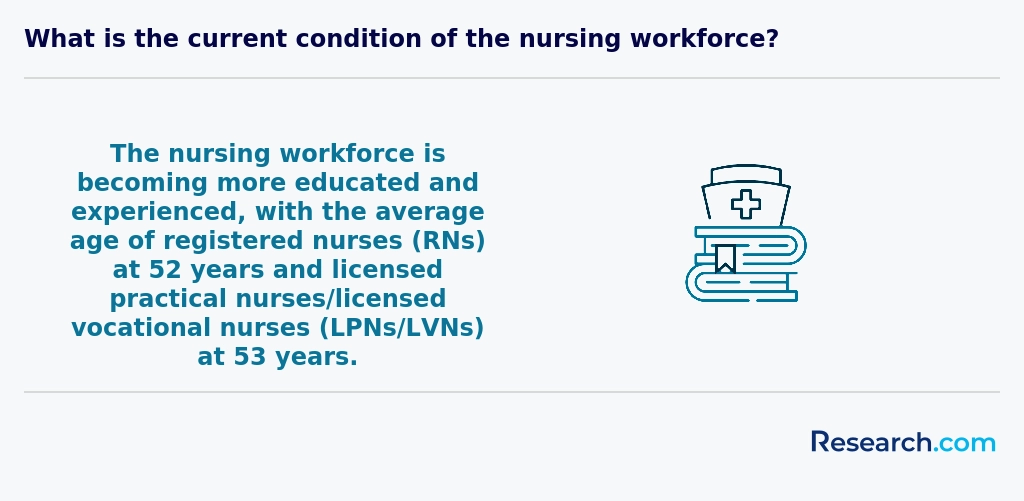
After completing an online nursing degree in Boston, MA, many graduates seek to elevate their scope of practice through postgraduate certificates and advanced practice roles. One popular route is the Psychiatric-Mental Health Nurse Practitioner track, where graduates can enhance clinical expertise in behavioral health. For those aiming to specialize quickly, exploring the shortest pmhnp certificate program offers a streamlined curriculum that balances rigorous coursework with clinical practicum, allowing nurses to enter advanced practice settings in under a year. In addition to PMHNP certification, online nursing graduates can pursue specialized certificates in areas such as nurse education, informatics, and gerontological nursing. These programs typically range from six months to two years and blend asynchronous lectures with hands-on projects, ensuring that nurses develop both theoretical knowledge and practical skills. Graduates often report that certificate programs improve their competitiveness for leadership roles and help meet emerging healthcare needs. Many Boston institutions also provide seamless pathways from an MSN to advanced practice nursing roles, including nurse midwife (CNM) and nurse anesthetist (CRNA) certificates. These tracks emphasize interprofessional collaboration, advanced pharmacology, and evidence-based practice, preparing nurses to lead complex case management and policy initiatives. By aligning certificate coursework with state board requirements, graduates can smoothly transition into certification exams and licensure renewals. Finally, continuing education units (CEUs) and professional development workshops are essential for maintaining certification and staying current with evolving healthcare guidelines. Boston-based online programs often partner with hospitals and community health organizations to offer virtual seminars and simulation labs, ensuring lifelong learning and adherence to best practices. Engaging in these advanced practice and certificate pathways not only elevates clinical expertise but also drives career growth and patient-centered outcomes.
Financial aid options for online nursing students in Boston are varied but require careful navigation to fully benefit. Many graduates from institutions like Northeastern University and Boston College recall how completing the FAFSA opened doors to Pell Grants, which provided up to $7,395 annually and eased financial pressures without the burden of repayment. This federal aid remains foundational, yet it may not cover all costs, especially as tuition ranges from $7,000 to over $20,000.
State-specific programs, such as the Massachusetts Nursing Incentive Program, appeal to students willing to serve in local shortage areas and offer tuition reimbursement, effectively linking financial aid to community service. Some Boston-area schools complement this with scholarships up to $5,000, awarded based on merit or need, often influencing students' decisions to pursue online study more confidently.
- Work-study options provide hands-on experience while helping pay expenses, a reality praised by graduates balancing jobs and school.
- Employer tuition assistance enhances affordability for professionals already working in Boston healthcare settings.
- Support from local nursing organizations offers additional scholarship opportunities, grounding students in a supportive community network.
For registered nurses who already hold an active RN license and extensive bedside experience, bridge programs can eliminate redundant clinical requirements while building on existing competencies. These streamlined offerings allow you to focus on advanced theory, leadership, and community health without scheduling additional practicum hours. By choosing an RN-to-BSN track designed for seasoned professionals, you accelerate degree completion and reduce out-of-pocket costs. Many accredited institutions recognize previous clinical hours and integrate them into core BSN coursework. Coursework often emphasizes evidence-based practice, healthcare policy, and quality improvement-key areas that translate directly into higher earning potential and leadership roles. If you’re exploring these options, consider researching top-rated programs that waive extra clinicals; for a curated list, visit rn to bsn programs without clinicals. Benefits of this pathway include:
- Faster completion time-often 12 to 18 months
- Focused curriculum on advanced nursing concepts
- Seamless transition into management, education, or specialty teams By selecting a bridge program tailored to your background, you can leverage your hands-on experience, enhance your credentials, and position yourself for roles that demand both clinical insight and strategic expertise.
Enrolling in an online nursing degree program in Boston typically requires meeting clear academic and professional prerequisites, yet these are sometimes met with varied interpretations depending on the institution. Graduates from well-known schools such as Boston College and Northeastern University recall the importance of completing prerequisite coursework in biology, chemistry, and anatomy-courses that serve as essential building blocks for nursing study.
Most programs expect applicants to hold a high school diploma or its equivalent, with a GPA often between 2.5 and 3.0, signaling academic readiness without being overly prohibitive. Some graduates have noted that while standardized tests like the SAT or ACT are less emphasized if prior college work is complete, others found them necessary when applying for undergraduate nursing programs.
Registered nurses aiming to advance with a BSN or MSN generally must present an active RN license, which reflects practical experience alongside theoretical knowledge. Boston's competitive programs also encourage supplementary materials, such as letters of recommendation or personal statements, which can provide insight into an applicant's dedication and resilience, qualities critical in nursing careers.
Students emphasize that fulfilling these prerequisites not only opens doors but also builds confidence when navigating clinical placements and demanding coursework, making the challenging journey feel achievable and worthwhile.

One of the most critical measures of an online nursing program’s effectiveness is its NCLEX-RN pass rate, as this directly reflects how well a program prepares graduates for licensure and clinical practice. In Boston, online nursing degree programs consistently report first-time NCLEX pass rates ranging from 85% to 95%, often surpassing the national average of 82%. High pass rates indicate robust curricula, experienced faculty, and comprehensive review resources-factors that prospective students should weigh heavily when evaluating program quality. For example, recent cohorts at Boston College and Northeastern University achieved first-time NCLEX-RN pass rates above 90%, supported by targeted exam prep workshops and one-on-one tutoring. These outcomes not only enhance a graduate’s confidence entering the workforce but also strengthen a program’s reputation among healthcare employers. When comparing online nursing degree programs in Boston, be sure to verify published pass rates on each school’s website or through state nursing board reports to ensure you select a program that consistently delivers strong licensure outcomes. Beyond licensure, employment placement rates and alumni career trajectories further illustrate program success. Many Boston online nursing graduates secure full-time positions within three months of passing the NCLEX-RN, with specialized roles-such as critical care and nurse education-seeing placement rates above 80%. For those considering advanced practice or leadership roles, it’s valuable to research doctoral offerings as well. Exploring the Cheapest Online Doctorate in Nursing Degree Programs Ranking in South Carolina can provide insights into cost-effective pathways for earning a DNP or PhD in Nursing.
Online nursing degrees in Boston typically include a blend of foundational science courses such as anatomy, physiology, microbiology, and chemistry. Graduates from well-regarded colleges in the city often recall how these courses built their confidence by providing a clear understanding of the human body-essential when dealing with complex patient cases later on.
Core nursing coursework dives into practical areas like health assessment techniques, pathophysiology, and medical-surgical nursing. For instance, students studying at institutions known for their nursing programs appreciate how learning mental health nursing equipped them to support patients with psychiatric conditions compassionately.
Maternity, pediatric, and community health nursing courses are also prominent, reflecting Boston's diverse population needs. Graduates frequently describe applying lessons from community nursing classes during local clinical rotations, where they engage directly with health promotion campaigns and disease prevention efforts.
Many students praise leadership and ethics modules, noting how these prepared them to handle challenging healthcare decisions confidently. While online formats offer flexibility, Boston's programs emphasize in-person clinicals, letting students translate theory into real-world practice within renowned local hospitals.
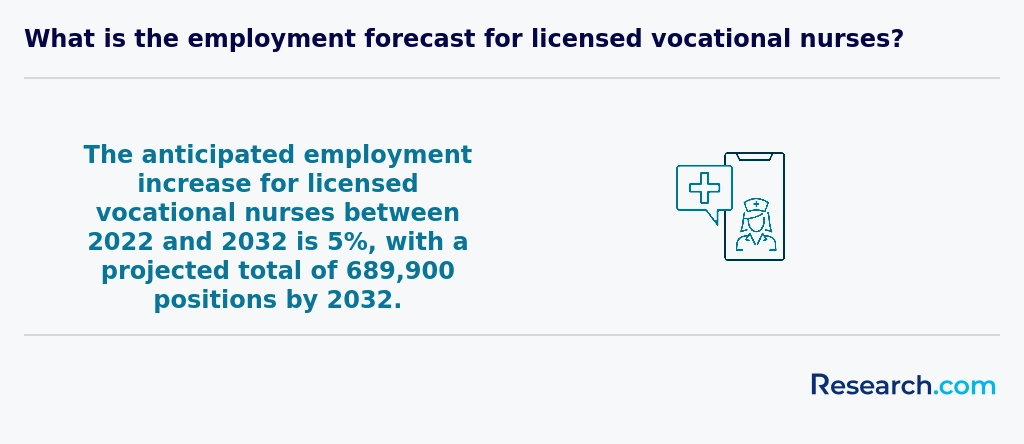
Online nursing specializations in Boston typically include Family Nurse Practitioner (FNP), Psychiatric-Mental Health Nurse Practitioner (PMHNP), Adult-Gerontology Acute Care Nurse Practitioner (AGACNP), Public Health Nursing, and Healthcare Leadership and Administration. Graduates from local universities often praise how these programs balance theory and real-life application, allowing them to confidently address diverse patient needs in community clinics or intense hospital settings. For example, FNP students describe feeling empowered to deliver comprehensive family care while graduates focusing on mental health appreciate Massachusetts' strong emphasis on expanding accessible mental health services.
Boston nursing degree specialization options reflect the city's healthcare priorities, such as the growth of outpatient care and public health initiatives. Students frequently share that their online coursework fits their busy schedules while keeping them connected to local healthcare trends. Additionally, those interested in management find they can develop leadership skills to influence healthcare policy within Boston's vast hospital systems. Some students note how integrating dental health education resources enhances their understanding of holistic patient care, a critical aspect given Boston's interdisciplinary health environment.
Choosing the best online nursing degree in Boston involves balancing several practical considerations. Accreditation by recognized organizations like CCNE or ACEN remains non-negotiable because graduates need licensure through the Massachusetts Board of Registration in Nursing. Graduates from popular Boston colleges often mention how local clinical placement support made a real difference, allowing them to gain hands-on experience without leaving the city. Flexibility is also key; programs offering asynchronous classes or part-time options help students juggle work, family, and study demands effectively.
Cost commonly causes hesitation, especially given Boston's higher living expenses. Many students appreciate programs that couple competitive tuition with accessible financial aid. When searching for affordable nursing degrees Boston MA options, it's important to consider schools that provide solid career support and maintain NCLEX-RN pass rates above the state's 88% average. One helpful strategy is to examine alumni outcomes and seek programs that facilitate connections with Boston healthcare employers. Additionally, understanding the nursing experience and expertise required for each program clarifies what suits your goals best.
Graduates with an online nursing degree in Boston encounter varied career paths, shaped by the city's vibrant healthcare ecosystem. Many enter roles as Registered Nurses (RNs) in hospitals or community health organizations, benefiting from higher-than-average wages reflective of Boston's demanding market and cost of living. Others pursue advanced practice roles such as Nurse Practitioners or Clinical Nurse Specialists, motivated by stories from local graduates at popular nursing colleges who appreciate the responsibility and increased earning potential these positions offer.
Beyond clinical roles, some navigate into healthcare administration or education, inspired by experiences shared among peers at well-known Boston universities, where partnerships often facilitate smooth transitions into these fields. Public health nursing and specialized areas like oncology or pediatrics attract those driven by community impact and patient-centered care. The rise of telehealth expands options further, with graduates exploring virtual care coordination, capitalizing on Boston's leading medical centers.
Prospective students also weigh affordability and practical benefits when choosing programs; hence, many compare national averages with local tuition fees and value connections to employers through clinical placements-a decision informed by exploring nursing schools in Georgia for broader perspectives. These career avenues illustrate the dynamic nursing job opportunities Boston Massachusetts offers, tailored to diverse interests and goals.

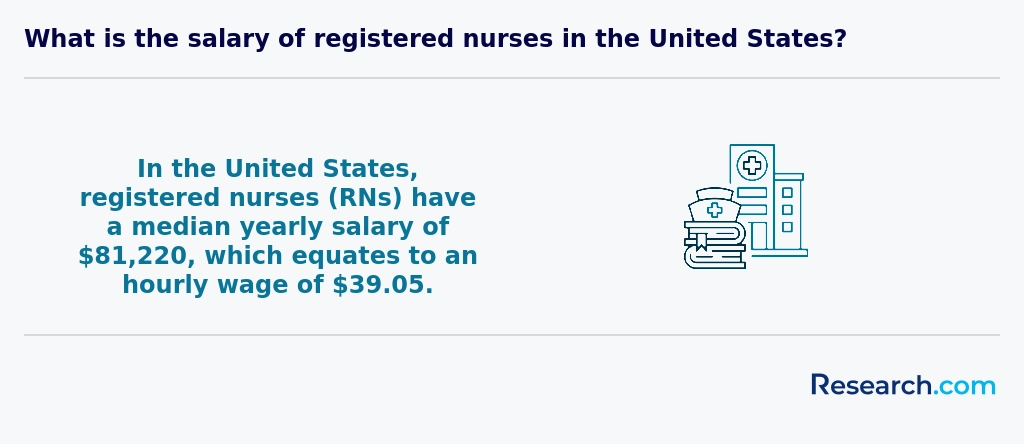
The job market for graduates with online nursing degrees in Boston is notably strong, driven by the city's dense network of hospitals and healthcare centers. Graduates from well-regarded nursing programs in Boston often share how their degrees opened doors to positions in diverse settings, from busy acute care units to innovative telehealth services. The investment in an online nursing degree is supported by competitive wages, with average RN salaries around $95,000 annually in Boston, which appeals to many local students balancing work and study demands.
Boston nursing degree employment outlook also benefits from ongoing growth in healthcare roles, especially in community health and public policy areas. Nurses equipped with bachelor's or higher degrees from institutions such as Northeastern University find themselves well-prepared for leadership roles that can lead to increased earning potential. Some students explore fields like nurse informatics, reflecting Boston's emphasis on healthcare technology.
For those interested in different geographic options or further academic exploration, exploring nursing degrees kentucky admissions may provide additional perspectives on job markets and programs.
2027 Best Online Nursing Degree Programs Ranking in Boston, MA
Investing in your education is a significant decision that can shape your career path, and the Research.com team is committed to helping you make well-informed choices. To support prospective nursing students in Boston, we have carefully developed the "2027 Best Online Nursing Degree Programs Ranking in Boston, MA." Our dedication to quality, credibility, and accuracy is demonstrated through thorough research and precise analysis behind this ranking.
We utilized the following reputable data sources to create a comprehensive and reliable evaluation of nursing programs:
By reviewing this ranking, readers will gain crucial insights into the top online nursing degree programs available in Boston, enabling them to choose the program that best fits their goals. For more information on how this ranking was developed, please visit our Research.com methodology page.


# 4 position
UMassOnline
Nursing, RN to BS
Frequently Asked Questions About nursing
Online nursing degree students in Boston can maximize their learning experience by actively engaging with local clinical opportunities. Boston's rich healthcare environment, including top hospitals like Massachusetts General and Boston Children's Hospital, offers valuable practicum placements that complement online coursework.
Students should also leverage virtual study groups and academic support services provided by their institutions. According to the Massachusetts Board of Registration in Nursing, practical experience combined with strong theoretical knowledge is key to passing the NCLEX exam on the first try, which has a pass rate near 90% for Boston-area candidates.
Utilizing digital simulation labs and seeking mentorship from local nursing professionals further enhances clinical skills. Staying organized and managing time effectively to balance online classes with hands-on training is essential to success in Boston's competitive nursing field.
The nursing field is evolving rapidly, creating new specialized areas for online nursing students in Boston. One emerging niche is **geriatric nursing**, driven by Massachusetts' aging population. According to the U.S. Census Bureau, by 2030, nearly 20% of Boston's residents will be over 65, increasing demand for nurses skilled in elderly care.
Another growing area is **telehealth nursing**. The COVID-19 pandemic accelerated its adoption, and Boston hospitals continue to expand remote patient monitoring and virtual care. This niche requires strong skills in communication and tech.
Additionally, **psychiatric-mental health nursing** is gaining importance due to rising awareness of mental health in the community. The Massachusetts Department of Public Health highlights a shortage of mental health professionals, creating opportunities for specialized nurses.
After completing an online nursing degree in Boston, it is crucial to focus on preparing for the competitive local job market. Start by obtaining the required licensure: passing the NCLEX-RN exam is mandatory for registered nurses in Massachusetts. The Massachusetts Board of Registration in Nursing provides detailed guidelines and resources to assist graduates.
Networking within Boston's healthcare community can significantly enhance job prospects. Joining local nursing associations such as the Massachusetts Nurses Association offers access to job fairs, professional development, and mentorship opportunities.
Additionally, gaining clinical experience through internships or volunteering at Boston hospitals can strengthen your resume. According to the Massachusetts Executive Office of Labor and Workforce Development, registered nurse employment in Boston is expected to grow 11% from 2020 to 2030, reinforcing the positive outlook for new graduates.
Employers in Boston value nursing graduates who demonstrate strong clinical skills alongside effective communication and critical thinking. According to the Massachusetts Board of Registration in Nursing, proficiency in patient assessment and care planning is essential. Additionally, with Boston's diverse population, cultural competence ranks high among desired skills, enabling nurses to provide personalized care.
Technological literacy is increasingly important due to the use of electronic health records and telehealth services. Data from the Boston Public Health Commission highlights that teamwork and adaptability are vital, especially in fast-paced hospital settings. Finally, ethical decision-making and adherence to professional standards remain fundamental for nurses entering Boston's healthcare workforce.
Finding nursing internships in Boston involves leveraging local healthcare networks and educational resources. Many hospitals in Boston, such as Massachusetts General Hospital and Boston Medical Center, offer competitive internships or clinical placements specifically for nursing students. These opportunities often require students to coordinate with their online nursing program's clinical advisor to ensure eligibility.
Students should also explore partnerships between their online programs and Boston-area medical facilities. The Massachusetts Board of Registration in Nursing provides guidelines that can help identify licensed institutions suitable for internships.
Additionally, job boards like the Massachusetts Nursing Association's site and local career fairs can list openings. Networking through professional organizations enhances chances of securing valuable internships in this region.
Obtaining an online nursing degree can significantly enhance career mobility and advancement for professionals in Boston. The city's healthcare sector is robust, driven by world-renowned hospitals such as Massachusetts General and Brigham and Women's. According to the Massachusetts Executive Office of Labor and Workforce Development, nursing jobs in the Boston metropolitan area are expected to grow by 12% from 2020 to 2030, above the national average.
Online nursing programs provide flexibility, allowing working nurses to earn advanced degrees like BSN or MSN without interrupting their careers. This additional qualification often opens doors to leadership roles, specialty nursing positions, and higher salaries.
Employers in Boston increasingly value degrees from accredited online institutions, recognizing their rigor and relevance. Furthermore, advanced online degrees align with Massachusetts Board of Registration in Nursing requirements, making license renewal and specialization smoother. Data from the Bureau of Labor Statistics show that nurse practitioners with master's degrees in Massachusetts earn a median annual wage exceeding $110,000, illustrating clear financial benefits tied to degree advancement.
Studying for an online nursing degree in Boston equips students with skills necessary for interdisciplinary collaboration, essential in today's healthcare landscape. Boston's nursing programs emphasize teamwork, communication, and leadership, preparing graduates to work effectively alongside physicians, therapists, and social workers. According to the Massachusetts Department of Higher Education, many programs incorporate clinical simulations and case studies that mimic real-world scenarios requiring coordinated care.
Furthermore, Boston's strong network of hospitals and research centers offers nursing students access to diverse clinical experiences, fostering ability to navigate complex patient needs within a team setting. This skill set is crucial as 75% of healthcare roles now involve interdisciplinary approaches, as reported by the U.S. Bureau of Labor Statistics.
Online students benefit from flexible schedules while engaging in coursework designed to promote critical thinking and interprofessional problem-solving. Graduates are thus well-prepared to contribute to integrated healthcare teams upon entering the workforce in Boston or beyond.
Choosing between a thesis and a non-thesis nursing degree in Boston depends on your career goals and learning preferences. A thesis program emphasizes research and preparation for doctoral studies or academic roles. It typically requires conducting original research and writing a detailed paper.
Non-thesis programs focus more on practical skills and clinical experience. They are often preferred by those aiming to advance directly into nursing leadership or specialized practice without pursuing further research degrees.
According to the Massachusetts Board of Registration in Nursing, Boston hosts multiple accredited online options that align with these pathways, reflecting strong support for both formats.
Consider your time commitment and professional objectives carefully when deciding, as thesis programs usually take longer to complete.
Students based in Boston who wish to study nursing abroad while enrolled in an online program have several pathways to consider. Many U.S. nursing schools offer online degrees with clinical components completed locally, allowing students to benefit from international curricula without relocating.
Directly studying abroad can be complex due to licensing and accreditation differences, especially since nursing licensure is state-specific and regulated by the Massachusetts Board of Registration in Nursing. However, some programs have partnerships with foreign institutions, enabling coursework abroad combined with U.S.-approved clinical hours.
According to the Massachusetts Department of Higher Education, over 85% of registered nurses in Boston hold degrees from accredited U.S. institutions, emphasizing the importance of recognized accreditation when selecting any online or abroad-affiliated nursing program.
Boston offers several part-time job opportunities that can complement online nursing degree education effectively. Many students work as certified nursing assistants (CNAs) or patient care technicians, gaining hands-on clinical experience while studying. According to the Massachusetts Department of Labor, the demand for CNAs in Boston is projected to grow by 15% through 2030, reflecting strong job availability.
Additionally, hospital volunteers and medical receptionist roles provide exposure to healthcare environments and patient interaction without extensive prior qualifications. These positions help build communication and organizational skills vital for nursing students.
Pharmacies and outpatient clinics in Boston also employ part-time pharmacy technicians or medical assistants, positions beneficial for understanding medication management and healthcare operations.
Online nursing students in Boston have access to various networking opportunities that support their educational and professional growth. Many local universities with online nursing programs, such as Northeastern University and Boston College, host virtual and in-person networking events, including seminars, workshops, and career fairs. These events often connect students with healthcare professionals and alumni in the Boston area-a city known for its robust healthcare sector.
Additionally, nursing students can join local chapters of national organizations like the Massachusetts Nurses Association, which offers networking through meetings and conferences. Boston's proximity to top hospitals like Massachusetts General and Boston Children's also facilitates clinical partnerships and internship possibilities, enhancing students' professional connections.
Alumni networks offer significant benefits to online nursing degree students in Boston by creating connections that can advance careers. These networks provide access to experienced professionals who understand the local healthcare landscape, including Boston's leading hospitals such as Massachusetts General and Boston Children's Hospital.
Through events, mentorship, and job boards exclusive to alumni, students gain insights into job opportunities and clinical placements, which are crucial in a competitive market. According to the Massachusetts Nurses Association, local nursing jobs increased by 7% over the last five years, making networking vital for early-career nurses.
Additionally, alumni networks support professional development and lifelong learning, helping graduates stay current with evolving nursing practices and licensure requirements in Massachusetts.
Customizing an online nursing degree program in Boston allows students to align their education with specific career goals. Many Boston-based universities offer specialty tracks such as family nurse practitioner, gerontology, or psychiatric nursing. This flexibility helps students focus on in-demand fields within the local healthcare market.
Students can also choose electives or clinical placements that reflect their interests. For example, Boston's large hospital network, including Massachusetts General Hospital, offers diverse practicum opportunities. According to the Massachusetts Board of Registration in Nursing, Boston's nurse workforce is expected to grow by 15% through 2030, emphasizing the importance of targeted skills.
Additionally, some programs provide options for part-time study or accelerated paths, catering to working professionals. Accreditation by agencies such as CCNE ensures program quality, which is essential for licensure and career advancement in Massachusetts.
Online nursing students in Boston commonly face challenges related to balancing rigorous coursework with clinical practice requirements. Although theory can be completed remotely, the need for hands-on clinical hours often requires traveling to local healthcare facilities, which can be difficult for working students. According to the Massachusetts Board of Registration in Nursing, students must complete a minimum number of supervised clinical hours to qualify for licensure, creating scheduling conflicts.
Additionally, many students report difficulties in accessing adequate technology and reliable internet connections, especially in underserved areas of Boston. Time management is another significant concern, as online programs demand strong self-discipline without the structured environment of traditional classrooms.
With an online nursing degree, graduates in Boston can pursue several professional certifications to enhance their careers. The most common is the Registered Nurse (RN) license, which requires passing the NCLEX-RN exam and is mandatory for practice.
Beyond that, many nurses seek certifications such as the Certified Nurse Practitioner (CNP), Certified Nurse Educator (CNE), or Certified Clinical Nurse Specialist (CNS). These credentials often require additional experience or education but improve job prospects and earning potential.
Boston's healthcare sector supports these credentials, as the city employs over 45,000 registered nurses according to the Massachusetts Department of Labor.
National certifying bodies like the ANCC and AACN offer these certifications recognized across Massachusetts and the U.S.
Applying for an online nursing program in Boston requires a clear, well-organized approach. Start by carefully reviewing each program's prerequisites, as Boston-area schools often require a minimum GPA around 3.0 for competitive admission. Highlight your academic achievements and practical healthcare experience in your application.
Boston's healthcare sector is large, so emphasize any clinical work or volunteer service within local hospitals or community health settings. This shows commitment to the region's medical landscape.
Craft a concise personal statement explaining your motivation for nursing and why Boston's online format fits your goals. Strong letters of recommendation, ideally from healthcare professionals familiar with your skills, can improve your chances. According to the Massachusetts Board of Registration in Nursing, programs often value demonstrated communication and problem-solving skills, so address these qualities clearly.
The nursing profession is highly valued worldwide, with global demand rising due to aging populations and increased healthcare needs. In the United States, including Boston, nursing offers strong job security and competitive salaries. According to the U.S. Bureau of Labor Statistics, registered nursing employment is projected to grow 9% from 2022 to 2032, faster than average for all occupations.
Globally, nursing roles vary, but advanced education like online nursing degrees from U.S. institutions can open international career opportunities. Boston's high concentration of renowned medical centers boosts practical experience options for online degree holders. The World Health Organization emphasizes that well-trained nurses are critical to improving healthcare outcomes worldwide, reinforcing the value of quality education.
Gaining practical experience is essential when pursuing an online nursing degree in Boston. Many accredited programs require clinical rotations, which students can complete at local healthcare facilities, including Boston's numerous hospitals and community clinics. These placements allow students to apply classroom knowledge in real-world settings under professional supervision.
Boston is home to top medical centers like Massachusetts General Hospital, offering diverse clinical opportunities. According to the Massachusetts Board of Registration in Nursing, clinical hours are mandatory for state licensure, ensuring all nursing students gain hands-on experience.
Additionally, some programs offer simulation labs or hybrid models combining online study with on-site practice, providing flexibility without compromising skill development. Networking with Boston healthcare providers can also open opportunities for internships or volunteer roles during coursework.
Choosing the right concentration within an online nursing degree program in Boston involves assessing your career goals and local healthcare demands. Popular specialties include family nurse practitioner, gerontology, and psychiatric nursing. According to the Massachusetts Department of Public Health, the demand for geriatric care is rapidly increasing due to the aging population in Boston.
Consider your interests in patient populations and work settings. For example, psychiatric nursing is essential in Boston, where mental health services are expanding. Review program curricula to ensure they align with your goals and offer clinical practice opportunities. Accreditation by organizations like CCNE or ACEN guarantees program quality and eligibility for licensure.
- 2027 Best Online Nursing Degree Programs Ranking in South Orange, NJ
- 2027 Best Online Master's in Nursing Degree Programs Ranking in Pittsburgh, PA
- 2027 Best Online Nursing Degree Programs Ranking in Morgantown, WV
- 2027 Best Online Nursing Degree Programs Ranking in Flint, MI
- 2027 Best Nursing Degree Programs Ranking in Bronx
- 2027 Best Nursing Degree Programs Ranking in New York
- 2027 Best Nursing Degree Programs Ranking in Brooklyn
- 2027 Best Nursing Degree Programs Ranking in Rochester
- 2027 Best Nursing Degree Programs Ranking in Baltimore
- 2027 Best Nursing Degree Programs Ranking in Washington
See What Experts Have To Say About Studying Nursing
Read our interview with Nursing experts


- Interdisciplinary Collaboration: The Nurse's Role in Team-Based Healthcare https://www.indwes.edu/articles/2025/08/nurse-role-in-team-based-healthcare
- Nursing Prerequisites - Westcott Courses https://westcottcourses.com/nursing-prerequisites/
- How to Write https://esign.com/letter-of-intent/school/nursing/
- Guide to Mastering Massachusetts Nursing Prerequisites https://www.prereqcourses.com/guide-to-massachusetts-nursing-prerequisites/
- Nursing Study Abroad Programs | Go Overseas https://www.gooverseas.com/study-abroad/nursing
- Study Nursing Abroad | Boomerang International Educational Services https://boomerangedu.com/study-nursing-abroad/
- Top Nursing Skills U.S. Employers Want to See on Your Resume | O'Grady Peyton https://www.ogradypeyton.com/blog/job-seeker-resources/top-nursing-skills-u.s.-employers-want-to-see-on-your-resume
- Online Nursing Prerequisites: Complete Guide & Cost Savings | StraighterLine https://www.straighterline.com/blog/which-online-nursing-prerequisites-should-you-take-online
- Your Questions About Online Nursing School, Answered https://www.allnursingschools.com/how-to-get-into-nursing-school/online-programs/
- 2025 Best Online Nursing Programs in Massachusetts https://www.onlineu.com/degrees/nursing/massachusetts