2027 Best Nursing Degree Programs Ranking in New York

Co-Founder and Chief Data Scientist
Are you considering a nursing career in New York? This article introduces the 2027 Best Nursing Degree Programs Ranking in New York, carefully developed by the Research.com team of data scientists. It aims to guide you toward the nursing programs that offer the best educational value.
Choosing the right nursing degree can open doors to rewarding opportunities and a fulfilling profession. Reading this ranking will help you make a confident, informed decision about your future.
Explore your options and take the first step toward a meaningful healthcare career today.
Key benefits of getting nursing degree in New York
- Salary: Nursing degree graduates in New York can expect strong earning potential, with roles like Registered Nurse averaging $94,480 annually and Operating Room Nurses earning up to $128,490 per year.
- Career Paths: Graduates from popular New York universities often find diverse opportunities in hospitals, clinics, and public health, enabling a rewarding and flexible career in various nursing specialties.
- Online Nursing Degrees: Earning a nursing degree online from well-known New York schools offers convenience and flexibility, making it easier to balance work and study while still advancing your career effectively.
- 2027 Best Nursing Degree Programs Ranking in New York
- What can I expect from nursing degree in New York?
- Where can I work with nursing degree in New York?
What can I expect from nursing degree in New York?
The average cost of a nursing degree in New York can vary widely depending on the type of institution and program chosen. Graduates from well-known public universities often recall paying tuition fees ranging from $10,000 to $20,000 per year for their Bachelor of Science in Nursing (BSN), while private colleges may come with steeper price tags, sometimes exceeding $40,000 annually. For instance, students attending community colleges typically find more affordable options, with some programs costing under $8,000 per year.
Despite these costs, many New York nursing students find the investment worthwhile, especially when considering the active clinical training offered at hospitals throughout New York City or upstate. One graduate from a popular university shared how hands-on rotations at busy city hospitals not only deepened their skills but also fueled their passion amid the vibrant healthcare scene.
Financial aid, scholarships, and employer-sponsored programs often help ease the financial load, making the experience feel closer and more achievable for many aspiring nurses across New York State.
Where can I work with nursing degree in New York?
Graduates from nursing programs at places like Hunter College or Stony Brook University often find themselves diving into exciting roles across New York's vibrant healthcare landscape. Imagine starting your day in a bustling hospital in New York City, joining a skilled team at Mount Sinai Health System, providing critical care in intensive units or assisting in emergency rooms where every moment counts.
Others love the dynamic pace of outpatient clinics or ambulatory care centers, where they educate patients on managing chronic conditions or promote wellness through preventive care. Picture yourself guiding a patient through lifestyle changes, making a real difference beyond hospital walls.
Many graduates discover rewarding careers in long-term care facilities, supporting elderly patients in towns like Buffalo or Rochester. The chance to build meaningful connections while managing complex care plans in these communities brings profound satisfaction.
Community health is another pathway, with nurses working in schools or government programs across rural areas, driving disease prevention and health education. Home healthcare also beckons, offering the privilege of personal, hands-on care for patients in their own homes, blending clinical skills with compassionate presence.
Graduates from nursing programs in New York, including those from renowned schools like Hunter College and SUNY Downstate, often find themselves stepping into jobs that pay well above the national average. For example, the mean annual wage for a Registered Nurse or Clinical Nurse Educator in New York is around $94,480, translating to about $45.42 an hour. This solid starting point excites many new nurses embarking on their careers, who see firsthand how their hard work in demanding clinical environments pays off.
Imagine a fresh graduate eager to gain experience at a bustling New York City hospital, starting near that $94,000 mark. With experience, some adventurous nurses explore specialized roles, such as Operating Room Nurses, where average salaries leap to $128,490 annually-or nearly $62 an hour. It's thrilling to think how further education and certification can open doors to these higher-paying positions, turning dreams into reality.
Beyond base salaries, nurses working nights or in emergency rooms often earn extra premiums, making those shifts both challenging and rewarding financially. Walking through clinical halls after graduation, these nurses can feel proud knowing New York's vibrant healthcare landscape values their expertise with competitive pay.
- Nursing degrees in New York range from Associate Degrees in Nursing (ADN) to Bachelor of Science in Nursing (BSN), with public schools charging $10,000 to $20,000 annually for in-state BSN students.
- Private nursing programs can cost over $40,000 for the entire degree.
- Starting salaries for new nursing graduates average about $70,000 per year, increasing to a median wage between $85,000 and $90,000 for registered nurses.
- The demand for registered nurses in New York is expected to grow by 15% from 2020 to 2030, faster than the national average.
- Passing the NCLEX-RN exam is required for licensure, along with ongoing education and license renewal to maintain nursing credentials in New York.
One of the most critical indicators of a nursing program’s quality is its NCLEX-RN pass rate, which reflects how well graduates are prepared for licensure and real-world practice. In 2023, top-ranked New York BSN and ADN programs reported first-time NCLEX pass rates ranging from 88% to 96%, significantly above the national average of 85%. High pass rates correlate with robust curricula, expert faculty mentorship, and ample simulation-lab hours that reinforce clinical decision-making before students enter patient-care settings. Beyond licensure success, graduate outcomes such as job placement and employer satisfaction provide further insight. Leading institutions in New York boast employment rates over 90% within six months of graduation, with many alumni securing positions in Magnet-status hospitals and specialty units. These programs often partner with major health systems-like NYU Langone and Mount Sinai-to offer clinical rotations that directly translate into job interviews. Tracking these outcomes helps prospective students choose a school aligned with their career goals and ensures they join a network of well-placed nursing professionals. For learners balancing work or family commitments, flexible pathways are available without sacrificing quality. In particular, online rn to bsn programs without clinicals allow students to complete theoretical coursework remotely and satisfy clinical requirements through local healthcare partnerships. These accelerated tracks maintain rigorous NCLEX prep modules and virtual simulations, supporting consistent pass rates while reducing on-campus time. When researching programs, request up-to-date NCLEX pass statistics, graduate employment surveys, and alumni testimonials. Comparing these metrics across schools not only boosts your confidence in selecting the right nursing degree but also aligns your investment with measurable success in licensure and career advancement.
Choosing between an online and on-campus nursing degree in New York feels like stepping onto two very different adventurous paths. Online students often cherish the flexibility to juggle work or family while progressing through courses at their own pace, completing lectures and exams from anywhere. Yet, just like their on-campus peers, they dive into real-world clinical hours at local healthcare sites, a vital hands-on experience mandated by New York's licensing rules. Graduates from online programs share stories of mastering self-discipline and thriving with reliable tech and quiet spaces.
On-campus nursing students at places like New York University or Hunter College relish immersive days filled with face-to-face interactions, lively campus workshops, and cutting-edge simulation labs that bring patient care scenarios to life. The buzz of collaborating directly with peers and professors creates a unique, energizing learning vibe. These students often feel a strong sense of community and immediate support, enriching their education in ways that online can't replicate fully.
Cost-wise, online routes might shave off commuting fees, but clinical travel still adds up. Both routes open doors to nursing careers in New York, shaped by your personal rhythm and ambitions.
When evaluating nursing programs in New York, one critical yet often overlooked factor is the breadth and quality of student support services. Leading institutions offer personalized academic advising, pairing each student with a faculty mentor who helps map out coursework, clinical placements, and career goals. Many schools maintain 24/7 online tutoring centers staffed by nursing graduates, as well as specialized writing and research workshops that focus on healthcare documentation and evidence-based practice. State-of-the-art simulation labs, complete with high-fidelity mannequins and virtual reality scenarios, allow students to rehearse complex procedures in a low-risk environment. Beyond academics, mental health and wellness resources play a pivotal role in supporting nursing students through demanding clinical rotations. Universities typically provide free counseling sessions, stress-management seminars, and peer-support groups to foster resilience and prevent burnout. Career services teams further enhance student readiness by hosting resume-building workshops, mock interviews with hospital recruiters, and exclusive job fairs that connect soon-to-graduate nurses with top New York healthcare employers. For those balancing work, family, or geographic constraints, hybrid and online support platforms ensure access to resources from any location. Discussion forums moderated by faculty, virtual office hours, and interactive e-learning modules keep students engaged and on track. Even if you’re exploring cost-effective alternatives beyond New York, you can compare tuition models and support structures by checking out the Most Affordable Online Bachelor's in Nursing Degree Programs Ranking in Kentucky. Leveraging these comprehensive services allows nursing students to concentrate on mastering clinical skills and achieving academic excellence.
The average nursing degree cost in New York often surprises students discovering the diverse price range across institutions. Graduates from SUNY campuses cherish their affordable pathway, with median in-state total costs around $35,079, making nursing accessible without sacrificing quality. Out-of-state students, however, face a steeper price tag, nearing $49,590, reflecting the higher tuition fees and additional expenses. Picture a determined nursing student navigating through the vibrant corridors of a popular New York community college, paying closer to the lower end, around $4,500 to $8,000 annually, feeling empowered by the affordability and hands-on learning experience.
On the other hand, those attending private nursing schools in New York experience a different financial adventure. The tuition can soar up to $35,000 per year, yet many graduates fondly recall the personalized attention and networking opportunities that justify the investment. It's important to remember that the total cost of nursing programs New York includes more than tuition-books, exams, uniforms, and licensure fees add several thousand dollars to the mix. Students often find unexpected joy in securing scholarships or grants, which can dramatically lower out-of-pocket expenses and inspire confidence as they embark on their healthcare careers.
For prospective nursing students looking for the most budget-friendly routes, exploring the cheapest nursing programs in New York offers a thrilling chance to balance ambition and finances without compromising dreams.
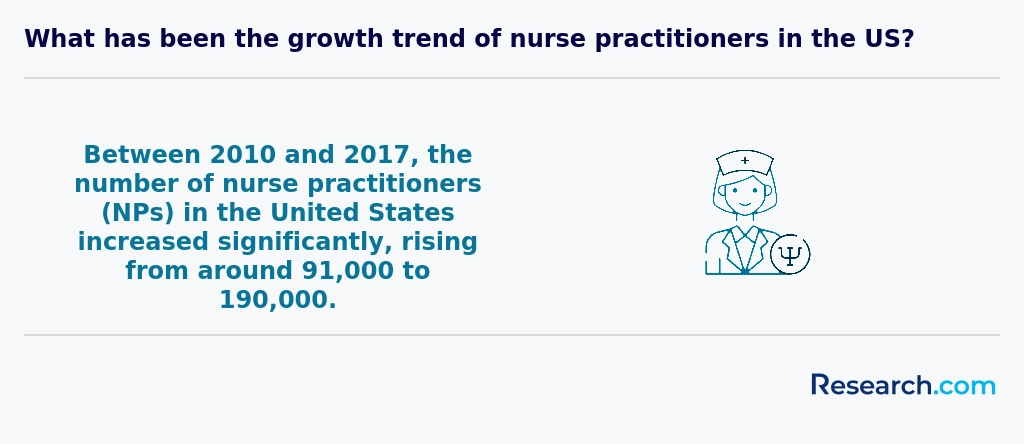
Before beginning your career as a Registered Nurse (RN) in New York, you must meet specific state licensure requirements administered by the New York State Education Department (NYSED) Office of the Professions. First, graduates of approved nursing programs must apply online through the NYSED website, submitting official transcripts and completing the NCLEX-RN registration. An application fee and background check, including fingerprinting, are required to ensure patient safety and professional integrity. Once your education and credentials are verified, you must pass the NCLEX-RN exam, which tests your competency across key nursing domains such as patient care, pharmacology, and clinical decision-making. Upon passing, you will receive your official New York RN license, valid for three years. During this period, you must complete 36 hours of continuing education, including three contact hours in pain management, to renew your license. Renewal applications and fees are submitted online before your expiration date to avoid lapses in practice authority. For career changers with a non-nursing bachelor’s degree, New York offers accelerated pathways. If you hold a bachelor’s in another field and aim to earn an MSN without prior nursing experience, explore direct entry MSN programs non nurses that streamline education and licensure preparation into a cohesive curriculum. These programs typically include NCLEX-RN review, clinical rotations, and seamless transition into graduate-level coursework. Understanding and fulfilling New York’s licensure process ensures you’re legally authorized to practice and positions you for success in diverse healthcare settings across the state.
Diving into nursing studies in New York opens doors to diverse financial aid adventures. Many graduates from SUNY and CUNY nursing programs recall how the Excelsior Scholarship transformed their budgets, covering tuition entirely thanks to its support for residents earning under $125,000. Imagine attending a SUNY college where tuition suddenly feels within reach!
Federal aid is another treasure chest: Pell Grants can offer up to $7,395 without needing repayment, while Direct Subsidized and Unsubsidized Loans help keep interest low during school. Graduates often describe the relief of having these reliable supports as they navigate the challenges of student life in bustling New York City.
Many also discover hidden gems like hospital-sponsored scholarships or tuition reimbursement programs, where hospitals cover costs if grads commit to working for them. Others tap into private scholarships from nursing associations, boosting confidence and easing financial stress.
Work-study opportunities frequently come as bonuses, allowing nursing students at places like Hunter College to gain valuable experience while funding their education-making every day a chance to both learn and earn.
To become a licensed Registered Nurse (RN) in New York, follow these key steps:
- Graduate from a Commission on Collegiate Nursing Education (CCNE) or Accreditation Commission for Education in Nursing (ACEN)–approved program.
- Register for and pass the NCLEX-RN exam, demonstrating foundational nursing knowledge and clinical judgment.
- Submit an application to the New York State Education Department (NYSED) Office of the Professions, including official transcripts and exam results.
- Complete a fingerprint-based background check and meet health requirements (immunizations, TB test).
- Pay all required licensure and application fees.
After licensure, many RNs enhance career prospects and meet employer BSN preferences by enrolling in bridge programs such as the cheapest rn to bsn online.
Imagine volunteering in a bustling NYC hospital, gaining firsthand insights into healthcare dynamics. Many NY programs either require or highly recommend this experience, helping students connect textbook knowledge with real-world empathy and teamwork. Letters of recommendation and heartfelt personal statements also play a starring role, allowing applicants to share their passion and motivations. Meanwhile, practical steps like background checks and immunization records ensure students meet clinical placement standards statewide. And yes, budgeting for tuition-from community colleges to private institutions-is part of the adventure, empowering students to seek scholarships and aid as they step closer to their nursing goals.
When considering a nursing program in New York, affordability is a crucial factor. Prospective students should weigh the costs of tuition, fees, and living expenses against the potential benefits of a nursing career. To make an informed decision, it's essential to explore the various financial aid options available, such as scholarships, grants, and loans. For those looking for budget-friendly options, it's worth exploring the cheapest nursing programs in New York, which can provide a high-quality education at a lower cost. By conducting a thorough cost-benefit analysis, aspiring nurses can choose a program that aligns with their financial situation and career goals, setting themselves up for success in this rewarding profession.
Diving into nursing studies in New York means embarking on a journey through a range of dynamic courses that blend science with real-world care. Graduates from schools like Hunter College or Stony Brook University often recall starting with anatomy and physiology, unraveling the mysteries of the human body piece by piece. They describe the thrill of learning microbiology and chemistry as foundational stepping stones that make the complex medical world understandable and exciting.
As they move forward, students eagerly explore specialized topics such as pharmacology, where they gain insight into how medications work and affect patients. Health assessment classes transform them into keen observers able to detect subtle changes in a patient's condition. The challenge and reward come alive in medical-surgical nursing courses, where they prepare to care for adults facing acute or chronic illnesses.
- Mental health nursing offers a compassionate look at psychiatric care and behavioral health, opening new perspectives on patient support
- Maternity and pediatric nursing invite students into the intimate moments of welcoming life and nurturing children
Alongside these, nursing ethics and healthcare policy classes push students to navigate the complex moral and legal landscapes they'll face in New York's vibrant healthcare settings, including hands-on practicums at renowned hospitals like Mount Sinai. This combination of heartfelt care, sharp science, and practical leadership is what makes nursing studies in New York so uniquely rewarding and empowering.
Exploring nursing degree specializations in New York reveals a vibrant array of options that beckon curious students eager to dive deep into meaningful healthcare roles. Whether you imagine yourself working in Pediatric Nursing at a bustling NYC hospital or providing expert care as an Adult-Gerontology Acute Care Nurse Practitioner, popular universities in the state offer tailored programs to match your passion. Graduates often share how their hands-on experiences at institutions known for the best nursing programs with specializations NY ignited a sense of purpose while honing critical skills.
Fields like Psychiatric-Mental Health Nursing and Neonatal Nursing stand out, responding to New York's growing demand for focused patient care. The dynamic learning environments at these colleges enable aspiring nurses to immerse themselves in clinical settings that bring textbooks to life. Many enrolled students also opt to enhance their qualifications through certificates and post-master's programs, sometimes choosing online rn to bsn programs without clinicals for added flexibility.
Choosing the best nursing degree in New York is an exciting journey filled with discovery. Imagine yourself walking the halls of Hunter College or Pace University, where graduates share stories of lasting clinical experiences in bustling New York City hospitals. These BSN programs open doors to leadership and specialized nursing fields, fueling ambition and growth.
Affordability plays a big role too-community colleges offering ADN programs provide a budget-friendly start, perfect for those seeking affordable nursing schools New York wide. Yet, many grads recall needing a BSN later to climb higher in their careers, highlighting the importance of long-term planning.
Look for programs with strong clinical ties and excellent NCLEX pass rates-graduates often mention how real-world practice energized their confidence. Smaller class sizes at these schools foster connection and mentorship, a boost in a demanding field. For adventurous learners ready to leap into advanced roles, exploring direct entry MSN programs non nurses can be a game-changer.
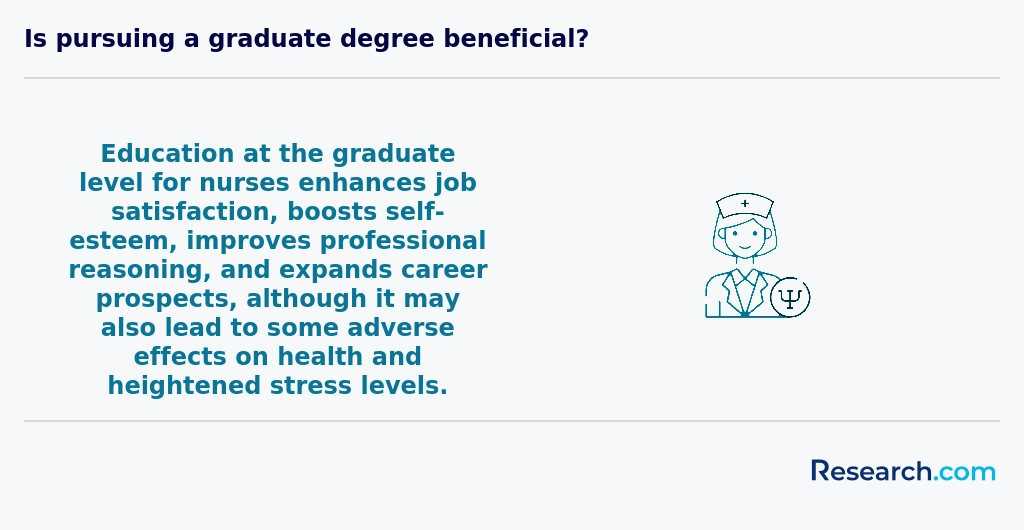
Graduates with a nursing degree in New York find themselves stepping into a world rich with possibilities, full of dynamic career paths waiting to be explored. Whether working in bustling New York City hospitals or quieter community health agencies, nursing careers in New York offer a range of roles from staff nurse to specialized fields. Many recent graduates from popular institutions like SUNY and other NYC colleges describe the excitement of hands-on experiences managing acute cases and developing close patient relationships.
For those drawn to advanced practice, options such as Nurse Practitioner or Certified Registered Nurse Anesthetist come alive after pursuing higher degrees. The demand for such roles is steadily growing, inspiring graduates to embrace further challenges with confidence. Other paths, including pediatric nursing, geriatric care, or healthcare administration, provide rewarding opportunities that fit diverse interests and lifestyles.
With training often affordable through public systems and strong local job opportunities, students can focus on their passion. Some graduates even explore Most Affordable Online Bachelor's in Nursing Degree Programs Ranking in Kentucky to compare flexible options. Nursing degree job opportunities New York truly opens doors to a fulfilling career full of hope and meaningful impact.
The nursing job outlook in New York is vibrant and filled with many paths to explore. Graduates from well-known programs at universities like New York University and Hunter College often share how their clinical experiences at top hospitals such as Mount Sinai or NewYork-Presbyterian opened doors to varied roles, from pediatric care to emergency nursing. Many feel energized by the state's growing demand for healthcare professionals, driven by an expanding elderly population and innovative outpatient services.
New York nursing degree employment opportunities are strengthened by the state's diverse medical landscape, offering rewarding careers with competitive salaries that often surpass the national average. For students weighing their options, understanding this dynamic environment ignites a sense of purpose and excitement about contributing to communities in real, impactful ways.
Those ready to dive into nursing will find programs tailored for quick entry, including accelerated degrees that balance quality education with timely career starts, a perfect solution for ambitious learners eager to join New York's thriving healthcare workforce.
2027 Best Nursing Degree Programs Ranking in New York
Investing in your education is a significant decision that can shape your professional future, and the Research.com team recognizes the importance of providing reliable guidance. To support prospective students seeking nursing degrees in New York, we have carefully developed the "2027 Best Nursing Degree Programs Ranking in New York." Our dedication to quality, credibility, and accuracy is demonstrated through rigorous analysis and verification of multiple trusted data sources.
We utilized the following reputable data sources to ensure a comprehensive evaluation of nursing programs:
By consulting this ranking, readers will benefit from clear, data-driven insights that facilitate well-informed decisions about their nursing education options in New York. For more information on how this ranking was compiled, please visit our Research.com methodology page.





Frequently Asked Questions About nursing
Nursing degree students in New York can maximize their learning by engaging deeply in clinical practice, which is essential given New York's diverse patient population. The New York State Education Department requires nursing programs to include extensive hands-on training to prepare students for real-world scenarios. Connecting with local hospitals and healthcare facilities through internships enhances practical skills and networking opportunities.
Students should also take advantage of New York's robust continuing education options, as the state mandates 24 contact hours every two years for license renewal. Utilizing academic resources, such as simulation labs and study groups, supports understanding complex concepts. Additionally, joining professional associations like the New York State Nurses Association provides access to workshops and mentorship, further enriching the educational experience.
The nursing field in New York is evolving with several emerging niches gaining attention. One prominent area is geriatric nursing, responding to the state's growing elderly population. According to the New York State Department of Health, residents aged 65 and older are expected to increase by 25% by 2030, amplifying demand for specialized care.
Another expanding niche is psychiatric-mental health nursing. With mental health awareness rising, nurses trained in this specialty are critical in hospitals and community settings. The New York State Education Department highlights a 15% growth in demand for psychiatric nurses.
Additionally, informatics nursing is becoming vital. This role focuses on managing healthcare data and technology, improving patient outcomes and efficiency. The Bureau of Labor Statistics forecasts a strong increase in nursing informatics jobs nationwide, including New York, through 2030.
After completing a nursing degree in New York, preparing for the job market involves several key steps. First, obtain licensure by passing the NCLEX-RN exam, which is required for registered nurses across the state. New York's Department of Education provides resources for exam preparation and licensure application. Networking is crucial; joining professional organizations such as the New York State Nurses Association can lead to valuable job connections. Gaining hands-on experience through internships or clinical rotations helps build practical skills.
According to the New York State Department of Labor, nursing jobs are expected to grow by 12% through 2030, indicating strong demand. Seeking specialized certifications may also improve job prospects in areas like gerontology or pediatrics.
Employers in New York seek nursing graduates with a strong blend of technical and interpersonal skills. Critical thinking and clinical judgment are essential, as nurses often make quick decisions impacting patient care. According to the New York State Department of Health, proficiency in patient assessment and care planning ranks highly among hiring criteria.
Effective communication is vital for coordinating with healthcare teams and educating patients. Additionally, cultural competency is increasingly important in New York's diverse population, helping nurses provide sensitive and appropriate care.
Technical skills, including familiarity with electronic health records (EHR) systems, are also required as digital tools become standard in medical settings.
Finding nursing internships in New York involves leveraging both academic resources and healthcare networks. Many accredited nursing programs in New York require clinical internships as part of their curriculum, typically arranged through partnerships with local hospitals and healthcare facilities.
Students should start by consulting their college's career services or nursing department for listings. Major hospital systems like NewYork-Presbyterian and NYU Langone offer structured internship programs specifically for nursing students.
Additionally, students can explore opportunities via the New York State Department of Health, which provides listings of approved clinical sites. Networking through professional organizations such as the New York State Nurses Association can also help uncover internships. According to the New York State Education Department, approximately 75% of nursing students secure internships through these established channels before graduation.
Obtaining a nursing degree in New York significantly enhances career mobility and advancement opportunities within the state's healthcare industry. Registered nurses (RNs) with bachelor's degrees often have access to more specialized positions, including roles in management, education, and advanced practice.
In New York, healthcare employers increasingly prefer nurses with a Bachelor of Science in Nursing (BSN), supporting findings by the New York State Department of Labor that BSN-prepared nurses earn approximately 10-15% higher salaries than those with an associate degree.
A nursing degree also lays the groundwork for further credentials, such as becoming a Nurse Practitioner or Nurse Anesthetist, roles that demand advanced degrees but offer greater leadership responsibilities and salary potential.
According to the Bureau of Labor Statistics, the demand for nurses in New York is projected to grow faster than the national average through 2030, further boosting advancement prospects for degree-holding nurses.
Studying for a nursing degree in New York equips students with skills essential for interdisciplinary roles in healthcare. Programs emphasize collaborative learning, integrating coursework in nursing, public health, and social sciences. This fosters communication and teamwork among nurses, doctors, social workers, and other professionals.
New York's diverse clinical placements, including large urban hospitals and community health centers, expose students to varied healthcare settings. According to the New York State Education Department, over 70% of nursing programs include interdisciplinary clinical experiences, preparing graduates for real-world coordination and decision-making.
Additionally, New York nursing curricula often incorporate training in health informatics and policy, supporting nurses' involvement in broader healthcare systems and leadership roles. This comprehensive approach ensures graduates are well-prepared to contribute effectively in complex healthcare teams.
When choosing between a thesis and a non-thesis nursing degree program in New York, consider your career goals and learning preferences. Thesis programs typically involve original research and are suited for students aiming to pursue advanced research roles or doctoral studies. Non-thesis programs often focus on practical skills and coursework, ideal for those targeting clinical practice or leadership positions.
In New York, many nursing schools follow these models, with thesis options available in most Master of Science in Nursing (MSN) programs. Data from the New York State Education Department shows growing demand for nurse educators and researchers, favoring thesis graduates.
Budget and time constraints should also be considered, as thesis tracks usually require more time and resources.
Students based in New York seeking to study nursing abroad have several pathways to consider. Many New York institutions maintain exchange agreements or partnerships with international universities, allowing students to complete part of their nursing education overseas while earning credits applicable to their degrees at home. According to the New York State Education Department, clinical and academic standards must align with U.S. requirements to ensure licensure eligibility upon return.
Popular destinations for nursing study abroad include the United Kingdom, Ireland, and Canada, known for strong healthcare systems and accredited nursing programs. Students should verify program accreditation and compatibility with the New York State Board of Nursing's criteria.
Financial aid options and scholarships might be available for eligible students through New York universities or external organizations supporting international study in health fields.
Part-time job opportunities in New York can strongly complement nursing degree education by providing practical experience and financial support. Many nursing students work as certified nursing assistants (CNAs), a role requiring less training but offering hands-on patient care experience. According to the New York State Department of Labor, CNAs earn a median hourly wage of approximately $17, which can help offset educational expenses.
Other common part-time roles include medical scribes and pharmacy technicians, where students sharpen documentation and pharmaceutical knowledge. These positions also enhance clinical understanding and communication skills crucial for nurses.
Volunteering at local hospitals or clinics is another way to gain valuable exposure to healthcare settings while networking with professionals. Such experience is favorable for licensure and future job applications throughout New York's competitive healthcare market.
Nursing students in New York have numerous networking opportunities crucial for professional growth. Many colleges and universities, such as New York University and Hunter College, host nursing clubs and honor societies that connect students with peers and practicing nurses. Additionally, students can join the New York State Nurses Association (NYSNA), which offers events, seminars, and mentorship programs tailored to nursing professionals.
Clinical placements in New York's extensive healthcare system, including renowned hospitals like NYU Langone and Mount Sinai, provide practical networking through hands-on experience with medical staff. Furthermore, conferences such as the annual New York State Nursing Education Association meeting offer valuable chances to meet educators and employers.
Alumni networks play a crucial role for nursing degree students in New York by offering valuable professional connections. These networks often provide mentorship opportunities, linking current students with experienced graduates working in diverse healthcare settings across the state. This mentorship can enhance clinical skills and career readiness.
Moreover, alumni connections can increase job placement rates. According to the New York State Center for Nursing, strong networking significantly eases transitions into nursing roles, particularly in New York City's competitive healthcare market.
Students also benefit from workshops, job fairs, and exclusive events funded or organized by alumni groups, broadening their access to career resources. These factors contribute to professional growth and strengthen community ties among nurses in New York.
Customizing a nursing degree program in New York involves choosing specializations and elective courses aligned with your career goals. Many New York nursing schools offer tracks such as pediatric, geriatric, or mental health nursing, allowing students to focus on specific patient populations. Additionally, students can select from certificate programs in areas like nurse leadership or informatics to enhance their expertise.
Clinical placements are another option to tailor your education. New York has partnerships with diverse healthcare facilities, providing hands-on experience in settings that match your interests. According to the New York State Education Department, these practical experiences are critical for licensure and career advancement.
Online and part-time study options also help accommodate working students, ensuring flexible progress toward licensure exams like the NCLEX-RN.
Nursing students in New York face various challenges during their education. One major issue is the intense workload combined with clinical practice, requiring careful time management. According to the New York State Education Department, students often report stress related to balancing academic responsibilities and hands-on training. Additionally, high tuition costs in New York's nursing programs pose financial strain, with public and private schools averaging over $10,000 and $30,000 per year respectively, per NCES data.
The competitive nature of securing clinical placements in hospitals is another frequent hurdle, as many institutions have limited availability. Language barriers and cultural diversity also create challenges for some students adapting to patient interactions across New York's multicultural population.
With a nursing degree in New York, graduates can pursue a variety of professional certifications to advance their careers and specialize in specific fields. Popular certifications include the Registered Nurse (RN) license, required for all practicing nurses and regulated by the New York State Board of Nursing.
Beyond initial licensure, nurses often seek certifications such as the Certified Nurse Practitioner (CNP), Clinical Nurse Specialist (CNS), or Certified Nurse Midwife (CNM). These credentials require additional education and passing national certification exams approved by organizations like the American Nurses Credentialing Center (ANCC).
New York also recognizes certifications in specialty areas such as pediatric nursing, gerontology, and critical care nursing, which enhance job prospects and salary potential. According to the New York State Education Department, pursuing certifications can improve earnings by up to 15% compared to non-certified nurses.
To write a winning application for a nursing program in New York, start by thoroughly researching the specific admission requirements for each school. Many programs require completion of prerequisite courses such as anatomy, physiology, and chemistry. Highlight your academic achievements, especially in science and math, because New York nursing programs prioritize strong foundational knowledge.
Next, craft a clear and personalized personal statement that explains your motivation for nursing, referencing experiences that show empathy and leadership. In 2023, the New York State Education Department reported that competitive applicants often demonstrate a solid GPA, usually above 3.0, and relevant healthcare experience.
Additionally, be sure to request strong letters of recommendation from academic or healthcare professionals who can attest to your dedication. Finally, prepare well for any required entrance exams, such as the TEAS, as scores often play a key role in selection.
The nursing profession holds a significant place worldwide, reflecting diverse healthcare needs and educational standards. In the United States, and specifically New York, nursing is recognized as a critical and growing field. According to the New York State Department of Labor, employment for registered nurses is expected to grow 9% from 2020 to 2030, faster than average growth among other occupations.
Globally, nurses often share similar educational pathways, but licensing and career opportunities vary by country. For students in New York, understanding international differences can inform their career prospects, especially as many nurses participate in exchange programs or work abroad. The U.S. focuses heavily on practical clinical experience paired with evidence-based education, a model highly regarded in global health communities.
New York hosts diverse nursing programs that prepare graduates for roles ranging from client care to policy leadership. The integration of technology and cultural competence in New York's nursing education reflects worldwide trends emphasizing patient-centered care and adaptability in various healthcare systems.
Gaining practical experience while studying for a nursing degree in New York is essential for building clinical skills and meeting licensure requirements. Most nursing programs in the state integrate clinical rotations, allowing students to work in hospitals, clinics, and community health settings under supervision. According to the New York State Education Department, students must complete a minimum of 500 clinical hours for licensure as a registered nurse.
Additionally, many schools offer partnerships with major healthcare providers, including NewYork-Presbyterian and Mount Sinai Health System, giving students diverse hands-on opportunities. Volunteering and internships in nursing homes or public health agencies can also enhance practical skills and networking in the healthcare industry.
Choosing the right concentration within a nursing degree program in New York depends on your career goals and interests. Popular specializations include Family Nurse Practitioner, Psychiatric-Mental Health, and Pediatric Nursing. According to the New York State Education Department, demand is particularly high for nurses with advanced practice and mental health expertise.
Research local job market trends through resources like the New York State Department of Labor, which reports faster-than-average growth in specialties such as geriatric care. Consider clinical placement opportunities offered by your program, as hands-on experience is crucial.
Lastly, ensure the program's accreditation aligns with New York licensing requirements to guarantee proper certification upon graduation.
- 2027 Best Online Nursing Degree Programs Ranking in New Jersey
- 2027 Best Online Nursing Degree Programs Ranking in Pennsylvania
- 2027 Best Online Nursing Degree Programs Ranking in Massachusetts
- 2027 Best Online Nursing Degree Programs Ranking in Ohio
- 2027 Best Online Nursing Degree Programs Ranking in Virginia
- 2027 Best Online Nursing Degree Programs Ranking in Kentucky
- 2027 Best Online Nursing Degree Programs Ranking in North Carolina
- 2027 Best Online Nursing Degree Programs Ranking in South Carolina
- 2027 Best Online Nursing Degree Programs Ranking in Tennessee
- 2027 Best Online Nursing Degree Programs Ranking in Indiana
See What Experts Have To Say About Studying Nursing
Read our interview with Nursing experts


- How Do Nurses Prepare to Work in a Multidisciplinary Team? | NursingEducation https://nursingeducation.org/insights/multidisciplinary-team/
- How to Set and Achieve Your Nursing Career Goals | HealthTrust https://engage.healthtrustjobs.com/how-to-set-achieve-nursing-career-goals
- How to Choose the Right Nursing School for Your Career Goals | Archer Review https://www.archerreview.com/blog/how-to-choose-the-right-nursing-school-for-your-career-goals
- Top Nursing Skills U.S. Employers Want to See on Your Resume | O'Grady Peyton https://www.ogradypeyton.com/blog/job-seeker-resources/top-nursing-skills-u.s.-employers-want-to-see-on-your-resume
- Interdisciplinary Education and Practice https://www.aacnnursing.org/news-data/position-statements-white-papers/interdisciplinary-education-and-practice
- Client Challenge https://www.springerpflege.de/nursing-graduates-perceived-future-career-pathway-and-career-shi/50653658
- Nursing - WSEI University https://www.wsei.pl/en/admission/bachelors-degree/nursing-bachelor-degree/
- Nursing Programs | 1199SEIU Funds https://www.1199seiubenefits.org/nursing/
- What Nursing Concentration Is Right for Me? | Maryville Nursing https://nursing.maryville.edu/blog/what-nursing-concentration-is-right-for-me
- Top Skills Employers Want in Practical Nursing Graduates https://vervecollege.edu/what-employers-look-for-in-practical-nursing-graduates/