2027 Easiest Online Bachelor's in History Degree Programs Ranking in the USA

Co-Founder and Chief Data Scientist
Choosing the right online history degree can feel overwhelming, but it doesn't have to be. Our article introduces the 2027 Easiest Online Bachelor's in History Degree Programs Ranking in the USA, created by the Research.com team of data scientists to help you make an informed decision.
Discover programs that balance quality and accessibility, making your path to earning a history degree smoother. Whether you're starting fresh or continuing your education, this ranking highlights options worth considering to fit your goals and lifestyle.
A history degree opens doors to exciting careers and enriches your understanding of the world. Let this guide support you on that rewarding journey.
Key benefits of getting online history degree in America
- History degree graduates in the US can expect entry-level salaries around $50,000 to $60,000 annually in fields like museum curatorship and archival work, with opportunities to increase earnings through experience and specialization.
- Graduates from schools like the University of Florida often find careers in education, research, or public history, benefiting from diverse opportunities to apply their knowledge in meaningful ways.
- Completing an online history degree, such as from Arizona State University, offers flexibility and accessibility, allowing students to balance work and study while gaining the same respected credentials as traditional programs.
- 2027 Easiest Online Bachelor's in History Degree Programs Ranking in the USA
- What can I expect from online history degree in America?
- Where can I work with online history degree in America?
What can I expect from online history degree in America?
The average cost of an online history degree in America varies widely, typically ranging from $10,000 to $40,000 for the entire program. Graduates from public universities often share how affordability played a crucial role in their ability to balance work and study, appreciating tuition rates that reflect in-state residency. Conversely, students at private colleges valued the smaller class sizes and personalized feedback despite higher costs.
One graduate from a well-known public university described managing a full-time job while accessing asynchronous history lectures, thankful for financial aid that made the experience possible. Another praised a private institution's robust online library and faculty engagement, emphasizing how these investments justified the steeper tuition. This dynamic highlights that cost is not just a number but an experience-where the value of rich academic resources and community interaction often offsets the price.
In choosing an online history degree, students should envision how flexible payment options and support services might make their journey not only affordable but genuinely rewarding, enriching their understanding of history beyond traditional classroom limits.
Where can I work with online history degree in America?
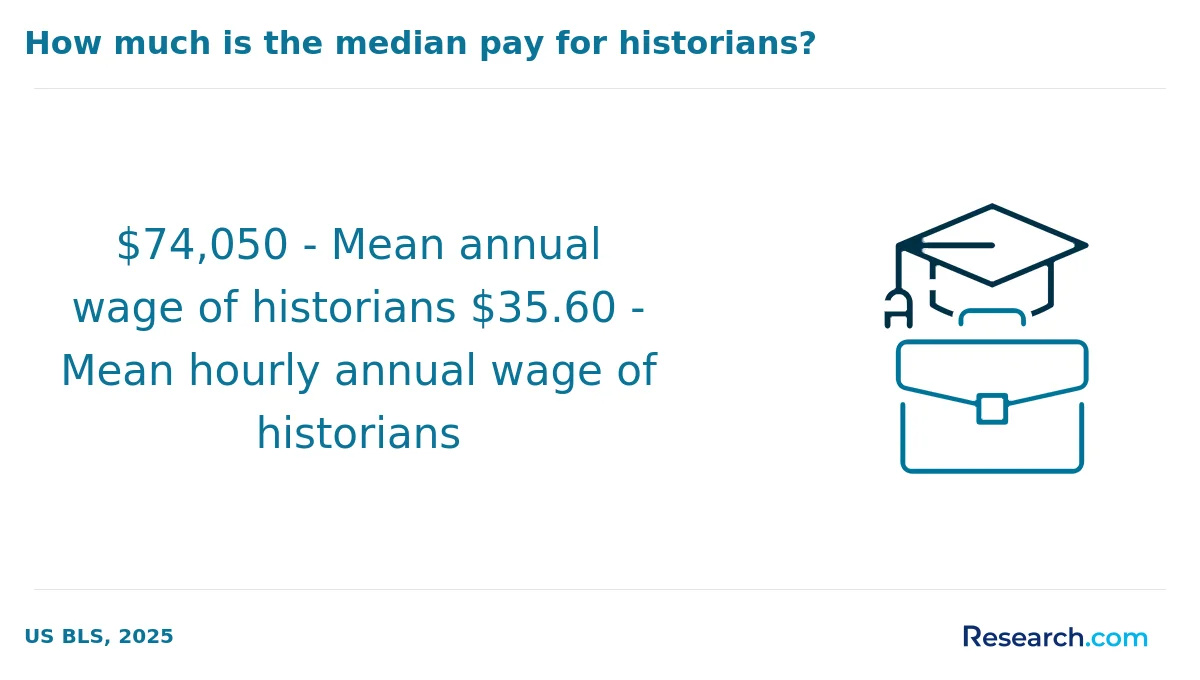
Graduates from online history programs at well-known institutions like Arizona State University or the University of Florida often find diverse career paths unfolding before them that defy traditional expectations. Many step into education roles at public schools, where median salaries reach about $63,780 annually, offering both stability and the rewarding experience of shaping young minds. Others attract positions in public history sectors-such as working in museums or archives-where they engage hands-on with artifacts and local heritage, preserving stories for communities much like students from the University of Massachusetts have shared.
Government agencies also welcome history graduates as cultural resource specialists or research analysts, roles that support preservation efforts at places like the National Park Service. This reflects a growing appreciation for history's role in public memory, resonating with graduates who cherish meaningful impact. Meanwhile, adventurous alumni leverage their skills to explore the private sector-consulting, genealogy, or crafting compelling digital narratives-proving that the analytical and storytelling abilities developed in online courses translate into diverse, fulfilling careers across America.
Graduates holding an online history degree in America often find their earnings influenced by the career path they choose. While direct government salary data is unavailable, typical figures reported by professionals reveal meaningful insights. For instance, historians working for federal or state agencies generally earn between $60,000 and $90,000 annually. This range reflects roles demanding analytical skills honed through rigorous study at colleges like the University of Arizona or Michigan State University, both known for strong history programs.
Many graduates recall starting museum or archival careers with salaries around $40,000 to $50,000, progressing to $75,000 or more as experience grows. This trajectory resonates with alumni from popular institutions like the University of North Carolina, who emphasize the value of internships fostering real-world skills.
What stands out is that the mode of study-online versus traditional-does not limit these outcomes. Employers focus on competence, and history graduates who combine their degree with expertise in digital archiving or GIS often see their earning potential rise noticeably.
- Online history degrees in the U.S. typically lead to a Bachelor of Arts (BA) or Bachelor of Science (BS) in History.
- The total tuition cost ranges from $15,000 to $30,000 at public universities and can exceed $40,000 at private schools.
- Recent graduates often earn a median salary of about $40,000, with experienced professionals making between $60,000 and $70,000 annually.
- Job growth for related fields like archivists and museum workers is projected at 9% from 2022 to 2032, matching the average for all occupations.
- Accreditation from recognized agencies such as the Higher Learning Commission is important for program quality and financial aid eligibility.
- Many programs offer interactive features and flexible schedules to support working adults and career changers.
Completing an online history degree in America typically takes about four years of full-time study, reflecting the traditional timeline at institutions like Arizona State University or the University of Massachusetts. Many graduates describe balancing coursework with their daily lives as a manageable challenge, especially since these programs mirror on-campus curricula with around 120 to 130 credit hours.
However, the story doesn't end there. Part-time students at colleges like Oregon State University often find themselves extending their studies to six years or more, juggling family and work commitments. On the flip side, some motivated learners accelerate their journey at schools known for flexible pacing, such as the University of Florida, finishing in as little as three years by taking extra classes or year-round terms.
Graduates frequently highlight how transferring previously earned credits from community colleges can dramatically shorten their timeline, sometimes to just two years. This fluidity allows students to customize their experience, blending ambition with practical needs in a way that fits their unique story.
Choosing between an online and on-campus history degree in America often comes down to how you want to experience learning. On-campus students at universities like the University of North Carolina or the University of Michigan describe the energy of walking into historic lecture halls, debating ideas face-to-face, and digging through physical archives on campus. This daily interaction sparks motivation and camaraderie that feels irreplaceable.
Meanwhile, online history graduates from institutions like Arizona State University praise the freedom to study history on their own terms-whether it's late at night after work or from a remote town. They engage deeply with digital archives and virtual discussions, building strong self-discipline and time management skills. These students highlight how online formats make history accessible despite life's demands, creating a unique sense of accomplishment.
The cost difference also shapes choices: public universities may charge around $9,400 annually for in-state students, whereas private schools top $36,000. Online degrees often lower financial hurdles by cutting campus fees. Yet, both paths lead to the same credential, recognized and respected across job markets and graduate programs in the U.S.
The average cost of an online history degree in America reflects a complex landscape shaped mainly by residency status and school type. Median figures show total tuition costs around $40,440 for in-state students, increasing to approximately $57,780 for out-of-state learners. These numbers challenge common perceptions, as many assume online degrees always cost less, yet graduates from popular state universities often pay close to traditional rates per credit hour. For instance, a student completing an online history degree at a recognized public university may find tuition running between $300 to $500 per credit, cumulatively reaching tens of thousands. This tuition spectrum demands thoughtful budgeting beyond just course fees.
Private colleges known for strong history programs typically charge significantly more, with tuition easily surpassing $60,000, illustrating why many students explore financial aid aggressively. Some graduates recall juggling day jobs and parenting while leveraging scholarships and employer tuition reimbursement to make their education a reality. This financial balancing act emphasizes how the average cost of online history degree USA can feel daunting yet surmountable with the right support.
Understanding tuition and fees for online history bachelor's in USA also means acknowledging ancillary costs such as technology fees and graduation expenses, which add up but remain critical investments. Those curious about the practical benefits of such degrees might consider what to do with a history degree, highlighting career pathways that justify the expense and inspire perseverance through financial challenges.
Federal student aid remains a cornerstone for many pursuing an online history degree in America, especially at universities like Arizona State or University of Florida. Graduates often recall how filing the FAFSA unlocked access to Pell Grants, providing up to $7,395 annually without the burden of repayment. This aid transformed what once felt like an insurmountable cost into a manageable investment in their future.
Beyond federal aid, scholarships targeting history students from groups such as the American Historical Association offer essential merit-based support. Imagine a student at Indiana University receiving a regional history society award, adding crucial funding that made evening study sessions possible without financial stress.
Institutional scholarships and tuition discounts further ease the path. Schools known for flexible online history programs, such as Penn State World Campus, often provide reduced tuition or special grants for veterans and adult learners, making education feel tailored and inclusive.
Lastly, employer tuition assistance programs turn ambition into opportunity for working professionals. Many graduates explain how employer reimbursement policies effectively erased tuition worries, allowing them to focus on mastering American history while balancing careers.
Enrolling in an online history degree in America isn't just about ticking boxes; it's an invitation to prove your readiness for a dynamic intellectual journey. Most students start with a high school diploma or GED, a baseline that ensures you're equipped with fundamental skills crucial for engaging with complex historical narratives. Graduates from online programs at renowned schools like Arizona State University often recall how submitting official transcripts and meeting a minimum GPA requirement-usually around 2.0 to 2.5-helped them confirm their academic seriousness before diving into college-level content.
While standardized tests like the SAT or ACT are less emphasized nowadays, reflecting a shift toward accessibility, students still need to demonstrate the motivation and discipline essential for remote study. Stories from learners at the University of Florida's online history program frequently highlight how mastering basic computer skills and securing reliable internet transformed their experience, turning potential anxieties into confident navigation of asynchronous courses.
The journey also involves familiarizing oneself with general education classes that bridge you to specialized history studies, fostering a sense of achievement as you connect past and present intellectually. And, of course, financial preparedness, as many appreciate the competitive tuition that online degrees offer compared to traditional on-campus options, making history accessible without sacrificing quality.
Online history degrees in America typically immerse students in a rich array of courses covering pivotal eras and themes. Graduates from institutions like Arizona State University or the University of North Carolina describe their journeys through American history classes that span colonial times to modern-day challenges, giving them a sense of connection to the nation's evolving narrative. Delving into world history courses, they explore ancient civilizations and global interactions, broadening their perspective beyond borders.
Many find historiography and research methods courses particularly rewarding, as they learn to critically analyze primary sources-skills that turned a graduate from the University of Florida into a confident, independent thinker capable of making sense of complex historical evidence. Specialized electives such as African American history or women's history allow students to engage deeply with underrepresented stories, sparking passion and a stronger sense of identity within their academic journey.
The blend of primary source analysis and historical writing hones communication talents, vital for careers in education, museums, or archives. For example, alumni from Penn State emphasize the thrill of completing a senior thesis online, which pushed them to synthesize knowledge into original research, feeling empowered by their intellectual growth.
At the same time, world history concentrations challenge students to think globally, tracing interconnected themes of colonialism and cultural exchange. Many who choose African American history feel a profound sense of purpose, exploring crucial and often underrepresented narratives that resonate with contemporary social justice movements. Public history draws others toward careers in museums and archives, where digital storytelling and preservation create engaging experiences that bring history alive for broad audiences.
Prospective students often wonder what jobs can you get with a history degree. Exploring these specializations within online history degree specializations USA offers not only academic enrichment but also a vibrant path to impactful careers in education, public service, and beyond.
Choosing the best online history degree in America isn't just about picking any program; it demands evaluating accreditation, curriculum depth, and real-world applicability. Graduates from popular universities often reflect on how programs with recognized accreditors gave their degrees weight-especially when competing for jobs or graduate studies. Imagine attending a program where you dive into diverse history topics yet still have room for electives like archival studies, mirroring the structures found at top accredited online history programs America trusts. Cost remains a practical barrier; students juggling finances appreciate the transparency and affordability of the best affordable online history degrees USA, which often balance tuition with scholarships and flexible payment plans.
Flexibility matters too. Alumni describe the freedom of asynchronous classes as empowering, allowing them to study after full workdays or family commitments. The value of experienced faculty who stay active in research enriches discussions and access to digital archives. Evaluating outcomes-graduation rates and job placement-is crucial when deciding. For those curious about career trajectories after earning a history degree, consider exploring what is the best career in history to align your studies with future goals.
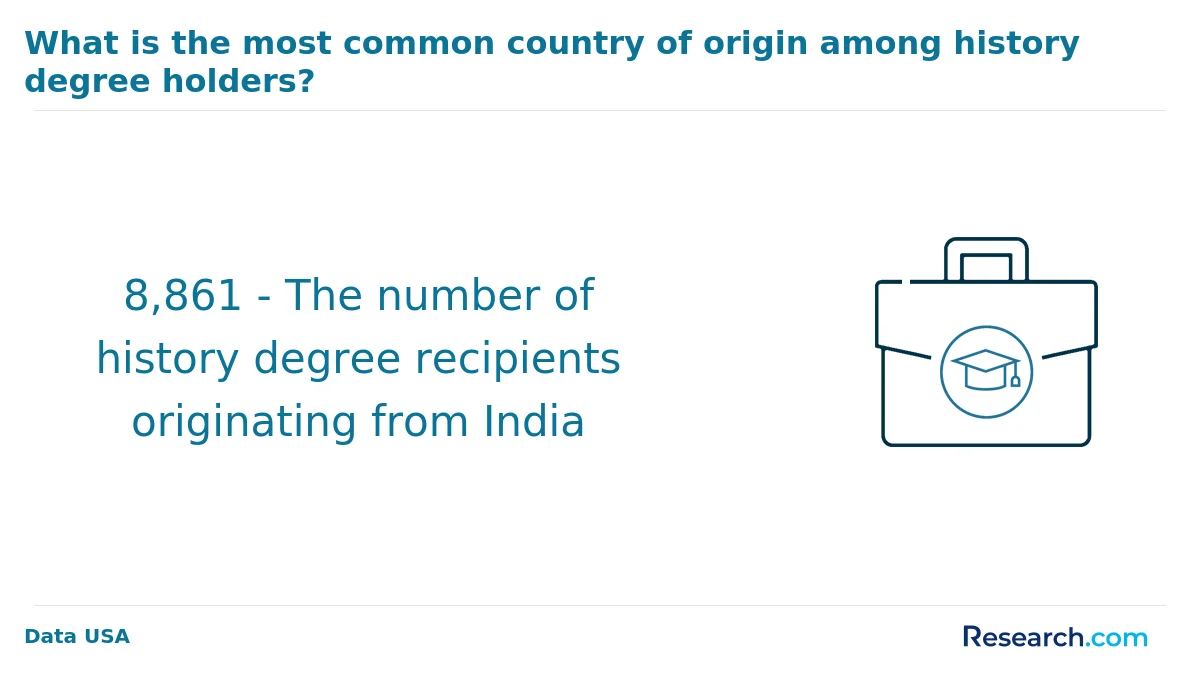
Graduates with an online history degree in America unlock diverse career paths beyond traditional teaching roles. Many find fulfillment in education, becoming secondary teachers or pursuing advanced degrees to enter academia, supported by the strong historical research skills honed at institutions like the University of Michigan or UCLA. However, the impact of a history degree often reaches broader horizons-government agencies such as the National Archives or local historical commissions increasingly seek graduates who bring sharp analytical insights to policy and preservation work.
Online history degree jobs in USA also include dynamic roles in museums, cultural centers, and libraries, where graduates become archivists or curators charged with safeguarding heritage. Some graduates leverage their research expertise in unexpected fields like market research or business consulting, proving that historical analysis is a valuable asset for understanding trends and data. This adaptability explains why many students from colleges known for history programs report strong career satisfaction and resilience.
For those exploring career options with history degree America offers, the ability to balance studies with life commitments through online programs is a significant advantage. Prospective students considering where to start might explore undergraduate history degree online programs that combine affordability with deep engagement, preparing them for a spectrum of meaningful careers.
The online history degree job outlook USA may seem modest at first glance, but it offers surprising opportunities for graduates willing to think beyond traditional roles. Graduates from well-regarded institutions like the University of Florida or Arizona State University often find themselves thriving in education, law, or public policy, where their critical thinking and research skills shine. One graduate shared how an online program's flexibility allowed them to work full-time while gaining credentials that translated into a rewarding teaching position.
Career opportunities for history graduates in America extend well beyond historian roles. Many find niches in museums, government agencies, or cultural resource management, leveraging a master's degree or specialized training. Especially for those keen on combining history with analytical skills, professions in journalism or public administration come alive. This diversity reflects why students pursue history programs at places like the University of Illinois Urbana-Champaign, embracing both passion and pragmatism.
Those exploring what to do with an art history degree might discover that the analytical and communication talents honed through history studies uniquely position them to succeed in varied and meaningful careers.
2027 Easiest Online Bachelor's in History Degree Programs Ranking in the USA
Investing in your education is a significant decision that can shape your future, and the Research.com team understands the importance of making informed choices. To assist prospective students, we have carefully developed the "2027 Easiest Online Bachelor's in History Degree Programs Ranking in the USA." Our dedication to quality, credibility, and accuracy is demonstrated through rigorous research and thorough analysis. We utilized the following reputable data sources to ensure a comprehensive evaluation of the programs:
By exploring this ranking, readers will gain valuable insights to help identify the most accessible and reputable online history degree programs, ultimately supporting informed and confident educational decisions. For more details on our methodology, please visit our Research.com methodology page.
# 1 position
University of Maryland Global Campus
Bachelor of History




# 9 position
SUNY Empire State College
Bachelor of Historical Studies


# 20 position
Mary Baldwin University
Bachelor of History

Frequently Asked Questions About history
Online history degree students in America can maximize their learning by actively engaging with course materials and utilizing digital resources offered by accredited institutions. The National Center for Education Statistics reports that over 6 million U.S. students enrolled in some form of distance education in recent years, highlighting the growing acceptance of online learning.
Students should participate in discussion boards and virtual study groups to deepen their understanding of historical contexts and develop critical thinking skills. Accessing online archives and databases, such as the Library of Congress digital collections, can provide authentic primary sources that enrich coursework.
Additionally, seeking internships or volunteer opportunities with museums or historical societies can complement online studies with practical experience. Regular communication with professors and advisors ensures personalized academic guidance and keeps students aligned with degree requirements.
Emerging niches within the history field reflect growing interests in diverse perspectives and interdisciplinary approaches. One prominent area is public history, which applies historical methods to engage communities through museums, archives, and digital media. According to the National Council on Public History, job opportunities in this sector have increased by over 10% in recent years.
Another expanding niche is environmental history, focusing on the relationship between humans and the natural world-a field gaining attention as climate issues rise. Digital history also stands out, using technology like GIS mapping and data visualization to analyze historical trends, supported by more universities offering relevant courses online.
Finally, social and cultural history related to underrepresented groups, such as African American, Indigenous, and immigrant histories, receives more emphasis amid calls for inclusive curricula. These specialized areas offer online students multiple pathways to tailor their history degree to current societal needs.
Preparing for the job market after earning an online history degree in America involves several strategic steps. First, gaining practical experience through internships or volunteer work related to museums, archives, or libraries can significantly enhance your resume. According to the U.S. Bureau of Labor Statistics, historians employed in the U.S. often work in education, government, or research organizations, so targeting these sectors is essential.
Networking is another key factor. Joining professional associations like the American Historical Association provides access to job listings and career resources. Additionally, developing skills in research, writing, and digital tools such as GIS mapping or data analysis can increase employability.
Many graduates also pursue certifications or advanced degrees to improve job prospects, with master's programs in history or public history being popular choices. Staying informed on labor market trends via platforms like the National Center for Education Statistics helps align your skills with employer demand.
Employers in America highly value critical thinking skills in history degree graduates. According to the American Historical Association, 89% of employers seek candidates who can analyze complex information and present clear arguments. Strong research abilities are essential as well, with graduates expected to gather, evaluate, and synthesize diverse sources efficiently.
Communication skills, both written and verbal, rank among the top competencies. History graduates must clearly explain concepts and contextual details to varied audiences. Additionally, attention to detail and organizational skills play a crucial role, especially when managing large volumes of data.
Technological proficiency, including familiarity with digital archives and databases, is increasingly demanded as more institutions adopt tech-based research tools. These combined skills prepare history graduates for roles in education, public policy, and cultural organizations.
Finding internships related to history degrees in America involves a combination of research, networking, and leveraging university resources. Many online history programs partner with museums, archives, and historical societies, offering internship placements. According to the National Park Service, over 300 units provide internship opportunities relevant to history students.
Students should contact their university's career services or history department for listings. Websites like USAJobs.gov list federal internships with agencies such as the National Archives. Networking through professional groups like the American Historical Association can also uncover opportunities.
Applying early and tailoring applications to highlight historical research skills increases success. Internships enhance practical learning and improve employment prospects in education, research, and preservation fields.
Obtaining an online history degree in America can significantly enhance career mobility and advancement, especially within education, public history, research, and government sectors. According to the U.S. Bureau of Labor Statistics, roles requiring history expertise are projected to grow by 5% from 2022 to 2032, reflecting steady demand. An accredited online history degree offers flexibility for working adults, allowing them to balance education with employment, which supports career growth without extended breaks from the workforce.
Graduates often leverage critical thinking and research skills gained through history programs to qualify for promotions or specialized roles. Employers in libraries, museums, and cultural institutions value candidates with formal history training.
Additionally, online history degrees accredited by recognized agencies ensure credits are transferable and respected, aiding in continued education or transitioning into related fields such as law or public policy.
Studying for a history degree in America offers students a foundation in critical thinking, research, and analysis that applies across many fields. Many programs emphasize interdisciplinary approaches, integrating subjects like political science, economics, and sociology to provide a broader context for historical events. According to the American Historical Association, over 70% of history graduates pursue careers outside traditional academia, showcasing the degree's versatile skills.
Online history programs in the US often include courses on data interpretation, cultural studies, and digital humanities. These prepare students for roles in education, law, public policy, and business, where understanding historical context enhances decision-making and communication.
When choosing between a thesis and a non-thesis history degree program in America, consider your career goals first. Thesis programs often prepare students for research-intensive roles or graduate study by requiring a substantial research project. Non-thesis options focus more on coursework and practical skills, suitable for teaching or public history jobs.
Most online history degrees in the U.S. follow these models, with the National Center for Education Statistics showing that about 30% of history undergraduates complete thesis projects. Time commitment and faculty support also differ; thesis students spend months crafting original research, while non-thesis students typically finish faster.
Cost and program flexibility should also guide your choice, especially for working adults balancing other responsibilities.
American students seeking to study history abroad while enrolled in online programs have several options. Many US universities offer online history degrees with opportunities for study abroad through partner institutions worldwide. These programs often include virtual exchange components or short-term, faculty-led trips to historical sites abroad, allowing students to gain global perspectives without long-term relocation.
Institutions like Arizona State University and the University of Florida provide online history degrees that encourage study-abroad experiences integrated into their curriculum. According to the Institute of International Education (IIE), approximately 10% of US history majors participate in study-abroad programs, a rate supported by growing online flexibility.
These options enable students to enhance their cultural understanding and historical knowledge while completing a degree accredited in the US. This flexibility is particularly valuable for working adults and those balancing family commitments.
Students pursuing an online history degree in America can benefit from various part-time job opportunities that complement their education. Popular roles include research assistants, library aides, and museum docents, which provide practical experience with historical materials and public engagement. According to the U.S. Bureau of Labor Statistics, jobs in archives, museums, and librarianship are expected to grow by 8% from 2022 to 2032, reflecting steady demand.
Many history students also find roles as freelance writers or content creators focusing on historical topics. These jobs enhance critical thinking and communication skills essential for history professionals. Additionally, internships with historical societies or cultural organizations offer valuable networking and practical knowledge without disrupting study schedules.
Online history students in America have several networking opportunities despite studying remotely. Many accredited programs offer virtual events like webinars, guest lectures, and discussion forums where students can engage with peers and faculty. Professional organizations, such as the American Historical Association (AHA), provide student memberships that include access to conferences, newsletters, and online communities tailored to history majors.
Students can also join local or national history clubs and social media groups focused on historical research and careers. Some universities facilitate virtual internships or cooperative experiences, connecting students with museums, archives, or cultural institutions. According to the AHA, networking significantly enhances career prospects for history graduates across fields.
Alumni networks offer valuable support to students pursuing online history degrees in America. These networks connect current students with graduates who have successfully entered fields such as education, research, or public history. According to the National Association of Colleges and Employers, 85% of jobs are filled through networking, highlighting the importance of these connections.
For online students, alumni associations provide mentorship opportunities and access to exclusive job postings. They often host events and webinars focused on historical topics and career development. Additionally, many universities maintain online platforms where history alumni share resources and advice tailored to American history enthusiasts.
This network fosters a community that can guide students through academic challenges and career planning, making it an essential resource beyond traditional classroom learning.
Customizing an online history degree program in America allows students to align their studies with specific career goals. Many accredited universities offer flexible curricula where students can choose electives focused on areas like American history, international relations, or public history. Specializations enhance your expertise and make you more competitive in fields such as education, museum curation, or archival science.
Additionally, some programs provide opportunities for internships or research projects, key for gaining practical experience. According to the American Historical Association, 65% of history graduates find work in education or related sectors that value such experience. Students should also consider certificates in digital history or historical preservation to expand their skills.
Online history students in America often face challenges related to engagement and motivation. Without in-person interaction, students may struggle to participate actively in discussions or group projects, which are vital for deepening historical understanding.
Another common issue is access to primary source materials. While many universities provide digital archives, some important documents or rare collections remain available only on campus, limiting thorough research opportunities.
Time management is also a significant concern, especially for working adults or those balancing family responsibilities. According to the National Center for Education Statistics, about 40% of part-time online students report difficulty managing course workload alongside jobs.
Finally, some students experience technological barriers, such as unreliable internet or unfamiliarity with virtual learning platforms, which can hinder their academic progress.
An online history degree in the United States opens pathways to several professional certifications that enhance career prospects. Graduates can pursue the Certified Archivist credential offered by the Academy of Certified Archivists, valuable for work in museums and government agencies. Another option is the Museum Studies certification, which is beneficial for those interested in curatorial roles.
For education professionals, obtaining a teaching certification in social studies or history is essential for public school employment. Additionally, some graduates explore certification in digital preservation to manage historical data online. These certifications complement a history degree by providing practical credentials recognized across various sectors.
To write a winning application for an online history program in America, start by carefully researching each school's admission requirements. Highlight your passion for history by detailing relevant experiences, such as previous coursework, research projects, or volunteer work related to historical preservation or education.
Strong writing skills are essential. Many programs ask for a personal statement or essay-use this to explain why you want to study history and how the degree aligns with your career goals. According to the National Center for Education Statistics, over 200 accredited institutions offer history bachelor's degrees, so tailoring each application to the school's focus can improve your chances.
Include letters of recommendation from educators or employers who can speak to your academic abilities and commitment. Finally, maintain a competitive GPA; history programs often prefer applicants with a minimum 2.5 to 3.0 GPA, though this varies. Clear, honest communication and attention to detail in your application can set you apart in this growing field.
History careers offer a broad perspective valued worldwide, often emphasizing research, teaching, and cultural preservation. In the United States, online history degrees prepare students for roles in academia, museums, archives, and governmental agencies. According to the U.S. Bureau of Labor Statistics, historian jobs are niche yet grow steadily, with an expected 5% employment increase from 2021 to 2031.
Globally, historians contribute to understanding cultural identities and social dynamics. American programs often highlight global contexts, preparing graduates for international collaboration or roles in diplomacy and education.
With over 75% of history graduates employed in education or research sectors in the U.S., a history degree fosters critical thinking and strong analytical skills crucial on a global scale (National Center for Education Statistics, 2023).
Gaining practical experience while studying for an online history degree in America is key to enhancing your skills and employability. Many programs encourage internships with museums, archives, or historical societies, which can often be completed locally or remotely. According to the American Historical Association, internships help students connect theory with real-world practice and improve job prospects.
Another option is participating in digital history projects, such as creating online exhibits or managing databases, which develop technical skills. Additionally, networking through virtual history conferences or workshops can expose students to current research and professional opportunities. Students should also consider volunteering for local history preservation initiatives to gain hands-on experience.
Choosing the right concentration within an online history degree in America begins with understanding your interests and career goals. Popular concentrations include American history, world history, public history, and historical preservation. Data from the American Historical Association highlights that about 60% of history degree holders work in education, government, or museums, which can guide your focus.
Next, consider the program's curriculum to ensure it aligns with your concentration preference and offers relevant courses. Accreditation by agencies such as the Middle States Commission on Higher Education ensures quality education. Also, look for programs offering internships or partnerships with historical institutions for practical experience.
Finally, review faculty expertise and research opportunities. Faculty with specializations in your chosen concentration can enhance your learning and provide mentorship. Selecting based on these factors will help tailor your education effectively within the U.S. higher education system.
- Join the Alumni Network https://nhd.org/en/get-involved/join-the-alumni-network/
- 2026 Best Online History Degrees https://www.onlineu.com/degrees/history
- Undergraduate History Student Opportunities https://warwick.ac.uk/fac/arts/history/students/studentopportunities/
- 5 Challenges of Teaching History in International ... https://millerskills.co.uk/blogs/teaching-overseas/5-challenges-of-teaching-history-in-international-classrooms-and-how-to-overcome-them
- 4 Steps to Find History Research Opportunities as an ... https://www.coltie.com/post/4-steps-to-find-history-research-opportunities-as-an-undergraduate
- My Top 3 Recommendations on Networking in the History ... https://anhistorianabouttown.com/recommendations-on-networking-in-the-history-world/
- Finding Networking Opportunities as a Student https://www.nshss.org/resources/blog/blog-posts/how-to-find-networking-opportunities-as-a-student/
- Global Alumni Networks and Social Class: Epistemic ... https://www.developmenteducationreview.com/issue/issue-40/global-alumni-networks-and-social-class-epistemic-communities-and-%E2%80%98thought-collective
- The Challenges of Studying History in School https://educationtopics.com.ng/the-challenges-of-studying-history-in-school/60853/history-education/
- Bachelor of Arts in History Online https://www.nsu.edu/History-and-Interdisciplinary-Studies/History-Online