2027 Best Online History Degree Programs Ranking in the Northeast

Co-Founder and Chief Data Scientist
Choosing the right history degree program can be challenging, especially when studying online in the Northeast. To help you navigate these options, this article presents the 2027 Best Online History Degree Programs Ranking in the Northeast. Developed by the Research.com team of data scientists, this ranking offers valuable insights based on data-driven analysis.
Exploring these programs can open doors to exciting career paths and deepen your understanding of the past. Reading this article will empower you to make an informed decision about pursuing a history degree that fits your goals and lifestyle.
Key benefits of getting online history degree in the Northeast
- History degree graduates can pursue diverse careers such as archivists or museum technicians, with median annual wages around $55,000 to $60,000 nationwide, offering stable opportunities in the Northeast job market.
- Graduates from popular Northeast schools, like Boston University, often find careers in education, public history, or government, showing how a history degree opens doors to meaningful and varied professions.
- Online history degrees from respected institutions like Northeastern University provide flexible learning that fits busy schedules, making it easier to balance work and study while earning the same respected qualification as traditional degrees.
- 2027 Best Online History Degree Programs Ranking in the Northeast
- What can I expect from online history degree in the Northeast?
- Where can I work with online history degree in the Northeast?
What can I expect from online history degree in the Northeast?
Students pursuing an online history degree in the Northeast often find the cost to be reasonable and flexible, making higher education an achievable dream. Public universities in this region typically offer in-state tuition rates ranging from $7,000 to $12,000 per year for online learners, which makes studying history affordable without sacrificing quality. Graduates from well-regarded institutions in the Northeast frequently mention how scholarships and grants specifically designed for online students eased their financial journey.
Private colleges might have higher tuition prices, averaging between $20,000 and $30,000 annually, but many learners experience a rich return on investment thanks to personalized support and access to unique digital archives related to Colonial America, the Revolutionary War, and other regional history themes.
Many online history students recall balancing coursework with personal commitments, grateful for flexible payment plans and opportunities to apply for financial aid. This support system energizes learners, enabling them to focus on immersive studies and build rewarding careers in education, museum work, or research within the vibrant historical communities of the Northeast.
Where can I work with online history degree in the Northeast?
Graduates with an online history degree in the Northeast find themselves stepping into vibrant career paths where their passion for the past meets real-world impact. Many begin teaching history in secondary schools or colleges, inspired by the rich cultural fabric surrounding institutions like Boston University or Syracuse University. These educators bring history alive for their students, fueled by their own engaging online learning journeys.
The Northeast's renowned museums and historic societies offer thrilling roles as curators, archives specialists, or education coordinators. Graduates often recall working behind the scenes at places such as the Massachusetts Historical Society or the New York Public Library, where their research and digital skills shine in preserving fascinating stories for future generations.
Others thrive as archivists or cultural resource managers, collaborating on community heritage projects or managing historic sites recognized by the National Park Service. By leveraging their knowledge gained from online programs, they contribute meaningfully to protecting and celebrating the region's history.
Whether in public history, publishing, or research centers, graduates feel empowered knowing their degree opens doors across the Northeast, where history isn't just studied-it's lived and shared.
Graduates with an online history degree in the Northeast find encouraging earning opportunities across various career paths. Entry-level roles, especially in education or local government, typically start between $45,000 and $55,000 annually. Many graduates from well-known institutions in this region share how teaching history at community colleges or public schools brings in around $55,000 to $65,000 per year, providing a stable foundation as they build their careers.
For those venturing beyond education, museum curators and archivists often earn between $50,000 and $70,000. This range reflects the vibrant cultural scene in cities like Boston and New York, where graduates contribute to preserving and interpreting history. Archivist jobs, in particular, tend to offer slightly higher pay due to the concentration of archives and universities.
Government positions in historical preservation and research can provide salaries from $55,000 to $75,000, rewarding graduates who apply their analytical skills. With determination and advanced credentials, such as a master's degree, graduates position themselves for roles that can reach $80,000 or more, embodying the inspiring potential of an online history degree in the Northeast.
- Online history degrees in the Northeast are offered by many accredited universities, including fully online and hybrid programs.
- Annual tuition ranges from $14,000 to $28,000, with public universities generally charging less for in-state students.
- Entry-level salaries for history graduates average about $45,000 per year but can vary by sector.
- After 10 years, median salaries for experienced graduates in fields like public administration and academia range from $60,000 to $75,000 annually.
- Programs emphasize skills such as critical thinking, research, and communication, useful in law, education, and public policy careers.
Completing an online history degree in the Northeast typically takes about four years for full-time students, aligning perfectly with the classic college journey many envision. Graduates from well-regarded institutions like those accredited by the Middle States Commission often celebrate their progress fueled by flexible online schedules that blend well with work and family life.
Some students choose a part-time path, extending their studies up to six years-but they embrace the steady, deliberate pace, finding balance and success. Others tap into accelerated programs offered by leading Northeast colleges, finishing in as little as three years by leveraging year-round courses and summer sessions. These options empower learners to tailor their educational journey to their unique goals.
Personal stories from recent alumni highlight how prior credits and practical experience shorten their timelines, making ambition achievable. With determination and Northeast's dynamic online history programs, reaching your degree is both inspiring and attainable.
Graduates from Northeastern universities often praise the flexible rhythm of online history degrees, which let you dive into coursework whenever your schedule allows-perfect for balancing work, family, or busy days. Imagine finishing a thought-provoking lecture on American history from a cozy spot at home, then joining a lively online discussion with peers across the region. This adaptability opens doors for many who might not otherwise pursue higher education.
On the other hand, those who experienced on-campus programs at colleges like Boston University or New York University cherish the vibrant energy of in-person classes. Walking through historic campus halls, engaging in spirited debates after class, or exploring archives firsthand creates an immersive journey that online students admire. The direct connections with professors and fellow history enthusiasts bring a deeper sense of community and inspiration.
Both pathways offer rigorous, accredited programs that sharpen your research and critical thinking skills. Whether you connect through a screen or face-to-face, studying history in the Northeast can ignite your passion and open exciting career possibilities.
The average cost of an online history degree in the Northeast reflects the region's high academic standards and prestigious institutions, with median total expenses around $22,272. For students who reside in the area, in-state tuition averages closer to $15,480, making it a more affordable and accessible option for many. Out-of-state learners can expect median costs around $17,040. These figures represent a broad range of choices, allowing future historians to find a path that fits their budget and ambitions.
Graduates from renowned schools known for their excellent history programs often share how the investment felt worthwhile. For example, students attending universities in cities like Boston or New York have expressed how their online studies brought flexibility to balance work, family, and learning, all while immersing themselves in rich historical content. These stories turn the idea of tuition fees into a meaningful journey rather than a burden.
Many appreciate that studying history in the Northeast online gives them a dynamic, affordable education without compromising quality. With some schools offering reduced tuition for residents and financial aid opportunities, the average cost of online history degree northeast programs becomes even more encouraging for prospective students. Exploring different programs can be rewarding, and for those curious about options, understanding different types of history degrees available is a great first step.
Students pursuing online history degrees in the Northeast benefit from a variety of financial aid options designed to make education accessible and affordable. Many graduates from institutions like the University of Massachusetts Amherst and Syracuse University share how the Free Application for Federal Student Aid (FAFSA) unlocked Pell Grants, which cover up to $7,395 annually, easing tuition pressures that often reach $20,000 a year.
State grants also greatly help, with programs like New York's Tuition Assistance Program (TAP) offering up to $6,165 annually for eligible residents. This support has transformed the learning journeys of numerous online history majors, enabling them to focus on their studies rather than financial stress.
Merit-based scholarships from universities and historical societies further enrich students' funding options. Many Northeastern students find joy and motivation knowing their academic dedication earns them these awards, while some even secure remote work-study roles connected to history departments, blending learning with practical experience.
Flexible tuition payment plans offered by several schools also bring peace of mind, turning the dream of an online history degree into an achievable reality for countless learners across the region.
Enrolling in an online history degree program in the Northeast is within reach, especially when you understand the empowering prerequisites that set you up for success. Most programs, like those at well-known institutions in the region, welcome applicants who have completed secondary education with a high school diploma or equivalent. This foundational step opens doors to exploring the rich narratives of American and global history from the comfort of your home.
Graduates from Northeast colleges often recall how submitting official transcripts and meeting a reasonable minimum GPA-often between 2.5 and 3.0-helped them confidently embark on their academic journey. Many schools now embrace test-optional policies, reducing barriers and focusing on your passion and readiness rather than just test scores.
For those aiming higher, such as graduate-level history degrees at prominent universities, holding a bachelor's degree and providing thoughtful letters of recommendation or a personal statement demonstrate your commitment and unique perspective. This holistic approach ensures you're valued beyond numbers, emphasizing your potential to contribute meaningfully to the study of history.
Online history degrees in the Northeast offer a rich and engaging curriculum designed to ignite your passion for the past. Graduates from renowned institutions have shared how core courses like United States History bring to life colonial America and modern developments, making each era feel vivid and relevant. Imagine exploring Revolutionary War strategies one week and analyzing primary sources from Boston's immigration history the next-this hands-on approach fuels a deep connection to the regional heritage.
Programs commonly include World History, where students journey through Ancient Civilizations and Global Modern History, equipping you with a broad worldview. Many Northeastern colleges also offer fascinating electives such as Native American history and digital history tools, allowing learners to creatively interact with archives and data, which graduates describe as eye-opening experiences that enhance their research skills.
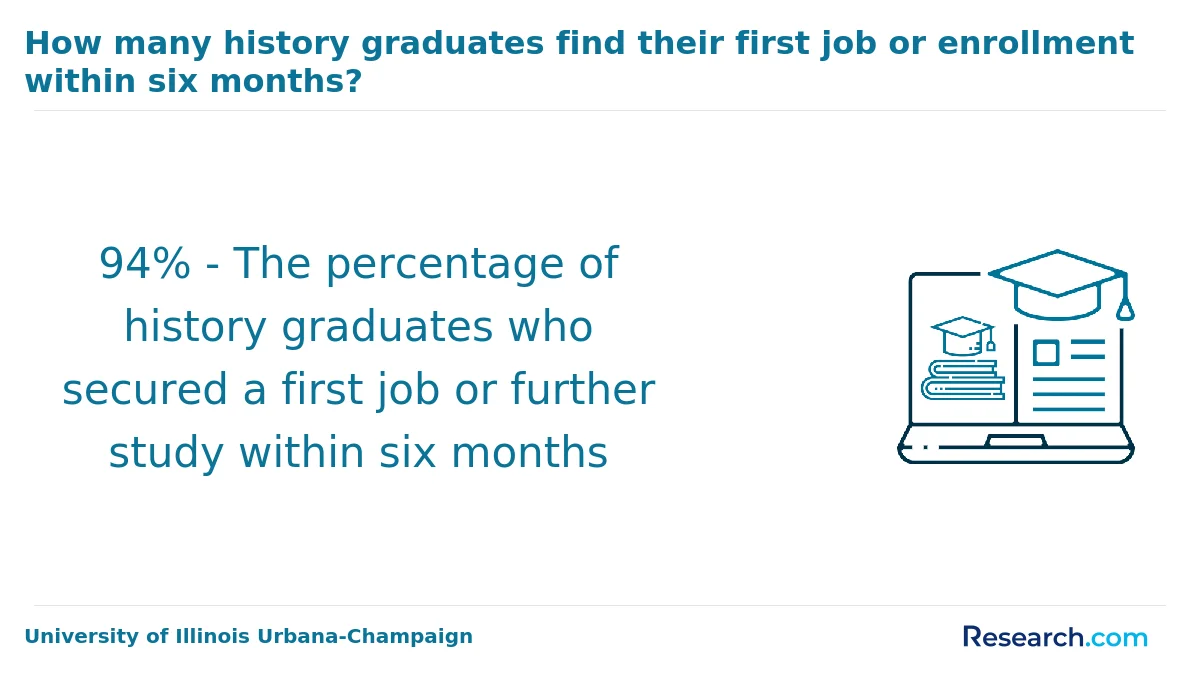
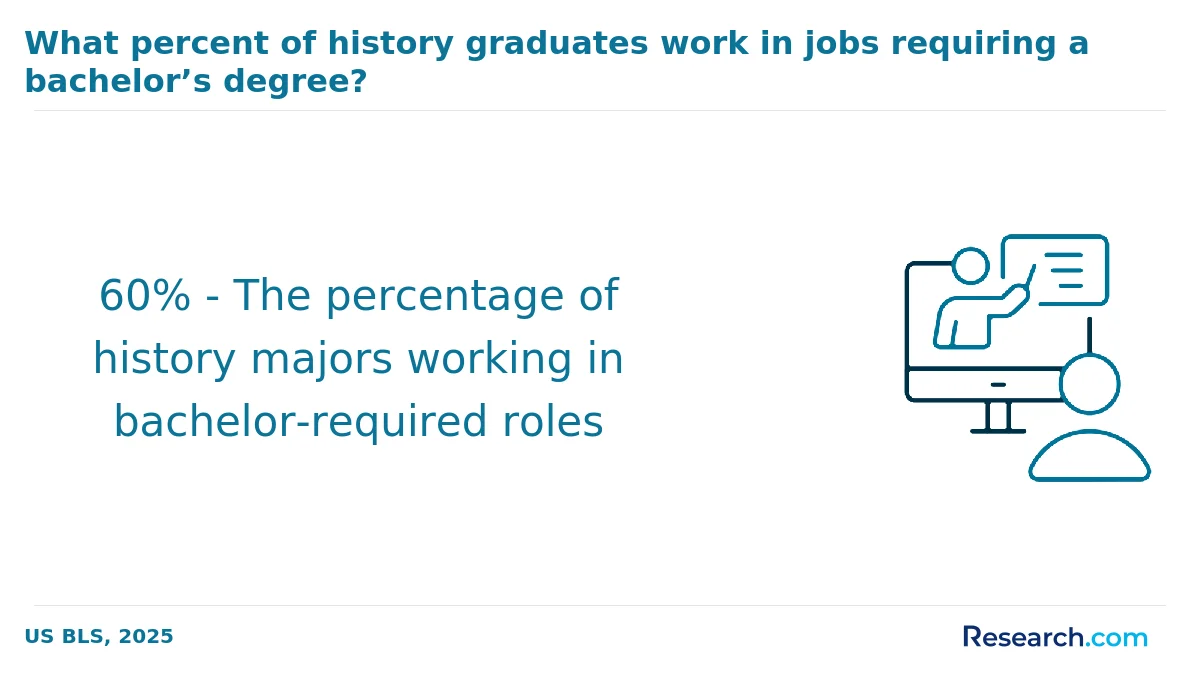
Specialized courses in Economic History and the History of Science and Technology highlight the Northeast's industrial and innovative legacy, inspiring students to appreciate how past social movements shape today's communities. This diverse curriculum prepares you to confidently pursue careers in education, public history, or museum work with a strong foundation rooted in your region's unique story.
Online history degree specializations in the Northeast offer exciting pathways to dive deeply into the region's rich past and vibrant culture. Graduates from popular colleges enjoy tailoring their studies to areas like American History, exploring transformative events from the Revolutionary War to modern times, infused with a strong Northeastern perspective. Others embrace European History, appreciating the ties between early American colonies and Europe, which adds global texture to their understanding.
Many students find Public History especially rewarding, learning skills applicable to museums or digital archiving-common in cities like Boston or Philadelphia-making history come alive beyond the classroom. The military history track, reflecting the Northeast's pivotal role in major conflicts, inspires graduates to appreciate strategy and impact with passion. In addition, ethnic and cultural history opens doors to engaging with stories of immigrant communities, shaping a diverse regional identity.
For those drawn to a broader perspective, global and transnational history connects past events across continents, enriching their worldview. By choosing from such vibrant history degree concentration options Northeast colleges present, students feel empowered and connected to their communities and beyond. For insight on the exciting career paths these programs lead to, explore careers with history degree.
To choose the best online history degree in the Northeast, start by prioritizing accredited programs recognized by trusted agencies like the Middle States Commission on Higher Education. Many graduates from well-known universities in this region praise how accredited courses gave their degrees credibility in competitive job markets. Look for diverse curriculums offering regional and global perspectives, allowing you to immerse yourself in eras and themes that truly ignite your passion. Students at top colleges often highlight how faculty with active research kept their learning current and inspiring.
Affordability plays a big role too. Many find that affordable online history degrees in the Northeast balance cost and quality, with public institutions offering in-state tuition averaging around $10,000 annually. Graduates frequently share how flexible, asynchronous classes fit their busy lives, especially when juggling work and family. Strong support services like tutoring and career counseling enhance success, echoing the experiences of successful alumni from prestigious schools.
Exploring courses tied to local job markets, such as museum studies or archival management, can also spark enthusiasm and open doors. For those wondering about careers related to history, careers related to history resources offer valuable guidance on turning your degree into a fulfilling future.
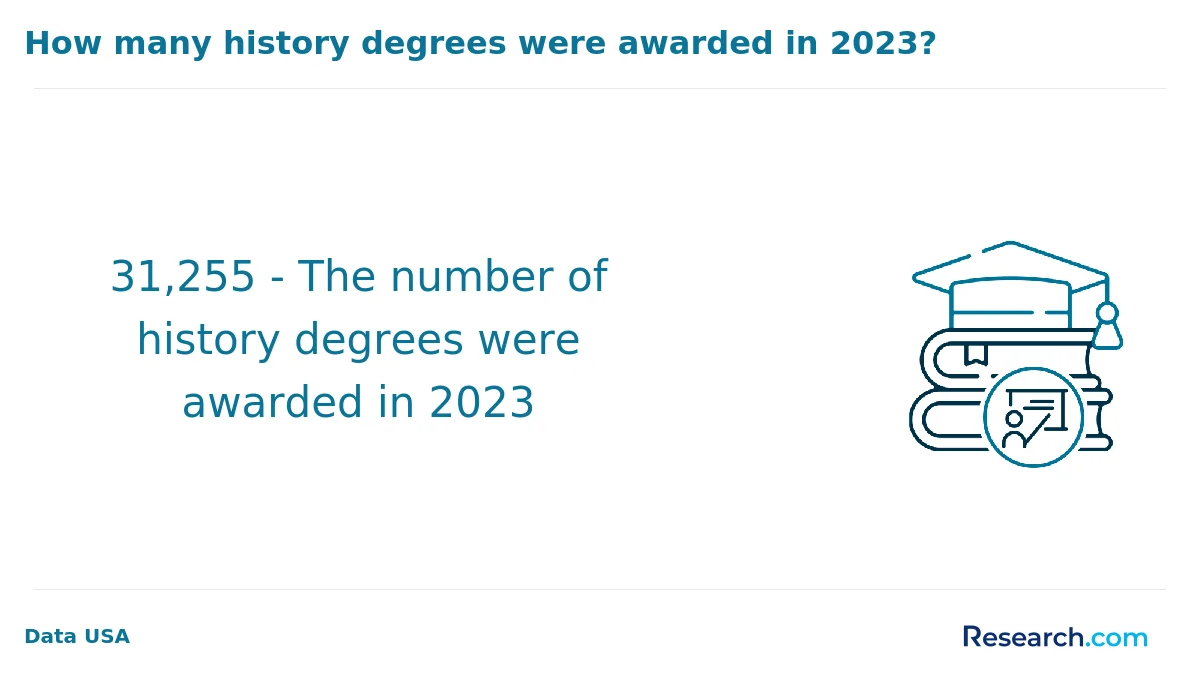
Graduates with an online history degree in the Northeast often find themselves stepping into vibrant roles that bring history alive. Many become historians, working in cities like Boston or New York, where archives and museums thrive, using their skills to uncover rich stories and share them with communities. Others explore museum curation or administration, building engaging exhibits that connect visitors with cultural heritage, much like those at the Boston Museum of Fine Arts or major Smithsonian-affiliated museums.
Teaching is also a fulfilling path. Graduates from popular Northeast colleges often describe the joy of inspiring students at secondary schools or colleges while benefiting from affordable in-state tuition that makes online study accessible. For those curious about diverse job opportunities with history degree Northeast, careers in archival science, government cultural policy, and legal research highlight the flexibility and impact history knowledge offers. Many success stories come from students who took advantage of the region's unique cultural resources and chose best online history programs to launch their careers.
The online history degree job outlook Northeast is promising for graduates who embrace the region's rich cultural and academic landscape. Graduates from well-known universities like Boston University or Syracuse University often find rewarding career opportunities in museums, archives, and educational institutions. These roles allow them to apply their knowledge to preserving history and engaging communities, making their work both meaningful and impactful.
Many graduates have experienced the value of combining rigorous online study with networking opportunities available in metropolitan hubs such as New York City and Philadelphia. These cities foster strong demand for history professionals in public history, policy analysis, and publishing sectors, reflecting a regional appreciation for historical expertise and research skills.
Career opportunities for history graduates Northeast are especially encouraging as employers seek critical thinkers with strong communication abilities. Programs that emphasize practical skills help students confidently navigate the job market while pursuing lifelong passions.
For those curious about specialized paths, exploring an art history job offers a creative extension of history studies, opening doors in galleries, cultural heritage organizations, and beyond.
2027 Best Online History Degree Programs Ranking in the Northeast
Investing in your education is a significant decision that can shape your future, and the Research.com team recognizes the importance of making well-informed choices. To support prospective students interested in history programs in the Northeast, we have carefully developed the "2027 Best Online History Degree Programs Ranking in the Northeast." Our dedication to quality, credibility, and accuracy is demonstrated through thorough research and comprehensive analysis conducted to assemble this ranking.
We utilized the following reputable data sources to ensure a well-rounded evaluation of online history degree programs:
By consulting this ranking, readers will gain valuable insights to identify top-quality programs that fit their educational and career goals. For more information about how this ranking was created, please visit our Research.com methodology page.

# 2 position
Penn State University Park
Bachelor of History


# 7 position
SUNY Empire State College
Bachelor of Historical Studies

# 9 position
Thomas Edison State University
Bachelor of History


Frequently Asked Questions About history
Online history degree students in the Northeast can maximize their learning by actively engaging with digital archives and regional historical societies. Many institutions provide access to New England's rich historical records, allowing students to explore primary sources relevant to U.S. history. According to the New England Historical Association, incorporating these materials enhances critical thinking and research skills.
Joining virtual study groups and discussion forums also helps deepen understanding. Collaborative learning fosters diverse perspectives and improves retention. Additionally, students should take advantage of faculty office hours and webinars offered by their programs to clarify complex topics and network professionally.
Finally, students benefit from internships or volunteer opportunities with local museums, many of which have adapted to virtual formats due to COVID-19. This practical experience complements academic work and builds resumes, increasing job market competitiveness in the Northeast's historical field.
Emerging niches within the history field reflect growing academic and public interest areas, especially for students pursuing online degrees in the Northeast. One prominent niche is digital history, which combines traditional research with digital tools to analyze and present historical data. According to the American Historical Association, this area is expanding rapidly due to increased funding and technology integration.
Another key niche is environmental history, which explores human interaction with nature, a subject relevant in the Northeast given its diverse landscapes and significant environmental policies.
Additionally, public history remains vital, focusing on preserving and interpreting local histories through museums and archives often found in Northeast communities.
After completing an online history degree in the Northeast, preparing for the job market involves targeted career planning. Many graduates in this region pursue roles in education, museums, government, or archives. The U.S. Bureau of Labor Statistics reports that historians earn a median annual wage of around $63,100, with higher demand in metropolitan areas like Boston and New York City. Networking through regional historical societies and internships with local institutions can improve job prospects. Additionally, enhancing skills in digital archives and research software is valuable, as employers increasingly seek tech-savvy candidates in the history field.
Employers in the Northeast highly value history degree graduates who demonstrate strong research and critical thinking skills. These abilities help graduates analyze complex historical data and interpret diverse sources accurately. According to a 2023 report by the American Historical Association, over 70% of Northeast employers seek candidates skilled in archival research and digital history tools.
Additionally, effective communication skills-both written and verbal-are essential. Employers want graduates who can clearly present historical arguments and engage audiences through reports or presentations. Familiarity with regional history, especially related to New England and the Mid-Atlantic, enhances job prospects in local museums or cultural institutions.
Data literacy, including familiarity with databases and GIS mapping, is increasingly requested, reflecting a broader trend toward digital humanities in Northeast history programs.
Finding internships relevant to a history degree in the Northeast involves targeted research and networking. Students should explore partnerships between online programs and local museums, archives, or historical societies. Institutions like the Massachusetts Historical Society and the New York Historical Society frequently offer internships aligning with academic calendars.
University career centers often provide listings specifically for history students, including paid and unpaid positions. According to the National Center for Education Statistics, nearly 30% of history undergraduates in the Northeast participated in internships within their field.
Online platforms such as Handshake and local government websites also list opportunities in preservation, research, and public history. Engaging with professors and alumni can reveal hidden or informal internships not widely advertised.
An online history degree in the Northeast offers significant potential for career mobility and advancement. Employers in education, government, and cultural institutions increasingly recognize the value of digital learning credentials from accredited regional schools. According to the National Center for Education Statistics, nearly 30% of history graduates in the Northeast find roles related to public history or archival work within five years of graduation.
Online degrees provide flexibility for working adults to upgrade skills without relocating, which is vital in densely populated, competitive job markets like Boston and New York City. Furthermore, strong regional networks and internship opportunities connected to Northeastern universities enhance practical experience, improving job prospects.
Graduates often advance into specialized roles such as museum curators, historical consultants, or educators, supported by continuous professional development offered through online platforms. These trends demonstrate how online history degrees contribute to sustainable career growth in the Northeast's diverse economy.
Studying for an online history degree in the Northeast equips students with skills that are highly valued across many fields. Programs often emphasize critical thinking, research, and writing-abilities that employers seek in areas like law, journalism, public policy, and education.
The Northeast is home to numerous renowned universities, many of which integrate history studies with disciplines like economics, sociology, and political science. According to the National Center for Education Statistics (2023), over 35% of history undergraduates in this region engage in interdisciplinary coursework, enhancing their adaptability.
This approach prepares graduates to analyze complex problems from multiple perspectives, making them competitive for roles that require broad analytical and communication skills.
When choosing between a thesis and a non-thesis online history degree in the Northeast, students should consider their academic and career goals. A thesis program involves conducting original research and writing a substantial paper, which is ideal for those considering doctoral studies or careers in research and academia.
Non-thesis options tend to emphasize coursework and may include comprehensive exams or projects instead. These are often preferred by students focused on professional fields like education, public history, or museum work.
In the Northeast, many accredited schools offer both options, allowing flexibility to align programs with student needs. According to the National Center for Education Statistics (NCES), 30% of graduate history students in this region choose thesis tracks, reflecting its continued importance in academic advancement.
Students should also weigh time commitments, as thesis programs generally require longer completion times and extensive faculty mentoring, while non-thesis degrees often allow for faster graduation.
Students in the Northeast seeking to study history abroad through online degrees have several options. Many universities offer partnerships with international institutions, allowing students to engage in virtual exchange programs. For example, some Northeast schools collaborate with European universities, providing online courses focused on global historical perspectives.
The growing availability of online study abroad experiences lets students explore diverse histories without leaving home. According to the Institute of International Education, around 15% of U.S. study abroad students in recent years have participated in virtual or hybrid programs, a trend that includes history majors.
In the Northeast, well-established public universities often incorporate international history content into their online curriculums, preparing students for global research or careers. These programs emphasize primary source analysis in multiple languages and regions, reflecting the area's academic strengths.
Part-time job opportunities in the Northeast that complement a history degree include museum work, archival assistance, and historical site tour guiding. According to the American Alliance of Museums, over 500 museums in states like New York and Massachusetts regularly hire part-time staff and interns. These roles provide practical experience in research, curation, and educational outreach, enhancing academic knowledge.
Archives in the Northeast, such as those at Harvard or the New York Public Library, often seek part-time archivists or assistants. These positions deepen students' understanding of primary sources and preservation techniques.
Additionally, historical societies frequently offer part-time docent roles, which improve communication skills and historical interpretation.
Online history students in the Northeast benefit from various networking opportunities despite the remote nature of their studies. Many universities offer virtual events, such as guest lectures and workshops, connecting students with historians, alumni, and professionals. For example, institutions like Boston University and Penn State provide robust online platforms to foster student interaction.
Regional history associations, including the New England Historical Association and the Mid-Atlantic Historical Association, also host conferences and webinars focused on Northeast history topics. These events are accessible to online students and facilitate connections with scholars and practitioners.
Additionally, internships and archival projects with local museums and historical societies in cities like Philadelphia and Boston are often available to online learners, enhancing practical experience and professional contacts.
Alumni networks offer significant advantages to students pursuing online history degrees in the Northeast. These networks connect current students with graduates who have firsthand experience in academic and professional fields related to history. For example, they often provide mentorship opportunities, helping students navigate career paths in museums, education, or archival work.
In the Northeast, where history plays a vital role in cultural institutions, alumni connections can lead to internships and job placements at renowned organizations such as the Massachusetts Historical Society or the New-York Historical Society. According to the National Center for Education Statistics, schools with active alumni networks report a 15% higher job placement rate for online graduates.
Moreover, alumni events and online forums foster collaboration and professional development, vital for students balancing studies with work. Engaging with alumni enhances networking skills and offers insights into emerging trends in history careers. This ongoing support system is especially valuable for remote learners seeking community and guidance beyond their virtual classrooms.
Many online history degree programs in the Northeast offer flexible curricula, allowing students to tailor coursework to career goals. Options often include selecting specialized electives such as American colonial history, public history, or archival studies. Students can choose research projects or capstones aligned with specific interests like museum curation or education.
Some institutions provide dual degree options or certificates in complementary fields, such as political science or library science, enhancing career versatility. The Northeastern region, home to numerous historical sites, offers rich primary source materials accessible through digital archives, enabling practical skills development in research and preservation.
According to the National Center for Education Statistics, 67% of Northeast history degree graduates pursue careers in education, public history, or law, highlighting the importance of program customization for professional success.
Online history students in the Northeast commonly face challenges related to balancing rigorous academic demands with personal and professional responsibilities. Many learners juggle full-time jobs or family care, which can limit time for deep reading and research often required for history courses. Connectivity and access to specialized resources may also be an issue; some students struggle to obtain primary source materials or archival documents not fully digitized by regional libraries or institutions.
Networking and mentorship opportunities are often less accessible online, impacting critical engagement with faculty and peers. According to the National Center for Education Statistics, student retention rates in online humanities programs in the Northeast lag slightly behind traditional on-campus rates, emphasizing these challenges.
With an online history degree, graduates in the Northeast can pursue several professional certifications to enhance their career prospects. Common certifications include the Certified Archivist credential, awarded by the Academy of Certified Archivists, which is valuable for roles in museums, libraries, and historical societies prevalent in this region. Another option is the Project Management Professional (PMP) certification, useful for managing historical research projects. Additionally, some may pursue teaching certification if interested in K-12 education, requiring state-specific licenses, such as those in New York or Massachusetts. These certifications help graduates leverage their history knowledge professionally and increase employment opportunities.
Applying to an online history program in the Northeast requires careful preparation to stand out. Begin by highlighting your passion for history, especially aspects relevant to the region, such as colonial history or industrialization, common topics in programs here.
Strong academic records improve your chances; Northeast institutions often look for GPA above 3.0. Include compelling essays that connect your personal goals with the curriculum.
Letters of recommendation from professors familiar with your work in history can make a significant impact. Many schools also value relevant experience, such as volunteering in museums or archives.
Lastly, adhere strictly to application deadlines and submit all required materials to compete effectively in this historically rich region.
The global perspectives on a history career reveal growing opportunities and challenges for graduates. In the United States, including the Northeast, history degrees are valued for developing critical thinking, research, and communication skills, which are transferable to various sectors.
According to the American Historical Association, about 10% of history bachelor's graduates enter education, while many others pursue roles in public history, museums, archives, and government. Employers across the globe recognize these skills for roles in diplomacy, cultural resource management, and international nonprofits.
Online history programs from Northeastern universities often emphasize global contexts, preparing students for careers beyond the region. This approach reflects the globalized job market, where understanding diverse historical narratives is crucial.
Online history students in the Northeast can gain practical experience through internships at local museums, archives, and historical societies. Many institutions, such as the New-York Historical Society and the Massachusetts Historical Society, offer remote or hybrid internship options tailored for students.
Additionally, students may participate in digital history projects, which are increasingly popular for developing research skills and familiarity with primary sources. Platforms like the Digital Public Library of America provide valuable resources for such projects.
Volunteering for local preservation efforts or contributing to historical publications can also enhance practical knowledge. According to the National Archives, internships significantly improve job prospects after graduation.
Choosing the right concentration within an online history degree program in the Northeast involves aligning your interests with regional strengths. The Northeast is rich in colonial and Revolutionary War history, making specialties like early American history or political history particularly relevant. According to the National Center for Education Statistics, many Northeastern universities emphasize American history and public history programs.
Consider how your concentration fits your career goals. Public history, for example, prepares students for museum work or archival management, both common in this historically dense region.
Review program curricula to ensure courses match your interests and check for faculty expertise. Many programs highlight local history resources, enhancing learning through regional archives and historical societies.
- Making sure you're not a bot! https://journals.uclpress.co.uk/herj/article/pubid/Hist_Educ_Res_J-23-16/
- The Job Search (Outside Academia) I | Canadian Historical Association | Société historique du Canada https://cha-shc.ca/publications/employing-history-a-guide-to-graduate-school-and-navigating-the-job-market/the-job-search-outside-academia-i/
- 2025 Most Popular Online History Degrees https://www.onlineu.com/degrees/history
- The Challenges of Studying History in School | Education Research Project Topics and Materials https://educationtopics.com.ng/the-challenges-of-studying-history-in-school/60853/history-education/
- The Impact of History Degrees: Opportunities and Trends Among History Degree Jobs https://www.ucumberlands.edu/blog/the-impact-of-history-degrees
- Undergraduate Student Opportunities https://warwick.ac.uk/fac/arts/history/students/studentopportunities/
- After the Degree: Finding work with a History degree https://www.graduate-jobs.com/news/13219/After_the_Degree__Finding_work_with_a_History_degree
- What Can I do With a History Degree? https://theinterngroup.com/our-blog/what-can-i-do-with-a-history-degree
- Study History Abroad https://astarfuture.co.uk/study_history_abroad.html
- How to Become a History Researcher: Steps and Career Outlook https://online.norwich.edu/online/about/resource-library/how-become-history-researcher-steps-and-career-outlook