2027 Fastest Online History Degree Programs Ranking in Missouri

Co-Founder and Chief Data Scientist
Choosing the right online history degree program in Missouri can feel overwhelming. Our article presents the 2027 Fastest Online History Degree Programs Ranking in Missouri, created by the Research.com team of data scientists to guide you through this important decision.
By exploring this ranking, you'll discover programs that combine speed, quality, and flexibility to fit your busy life. Earning a history degree opens doors to exciting careers and deepens your understanding of the world.
Whether you're starting fresh or advancing your education, this article is designed to support your goals and inspire your journey.
Key benefits of getting online history degree in Missouri
- History degree graduates in Missouri pursuing roles like historians can expect a mean hourly wage around $27.12, reflecting stable earning potential in this rewarding field.
- Many graduates from Missouri State University have found fulfilling careers in education, research, and museum curation, showcasing diverse opportunities stemming from a history degree.
- Obtaining a history degree online offers flexible scheduling and the chance to balance work or family commitments, as demonstrated by graduates from the University of Missouri's online program.
- 2027 Fastest Online History Degree Programs Ranking in Missouri
- What can I expect from online history degree in Missouri?
- Where can I work with online history degree in Missouri?
What can I expect from online history degree in Missouri?
The average cost of an online history degree in Missouri typically ranges from $8,000 to $15,000 per year for in-state students, depending on the institution. Graduates from schools like the University of Missouri and Missouri State University often recall that balancing tuition expenses with flexible payment plans helped them manage costs effectively while pursuing their degrees remotely.
Many students find value in Missouri's public universities, where in-state tuition is significantly lower compared to private options. For example, a full undergraduate degree requiring 120 credit hours can cost around $30,000 to $45,000 total, often less if scholarships or employer tuition assistance are available. One graduate mentioned how spreading coursework across multiple semesters allowed manageable budgeting without sacrificing academic progress.
Since most programs are asynchronous, students save on commuting and housing, further reducing overall expenses. Engaging with financial aid offices at schools like Missouri State University can reveal customized support strategies such as grants and low-interest loans, making history degrees more accessible and affordable for Missouri residents.
Where can I work with online history degree in Missouri?
Graduates with an online history degree in Missouri often find fulfilling roles in education, thanks to the state's demand for qualified history teachers. Many alumni from schools like the University of Missouri and Missouri State University successfully become certified middle or high school educators by passing the Missouri Content Test in Social Studies or History. This path offers a stable career with opportunities to inspire younger generations.
Others leverage their skills in museums and historical societies, such as the Missouri Historical Society, taking on positions as archivists or museum specialists. These roles allow graduates to immerse themselves in preserving Missouri's cultural heritage, a rewarding experience reported by many former students.
Some graduates thrive in public service, working in state agencies like the Missouri Department of Natural Resources, where they manage historic sites and promote preservation. Private sector jobs in research, writing, or media also attract history majors, especially in vibrant cities like St. Louis or Kansas City.
Finally, roles in libraries and nonprofit organizations focused on education provide meaningful career options for history graduates seeking community engagement and impact.
Graduates with an online history degree in Missouri can generally expect to earn around $62,000 annually, which matches closely with the national median for historians. For example, alumni from the University of Missouri system often find rewarding roles as museum curators or archivists earning between $45,000 and $60,000 a year. This range reflects variations depending on institutions and locations within the state.
Entry-level positions may start closer to $40,000, but experience and further education-such as a master's degree from Missouri State University-can lead to more lucrative teaching or research roles. High school history teachers in Missouri average about $54,000 annually, while college educators typically earn between $60,000 and $75,000, especially with tenure or advanced qualifications.
Many graduates report satisfaction in leveraging their degree within Missouri's affordable cost of living, which enhances the effective value of their salaries. Pursuing specialized skills or certification alongside an online history degree can open doors to higher-paying administrative or academic careers, making the investment in education worthwhile for motivated individuals.
- Online history degree programs in Missouri cover topics like American history, world history, historiography, and research methods.
- The annual tuition for in-state students ranges from $8,000 to $15,000, with community colleges and public universities generally more affordable than private schools.
- Graduates can expect a starting salary of about $40,000 per year, which can increase to between $50,000 and $65,000 with experience and additional qualifications.
- Career options include teaching, museum work, public history, and government jobs, with growth expected in education and cultural sectors.
- Regional accreditation is important for credit transfer, federal aid eligibility, and employer recognition, and many programs offer internships or networking with local historical societies.
Completing an online history degree in Missouri typically takes about four years for full-time students, mirroring the timeline at well-known institutions like the University of Missouri or Missouri State University. Graduates often share how balancing coursework with part-time jobs was manageable due to flexible online schedules, enabling steady progress toward their 120-credit-hour requirement without sacrificing personal commitments.
Many students choose part-time enrollment, extending their studies to five or six years but enjoying the advantage of working or caring for family simultaneously. One graduate at a popular Missouri college found taking summer courses accelerated their path, cutting completion time by almost a year.
Master's programs usually range from one to two years full-time, with part-time options lasting up to four years. Alumni appreciate how these programs focus on specialized history fields, offering rich research experiences despite the extended timeline.
To finish sooner, consider maximizing credit loads each semester and transferring eligible credits from previous studies. Leveraging accelerated courses or summer sessions provides further opportunities to graduate faster while maintaining a positive, balanced student experience.
Choosing between an online and on-campus history degree in Missouri hinges largely on your lifestyle and learning preferences. Online programs from schools like the University of Missouri deliver the flexibility busy adults crave, letting you fit coursework around work or family. Graduates often appreciate logging in late at night or during lunch breaks, making history study less stressful and more manageable.
On the other hand, Missouri State University's on-campus program offers immersive experiences with direct access to local archives, lively classroom discussions, and networking opportunities. Students who thrive on face-to-face interaction and hands-on research find this environment enriching and professionally rewarding.
Financially, both options have similar tuition rates, but online learners save on commuting and housing, easing overall expenses. Graduates from both paths report fulfilling educational outcomes since credit requirements and curriculum standards align, ensuring respected Missouri history credentials.
Consider your daily schedule, social needs, and learning style carefully to decide which format best supports your goal of exploring Missouri's rich historical landscape.
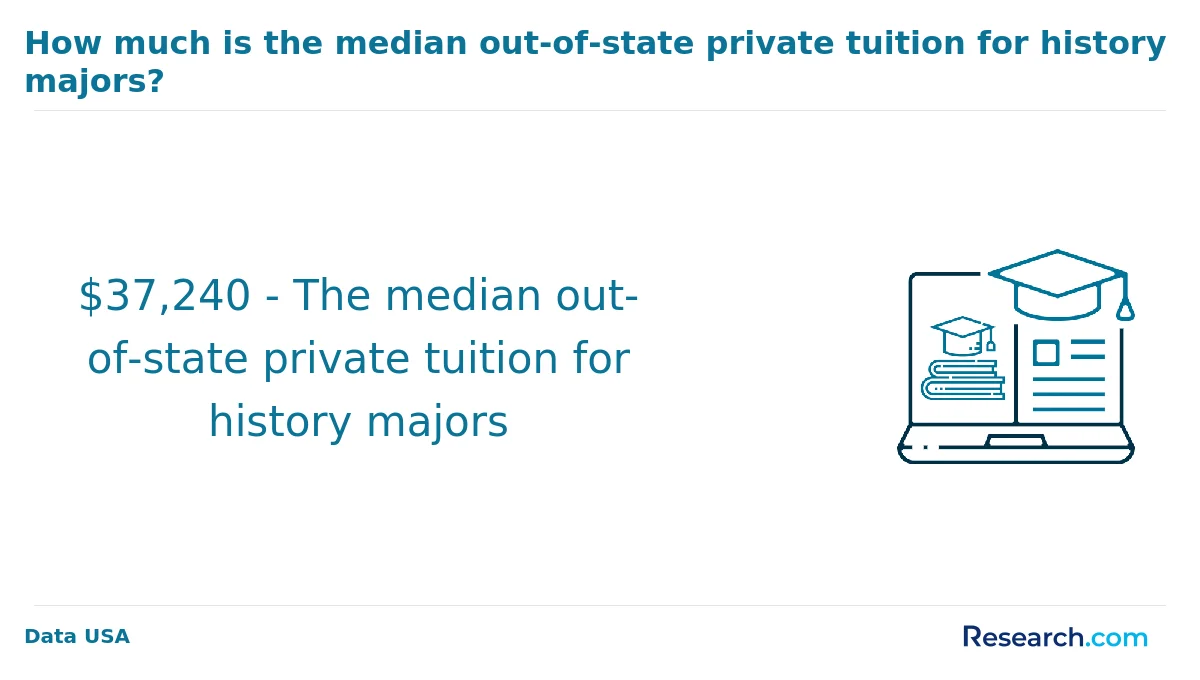
The average cost of an online history degree in Missouri varies depending on residency and institution type, but data shows a median total cost around $41,596. In-state students have a significant advantage, paying a median total cost closer to $14,781, while out-of-state learners may face costs near $29,484. Many graduates from popular institutions such as the University of Missouri system report feeling satisfied with the value of their education given these affordable in-state options.
For those seeking affordable online history degree programs Missouri offers public universities that keep tuition competitive, typically between $300 to $400 per credit hour for residents. This affordability allows students to pursue their passion for history without excessive financial pressure. Graduates often share how scholarships, state grants like the Access Missouri Financial Assistance Program, and federal aid contributed to managing expenses effectively.
Students enrolling in private colleges sometimes encounter higher costs, but many still find pathways to finance their studies. It's helpful to consider additional fees such as technology or application charges, which can add several hundred dollars per semester but are usually well disclosed upfront. Real-life accounts from recent alumni reveal how careful budgeting and financial planning made earning an online history degree a rewarding and attainable goal.
Exploring different types of history degrees available online in Missouri can also assist prospective students in selecting programs that align with both their academic interests and financial situation. This strategic approach ensures an enriching educational experience while maintaining manageable costs.
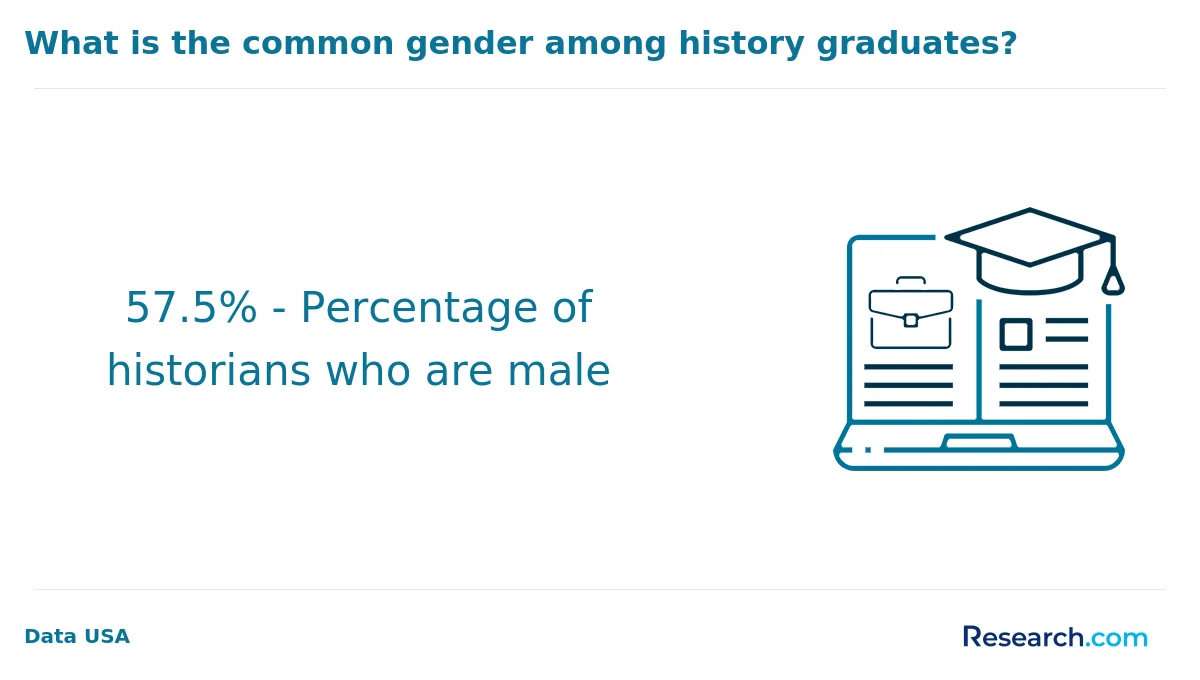
Online history students in Missouri can tap into multiple financial aid sources to ease tuition costs. Graduates from the University of Missouri system often highlight the impact of federal aid, especially the Pell Grant, which can cover up to $7,395 annually for those with financial need. Completing the FAFSA early is key to unlocking this support along with Direct Subsidized and Unsubsidized Loans that offer manageable repayment options.
State aid programs like the Access Missouri Financial Assistance Program provide grants tailored to Missouri residents attending eligible schools such as Missouri State University. These grants often bridge the gap between federal aid and actual tuition, making it easier to focus on studies instead of finances.
Many Missouri colleges award merit-based scholarships or departmental funding specifically for history majors. Past students frequently mention how these awards, based on academic achievement or passion for history, helped reduce education expenses significantly.
Additionally, working students benefit from employer tuition reimbursement programs, which can be combined with federal and state aid to create a powerful funding mix. Proactively researching and applying for these opportunities maximizes the financial support available.
To enroll in an online history degree program in Missouri, applicants typically need a high school diploma or GED, along with official transcripts to confirm their education background. For example, many graduates from well-known institutions like the University of Missouri share how submitting standardized test scores such as the SAT or ACT helped demonstrate their readiness, though some schools have made these scores optional.
Applicants should also be prepared to provide letters of recommendation and a personal essay, giving admissions committees insight into their passion for history and motivation to succeed. At colleges such as Missouri State University, students have found that carefully crafting these materials made a positive impression and increased their chances of acceptance.
Those aiming for a master's online degree must hold a bachelor's degree with a solid GPA, often around 3.0 or higher, preferably with prior coursework in history. International students should remember to complete English proficiency tests like TOEFL or IELTS to meet federal requirements. Overall, meeting these clear prerequisites helped many Missouri students confidently begin their history studies online.
Online history degree programs in Missouri typically include courses that cover broad historical periods and essential skills. For instance, graduates from well-regarded institutions such as the University of Missouri often highlight how foundational courses like American history-from colonial times through the Civil War and Reconstruction-helped them understand pivotal national moments deeply. These classes often incorporate detailed study of Missouri's unique role in events like the Missouri Compromise and westward expansion, making the learning especially relevant and engaging for local students.
Students also appreciate courses in world history that span ancient civilizations to modern global trends, which broaden perspectives beyond Missouri. Practical classes on historical research methods and historiography equip learners with critical thinking and source analysis skills, useful in both academic and professional settings.
Many programs add specialized topics like African American history or women's history, allowing students to connect with diverse narratives. Feedback from graduates stresses how these offerings created a stimulating, relatable learning experience, blending local relevance with expansive historical understanding.
Students pursuing an online history degree in Missouri often choose from various specializations that align with their interests and career plans. Popular options include American History, which dives into the United States from colonial times to the present, reflecting Missouri's unique historical significance from westward expansion to the Civil War. Graduates frequently share how this specialization helped them connect deeply with local heritage while preparing for roles in education or government.
Other Missouri online history programs concentrations feature World History, offering a broad global perspective suited for careers in international relations or global education. Public History is another favored track, training students for museum work, preservation, and public outreach-areas with strong opportunities in Missouri's rich network of heritage sites and cultural institutions.
Research-oriented graduates value specializations in Historical Research and Methodology, emphasizing critical analytical skills and archival work. Some schools even offer focused studies like military or regional Missouri history, providing tailored knowledge for niche careers. For details on jobs to get with a history degree, students find these specializations open many doors.
To choose the best online history degree in Missouri, start by verifying that the program is offered by a regionally accredited university. Graduates from Missouri State University and the University of Missouri often praise how accreditation ensured their degrees held weight with employers. Next, evaluate the curriculum's breadth. A quality program covers American, European, and world history while encouraging research and critical thinking. Students from popular universities in Missouri report benefiting greatly from access to local archives and faculty mentorship, making learning engaging and practical.
Flexibility is crucial, especially for working adults balancing family and education. Many Missouri colleges offer asynchronous courses that let you study at your own pace without missing key content. For those seeking affordable history degree online Missouri options, comparing tuition rates and financial aid availability is essential, as some schools offer reduced online tuition. Alumni highlight how scholarships and employer reimbursement programs eased their financial burden.
Look for programs connected to Missouri's rich historical societies or museums to gain internship experience and networking, which supports finding history jobs that pay well. Reliable tech platforms and strong student support services also help you stay on track and succeed in an online setting.
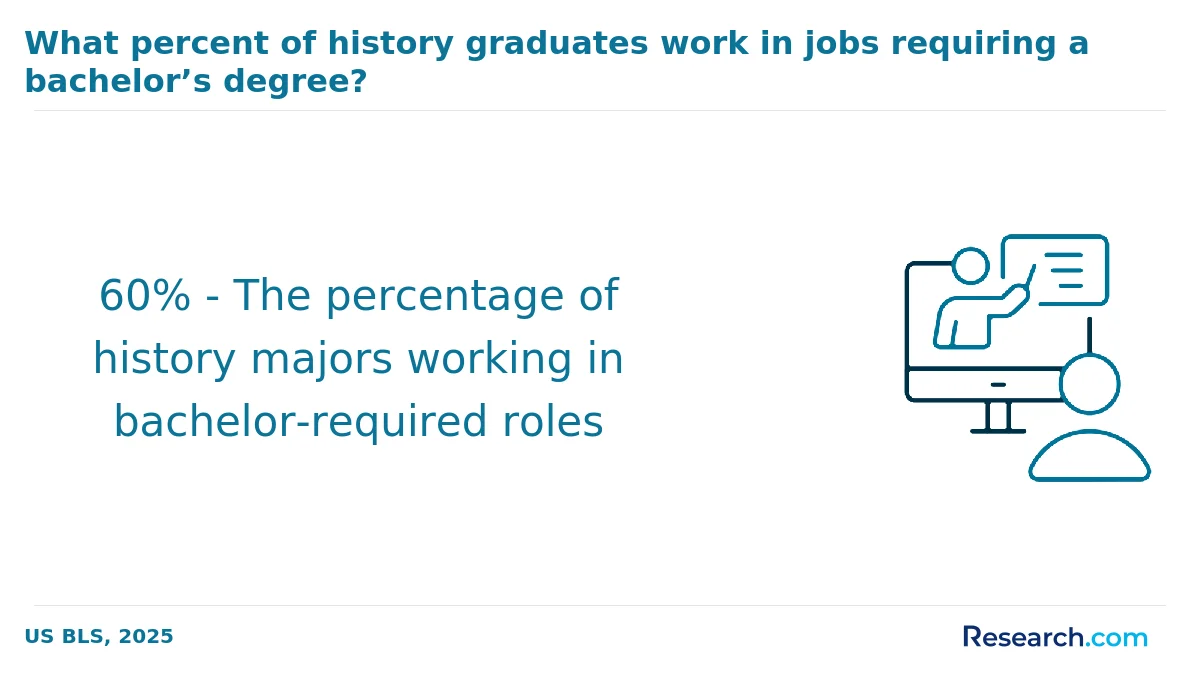
Graduates with an online history degree in Missouri can pursue multiple career paths tailored to their skills and interests. Many find rewarding roles as secondary education teachers, obtaining certification to teach social studies at middle or high schools within the state. Others who studied at popular institutions like the University of Missouri or Missouri State University often share how their degree opened doors to museum work, becoming curators or archivists managing collections at places such as the Missouri History Museum in St. Louis.
The job opportunities with Missouri history degree programs also include careers in public history, where graduates collaborate with government agencies or nonprofits to create engaging cultural programs and manage historic preservation projects. Some alumni thrive in roles related to grant writing or research analysis, applying their critical thinking skills in practical contexts.
Recent graduates emphasize the advantage of pursuing an online history degree for its flexibility and affordability, allowing them to advance their careers while staying in familiar settings. These paths can fulfill those seeking dynamic, impactful work connected to Missouri's rich heritage and beyond.
The job market for graduates with an online history degree in Missouri offers a variety of opportunities, especially for those who combine their historical knowledge with practical skills. Many graduates from universities across the state leverage their degree to work in education, government, and cultural institutions. For example, graduates often find positions in K-12 teaching, archives management, or as curators in local museums, benefiting from Missouri's investment in historical preservation.
Students earning a Missouri online history degree career prospects improve significantly when they gain experience in digital history or public administration. Those who engaged with community outreach or nonprofit work during their studies often secure grant-writing or advocacy roles. Graduates from well-known institutions have reported positive experiences balancing online coursework with internships, which helped them build professional networks and confidence.
Exploring specialized fields can enhance success rates; prospective students may want to research specific roles and needed skills. To get a clearer picture of what's available, check out jobs for art history majors, which often overlap with history roles and highlight potential career paths.
2027 Fastest Online History Degree Programs Ranking in Missouri
Investing in your education is a significant decision that can shape your future, and the Research.com team understands the importance of making informed choices. To assist prospective students in Missouri, we have meticulously crafted the "2027 Fastest Online History Degree Programs Ranking in Missouri." Our commitment to quality, credibility, and accuracy is reflected in the extensive research and analysis conducted to compile this ranking.
We utilized the following reputable data sources to ensure a comprehensive evaluation of history degree programs:
By exploring this ranking, readers will gain valuable insights into the fastest online history degree programs in Missouri, facilitating well-informed decisions about their educational journeys. For more details on how this ranking was created, please visit our Research.com methodology page.



Frequently Asked Questions About history
Online history degree students in Missouri can maximize their learning by actively engaging with course materials and participating in virtual discussions. Consistent interaction with professors and peers deepens understanding and mirrors traditional classroom benefits. Missouri colleges often offer access to extensive digital archives, including collections from the Missouri State Archives and local historical societies, which provide valuable primary sources for research and assignments.
Students should also take advantage of online workshops and webinars hosted by institutions such as the Missouri Historical Society. These resources supplement coursework and keep students updated on new historiographical approaches. Additionally, setting a structured study schedule helps manage coursework effectively, especially given the flexibility of online formats.
Statistically, students who dedicate regular weekly hours to online classes tend to perform better; the US Department of Education suggests 15-20 hours per week for full-time online study. Missouri's universities often provide virtual tutoring services geared toward writing and research skills specific to history, enhancing academic success.
Emerging niches in the history field reflect broader societal interests and technological advancements. One growing area is public history, which focuses on engaging communities through museums, archives, and digital media. Missouri's numerous historical sites and museums provide practical opportunities for students to apply this specialty.
Environmental history is gaining traction as well, examining human interaction with nature over time. This niche is especially relevant in Missouri, where issues like the Mississippi River ecosystem attract scholarly attention.
Additionally, digital history leverages technology to analyze and present historical data. Students in Missouri benefit from state universities offering resources for this innovative approach.
These niches offer diverse career paths beyond traditional academia, including cultural resource management and digital archiving.
Graduates with an online history degree in Missouri should focus on gaining practical experience to improve job prospects. Internships and volunteer work with local museums, historical societies, or archives provide valuable skills and networking opportunities. According to the Missouri Department of Economic Development, the state has a growing demand for professionals in education, public history, and cultural resource management.
Building strong communication and research skills is essential. Students are advised to join professional organizations like the Missouri Conference on History to stay informed about job openings and connect with experts. Additionally, pursuing certifications in archival management or digital history tools can enhance employability.
Carefully tailoring resumes and practicing interview techniques focused on history-related careers can further improve chances of success. Missouri's historical employment sectors often value candidates with demonstrated passion and relevant real-world experience alongside academic credentials.
Employers in Missouri value several key skills in graduates with online history degrees. Critical thinking is essential, enabling graduates to analyze complex historical data and interpret different perspectives effectively. Strong research skills are also crucial, as employers expect graduates to locate, evaluate, and synthesize diverse sources, including archives and digital databases.
Communication abilities, both written and oral, are highly sought after. Missouri's job market favors history graduates who can clearly present information to varied audiences. Additionally, proficiency in using technology for data management and presentation is increasingly important given the rise of digital humanities.
According to the Missouri Department of Higher Education, about 70% of history-related job openings emphasize analytical and communication skills as top priorities.
Finding internships in Missouri related to a history degree involves targeting institutions that value historical research and preservation. Museums like the Missouri History Museum in St. Louis and the State Historical Society of Missouri in Columbia offer internships that provide practical experience. Universities often partner with local archives or cultural organizations to facilitate placements.
Online students should also explore virtual internships through platforms such as the National Council on Public History. Additionally, government agencies, including city historical commissions, occasionally post internships aimed at history majors. Networking through Missouri's academic and professional history associations can further increase internship opportunities.
According to the Missouri Department of Higher Education, students who complete internships increase hiring prospects by about 20%, highlighting the importance of relevant experience in the local job market.
An online history degree in Missouri can significantly enhance career mobility and advancement, especially in education, public history, and government sectors. According to the Missouri Department of Higher Education & Workforce Development, demand for workers with strong analytical and research skills, which history programs develop, grows steadily in libraries, archives, and museums across the state.
Graduates often find improved job prospects in urban centers such as St. Louis and Kansas City, where cultural institutions frequently seek qualified historians. Additionally, the flexibility of online degrees allows professionals to balance work while upskilling, making promotions or career changes more accessible.
Missouri's emphasis on workforce readiness means that history graduates with an online degree are competitively positioned for roles requiring critical thinking and communication expertise.
Studying for a history degree in Missouri offers strong preparation for interdisciplinary roles by emphasizing critical thinking, research, and communication skills. Missouri's online history programs often include coursework that intersects with fields like political science, sociology, and economics, fostering versatility in graduates.
The University of Missouri system highlights that history majors develop analytical abilities useful in law, public policy, and education sectors. Additionally, Missouri's rich cultural and historical context provides unique case studies enhancing understanding in social justice and cultural studies.
Research from the Missouri Department of Higher Education shows that history graduates frequently pursue careers requiring cross-disciplinary knowledge, reflecting the degree's broad applicability.
When choosing between a thesis and a non-thesis online history degree program in Missouri, students should consider their academic and career goals. Thesis programs typically require original research and a lengthy paper, preparing students for doctoral studies or research-focused careers. Non-thesis options often emphasize coursework and may include a comprehensive exam, suitable for those planning to enter teaching or public history roles.
Missouri institutions like the University of Missouri offer both tracks, reflecting national trends reported by the American Historical Association. About 40% of Missouri history graduate students opt for thesis programs, highlighting the importance of research skills in the field.
Cost and time commitment also differ: thesis paths often take longer due to research demands. Prospective students should review curriculum details and talk to academic advisors to align their choice with long-term objectives.
Students in Missouri interested in studying history abroad through online degree programs have several opportunities. Many Missouri colleges offering online history degrees participate in study abroad partnerships, allowing students to combine virtual coursework with travel experiences in European or Latin American countries. These programs often include short-term summer sessions or semester exchanges designed for history majors. According to the Institute of International Education, approximately 6% of Missouri undergraduates engage in study abroad activities, reflecting growing interest in global learning.
Additionally, some Missouri public universities provide support for virtual exchange programs, delivering international perspectives without the need for travel. This flexibility benefits students balancing work or family commitments. Missouri's robust public university system, including the University of Missouri-Columbia, supports these options with dedicated advising and grant resources.
Students pursuing an online history degree in Missouri can benefit from various part-time job opportunities that align with their field of study. Positions in local museums, archives, and historical societies offer practical experience in research, curation, and preservation. For example, the Missouri Historical Society frequently provides internships and part-time roles supporting public history projects.
Additionally, roles in libraries, especially in special collections or digital archives, allow history students to develop valuable skills in cataloging and historical documentation. Around 2,200 library science jobs exist statewide, some of which welcome part-time assistance for archival tasks.
Other options include teaching assistantships at community colleges or involvement with cultural heritage organizations. These roles enhance both pedagogical and organizational competencies crucial for history professionals in Missouri.
Online history students in Missouri have access to various networking opportunities despite the virtual format. Many universities offer virtual events, such as guest lectures and discussion forums, where students can connect with professors and peers. For example, the University of Missouri system often hosts online symposiums relevant to history and related fields. Regional professional organizations like the Missouri Historical Society provide memberships that include access to conferences, workshops, and online communities specifically for history enthusiasts and professionals.
Additionally, Missouri's proximity to prominent historical sites, such as the Harry S. Truman Library, offers occasional hybrid events that online students can attend. Students are encouraged to leverage LinkedIn groups and academic listservs dedicated to Missouri history for professional networking and job leads.
Alumni networks offer valuable support to students enrolled in online history degree programs in Missouri. These networks connect current students with graduates who have experience in academic and professional history fields. Leveraging such connections can improve job prospects and internships, as employers often value recommendations from trusted alumni.
Many Missouri universities provide strong alumni networks that include historians, educators, and public officials. For example, the Missouri Historical Society highlights the importance of professional connections in advancing history careers across the state. Alumni events and online platforms encourage mentorship and knowledge sharing, helping students navigate career challenges.
Participation in these networks also fosters a sense of community, minimizing the isolation common in online learning. Access to alumni resources can enhance research opportunities and provide insight into regional historical trends important for Missouri history professionals.
Customizing an online history degree in Missouri allows students to align their studies with specific career goals such as education, research, or public history. Many Missouri institutions offer elective courses in areas like American history, archival studies, or museum curation, enabling focused skill development. Students can also choose capstone projects or internships tailored to their interests, strengthening practical experience. According to the Missouri Department of Higher Education, over 40% of history graduates pursue careers in education or cultural organizations, making relevant specialization vital. Flexible online formats provide options to balance coursework alongside professional or personal commitments.
Online history students in Missouri often face challenges related to balancing coursework with personal and professional responsibilities. The flexibility of online programs can also lead to feelings of isolation, as students miss out on in-person discussions that enrich understanding of historical contexts. Missouri's higher education system emphasizes critical thinking and extensive reading, which can be demanding without direct faculty interaction. Additionally, access to local archives and primary source materials, crucial for history studies, may be limited for remote learners. According to the Missouri Department of Higher Education, nearly 35% of history majors seek additional support for time management and research skills in online settings.
With an online history degree in Missouri, graduates can pursue several professional certifications that enhance career prospects. One common path is obtaining teaching certification through Missouri's Department of Elementary and Secondary Education, which enables graduates to teach social studies at the secondary level.
Additionally, history graduates may qualify for archival certification through the Academy of Certified Archivists, useful for careers in museums or historical societies. Missouri has numerous cultural institutions where such credentials can be valuable.
For those interested in public history or preservation, certifications like the Certified Local Government Specialist from the National Park Service may be relevant. These credentials support roles in history-related public service and heritage management.
To write a winning application for an online history program in Missouri, start by thoroughly researching the specific programs you are interested in, focusing on their curriculum and faculty expertise. Missouri houses notable universities like the University of Missouri, which offers respected history degrees online. Highlight your passion for history and any relevant experiences, such as research projects or volunteer work at local historical societies. Missouri's Department of Higher Education reports a growing demand for history graduates in education and public service, so emphasize your career goals clearly.
Strong letters of recommendation from instructors or employers familiar with your academic abilities can greatly strengthen your application. Additionally, a well-crafted personal statement explaining why you want to study history online in Missouri, alongside your commitment to remote learning, will help distinguish your profile.
Make sure to provide all required documents, including transcripts and standardized test scores if requested. Following application guidelines carefully reflects professionalism, a key factor in acceptance decisions.
History careers offer a global outlook, with skills that are valued internationally. Graduates often work in education, research, museums, and cultural preservation. In Missouri, online history degrees prepare students for roles that connect local heritage with broader world events, reflecting global trends in historical study.
The U.S. Bureau of Labor Statistics notes that historian roles are expected to grow about 6% from 2021 to 2031, showing steady demand. Missouri's universities contribute by offering accessible online programs, allowing students to engage with diverse global perspectives.
Online history degrees emphasize critical thinking and analysis, skills essential for interpreting complex international histories, government policies, and social movements. These competencies align with careers in diplomacy, archives, or international nonprofits.
Understanding global perspectives in history enriches students' ability to work in multicultural environments and respond to worldwide challenges, making the degree increasingly relevant for Missouri students.
Gaining practical experience while studying for an online history degree in Missouri is essential for building skills and enhancing your resume. Many Missouri universities encourage students to participate in virtual internships offered by museums, historical societies, and archives. For example, the Missouri Historical Society provides remote opportunities to assist with digitization and research projects.
Additionally, students can engage in local community history projects or volunteer with state preservation organizations. Online coursework often includes primary source analysis, which develops practical research abilities. According to the Missouri Department of Higher Education, combining internships with online study improves job prospects in education, public history, and research fields.
When choosing a concentration within an online history degree program in Missouri, start by assessing your interests and career goals. Missouri schools often offer focuses such as American History, Public History, or Education. Consider areas with local relevance, like Missouri's role in the Civil War or westward expansion, which can enhance your understanding and job prospects.
Look at program flexibility and how courses align with state historical priorities. For example, the Missouri Department of Higher Education highlights the value of Public History for careers in museums or archives, growing fields in the region.
Check if the concentration provides internships or networking opportunities with local institutions. This practical experience is crucial for employment after graduation.
- Online Degree vs. Traditional | University of Arkansas Grantham https://www.uagrantham.edu/blog/pros-cons-online-degree-vs-traditional-university/
- The Challenges of Studying History in School | Education Research Project Topics and Materials https://educationtopics.com.ng/the-challenges-of-studying-history-in-school/60853/history-education/
- Undergraduate Student Opportunities https://warwick.ac.uk/fac/arts/history/students/studentopportunities/
- 5 Challenges of Teaching History in International Classrooms (and How https://millerskills.co.uk/blogs/teaching-overseas/5-challenges-of-teaching-history-in-international-classrooms-and-how-to-overcome-them
- Online History Degrees https://www.affordablecollegesonline.org/degrees/history-programs/
- Drury GO Bachelor of Science in History https://www.drury.edu/go/bachelor-history/
- History Programs Abroad: Degrees & Opportunities - AEC https://www.aecoverseas.com/history/
- The Impact of History Degrees: Opportunities and Trends Among History Degree Jobs https://www.ucumberlands.edu/blog/the-impact-of-history-degrees
- What Can You Do With a History Degree? https://willamette.edu/academics/college/history/career-options
- After the Degree: Finding work with a History degree https://www.graduate-jobs.com/news/13219/After_the_Degree__Finding_work_with_a_History_degree