2027 Easiest Online Master's in History Degree Programs Ranking in the Northeast

Co-Founder and Chief Data Scientist
Choosing the right online master's in history program can feel overwhelming, especially with so many options available in the Northeast. This article introduces the 2027 Easiest Online Master's in History Degree Programs Ranking in the Northeast, developed by the Research.com team of data scientists to guide you toward the best choices.
By exploring this ranking, you'll discover programs that balance quality and accessibility, making your educational journey smoother and more enjoyable. A history degree opens doors to understanding the past and shaping your future with confidence.
Key benefits of getting online history degree in the Northeast
- History degree graduates in the Northeast often find rewarding career paths such as museum curators or archivists, earning median salaries around $56,000 annually, providing both stability and fulfillment.
- Graduates from popular Northeast universities like Boston University report diverse opportunities in education, research, and public history, showing the versatile nature of a history degree.
- Completing a history degree online through schools like Northeastern University offers flexible scheduling and the ability to balance work and study, making education accessible without compromising quality.
- 2027 Easiest Online Master's in History Degree Programs Ranking in the Northeast
- What can I expect from online history degree in the Northeast?
- Where can I work with online history degree in the Northeast?
What can I expect from online history degree in the Northeast?
The average cost of an online history degree in the Northeast typically ranges from $20,000 to $40,000, depending on the institution and credit requirements. Graduates from well-known schools like Northeastern University or the University of Massachusetts Amherst often recall how the investment felt worthwhile, balancing affordability with quality education. Many appreciate the flexibility of asynchronous courses paired with occasional live discussions, enabling them to continue working or managing family life while pursuing their passion.
Financial aid and employer tuition reimbursement frequently help ease the monetary burden, which graduates found encouraging when navigating expenses. For instance, a graduate from a hybrid program at American University described valuing the access to rich digital archives and supportive professors without the high costs typical of on-campus study.
Enrolling in these programs in the Northeast means joining a community that respects both academic rigor and practical concerns. Students often express relief and motivation knowing their degree prepares them well for careers in education, research, or public history-all while maintaining a reasonable financial commitment.
Where can I work with online history degree in the Northeast?
Graduates with an online history degree from well-regarded Northeastern schools, such as Boston University or Syracuse University, often find fulfilling careers in education. Many begin as high school teachers or adjunct instructors at community colleges, where their passion for history ignites curiosity in young minds. A graduate shared how teaching social studies in a public school district in Massachusetts connects them closely with local history and community pride, fostering a rewarding sense of purpose.
Museum work is another vibrant path. Alumni who interned at institutions like the New-York Historical Society describe the excitement of crafting exhibits that bring history to life for diverse audiences. These roles tap into strong research skills and a love for storytelling, turning years of study into impactful public engagement.
Government agencies and historical commissions in states like Pennsylvania and New York depend on these graduates to preserve cultural heritage. One graduate's experience with state archives revealed how digital archiving projects create lasting resources for education and preservation, combining tradition with cutting-edge technology.
Finally, the rise of digital humanities opens doors to creative careers in content curation and research. Graduates working with think tanks or universities find joy in blending history with innovation, bringing scholarship to modern platforms and wider communities.
Graduates holding an online history degree in the Northeast often find their earning potential influenced by the region's rich academic and cultural landscape. While specific salary data from the Bureau of Labor Statistics is unavailable, many local graduates from institutions like Boston University or Syracuse University report starting salaries in roles such as museum curators or archivists ranging from $50,000 to $80,000 annually. This range reflects the demand in vibrant cities like Boston and Philadelphia, where cultural institutions offer meaningful, well-compensated opportunities.
For those pursuing education, history teachers in public schools typically earn between $60,000 and $80,000, with pay scales enhanced by strong union contracts and funding in states like New Jersey and Massachusetts. Graduates moving into research or public policy roles often see salaries that stretch from $60,000 up to $90,000, especially when employed by government agencies or think tanks.
Many alumni appreciate how an online history degree allows them to balance work with further education while accessing diverse job markets in the Northeast, making their salary prospects not just figures but gateways to fulfilling careers connected to their passion for history.
- Online history bachelor's degrees in the Northeast typically cost between $12,000 and $25,000 per year, with graduate programs ranging from $15,000 to $30,000 annually.
- Public universities in New York, New Jersey, and Massachusetts often offer lower tuition rates for residents, with some schools providing discounts for online learners regardless of residency.
- The average starting salary for history graduates in the Northeast ranges from $40,000 to $50,000 per year, depending on the job type.
- Long-term median salaries generally increase to between $60,000 and $70,000 annually, especially for those in specialized or administrative roles.
- The region offers many internship and job opportunities in museums, archives, cultural institutions, government, and nonprofits.
- Employers prefer candidates with both historical knowledge and skills in digital humanities, research methods, or education, which many online programs emphasize.
Completing an online history degree in the Northeast often takes around four years for a bachelor's when studying full time, though many students appreciate the flexibility to adjust their pace. Graduates from well-known institutions like the University of Massachusetts or Northeastern University often reflect warmly on the ability to accelerate their studies, finishing in as little as three years when balancing work and family commitments.
Master's degrees typically require two years of full-time study, but many online students share stories of managing part-time schedules that extend completion to three or more years. This approach allows them to continue working while progressing steadily, making education feel both accessible and rewarding.
Timeframes vary based on factors like enrollment status and prior credits. Some students find that summer sessions and accelerated courses significantly brighten their academic journey, letting them reach milestones sooner while feeling supported by their program's flexibility and understanding faculty.
Graduates from well-known Northeast universities like Boston University and the University of Pennsylvania often reflect on how their learning environments shaped their history studies. Those who pursued on-campus degrees frequently cherish the lively classroom debates and spontaneous discussions that sparked during in-person sessions. The energy of walking into iconic campus libraries or archives offers a tangible connection to history, enriching their research with direct access to rare materials and faculty mentorship.
Conversely, graduates of online programs from institutions such as Northeastern University highlight the freedom to study on their own terms. Balancing jobs, family, or relocation challenges, they value how lectures and resources remain accessible anytime, reducing the burden of commuting and housing costs typical in cities like New York or Philadelphia. They often develop strong time management skills through the self-paced nature of their coursework.
While both paths cover essential historical theories and methods, the choice often hinges on preferred interaction style and lifestyle. Online study invites flexibility and convenience, ideal for busy adults, whereas on-campus programs foster deeper face-to-face connections and immediate feedback within a structured schedule. Understanding these nuances helps Northeast students decide which approach aligns best with their goals and daily realities.
The average cost of an online history degree in the Northeast generally centers around $17,000, though this number shifts depending on residency status. Many graduates recall how attending institutions within popular state university systems, like SUNY or the University of Massachusetts, offered significantly reduced in-state total costs near $14,500. This made pursuing their passion for history more attainable without sacrificing quality education. Out-of-state students, meanwhile, often face totals close to $17,000, reflecting the typical difference in tuition fees.
For students considering a northeast online master's in history tuition fees, it helps to remember that costs are often transparently outlined with clear per-credit charges and additional fees. Graduates have appreciated that when budgeting, factoring in technology and student service fees-common in these programs-is crucial, as these can add several thousand dollars to the overall cost.
One shared insight from those who earned their degree online is that the perceived cost can feel manageable when balancing the flexibility of distance learning with a solid education from well-established programs. Institutions offering online degrees often provide financial aid options tailored specifically to history majors, easing the financial burden. Prospective learners may find it rewarding to explore details about each program's costs and support through tools like the College Scorecard.
When exploring paths to a history degree, it's wise to consult resources and careful comparisons to understand the total investment. For a deeper understanding of the landscape and options for a degree in history, students should rely on trusted sources and real student experiences to guide their decisions.
Students pursuing online history degrees in the Northeast often find that federal student loans, such as Direct Unsubsidized and Graduate PLUS Loans, provide essential support. One graduate from a notable state university shared how these loans covered not only tuition but also living expenses, making degree completion feasible without overwhelming debt.
Many universities in the region, including well-regarded public research institutions, offer assistantships and fellowships that grant tuition waivers and stipends. Graduates recall working as research assistants, gaining invaluable experience while easing financial burdens.
Institutional scholarships tailored to history or humanities students also play a vital role. Students at private colleges have reported securing awards based on academic merit and unique research interests, which enhanced their academic journey considerably.
State-specific aid programs, particularly in New York and Massachusetts, offer grants and loan forgiveness that recent history graduates often wish they had explored earlier.
Finally, private scholarships from professional history organizations and employer tuition assistance frequently emerge as unexpected yet welcome resources that encourage continued study.
Enrolling in an online history degree program in the Northeast often starts with having completed a bachelor's degree from an accredited institution. Many graduates from renowned colleges in this region recall that while the degree doesn't have to be strictly in history, having some background in humanities or social sciences made their transition smoother and applications stronger. It's also essential to submit official transcripts showing solid academic performance, typically a GPA between 2.5 and 3.0, though more competitive programs may expect higher.
Several students from top Northeast universities found that test requirements like the GRE have become more flexible, with many schools adopting test-optional policies. Instead, they emphasize a thoughtful statement of purpose, where you articulate your passion for history and your professional goals. Letters of recommendation, often one or two, provide a valuable perspective on your capabilities.
Practical considerations also matter: reliable internet and a capable computer are indispensable for engaging fully in remote coursework, a reality every successful online history student has appreciated. This blend of academic and technical preparedness shapes a positive and rewarding learning experience in the Northeast's rich historical academic landscape.
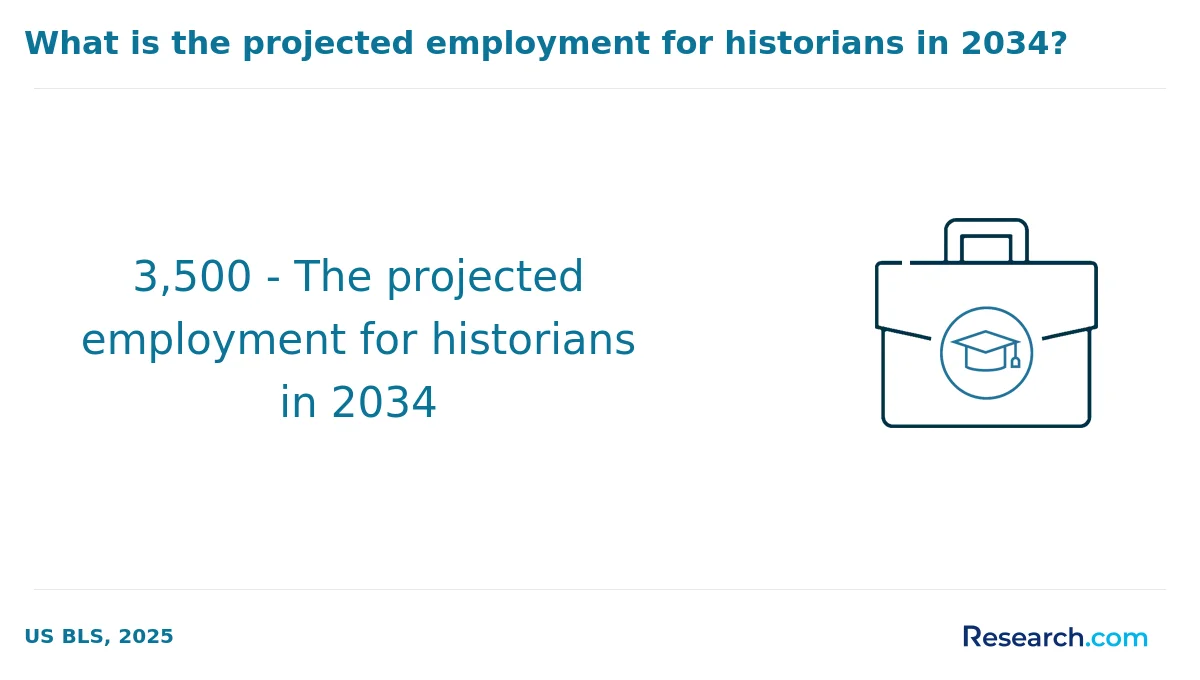
Online history degree programs in the Northeast typically immerse students in a rich lineup of courses that blend regional depth with broad historical perspectives. Graduates from prominent institutions often recall spending semesters exploring American History surveys, covering eras such as Colonial America, the Civil War, and 20th-century developments. These classes create a strong awareness of the dynamic forces shaping the nation, right from local New England roots to wider national narratives.
In addition, students frequently dive into European history courses, examining periods like the Middle Ages and Renaissance-subjects that illuminate the transatlantic influences still felt in Northeastern culture and scholarship. Specialized courses in historiography and public history are valued for teaching how history is researched and preserved, often linking students to nearby archives and museums.
Many learners find excitement in studying contemporary history alongside social and cultural issues, such as race and gender, making the coursework personally resonant and socially relevant. Practical skills like digital history and archival research are woven throughout, equipping students to engage actively with history in both academic and public spheres.
Online history degree programs in the Northeast offer a range of specializations that deeply enrich students' learning experiences. Graduates from institutions such as those in Boston and New York often describe how focusing on American History lets them connect personally to regional narratives, from colonial New England to industrial growth, creating a sense of pride and belonging. Specializing in European History opens doors to exploring pivotal moments like the Renaissance and Enlightenment, which resonates strongly in these Northeastern universities known for their transatlantic ties.
Many students appreciate Public History and Museum Studies as it prepares them for meaningful roles in preserving culture, an especially rewarding path given the Northeast's abundance of historic sites and digital archiving opportunities. Military History specializations frequently engage learners with local veteran communities, offering real-world insights they find deeply moving. The emphasis on social and cultural history illuminates diverse voices shaping society, aligning with the Northeast's immigrant-rich heritage and fostering empathy in learners exploring the best history master's concentrations Northeast can offer.
For those curious about careers after graduation, exploring careers for history degree holders provides valuable perspective on how these specializations translate into fulfilling professional paths.
Choosing the best online history degree in the Northeast means focusing on regional accreditation and a curriculum that reflects the rich historical tapestry of states like New York and Massachusetts. Graduates from well-known Northeastern universities often praise programs that offer courses spanning American to European history, enriched by faculty who actively research and publish in their fields. These elements create an engaging learning environment that feels both rigorous and inspiring.
Cost is also a decisive factor. Many students find affordable online master's history Northeast programs that balance quality with expenses under $12,000 yearly, especially at public institutions, easing financial stress. Flexibility is another tremendous benefit; students juggling jobs or families appreciate asynchronous classes paired with robust academic support, which have proven crucial for their success.
Finally, career prospects play a vital role. Reflecting on stories from recent graduates, the access to strong alumni networks in the region enhances opportunities in education, archives, and public history. For those exploring practical paths, it's worth visiting resources on careers for history master's degree, providing valuable insights for your journey.
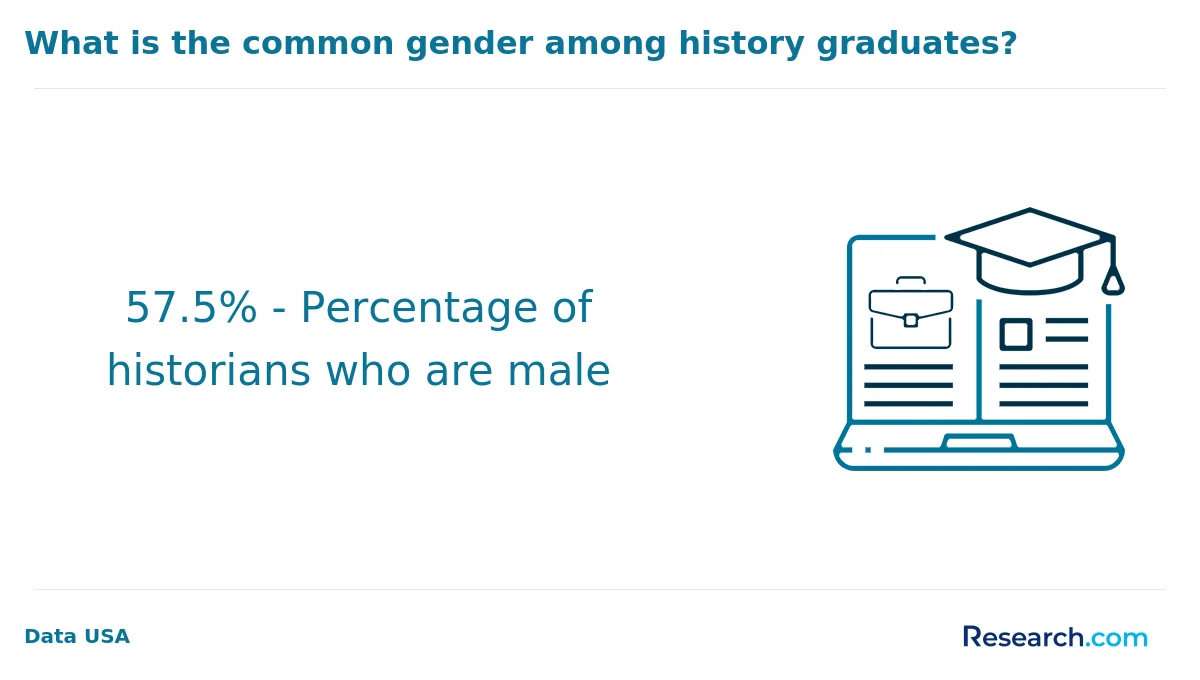
Graduates holding an online history degree in the Northeast often find rewarding career paths in education, museums, and government agencies. Many, particularly those from respected institutions like Boston University or Northeastern University, pursue teaching roles or curriculum development, embracing the region's vibrant academic culture. Their ability to connect historical insights with contemporary learning sparks fulfillment and professional growth. This blend of passion and opportunity makes online history degree careers Northeast uniquely promising.
Others embrace museum and archival work, drawn by the chance to curate and preserve cultural treasures. With institutions such as the New-York Historical Society nearby, graduates find themselves excited by hands-on roles managing collections or engaging the public with history. These jobs offer deep satisfaction for anyone who values protecting and sharing regional heritage.
Government positions in cultural resource management and urban planning also appeal, allowing history graduates to influence preservation policies. Finally, some recognize opportunities in publishing or think tanks, where they apply their expertise creatively. For those seeking an accessible path to these careers, exploring options like an affordable accredited online history degree can be transformative, broadening possibilities and enriching lives.
The job market for online history degree Northeast graduates is moderately competitive yet filled with meaningful opportunities. Many graduates from well-regarded institutions like public universities in Massachusetts or New York find rewarding roles in education, museums, and public service. These areas offer unique prospects due to the rich cultural heritage and numerous historic sites in the region. For instance, some alumni start as teaching assistants in community colleges before progressing to full-time secondary or postsecondary teaching roles.
Graduates have also shared how positions in archives or cultural resource management have allowed them to engage directly with local history, which brings both professional fulfillment and valuable networking openings. However, gaining additional certifications, such as in archival studies or teaching credentials, often proves essential to stand out. The experience of entering the job market after completing an online history degree in the Northeast shows that practical engagement with regional organizations enhances career pathways. Considering tuition alongside the practical benefits of study can help balance expectations and outcomes.
Those exploring the field may find it helpful to review options for the best online history masters to ensure alignment with their aspirations and regional opportunities, as highlighted at best online history masters.
2027 Easiest Online Master's in History Degree Programs Ranking in the Northeast
Investing in your education is a significant decision that can influence your career and personal growth, and the Research.com team is dedicated to helping you make well-informed choices. To support prospective students seeking online master's degrees in history in the Northeast, we have carefully developed the "2027 Easiest Online Master's in History Degree Programs Ranking in the Northeast." Our commitment to quality, credibility, and accuracy is demonstrated through thorough research and precise analysis.
We utilized the following reputable data sources to ensure a comprehensive and trustworthy ranking:
By exploring this ranking, readers will gain valuable insights into accessible and quality history programs tailored to their needs, enabling smarter decisions about their academic futures. For additional information about how this ranking was created, please visit our Research.com methodology page.


Frequently Asked Questions About history
Online history degree students in the Northeast can enhance their learning by actively engaging with local historical resources. Many institutions collaborate with regional archives, museums, and libraries, such as the Massachusetts Historical Society and the New York Public Library, offering students virtual access to primary sources. Participating in online discussion forums and study groups also deepens understanding and fosters academic networking, which is vital given that 62% of Northeast history graduates report professional connections as key to career advancement (National Center for Education Statistics, 2023).
Balancing coursework with regular interaction with professors through virtual office hours improves comprehension. Furthermore, applying regional historical contexts, such as Colonial American studies or industrialization in the Northeast, enriches coursework relevance. Utilizing university-provided digital tools, like interactive timelines and virtual reality tours, can make learning more immersive. Finally, students should explore internships or research projects with local historical societies, which often offer remote opportunities to develop practical skills.
Emerging niches within the history field reflect evolving academic and public interests, especially relevant for students pursuing online history degrees in the Northeast. One significant area is public history, which connects historical research with community engagement, museums, and digital preservation. According to the American Historical Association, public history jobs are growing by about 3% annually, with many opportunities in Northeast cultural institutions.
Another rising niche is environmental history, focusing on human interactions with nature over time. This field is gaining traction due to increased concern about climate change and sustainability. Lastly, digital history employs technology to analyze and present historical data, a skill increasingly valued across Northeast universities offering online programs.
Preparing for the job market after earning an online history degree in the Northeast involves strategic planning and skill development. Graduates should focus on building strong research, writing, and analytical skills, which are highly valued in fields such as education, public history, and archival work. According to the U.S. Bureau of Labor Statistics, employment of historians in the Northeast is expected to grow by 6% through 2030.
Networking is essential; joining organizations like the New York Historical Society or the Massachusetts Historical Society can help connect graduates with potential employers. Internships and volunteer opportunities at local museums or libraries provide practical experience that complements academic credentials. Additionally, pursuing additional certification in digital archives or museum studies can boost job prospects in this competitive region.
Employers in the Northeast highly value a range of skills in history degree graduates. Critical thinking is essential, as it enables graduates to analyze complex information and develop well-supported arguments. Strong research skills are also in demand; many employers expect proficiency in using digital archives and databases common in regional historical institutions.
Communication abilities, both written and oral, are crucial. Graduates must present historical findings clearly to diverse audiences. Additionally, adaptability and technological literacy, such as familiarity with Geographic Information Systems (GIS) for history mapping, are increasingly sought after in Northeast job markets.
According to the American Historical Association, 67% of history graduates in this region secure roles in education, public history, or archives that require these competencies. Understanding local history and regional issues enhances job prospects in the Northeast's rich cultural sectors.
Finding internships relevant to a history degree in the Northeast involves leveraging local resources and institutions rich in historical significance. Museums, historical societies, and archives in states like New York, Massachusetts, and Pennsylvania offer numerous internship opportunities to students. The American Historical Association emphasizes the importance of networking with local professionals and using university career services to connect with internship programs.
Many universities in the Northeast partner with museums such as the New-York Historical Society or the Massachusetts Historical Society, providing students with access to specialized history internships. Websites like Internships.com also list positions in these areas.
Students should focus on reaching out early in the academic year due to the competitive nature of these internships. According to a 2023 National Association of Colleges and Employers report, 62% of history graduates who completed internships secured jobs within six months.
Obtaining an online history degree in the Northeast can significantly enhance career mobility and advancement opportunities. Many employers in sectors like education, public administration, and cultural institutions recognize the value of a history background combined with the flexibility of online learning. According to the National Center for Education Statistics, Northeastern states have seen a 12% increase in online graduate enrollments, reflecting growing acceptance.
In the Northeast, historical awareness is often integral to government and nonprofit roles, which appreciate candidates with specialized knowledge. Graduates frequently find advancement potential in positions related to research, archiving, and education, where critical thinking and analytical skills are prized. Additionally, obtaining a master's degree online allows working professionals to upskill without pausing their careers, further supporting upward mobility.
Studying for a history degree online in the Northeast equips students with skills applicable across many fields. Programs emphasize research, critical thinking, and effective communication, which employers value in interdisciplinary roles. According to the American Historical Association, Northeast universities often integrate history with politics, economics, and cultural studies, providing a broad perspective. The region's rich historical context, from colonial times to industrialization, offers students unique case studies that enrich their understanding of complex societal issues.
Many institutions in states like New York, Massachusetts, and Pennsylvania encourage collaboration with departments like public policy and digital humanities, enhancing adaptability. This interdisciplinary approach prepares graduates for careers in education, law, museum management, and even technology.
When choosing between a thesis and a non-thesis online history degree in the Northeast, consider your career goals and learning preferences. Thesis programs often require original research and a formal written document, ideal for those aiming for doctoral studies or research careers. Non-thesis options usually focus on coursework and a comprehensive exam, suited for professionals seeking to enhance knowledge without extensive research demands.
In the Northeast, many public and private universities offer both formats, reflecting a trend supported by the National Center for Education Statistics, showing a 15% increase in online graduate history enrollments since 2020. Carefully review program requirements and faculty expertise before deciding.
Students based in the Northeast seeking to study history abroad through online programs have diverse options supported by US universities with global partnerships. Many institutions offer study abroad components integrated within their online master's history degrees, allowing virtual participation in foreign archives and seminars. For example, schools affiliated with the Consortium for Global Education enable access to research resources in Europe and Asia without relocating.
Additionally, Northeast universities such as Boston University and University of Pennsylvania facilitate summer or short-term abroad residencies complementing their online history courses. These opportunities often focus on historical sites and museums, enhancing practical learning.
According to the National Center for Education Statistics, over 40% of Northeast graduate history students engage in international study or research, reflecting strong institutional support for abroad experiences embedded in online curricula.
Part-time job opportunities in the Northeast that complement history degree education are diverse and often tied to cultural preservation and education sectors. Positions such as museum docents, archival assistants, and research aides are common. According to the American Alliance of Museums, the Northeast hosts 20% of all U.S. museums, creating ample openings for students. Working in local historical societies or libraries can provide hands-on experience with primary sources.
Internships with government agencies or nonprofits, like those in Boston or Philadelphia, also enrich academic knowledge with practical skills. Roles involving community outreach or educational programming help students develop communication skills essential for historians.
Online history students in the Northeast have diverse networking opportunities through regional academic associations and virtual events. Groups like the New England Historical Association offer online seminars and conferences, providing platforms for students to connect with historians and professionals. Many universities also encourage participation in virtual alumni networks, enhancing career prospects through mentorship and job referrals.
Professional organizations such as the American Historical Association often host webinars featuring Northeast scholars, fostering engagement beyond traditional classrooms. Additionally, local historical societies in states like New York and Massachusetts regularly invite online students to join research projects and public history initiatives.
Alumni networks provide valuable support for students pursuing online history degrees in the Northeast. These networks connect current students with graduates who have experience in regional history careers, internships, and academic opportunities. According to the Council of Independent Colleges, 85% of alumni report benefiting from professional connections made through such networks.
In the Northeast, where many historical institutions and museums are located, alumni often guide students toward jobs or volunteer roles that enhance their resumes. They also offer mentorship that helps students navigate the challenges of online learning while maintaining ties to local history communities.
Furthermore, active alumni associations frequently host workshops and webinars tailored to historians, promoting ongoing education and professional growth. This connectivity enhances students' access to local job markets and academic circles relevant to the region's rich historical landscape.
Customizing an online history degree in the Northeast allows students to align their studies with specific career goals such as education, archival work, or public history. Many programs offer concentrations or electives in areas like American history, museum studies, or digital humanities. For example, institutions accredited by the New England Commission of Higher Education often provide flexible course options that reflect regional history and professional needs.
Students can tailor their learning by selecting internships or capstone projects related to local historical societies or government archives, which are abundant in Northeastern states.
According to the National Center for Education Statistics, nearly 60% of Northeastern online history students choose specialized tracks to improve job market readiness.
Online history students in the Northeast often face challenges related to limited access to regional archives and primary source materials. Many northeastern universities house unique collections critical for advanced historical research, but accessing these remotely can be difficult. According to the American Historical Association, students relying on online programs may struggle to engage with local historical societies or museums, impacting research depth.
Another common issue is balancing rigorous coursework with personal and professional commitments. Data from the National Center for Education Statistics shows that many online graduate students in the Northeast are working adults, which can limit study time and interaction with professors.
Technical barriers also affect some students. Reliable internet and proficiency with digital learning platforms are essential, yet disparities remain. The Pew Research Center notes that about 15% of adults in the Northeast report connectivity issues, which may hinder timely submission of assignments in history courses requiring multimedia projects.
With an online history degree, professionals in the Northeast can pursue several valuable certifications to enhance their careers. One common option is the Certified Archivist credential, offered by the Academy of Certified Archivists, which is widely recognized across museums and historical societies in states like New York and Massachusetts. Another option includes the Museum Studies Certificate, often available through regional institutions such as the Smithsonian-affiliated centers.
For educators, obtaining state certification to teach history is essential. For example, New Jersey and Pennsylvania have specific history teaching certifications based on passing content and pedagogy exams.
Additionally, certifications in public history and preservation are growing fields, supported by organizations like the National Council on Public History, serving many Northeastern heritage sites.
To write a winning application for an online history program in the Northeast, start by carefully reviewing each program's requirements. Many Northeastern schools like Northeastern University and Boston University emphasize strong writing samples and clear statements of purpose. Highlight your passion for history, especially topics relevant to the region, such as Colonial America or industrialization, which are frequently studied in these programs.
Include relevant coursework or professional experience that demonstrates research skills and historical analysis. According to the National Center for Education Statistics, over 30% of history graduate applicants in the Northeast have prior teaching or archival experience, which strengthens applications.
Ensure your letters of recommendation come from academic or professional sources familiar with your historical knowledge and work ethic. Lastly, proofread thoroughly to present a polished application that reflects both your interest and aptitude for graduate-level history studies.
History careers offer diverse opportunities shaped by global perspectives. Graduates with history degrees often work in education, museums, archives, and government. In the Northeast, online history programs prepare students for these roles by emphasizing critical thinking and research skills valued worldwide.
U.S. Bureau of Labor Statistics projects a steady 5% growth in historian jobs through 2030, with many positions focused on cultural preservation and policy advising. The demand for historians in global organizations highlights the importance of understanding diverse historical narratives.
Schools like Northeastern University and Boston University emphasize global history topics to attract students aiming for international careers. This approach helps students apply their skills beyond local or national contexts, increasing employability.
Gaining practical experience while pursuing an online history degree in the Northeast is possible through various opportunities. Many universities encourage internships with local museums, historical societies, and archives. For example, the New York Historical Society and Boston Public Library offer internships that can often be completed remotely or with occasional in-person visits.
Online learners can also engage in digital humanities projects, collaborating on research databases or virtual exhibits. According to the National Council on Public History, more than 60% of history students participate in internships nationwide, gaining valuable skills and networking connections.
Volunteering for historical preservation groups or contributing to local history publications are additional practical experiences available to students in this region.
Choosing the right concentration within an online history degree in the Northeast involves assessing your interests and career goals. Popular concentrations include American history, European history, and public history. According to the American Historical Association, Northeast universities often emphasize colonial and revolutionary-era US history due to regional significance.
Consider local resources, such as archives or museums, for practical experience. For example, schools near Boston or Philadelphia provide unique access to historical sites that enrich studies. Employment data from the Bureau of Labor Statistics indicates roles in education, research, or public history benefit from specialized knowledge.
Review each program's faculty expertise and course offerings to match your focus. Accreditation and alumni outcomes also help gauge program quality.
- Study History Abroad | Go Overseas https://www.gooverseas.com/study-abroad/history
- Online Degree vs. Traditional | University of Arkansas Grantham https://www.uagrantham.edu/blog/pros-cons-online-degree-vs-traditional-university/
- Top Niche Historical Topics for Deep-Dive High School Projects https://riseglobaleducation.com/blogs/top-niche-historical-topics-for-deep-dive-high-school-projects
- My Top 3 Recommendations on Networking in the History World | An Historian About Town https://anhistorianabouttown.com/recommendations-on-networking-in-the-history-world/
- Undergraduate Certificate in History | Thomas Edison State University https://www.tesu.edu/degrees-programs/certificates/undergraduate-history.php
- 2025 Most Popular Online History Degrees https://www.onlineu.com/degrees/history
- History Programs Abroad: Degrees & Opportunities - AEC https://www.aecoverseas.com/history/
- History Online https://www.nsu.edu/History-and-Interdisciplinary-Studies/History-Online
- Jobs for History Majors: 12 Career Paths That Use Your Skills | Extern https://www.extern.com/post/jobs-for-history-majors-career-guide
- How to Apply to Graduate School | Canadian Historical Association | Société historique du Canada https://cha-shc.ca/publications/employing-history-a-guide-to-graduate-school-and-navigating-the-job-market/how-to-apply-to-graduate-school/