2027 Most Valuable Online Bachelor's in History Degree Programs Ranking in Missouri

Co-Founder and Chief Data Scientist
Choosing the right online history degree can shape your future in meaningful ways, especially for students in Missouri. This article presents the 2027 Most Valuable Online Bachelor's in History Degree Programs Ranking in Missouri, developed by the Research.com team of data scientists. It offers clear, data-driven insights to help you find programs that truly stand out.
Whether you're passionate about understanding the past or aiming for a rewarding career, this ranking highlights valuable options that align with your goals. Exploring history online offers flexibility and opens doors to diverse opportunities.
Key benefits of getting online history degree in Missouri
- History graduates in Missouri often find careers in education or research, where national averages show teachers earning around $60,000 annually, offering both stability and satisfaction.
- Many history degree holders from Missouri universities pursue careers ranging from museum curators to archivists, opening diverse opportunities to engage with the past creatively and meaningfully.
- Obtaining a history degree online from a Missouri university allows flexible scheduling and lower costs, making it easier to balance work, family, and studies while earning a respected credential.
- 2027 Most Valuable Online Bachelor's in History Degree Programs Ranking in Missouri
- What can I expect from online history degree in Missouri?
- Where can I work with online history degree in Missouri?
What can I expect from online history degree in Missouri?
The average cost of an online history degree in Missouri generally ranges between $7,000 and $15,000 per year, depending on whether you attend a public or private institution. Graduates from schools like Missouri State University and the University of Central Missouri often share how the balance between affordability and quality made their degrees a valuable investment without overwhelming debt.
Many students appreciate that these programs are designed with working adults in mind, offering flexibility that allows them to study around jobs and family commitments. One graduate from a popular online program mentioned feeling confident managing her budget since tuition fees were transparent and manageable compared to traditional on-campus costs.
Scholarships and financial aid opportunities at Missouri institutions can further reduce expenses, making history degrees accessible while maintaining strong academic standards. Prospective students should reach out to each university's financial aid office early to explore these options, ensuring a smoother path through tuition planning.
Real-life online learners highlight how Missouri's focus on regional history enriches their education, making every dollar spent worth the deep understanding gained about local and national history.
Where can I work with online history degree in Missouri?
Graduates with an online history degree in Missouri often find rewarding careers in education, working as K-12 teachers or educational coordinators in places like the Missouri History Museum or local historical sites. Many alumni from popular institutions such as the University of Missouri and Missouri State University highlight how completing a teacher preparation program opened doors to certification and teaching jobs across the state.
Others take advantage of positions in museums, archives, or public history roles. For example, graduates have landed curator or archivist roles at the State Historical Society of Missouri by emphasizing hands-on internship experiences combined with strong research skills learned through their online courses.
Government agencies in Missouri also employ history graduates in research and policy analysis, especially in projects connected to the state's Civil War heritage. Urban areas like Kansas City and St. Louis provide further opportunities in law firms, media outlets, and public administration, where graduates use their critical thinking skills to excel.
Graduates with an online history degree in Missouri often find starting salaries around $53,000 when working as high school history teachers, a common path for those from schools like the University of Missouri or Missouri State University. Postsecondary teaching roles can pay better, with college instructors earning about $70,000 annually, providing a strong incentive for graduates considering advanced degrees or faculty positions.
Many Missouri history grads also thrive in museum or archival roles, where salaries typically range between $40,000 and $55,000. Those gaining practical experience at institutions like the St. Louis Art Museum have shared that these positions not only offer steady earnings but also rewarding work preserving local heritage.
Entry-level positions in government or research fields may offer between $45,000 and $65,000. Graduates who pursue certifications or specialize in areas such as digital humanities or historic preservation often increase their income potential and job prospects. Thinking strategically about certifications and networking within Missouri's cultural hubs can help you boost your earnings and career fulfillment.
- Annual tuition for online undergraduate history programs in Missouri ranges from about $8,500 to over $20,000, depending on the institution type.
- Job opportunities for history graduates in Missouri include education, museum curation, public administration, and archival work with steady demand and some growth projected in museum and archival positions.
- Starting salaries for history graduates in Missouri typically fall between $35,000 and $45,000, increasing to $55,000-$65,000 with experience.
- Many programs offer partnerships with local museums and archives, providing internships and practical experience to improve job prospects.
- Regional accreditation recognized by the U.S. Department of Education is essential for program quality and access to federal financial aid.
Most online history degree students in Missouri complete their programs in about four years when enrolled full-time. Graduates from popular institutions like the University of Missouri and Missouri State University often share how sticking to a 15-credit-hour semester pace helped them stay on track and finish within this typical timeframe. If you're balancing work or family commitments, part-time study can extend your timeline to five or six years, but many find this flexibility crucial for managing life while advancing their education.
Transfer credits can be a real game-changer. Many Missouri schools accept up to 60 credits, allowing students to bypass introductory courses and begin as juniors. This not only reduces tuition costs but also shortens graduation time significantly, a common advantage shared by successful graduates.
Some programs offer accelerated options or summer courses that motivated students use to graduate in as little as three years. These pathways require discipline but offer a rewarding sense of progress and accomplishment.
Online and on-campus history degrees in Missouri differ mainly in how you experience learning. On-campus programs, such as those at the University of Missouri, immerse you in face-to-face classes, lively campus discussions, and direct access to libraries and study groups. Graduates often recount the energy of in-person debates and visits to local sites like the National World War I Museum, which enrich understanding through hands-on experiences.
Conversely, online history degrees provide flexibility by delivering lectures and assignments digitally, perfect for those balancing work or family. Missouri students appreciate how they can study at their own pace while still engaging in rigorous academics. For instance, graduates from online programs at Missouri State University shared feeling empowered by the ability to fit coursework around their daily lives without sacrificing quality.
Both formats focus on critical thinking and cultural insight, but if you seek direct interaction and experiential learning in Missouri's historic environment, on-campus may suit you better. If flexibility and convenience are priorities, online history degrees offer a proven, practical alternative.
The average cost of an online history degree in Missouri centers around $45,000 in total expenses, making it an accessible option for many local students seeking a flexible education path. Public universities in Missouri generally charge about $9,700 annually for in-state online tuition, which contributes significantly to this median total. Graduates from these programs often reflect positively on their ability to manage costs while enjoying the robust course offerings in history provided by institutions like the University of Missouri or Missouri State University.
Out-of-state tuition can nearly double these costs, often reaching between $60,000 and $75,000 over the course of the degree. Private universities in Missouri, meanwhile, tend to have higher tuition rates, sometimes up to $100,000 total. However, many history students have successfully leveraged scholarships and financial aid programs to reduce this burden substantially.
Students commonly save by completing general education credits online at Missouri community colleges before transferring to a four-year program. This strategy makes the average cost of online history degree Missouri programs manageable and tailored to individual budgets. Additionally, some programs offer accelerated tracks or credit for prior learning, helping students shorten time to graduation and reduce total costs. To estimate how long and affordable your journey will be, consider checking out how long does it take to get a degree in history.
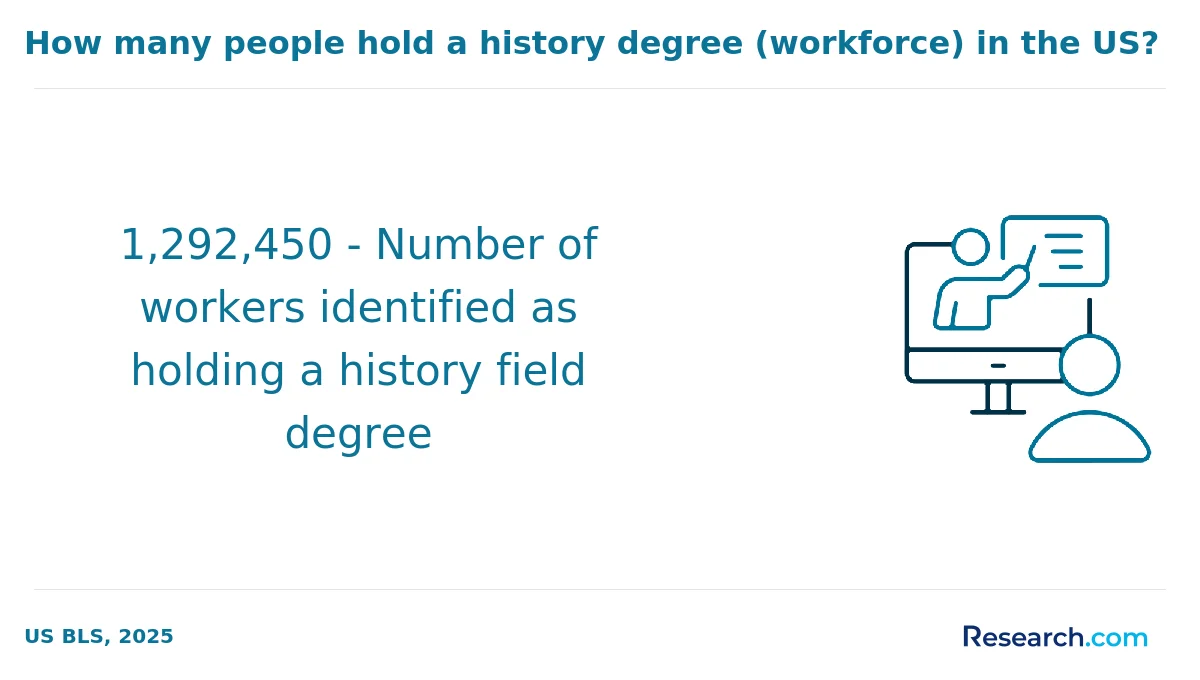
Students pursuing online history degrees in Missouri can access a variety of financial aid options designed to ease tuition costs. Many start by completing the FAFSA to qualify for federal aid like the Pell Grant, which can provide up to $7,395 annually for those with financial need. Graduates from universities such as the University of Missouri often highlight how this grant significantly lowered their educational expenses.
State-specific programs also make a difference. The Missouri Access Program (MAP) grant helps cover tuition for eligible students attending recognized institutions, including online learners. High achievers might benefit from the Missouri Bright Flight Scholarship, awarding up to $3,000, which offers encouragement to excel and helps pay tuition at schools like Missouri State University.
Institutional scholarships from these universities further support students, tailored by merit and need. For many, this combination made achieving their history degree feel manageable and rewarding. Veterans and active military members can tap into educational benefits, while some local employers offer tuition reimbursement, making it practical to balance work and study in Missouri's vibrant online history programs.
To enroll in an online history degree program in Missouri, you must first have a high school diploma or GED, which guarantees foundational skills for college-level study. For example, graduates from popular schools like the University of Missouri share how this basic step was crucial in preparing them to engage deeply with historical content.
Submit official transcripts showing your academic history, with many programs requiring a minimum GPA of about 2.5 to 3.0. This criterion helps admissions teams at colleges such as Missouri State University assess your readiness for challenging coursework.
While some programs may not require SAT or ACT scores anymore, competitive universities might still ask for them. It's best to check each school's admissions page to understand their current policies. Graduates often recall that keeping up with these requirements reduced stress during application.
Proof of Missouri residency or citizenship is typically needed, while international students must demonstrate English proficiency through exams like TOEFL. Additionally, reliable internet access and familiarity with online learning platforms are essential, as shared by students navigating distance education at Stephens College.
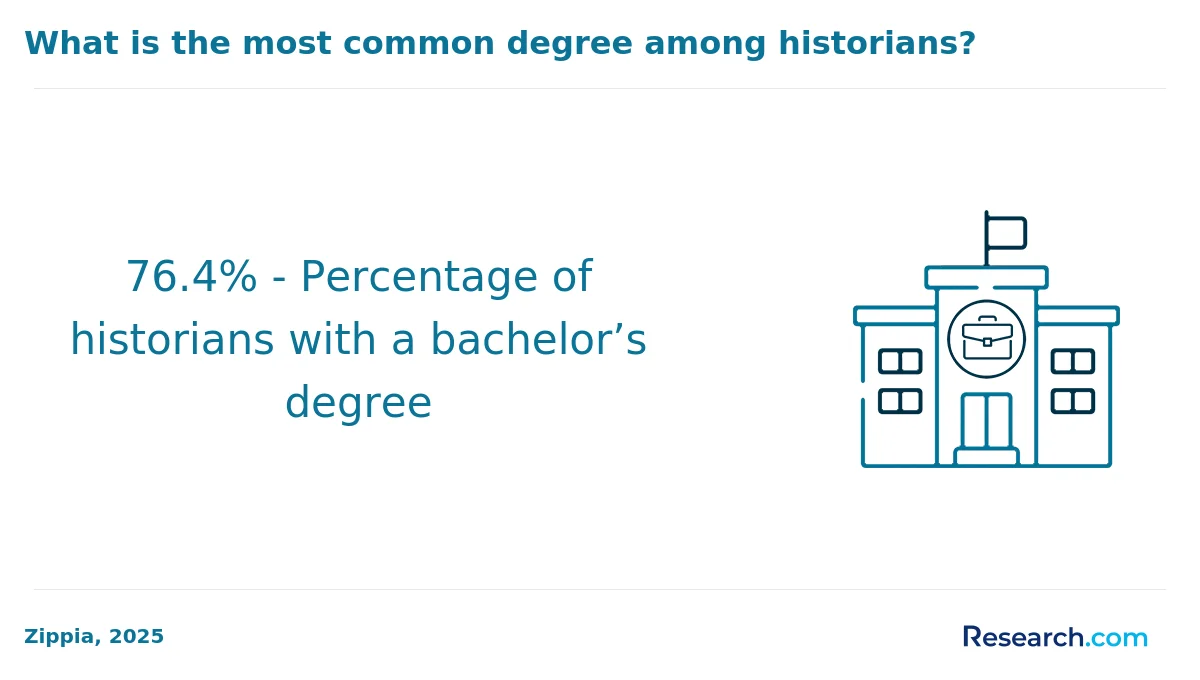
Online history degree programs in Missouri commonly include courses such as Introduction to Historical Methods and Research, U.S. History to 1877, and World Civilizations. Graduates from universities like the University of Missouri often share how courses on Missouri and Midwest history deepen their connection to the state's unique past, offering insights into its role as a border state during the Civil War and its position in westward expansion.
Many students find classes like Historical Writing and Analysis and Capstone Seminar in History particularly rewarding, as these develop critical skills in research and storytelling that are essential for careers in education, public history, or museum work. Electives on topics like women's history and African American history enrich the curriculum by allowing learners to explore diverse perspectives.
At institutions such as Missouri State University, students praise the flexibility of online courses combined with access to regional archives, making it easier to engage deeply with both broad and local history topics while balancing life commitments.
Online history degree specializations Missouri students choose often reflect the state's rich historical background and career aspirations. Graduates from popular universities report focusing on areas like American History, where they delve into Missouri's pivotal role in westward expansion and the Civil War, gaining perspectives that unlock local and national insights. Others engage deeply in European History, exploring eras from ancient times to the world wars, broadening their global understanding.
Students pursuing a history bachelor's concentration options Missouri value often select Public History for practical skills in museum studies and archival work, enhancing their employability in cultural institutions. Military History attracts learners interested in strategic conflicts tied to Missouri's legacy, while World History offers a comprehensive view of global events, appealing to those aiming for diverse career paths.
For practical guidance on degree pathways and requirements, students appreciate resources like history major degree requirements, which clarify course selection strategies. This tailored focus helps students feel confident and connected as they progress through their online history degrees in Missouri.
Choosing the best online history degree in Missouri means focusing on programs that combine strong accreditation and region-specific content. Graduates from popular schools like the University of Missouri often praise courses that integrate Missouri's unique Civil War and westward expansion history, making studies feel both relevant and engaging. Look for affordable online history bachelor's Missouri options that balance cost with quality, since tuition can vary widely, and smaller schools sometimes offer scholarships or flexible payment plans tailored to online learners.
Consider how the program fits your life-graduates often highlight the importance of flexible schedules, especially when balancing work or family. Faculty expertise matters too; experienced historians enrich online discussions with insights into research methods and primary source analysis. Career services and internships offered by universities in Missouri help students connect to local museums or archives, opening doors to practical experience. For more insight into career paths, explore history careers and salaries to understand outcomes after graduation.
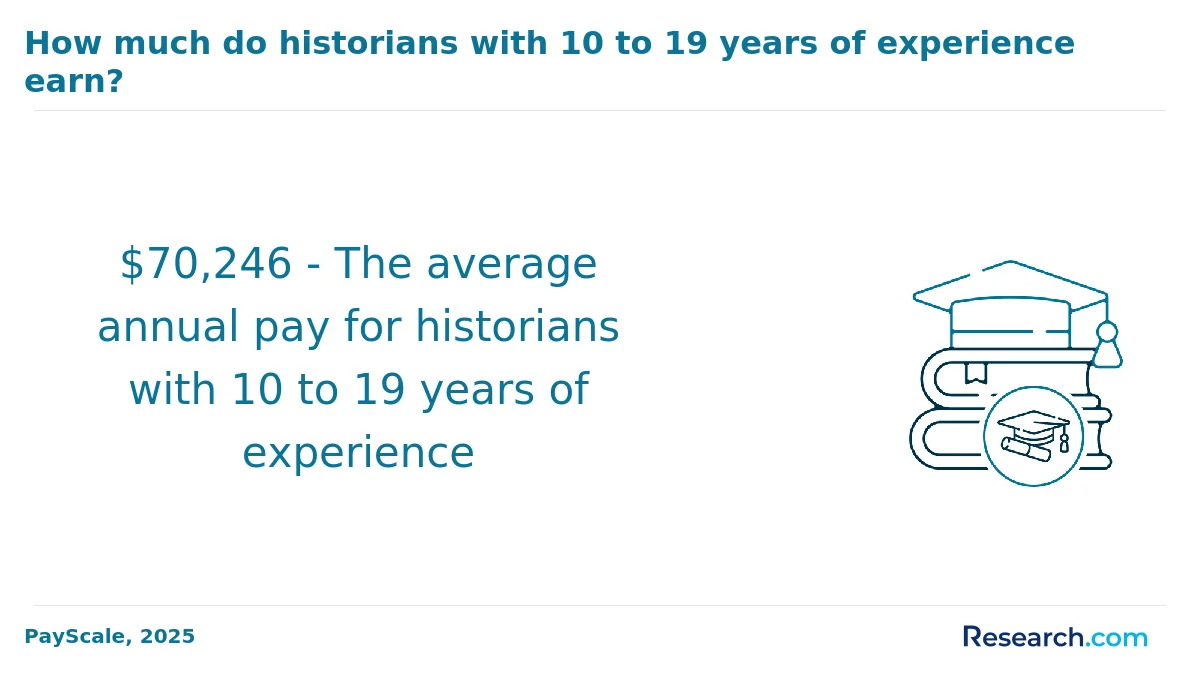
Graduates holding an online history degree in Missouri often find rewarding careers in education, public service, and cultural institutions. Many start by becoming certified teachers at middle or high schools across the state, sharing their passion for history while leveraging skills gained from programs at popular schools like the University of Missouri. These graduates report a strong sense of fulfillment in shaping young minds and contributing to community knowledge.
Others pursue opportunities in museums, archives, or historical societies such as the Missouri Historical Society, where they work as curators or preservation specialists. These roles require hands-on experience with artifacts and documents, providing a dynamic and engaging work environment. Many find this path emotionally satisfying, as it connects them directly to preserving local heritage.
Missouri's government agencies also value history graduates for roles in policy analysis and community outreach. Graduates often mention how their analytical and communication skills serve them well in these positions, where they influence public programs that benefit the state.
For those seeking versatility, careers in business, publishing, and law are realistic options. Strong critical thinking and writing abilities help graduates thrive in journalism or legal assistance. Interested students can explore program rankings to identify the best fit, such as by visiting online bachelor's history degree resources.
The job market for online history degree in Missouri offers promising opportunities, especially for graduates from well-known institutions like the University of Missouri or Missouri State University. Many find rewarding roles as educators or archivists, while others become research analysts or historical consultants leveraging skills gained through their programs. Career opportunities with online history degree Missouri often include high school teaching positions, which remain accessible with the right certification from the Missouri Department of Elementary and Secondary Education.
Graduates share positive experiences balancing flexible online coursework with real-world internships in cities such as St. Louis or Kansas City, where cultural institutions provide practical exposure. Salaries for social studies teachers and museum professionals are competitive in Missouri, supporting both early-career and advanced professionals. With a relatively low cost of living, the state is attractive for those seeking cost-effective education combined with strong job prospects. Students interested in expanding their career scope can explore careers with art history degree for related fields.
To maximize success in this growing field, cultivating strong research and communication skills is essential, along with pursuing relevant state licenses or certifications to increase employability in Missouri's diverse job market for online history degrees.
2027 Most Valuable Online Bachelor's in History Degree Programs Ranking in Missouri
Investing in your education is a significant decision that can shape your future, and the Research.com team understands the importance of making informed choices. To assist prospective students in Missouri, we have meticulously crafted the "2027 Most Valuable Online Bachelor's in History Degree Programs Ranking in Missouri." Our commitment to quality, credibility, and accuracy is reflected in the extensive research and analysis conducted to compile this ranking.
We utilized the following reputable data sources to ensure a comprehensive evaluation of history degree programs:
By exploring this ranking, readers will gain valuable insights into the highest-value online history programs in Missouri, empowering them to make well-informed decisions about their educational journeys. For more details on our methodology, please visit our Research.com methodology page.


Frequently Asked Questions About history
Students pursuing online history degrees in Missouri can enhance their learning by actively engaging with digital archives and local historical societies. Missouri's rich history, including landmarks like the Gateway Arch and Civil War sites, offers valuable primary sources that supplement coursework.
Leveraging Missouri university library systems with online access to academic journals strengthens research skills. Additionally, participating in virtual discussion groups or study forums can foster critical thinking and networking.
Time management is crucial; students should create consistent study schedules. Many Missouri institutions provide free tutoring and career services remotely, which can improve academic performance and professional readiness.
According to the Missouri Department of Higher Education, students who utilize multiple resources tend to achieve higher retention and graduation rates.
The field of history is expanding beyond traditional studies, with several emerging niches gaining traction in Missouri's academic and professional arenas. One growing area is public history, which focuses on making history accessible through museums, archives, and digital projects. Missouri hosts numerous opportunities in this sector, notably through institutions like the Missouri Historical Society. Another rising niche is environmental history, examining human interaction with Missouri's diverse landscapes and natural resources.
Digital history is also becoming prominent due to advances in technology, allowing historians to analyze and present data in innovative ways. As of 2023, several Missouri universities have integrated digital methods into their online history degrees. Lastly, social justice history, dealing with race, gender, and class issues, reflects a broader societal focus and offers meaningful career paths.
Preparing for the job market after earning an online history degree in Missouri involves targeted steps to enhance employability. Students should focus on developing critical skills such as research, writing, and data analysis, which are highly valued in fields like education, public history, and government.
Internships and volunteer opportunities at Missouri museums, archives, or historical societies can provide practical experience. The Missouri Historical Society and local libraries often offer such positions.
Networking is key; joining professional organizations like the Missouri Council for History Education can connect graduates with employers and mentors.
According to the U.S. Bureau of Labor Statistics, employment for historians is projected to grow by 6% nationally through 2032, emphasizing the need for practical experience combined with academic credentials.
Employers in Missouri consistently seek history degree graduates who demonstrate strong research and analytical skills. The ability to critically evaluate sources and interpret historical data is essential across many fields, including education, museums, and public policy. Communication skills, both written and verbal, are also highly valued, enabling graduates to present complex information clearly.
Additionally, proficiency in digital tools and archives is increasingly important, as many organizations require managing online databases or virtual exhibits. According to the Missouri Department of Higher Education, employers prioritize problem-solving abilities and attention to detail in history graduates. These skills prepare students to adapt in diverse roles ranging from historical preservation to legal research.
Finding internships in Missouri relevant to a history degree involves strategic research and networking. Many universities and local organizations offer internships connected to history, such as museums, historical societies, and archives. For instance, the Missouri Historical Society and the State Historical Society of Missouri provide internship opportunities that allow practical experience in preservation, curation, and research. Students should also explore online internship databases like Handshake and Internships.com, filtering for Missouri-based history roles.
Contacting university career centers can uncover exclusive partnerships with local institutions. Additionally, volunteering at historical sites can lead to internships through direct connections. Missouri's rich historical heritage offers diverse placements focused on Civil War studies, Native American history, and local cultural preservation. Engaging in professional associations, like the Missouri Archaeological Society, also supports finding internships aligned with academic goals.
Obtaining an online history degree in Missouri can significantly enhance career mobility and advancement opportunities. This degree equips students with critical thinking, research, and analytical skills valued in sectors like education, public administration, and cultural resource management. According to the Missouri Department of Higher Education & Workforce Development, history graduates often pursue roles in museums, archives, and government agencies where historical knowledge supports informed decision-making.
Additionally, an online format provides flexibility, enabling working professionals to upskill without relocating, which can further career growth. Employers in Missouri increasingly recognize accredited online degrees, broadening job prospects statewide.
Missouri's growing focus on preserving historical sites creates demand for qualified historians, an advantage for degree holders. The Bureau of Labor Statistics projects a steady 5% job growth for historians nationally through 2032, benefiting Missouri graduates seeking advancement.
Studying for a history degree in Missouri equips students with critical thinking and research skills valuable across multiple disciplines. Missouri universities often emphasize interdisciplinary approaches, integrating history with fields such as political science, sociology, and education. This broadens career options beyond traditional history roles.
Online programs in Missouri provide flexibility while maintaining academic rigor, enabling students to explore complementary subjects relevant to public policy, law, and cultural studies. According to the Missouri Department of Higher Education, students completing history degrees demonstrate strong analytical abilities sought by employers in diverse sectors like museum curation, archival work, and community planning.
Additionally, Missouri's growing focus on digital humanities offers history students technical skills, bridging history with technology and data analysis. This interdisciplinary training prepares graduates for innovative roles in research, education, and public service.
Choosing between a thesis and a non-thesis online history degree program in Missouri depends largely on your career goals and learning preferences. Thesis programs typically require original research and a detailed academic paper, which is ideal if you plan to pursue graduate studies or a research-based career. Non-thesis options focus more on coursework and practical skills, better suited for those aiming to enter teaching, public history, or business sectors.
In Missouri, online history degrees follow regional accreditation standards set by the Higher Learning Commission. According to the Missouri Department of Higher Education, about 30% of history bachelor's programs offer thesis options. Consider your time commitment and interest in research when choosing your path.
Students based in Missouri who pursue online history degrees have several opportunities to study history abroad through exchange programs and partnerships facilitated by Missouri universities. Institutions like the University of Missouri system often collaborate with overseas universities, allowing students to earn credits abroad while completing their Missouri degree online. These programs are designed to enrich students' understanding of global historical contexts.
While fully online history degrees limit physical travel, many schools offer virtual study abroad experiences, including digital archives, online lectures with international scholars, and joint research projects. The Missouri Department of Higher Education supports such initiatives to enhance global competency among students.
Financial aid and scholarships may be available specifically for study abroad components linked to history programs at Missouri institutions. According to the Institute of International Education, outgoing U.S. study abroad students increased by 2.3% in 2022, reflecting a gradual rebound in global academic exchange post-pandemic.
Students pursuing an online history degree in Missouri can benefit from various part-time jobs that complement their education. Museums and historical societies, such as the Missouri Historical Society, often hire part-time curators or archival assistants. These roles provide hands-on experience with historical artifacts and research methods.
Libraries, including those in universities like the University of Missouri, offer part-time work as research assistants or library aides, supporting access to historical documents and databases. Additionally, local government offices sometimes seek interns or part-time workers for roles involving records management and public history projects.
Such opportunities enhance practical skills and professional networks relevant to history graduates.
Online history students in Missouri benefit from a variety of networking opportunities designed to connect them with professionals, faculty, and peers. Many Missouri universities offering online history degrees facilitate virtual events such as webinars, guest lectures, and discussion forums. These platforms enable students to engage with historians, archivists, and museum professionals active in the state.
Additionally, Missouri's historical societies, including the Missouri Historical Society, often welcome student participation in conferences and volunteer programs. Such involvement helps build valuable contacts in academic and cultural institutions. Online students may also join state or national history organizations, like the Missouri Conference on History, which promotes research, teaching, and networking opportunities within the discipline.
Alumni networks offer significant advantages to online history degree students in Missouri by providing valuable professional connections and mentorship opportunities. Graduates who stay connected help current students access job leads and internships within the state's museums, archives, and educational institutions. According to the Missouri Department of Higher Education, a strong alumni network can increase employment chances by up to 20% in local history-related fields.
These networks also foster a sense of community despite the online learning format, allowing students to engage with professionals who understand Missouri's unique historical landscape. This engagement often leads to collaborative research and career development support.
Many online history degree programs in Missouri offer flexible options to customize your studies according to career goals. You can often select electives focusing on regional, American, or world history, allowing you to tailor content to fields like education, research, or public history. Some schools provide opportunities for internships or virtual practicums, critical for gaining practical experience.
Missouri's public universities may allow students to combine history with minors or certificates in related areas such as archival studies, museum management, or political science. This interdisciplinary approach broadens career options and enhances professional skills.
Advisors typically help map out a course plan aligned with career objectives, ensuring your degree supports your ambitions effectively.
Online history students in Missouri often face several common challenges. One key issue is balancing coursework with personal and professional responsibilities, as many online learners study part-time while working. According to the National Center for Education Statistics, adult learners make up over 40% of online students nationwide, reflecting this trend.
Another challenge is limited access to primary source materials specific to Missouri history, which can hinder deep research. While digital archives help, some local Missouri collections remain accessible only on campus or in person. Interaction with faculty and peers also tends to be less frequent online, which may affect collaborative learning and mentorship opportunities.
Additionally, time management and self-discipline are critical, as online programs require students to remain motivated without the structure of traditional classes. Missouri students must adapt to these demands to succeed in remote history studies.
With an online history degree in Missouri, graduates can pursue a variety of professional certifications that enhance career prospects. One popular option is the Certified Archivist credential from the Academy of Certified Archivists, valuable for those interested in managing historical records and archives.
Another certification is the Certified Museum Professional offered by the American Alliance of Museums, useful for roles in Missouri's numerous cultural institutions. Additionally, teaching certifications in Missouri for history educators require passing the Missouri Content Assessment in Social Studies.
For those focusing on research or analytics, the Geographic Information Systems Professional (GISP) certification may complement a history degree by providing technical skills useful in historic mapping.
When applying to an online history program in Missouri, start by carefully researching program requirements. Many universities require a strong academic record, especially in writing and social sciences. Highlight your passion for history through a well-crafted personal statement explaining why you want to study history and how the online format fits your needs.
Include relevant experiences such as volunteering or previous coursework to strengthen your application. Missouri institutions value clear communication, so ensure your essays are free of errors and clearly organized. Finally, obtain strong letters of recommendation, ideally from educators familiar with your academic abilities in history or related subjects.
Pursuing a history career offers diverse opportunities both in the United States and globally. In Missouri, history graduates often engage in education, public history, and archival work. According to the U.S. Bureau of Labor Statistics, employment for historians in the U.S. is projected to grow 6% from 2022 to 2032.
Globally, historical research helps societies understand cultural heritage and contextualize current events. Historians collaborate internationally through digital archives and shared projects, enhancing cross-cultural understanding. Missouri's access to online history degrees supports diverse career paths while connecting students to broader global dialogues.
Students can leverage Missouri's strong academic networks and resources, such as those at the University of Missouri, to build skills relevant worldwide.
Gaining practical experience while pursuing an online history degree in Missouri is achievable through several approaches. Many programs encourage internships with local museums, archives, and historical societies. Missouri's State Historical Society offers internship opportunities where students can handle primary documents and assist with research projects. Additionally, virtual internships are increasingly common, allowing students to work remotely with institutions nationwide.
Students can also engage in volunteer work at local historical sites, such as the Missouri History Museum. Participating in research projects led by faculty members is another valuable avenue. Combining academic study with hands-on experiences enhances understanding and employability in history-related fields.
Choosing the right concentration within an online history degree program in Missouri involves evaluating your personal interests and career goals. Missouri universities typically offer concentrations such as American history, world history, or public history. Researching each option helps you understand the coursework and potential job paths. Public history, for example, is popular in Missouri due to the state's rich cultural heritage and museum opportunities in cities like St. Louis and Kansas City.
Consider Missouri labor market data from the Bureau of Labor Statistics, which shows growing demand for historians in education, government, and cultural institutions. Also, review program curricula to ensure they align with skills employers seek, such as archival research or digital history methods.
Finally, consulting academic advisors and alumni networks can provide insight into how concentrations fit Missouri's unique historical context and job market.
- What Can You Do With a History Degree? https://willamette.edu/academics/college/history/career-options
- Undergraduate Student Opportunities https://warwick.ac.uk/fac/arts/history/students/studentopportunities/
- Top Niche Historical Topics for Deep-Dive High School Projects https://riseglobaleducation.com/blogs/top-niche-historical-topics-for-deep-dive-high-school-projects
- Undergraduate Certificate in History | Thomas Edison State University https://www.tesu.edu/degrees-programs/certificates/undergraduate-history.php
- The Challenges of Studying History in School | Education Research Project Topics and Materials https://educationtopics.com.ng/the-challenges-of-studying-history-in-school/60853/history-education/
- History majors should have a more global perspective - The Lamron https://www.thelamron.com/opinion/history-majors-should-have-a-more-global-perspective
- History - Accelerated B.A./M.A. https://programs.umkc.edu/graduate/school-of-humanities-and-social-sciences/ba-ma-history
- After the Degree: Finding work with a History degree https://www.graduate-jobs.com/news/13219/After_the_Degree__Finding_work_with_a_History_degree
- How to Network with Alumni | Student Guide to Alumni Networking 2026 https://digitalrecordboard.com/blog/how-to-network-with-alumni/
- How to Apply to Graduate School | Canadian Historical Association | Société historique du Canada https://cha-shc.ca/publications/employing-history-a-guide-to-graduate-school-and-navigating-the-job-market/how-to-apply-to-graduate-school/