2027 Most Valuable Online History Degree Programs Ranking in the Midwest

Co-Founder and Chief Data Scientist
Choosing the right online history degree program can feel overwhelming, especially with so many options available in the Midwest. This article introduces the 2027 Most Valuable Online History Degree Programs Ranking in the Midwest, created by the Research.com team of data scientists to guide you toward the best choices.
By exploring this ranking, you'll get clear insights into programs that offer strong value, helping you make an informed decision. Pursuing a history degree opens doors to understanding our world and creates meaningful career opportunities. Let's help you find the path that fits your goals and passions.
Key benefits of getting online history degree in the Midwest
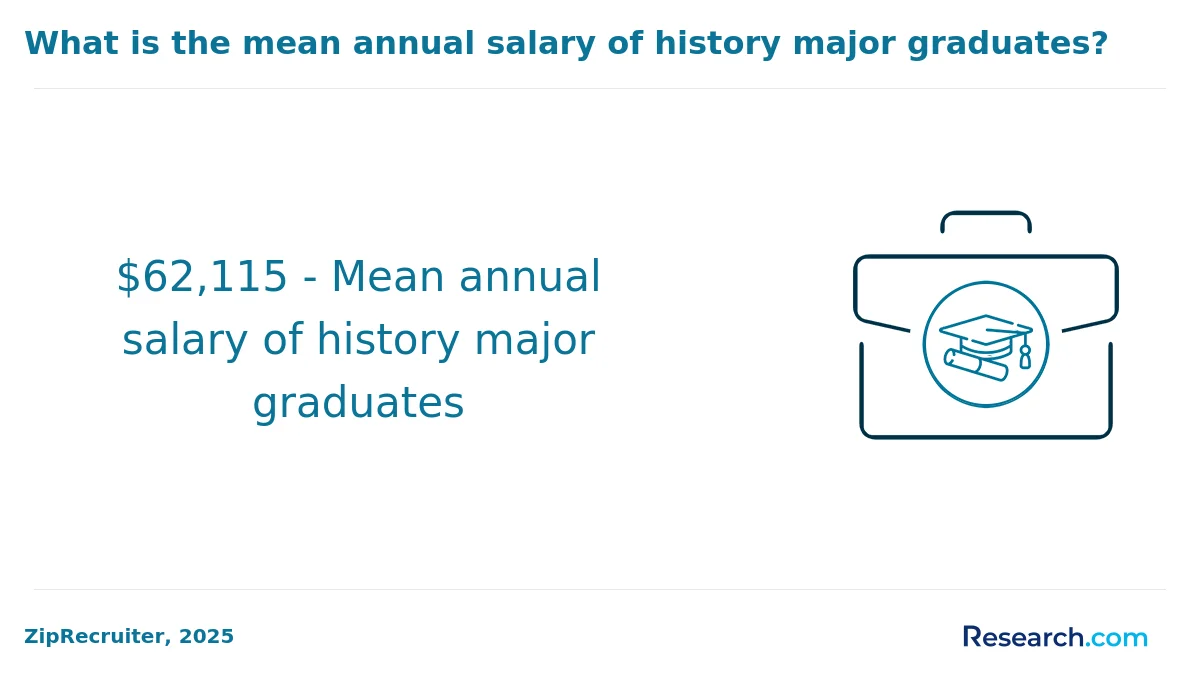
- History degree graduates often pursue careers such as museum curators or archivists, with median annual wages around $59,000 to $63,000 nationwide, offering a solid earning potential for the Midwest job market.
- Graduates from Midwest universities like the University of Michigan frequently find diverse career paths including education, public history, and research, showcasing exciting opportunities to apply their skills in meaningful ways.
- Completing a history degree online from institutions such as Indiana University allows for flexible scheduling and reduced commuting costs, making it easier to balance studies with work or family commitments.
- Key benefits of getting online history degree in the Midwest
- What can I expect from online history degree in the Midwest?
- Where can I work with online history degree in the Midwest?
- How much can I make with online history degree in the Midwest?
- 2027 Most Valuable Online History Degree Programs Ranking in the Midwest
- Key Findings
- How long does it take to complete online history degree in the Midwest?
- What's the difference between online and on-campus history degree?
- What is the average cost of online history degree in the Midwest?
- What financial aid is available to online history degree students in the Midwest?
- What are the prerequisites for enrolling in online history degree program in the Midwest?
- What courses are typically in online history degree programs in the Midwest?
- What types of specializations are available in online history degree programs in the Midwest?
- How do you choose the best online history degree in the Midwest?
- What career paths are available for online history degree students in the Midwest?
- What is the job market for online history degree in the Midwest?
- Top Trending History Rankings
What can I expect from online history degree in the Midwest?
The average cost of an online history degree in the Midwest usually hovers around a range that feels accessible yet reflective of the quality offered. Many students attending well-known schools like Ohio State University or the University of Illinois recall balancing budget considerations with the value of flexible, in-depth courses crafted by expert faculty. For instance, some graduates share their excitement about investing in digital access to regional archives and receiving personalized support, which made the expense feel worthwhile.
Tuition often amounts to roughly $10,000 to $20,000 for the entire undergraduate degree, depending on residency and specific institutional policies. This range can vary for part-time learners or those taking advantage of scholarships and employer tuition assistance programs. Students appreciate that these costs support resources tailored to their journey-like virtual internships at local museums or interactive research projects focused on Midwestern history, which bring learning to life beyond a textbook.
Where can I work with online history degree in the Midwest?
With an online history degree from popular Midwestern schools like the University of Illinois or Ohio State University, graduates embark on exciting career journeys across the region. Picture yourself teaching at a vibrant K-12 school or lecturing in a university classroom, shaping curious minds with stories of the past. Many graduates share how rewarding it feels to witness students connect with history in real time.
Others find themselves amid priceless artifacts, working in Illinois or Minnesota's renowned museums as curators or archivists. One graduate described the thrill of preserving documents that tell America's layered tales, blending a passion for history with hands-on discovery.
Then there are those exploring public history roles at local historic preservation offices, interpreting sites in Indiana or Missouri. The blend of conservation and storytelling here creates dynamic days filled with purpose and adventure.
Business sectors also beckon. Graduates often dive into corporate analytics or policy research, where historical insight shapes smart strategies and communications. And for creative souls, writing for Midwestern newspapers or magazines offers a platform to bring regional histories vividly to life.
How much can I make with online history degree in the Midwest?
Graduates from popular Midwest schools passionate about history often find rewarding salaries reflecting their adventurous career paths. While federal salary specifics remain elusive, regional trends offer a glimpse of opportunity. Imagine a graduate starting as a research assistant at a bustling museum in Ohio, earning between $40,000 and $50,000-a launchpad for exploring archives and historical narratives.
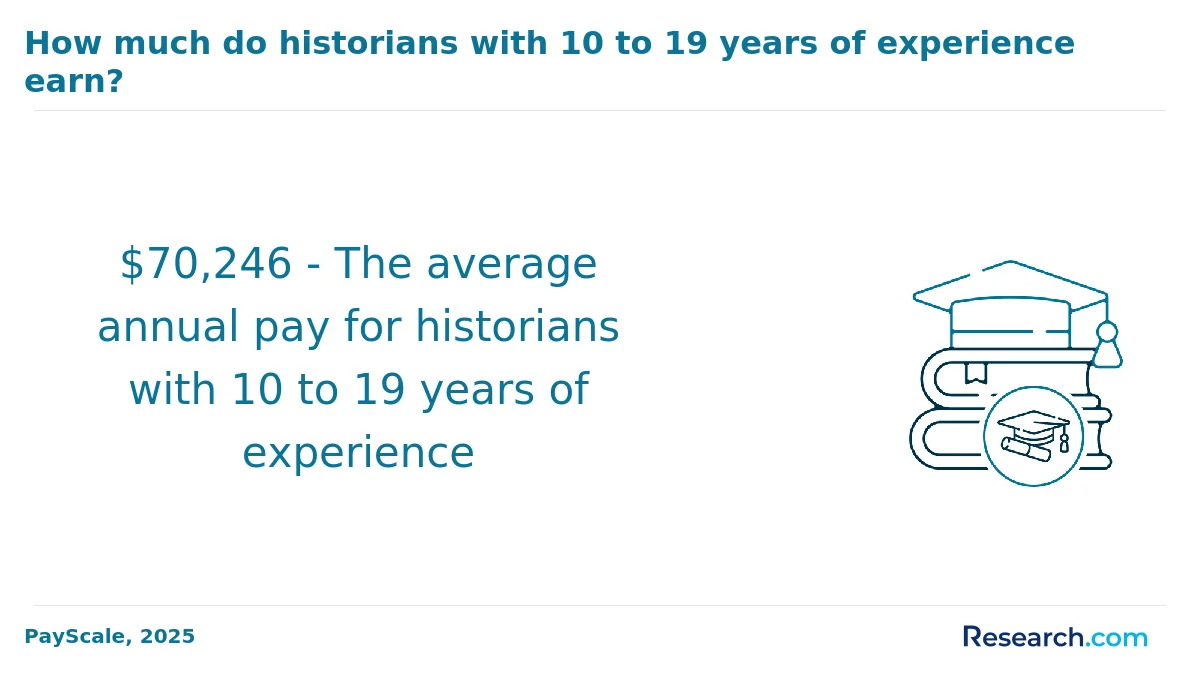
With experience gained around Chicago or Minneapolis, graduates frequently move into management roles or academia, where salaries rise to between $60,000 and $85,000 annually. One Midwestern graduate recalls their joy moving from entry-level to curator at a state historical site, where compensation matched both expertise and passion.
Others pursuing education report secondary school history teachers earning $45,000 to $65,000, while college instructors with advanced degrees reach up to $90,000. The Midwest's blend of urban hubs and charming towns fuels these opportunities, empowering graduates to craft unique careers that connect deeply with their love for history.
2027 Most Valuable Online History Degree Programs Ranking in the Midwest
How do we rank schools?
Investing in your education is a significant decision that can shape your future, and the Research.com team understands the importance of making informed choices. To assist prospective students interested in history, we have meticulously crafted the "2027 Most Valuable Online History Degree Programs Ranking in the Midwest." Our commitment to quality, credibility, and accuracy is reflected in the extensive research and analysis conducted to compile this ranking.
We utilized the following reputable data sources to ensure a comprehensive evaluation of history degree programs:
By exploring this ranking, readers will gain valuable insights into the most valuable online history programs in the Midwest, helping them make well-informed decisions about their educational paths. For more details on our methodology, please visit our Research.com methodology page.




Key Findings
- Online history degrees in the Midwest are offered by many public and private universities and may be fully online or hybrid.
- Tuition costs range from $8,000 to $15,000 per year at public universities for in-state students, while private schools charge $20,000 to $30,000 annually.
- Graduates earn an average entry-level salary of about $45,000, which can grow to $60,000-$70,000 within five to ten years.
- Job growth for history-related careers in the Midwest is expected to be around 5% through the late 2020s, matching national averages.
- Combining history skills with expertise in education, information management, or public policy can improve employment opportunities.
How long does it take to complete online history degree in the Midwest?
However, some trailblazers choose a more extended path-perhaps five or six years-balancing part-time study with life's demands, such as parenting or a full-time job. These students at places like Indiana University relish the flexibility of asynchronous courses, progressing when ready without the pressure of rigid deadlines.
For the adventurous graduate students enrolling in accelerated master's programs, the thrill often lies in completing their degree within just 12 to 18 months. Imagine diving deep into history with intense coursework at a fast pace, similar to what a Purdue online history student might embrace, embracing every challenge with eager curiosity.
What's the difference between online and on-campus history degree?
Imagine stepping onto the lively campus of a renowned Midwestern university-engaging in spirited debates about American history, wandering through a local museum for research, or sharing ideas face-to-face with passionate professors. That's the heart of an on-campus history degree, where direct interaction and access to rich campus resources create an immersive learning adventure.
Now, picture instead a graduate juggling work and family in a rural Midwest town, logging into an online history course whenever their schedule allows. This flexibility lets students from places like the University of Illinois or Ohio State explore European revolutions or world history without leaving home. Many find the freedom to set their own pace empowering, opening doors that a traditional classroom might close.
Graduates from both paths often emphasize the equal value of their regionally accredited degrees. Still, on-campus students delight in local networking and internships, while online learners treasure cost savings and convenience. For Midwestern history enthusiasts, both routes offer exciting ways to dive deep into the past.
What is the average cost of online history degree in the Midwest?
The average cost of an online history degree in the Midwest invites a fascinating look into the balance between quality education and affordability. Graduates from well-known institutions like the University of Michigan or Indiana University often recall the excitement of accessing rich online courses without leaving home, all for a median in-state total cost of about $25,456. This modest investment opens doors to engaging studies covering a vast array of historical eras, with many feeling the tuition reflects the value of expert faculty and extensive digital resources.
For students exploring Midwest online history degree tuition and fees, the challenge is often weighing the difference between in-state and out-of-state options. Out-of-state students might experience a higher median total cost near $43,440, reflecting additional expenses but often paired with flexible payment plans or scholarships easing the journey. Graduates mention a sense of accomplishment in navigating these costs while diving deep into history programs at institutions such as Ohio State University.
Beyond tuition, technology fees and course materials add to yearly expenses yet rarely dim the enthusiasm of those immersed in their studies. Many find that the investment pays off as they connect with vibrant online communities and cutting-edge learning tools. To explore more about pathways and costs, prospective students can discover history degrees that fit their goals and budgets, making the adventure of learning history in the Midwest a truly rewarding quest.
What financial aid is available to online history degree students in the Midwest?
Imagine unlocking the history of the Midwest while unlocking your financial aid opportunities too! Many online history students at schools like the University of Illinois or Ohio State University discover that the Free Application for Federal Student Aid (FAFSA) is their first treasure map, leading to Pell Grants of up to $7,395 that don't require repayment. Graduates often recall how these grants made their tuition feel within reach, transforming ambitious dreams into reality.
State programs such as the Michigan Competitive Scholarship offer exciting local gems for in-state learners. These scholarships feel like personalized rewards waiting for determined explorers willing to dive into application processes.
Students pursuing history at Midwestern liberal arts colleges reveal that institutional scholarships-tailored simply for history enthusiasts-were game-changers. Coupled with federal loans carrying friendly repayment terms, these forms of aid help turn a daunting tuition bill into a manageable journey.
Working students often find additional support through employer tuition reimbursement, a hidden advantage that many seize to keep their academic quest thriving while balancing job responsibilities.
What are the prerequisites for enrolling in online history degree program in the Midwest?
To embark on the adventure of an online history degree in the Midwest, most programs ask for a high school diploma or GED as your ticket to start the journey. Imagine graduates from well-known Midwestern universities recalling how submitting their transcripts opened doors to fascinating courses rooted in the region's rich history. Many schools used to require SAT or ACT scores, but with more embracing test-optional policies for 2027, like those popular at colleges across Illinois or Ohio, the path feels less daunting and more welcoming.
Beyond academics, sharing your passion through letters of recommendation or personal statements can make a big difference-just like some graduates describe how these insights helped them stand out amid passionate peers. Technical readiness is equally vital; dependable internet and savvy with digital tools bring history alive through engaging lectures and lively forums.
If you're transferring credits, having transcripts showing prior college coursework can speed your progress-something many Midwestern students have found handy when moving from community colleges to universities known for strong history programs. Financially, students often explore scholarships or aid to manage costs averaging around $25,000 in public institutions, helping keep the dream of studying history within reach.
What courses are typically in online history degree programs in the Midwest?
World History classes open doors to ancient civilizations and modern global conflicts, expanding horizons beyond the Midwest. Imagine analyzing documents in a Historiography course, learning to think like a true historian by evaluating primary sources and weaving narratives that resonate. This hands-on approach is a common thread at many Midwestern institutions.
Regional History courses offer a unique chance to explore the Midwest's own rich story, from prairie settlements to industrial revolutions, making the study feel personal and relevant. Electives in Military or Economic History add even more color, perfect for students eager to tailor their adventure through time.
What types of specializations are available in online history degree programs in the Midwest?
Diving into online history degree specializations Midwest programs often offer feels like stepping into a vivid time machine. You might explore American History, where graduates recall thrilling deep-dives into Midwest legends-from Native American tribes to the industrial booms of Chicago and Detroit. Others find excitement unraveling World History's expansive narratives, tracing civilizations across continents and centuries, igniting a sense of global connection.
Many students are drawn to Historical Preservation and Public History, passionately learning how to protect cherished landmarks and archives that define local heritage. Imagine delving into military campaigns with Military History, immersing in tales of 19th and 20th-century conflicts centered right in the region. Economic and Social History also captivates those curious about the forces that shaped Midwest labor movements and migration stories.
Midwest online history degree concentration options come alive at institutions like the University of Illinois at Springfield and Ohio State University, where students engage with African American history and urban transformations firsthand. For a glimpse into future prospects, graduates often explore history degree job opportunities fueled by these rich, specialized paths.
How do you choose the best online history degree in the Midwest?
Choosing the best online history degree programs Midwest means diving into schools that offer not just knowledge but adventure in learning. Graduates from the University of Illinois Springfield often share stories of how flexible, asynchronous courses allowed them to balance demanding jobs while exploring American and European history in depth. Meanwhile, peers at the University of Nebraska at Omaha praise specialized tracks and strong research components that sharpened their critical thinking and prepared them for real-world challenges.
Affordability comes alive when you compare tuition costs, especially with many Midwestern universities offering competitive in-state rates and scholarships tailored to online learners. Many students find joy in uncovering financial aid options that make pursuing history degrees without breaking the bank totally possible.
Strong support networks, from digital libraries to personalized academic advising, transform courses into a welcoming journey. And for those wondering about career paths, programs often connect students with internships and networking opportunities, fostering growth beyond the classroom and opening doors to exciting jobs for history masters degree holders in museums, education, and archival work.
What career paths are available for online history degree students in the Midwest?
Graduates exploring online history degree careers Midwest quickly discover a rich variety of paths fueled by curiosity and a passion for stories beneath the surface of everyday life. Many find themselves drawn to education, obtaining licensure to teach K-12 history in states like Illinois or Ohio, where student teachers cherish the chance to bring local history into vibrant classroom discussions. Others embrace the call of the archives and museums, often at universities like Indiana University-Purdue University Indianapolis, where immersive internships connect them to real historical artifacts from the region, sparking a deep personal connection to the Midwest's past.
Online history graduates also thrive as researchers or consultants, advising law firms and media outlets that need expert insight into regional events. The joy of uncovering hidden narratives and shaping how communities remember their heritage shines in public history roles with nonprofits and local governments. For those drawn to preserving history amid progress, cultural resource management offers hands-on challenges during construction projects. For students eager to embark on this journey, affordable online history degrees in the Midwest provide a gateway to exciting opportunities.
What is the job market for online history degree in the Midwest?
The job market for graduates with an online history degree in the Midwest is an exciting landscape full of diverse opportunities. Graduates from popular history programs at universities like the University of Michigan or Ohio State often share stories of landing roles in vibrant cities such as Chicago or Detroit, where museums and cultural institutions seek individuals with a passion for uncovering the past. These roles span education, public history, law, and government, creating a rich tapestry of career paths fueled by strong analytical and research skills.
Experience from Midwest colleges shows that earning an online history degree can be a springboard into teaching positions in local schools or engaging work in historical preservation societies scattered throughout Illinois and Wisconsin. This dynamic environment perfectly illustrates the online history degree job outlook Midwest students can expect, blending traditional roles with modern, adaptive career paths.
For those eager to explore further opportunities, many graduates find tremendous value in programs that connect them to internships and regional networks. Exploring options through an online history degree masters can enhance your marketability and open doors to rewarding jobs throughout the Midwest.
Frequently Asked Questions About history
Online history degree students in the Midwest can enhance their learning by engaging deeply with digital archives and regional historical societies. Many universities partner with institutions like the Midwest Archives Conference, offering access to primary source materials vital for research. According to the American Historical Association, students who incorporate local archives into their studies gain a richer understanding of historical contexts.
Active participation in virtual seminars and discussion boards helps reinforce critical thinking and connect with peers and faculty. Additionally, applying theories to Midwest-specific topics such as the development of the Great Lakes region can sharpen analytical skills relevant to local and national history.
Emerging niches within the history field reflect growing interests in interdisciplinary studies and technology. In the Midwest, digital history is gaining momentum, combining traditional historical research with digital tools such as GIS mapping and data visualization. This approach helps analyze regional development and migration patterns effectively.
Public history is another expanding area, focusing on community engagement and preserving local heritage, which Midwestern universities often emphasize due to the region's rich cultural diversity. Additionally, environmental history is rising in importance, exploring the relationship between humans and nature within the Midwest's unique ecosystems.
According to the American Historical Association, these niches are shaping future career paths for history graduates, offering opportunities in museums, archives, and urban planning across the region.
Graduates with online history degrees in the Midwest can strengthen their job prospects by gaining relevant experience during their studies. Internships at local museums, archives, or historical societies provide practical skills and professional networking opportunities. According to the National Park Service, the Midwest has over 1,300 historical sites, presenting diverse internship possibilities.
Additionally, acquiring skills in digital archiving and data analysis enhances employability, as employers increasingly value technological proficiency. Joining professional organizations such as the Ohio Academy of History can connect graduates with regional job markets and resources.
Research suggests that combining academic credentials with hands-on experience correlates with a 15% increase in employment rates for history graduates in the region (Midwest Historical Association, 2023).
Employers in the Midwest value history degree graduates for strong research and analytical skills. According to the American Historical Association, 78% of employers prioritize critical thinking and the ability to assess evidence effectively. Graduates often work in education, museums, and public history, where writing and communication skills are essential. The National Association of Colleges and Employers (NACE) highlights that clear, persuasive writing and oral presentation skills improve job prospects significantly.
Midwestern employers also expect graduates to demonstrate proficiency in digital literacy, including digital archives and databases, a skill increasingly important in historical research. Understanding regional history and cultural contexts enhances employability in this area.
Finding internships in the Midwest relevant to a history degree involves leveraging local cultural institutions, historical societies, and government archives. States like Illinois, Ohio, and Michigan host numerous museums and heritage centers offering valuable internship opportunities. For example, the Illinois State Museum provides hands-on experience with artifact preservation and research.
Many Midwestern universities maintain partnerships with local organizations to place history students in internships. Online students should utilize their school's career services and alumni networks, which often include contacts in regional history fields.
The National Council on Public History reports growing demand for interns skilled in digital archiving and public history, especially in Midwestern cities with rich historical archives like Chicago and Columbus.
Online history degrees in the Midwest offer substantial career mobility and advancement opportunities, especially in education, public history, and cultural sectors. The U.S. Bureau of Labor Statistics projects a 5% growth in historian positions through 2032, with states like Illinois and Ohio showing strong demand. Many employers recognize online degrees from regionally accredited Midwestern universities, increasing graduates' competitiveness.
Furthermore, alumni networks and flexible learning schedules help professionals balance work while expanding skills. According to the National Center for Education Statistics, Midwestern online history graduates often pursue roles in museums, government, or education, where advanced credentials lead to promotions and higher salaries. This degree serves as a valuable asset for those seeking to diversify or elevate their careers in the region.
Studying for an online history degree in the Midwest offers students a strong foundation for interdisciplinary roles by emphasizing critical thinking, research, and analytical skills. Universities often incorporate courses that blend history with fields like political science, sociology, and economics, reflecting the region's diverse economic and cultural heritage.
Midwestern institutions frequently collaborate with local museums, archives, and community organizations, providing practical experience that complements academic learning. According to the American Historical Association, history graduates develop communication and problem-solving skills sought after in multiple fields.
The University of Illinois and Michigan State, for instance, offer interdisciplinary seminars linking history with public policy and education. This approach equips graduates to work in education, law, public administration, and cultural resource management.
Choosing between a thesis and a non-thesis online history degree program in the Midwest largely depends on your academic and career goals. A thesis option typically requires conducting original research and writing a substantial paper, which suits students planning to pursue doctoral studies or careers in research.
Non-thesis programs generally involve more coursework and offer flexibility for professionals seeking advancement without committing to intensive research. According to the National Center for Education Statistics, Midwest institutions like the University of Illinois and Indiana University offer both options, reflecting regional demand.
Consider your learning style, time availability, and future plans when making this choice.
Students in the Midwest seeking to study history abroad have growing opportunities through university partnerships and exchange programs. Many Midwestern online history degree programs collaborate with European and Asian institutions, allowing students to earn credits overseas while remaining enrolled at their home school. According to the Institute of International Education, Midwestern universities reported a 12% increase in study-abroad participation from history majors in 2022.
Additionally, some public universities in the Midwest offer faculty-led summer programs focusing on historical sites in countries like Italy and Germany, which enrich students' understanding of global history. Financial aid and scholarships are often available specifically for these experiences.
Virtual international collaborations and internships tied to history departments provide alternative global exposure without travel, addressing concerns about time and cost.
Part-time job opportunities that align well with online history degrees in the Midwest include roles in museums, archives, and libraries. Many institutions seek assistants to help with cataloging collections, conducting research, and guiding educational tours. According to the American Alliance of Museums, Midwestern museums reported a steady increase in part-time openings related to education and curation between 2021 and 2023.
Additionally, local government offices offer internships and part-time roles in historical preservation and public records management, providing practical experience with primary documents. Nonprofits focused on cultural heritage also hire history students for grant writing and event coordination. These roles strengthen research and analytical skills vital to history graduates.
Job portals like the Midwest Historical Association's listings show that such opportunities can earn students $12 to $18 per hour, depending on the location and employer. Gaining work experience while studying helps students build professional networks and enhances future employment prospects in the history field.
Online history students in the Midwest have access to a variety of networking opportunities despite studying remotely. Many regional universities offer virtual events, webinars, and discussion groups tailored specifically for history students, helping them connect with peers and faculty. Additionally, Midwestern historical associations, such as the Ohio Academy of History and the Illinois Historical Society, frequently host conferences and online meetings open to students.
Internships and collaborative research projects with local museums and archives often provide hands-on experience and valuable professional contacts. According to the Midwest Historical Association, nearly 65% of history graduates from the region engage in networking through such channels during their studies.
Alumni networks play a crucial role in supporting online history degree students in the Midwest. These networks offer valuable connections to professionals working in education, museums, archives, and other history-related fields. According to the National Association of Colleges and Employers, 85% of jobs are filled through networking, highlighting the importance of these relationships.
Midwestern alumni often provide mentorship, career advice, and job leads to current students. For example, the University of Illinois' history alumni program has facilitated dozens of internships in local historical societies annually. Such networks can help students access regional opportunities tailored to the Midwest's rich historical landscape.
Additionally, alumni groups frequently organize events and online forums where students can engage, discuss research, and stay updated on industry trends, all critical for career advancement in history.
Customizing an online history degree program in the Midwest allows students to align their studies with specific career goals. Many universities offer concentration options such as public history, archival studies, or regional history, which can prepare students for roles in museums, libraries, or government agencies.
Midwestern institutions frequently provide electives focusing on local history, including topics like the Midwest's industrial development or Native American heritage, enabling students to gain relevant expertise.
Additionally, some programs offer internships or capstone projects that provide practical experience and networking opportunities within the region's historical societies or cultural institutions.
Students should review program curricula and career services to find customizable pathways that best support their professional ambitions.
Online history students in the Midwest often face unique challenges related to access and engagement. Many rural areas still struggle with reliable high-speed internet, which is crucial for participating in online lectures and submitting assignments on time. According to the Federal Communications Commission, about 22% of rural Americans lack broadband access compared to 1.5% of urban residents, impacting students in states like Iowa and Nebraska.
Another challenge is limited hands-on experience with primary historical sources, which are often housed in physical archives located far from students' homes. This can hinder deep research opportunities essential for history majors.
Furthermore, students sometimes report difficulty in connecting with peers and instructors, reducing opportunities for collaborative learning. This social isolation may affect motivation and academic performance as highlighted in recent studies by the American Historical Association.
With an online history degree, Midwest students can pursue several professional certifications that enhance career prospects. One prominent option is the Certified Archivist credential, administered by the Academy of Certified Archivists, which recognizes expertise in managing historical records. This certification is valuable for alumni seeking positions in museums or state archives, common employers in states like Illinois and Ohio.
History graduates can also explore certifications in teaching, especially if aiming to become licensed K-12 social studies educators, where state-specific certification applies. Additionally, certifications like the Museum Studies Certificate or Digital Curation credentials may be pursued through Midwestern institutions or online programs, reflecting growing regional investments in cultural preservation industries.
When applying to an online history program in the Midwest, start by thoroughly researching the specific program's admission requirements and faculty expertise. Programs often value applicants who demonstrate a clear passion for history, especially regional or American history relevant to the Midwest.
Craft a strong personal statement that highlights your academic background, relevant experiences, and your career goals. Emphasize skills like critical thinking and research abilities, which are crucial for success in history studies.
If available, provide examples of past academic work or research projects. This helps showcase your preparedness for rigorous coursework.
According to the National Center for Education Statistics, many Midwestern institutions prioritize applicants with a GPA of 3.0 or higher for online programs, so maintaining solid undergraduate performance is beneficial.
History careers hold a distinct place globally, with demand shaped by cultural, educational, and economic factors. In the US, including the Midwest, history degrees offer versatile skills applicable in education, research, museums, and public policy. According to the Bureau of Labor Statistics, historian jobs are projected to grow 6% from 2021 to 2031, reflecting steady interest.
Globally, historians focus on diverse specialties, but US-trained graduates often emphasize analytical and communication skills, enhancing their competitiveness. Midwest universities have aligned their online history programs to reflect global trends while meeting regional needs, offering students broader perspectives.
The American Historical Association notes that collaboration with international institutions boosts career opportunities for history graduates. This trend benefits Midwest learners by expanding access to global research networks and archives.
Gaining practical experience while studying for an online history degree in the Midwest is essential to complement academic knowledge. Many programs encourage internships at local museums, archives, or historical societies, which are abundant in this region. For example, the Minnesota Historical Society and Illinois State Archives often offer placements that allow students to work directly with primary sources and preservation efforts.
Additionally, engaging in virtual research projects or collaborating with faculty on ongoing studies provides valuable hands-on experience. According to the National Center for Education Statistics, Midwest institutions report that nearly 60% of history students participate in some form of experiential learning before graduation.
Volunteering for community history projects or digitization initiatives can also build skills important for future historians or educators in the field.
Choosing the right concentration within an online history degree program in the Midwest begins with understanding your personal interests and career goals. Common concentrations include American history, world history, public history, and archival studies. Midwest universities often emphasize regional history due to the area's rich cultural heritage and economic development, making concentrations in Midwestern or Native American history popular options.
The U.S. Bureau of Labor Statistics notes a 5% projected growth for historians through 2031, impacting demand for specialized knowledge. Look for programs accredited by the Higher Learning Commission, a key accreditor in the region. Also, consider if the program offers internships or partnerships with regional museums or archives, which can enhance practical experience.
Review faculty expertise and course offerings to ensure alignment with your interests. Programs sometimes incorporate digital history tools, reflecting increasing demand for technological skills in research and preservation.
Top Trending History Rankings
References
- What Can You Do With a History Degree? https://willamette.edu/academics/college/history/career-options
- Bachelor of Arts in History https://www.wiu.edu/cas/history/undergraduate_history.php
- Online Degree vs. Traditional | University of Arkansas Grantham https://www.uagrantham.edu/blog/pros-cons-online-degree-vs-traditional-university/
- Top Niche Historical Topics for Deep-Dive High School Projects https://riseglobaleducation.com/blogs/top-niche-historical-topics-for-deep-dive-high-school-projects
- THE list of internships for history majors https://employedhistorian.com/history-major/internships-for-history-majors/
- Niche History Picks from EPOCH https://www.epoch-magazine.com/post/niche-history-picks-from-epoch
- How to Apply to Graduate School | Canadian Historical Association | Société historique du Canada https://cha-shc.ca/publications/employing-history-a-guide-to-graduate-school-and-navigating-the-job-market/how-to-apply-to-graduate-school/
- Study History Abroad | Go Overseas https://www.gooverseas.com/study-abroad/history
- Financial Aid and Scholarships for Non-Traditional Students - Midwest Technical Institute https://www.midwesttech.edu/resources/careers/financial-aid-and-scholarships-for-non-traditional-students/
- 2025 Most Affordable Online History Degrees https://www.onlineu.com/most-affordable-colleges/history-degrees