2027 Best Online Master's in History Degree Programs Ranking in the Northeast

Co-Founder and Chief Data Scientist
Choosing the right online master's program in history can feel overwhelming, especially with so many options in the Northeast. This article introduces the 2027 Best Online Master's in History Degree Programs Ranking in the Northeast, developed by the Research.com team of data scientists.
It's designed to help you find programs that truly fit your goals and lifestyle. Earning a history degree opens doors to exciting careers and personal growth. Reading this guide will empower you with trusted insights to make a confident, informed decision about your future.
Key benefits of getting online history degree in the Northeast
- History degree graduates in the Northeast often pursue careers in education, research, or public service, with general salary figures for related jobs ranging between $45,000 and $65,000 annually.
- Graduates from popular Northeast universities find versatile career paths in museums, archives, or government roles, offering rich opportunities to engage with history in meaningful ways.
- Online history degrees provide flexible learning schedules and access to diverse resources, making it easier for students balancing work or personal commitments to succeed without compromising quality.
- Key benefits of getting online history degree in the Northeast
- What can I expect from online history degree in the Northeast?
- Where can I work with online history degree in the Northeast?
- How much can I make with online history degree in the Northeast?
- 2027 Best Online Master's in History Degree Programs Ranking in the Northeast
- Key Findings
- How long does it take to complete online history degree in the Northeast?
- What's the difference between online and on-campus history degree?
- What is the average cost of online history degree in the Northeast?
- What financial aid is available to online history degree students in the Northeast?
- What are the prerequisites for enrolling in online history degree program in the Northeast?
- What courses are typically in online history degree programs in the Northeast?
- What types of specializations are available in online history degree programs in the Northeast?
- How do you choose the best online history degree in the Northeast?
- What career paths are available for online history degree students in the Northeast?
- What is the job market for online history degree in the Northeast?
- Top Trending History Rankings
What can I expect from online history degree in the Northeast?
If you're diving into an online history degree in the Northeast, expect to invest between $15,000 and $30,000 for the entire master's journey. This range feels like a gateway fee to a vibrant digital archive nestled in the rich historical tapestry of places like Boston or Philadelphia. Graduates from prominent Northeast institutions often reflect on their tuition as an investment that unlocked access to exclusive virtual collections-imagine poring over colonial manuscripts or Civil Rights-era documents from your own living room.
Think of it as the cost of not only absorbing history but actively engaging with it through flexible online formats that accommodate busy professionals and night owls alike. Many students marvel at how tuition assistance or financial aid eases this investment, turning daunting numbers into manageable steps toward careers in public history or curation. The blend of affordability with hands-on digital archives makes studying history online in the Northeast neither a luxury nor a burden, but a purposeful journey wrapped in opportunity.
Where can I work with online history degree in the Northeast?
Graduates clutching an online history degree from vibrant institutions like Boston University or Syracuse University find themselves woven into the rich tapestry of the Northeast's cultural heartbeat. Picture stepping into the hallowed halls of the Museum of Fine Arts in Boston, where you-armed with historical insight-curate stories that captivate millions. Others thrive as educators in bustling New York or peaceful New Jersey classrooms, shaping young minds with tales of the past, even while teaching remotely.
Some alumni journey into governmental corridors, safeguarding Pennsylvania's historic landmarks or archiving New York City's vast public records, their work echoing through time. Imagine collaborating with nonprofit think tanks in Philadelphia, where your historical research molds policy and public memory. The Northeast isn't just a location-it's a living classroom, offering graduates pathways into museums, academia, preservation, and consulting, all energized by a shared passion for history's untold narratives.
How much can I make with online history degree in the Northeast?
With an online history degree from a Northeast university, graduates often find themselves navigating a salary spectrum as varied as the region's storied landscapes. Imagine a freshly minted graduate from a Boston-area college stepping into a state government role, confidently earning between $50,000 and $60,000. That's a solid start, especially when the urban energy of cities like New York nudges salaries toward the $90,000 mark for government-employed historians.
Picture another graduate, fueled by late nights in virtual lecture halls from a respected Providence institution, advancing into senior research or management roles where six figures become a real possibility. Even secondary school educators in states like Massachusetts or New Jersey, who once wondered if their passion for history could pay the bills, earn around $70,000 on average-a sum that reflects both dedication and community impact.
Meanwhile, those drawn to the tranquil halls of private museums across the Northeast find stable, if modest, incomes ranging from $40,000 to $65,000. The online history degree isn't just a ticket to a job; it's a passport to meaningful careers infused with regional culture and rich opportunity, lighting the way to financial and personal fulfillment.
2027 Best Online Master's in History Degree Programs Ranking in the Northeast
How do we rank schools?
Investing in your education is a significant decision that can shape your future, and the Research.com team understands the importance of making informed choices. To assist prospective students in the Northeast, we have meticulously crafted the "2027 Best Online Master's in History Degree Programs Ranking in the Northeast." Our commitment to quality, credibility, and accuracy is reflected in the extensive research and analysis conducted to compile this ranking.
We utilized the following reputable data sources to ensure a comprehensive evaluation of history programs:
By exploring this ranking, readers will gain valuable insights into the top online history master's programs in the Northeast, enabling them to make well-informed decisions about their educational journeys. For more details on our methodology, please visit our Research.com methodology page.


Key Findings
- Tuition for online history degrees in the Northeast ranges from $15,000 to $30,000 per year, varying by public or private institution.
- Entry-level salaries for history graduates start around $45,000 annually, with mid-career earnings between $65,000 and $75,000.
- The region offers strong job opportunities in museums, research, preservation, and academic roles, especially in states like Massachusetts, New York, and Pennsylvania.
- Regionally accredited programs in the Northeast provide quality education and focus on American history relevant to the area.
- Online programs provide flexibility, allowing students to balance studies with work or family commitments while accessing remote resources and faculty support.
How long does it take to complete online history degree in the Northeast?
Envision starting your journey toward a history degree at a Northeastern university-say, the University of Massachusetts or Northeastern University-where time bends to your rhythm. For undergraduates, most march through in four years if they dive full-time, syncing with the traditional campus pace, but many juggle jobs and family, stretching that timeline to six years and savoring each epoch of learning.
Graduate students often embark on a swifter path, wrapping up a master's in history between one and three years. Imagine a driven graduate who opts for an accelerated track, knocking out 30 to 36 credit hours within 12 months, propelled by flexible schedules designed to mesh perfectly with a working professional's life.
These programs respect your tempo-credit loads shift like the seasons, transfer credits trim your journey, and rolling enrollment means you're never stuck waiting for the next chapter. It's a timeline shaped not by rigid semesters but by your own unfolding story.
What's the difference between online and on-campus history degree?
Imagine peeling through a digital archive late at night while your kids sleep upstairs-that's the rhythm for many online history students in the Northeast. Universities like the University of Massachusetts tailor their fully online master's programs to fit the hustle of life, letting you dive into research without leaving your favorite chair. In contrast, on-campus life at places like Boston University feels like stepping into a vibrant history lab, surrounded by centuries-old manuscripts, impassioned debates echoing through seminar rooms, and instant feedback from professors pacing beside you.
The thrill of flipping through Columbia University's vast physical archives can't be replicated online, but online learners save untold hours and dollars skipping the daily commute and campus fees. A Rutgers online grad often recalls juggling asynchronous classes between shifts, savoring the freedom to learn at dawn or dusk, while their peers on campus attend fixed, lively discussions that spark spontaneous friendships over coffee.
Both paths carry the pulse of history, just beat to different drums-whether it's the quiet hum of a home office or the bustling halls of a Northeast university.
What is the average cost of online history degree in the Northeast?
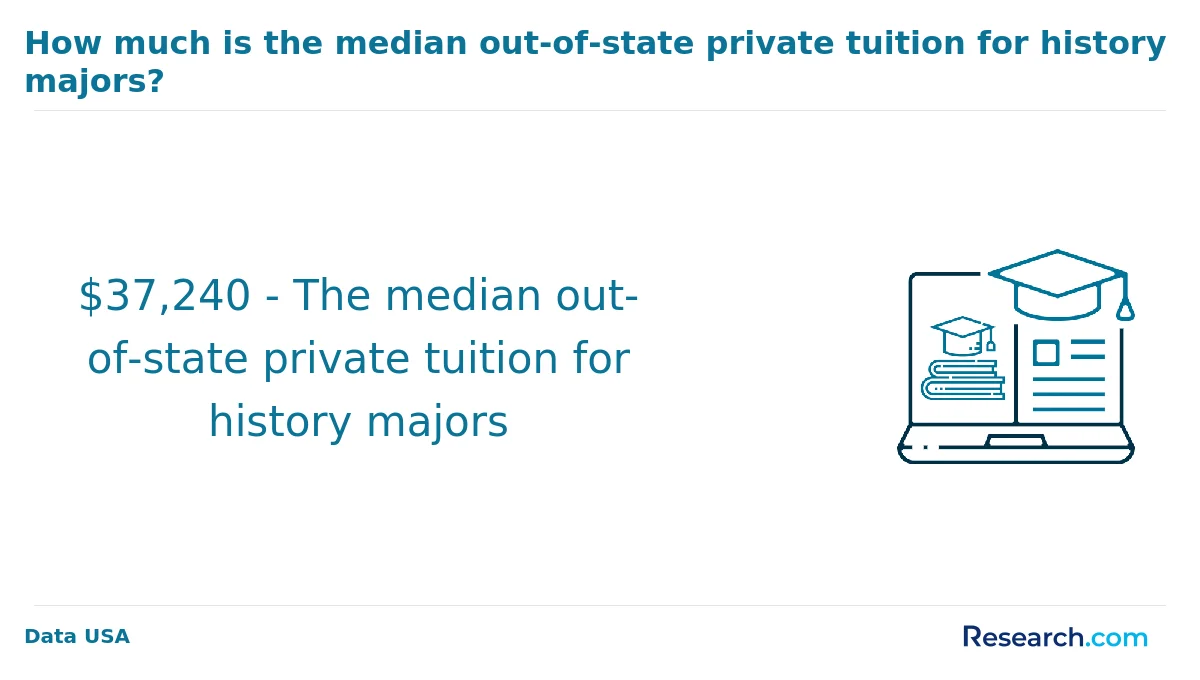
The average cost of an online history degree in the Northeast typically lands near $17,000, a figure that feels both tangible and transformative for many students mapping out their futures. Imagine a graduate from a renowned public university in New York who balanced studies with weekend shifts, finding that a total investment of around $14,490 comfortably fit within their budget thanks to in-state tuition advantages. Another student, attending a prestigious private college in Massachusetts, embraced the challenge of tuition nearing $30,000 but discovered countless scholarships and employer tuition reimbursement programs that softened the financial edges.
These real-world examples crystallize the concept of northeast online master's history degree tuition fees as not just a number but a dynamic mix of opportunities and costs. Many students found that, on average, a well-rounded history education online offers access to immersive courses for roughly $17,145, blending affordability with quality. The journey feels more than just academic-it's a personal evolution supported by institutions aware of the financial hurdles and eager to aid online learners.
Those exploring their passion for the past while managing budgets often research and compare options carefully. For those curious about options and detailed costs, checking comprehensive resources like history degrees can provide clarity and inspire confidence in the investment they are about to make.
What financial aid is available to online history degree students in the Northeast?
Imagine a graduate from a well-known Northeast university embarking on their online history master's journey, buoyed by federal aid accessed through FAFSA-grants that feel like secret treasure chests and loans with manageable limits, like the $20,500 unsubsidized Direct Loan designed specifically for graduate students. Their path glows brighter when New York's Tuition Assistance Program (TAP) steps in, slicing tuition costs for residents attending approved online colleges, turning daunting bills into achievable goals.
Across the region, a Massachusetts history student finds scholarships and loan repayment programs offered by the state's Office of Student Financial Assistance, easing financial strain while fueling academic passion. Universities here generously sprinkle teaching and research assistantships, as if planting golden seeds-tuition waivers plus stipends-that reward your dedication and unlock hidden potential.
Professional organizations like the American Historical Association offer private scholarships, a beacon for aspiring historians motivated to uncover and craft stories of the past. Some fortunate students even tap into employer tuition reimbursements in education or government sectors, transforming their workplaces into allies on this scholarly voyage.
- Federal aid through FAFSA-grants and loans
- State grants and tuition assistance programs
- University scholarships and assistantships
- Private scholarships from organizations like the AHA
- Employer tuition reimbursement policies
What are the prerequisites for enrolling in online history degree program in the Northeast?
Dreaming of diving deep into history through an online master's program in the Northeast? Start by showcasing your academic arsenal: a bachelor's degree with a solid GPA-think around 3.0-is your first ticket in. Imagine a grad from a prestigious Massachusetts university who polished their transcripts showing rigorous coursework, including history and political science, proving they're ready to wrestle with archival mysteries and historical debates.
Letters of recommendation become your trusted narrators, crafted by professors or mentors who've witnessed your intellectual spark and research curiosity firsthand. Reflect on a recent graduate from a renowned New York college, whose heartfelt recommendation letters opened doors by highlighting critical thinking skills and passion for untangling past narratives.
Then comes your statement of purpose-a personal manifesto where your enthusiasm for history meets clear career ambitions. Picture students at Pennsylvania's respected institutions weaving tales of how their historical insights could impact the modern world.
The GRE? Optional in many places but still valued in some corners of the Northeast's academic landscape. The pathway is challenging but illuminated by these vibrant application milestones.
What courses are typically in online history degree programs in the Northeast?
Imagine unpacking your laptop at a cozy café near a famous Northeast university, diving into U.S. History courses that unravel the Revolutionary War's secrets right where they happened. Graduates from these programs often smile recalling afternoons spent virtual-archiving colonial letters while sipping local brew. Courses in World History stretch across continents and centuries, painting global tapestries that spark curiosity about humanity's intertwined fates.
Historiography becomes a thrilling detective game, teaching students how historians piece together stories from fragments and biases-something graduates cherish as they discuss differing perspectives on iconic regional events. Specialized classes, like Cold War Studies or African American History, connect deeply to the Northeast's layered past, inspiring learners to see history not just as dates but as lived experiences.
Online programs at well-known institutions here blend these rigorous lessons with creative electives such as Museum Studies, enabling students to imagine curating exhibits highlighting the rich cultural legacy permeating their own neighborhoods, transforming screens into portals of discovery.
What types of specializations are available in online history degree programs in the Northeast?
Graduates from online history programs in the Northeast often describe their journey navigating specializations that bring to life the rich stories embedded in their own backyards. Imagine delving into American Colonial and Revolutionary History while tracing the footsteps of patriots right from classrooms in Boston or Philadelphia, feeling the pulse of a nation taking shape. Others feel the thrill of Public History, mastering digital collections and curating virtual exhibits that preserve the Northeast's landmark heritage, sometimes collaborating remotely with museums buzzing with historical energy.
Military History buffs explore conflicts that unfolded on Northeastern soil and beyond, gaining fresh perspectives on battles and their echoes in modern geopolitics. Social and Cultural History captures the mosaic of immigration waves and urban transformations unfolding in cities like New York, highlighting lives often overlooked but foundational. These rich concentrations, common in many history master's programs concentrations Northeastern US, offer immersive, flexible options that stir passion while preparing students for vibrant careers.
For those curious about what awaits beyond the degree, graduates often point toward history degree job opportunities that blossom from these specialized studies, proving that the Northeast's online offerings do more than educate-they inspire futures.
How do you choose the best online history degree in the Northeast?
Choosing the best online history degree in the Northeast is like mapping a treasure hunt through time and place-start with accreditation as your compass. Graduates from well-regarded schools like those in Boston or Philadelphia often speak of the confidence they gained knowing their diplomas were backed by top regional accreditors. Imagine diving into courses that span colonial tales to global revolutions, led by professors published in their fields-this breadth fuels curiosity and sharpens critical thinking.
Cost whispers loudly here too; some schools charge a king's ransom while others keep tuition accessible, making affordable online history master's degrees northeast a realistic dream. Graduates juggling jobs and families praise programs with asynchronous learning, letting them explore history's layers without missing a beat in life's hectic rhythm.
Finally, envision tapping into networks tied to museums or societies nearby, opening doors to internships or career paths tailored for historians. For those wondering about post-degree horizons, see insights on jobs for history masters degree that grads from these programs thrive in.
What career paths are available for online history degree students in the Northeast?
Graduates with an online history degree in the Northeast unlock doors to careers as diverse as the region's storied past. Imagine teaching history at a bustling community college in Boston, where alumni share how enriching it feels to inspire new generations with tales shaped by local revolutions and rich cultural tapestries. Others immerse themselves in museum roles across New York City, curating exhibits that breathe life into artifacts while wielding digital tools learned through their programs.
Many find themselves weaving research magic in state government offices, analyzing heritage sites and shaping cultural policies that preserve vibrant histories for decades to come. These opportunities perfectly align with the growing demand for online history degree careers Northeast, where academia mingles seamlessly with hands-on public history and civic engagement.
From Capitol Hill to local historical societies, history graduates cherish versatile paths spanning education, curatorship, and research. For those weighing options, exploring affordable online history degrees can brighten prospects and balance budgets, making this intellectually rewarding journey accessible and inspiring.
What is the job market for online history degree in the Northeast?
The job market for online history degree graduates in the Northeast pulses with unique energy-far from the tech boom, it breathes life into museums, archives, and government agencies peppered across states like New York and Massachusetts. Graduates from renowned schools feel the thrill of stepping into bustling institutions in Boston or Philadelphia, where their passion for the past transforms into roles as archivists, curators, or historical consultants. These urban hubs brim with opportunities, blending traditional work with the flexibility that remote research and writing roles offer.
Many graduates find that pairing their degree from popular universities with networking in local historical societies sparks doors to fulfilling careers in public service or cultural resource management, reflecting promising career prospects for history graduates Northeast. Those who embrace internships and hands-on experience often navigate this niche job market with confidence.
As you consider this path, exploring an online history degree masters program affords both the academic rigor and adaptability essential for tapping into the Northeast's vibrant historical landscape.
Frequently Asked Questions About history
Online history degree students in the Northeast can enhance their learning by actively engaging with regional resources. Many universities in this area offer access to digital archives from institutions like the New York Public Library or the Massachusetts Historical Society. Utilizing these collections can deepen understanding of local and national history. Additionally, joining online seminars and workshops hosted by Northeast historical associations provides networking and practical insights. Students should also collaborate with faculty who specialize in American and regional history, as Northeastern universities often have distinguished experts in these fields. According to the National Center for Education Statistics, over 45% of history graduate students in this region participate in research projects.
The field of history is evolving, with several emerging niches gaining popularity among students pursuing online history degrees in the Northeast. One significant area is public history, which focuses on making history accessible through museums, archives, and digital media. This niche is growing in demand due to increasing investments in heritage tourism and cultural preservation.
Another expanding specialty is digital history, involving the use of technology to analyze and present historical information. Institutions like Northeastern University emphasize digital tools in their curriculum, reflecting broader trends in the field.
Additionally, there is a rising interest in environmental history, examining human interactions with the natural world, a topic especially relevant in climate-conscious Northeast states.
These niches offer practical skills alongside traditional historical knowledge, aligning with job market trends reported by the American Historical Association and regional education studies.
After completing an online history degree in the Northeast, preparing for the job market requires strategic planning. Graduates should focus on building practical skills such as archival research, digital literacy, and effective communication. Employers often seek candidates proficient in data management and critical analysis.
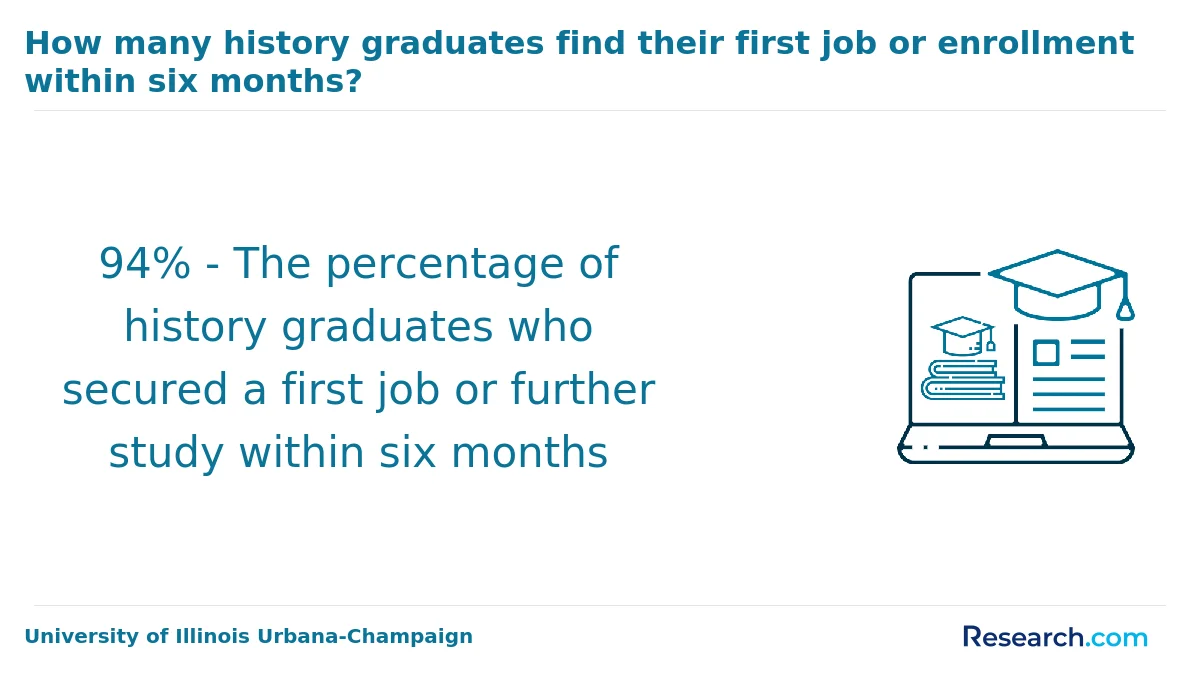
Internships and volunteer opportunities at regional museums, historical societies, or cultural institutions in the Northeast provide valuable experience. According to the American Historical Association, 65% of history graduates find jobs related to their degree by leveraging such hands-on work.
Networking through local history conferences or joining professional organizations like the New England Historical Association can open doors to job leads and mentorship. Additionally, enhancing one's résume with certifications in digital humanities or public history boosts employability.
Employers in the Northeast highly value history graduates who demonstrate strong critical thinking and research skills. According to the Bureau of Labor Statistics, analytical abilities are crucial for roles in education, public history, and cultural management. Graduates must also show excellent written and verbal communication skills, as many positions involve crafting clear narratives and presenting findings.
Proficiency in digital tools like archival databases and geographic information systems (GIS) is increasingly important, especially in states with rich historical sites such as New York and Massachusetts, as noted by the American Historical Association.
Adaptability and project management skills rank high, given the varied demands of museum work, academic roles, and nonprofit sectors in the Northeast.
Finding internships relevant to a history degree in the Northeast requires strategic research and networking. Start by exploring university career centers, which often list local internship opportunities tied to historic societies, museums, and cultural institutions. The Northeast hosts many such organizations, including the Massachusetts Historical Society and the New-York Historical Society.
Internships in museums, archives, and libraries commonly offer hands-on experience in research, preservation, and public history. According to the American Alliance of Museums, nearly 30% of museum internships nationwide are located in the Northeast, reflecting the region's rich historical assets.
Additionally, using platforms like Handshake and LinkedIn tailored to students can help locate internships offered by universities or nonprofit organizations. Reaching out directly to historians or professors at your online program may also provide leads on exclusive opportunities.
Obtaining an online history degree in the Northeast can significantly enhance career mobility and advancement opportunities. History graduates often find roles in education, public administration, museums, and cultural organizations-sectors that value analytical and research skills. According to the U.S. Bureau of Labor Statistics (2023), the Northeast region shows a 4% projected growth in historian jobs through 2031, reflecting steady demand.
The flexibility of online programs enables professionals to upskill without disrupting their careers, increasing access to promotions and competitive positions. Regional employers, including universities and nonprofits, increasingly recognize accredited online degrees, which support career progression across the Northeast's diverse job market.
Studying for a history degree online in the Northeast offers students a strong foundation for interdisciplinary careers. Many programs emphasize critical thinking, research skills, and contextual analysis, which are valuable in fields like education, public policy, and museum curation. The region's rich historical resources and collaborations with cultural institutions enhance learning experiences beyond traditional classroom settings. According to the American Historical Association, Northeast universities often integrate courses in digital humanities, archives management, and cultural studies to broaden career possibilities. This approach equips graduates to work effectively across disciplines by understanding complex social, political, and economic contexts.
Choosing between a thesis and a non-thesis online history degree in the Northeast depends largely on your career goals and learning preferences. Thesis programs require original research and a detailed written document, which often suits students aiming for academic or research positions. Non-thesis options typically involve more coursework and maybe a capstone project, ideal for those seeking professional roles outside academia.
In the Northeast, states like New York and Massachusetts offer both options through accredited universities, with tuition ranging widely. According to the National Center for Education Statistics, about 40% of history master's students in this region choose thesis tracks, emphasizing research skills. This choice impacts time to completion and workload, so consider your availability carefully.
Students based in the Northeast seeking to study history abroad through online programs have several notable options. Many universities in this region offer online history degrees with study abroad components or international research opportunities. For example, some programs include virtual internships or partnerships with institutions in Europe and Latin America, reflecting the global nature of history as a discipline.
According to the National Center for Education Statistics, around 12% of history master's students in the Northeast engage in some form of international coursework or research. Schools such as Syracuse University and the University of Massachusetts provide flexible programs that allow students to pursue historic studies with global perspectives without relocating abroad.
These programs combine rigorous academic training with access to international archives and faculty expertise, catering to students balancing professional commitments while gaining global experience in history from home.
Part-time job opportunities in the Northeast that complement a history degree often include museum work, archival assistance, and historic site interpretation. Institutions such as the Smithsonian-affiliated museums in New York and Boston regularly hire part-time employees with a background in history. These positions provide hands-on experience with primary sources and public history.
Historical societies and public libraries also offer part-time roles involving research and preservation of local documents. According to the Bureau of Labor Statistics, the demand for archivists and museum technicians in the Northeast is projected to grow by 6% through 2030, reflecting ongoing regional interest in history-related professions.
Additionally, freelance writing or local historical tour guiding can enhance skills relevant for future academic or public history careers.
Online history students in the Northeast benefit from a variety of networking opportunities despite remote learning. Many universities in this region offer virtual events, workshops, and guest lectures connecting students with faculty and history professionals. Institutions often partner with local historical societies and museums where students can gain practical experience and make industry connections.
Additionally, students can join professional organizations such as the New England Historical Association or attend the annual meeting of the Middle Atlantic Regional Conference of the American Historical Association, both accessible online. These forums foster collaboration and job prospects within Northeast's rich academic and cultural history sectors.
Alumni networks greatly benefit online history degree students in the Northeast by providing valuable connections in academic and professional fields. Graduates remain part of an active community that often includes historians, educators, museum curators, and archivists based in vibrant Northeast cities like Boston and New York. According to the National Center for Education Statistics, these networks help students access internships and job opportunities relevant to regional history institutions.
These networks also foster mentorship opportunities, guiding students through career development and research projects. Many Northeastern universities organize virtual alumni events, making professional support accessible despite geographic distances. This support enhances students' chances of success after graduation.
Many online history degree programs in the Northeast offer flexible curricula to align with your career goals. Students can often select electives focusing on areas like American, European, or public history, allowing specialization. Some programs enable you to pursue internships or research projects remotely, providing practical experience tailored to job markets in museums, archives, or education.
Schools in states like New York and Massachusetts frequently partner with local historical societies, enhancing hands-on learning. According to the National Center for Education Statistics, nearly 65% of history master's students in the Northeast customize studies via electives and thesis topics to improve employability.
Advisors play a key role in helping design your course path to fit roles in academia, preservation, or cultural management.
Online history students in the Northeast often face challenges related to balancing rigorous coursework with personal and professional responsibilities. Many learners juggle jobs and family obligations while attempting to meet the demands of extensive reading and writing assignments typical in history programs. According to the National Center for Education Statistics, about 45% of online graduate students nationwide report time management as their biggest hurdle.
Access to primary sources can also be a limiting factor. While on-campus students may use local archives or university libraries, online learners must rely heavily on digital collections, which might not cover all regional or specialized materials essential for Northeast history studies. This can affect research depth.
Finally, interaction with professors and peers can be less frequent or more formal in online environments, creating feelings of isolation. Building networks and receiving timely feedback requires adapting to virtual communication platforms, which some students find challenging.
With an online history degree, especially from institutions in the Northeast, graduates can pursue several professional certifications that enhance their career prospects. One of the most common is the Certified Archivist credential, which is particularly valued by museums and historical societies in states like New York and Massachusetts. This certification is administered by the Academy of Certified Archivists and requires passing an exam demonstrating archival knowledge and skills.
Another option is the Project Management Professional (PMP) certification, useful for those managing history-related projects, exhibitions, or research programs. PMP is widely recognized across industries and can complement a history degree by highlighting organizational skills.
Additionally, teaching certifications are available for history graduates who want to enter education. States in the Northeast often require specific licensure, such as a Secondary Social Studies Certificate, which qualifies candidates to teach history in public schools.
Sources such as the National Archives and the U.S. Bureau of Labor Statistics emphasize the increasing demand for certified professionals in archival and education roles within this region.
To write a winning application for an online history program in the Northeast, start by tailoring your personal statement to highlight your passion for history and your specific interest in the region's rich heritage. Northeast institutions, such as those listed by the National Center for Education Statistics, appreciate applicants who demonstrate clear goals and familiarity with local historical contexts.
Ensure you showcase relevant academic achievements, especially in history or related subjects, supported by transcripts. Many successful applicants also include examples of critical thinking and research skills, which are essential for graduate-level history study.
Strong letters of recommendation from professors or employers familiar with your academic or professional abilities can greatly enhance your application. Additionally, meet all technical requirements for the online platform to avoid administrative issues. According to the American Historical Association, demonstrating both motivation and readiness for online study improves admission chances.
History careers have a broad global appeal, reflecting diverse employment opportunities and interdisciplinary skills. Graduates with history degrees often work in education, public history, archives, museums, and government roles. The U.S. Bureau of Labor Statistics projects a steady demand for historians, with employment growth of about 6% from 2022 to 2032.
Online history programs in the Northeast prepare students for careers that require critical thinking and research abilities valued worldwide. Institutions such as Boston University and Northeastern University report strong alumni networks actively engaged in cultural preservation and public policy.
Global perspectives emphasize how history professionals contribute to understanding cultural contexts, supporting diplomacy, and informing global decision-making processes. This wide scope benefits students seeking careers with an international dimension.
Gaining practical experience while pursuing an online history degree in the Northeast is feasible through various opportunities. Many programs encourage internships at local museums, historical societies, and archives. For example, institutions like the New-York Historical Society and the Massachusetts Historical Society often offer remote or part-time internships that students can balance with online coursework. Additionally, participating in virtual conferences and workshops hosted by Northeastern universities can enhance research skills.
Students can also engage in digital history projects or contribute to online databases, gaining hands-on experience with historical documentation and analysis. According to the American Historical Association, such experiences significantly improve job prospects in the field.
Choosing the right concentration within an online history degree program in the Northeast involves considering your career goals and interests alongside regional academic strengths. Many Northeastern universities emphasize American history, colonial studies, and urban history due to the area's rich historical significance. For example, programs at institutions like Boston University and Rutgers offer specialized tracks reflecting local heritage and broader historical themes.
Students should review course offerings, faculty expertise, and research opportunities tied to concentrations. According to the American Historical Association, about 40% of history graduate students focus on U.S. history, which is particularly relevant in the Northeast's context.
Finally, investigate how each concentration aligns with job prospects or further academic pursuits in your desired field.
Top Trending History Rankings
References
- Undergraduate Certificate in History | Thomas Edison State University https://www.tesu.edu/degrees-programs/certificates/undergraduate-history.php
- Undergraduate Student Opportunities https://warwick.ac.uk/fac/arts/history/students/studentopportunities/
- Master's History Application - Sample Letter (EN) https://ai.mystudies.com/blog/mystudies-writing-examples/application-for-master-program-history-20-06-2025.html
- What Can You Do With a History Degree? https://willamette.edu/academics/college/history/career-options
- History, BA https://www.nec.edu/programs/history-b-a
- 2025 Most Popular Online History Degrees https://www.onlineu.com/degrees/history
- Finding Networking Opportunities as a Student | National Society of High School Scholars https://www.nshss.org/resources/blog/blog-posts/how-to-find-networking-opportunities-as-a-student/
- History Programs Abroad: Degrees & Opportunities - AEC https://www.aecoverseas.com/history/
- Niche History Picks from EPOCH https://www.epoch-magazine.com/post/niche-history-picks-from-epoch
- Practical learning https://www.reading.ac.uk/history/undergraduate/how-youll-study/practical-learning