2027 Most Affordable Online History Degree Programs Ranking in the South

Co-Founder and Chief Data Scientist
Exploring history through a degree can open doors to understanding the past and shaping your future. For students in the South seeking affordable options, making the right choice is vital.
This article features the 2027 Most Affordable Online History Degree Programs Ranking in the South, crafted by Research.com's team of data scientists. It's designed to help you easily identify quality programs that fit your budget and goals.
Discover programs that offer value and flexibility while advancing your passion for history. Your journey toward a meaningful education starts here.
Key benefits of getting online history degree in the South
- While specific salary data is unavailable, history degree graduates in the South often find rewarding careers in education, research, and public service, with median US salaries for related roles typically ranging from $45,000 to $70,000.
- A history graduate from the University of Florida, for example, can explore careers as archivists, museum curators, or government analysts, offering diverse and meaningful opportunities to engage with the past.
- Completing a history degree online, such as through the University of South Carolina's program, provides flexible scheduling and lower costs, making education accessible without sacrificing quality or career prospects.
- 2027 Most Affordable Online History Degree Programs Ranking in the South
- What can I expect from online history degree in the South?
- Where can I work with online history degree in the South?
What can I expect from online history degree in the South?
When it comes to the cost of getting an online history degree in the South, you'll usually find it's pretty reasonable compared to other regions. Many public universities in states like Georgia, North Carolina, and Texas offer in-state tuition rates even for online students, which makes a big difference. Graduates from these schools often say they felt relieved knowing they could get a solid education without breaking the bank.
For example, students at a popular university in North Carolina shared how the tuition made it easier to balance work and school without stressing over finances. Plus, a lot of Southern colleges participate in federal and state financial aid programs, so qualifying for grants or loans can lower your out-of-pocket costs significantly.
All in all, Southern schools tend to provide affordable options that welcome adult learners and professionals eager to advance their careers or simply satisfy their passion for history.
Where can I work with online history degree in the South?
If you snag an online history degree from a school like the University of Georgia or UNC Chapel Hill, you'll find tons of cool job options right here in the South. Lots of grads end up teaching middle or high school social studies after getting certified - states like Georgia and Tennessee really support this path, and the demand for history teachers is steady.
Others dive into museum work, becoming archivists or historical interpreters at places like civil rights museums or local battlefields. Alabama and Mississippi are big on preserving cultural heritage, so there's a real vibe for grads who love hands-on history work.
Government roles in historic preservation or public policy research are solid picks too. A lot of history grads from schools like Emory University enjoy working on projects that protect Southern landmarks and boost heritage tourism.
And don't forget careers in writing and research-publishing houses and media outlets in Atlanta or Charlotte love folks who can break down complex stories with strong research skills.
If you're thinking about what you can make with an online history degree in the South, here's the lowdown. Graduates from popular Southern schools, like those in Texas or Georgia, typically land jobs paying between $50,000 and $70,000 early on. For example, those working in museums or local government in cities like Houston or Atlanta often find themselves right in this salary range, which feels pretty encouraging when you're starting out.
Some grads who dive deeper-maybe picking up extra skills in archival management or public history-tend to bump their earnings closer to $80,000, especially if they're involved with universities or federal agencies. It's a nice boost and definitely shows how going the extra mile pays off.
On the flip side, if you're looking at teaching history in Southern public schools, salaries usually hover around $45,000 to $55,000. It's a steadier path and fits well for those who love working with kids.
Many grads appreciate the flexibility online degrees offer too, juggling remote work while building their careers. That kind of freedom, combined with decent pay around the South, makes earning a history degree feel pretty worthwhile.
- Annual tuition for online history bachelor's degrees in the South ranges from $8,000 to $15,000 at public colleges, with private schools charging more.
- Early-career salaries for history graduates average between $40,000 and $45,000, increasing to $55,000 to $65,000 over ten years.
- Common job roles include education, museum curation, archival work, and historical research mostly in government and public sectors.
- Many Southern online history programs are accredited by SACSCOC, ensuring quality and easing credit transfers.
- Flexible course schedules help working professionals and non-traditional students balance study with other commitments.
If you're thinking about tackling an online history degree in the South, expect it to take around four years if you're studying full time. That's what most grads from places like the University of North Carolina or Georgia State report-they follow a solid 120-credit plan, which feels manageable and clear. But here's the cool part: if you've already knocked out some college classes or earned an associate degree, you might be able to shave that down to two or three years, thanks to flexible transfer policies at schools like Texas A&M.
Many folks juggling jobs or family find the part-time route works best, though that can stretch your timeline up to six years. It's slower, but it gives you the freedom to balance life and study without freaking out.
And if a master's degree is your goal, full-time students typically wrap it up in one to two years. Lots of Southern online programs get that balance right-making history degrees both doable and rewarding, right from home.
If you're thinking about getting a history degree in the South, one big difference you'll notice between online and on-campus programs is the vibe and flexibility. For example, a graduate from a well-known Southern university remembered loving the face-to-face classes where professors sparked lively debates that just can't happen over a screen. It felt like being part of a community, with easy access to cool archives and campus events.
On the flip side, another graduate who did the online history degree from a popular Southern college talked about how amazing it was to study whenever they had time-between work shifts or family duties. The online courses often use video lectures and forums, which made learning fit smoothly around their busy life.
Cost-wise, Southern public universities usually charge around $4,500 to $8,000 a year for in-state students, but doing it online can save money on travel and housing, which was a total game-changer for many.
So while on-campus offers that classic college feel, online history degrees in the South bring serious flexibility without ditching quality. It really depends on what fits your style and schedule.
The average cost of an online history degree in the South usually lands around $43,860 for in-state students, which is a pretty reasonable price compared to other regions. Out-of-state students might pay a bit more, with the total cost closer to $64,116. Graduates from popular Southern universities often mention how affordable tuition helped them focus more on their studies rather than stressing over massive debt. It's pretty common to find schools that offer specific discounts or in-state tuition rates even for online learners, which is a huge relief and makes those online programs feel much more accessible.
Many students in Southern public universities pay between $150 and $400 per credit hour, and since an online history degree typically takes around 120 to 130 credits, the total naturally adds up. Private schools usually charge between $350 and $700 per credit, but they often provide scholarships or aid that ease the financial load. One recent graduate from a Southern college said their online tuition fees were manageable thanks to these support programs, making their history degree experience a positive one without breaking the bank.
For those curious about affordable online history degrees Southern US tuition fees often include extra costs like textbooks and tech fees, which might add a few hundred dollars each semester. Some states in the South, like Georgia and Texas, even have consortium agreements that further reduce tuition for online students. Plus, there are plenty of federal grants and scholarships available. If you want to explore potential career paths and understand what comes after graduation, check out jobs with history degree for helpful insights.
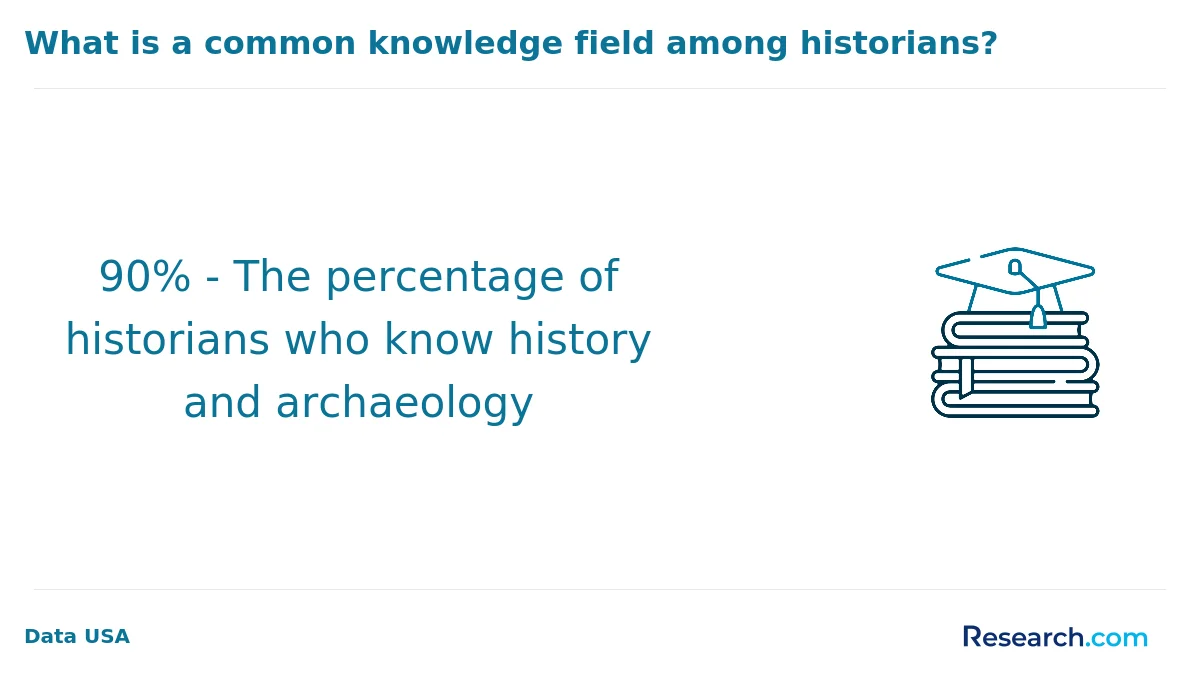
If you're looking at online history degrees in the South, financial aid can really make a difference. Graduates from schools like the University of Georgia often mention how FAFSA helped them snag Pell Grants, which covered thousands in tuition-money they didn't have to pay back, making their college journey way less stressful.
Besides grants, many students tap into federal loans with low interest, giving them flexibility while covering those remaining costs. For example, folks attending Clemson University have found these loans a solid backup plan when scholarships didn't cover everything.
State scholarships are a game-changer too. In Florida, the Bright Futures Scholarship has helped many online history majors stay in-state and save big bucks. Plus, some universities offer their own grants specifically for history students, which can feel like a real win when balancing work and study.
Lastly, some grads have loved how work-study programs gave them a paycheck and hands-on experience at the same time-perfect for making the most of their time online in places like North Carolina's public universities.
If you're thinking about enrolling in an online history degree in the South, you'll want to know the typical prerequisites upfront. Most Southern schools ask for a high school diploma or something like a GED before you can even apply. Graduates often mention how submitting transcripts with a decent GPA-usually around 2.5 to 3.0-is a key step. It's like the university's way of making sure you're ready to dive into college-level history content.
For many undergrad programs, some schools might still request SAT or ACT scores, though lots have gone test-optional recently, which is a huge relief if you're not a big fan of standardized tests. A personal statement explaining why you're passionate about history and online learning usually makes your application stand out.
Transfer students love hearing that their past credits can often count toward their degree at popular Southern schools, helping speed up graduation. And don't forget the tech side: having a reliable internet connection and a decent computer is a must to keep up with classes smoothly.
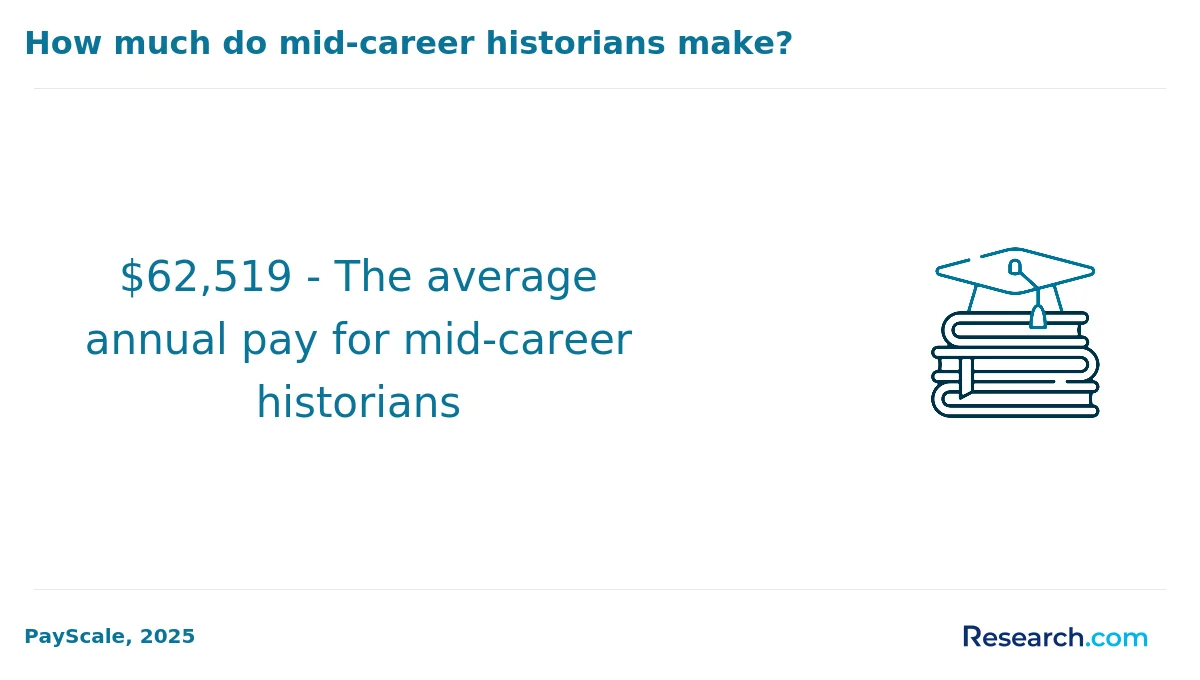
If you're diving into an online history degree in the South, expect to tackle courses that really connect you to the region's unique past. Many students from schools like the University of Alabama or Florida State tell how foundational classes, like U.S. History and Historical Methods, set a solid base before zooming in on Southern history - think Civil War, Reconstruction, and local social changes. It's like stepping into the shoes of people who lived through those times.
Graduates often mention how electives make their studies come alive, with classes on Civil Rights movements or Public History giving them tools to share stories beyond textbooks. Some even found themselves exploring European or Latin American history, linking Southern culture to a bigger global picture. Plus, working adults love how the program fits around busy lives without losing that hands-on feel - like using virtual archives for research or digital history projects. It's history that feels alive and practical, shaping a future in education, museums, or beyond.
If you're diving into an online history degree in the South, you'll find plenty of specializations that really tap into the unique vibe of the region. Southern states history degree concentration options often include American History, where students explore everything from the Civil War to civil rights movements that shaped the South. Many grads from places like the University of North Carolina say focusing on History of the South gave them a deep connection to the culture and politics of the area, making their studies feel super relevant and personal.
Other popular tracks include Public History, which gets you ready for work in museums or archives, and Military History that often covers key conflicts like the Revolutionary and Civil Wars. Some love diving into Women's and Gender History or Historical Research and Methodology to build solid skills for academic or real-world projects.
Many online students appreciate how these programs blend history with related fields such as African American studies or political science, reflecting the rich Southern tapestry. Plus, if you're curious about career paths, check out this link on jobs history degree graduates typically land.
Picking the best online history degree in the South really means looking at what fits your life and goals. Graduates from well-known Southern schools often highlight the importance of accreditation-make sure the program is regionally accredited, like those recognized by SACSCOC, so your credits and degree hold weight. One grad shared how excited they were about flexible, asynchronous classes at a popular university, which let them juggle work and family without stress.
Cost is a big deal too. Many students find that public universities in the South offer more affordable tuition, often between $7,000 and $15,000 per year, compared to pricier private schools. If you're hunting for the best affordable online history degree programs in the South, keep these numbers in mind and check out financial aid options. Another graduate loved their deep-dive courses on Southern history, which helped them connect the dots for their career.
Don't forget about career support and faculty expertise either. Programs that have instructors active in research make a huge difference-you get passionate teaching and better networking. If you want to see what kinds of history jobs you could target, check out resources on history job options after graduation.
If you're thinking about an online history degree in the South, you'll find tons of great career paths waiting for you. Graduates from popular schools like the University of Alabama or UNC Chapel Hill often dive into teaching, whether at local high schools or community colleges, sharing their passion for Southern history and beyond. Many find museum or archive work incredibly rewarding-imagine helping preserve Civil War artifacts or curating exhibits at civil rights museums across the region. It's pretty cool to be part of keeping the South's story alive.
History grads also land government gigs, working with national parks or policy analysis roles in state capitals like Atlanta or Austin. The skills you build-research, critical thinking, writing-open doors beyond traditional roles too. Some graduates turn those skills into journalism, law, or digital humanities projects that really resonate locally.
So if you want a flexible degree that leads to various meaningful jobs in Southern states, check out the options for online degrees in history. You'll be in good company with plenty of opportunities to make a difference.
The job market for online history degree holders in the South offers a pretty interesting mix of chances, especially if you're aiming for a career in education, museums, or government. Graduates from universities in states like Texas and Georgia often find themselves landing roles curating exhibits in cities rich in history like Savannah or New Orleans. For those who studied history online at popular Southern colleges, the outlook feels promising because the region values cultural preservation and public history work.
Many grads report smoothly transitioning into social studies teaching or working with local government cultural departments. The job outlook for history graduates in the South is realistic but positive-there's enough demand in metropolitan areas to keep things moving, particularly around historical sites. Plus, one graduate shared how affordable living costs in these states made their entry-level salary stretch further.
For anyone curious about career paths, checking out resources like jobs for art history degree holders can be a great step to get tailored insights.
Overall, the career opportunities with online history degree southern states are varied but focused, with many doors open if you're passionate about history and community.
2027 Most Affordable Online History Degree Programs Ranking in the South
Investing in your education is a significant decision that can shape your future, and the Research.com team understands the importance of making informed choices. To assist prospective students in the South, we have meticulously crafted the "2027 Most Affordable Online History Degree Programs Ranking in the South." Our dedication to quality, credibility, and accuracy is evident in the comprehensive research and analysis behind this ranking.
We utilized the following reputable data sources to ensure a thorough evaluation of online history degree programs:
By exploring this ranking, readers will gain valuable insights into the most affordable and credible online history degree options in the South, empowering them to make well-informed educational decisions. For more information on how this ranking was created, please visit our Research.com methodology page.


# 11 position
University of Maryland Global Campus
Bachelor of History


# 13 position
Judson College
Bachelor of History

# 14 position
Mary Baldwin University
Bachelor of History



Frequently Asked Questions About history
Online history degree students in the South can enhance their learning by engaging deeply with regional resources. Many Southern universities partner with local archives and historical societies, providing valuable primary documents for study. For example, the Southern Historical Association offers digital access to extensive materials relevant to Southern history.
Active participation in virtual discussion groups and webinars tailored to Southern history topics helps students connect theory with real-world context. According to the National Center for Education Statistics, students who collaborate online report higher retention rates.
Additionally, integrating local history through virtual museum tours or community projects strengthens understanding and relevance of coursework.
The history field is expanding into several emerging niches that attract students interested in unique perspectives and career opportunities. One growing area is public history, where professionals focus on preserving and interpreting history for museums, archives, and cultural organizations. This niche is especially relevant in the South, given the region's rich and complex heritage.
Another important niche is digital history, which uses technology to analyze and present historical data. Online history degrees increasingly include training on digital tools, reflecting job market demands. Environmental history is also gaining attention, exploring the relationship between people and their environment, a subject linked to recent Southern ecological studies.
According to the American Historical Association, enrollment in such specialized fields has grown by 15% over the past five years, confirming a shift toward applied and interdisciplinary history careers.
Preparing for the job market after completing an online history degree in the South involves several strategic steps. First, gaining practical experience through internships or volunteer opportunities at local museums, archives, or historical societies can enhance your resume and networking.
Second, developing strong research and writing skills is critical, as these are highly valued in education, public history, and cultural resource management fields.
Third, consider earning relevant certifications, such as those offered by the American Historical Association, to boost credibility.
Lastly, leveraging regional job boards and university career services tailored to southern history careers increases your chances of finding suited roles in education, preservation, and public service sectors.
Employers in the South value history degree graduates who demonstrate strong research and analytical skills. According to the American Historical Association, the ability to critically evaluate sources and synthesize information is essential for roles in education, public history, and cultural institutions.
Communication skills are also highly sought after. Graduates must effectively present complex historical ideas to diverse audiences, a key requirement in Southern archives, museums, and government agencies.
Additionally, proficiency in digital tools and databases is increasingly important. The Southern Association of Colleges and Schools emphasizes that graduates familiar with digital archives and GIS mapping stand out.
Finally, cultural sensitivity and regional knowledge of Southern history enhance employability in the local job market.
Finding internships relevant to a history degree in the South involves leveraging local resources and networks. Many museums, historical societies, and archives across southern states offer opportunities for history students. For example, institutions like the Alabama Department of Archives and History and the South Carolina Historical Society regularly post internship openings. According to the Southern Historical Association, internships provide crucial hands-on experience in research and preservation.
Students should explore university partnerships and career services, which often connect online learners with local sites. Volunteering at cultural heritage sites can also lead to internships. Websites such as Handshake and state workforce agencies list opportunities tailored to history majors in southern regions.
Online history degrees in the South provide significant opportunities for career mobility and advancement. According to the Southern Regional Education Board, demand for graduates with strong historical analysis and research skills continues to grow in education, public history, and government sectors. Many Southern states, including Georgia and Texas, offer expanding roles in museums and archives, where a history degree is highly valued.
Graduates equipped with online degrees benefit from flexible learning combined with accreditation aligned to regional employers' expectations. Data from the Bureau of Labor Statistics shows that those holding bachelor's degrees in history can expect a 10% higher employment growth in Southern metropolitan areas compared to the national average.
Furthermore, mastering digital research and critical thinking enhances readiness for leadership roles. This adaptability suits industries prioritizing cultural heritage, policy analysis, and education, sectors prominent throughout the South.
Studying for an online history degree in the South uniquely prepares students for interdisciplinary roles by emphasizing regional history connected to broader social, cultural, and economic themes. Southern universities often incorporate courses that blend history with political science, sociology, and anthropology. This approach equips students with analytical skills applicable to diverse fields such as public policy, education, and museum studies.
According to the National Center for Education Statistics, many Southern institutions offering history degrees emphasize critical thinking and research methodologies. These skills enhance graduates' abilities to work across disciplines, addressing complex societal issues with a historical perspective.
Additionally, online formats enable access to varied resources, fostering adaptable learning environments that support interdisciplinary study demands.
Choosing between a thesis and a non-thesis online history degree program in the South depends on your academic and career goals. Thesis programs require original research and writing, ideal for students seeking careers in academia or advanced graduate studies. They typically take longer to complete, averaging 2-3 years.
Non-thesis options focus on coursework and often include comprehensive exams or projects. These programs suit those aiming for teaching, public history, or roles in museums and archives. According to Southern Association of Colleges and Schools data, about 60% of Southern history graduate programs offer both options.
Consider your learning style, time commitment, and professional ambitions when deciding between these paths.
Students in the South interested in studying history abroad have several pathways through online degree programs. Many Southern universities partner with international institutions to offer study-abroad opportunities integrated into their online history curricula. For example, schools like the University of Florida provide virtual exchange programs that bring global perspectives into coursework.
While physical travel may be limited, students can access international archives and resources digitally, enriching their understanding of global history. According to the National Center for Education Statistics, nearly 65% of Southern universities incorporate such digital global learning experiences in online degrees.
This approach helps Southern students gain a broader historical context without relocating, supporting both affordability and accessibility in education.
Students pursuing online history degrees in the South can benefit from part-time jobs that reinforce their academic knowledge. Museums and historical sites across southern states frequently offer positions as tour guides, curators, or educational assistants. These roles provide practical experience in preserving and interpreting historical artifacts.
Libraries and archives also seek part-time workers to help catalog materials and assist researchers, which aligns well with history studies. Additionally, some government agencies and cultural organizations in the South employ interns or assistants for project-based history research.
According to the Bureau of Labor Statistics, jobs related to historians and archivists are projected to grow modestly, emphasizing the value of gaining relevant experience early.
Online history students in the South benefit from a variety of networking opportunities tailored to their field and region. Many Southern universities offering online history degrees provide access to virtual seminars, guest lectures, and discussion forums where students connect with professors and peers.
Local historical societies and organizations in states like Georgia, Texas, and North Carolina often host online events or webinars, allowing students to engage with professionals. Additionally, students can join national groups such as the American Historical Association's regional chapters to build a broader network.
Internship programs facilitated by Southern institutions also offer valuable connections to local museums, archives, and cultural organizations.
Alumni networks offer significant benefits for online history degree students in the South by providing valuable connections in academic and professional circles. Graduates from Southern universities often join active alumni groups that host events, mentorship programs, and job boards tailored to the region's historical and educational sectors.
These networks increase access to internships and employment opportunities in museums, archives, and educational institutions within Southern states, where history-related jobs are concentrated. For example, Alabama, Georgia, and Tennessee have large numbers of cultural heritage organizations seeking knowledgeable candidates.
Research from the National Association of Colleges and Employers (NACE) shows that 85% of jobs are filled through networking, highlighting the practical advantage alumni provide. Additionally, alumni mentorship helps students refine skills and navigate challenges specific to studying history online in the South's diverse historical context.
Customizing an online history degree in the South allows students to align their education with specific career goals. Many Southern universities offer elective options focusing on regional history, such as Civil War studies, Southern culture, or African American history. This tailored approach helps students build expertise relevant to roles in education, public history, or heritage management.
Additionally, students can often choose a concentration or minor in areas like archives, museum studies, or digital history, enhancing job market competitiveness. According to the National Center for Education Statistics, flexible curriculum options have increased by 15% in Southern institutions over recent years, indicating growing opportunities for specialization.
Experiential learning, through virtual internships or research projects on Southern historical topics, further personalizes the degree and connects theory with practical skills.
Online history students in the South often face the challenge of limited access to primary source archives compared to those studying on campus. Many Southern universities house significant historical collections that may not be fully digitized, impacting research depth. According to the Southern Association of Colleges and Schools, connectivity issues in rural parts of the South also hinder smooth participation in live classes and submitting assignments on time.
Another difficulty lies in balancing coursework with personal and professional obligations, especially since a large portion of Southern students are adult learners juggling jobs and families. Additionally, some students report fewer networking and mentorship opportunities typical of in-person programs, which can affect career development in history fields.
Graduates with an online history degree in the South have several professional certification options to enhance their credentials. One common path is pursuing the Certified Archivist designation, offered by the Academy of Certified Archivists. This certification is valuable for careers in museums, libraries, and government agencies, especially in historically rich Southern states like Virginia and Georgia.
Another option is the Certified Genealogist credential, granted by the Board for Certification of Genealogists. It suits those interested in historical research and family history, fields with growing demand in the South. Additionally, teaching credentials for history educators can be earned through state-specific programs, vital for those aiming at K-12 education.
Writing a winning application for an online history program in the South requires clear focus and preparation. Start by tailoring your personal statement to highlight your passion for Southern history, a significant area in many regional programs. Mention any relevant experiences, such as internships at local museums or research on Southern culture.
Strong recommendations are crucial. Choose referees familiar with your academic or professional skills, ideally those versed in history. According to the National Center for Education Statistics, Southern universities emphasize applicant commitment and relevant background in history.
Ensure your transcripts show solid academic performance in history or related humanities courses. Finally, meet all deadlines and provide any requested materials promptly to strengthen your candidacy.
The global outlook on a history career highlights its value in understanding cultural, social, and political development across societies. In the U.S., especially the South, history graduates find opportunities beyond traditional academia, including roles in public history, archives, museums, and government agencies.
According to the Bureau of Labor Statistics (2023), employment for historians is expected to grow 8% from 2022 to 2032, faster than the average for all occupations. Many Southern universities offer online history programs that prepare students for diverse careers with a global mindset.
These programs emphasize skills such as critical thinking, research, and communication, which are highly sought worldwide, reflecting the increasing need for historical perspectives in international business, diplomacy, and education.
Gaining practical experience while studying for an online history degree in the South involves several strategic steps. Many Southern universities partner with local museums, historical societies, and archives, offering virtual internships and fieldwork opportunities. For instance, students can collaborate with institutions like the Southern Historical Collection at the University of North Carolina.
Additionally, online students are encouraged to engage in digital history projects, such as curating online exhibits or contributing to oral history archives. Participation in national organizations like the American Historical Association provides access to networking and professional development tailored to historians.
Combining coursework with these hands-on experiences enhances employability in fields like education, preservation, or public history.
Choosing the right concentration within an online history degree program in the South involves considering your career goals and academic interests. Many Southern universities offer focuses such as Southern history, African American studies, or public history, reflecting the region's rich and complex past. For example, the University of North Carolina highlights its concentration in Civil Rights history, attracting students aiming for social justice careers.
Research shows that 45% of history graduates in the South pursue roles in education or public service, so aligning your concentration with these paths can boost employability. Additionally, evaluating faculty expertise and available online resources helps ensure a quality learning experience.
Regional accreditation and program flexibility are important since many students balance studies with work or family commitments. Consulting the latest program guides from Southern Association of Colleges and Schools (SACS) accredited institutions can help narrow options effectively.
- How to Apply to Graduate School | Canadian Historical Association | Société historique du Canada https://cha-shc.ca/publications/employing-history-a-guide-to-graduate-school-and-navigating-the-job-market/how-to-apply-to-graduate-school/
- Undergraduate Student Opportunities https://warwick.ac.uk/fac/arts/history/students/studentopportunities/
- How a Strong Alumni Network Can Benefit Students https://www.pacificu.edu/blog/how-strong-alumni-network-can-benefit-students
- The Impact of History Degrees: Opportunities and Trends Among History Degree Jobs https://www.ucumberlands.edu/blog/the-impact-of-history-degrees
- My Top 3 Recommendations on Networking in the History World | An Historian About Town https://anhistorianabouttown.com/recommendations-on-networking-in-the-history-world/
- 2025 Most Affordable Online History Degrees https://www.onlineu.com/most-affordable-colleges/history-degrees
- History Online https://www.nsu.edu/History-and-Interdisciplinary-Studies/History-Online
- Jobs for History Majors: 12 Career Paths That Use Your Skills | Extern https://www.extern.com/post/jobs-for-history-majors-career-guide
- Master's History Application - Sample Letter (EN) https://ai.mystudies.com/blog/mystudies-writing-examples/application-for-master-program-history-20-06-2025.html
- After the Degree: Finding work with a History degree https://www.graduate-jobs.com/news/13219/After_the_Degree__Finding_work_with_a_History_degree