2027 Fastest Online History Degree Programs Ranking in Alabama

Co-Founder and Chief Data Scientist
Choosing the right online history degree program in Alabama can be overwhelming. To help, this article presents the 2027 Fastest Online History Degree Programs Ranking in Alabama created by the Research.com team of data scientists. This ranking offers clear insights into programs that combine speed and quality, making your decision easier and more confident.
Pursuing a history degree opens doors to understanding the world, building critical thinking skills, and exploring exciting career paths. This guide supports you in finding a program that fits your goals and pace.
Key benefits of getting online history degree in Alabama
- History degree graduates often pursue careers such as archivists or museum technicians, where the median annual wage is around $51,000 to $56,000 nationwide, offering a stable and rewarding income.
- A graduate from the University of Alabama might explore careers in education, museum curation, or public history, opening diverse opportunities to engage with the community and preserve local heritage.
- Online history degrees from institutions like Auburn University provide flexibility to balance work and study, allowing students to learn at their own pace while gaining valuable skills recognized by employers.
- 2027 Fastest Online History Degree Programs Ranking in Alabama
- What can I expect from online history degree in Alabama?
- Where can I work with online history degree in Alabama?
What can I expect from online history degree in Alabama?
The average cost of an online history degree in Alabama typically ranges between $7,000 and $12,000 per year for in-state students at public institutions like the University of Alabama or Auburn University. Graduates often share that this affordability made pursuing their degree manageable alongside work or family commitments. Out-of-state tuition can be significantly higher, so Alabama residents benefit from reduced rates and state-specific scholarships that many universities offer to online learners.
One graduate recalls budgeting carefully, taking advantage of accelerated course options to finish faster and save on tuition overall. Another student appreciated transparent tuition calculators on university websites, which helped plan finances clearly without surprises. Remember to check if programs include fees for technology or course materials, as these can add a few hundred dollars annually.
Applying for financial aid and state grants is a practical step many students recommend, especially since Alabama prioritizes funding for residents pursuing online degrees. This combination of affordable tuition, flexible pacing, and financial support makes earning a history degree in Alabama both realistic and rewarding.
Where can I work with online history degree in Alabama?
With an online history degree in Alabama, you can pursue several rewarding career paths. Graduates from institutions like the University of Alabama or Auburn University often find teaching positions at local high schools or community colleges such as Wallace Community College. These roles frequently involve preparing students for Advanced Placement (AP) history exams, providing a fulfilling way to share knowledge.
Others leverage their degree by working in museums or cultural institutions. For example, alumni have secured jobs at the Alabama Department of Archives and History or the Birmingham Civil Rights Institute, where they handle curation and public education programs. Such positions allow you to connect deeply with Alabama's rich history while engaging the public.
Government agencies at local and state levels offer roles in historical research and preservation, tapping into skills developed during studies. Additionally, history graduates often explore careers in library science or genealogy, with employers including universities and local government archives, offering chances to assist real-life historical inquiries.
Graduates with an online history degree from popular Alabama institutions like the University of Alabama or Auburn University often find themselves earning salaries that reflect both their skills and the state's economic landscape. While exact wage data for historians in Alabama is not available, many graduates report starting salaries around $40,000 annually, especially in entry-level roles such as museum assistants or archival technicians in cities like Birmingham.
Those who pursue teaching credentials or advanced degrees can boost their earnings significantly. For example, secondary school teachers with a history background typically make between $45,000 and $60,000, depending on district and experience. Postsecondary educators, such as college instructors affiliated with universities in Montgomery, often see salaries ranging from $55,000 up to $85,000.
Practical experience gained through internships or part-time work at local museums or historical societies often translates into better-paying roles. Graduates who engage actively in Alabama's cultural institutions feel confident knowing their knowledge helps preserve history while providing a stable, rewarding income.
- Online history degree programs are available from The University of Alabama and other accredited schools in the state, offering flexibility with regionally recognized education.
- Tuition for in-state students at public universities ranges between $25,000 and $35,000, while private schools usually charge over $40,000 for the full degree.
- Financial aid and scholarships are commonly available to help offset tuition costs.
- The average starting salary for history graduates in Alabama is about $40,000 per year, rising to around $60,000 with experience.
- Job opportunities exist in education, research, public history, and cultural institutions, with moderate growth expected in these fields.
Completing an online history degree in Alabama typically takes about four years of full-time study, especially at well-known schools like the University of Alabama or Auburn University. Graduates often share that sticking to a standard course load of 15 credit hours per semester helps them finish on time, balancing studies with work or family life.
Many students appreciate the flexibility of these programs, as part-time enrollment options extend completion time to five or six years but allow for manageable pacing alongside other responsibilities. For example, a history graduate from a college in Birmingham mentions how part-time study enabled steady progress without overwhelming their schedule.
Some find accelerated programs particularly appealing. Students who take extra credits during summer sessions or use prior learning assessments have successfully graduated in as little as two and a half to three years. This fast track requires strong commitment but offers a rewarding sense of accomplishment for those eager to finish sooner.
Finally, starting with an associate degree at a community college in Alabama and transferring credits can reduce time spent on a bachelor's degree. Many alumni report this pathway made their degree more affordable and achievable within their busy lives.
If you choose an online history degree in Alabama, expect flexibility that fits around your life. Graduates from universities like the University of Alabama often share how convenient it is to study after work or family time, accessing lectures and assignments anytime without worrying about driving to campus. This suits those balancing jobs or parenting, especially in rural areas where travel to campus can be lengthy.
Conversely, on-campus programs at schools like Auburn University offer structured schedules with face-to-face interactions. Students appreciate in-person discussions and easy access to campus resources like libraries and archives, which can deepen understanding in ways online formats may not fully replicate.
Cost is another crucial factor. Many online programs in Alabama tend to have lower or more predictable tuition, saving money on transportation and housing. Graduates often mention the financial relief of avoiding extra fees typical for on-campus students.
Academically, both online and traditional programs meet state standards and hold value with employers. The difference lies mostly in how and where you engage with your history education, so consider your personal schedule and preferred learning style carefully.
The average cost of an online history degree in Alabama typically centers around $36,000 for the entire program. In-state students at well-regarded universities such as the University of Alabama or Auburn University often find tuition and fees aligned with this median, making the degree attainable with proper planning. Graduates frequently mention that understanding the tuition structure-for example, whether courses are charged per credit hour or via a flat semester rate-helped them budget their expenses more effectively.
Public schools usually offer more affordable options for Alabama residents, with total tuition generally lower due to state subsidies. Out-of-state students should expect higher costs, sometimes nearly doubling the price, though some online programs mitigate this through flat-rate tuition or reciprocal agreements. Many students recommend contacting the university's financial aid office early, as scholarships and payment plans can significantly ease the burden. When searching for affordable online history degrees Alabama 2027 options, considering these factors can save both money and stress.
Prospective students balancing work and study have found that knowing the typical requirement of about 120 credit hours helps create a clear financial roadmap. Factoring in additional costs like technology fees or course materials ensures no surprises during the program. Those curious about career paths might explore what can you do with a history degree to see how investment in education can translate to fulfilling opportunities after graduation.
If you're pursuing an online history degree in Alabama, starting with the Free Application for Federal Student Aid (FAFSA) is essential. Many students successfully reduce their costs by securing federal help like the Pell Grant, which can provide up to $7,395 for those with financial need. This grant has been a game-changer for graduates from the University of Alabama and Auburn University, who often share how it eased their tuition burden.
Next, tap into state-funded opportunities like the Alabama Student Grant Program. Recipients from Troy University and Alabama State University have praised this aid for covering hundreds to thousands of dollars annually, lightening their financial load.
Don't overlook scholarships specific to your institution. For example, campuses within the University of Alabama System regularly award scholarships targeting distance learners' academic achievements or community involvement, which past online history students found motivating.
Additional aid sources include flexible federal loans, tuition waivers at state schools, employer tuition support for working adults, and private scholarships linked to history organizations. A practical step is to contact your school's financial aid office directly-many graduates report personalized advice that helped maximize their aid.
To enroll in an online history degree program in Alabama, start by securing your high school diploma or GED certificate, which is a basic but essential step. Graduates from institutions like the University of Alabama or Auburn University often recall how submitting official transcripts was a straightforward process that confirmed their academic readiness.
You will typically need to complete an application form and pay any required fees. Some programs may ask for a personal statement outlining your educational goals, giving you a chance to express your passion for history and why studying online fits your lifestyle.
While SAT or ACT scores were common prerequisites, many Alabama schools now offer test-optional policies, easing entry and reducing stress for applicants. For master's programs, expect to provide a bachelor's degree transcript with at least a 3.0 GPA, recommendation letters, and possibly GRE scores, reflecting a higher level of commitment.
Also, be sure you have reliable internet access and comfort using online learning platforms, as these are crucial for success. Alumni often describe gaining confidence through the user-friendly systems offered by popular Alabama colleges.
When enrolling in an online history degree program in Alabama, expect a practical curriculum designed to build strong analytical and research skills. Most students at well-known institutions like the University of Alabama or Auburn University start with foundational courses such as Introduction to World History and American History from Colonial Times to the Present. These courses provide essential context and ensure a broad understanding of historical timelines.
Graduates often share how courses like Historical Research Methods sharpened their ability to dig into primary sources, a skill highly valued in Alabama's rich archival environment. Regional courses focused on the Civil Rights Movement in Alabama and the South, or Alabama: From Frontier to Statehood, connect learners directly with local heritage, making history feel personal and relevant.
Electives give students a chance to explore areas like Public History and Museum Studies, perfect for those aiming to work in Alabama's cultural institutions. Such carefully structured courses help students feel confident navigating both global history and the unique stories of their home state.
Students exploring online history degree specializations Alabama offer will find several practical options to match their interests and career plans. Common paths include American History, which many graduates from universities like the University of Alabama use to connect state history to broader national events, enriching their sense of identity and purpose. Others choose World History to gain a global perspective, helping them enter fields like education or international studies while appreciating diverse cultures.
Those interested in hands-on work often focus on Public History or Historical Preservation, popular at colleges such as Auburn University. Graduates report feeling fulfilled working in museums or conserving Alabama's rich historical landmarks, directly impacting their communities. Additionally, Political History and Cultural History specializations allow students to sharpen skills valuable for careers in public service or research.
Choosing an Alabama online history program concentrations wisely ensures you develop a meaningful expertise aligned with your goals. For example, graduates frequently cite how these focused studies helped them launch successful careers with competitive salaries and jobs with a history degree.
Start by confirming the program's accreditation, particularly through the Southern Association of Colleges and Schools Commission on Colleges (SACSCOC), as many successful graduates from universities in Alabama stress how this ensured their degree was recognized by employers and graduate schools. Next, balance affordability with quality; some well-regarded schools offer affordable online history degrees Alabama, keeping total costs manageable while providing strong online resources.
Focus on flexibility-graduates juggling work and family valued programs with asynchronous classes allowing them to study during evenings or weekends. For example, students from popular Alabama colleges found optional live sessions helpful for clarifying tricky historical concepts or engaging with professors directly.
Review the curriculum carefully; a broad range of historical topics with research or internship opportunities helped alumni build skills applicable beyond academia. Additionally, seek robust student support services like career counseling and library access, which past students credit for successfully completing their degrees.
Finally, explore career outcomes and visit sites like the Alabama Commission on Higher Education or NCES for graduation rates. For insight into career paths post-graduation, check master's in history jobs related to your program. This pragmatic approach will guide you to the best online history degree programs Alabama offers.
Graduates with an online history degree in Alabama often find diverse career paths tailored to their strengths and interests. Many enter education, teaching history in public and private schools across the state, where steady demand and a starting salary around $53,000 provide a stable foundation. Some graduates from universities like the University of Alabama pursue teacher certification and transition smoothly to classroom roles, experiencing the rewarding challenge of shaping young minds.
Others leverage their degree in cultural institutions, such as the Birmingham Civil Rights Institute or local museums, working as curators or archivists. These roles combine deep historical knowledge with hands-on preservation, offering salaries typically between $45,000 and $60,000. For those drawn to public history and preservation, jobs conserving Alabama's landmarks provide consistent opportunities with a salary average near $50,000, creating a fulfilling career focused on heritage protection.
Exploring online history degree careers in Alabama also reveals options in research, writing, and publishing. Graduates often collaborate with universities or nonprofits, contributing to academic journals or media. For practical advice on cost-efficient study routes, consider reviewing the cheapest online degree history options to optimize your investment and career entry.
Graduates with an online history degree in Alabama often find job opportunities in education, museums, and government agencies focused on historic preservation. Many alumni from well-known state universities appreciate how their degree opened doors to roles such as teaching in public schools-where a teaching certificate is required-or working in Birmingham's museums and archives. These positions offer a way to engage directly with the state's rich heritage and contribute to local cultural preservation.
Those exploring the online history degree job market Alabama should be aware that entry-level salaries typically range from $35,000 to $50,000 annually. While this may seem modest, the lower cost of living in Alabama balances income expectations. Graduates often take advantage of heritage tourism initiatives and local government roles, which provide seasonal or project-based work and valuable experience.
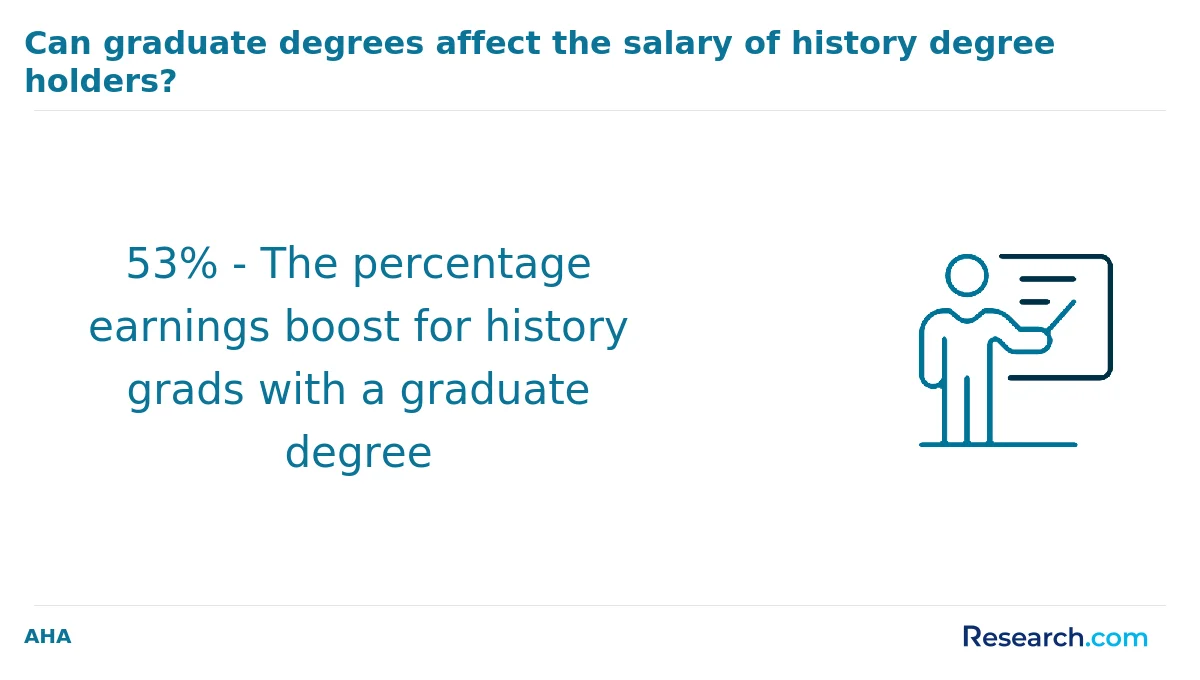
Many students find that pursuing graduate education, such as online masters degrees in history, helps them qualify for better-paying roles in academia or specialized historical research. This investment in further credentials reflects the competitive nature of the Alabama history graduate employment prospects and enhances career flexibility.
2027 Fastest Online History Degree Programs Ranking in Alabama
Investing in your education is a significant decision that can shape your future, and the Research.com team understands the importance of making informed choices. To assist prospective students in Alabama, we have meticulously crafted the "2027 Fastest Online History Degree Programs Ranking in Alabama." Our commitment to quality, credibility, and accuracy is reflected in the extensive research and analysis conducted to compile this ranking.
We utilized the following reputable data sources to ensure a comprehensive evaluation of history degree programs:
By exploring this ranking, readers will gain valuable insights into the fastest online history degree programs in Alabama, helping them make informed decisions about their educational paths. For more details on our methodology, please visit our Research.com methodology page.

# 3 position
Judson College
Bachelor of History


Frequently Asked Questions About history
Online history degree students in Alabama can maximize their learning by actively engaging with course materials and participating in virtual discussions. Setting a consistent study schedule helps manage time effectively, especially for working adults. Utilizing Alabama public library resources provides access to local archives and primary sources valuable for assignments. Students should also seek professors' feedback and attend virtual office hours for personalized guidance.
Collaborating with peers through study groups or online forums fosters deeper understanding. Additionally, Alabama has several digital history projects, such as those hosted by the University of Alabama's Center for Public History, which offer practical research opportunities.
Emerging niches within the history field offer diverse opportunities for students pursuing online history degrees in Alabama. One growing area is public history, which involves working with museums, archives, and cultural organizations to preserve and interpret historical materials. This niche has expanded due to increasing public interest in local Alabama heritage.
Digital history is another fast-growing niche, focusing on using technology to analyze and present historical data. The rise of digital archives and interactive historical platforms provides new career paths.
Environmental history is gaining traction, exploring historical human relationships with nature, which is relevant to Alabama's rich ecological landscapes.
These niches reflect broader trends in U.S. history education noted by the American Historical Association and local Alabama university programs.
After completing an online history degree in Alabama, preparing for the job market involves targeted strategies to enhance employability. Graduates should focus on building practical skills like research, writing, and critical analysis, which are highly valued in fields such as education, public history, and archiving. Gaining internships or volunteer experience with Alabama museums, historical societies, or local archives can provide useful hands-on experience and networking opportunities.
Job seekers may also consider certifications in digital archiving or museum studies to expand their qualifications. According to the Alabama Department of Labor, history-related jobs are projected to grow by 6% through 2030, driven by rising demand for educators and cultural preservationists.
Taking advantage of university career services, joining professional associations like the Alabama Historical Association, and attending local history conferences can further improve prospects in this region.
Employers in Alabama value history degree graduates who demonstrate strong research and critical thinking skills. These abilities enable graduates to analyze historical data effectively and present well-supported arguments.
Additionally, excellent written and verbal communication skills are essential, as many roles require clear documentation and storytelling based on historical evidence.
Graduates who show proficiency in digital literacy, including familiarity with archival databases and digital tools, stand out in Alabama's competitive job market. According to the Alabama Department of Labor, positions related to history and archival work increasingly require these technical skills.
Problem-solving and attention to detail are also key, helping graduates manage complex projects and historical records accurately.
Finding internships in Alabama related to a history degree involves targeting institutions that value historical knowledge. Start by exploring local museums, such as the Alabama Department of Archives and History in Montgomery, which offers programs for students to engage with archival materials and exhibit preparation.
Universities with history departments often have partnerships facilitating internships. For example, the University of Alabama and Auburn University maintain connections with local historical societies and preservation projects. Students can contact career services centers to learn about openings.
Additionally, nonprofit organizations focused on historic preservation or cultural heritage, like the Southern Museum of Flight, occasionally offer internships relevant to history majors. Networking through professional associations like the Alabama Historical Association can provide leads and guidance.
An online history degree in Alabama can significantly enhance career mobility and advancement opportunities. Graduates often qualify for roles in education, public history, government, and archival work. According to the Alabama Department of Labor, jobs in related fields are projected to grow by about 5% through 2030, reflecting steady demand.
Many statewide employers value the critical thinking and research skills developed in history programs. An online degree offers flexibility, allowing students to study while maintaining employment, which can lead to promotions and salary increases.
Furthermore, Alabama's rich historical heritage offers unique local opportunities in museums, cultural institutions, and historic preservation.
Studying for a history degree in Alabama offers a strong foundation for interdisciplinary roles by combining historical knowledge with skills applicable across fields. Many Alabama universities integrate courses in political science, sociology, and economics alongside history, reflecting the interconnected nature of social sciences. This approach enhances critical thinking, research, and analytical skills, which are highly valued in careers such as public policy, education, and museum curation.
According to the Alabama Commission on Higher Education, more than 60% of history graduates find employment in sectors requiring cross-disciplinary expertise. The state's emphasis on diverse coursework prepares students to adapt in a rapidly evolving job market.
When choosing between a thesis and a non-thesis history degree program in Alabama, students should consider their career goals and learning preferences. Thesis programs emphasize original research and writing, ideal for those aiming at academic or research careers. Non-thesis options focus more on coursework and practical knowledge, better suited for professionals seeking advancement without pursuing graduate study.
Alabama universities, like the University of Alabama, offer both options online. According to the Alabama Commission on Higher Education, graduate history enrollments grew 8% from 2020 to 2023, highlighting increasing interest in flexible formats.
Cost, program length, and faculty expertise are also important factors when deciding between the two paths.
Students in Alabama interested in studying history abroad through online degree programs have several pathways to consider. Many U.S. universities offering online history degrees allow students to take specialized courses focused on global or European history, which provides a broad international perspective without physically leaving the country.
Additionally, some Alabama institutions have study abroad partnerships or exchange programs with foreign universities. These offer online learners opportunities to engage in virtual cultural experiences or short-term residencies abroad, blending digital learning with international exposure.
According to the National Center for Education Statistics, about 6% of Alabama college students participated in study abroad programs pre-pandemic, with online options now expanding access.
Therefore, students can combine accredited online history courses with virtual global study components to enrich their education while based in Alabama.
Part-time job opportunities in Alabama that complement a history degree include roles such as museum assistant, archival technician, and historical tour guide. Many museums and cultural centers in Alabama, like the Birmingham Civil Rights Institute, often seek part-time staff with strong historical knowledge. According to the Alabama Department of Labor, the demand for archivists and curators is expected to grow moderately through 2030.
Working in local libraries or historical societies can also provide practical experience. These roles enhance research and public communication skills relevant to a history career.
Additionally, tutoring or teaching assistant positions at colleges may align well with an online history student's schedule and career goals.
Online history students in Alabama have several valuable networking opportunities despite their virtual learning format. Many universities offering online history degrees encourage students to participate in local historical societies and museums, such as the Alabama Historical Association, which hosts annual conferences attracting scholars statewide. These events enable students to connect with professionals, academics, and fellow students interested in Alabama's rich past.
Additionally, Alabama's public universities often provide virtual workshops, guest lectures, and alumni networking groups, allowing online learners to engage with history experts and mentors. According to the National Center for Education Statistics, online degree programs increasingly integrate such networking features to support student success.
Internships with state archives or cultural institutions also offer practical experience and professional contacts, crucial for career advancement in the history field.
Alumni networks play a valuable role for students pursuing online history degrees in Alabama. These networks provide access to professional connections, which can be crucial for job placements and internships within museums, archives, and cultural institutions statewide.
Graduates often share insights about local job markets and opportunities, helping current students navigate Alabama's competitive history-related fields. According to the Alabama Historical Association, networking greatly increases chances for career advancement in history and education sectors.
Online students can also participate in regional events and webinars hosted by alumni, fostering a sense of community despite remote learning.
Overall, alumni networks bridge the gap between academic study and professional growth for Alabama's online history students.
Customizing an online history degree program in Alabama involves selecting electives and concentrations that match your career goals. Many universities in Alabama offer options to focus on areas such as public history, museum studies, or American history. This flexibility allows students to gain specialized knowledge relevant to careers in education, archiving, or cultural resource management.
Alabama's colleges often provide internships or practicum opportunities with local historical societies or museums, enhancing practical experience. According to the Alabama Commission on Higher Education, tailoring your coursework to include research methods or digital history tools can improve job prospects in academic or public sectors.
Additionally, some programs encourage interdisciplinary study by combining history with fields like political science or anthropology, broadening career options without extending time to graduation.
Online history students in Alabama often face challenges related to balancing coursework with personal and professional responsibilities. Many learners juggle jobs or family duties while attending virtual classes, which can affect their study time and focus. Additionally, students may encounter difficulties accessing primary historical archives or local resources since some materials are only available on campus or in Alabama-based libraries.
Technical issues also pose a common hurdle. Reliable internet access remains uneven, particularly in rural parts of Alabama, impacting participation in live discussions or exams. According to the Alabama Commission on Higher Education, about 15% of residents statewide have limited broadband access, complicating online learning.
Finally, maintaining motivation and discipline without face-to-face interaction can be challenging. History courses often require critical analysis and extensive reading, which some students find harder to manage independently. Support services and virtual study groups are crucial to addressing these obstacles.
With an online history degree, Alabama students can pursue various professional certifications to enhance career opportunities. One popular option is becoming a Certified Archivist, which validates skills in managing historical documents and records. This certification is recognized nationally and can complement positions in museums and libraries across Alabama.
Another path is acquiring teaching certifications. Graduates aiming to teach history in Alabama public schools must complete state-approved teacher preparation programs and pass the Alabama Educator Certification Exam.
Additionally, project management certifications, such as the PMP, are valuable for historians working on research projects or exhibitions.
Sources like the Alabama Historical Commission provide useful guidance on careers in history-related fields.
To write a winning application for an online history program in Alabama, start by showcasing your genuine interest in history, especially regional topics like Alabama's role in the Civil Rights Movement. Admissions committees value applicants who present clear educational goals and demonstrate how the program fits their career plans.
Include a well-crafted personal statement highlighting your academic strengths and relevant experiences. Alabama schools often look for critical thinking and writing skills, so submitting strong essays is essential. Additionally, maintaining a competitive GPA and providing letters of recommendation from educators familiar with your history background can improve your chances.
Research each university's specific requirements, as some may request standardized test scores or interviews. Using resources like the Alabama Commission on Higher Education can help you tailor your application effectively.
Global perspectives on a history career emphasize versatility and critical thinking skills. In the United States, including Alabama, history graduates often find opportunities beyond traditional teaching roles. According to the National Center for Education Statistics, employment in history-related fields is growing at a steady pace, with archivists and museum workers among prominent career paths.
Alabama's rich historical heritage offers unique advantages for history students, especially those pursuing online degrees. Graduates can engage with local historical societies or cultural institutions that connect to global narratives.
Internationally, history careers value analytical skills, research proficiency, and the ability to interpret diverse cultural contexts, which align well with educational standards in Alabama's universities.
Students pursuing an online history degree in Alabama can gain practical experience through internships at local museums, archives, and historical societies. Organizations like the Alabama Department of Archives and History often offer remote and in-person internship opportunities. These experiences provide hands-on skills in research, curation, and historical preservation, which are valuable for career development.
Many Alabama universities also encourage students to participate in digital history projects or community-based research. Such projects allow learners to apply classroom knowledge to real-world challenges while studying remotely.
Networking with professionals through virtual conferences and history associations in Alabama further enhances practical experience.
Choosing the right concentration within an online history degree program in Alabama begins with understanding your career goals. Concentrations often range from American history to public history or archival studies. Alabama's rich history in the Civil Rights Movement and Southern heritage makes areas like Southern history particularly relevant. According to the Alabama Historical Association, expertise in regional history can open job opportunities in museums, education, and government.
Consider programs that offer local archives access or internships with Alabama institutions. Also, review faculty expertise and course flexibility, which impact your learning experience. Evaluating these factors helps align your concentration with both academic interests and job market demands in Alabama.
- 2023 Most Popular Online History Schools in Alabama - Course Advisor https://courseadvisor.com/majors/history/history/rankings/most-popular-online/southeast/alabama/
- My Top 3 Recommendations on Networking in the History World | An Historian About Town https://anhistorianabouttown.com/recommendations-on-networking-in-the-history-world/
- How a Strong Alumni Network Can Benefit Students https://www.pacificu.edu/blog/how-strong-alumni-network-can-benefit-students
- Alabama US History Interactive: Revolution to Progressive Era https://www.savvas.com/alabama/solutions/social-studies/core-programs/alabama-us-history-interactive-revolution
- Study History Abroad | Go Overseas https://www.gooverseas.com/study-abroad/history
- The Impact of History Degrees: Opportunities and Trends Among History Degree Jobs https://www.ucumberlands.edu/blog/the-impact-of-history-degrees
- Top Niche Historical Topics for Deep-Dive High School Projects https://riseglobaleducation.com/blogs/top-niche-historical-topics-for-deep-dive-high-school-projects
- Master's History Application - Sample Letter (EN) https://ai.mystudies.com/blog/mystudies-writing-examples/application-for-master-program-history-20-06-2025.html
- 6-semester-hour sequence in either literature or history https://talk.collegeconfidential.com/t/6-semester-hour-sequence-in-either-literature-or-history/1074231
- Jobs for History Majors: 12 Career Paths That Use Your Skills | Extern https://www.extern.com/post/jobs-for-history-majors-career-guide