2027 Fastest Online History Degree Programs Ranking in the South

Co-Founder and Chief Data Scientist
Choosing the right history degree program can shape your future and deepen your understanding of the past. If you're in the South and looking to advance your education quickly, this article is here to help.
The 2027 Fastest Online History Degree Programs Ranking in the South was created by the Research.com team of data scientists to guide you through the best options available. This ranking makes it easier to find programs that fit your goals and lifestyle.
Discover valuable insights and take a confident step toward earning a history degree that inspires and empowers you.
Key benefits of getting online history degree in the South
- The average salary for history-related careers in the US varies, but many graduates find roles in education, research, and public service that can offer steady income and opportunities for growth.
- Graduates from Southern universities often explore diverse careers such as archivists, museum curators, or cultural resource managers, blending passion for history with meaningful work.
- Online history degrees from Southern institutions provide flexibility for students balancing work or family, often allowing faster completion and access to expert faculty without relocating.
- 2027 Fastest Online History Degree Programs Ranking in the South
- What can I expect from online history degree in the South?
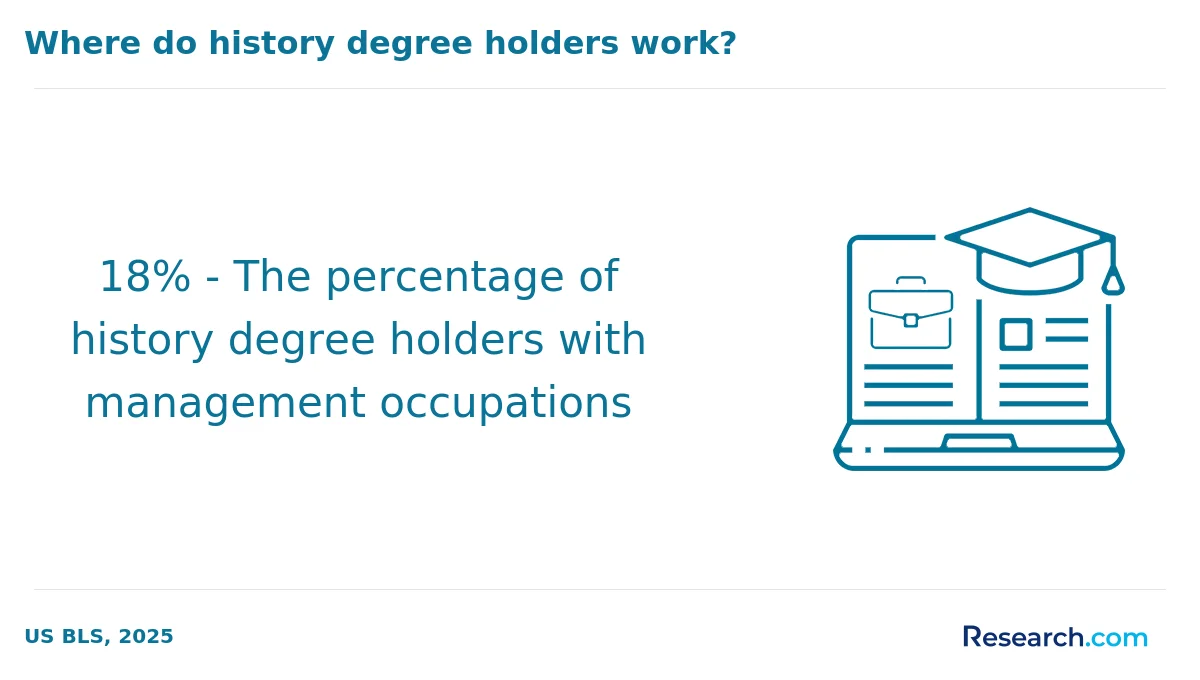
- Where can I work with online history degree in the South?
What can I expect from online history degree in the South?
The average cost of an online history degree in the South typically ranges from $200 to $400 per credit hour for in-state students, with higher tuition fees for those studying from out-of-state. Imagine a student at a well-known Southern university, diving into courses on Reconstruction or Southern culture while balancing work and family life thanks to flexible, remote learning formats. Their excitement grows as they tap into digital archives and virtual internships with local historical societies, all without leaving their home.
Graduates often recall how affordable tuition paired with scholarships or financial aid made it possible to pursue their passion without overwhelming debt. From Texas to North Carolina, students appreciate that accredited programs by SACSCOC ensure quality education and a recognized degree. These cost-effective and reputable options open doors for many who cherish exploring the South's rich past alongside expert mentorship and community connections, fueling their curiosity and ambition in history.
Where can I work with online history degree in the South?
With an online history degree from Southern universities like the University of Florida or Georgia State, graduates often embark on exciting careers that connect them deeply with the region's rich heritage. Many find themselves teaching eager students in middle and high schools across Texas or Louisiana, where their passion for history sparks curiosity and critical thinking.
Others eagerly dive into higher education roles, working as researchers or lecturers at colleges such as the University of Alabama, where they bring fresh perspectives informed by their flexible online learning experiences. The thrill of uncovering untold stories or guiding students through complex historical events keeps their days dynamic and rewarding.
History graduates also thrive as archivists or museum specialists in vibrant cultural hubs like Charleston or Atlanta. Imagine preserving artifacts or curating exhibits that bring Southern history to life for visitors. Some turn to private sector opportunities, consulting for heritage tourism in Virginia or crafting narratives for corporate archives, blending history with storytelling in innovative ways.
These paths aren't just jobs-they're journeys that turn curiosity into meaningful careers shaped by the South's unique cultural landscape.
Venturing into an online history degree in the South opens up a range of earnings that reflect both the charm and challenges of the region. Graduates from popular Southern schools often find themselves earning between $50,000 and $60,000 as historians, slightly below the national median of around $63,100. Imagine stepping into a museum or archive in Georgia or Texas, where starting salaries hover from $35,000 to $45,000-perfect for a graduate eager to dive into preserving the past.
For those inspired to teach, public school educators typically earn between $45,000 and $55,000 annually, painting a stable and rewarding picture. Postsecondary instructors in Southern universities build on this with $55,000 to $75,000, rewarding passion and persistence. Some grads take adventurous paths toward historic preservation or government roles, with salaries ranging broadly up to $70,000.
These figures tell stories of opportunity shaped by local economies and community needs-inviting you to explore a vibrant career landscape uniquely Southern in flavor, history, and promise.
- Online history degrees in the South are available from accredited universities with fully online programs, ideal for working professionals and those with family commitments.
- Tuition costs range from $250 to $350 per credit hour at public universities for in-state students and $400 to over $600 per credit hour at private institutions, with total degree costs between $20,000 and $35,000.
- Entry-level jobs such as museum technician or archival assistant typically pay between $35,000 and $45,000 annually, with experienced professionals earning around $60,000 or more.
- Job demand exists in education, cultural resource management, libraries, and public history sectors, especially in metropolitan areas like Atlanta, Charlotte, and Austin.
- Online history programs in the South have retention and graduation rates similar to national averages, supported by services like tutoring and digital libraries.
But the adventure doesn't have to be linear. Some learners choose a part-time route, balancing work, family, or other passions, stretching their degree journey to six years or beyond. Others seize accelerated options, diving deep into summer courses or heavier semesters, sometimes wrapping things up in three years or less. Georgia Southern University, for example, offers pathways that enable eager historians to finish a master's degree in as little as a year, pacing their own exploration of the past.
The varying paths students take reflect personal stories-whether it's transferring credits to head-start their voyage or enrolling in extra courses to accelerate progress. These experiences show that completing an online history degree in the South is not just about time, but about crafting a unique educational adventure.
Imagine juggling family life or a growing career while diving deep into Southern history-online programs make this adventure possible. Graduates from universities like the University of Florida have praised the flexibility of studying on their own schedules, embracing the freedom to explore historical themes without the constraints of campus hours. This independence fosters strong self-discipline and a proactive approach to learning, perfect for those balancing multiple commitments.
On the flip side, graduates from the University of North Carolina recall the thrill of lively seminars and spontaneous debates with professors and peers. The buzzing energy of campus life, with workshops and access to sprawling archives, creates a rich, immersive environment that sparks curiosity and fuels passion for discovery.
Cost and access also differ-online degrees often lighten the financial load, especially for those living far from Southern city centers. However, prestigious institutions sometimes match tuition regardless of format, banking on their strong reputation.
Choosing between these paths means deciding how you want to experience history: through the embrace of a dynamic campus community or the freedom of an adaptable, self-directed journey.
The average cost of an online history degree in the South invites both excitement and careful planning. Graduates from well-known Southern universities often recall how the median in-state total cost of about $43,860 made the pursuit feel accessible and worth every penny. This figure usually covers tuition and fees, giving a clear benchmark for students seeking affordable online history degree programs Southern US offers.
For many, the experience of earning a history degree online at a public university in states like Texas or Georgia was enhanced by reasonable tuition and the flexibility to balance studies with work or family. Out-of-state students typically encounter higher costs, with median expenses reaching around $64,116, yet they still find value in the programs' depth and the convenience of remote study.
Master's programs, while often shorter in length, come with their own cost spectrum, but students appreciate how these programs provide focused learning at competitive prices. Additional fees such as technology or textbooks can add a small, predictable layer to the total, rounding out the budgeting picture. Curious learners can explore nuances behind these numbers by visiting comprehensive guides on degrees for history, helping them make informed decisions optimized for their personal journey.
Embarking on an online history degree journey in the South unlocks a treasure trove of financial aid tailored to ease the adventure. Graduates from universities like the University of Georgia and Texas A&M recall how the Pell Grant, offering up to $7,395 annually, felt like a golden key opening doors without the burden of repayment. Many found comfort in federal loans with low interest and flexible terms, ideal for balancing studies with life's other quests.
State-specific rewards add an exciting layer to funding. Imagine a history student in North Carolina receiving a grant aimed just for in-state online learners, boosting their path through education. Some Southern states even roll out special incentives for educators or public service professionals stepping into historical studies, turning dreams into achievable reality.
Scholarships from local historical societies and the Southern Historical Association spark motivation by recognizing passion for history and community service. Veterans and military personnel share stories of how the GI Bill and tuition reimbursement programs at Southern colleges made their academic pursuits feel like a journey worth every step.
Embarking on an online history degree journey in the South often begins with a key milestone: having a high school diploma or an equivalent like a GED. Imagine a recent graduate from a well-regarded Southern university sharing how submitting their official transcripts sparked a vivid reflection on their high school days immersed in social studies-an area deeply valued in this region. Some universities, like those beloved for their rich Southern heritage, appreciate these academic roots, which perfectly align with their focus on local history.
While some students find themselves flexing test-optional policies at schools across the South, others prepare to submit SAT or ACT scores, eager to meet admission standards with confidence. Graduate applicants, chasing the next adventure in history, often need a bachelor's degree plus thoughtful recommendations and a clear statement of purpose-a narrative as personal as the history they study.
These prerequisites create an open door to explore the past while balancing finances wisely, with many students discovering that online programs reduce campus fees, making their passion for history more accessible than ever.
Online history students at Southern universities often find themselves diving into a rich tapestry of courses that spark curiosity and intellectual adventure. Graduates from schools like the University of Georgia or the University of Alabama recall the excitement of exploring Introduction to Historical Methods and Research, where they learned to unravel the mysteries hidden in old letters, diaries, and official documents.
Courses such as U.S. History from Colonial Times to the Civil War bring to life the dramatic stories that shaped American identity, while The History of the American South offers a unique lens on regional culture and transformation, something students deeply appreciate for its relevance to their own communities.
World History classes transport learners through Ancient Civilizations and the Middle Ages, broadening perspectives beyond Southern borders. Many students also thrill at specialized classes like African American History or Women's History, where diverse voices add vibrant layers to their education.
Interactive capstone seminars challenge students to conduct original research, often connecting digital archives with lively online discussions-blending rigorous study with the flexibility needed for busy lives.
Exploring online history degree specializations in the South opens an exciting journey through time and culture. Many graduates from popular Southern universities dive into Southern and Civil War history, experiencing the drama of Reconstruction and antebellum life through vivid accounts and local archives. This specialization offers a deep connection to the region's heritage that feels personal and alive.
Other students are drawn to public history and museum studies, where they imagine themselves preserving stories in vibrant Southern museums or curating exhibitions celebrating heritage sites. This path aligns perfectly with the region's growing cultural institutions, making the study feel both adventurous and purposeful.
American history with its broad scope fascinates those wanting to track the nation's evolution, while world and European history specializations let learners explore global narratives from the comfort of their homes. Many Southern programs even embrace African American history and Native American studies, enriching students' understanding of the diverse forces shaping the South.
With affordable tuition rates and tailored specialties, Southern US online history programs specialties make it easy and inspiring to pursue passions. Curious learners can check out careers history degree options for further guidance on where their historic adventures might lead.
Choosing the best online history degree in the South is like embarking on a thrilling journey through time and place. Graduates from popular Southern universities often recall how regionally accredited schools with curriculum focused on Southern history brought their studies to life, connecting them deeply to the culture and events shaping the region. Affordable online history degree programs in the South are surprisingly accessible, with some public universities offering tuition that fits budget-conscious explorers, allowing students to balance study with life's other adventures.
Many learners treasure programs that provide rich digital archives and engage vibrant faculty, replicating the excitement of on-campus discovery at their fingertips. Top accelerated history degrees southern US attract those eager to dive deeply and finish efficiently, making the educational quest both fast-paced and rewarding. What truly amplifies the experience is a solid support system-academic advising and interactive classes-that transforms remote study into a communal, energizing expedition. Delve into your interests further by exploring career opportunities in history that arise from these paths.
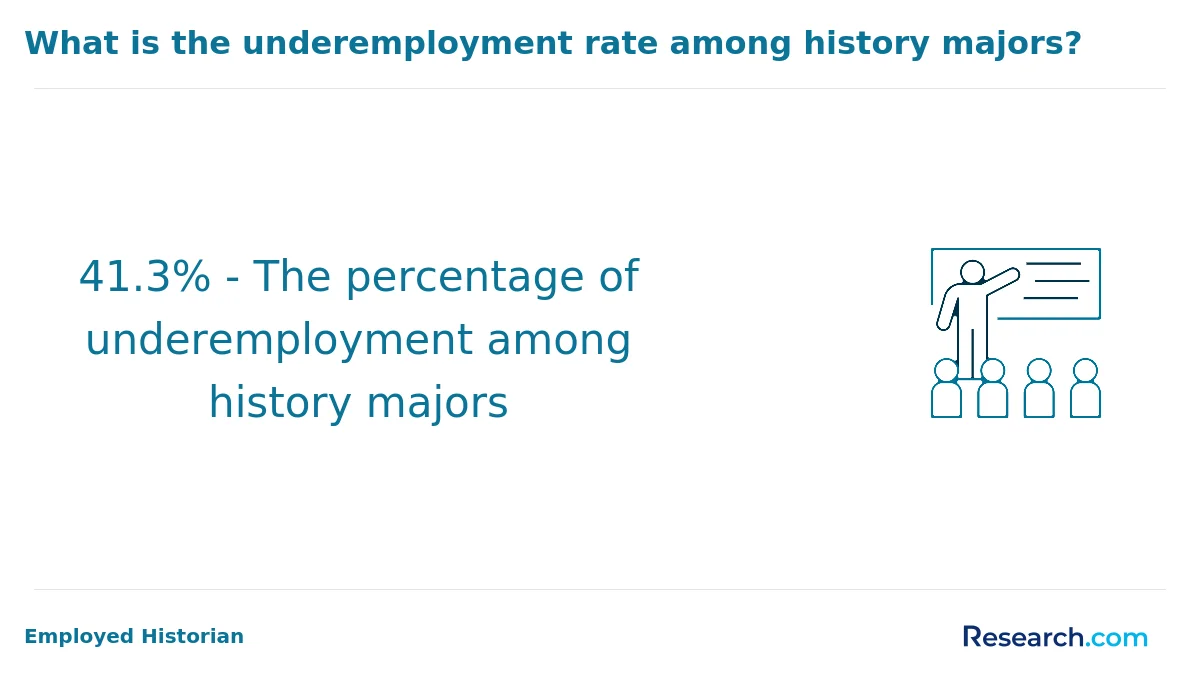
Graduates with an online history degree in the South find themselves stepping into diverse and exciting career paths that tap into their curiosity and analytical talents. Many quickly discover rewarding roles in education, becoming high school teachers or professors at Southern universities where history is cherished for its connection to regional heritage. Others dive into public history, working at museums or historic sites scattered across Virginia and North Carolina, sharing stories and preserving the past. These opportunities embody the adventurous spirit of career opportunities with Southern online history degree programs, where graduates bring history to life through digital skills and innovative outreach.
Public service also calls many graduates, with roles in government agencies managing cultural resources or historic preservation in vibrant Southern communities. The storytelling and research skills honed during studies make graduates sought after by media and research firms eager to craft authentic historical narratives. Those curious about the best online colleges for history degree can find inspiration, knowing many Southern institutions empower students with practical experience and a strong local network to launch their careers.
The job market for an online history degree in the South is as rich and varied as the region's deep cultural roots. Graduates from popular Southern universities often find themselves drawn into roles that preserve the vibrant stories of places like Virginia, Georgia, and North Carolina. Many discover exciting opportunities as museum curators or archivists, where they protect priceless artifacts and historical documents, making the past come alive for local communities.
For those wondering about the online history degree job outlook in the South, secondary education remains a steady path. Many graduates become passionate history or social studies teachers, inspiring the next generation with tales of Southern heritage in classrooms across the region. Others dive into cultural resource management, working hands-on with preservation agencies to safeguard historic lands.
Stories from alumni highlight how strong research and writing skills open doors in historical publications and media outlets. Pursuing advanced study or certifications in areas like archival science often leads to higher salaries.
Exploring career options? Check out resources on art history careers to uncover paths that blend creativity with historical knowledge.
2027 Fastest Online History Degree Programs Ranking in the South
Investing in your education is a significant decision that can shape your future, and the Research.com team understands the importance of making informed choices. To assist prospective students, we have meticulously crafted the "2027 Fastest Online History Degree Programs Ranking in the South." Our commitment to quality, credibility, and accuracy is reflected in the extensive research and analysis conducted to compile this ranking.
We utilized the following reputable data sources to ensure a comprehensive evaluation of history degree programs:
By exploring this ranking, readers will gain valuable insights into the fastest online history degree programs in the South, helping them make informed and confident decisions about their educational paths. For more details on our methodology, please visit our Research.com methodology page.


# 4 position
Judson College
Bachelor of History

# 5 position
University of Maryland Global Campus
Bachelor of History



# 19 position
Mary Baldwin University
Bachelor of History

# 20 position
Texas A&M University - Victoria
Bachelor of History

Frequently Asked Questions About history
Online history degree students in the South can maximize their learning by actively engaging with both digital and local historical resources. Many Southern universities, such as the University of North Carolina and Florida State University, offer extensive online archives and virtual libraries that complement coursework. According to the National Center for Education Statistics, online learners who participate in discussion forums and virtual study groups improve retention by up to 20%. Students should also take advantage of local museums and historical sites, many of which provide virtual tours or community programs that enrich understanding of Southern history.
Time management is crucial; setting a consistent study schedule helps balance coursework with personal commitments. Utilizing academic advising and online tutoring services, commonly offered by Southern institutions, promotes academic success. Lastly, accessing scholarly databases like JSTOR through university subscriptions allows learners to explore primary sources and peer-reviewed articles on regional history.
Emerging niches within the history field highlight areas of growing academic and career interest, especially for students seeking online history degrees in the South. One notable niche is historic preservation, which connects history with architecture and urban planning, addressing the South's rich heritage sites.
Another expanding area is public history, focusing on museum work, archives, and digital storytelling. This niche benefits from increasing demand for professionals skilled in making history accessible to broader audiences. According to the American Historical Association, public history jobs are growing by about 8% nationally but see particular interest in Southern states due to local heritage tourism.
Environmental history also gains traction, exploring how Southern landscapes shaped cultural and social histories. These niches offer specialized paths distinct from traditional academic roles, fitting well into flexible online programs popular in the region.
After earning an online history degree in the South, preparing for the job market involves combining academic knowledge with practical experience. Many Southern graduates benefit from internships at local museums, archives, or historical societies, which bolster resumes and expand professional networks. According to the American Historical Association, over 70% of history graduates gain valuable experience through internships or part-time roles during studies. Additionally, pursuing skills in digital archiving, research databases, and public history can increase employability.
Networking through Southern region professional groups, such as the Southern Historical Association, also offers job leads and career development resources. Targeting federal and state government roles, which employ many history graduates, is vital, as the U.S. Bureau of Labor Statistics reports a steady 5% growth in historian positions through 2031.
Employers in the South highly value history degree graduates who demonstrate strong critical thinking and research skills. According to a 2023 report by the Southern Association of Colleges and Schools Commission on Colleges, these graduates excel in analyzing complex historical data and drawing insightful conclusions, which aids decision-making in various sectors.
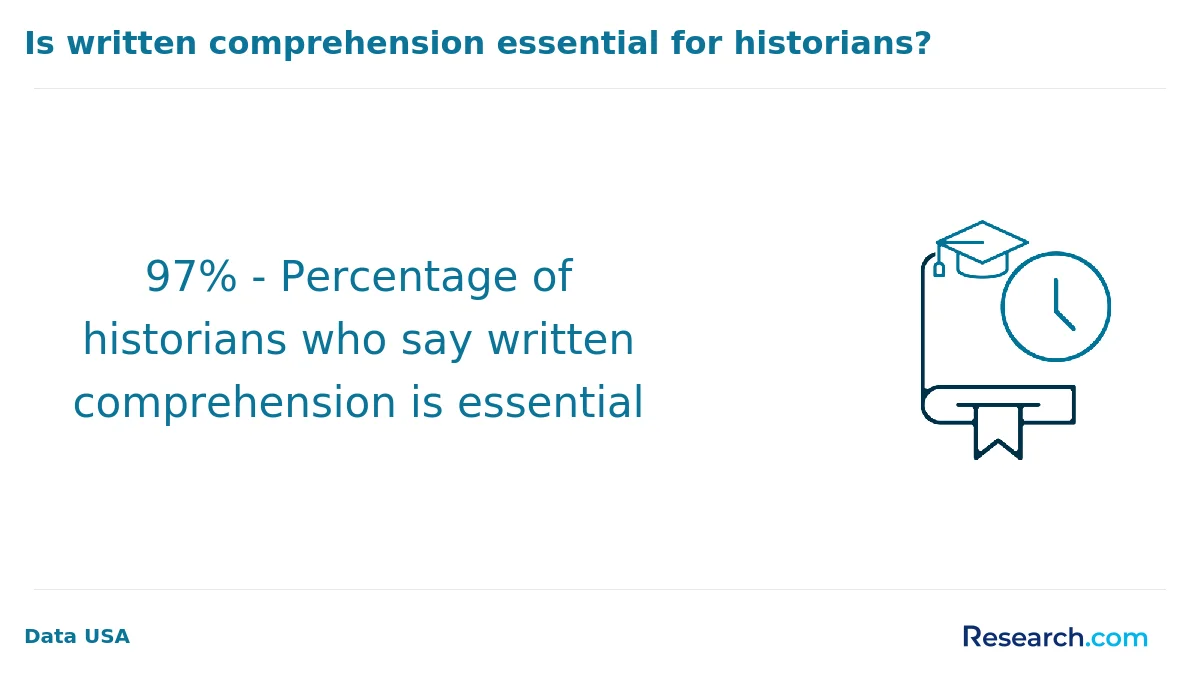
Effective communication is also crucial. Graduates must convey findings clearly in writing and presentations, a skill noted by employers in archives, museums, and education across Southern states.
Additionally, proficiency with digital archives and historical databases is increasingly important, reflecting the region's growing emphasis on technology in humanities fields.
Finding internships in the South relevant to a history degree involves targeting key institutions such as museums, archives, and historical societies. Many Southern states, including Virginia and Georgia, offer rich opportunities due to their Colonial and Civil War heritage. According to the American Historical Association, universities in the South often partner with local cultural organizations to provide internship placements.
Students should leverage university career services and online platforms like Handshake or the National Council on Public History's job board. Internships may be available at state archives or historic sites, giving practical experience in preservation and research. Starting early and networking through academic advisors significantly boosts chances in this competitive field.
Obtaining an online history degree in the South enhances career mobility by providing flexible access to quality education tailored for working adults. According to the National Center for Education Statistics, Southern states saw a 15% increase in online degree completions from 2018 to 2022, reflecting growing demand.
Graduates often pursue roles in education, public history, or government sectors, where advanced knowledge of regional history is valued. The Southern Regional Education Board highlights that history majors have a 7% higher chance of promotion within five years compared to non-degree holders in cultural institutions.
Online programs accredited by Southern universities also open pathways for networking and internships with local museums and archives, facilitating professional advancement.
Studying for an online history degree in the South offers unique preparation for interdisciplinary roles by emphasizing regional contexts that intersect with economics, politics, and culture. Southern universities often integrate courses combining history with fields like sociology, public policy, and archival science.
For example, the Southern Historical Association highlights that Southern history programs promote critical thinking applicable to roles in education, law, and museum curation. Students learn to analyze historical data alongside social trends, which employers increasingly seek.
This interdisciplinary approach is supported by the Southern Association of Colleges and Schools Commission on Colleges, ensuring programs meet broad academic standards while fostering diverse skills.
As a result, graduates are well-equipped for careers beyond traditional history roles, adapting effectively in various professional environments.
Choosing between a thesis and a non-thesis online history degree program in the South depends largely on your career goals and learning preferences. Thesis programs emphasize in-depth research and writing, often appealing to students aiming for doctoral studies or academic careers. Non-thesis tracks typically focus more on coursework and practical skills, which suits those pursuing teaching or government roles.
Southern universities offering these options include institutions with strong remote learning support, reflecting growing demand reported by the Southern Regional Education Board. According to the National Center for Education Statistics, history degrees with thesis options often require 6 to 12 additional credit hours for research.
Consider how much time you can dedicate to independent study and whether you prefer intensive writing or broader coursework before deciding.
Students in the South looking to study history abroad while enrolled in online degree programs have several options. Many universities in Southern states partner with international institutions, offering virtual exchange programs and global history courses. These opportunities allow students to explore diverse historical perspectives without leaving their homes.
Some programs include study-abroad components that can be completed during short-term travel, often in summer sessions, providing hands-on international experience. According to the National Center for Education Statistics (NCES), nearly 15% of Southern students in online history programs participated in such exchange opportunities in 2022.
Students should also consider universities accredited by the Southern Association of Colleges and Schools Commission on Colleges (SACSCOC) for recognized credits abroad.
Students pursuing online history degrees in the South can benefit from part-time jobs that build relevant skills and experience. Museums and historical societies in states like Virginia and Georgia frequently offer roles as docents or curatorial assistants, allowing students to engage with local heritage. According to the National Council on Public History, part-time museum work improves research and public speaking skills-key assets for history graduates.
Additionally, many archives and libraries in Southern cities employ student workers to help with cataloging and digitization projects. These positions strengthen technical expertise in historical documentation.
Public schools and community centers also seek part-time tutors or educators to promote history learning, especially in underserved areas. These roles enhance communication skills and deepen content knowledge.
Online history students in the South benefit from varied networking opportunities despite the virtual format. Many Southern universities hosting these programs offer access to alumni networks, enabling students to connect with historians and professionals across the region. For example, the Southern Historical Association, headquartered in Richmond, Virginia, provides online members with webinars, conferences, and forums that foster professional relationships.
Additionally, online students often join digital clubs and study groups organized by their institutions, which facilitate peer collaboration. Institutions like the University of North Carolina system offer virtual internships and local archival projects to help build practical experience and regional connections.
According to the National Center for Education Statistics, over 40% of Southern colleges promote online student involvement through online discussion boards and social media groups focused on history topics, further expanding opportunities to network within academic and professional communities.
Alumni networks play a critical role for online history degree students in the South. They provide access to professional connections that can lead to internships, job opportunities, and mentorships within regional museums, archives, and educational institutions. According to the Southern Association of Colleges and Schools Commission on Colleges, strong alumni engagement in southern universities enhances career outcomes by 20% compared to those without such networks.
Students benefit from alumni events and digital forums, which foster a sense of community despite the online format. This support system helps bridge the gap between virtual learning and real-world professional development in Southern history fields.
Customizing an online history degree in the South allows students to align their studies with specific career goals. Many Southern universities offer flexible electives focusing on regional history, public history, archival studies, or museum work. Selecting courses on Southern Civil War history, African American history, or Native American studies can provide targeted expertise valued in education, research, or cultural institutions.
Students may also choose to complete internships or independent research projects remotely, gaining practical experience. According to the Southern Association of Colleges and Schools Commission on Colleges, many accredited programs support such options, allowing tailored learning paths that enhance employability in Southern museums, archives, and educational agencies.
Online history students in the South often face unique challenges compared to traditional learners. One key difficulty is limited access to specialized digital archives and regional historical resources, which are sometimes only available on-campus or within specific library networks. This can hinder research, especially for topics focused on Southern history. According to the Southern Association of Colleges and Schools, connectivity issues also persist in rural areas, making consistent access to course materials and live sessions problematic for some students.
Another challenge is the need for strong self-discipline, as online history courses require extensive reading and critical analysis without in-person support. Additionally, students may find fewer opportunities for interactive discussions comparing Southern history perspectives, limiting diverse engagement important to the subject.
Graduates with an online history degree in the South can pursue several professional certifications to enhance their careers. Common options include Certified Archivist (CA) and Certified Records Manager (CRM), both respected in historical preservation and information management fields. The Academy of Certified Archivists offers the CA credential, which is valuable for roles in museums, libraries, and government agencies.
The CRM certification, administered by the Institute of Certified Records Managers, focuses on organizing and maintaining records effectively, crucial in various public and private sectors across Southern states. Additionally, teaching certifications are available for those aiming to educate history at secondary schools.
According to the Southern Association of Colleges and Schools, holding such certifications improves job prospects by up to 20% in heritage professions regionally.
Applying for an online history degree program in the South requires clear, focused preparation. Admissions committees value well-articulated goals that explain why you want to study history and how it fits your career plans. Be sure to highlight any relevant experience, such as volunteer work or research, particularly involving Southern history, a rich field with unique civil rights and cultural studies opportunities.
Strong writing is essential. Use concise language and proofread carefully, as admissions often assess written communication skills. Providing letters of recommendation from educators familiar with history or academic research can boost your application. According to the Southern Association of Colleges and Schools, schools typically seek applicants with a minimum 3.0 GPA, so include your academic credentials clearly.
Lastly, demonstrate familiarity with the program's focus, especially if they emphasize Southern history specialties. Tailoring your personal statement to the program increases your chances of acceptance in this competitive field.
History careers offer broad global perspectives, especially for students in the South pursuing online degrees. The demand for historians, archivists, and related professionals is expected to grow by 8% from 2022 to 2032, according to the U.S. Bureau of Labor Statistics. This growth reflects expanding opportunities in education, public history, and cultural resource management worldwide.
Southern institutions often emphasize regional history within a global context, helping students understand international connections. For example, the Southern Historical Association highlights collaborations that link local studies to broader global narratives, which benefits graduates in a competitive job market.
Moreover, historians with global expertise can contribute to diplomacy, global education, and museum work internationally. Online history programs in the South equip students with research and analytical skills needed for these diverse careers.
Gaining practical experience while studying for an online history degree in the South is achievable through several strategies. Many Southern universities offer virtual internships with local museums, historical societies, or archives. For example, institutions like the Library of Congress and state historical organizations in Georgia and North Carolina provide remote project opportunities that enhance research skills.
Students can also engage in digital history projects, including creating online exhibits or participating in crowdsourced transcription efforts, which help apply learning directly. Additionally, joining online history forums and associations can expand professional networks. According to the American Historical Association, 65% of history majors gain experience through such internships or projects nationwide, a statistic relevant to Southern students as well.
Choosing the right concentration within an online history degree program in the South involves evaluating your interests and career goals. Many Southern programs offer specializations in areas like American South history, African American studies, or public history. According to the Southern Association of Colleges and Schools (SACS), these regional focuses reflect the rich cultural and historical heritage of the South.
Consider the types of careers connected to each concentration, such as education, museum work, or archival research. Also, review faculty expertise and available resources. Online programs accredited in the South often tailor content to local history, adding value for students aiming to work regionally.
Carefully comparing curricula can help align your passion with professional opportunities in the Southern job market.
- The Challenges of Studying History in School | Education Research Project Topics and Materials https://educationtopics.com.ng/the-challenges-of-studying-history-in-school/60853/history-education/
- 4 Steps to Find History Research Opportunities as an Undergraduate https://www.coltie.com/post/4-steps-to-find-history-research-opportunities-as-an-undergraduate
- Top Online Master’s Degree Programs in History for 2025 https://www.onlinemastersdegrees.org/best-programs/history/
- History (B.A.) https://king.edu/programs/humanities/history/
- Online History Degrees https://mycollegeguide.org/online-history-degrees/
- History majors should have a more global perspective - The Lamron https://www.thelamron.com/opinion/history-majors-should-have-a-more-global-perspective
- Niche History Picks from EPOCH https://www.epoch-magazine.com/post/niche-history-picks-from-epoch
- Master's History Application - Sample Letter (EN) https://ai.mystudies.com/blog/mystudies-writing-examples/application-for-master-program-history-20-06-2025.html
- Online Degree vs. Traditional | University of Arkansas Grantham https://www.uagrantham.edu/blog/pros-cons-online-degree-vs-traditional-university/
- Free Online History Course for College Credit- No Books or Tuition https://www.onlinedegree.com/free-courses/history-turning-points-modern-history/