2027 Fastest Online Bachelor's in History Degree Programs Ranking in the Midwest

Co-Founder and Chief Data Scientist
Choosing the right online history degree can shape your future, especially for students in the Midwest seeking flexible and efficient options. This article introduces the 2027 Fastest Online Bachelor's in History Degree Programs Ranking in the Midwest, created by the Research.com team of data scientists.
It's designed to help you navigate the best programs that offer quality education with an accelerated path. Earning a history degree can open doors to fulfilling careers and deepen your understanding of the world. Reading this guide ensures you make an informed decision that fits your goals and lifestyle.
Key benefits of getting online history degree in the Midwest
- History degree graduates in the Midwest can expect an average annual salary around $60,000 in related fields like archivists and museum technicians, offering a solid financial foundation.
- Graduates often pursue rewarding careers as educators, researchers, or cultural resource managers, benefiting from strong local university networks that support job placement and internships.
- Online history degrees provide flexibility to balance work and study while accessing diverse resources, as seen with graduates from major Midwestern universities who successfully launch their careers without relocating.
- 2027 Fastest Online Bachelor's in History Degree Programs Ranking in the Midwest
- What can I expect from online history degree in the Midwest?
- Where can I work with online history degree in the Midwest?
What can I expect from online history degree in the Midwest?
The average cost of an online history degree in the Midwest is generally more affordable than national averages, largely due to in-state tuition benefits offered by many public institutions. Graduates from universities such as the University of Illinois or Ohio State University frequently report significantly lower tuition fees compared to similar programs in other regions. These cost savings often range from 20-30%, making it possible for students balancing work and family commitments to pursue their degrees without excessive financial strain.
Many students appreciate how the more accessible tuition rates enhance their ability to focus on historical research and coursework rather than financial concerns. This affordability aligns well with the region's commitment to supporting adult learners through flexible online schedules and asynchronous courses. Stories from graduates often highlight how lower costs allowed them to invest in valuable digital resources and archives, enriching their academic journey at institutions recognized for strong history programs.
Where can I work with online history degree in the Midwest?
Graduates with an online history degree from institutions such as the University of Illinois or Ohio State University find rewarding career opportunities throughout the Midwest. Many secure teaching positions in middle and high schools, especially after obtaining state certification, where they inspire young learners with a deep understanding of social studies and history. Others build fulfilling roles as adjunct instructors or research assistants at local colleges, utilizing their skills to support academic programs.
Museums in cities like Chicago and Minneapolis offer dynamic roles in curation and archival work. Graduates often contribute to exhibit design or public outreach, turning historical knowledge into engaging community experiences. Similarly, government agencies hire history graduates for archival management and public policy research, with organizations such as the National Park Service providing meaningful work maintaining historical sites.
Additionally, combining digital skills with historical expertise opens doors in libraries, publishing, and digital content creation. Midwest history graduates routinely share positive feedback about how these varied paths allow them to preserve the region's rich heritage while advancing their careers.
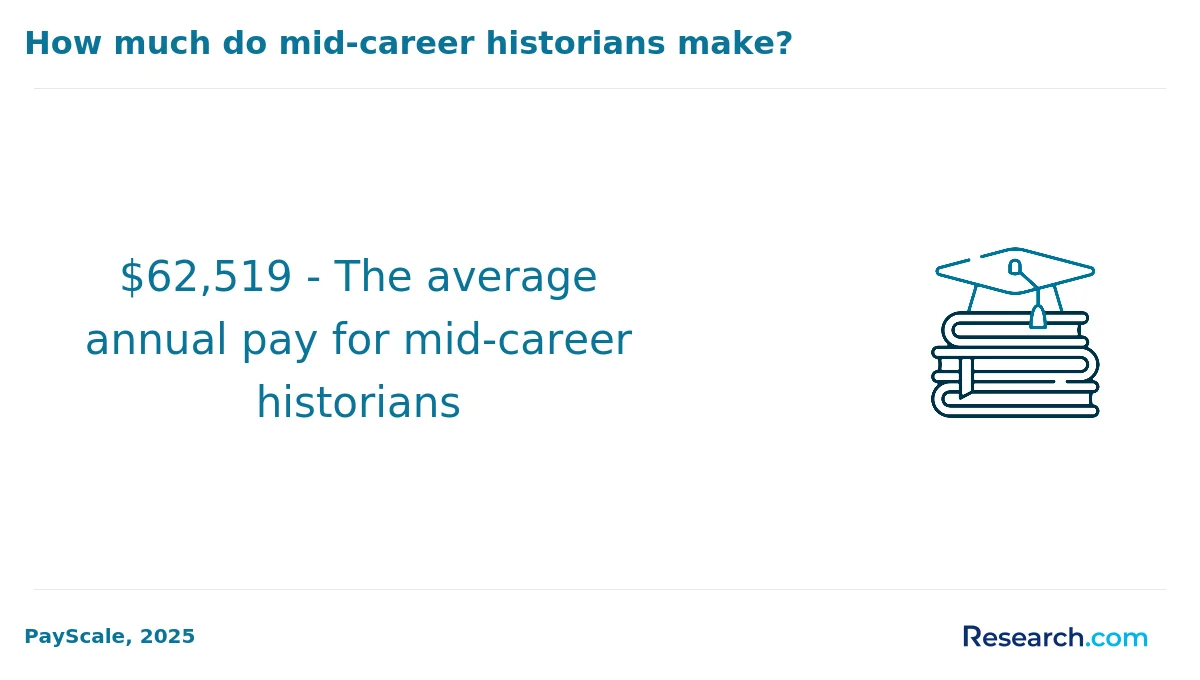
Graduates with online history degrees from respected Midwest institutions often find a broad salary range based on their chosen career paths. While precise salary data for every history-related job is limited, postsecondary history teachers in the Midwest earn a median annual salary around $68,000, reflecting a stable and rewarding pathway for degree holders. This figure resonates with many graduates from universities such as the University of Wisconsin and Indiana University, who pursue teaching roles after completing their studies online.
Entry-level positions in archival work or museum technician roles typically start between $40,000 and $50,000 annually, which is a realistic expectation for recent graduates launching their careers in cultural institutions. These roles often provide meaningful work closely aligned with a passion for history and preservation, common among students from schools like the University of Minnesota.
Many graduates experience strong job satisfaction by engaging with local historical societies or public history projects, where salaries range from $55,000 to $75,000 depending on urban location and institutional demand. Advanced degrees further enhance earning potential and job opportunities, making the pursuit of graduate studies a strategic investment for online history graduates in the Midwest.
- Online history degrees in the Midwest are offered by accredited public and private universities with flexible scheduling options.
- Tuition costs range from $8,000 to $12,000 per year at public schools and up to $20,000 annually at private institutions.
- The average starting salary for history graduates is about $45,000 per year, with experienced professionals earning between $60,000 and $75,000.
- Job growth for historians is projected at around 5% nationally through 2030, reflecting steady demand in states like Illinois, Ohio, and Michigan.
- Programs often include interdisciplinary courses in political science, anthropology, and library sciences to enhance career opportunities.
- Some online degrees may require occasional campus visits for labs, exams, or networking, depending on the school's policies.
Completing an online history degree in the Midwest typically spans about four years for full-time students, reflecting the standard timeframe established by institutions like the University of Illinois or Michigan State University. Graduates from these programs often share that maintaining a steady course load while balancing other responsibilities contributes significantly to this timeline.
Part-time students, especially those attending schools such as Ohio State University or the University of Wisconsin, frequently take five to six years. Their stories highlight the flexibility of asynchronous classes that allow them to study at their own pace while managing work and family commitments, which many find empowering.
Graduates emphasize how factors like credit transfer policies and summer accelerated sessions can shorten their degree path. These options, offered at many Midwestern universities, create a tailored journey that keeps students motivated and engaged, promoting a positive and manageable experience throughout their studies.
Online history degrees in the Midwest, such as those offered by the University of Illinois, provide students with the flexibility to study at their own pace and from any location. Graduates often appreciate balancing coursework with jobs or family commitments, leveraging asynchronous lectures and virtual discussions to fit learning into their daily routines. In contrast, on-campus programs at schools like Ohio State University immerse students in a structured, face-to-face environment, where direct interaction with professors and peers fosters immediate feedback and collaborative learning.
Midwest students pursuing either format experience similar academic rigor, as universities maintain consistent course requirements regardless of delivery. However, on-campus attendees benefit from direct access to specialized archives and networking opportunities that can lead to internships or research partnerships, enriching their educational journey in tangible ways.
Despite these differences, many online graduates value the digital resources and flexible scheduling that make quality history education attainable without sacrificing their personal or professional lives.
The average cost of an online history degree in the Midwest typically centers around a median total of $44,520, with in-state students paying about $34,448 and out-of-state students averaging $43,995. These figures align closely with the Midwest online bachelor's history tuition fees observed across many institutions, reflecting a balance between affordability and quality education. Graduates from well-regarded universities such as the University of Illinois often share how the reasonable tuition rates combined with flexible online formats made it possible to pursue their studies without overwhelming financial stress.
For many students, the cost per credit hour-generally ranging from $300 to $600 at Midwest public institutions-translates into total expenses that stay competitive compared to other regions. Moreover, some schools provide flat-rate tuition or discounted offerings tailored specifically to online learners, which can substantially reduce the financial burden. This affordability is a decisive factor in why numerous students are drawn to these online history programs, where they feel empowered to advance their careers while maintaining financial stability.
Midwest students investigating how long does it take to get a history degree find that spreading tuition costs over the course duration helps make the investment manageable. Additionally, graduates emphasize the importance of exploring scholarships, grants, and employer tuition assistance programs that further alleviate expenses. Prospective learners benefit by consulting specific university resources and financial aid offices to optimize their educational funding strategies and fully comprehend total costs.
To better understand the time commitment and cost details involved, prospective students can explore how long does it take to get a history degree, helping them plan effectively while pursuing an affordable and reputable education in the Midwest.
Students pursuing an online history degree in the Midwest often access diverse financial aid that makes their education attainable despite typical annual in-state tuition costs between $10,000 and $15,000. Many graduates from institutions like the University of Michigan or Ohio State University report relying heavily on federal aid, particularly the Free Application for Federal Student Aid (FAFSA), to secure Pell Grants and subsidized loans, which significantly ease financial burdens.
State grants such as the Ohio College Opportunity Grant and Illinois Monetary Award Program provide substantial support to residents, enabling learners at schools like the University of Illinois to afford their studies. Merit-based scholarships offered by Midwestern colleges frequently reward academic excellence or leadership among history majors, creating opportunities for reduced tuition that students describe as motivational and validating.
Veterans enrolling in online history programs benefit from GI Bill provisions, aiding military-affiliated students at institutions like Purdue University. Additionally, private scholarships from historical societies and the American Historical Association supplement funding, reflecting the rich network of resources available and enhancing the hopeful experience of Midwestern history students.
To enroll in an online history degree program in the Midwest, most universities require applicants to hold a high school diploma or a GED, ensuring foundational academic readiness. Graduates from popular Midwest institutions often recall submitting transcripts from their previous education to demonstrate their preparedness for rigorous coursework.
Standardized tests such as ACT or SAT scores are increasingly optional, especially for adult learners balancing work and study, reflecting flexible admissions policies favored by many Midwestern colleges.
Applicants are typically asked to provide a statement of purpose, where they articulate their passion for history and academic goals. This personal essay helps admissions staff gauge commitment and critical thinking skills, essential for success in a program heavy in reading and writing.
Students from well-regarded schools in the Midwest highlight how strong reading comprehension and writing abilities greatly ease the transition to online learning, where analyzing historical texts and crafting essays form the core of the curriculum.
Online history degree programs in the Midwest commonly include foundational courses that emphasize both American and global history, offering students a well-rounded perspective. Graduates from institutions like the University of Illinois or Ohio State University often reflect on their engagement with core classes such as Introduction to Historical Methods and Research, U.S. History to 1877, and Modern European History, which build essential analytical skills.
Students frequently appreciate the regional focus incorporated into these programs. Courses covering Native American history and Midwestern immigration provide meaningful context tied to the local cultural heritage. This connection helps learners relate historical events to their own communities, enhancing their academic experience and personal interest.
Electives such as Women's History, Military History, and Public History allow students to tailor their studies toward specific passions or career goals. Many appreciate how these courses prepare them for varied paths, from museum work to legal research, supporting both intellectual growth and practical application in professional environments.
Online history degree specializations Midwest universities commonly include American history, world history, and public history. Graduates from institutions such as the University of Illinois Springfield often describe their American history studies as immersive, focusing on events like westward expansion and the Civil War, which resonate deeply given the region's heritage. These programs help students develop analytical skills by engaging with key historical documents and regional developments.
Midwest accredited history degree concentrations also extend to world history, offering a global perspective on continents such as Europe, Asia, and Africa. Students appreciate how this specialization connects diverse cultures and historical narratives, preparing them for careers in education or international organizations. Public history is another popular track, training students for practical roles in museums and cultural management, which many find rewarding and engaging.
Additionally, niche specializations like Native American studies reflect the Midwest's rich indigenous legacy, providing meaningful context and cultural understanding. Prospective students curious about how much does a history degree cost will find this region's online options both affordable and flexible. These specialized tracks offer a comprehensive educational experience well suited for various professional aspirations.
Choosing the best online history degree in the Midwest starts by verifying regional accreditation, such as from the Higher Learning Commission, which assures academic quality and recognition. Graduates from respected institutions like the University of Illinois or Ohio State University often highlight how a well-rounded curriculum covering both national and Midwestern history enriched their understanding and passion for the field.
Affordability is key; many seek affordable online history programs Midwest that offer competitive tuition and financial aid options. Students report feeling motivated when managing costs effectively without compromising educational value. Flexibility matters too-working adults appreciate programs with asynchronous classes and accelerated formats that allow them to balance studies and personal commitments.
Graduates emphasize the importance of career services that connect them with internships and alumni networks, critical for competitive roles such as archivists or museum curators in the region. Exploring jobs with a masters in history can help prospective students envision fruitful career paths.
Graduates of an online history degree in the Midwest often pursue careers in education, particularly in secondary education and teaching. Many alumni from well-regarded institutions in the region successfully find opportunities in both public and private schools, where their strong communication and analytical skills are in high demand. History graduates pride themselves on making a meaningful impact by educating younger generations, especially in rural Midwestern communities facing teacher shortages.
Beyond education, numerous career paths exist in museum and archival work, leveraging the rich cultural heritage of the Midwest. Graduates from prominent Midwestern universities frequently secure roles at institutions like state museums and historical societies, where they contribute to preserving and interpreting local and national history. These roles fulfill their passion for cultural preservation and public engagement.
Many professionals with an online history degree careers Midwest also find rewarding positions in government sectors, including cultural resource management and policy analysis. Such roles tap into their ability to contextualize societal developments historically, helping shape informed public programs. Additionally, graduates enjoy opportunities in research, writing, and publishing, where their expertise enhances content creation for think tanks and media outlets.
Those seeking affordable education often explore the cheapest history degree online, which offers a cost-effective way to enter these dynamic career fields without compromising quality.
The job market for an online history degree in the Midwest is characterized by diverse opportunities across education, cultural heritage, and public service sectors. Graduates from popular institutions like the University of Illinois or Ohio State University often find fulfilling roles as middle or secondary school teachers, museum curators, or archivists. Many report that the practical skills gained through their programs translate well into these careers, making them feel confident about their professional prospects.
Individuals pursuing careers with a history degree benefit from the region's strong network of museums, historical societies, and cultural institutions. These organizations frequently seek candidates who understand the Midwest's rich local history and can engage communities effectively. Graduates appreciate that an online history degree job market Midwest offers competitive salaries, often around $54,000 to $60,000 a year depending on the exact role, which supports a stable lifestyle.
For those aiming to advance further, exploring online history masters programs can open doors to specialized fields such as public history or museum leadership. Many alumni highlight that starting with an accessible online bachelor's degree set a solid foundation for these ambitions.
2027 Fastest Online Bachelor's in History Degree Programs Ranking in the Midwest
Investing in your education is a significant decision that can shape your future, and the Research.com team understands the importance of making informed choices. To assist prospective students seeking the fastest online Bachelor's in History programs in the Midwest, we have meticulously crafted the "2027 Fastest Online Bachelor's in History Degree Programs Ranking in the Midwest." Our commitment to quality, credibility, and accuracy is reflected in the extensive research and analysis conducted to compile this ranking.
We utilized the following reputable data sources to ensure a comprehensive evaluation of these programs:
By exploring this ranking, readers will gain valuable insights into the fastest programs to help them accelerate their educational goals while making well-informed decisions. For more information on how this ranking was created, please visit our Research.com methodology page.



Frequently Asked Questions About history
Students pursuing online history degrees in the Midwest can enhance their learning by actively engaging with regional archives and digital libraries. Many Midwestern universities provide free access to extensive collections focused on local history, which enrich coursework and research. According to the Midwest Archives Conference, using primary sources from state historical societies strengthens critical analysis skills.
Joining online study groups and discussion forums is also beneficial. Interaction with peers and professors increases comprehension and encourages diverse perspectives. Statistics from the National Center for Education Statistics show that Midwestern online programs with collaborative elements report higher student satisfaction.
Finally, students should take advantage of virtual internships with museums or historical associations in the region to gain practical experience. These internships often provide valuable networking opportunities tailored to Midwestern history interests.
Emerging niches within the history field reflect growing interests in areas that connect past events with social and technological changes. In the Midwest, fields like public history, digital history, and environmental history are gaining prominence, especially through online programs. Public history involves working with museums, archives, or cultural organizations to bring history to wider audiences.
Digital history uses technology to preserve and interpret historical materials. According to the American Historical Association, enrollment in digital history courses has grown by 15% nationally over the past five years, with Midwestern universities expanding their offerings.
Environmental history is also on the rise, reflecting concerns about climate change and the region's agricultural past. The University of Michigan and Indiana University are noted for developing strong programs in this area.
Preparing for the job market after earning an online history degree in the Midwest requires strategic planning. Graduates should focus on gaining practical experience through internships offered by regional museums, archives, or historical societies. These opportunities often lead to valuable professional networks.
Developing strong research and writing skills is essential, as many employers seek candidates proficient in these areas. The National Council on Public History highlights that about 30% of history graduates in this region pursue roles in public history or education, reflecting local job trends.
Additionally, acquiring certifications in digital archives or museum studies can enhance your employability in an evolving job market.
Employers hiring history graduates in the Midwest prioritize strong research and analytical skills. These abilities help graduates interpret complex historical data and construct clear arguments, essential for roles in education, public history, and archival work. Communication skills, both written and oral, are also highly valued to effectively share historical knowledge.
Additionally, proficiency in digital tools used for historical research, such as databases and GIS mapping, is increasingly important. According to the American Historical Association, 65% of Midwest employers expect candidates to have experience with digital archives or data visualization.
Critical thinking and the ability to synthesize diverse sources remain core competencies that Midwest employers insist on when recruiting history degree holders.
Finding internships in the Midwest related to a history degree involves targeted research and leveraging regional resources. Students should explore archives, museums, historical societies, and local government offices in states like Illinois, Ohio, and Indiana, which host numerous history-focused opportunities. According to the American Historical Association, internships in these areas often provide hands-on experience with preservation, research, and public history projects.
Utilizing university career centers and online platforms like Handshake or the National Council on Public History can connect students to openings. Networking through Midwest-based history associations or attending local history conferences also enhances prospects. Early and proactive outreach is key to securing valuable internships aligned with academic goals.
An online history degree can significantly enhance career mobility and advancement for students in the Midwest. According to the National Center for Education Statistics, over 30% of history bachelor's degree holders pursue careers in education, public administration, or cultural resource management, fields that are growing steadily in the region.
Online programs in the Midwest often provide flexible scheduling and access to local internship opportunities with historical societies and museums. This flexibility allows working adults to gain credentials without interrupting their careers.
Employers in the Midwest increasingly value critical thinking and research skills developed through history degrees, opening doors to leadership roles in nonprofits, government, and private sectors. A report by the National Humanities Alliance highlights that graduates with history degrees see a 15% higher likelihood of promotion within five years compared to other liberal arts majors.
Studying for a history degree in the Midwest offers strong preparation for interdisciplinary roles by emphasizing diverse skills and regional contexts. Many Midwestern universities integrate courses in political science, sociology, and cultural studies, encouraging students to analyze historical events from multiple perspectives.
The Midwest's rich industrial and migration history provides unique case studies supporting broader fields like urban planning, public policy, and education. According to the American Historical Association, graduates with interdisciplinary training are 20% more likely to find roles in sectors beyond traditional history careers.
Online programs leverage these regional strengths to offer flexible, broad-based curricula that prepare students for careers in museums, archives, law, and business. This approach makes Midwestern history degrees particularly relevant for multidisciplinary employment.
Choosing between a thesis and a non-thesis history degree program in the Midwest depends on your academic goals and career plans. Thesis options typically involve conducting original research and writing a substantial paper, which can be ideal if you plan to pursue graduate studies or research roles.
Non-thesis programs generally focus on additional coursework and practical skills, suitable for students seeking careers in education, public history, or writing without the research-intensive commitment.
According to the National Center for Education Statistics, nearly 35% of history bachelor's degree students in Midwest online programs choose non-thesis tracks for flexibility and quicker completion.
Assess your interest in research, time availability, and professional objectives when deciding.
Students in the Midwest pursuing online history degrees have several study abroad options through their institutions. Many universities are part of exchange programs allowing virtual participation in international courses or short-term travel experiences, often in Europe or Asia.
For example, schools like the University of Illinois and Ohio State University offer hybrid models combining online study with abroad fieldwork. According to NAFSA, approximately 15% of Midwestern students enrolled in history programs engaged in study abroad by 2022.
These programs often focus on European history, providing direct access to original archives and cultural sites, complementing online coursework effectively.
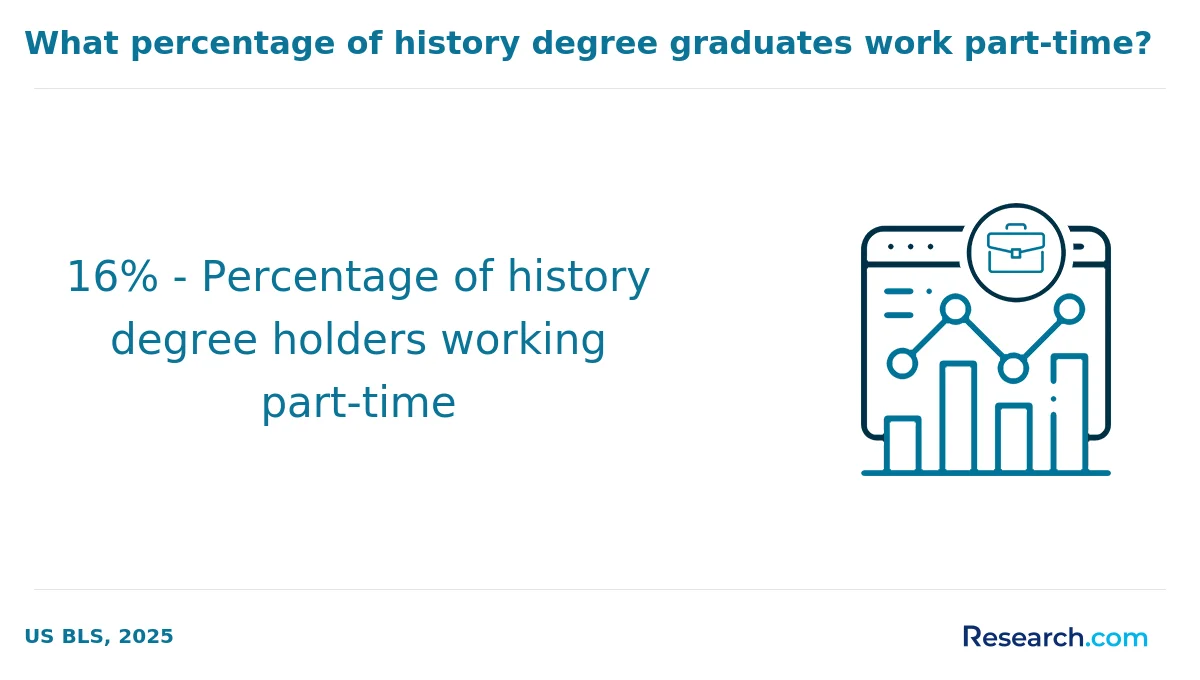
Part-time job opportunities that complement a history degree in the Midwest often include museum or archive assistant positions. Many institutions, such as the Chicago History Museum and the Indiana State Museum, hire part-time workers to help with curation, research, and educational programming. These roles provide practical experience in managing historical documents and artifacts.
Library assistant jobs in public and university libraries also align well with history studies. According to the U.S. Bureau of Labor Statistics, Midwest libraries reported steady hiring for support roles, often part-time, offering experience with research resources.
Additionally, some local government offices seek interns or part-time help for historical preservation projects, combining hands-on fieldwork with administrative tasks.
Online history students in the Midwest benefit from a variety of networking opportunities despite studying remotely. Many universities partner with local museums, historical societies, and archives to offer virtual internships and collaborative projects. For example, institutions in Illinois and Ohio connect students with the Chicago History Museum and Ohio History Connection, providing practical experience and professional contacts.
Midwestern states also host annual history conferences and virtual symposiums, like the Illinois State Historical Society meetings, where online students can present research and meet peers. Additionally, alumni networks and dedicated online forums help students establish connections across the region.
These resources foster professional growth and community engagement within the Midwest historical field.
Alumni networks are valuable for online history degree students in the Midwest by offering connections that can lead to internships, job opportunities, and mentorship. Graduates often share insights into regional historical societies, museums, and archives, helping students navigate local career paths.
According to the National Center for Education Statistics, Midwestern universities with strong alumni networks report higher post-graduation employment rates in history-related fields. Alumni also facilitate virtual events and forums, making it easier for online students to engage despite geographic distances.
These networks strengthen professional ties within the Midwest's rich historical community, benefiting students both academically and professionally.
Customizing your online history degree in the Midwest to match your career goals begins with selecting a program that offers flexible electives. Many Midwestern universities allow students to focus on areas like American history, public history, or museum studies. This specialization can prepare you for roles in education, archival work, or cultural resource management.
Internships and research projects, often available online or locally, add practical experience. Additionally, consider programs offering courses in digital history or historical preservation, which are growing fields. According to the National Center for Education Statistics, about 35% of Midwestern history programs provide such tailored curriculum options.
Advisors at these schools can help shape your coursework to align with professional certifications or graduate study plans, enhancing job market readiness.
Online history students in the Midwest often face unique challenges related to access and resources. Many institutions in rural areas have limited broadband connectivity, which can hinder the consistent use of multimedia course materials. According to the FCC, approximately 22.3% of rural Midwestern residents lack high-speed internet, impacting their learning experience.
Moreover, students sometimes struggle with limited opportunities for local archival research or in-person networking, crucial elements in history studies. Regional history archives can be distant or require travel, complicating hands-on research.
Time management is another common issue. Many online learners balance work, family, and studies, needing strong self-discipline to succeed in asynchronous coursework.
Graduates with an online history degree in the Midwest can pursue several professional certifications to enhance their career prospects. Popular options include the Certified Archivist credential offered by the Academy of Certified Archivists, which is valuable for managing historical records and archives.
Additionally, the Certified Museum Professional (CMP) certification supports careers in museum curation and education. Many history graduates also consider obtaining a Project Management Professional (PMP) certification to improve their organizational skills in cultural institutions.
According to the Midwest Archives Conference, demand for certified professionals in historical preservation and public history roles has steadily increased. These certifications help validate expertise and can lead to higher salaries and job security in the region.
To write a winning application for an online history program in the Midwest, start by highlighting your passion for history and any relevant academic or professional experiences. Admissions committees appreciate clear explanations of why you want to study history, especially focused on Midwest-related topics, such as regional economic changes or Native American history.
Include strong letters of recommendation from educators or employers who can attest to your research and writing skills. Many programs require official transcripts; aim for a GPA of 3.0 or higher, which is common among competitive history programs.
Finally, craft a compelling personal statement that connects your goals with the program's strengths. According to the National Center for Education Statistics (NCES), online history degrees in this region have grown by 15% over the last five years, reflecting increased demand and opportunities. Tailoring your application to demonstrate awareness of regional history trends can strengthen your candidacy.
The career outlook for history graduates extends beyond the United States, reflecting a growing global interest in cultural preservation and critical analysis. In the Midwest, online history degrees increasingly prepare students for roles that connect local heritage with global contexts, a trend supported by the American Historical Association's 2023 report on workforce integration.
Worldwide, historians skillfully interpret events, aiding governments, international organizations, and educational institutions. The U.S. Bureau of Labor Statistics forecasts a 5% growth in historian jobs through 2031, driven partly by expanding digital archives and global research collaborations.
Midwestern programs emphasize global perspectives, integrating diverse historical narratives to meet international research and policy demands. These skills enhance graduates' competitiveness in a global job market focused on cultural understanding and historical inquiry.
Students pursuing an online history degree in the Midwest can gain practical experience through several avenues. Internships at local museums, historical societies, and archives provide hands-on opportunities to apply classroom knowledge. Many institutions in states like Illinois and Ohio have partnerships offering remote or in-person roles. Volunteering with organizations such as the Illinois Historic Preservation Agency allows students to work on preservation projects.
Additionally, online students often engage in research assistantships with professors, which can be arranged remotely. According to the American Historical Association, nearly 40% of history students secure internships before graduation, enhancing their resumes and professional skills within the region's rich historical landscape.
Choosing the right concentration within an online history degree program in the Midwest involves understanding both your interests and career goals. Popular concentrations include American history, world history, and specialized areas like public history or military history. According to the National Center for Education Statistics, many Midwest schools offer strong programs emphasizing American and regional history, reflecting the area's rich cultural heritage.
Consider how each concentration aligns with future opportunities. For example, public history can lead to museum or archival work, while military history may suit careers in defense or research. Review course offerings and faculty expertise at each institution to find the best fit.
Finally, consult resources such as the American Historical Association for data on career outcomes by concentration, helping ensure your choice matches job market demands.
- Online Bachelor's Degree Completion Financial Aid https://www.hamline.edu/admission-aid/financial-aid/online-bachelors
- Desmet | Talent development in history education https://journals.uclpress.co.uk/herj/article/pubid/Hist_Educ_Res_J-23-16/
- My Top 3 Recommendations on Networking in the History ... https://anhistorianabouttown.com/recommendations-on-networking-in-the-history-world/
- Undergraduate History Student Opportunities https://warwick.ac.uk/fac/arts/history/students/studentopportunities/
- History Program at Lakeland University https://lakeland.edu/degrees/history
- 2026 Best Online History Degrees https://www.onlineu.com/degrees/history
- Online Degree Programs & Courses - WIU https://www.wiu.edu/online/
- 4 Steps to Find History Research Opportunities as an ... https://www.coltie.com/post/4-steps-to-find-history-research-opportunities-as-an-undergraduate
- What Can You Do With a History Degree? https://willamette.edu/academics/college/history/career-options
- History (B.A.) https://king.edu/programs/humanities/history/